15 So-Called ‘Healthy’ Foods Packed With Microplastics — And What to Eat Instead
The reality is that microplastics, those tiny plastic bits resulting from the breakdown of larger plastic items, are almost everywhere. They’ve infiltrated our waters, lands, and, unfortunately, some unexpected foods that we consider healthy. Before you toss your spinach or swap it for pasta alfredo, stick around. You don’t need to overhaul your entire diet—just make more informed swaps.
Here’s a breakdown of 15 so-called “healthy” foods known to contain microplastics and what you can eat instead to keep things a bit cleaner for your plate (and the planet).
Farmed Fish
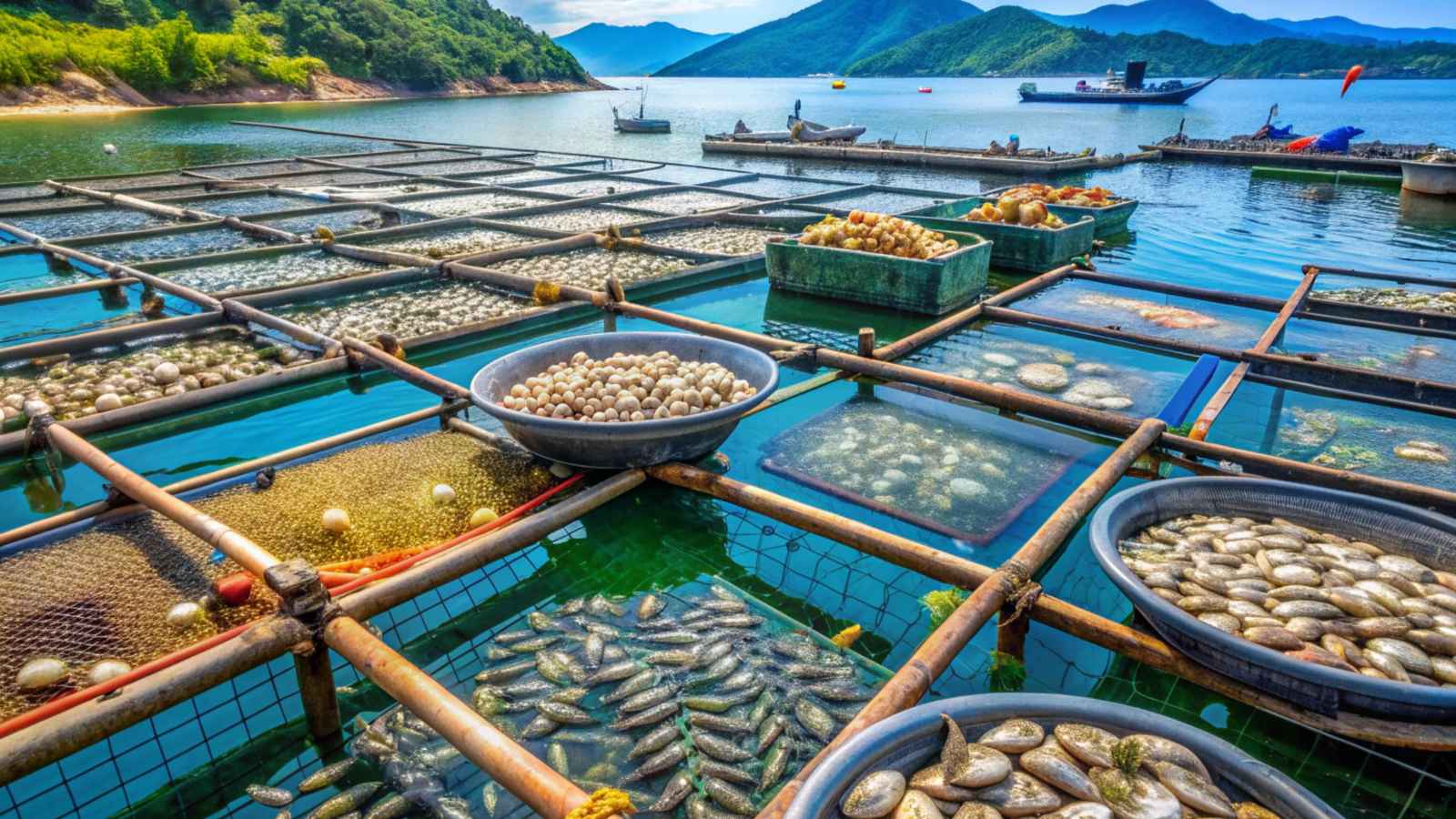
You are delighted with your weekly stash of “healthy” salmon fillets from the supermarket, low-key bragging about your omega-3s. However, the truth is, farmed fish (especially those raised in enclosed pens) consume water filled with microplastics, making them a less-than-clean option.
Opt for wild-caught fish, preferably smaller varieties such as sardines or herring. They’re less likely to have accumulated significant plastic compared to farmed or larger fish.
Protein Powders
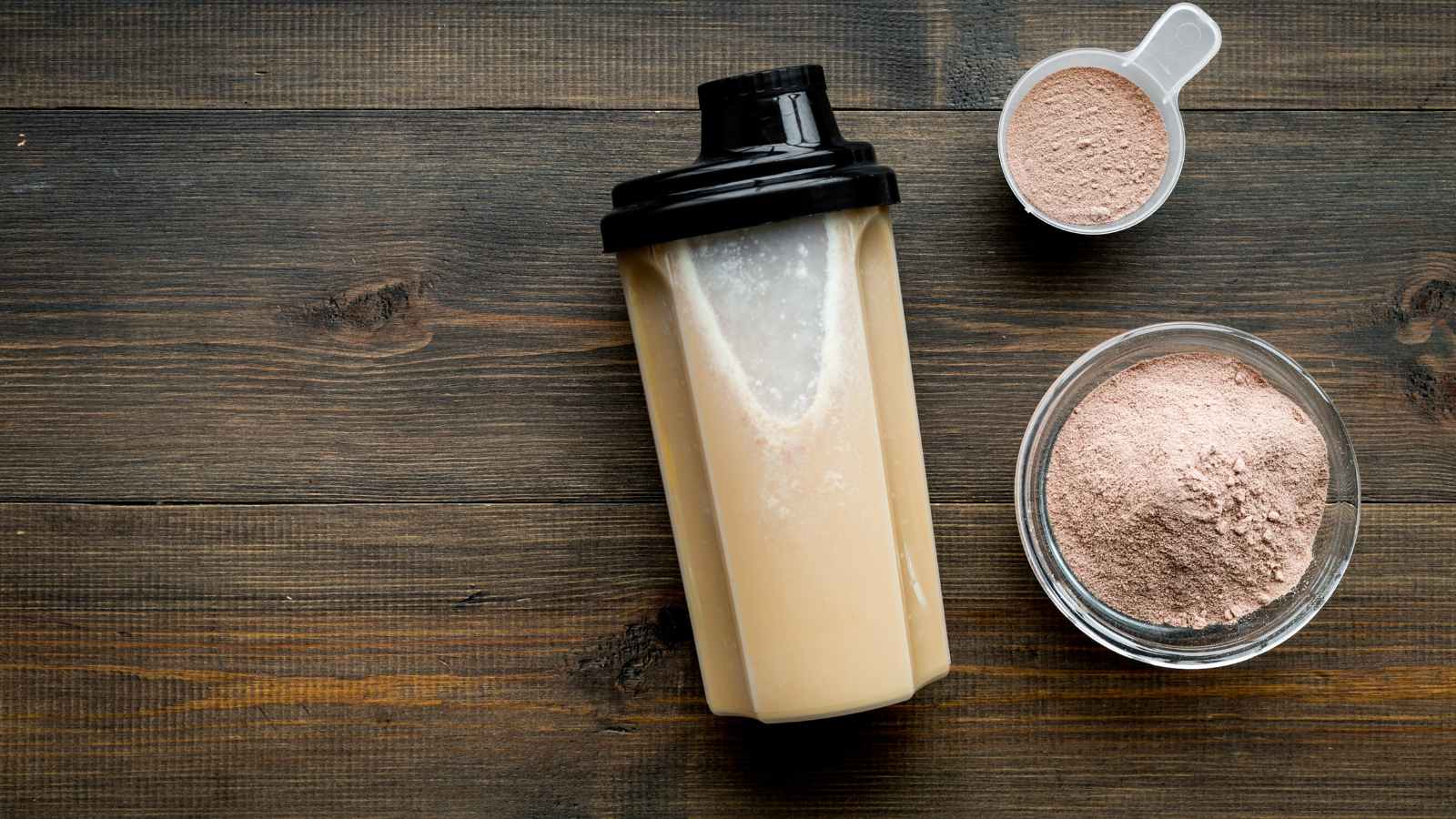
Your fitness transformation is fueled heavily by shakes and smoothies loaded with protein powder. What nobody tells you is that some powders, especially those packaged in plastic or derived from marine products, can be sneaky sources of microplastic contamination.
Consider plant-based powders from highly reputable, eco-focused brands, or seek out organic whey that is packaged in glass or paper containers. Better yet, explore whole food substitutes like chia seeds or Greek yogurt for protein boosts.
Sea Salt
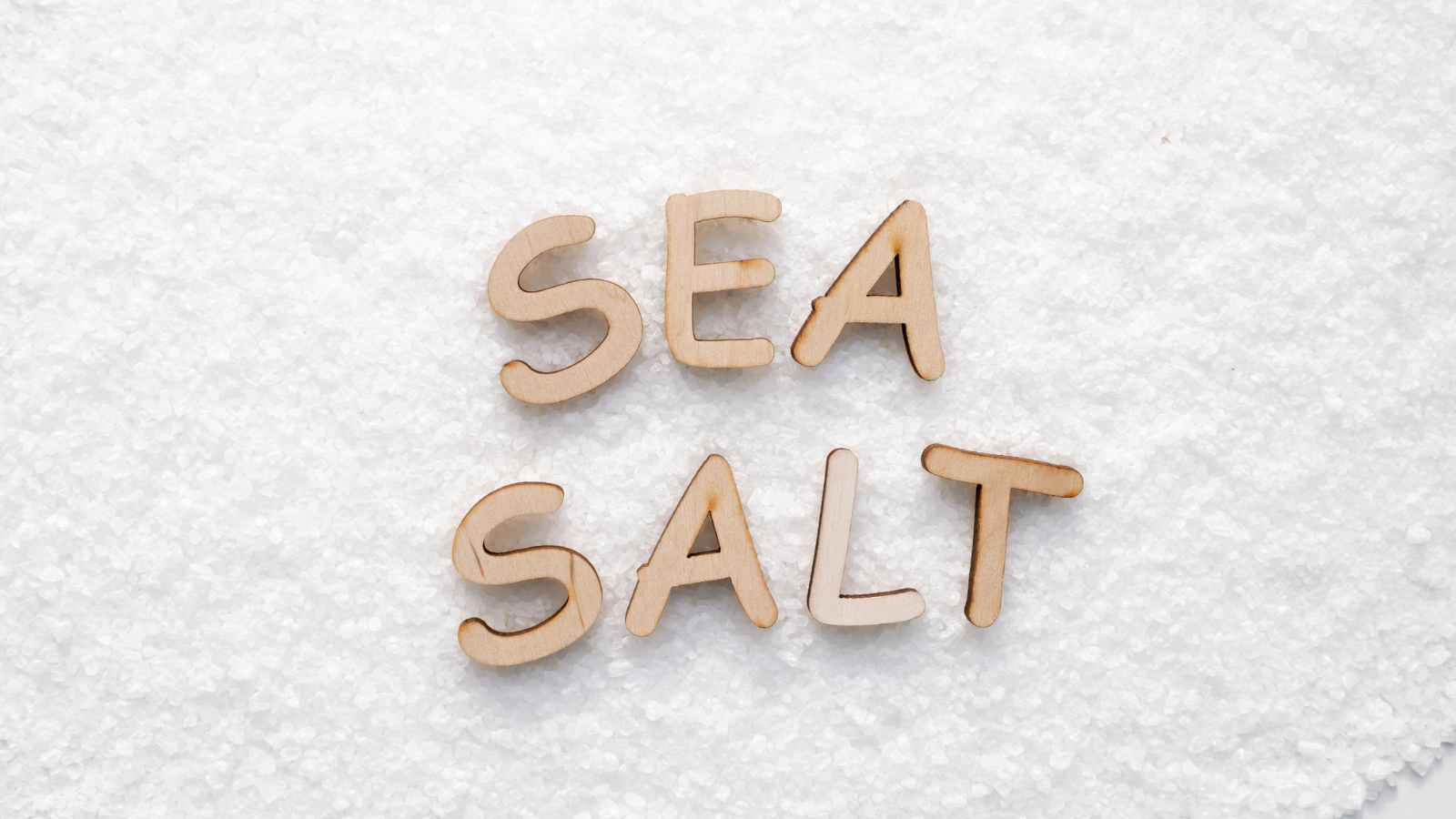
Salts derived from marine sources and other unrefined crystals contain measurable quantities of microplastics, which are attributed to widespread ocean plastic pollution and contamination that occurs during harvesting and processing.
Studies employing techniques such as Raman spectroscopy and microscopy have detected microplastic particles of various polymer types in different commercial salt brands worldwide. While salt intake should be moderated for general health reasons, opting for salts with verified low contamination or reducing salt consumption may mitigate microplastic ingestion.
Bottled Water
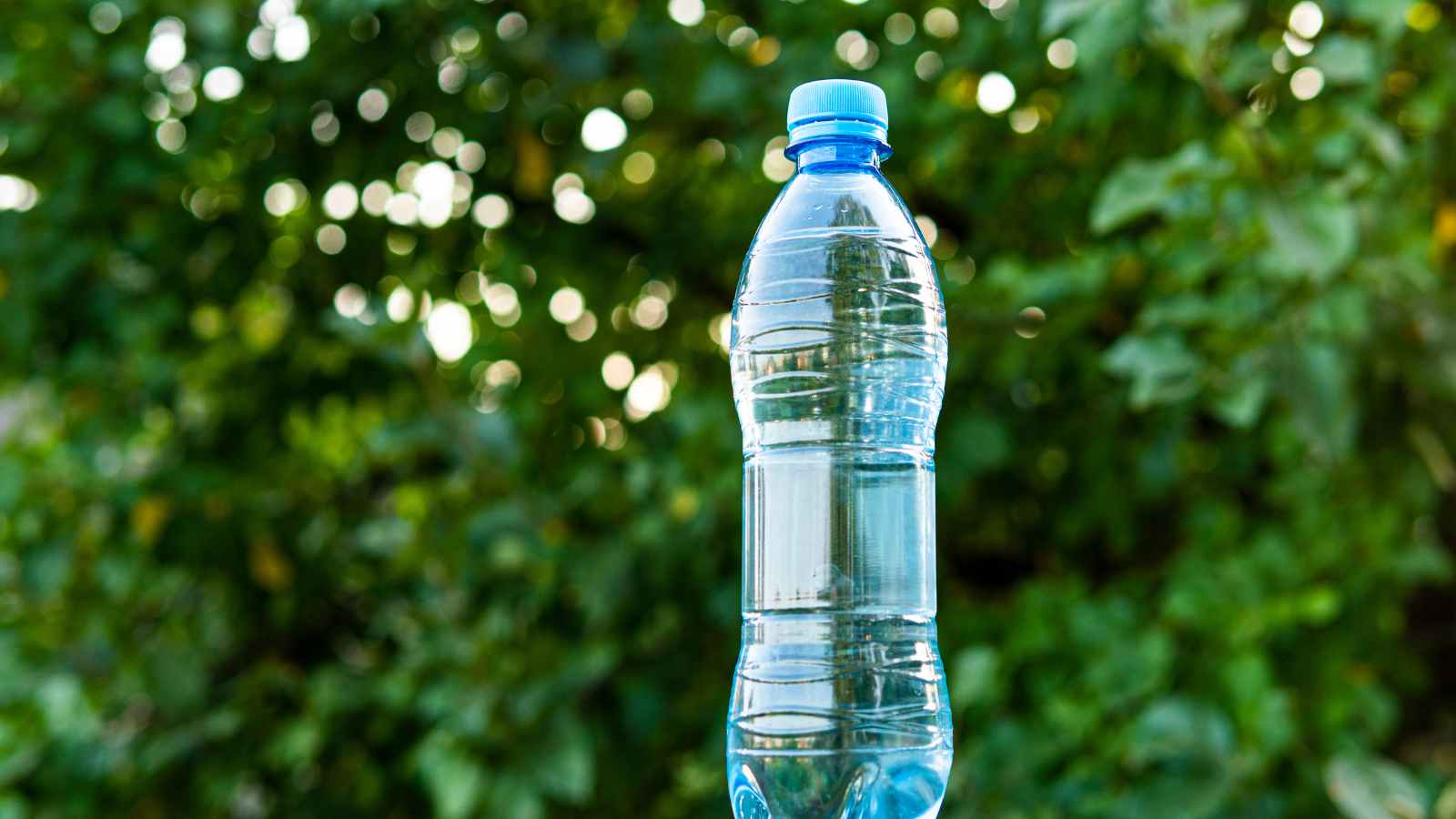
Multiple studies have consistently detected high levels of microplastics in bottled water, with particle counts exceeding hundreds of thousands per liter in some cases. These microplastics derive from both the plastic bottle material and the bottling process itself. Given that bottled water consumption is widespread globally, cumulative exposure can be considerable.
While regulatory agencies, such as the FDA, acknowledge the presence of microplastics in bottled water, they currently do not confirm significant health risks at the detected levels; however, they emphasize the need for ongoing surveillance. To reduce exposure, experts recommend drinking filtered tap water using high-quality home filtration systems and avoiding single-use plastic bottles.
Shellfish
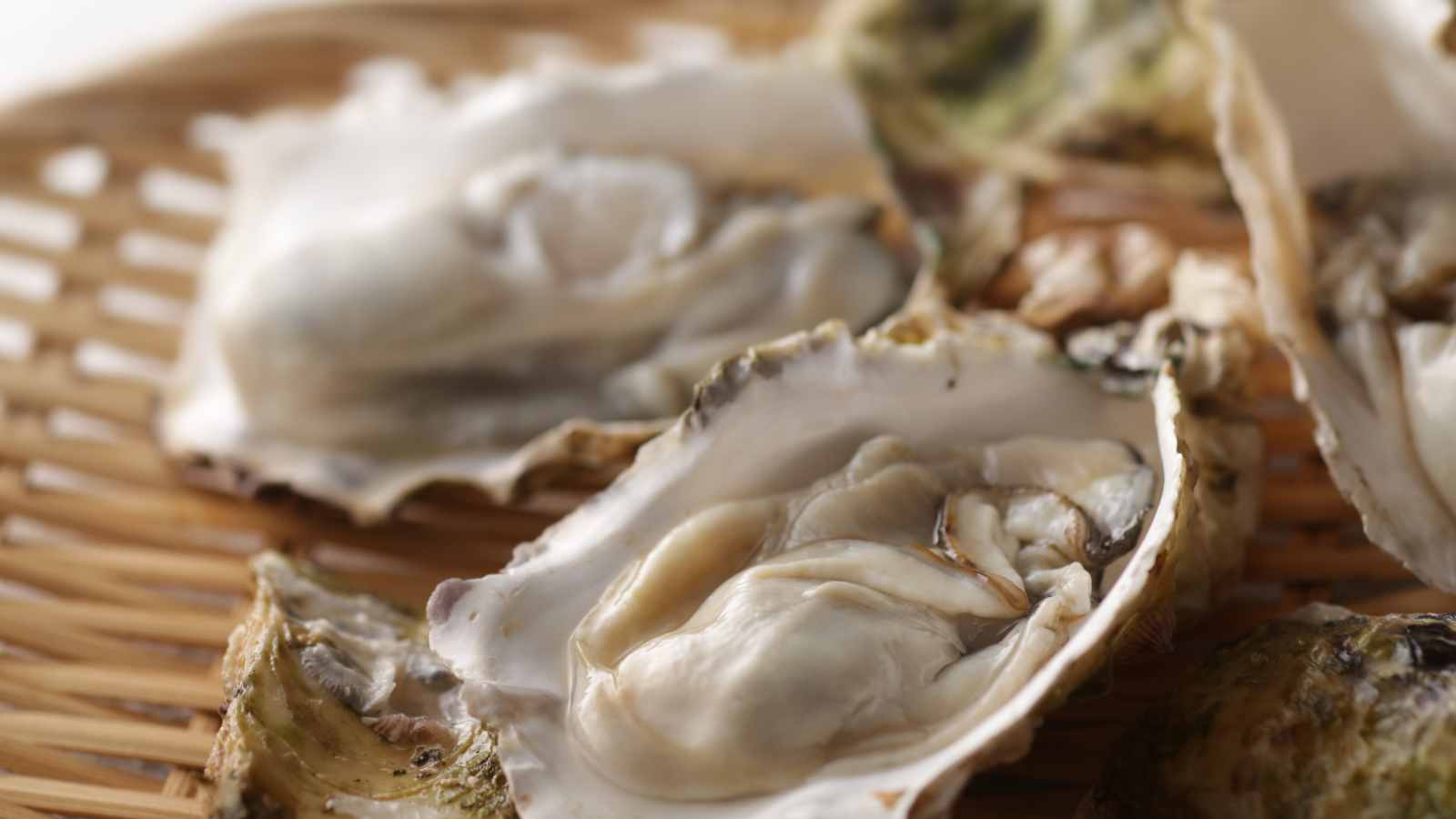
Your weekend oyster feast at the fancy spot downtown suddenly doesn’t sit well with you after reading how shellfish tend to absorb microplastics directly from polluted waters. Since they filter-feed, whatever’s floating in the water around them ends up inside them—and then you. If you’re craving seafood without the waste, opt for non-filter feeders, such as cod, haddock, or responsibly sourced crab, instead.
Rice
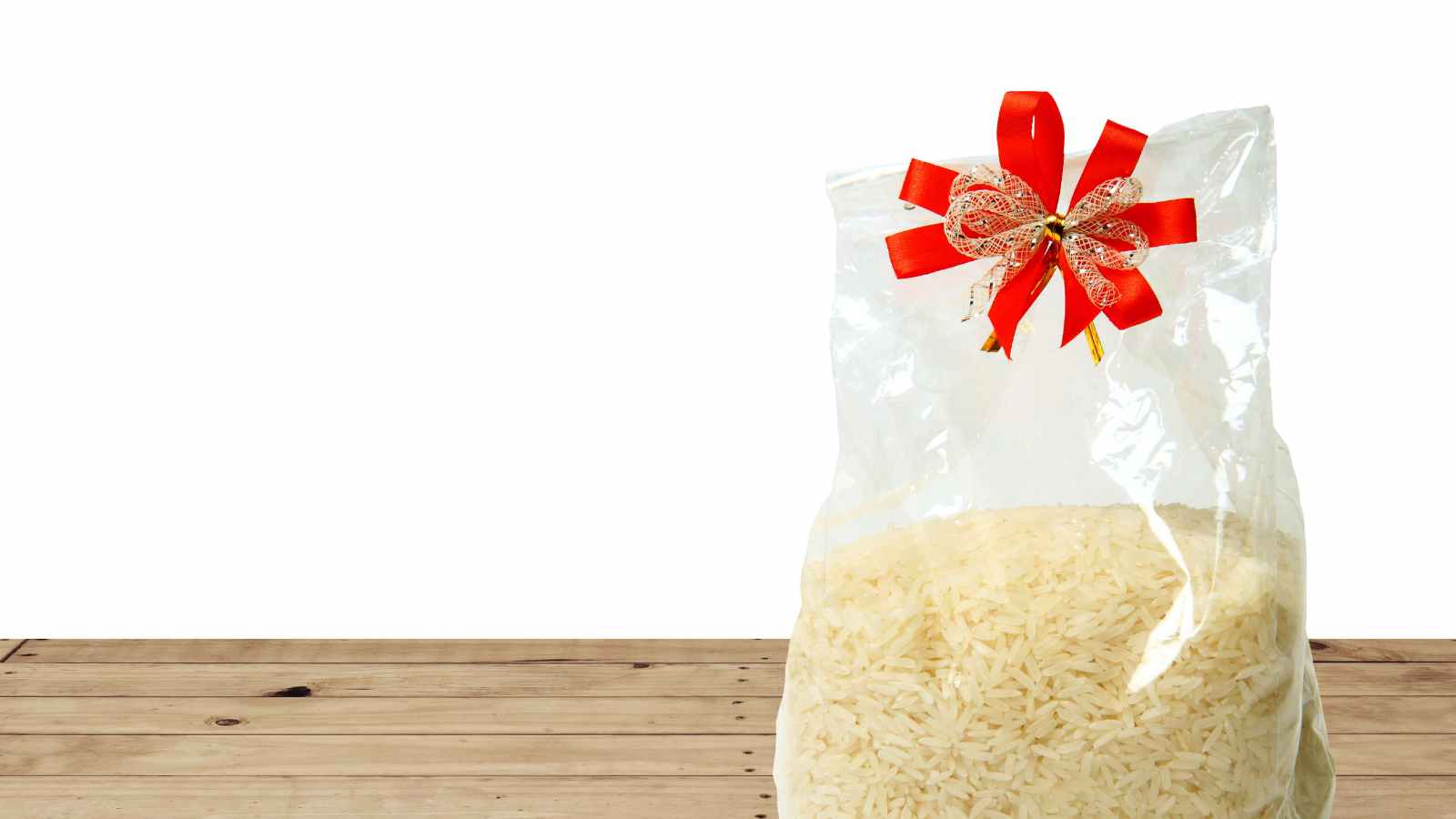
Rice, as a primary staple food for over half the world’s population, has recently been highlighted as a significant source of human exposure to microplastics. A pioneering study conducted in Bangladesh analyzed 15 commonly consumed store-bought rice samples, both in their raw and traditionally cooked forms, employing stereomicroscopy and Fourier-transform infrared (FTIR) spectroscopy to identify microplastic particles.
The findings revealed the presence of microplastics in all samples, with raw rice containing an average of 67.20 ± 24.21 particles per gram and cooked rice showing 32.47 ± 12.46 particles per gram, indicating that traditional cooking can reduce but not eliminate microplastic contamination.
Tea Bags
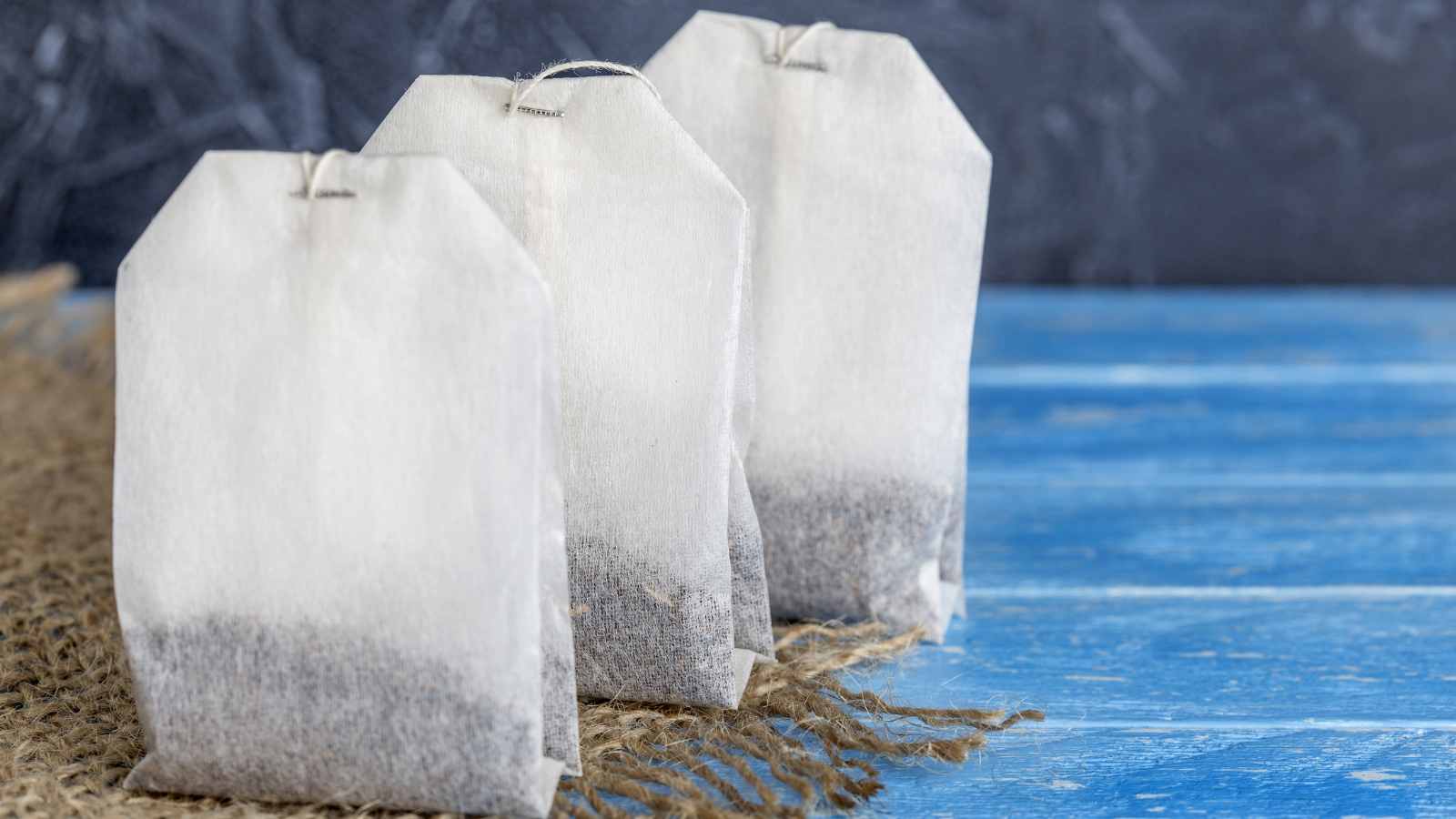
Recent research has found that some plastic-based tea bags, particularly those made from nylon or PET materials, release up to 11.6 billion microplastic particles into a single cup of hot tea. These microfibers result from the plastic mesh components of the bags breaking down with heat.
The presence of nanoplastic-sized particles further complicates detection and health impact assessments. To avoid this, switching to loose-leaf teas that use metal or glass infusers is advisable, thereby minimizing direct plastic contact during the brewing process.
Pre-Washed Vegetables
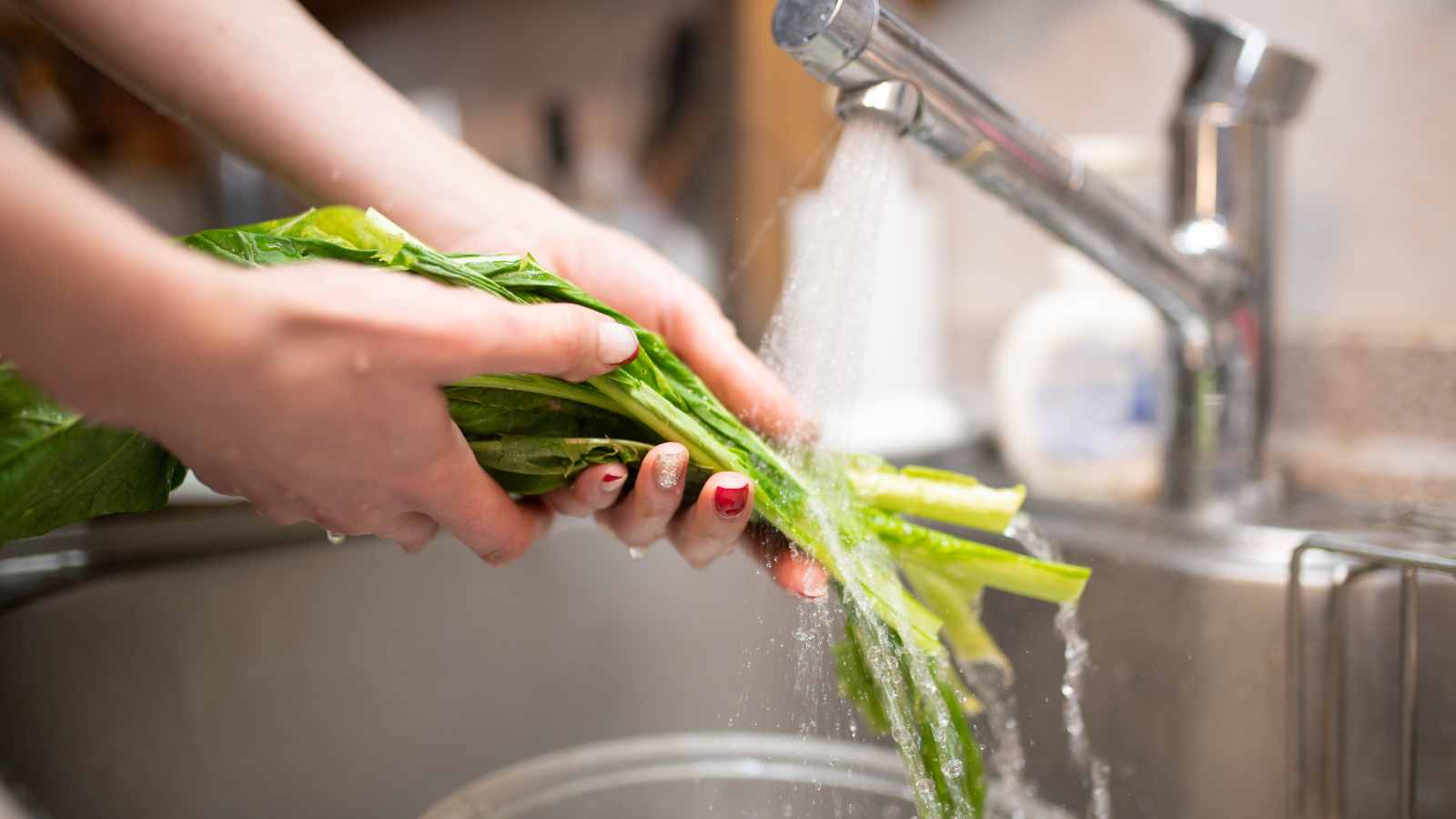
Microplastic contamination in produce arises from polluted soils, irrigation with contaminated water, and atmospheric deposition. Studies have detected microplastics on the surfaces of leafy greens and root vegetables, such as carrots and potatoes, and preliminary research suggests potential uptake into plant tissues; however, this requires further investigation. Washing and peeling fruits and vegetables can effectively reduce surface microplastic loads.
Chewing Gum

Scientific research published has identified chewing gum as a notable and previously underrecognized source of microplastic exposure during daily consumption. Studies led by researchers at UCLA and Queen’s University Belfast have shown that chewing just a single piece of gum releases hundreds to hundreds of thousands of microplastic particles into saliva, which are then ingested.
These microplastics comprise both synthetic polymers and natural gum base particles. One study reported an average release of approximately 100 microplastics per gram of gum, while another documented over 250,000 particles detected in saliva after an hour of chewing a single piece.
Seaweed Products
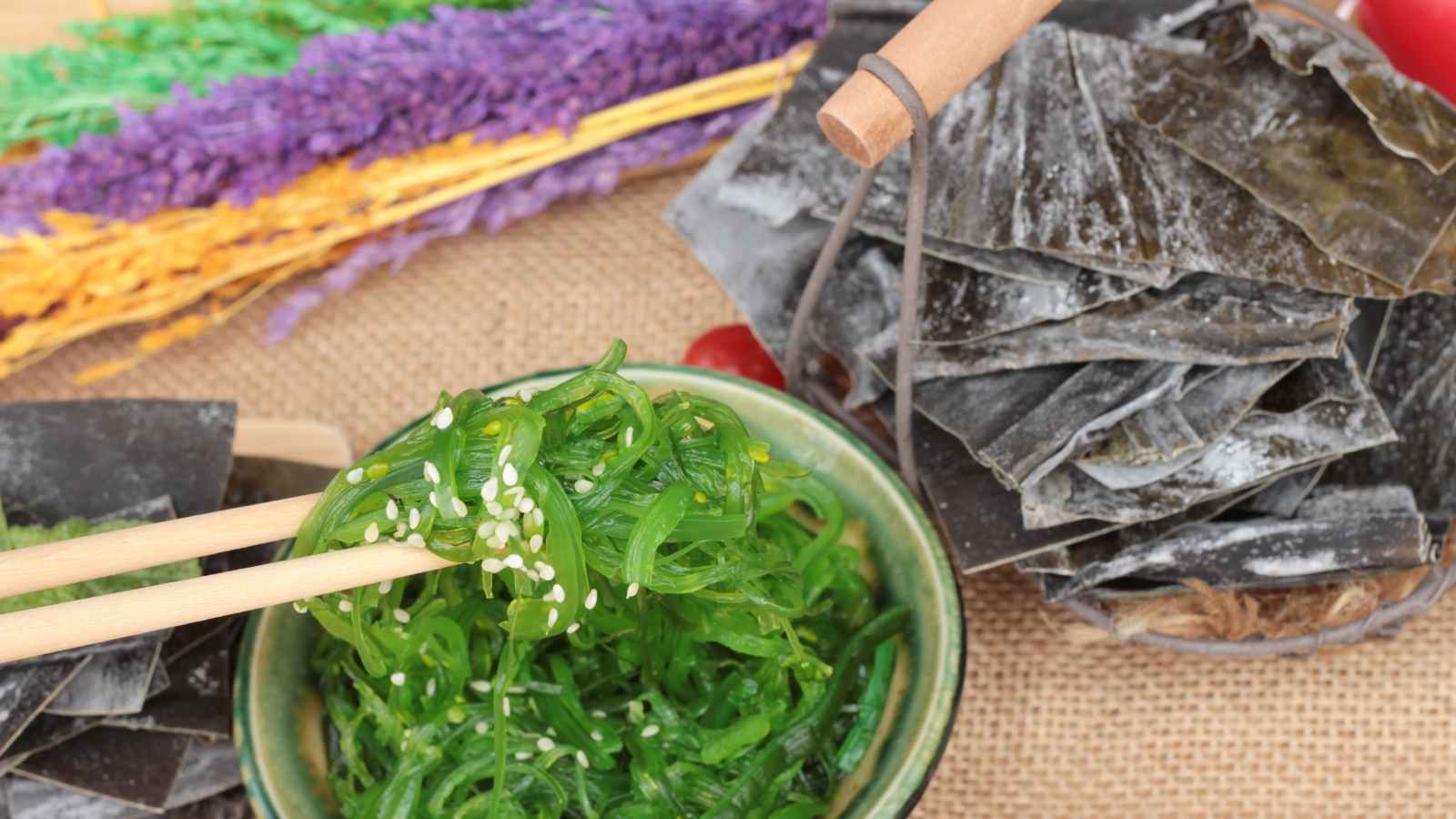
Some people love munching on seaweed snacks, convinced they’re like health in a sheet. Unfortunately, seaweed grown in polluted waters is just as susceptible to plastic exposure as other ocean foods. Opt for brands that test their seaweed for contaminants or prioritize land-grown alternatives, such as chia seeds, for snacks.
Canned Foods
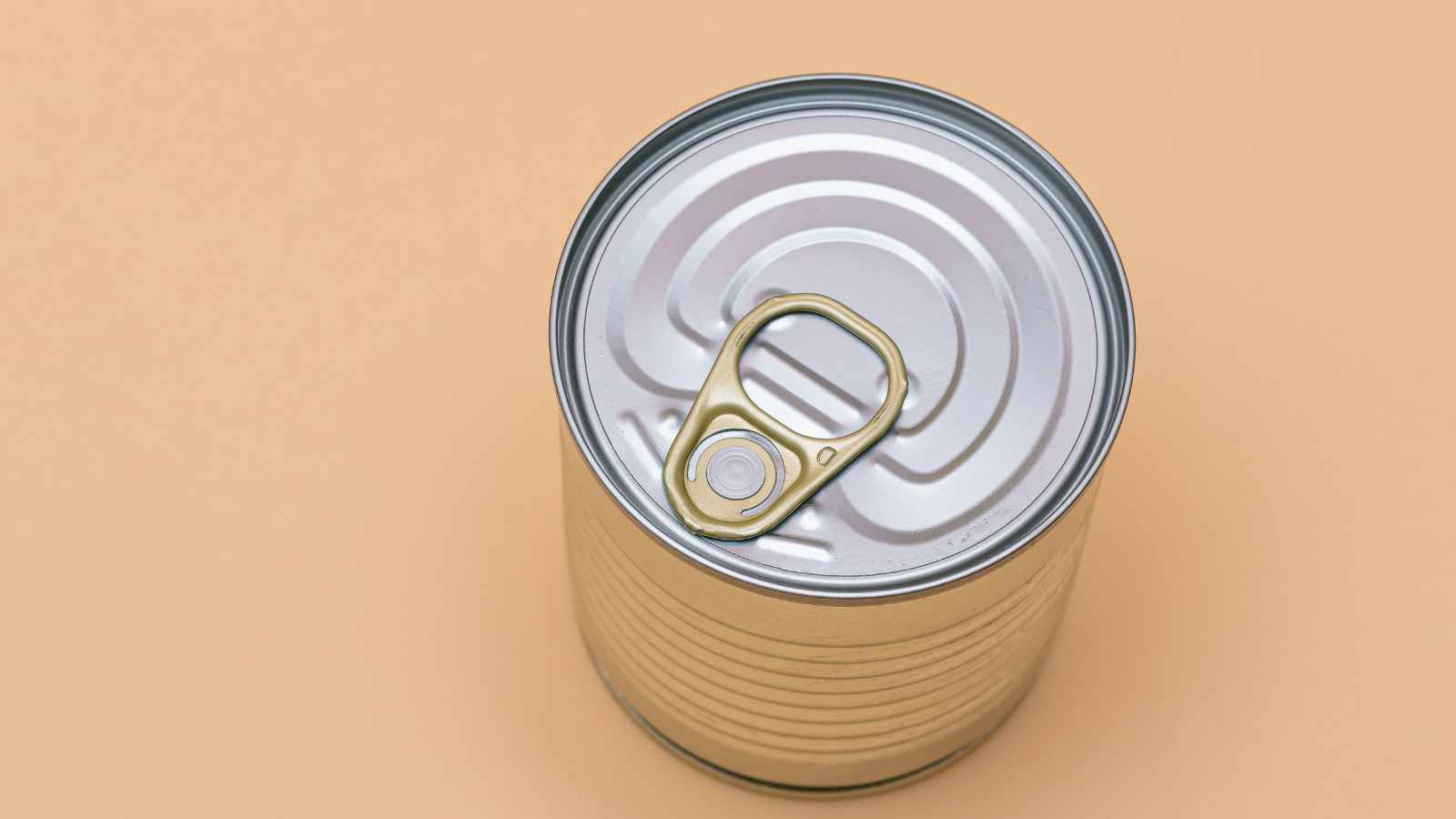
Recent peer-reviewed studies reveal that canned seafood products, including sardines, tuna, octopus, mussels, and chub mackerel, consistently contain microplastics. Research conducted on canned seafood available in various markets reveals that all tested samples contained microplastic particles, primarily synthetic fibers like polyester, as well as plastic fragments composed of polymers such as polyolefin. An average of approximately 3.5 microplastic particles per can was documented, with octopus in tomato sauce and tuna in olive oil showing the highest contamination levels, reaching over five particles per can in some samples.
The contamination stems from multiple sources: the seafood itself accumulates microplastics in polluted marine environments, but an additional significant source is the canning process and the packaging materials used. Plastic liners inside cans, as well as processing equipment, contribute to the migration of microplastics into the food during production, storage, and handling. Moreover, recent systematic reviews confirm that micro- and nanoplastics released from plastic food contact articles (FCAs) — which include plastic liners and packaging components — is a direct contamination pathway into canned foods.
Honey

Honey samples globally show microplastic contamination levels attributable mainly to environmental deposition from plastic-polluted surroundings and contamination during harvesting or processing.
Cellulose and other biopolymer microfibers alongside synthetic plastics have been detected, raising concerns over ecosystem health and human consumption. Opting for local, organically produced honey reduces microplastic exposure given decreased environmental plastic contamination in some rural apiaries.
Milk Alternatives
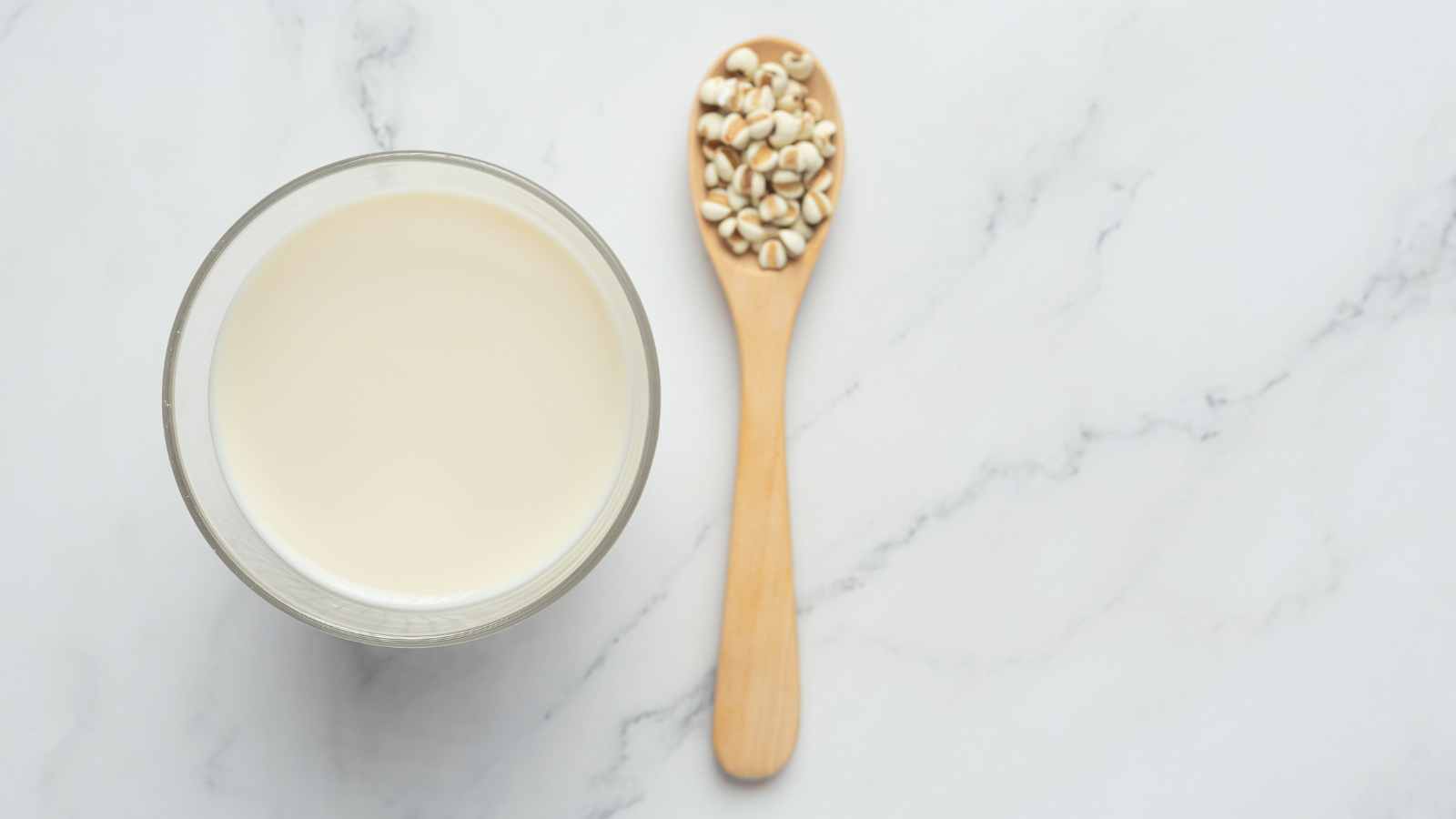
Oat milk in your iced coffee might sound harmless, but certain brands are packaged in cartons that include plastic linings. Worse, some additives contain microplastic carriers.
Choose oat or nut milk brands that use glass bottles or have minimal packaging. Many companies are adapting to this shift, resulting in an increasing number of options.
Fruit Juices
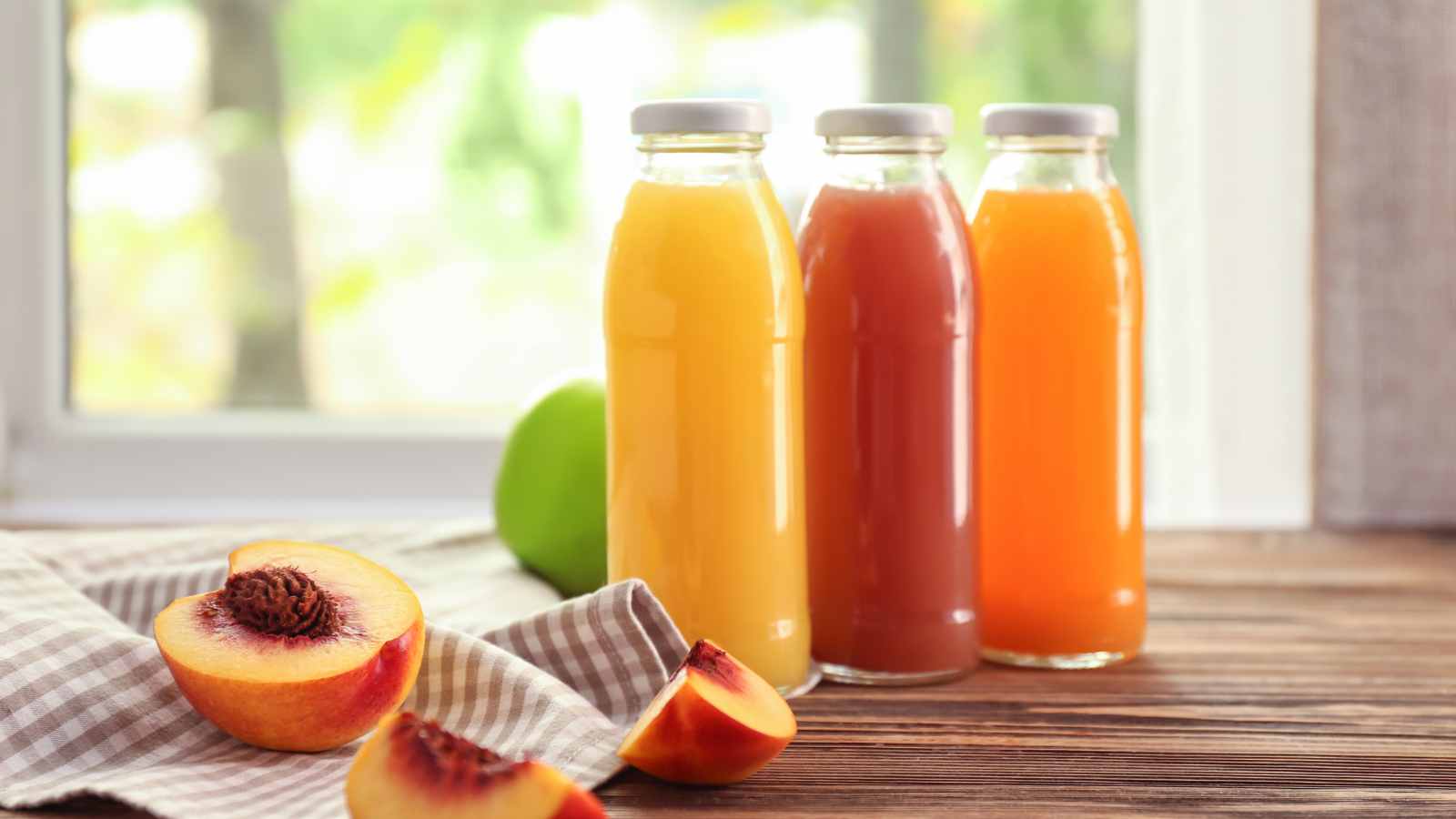
Commercial juices go through extensive processing and packaging—both rife with plastic use, leaving you thinking twice about your morning orange juice habit. Freshly squeeze your citrus fruits or invest in a juicer. It’s kinder to the planet and infinitely more satisfying.
Beer

Studies have revealed the presence of microplastics in commercially produced beers worldwide, presumably originating from contaminated water used in brewing and from processing equipment. Beyond the plastic pollution inherent in source water, packaging materials, and plastic tubing contribute to contamination.
While the health impact of microplastics in beer remains under study, consumer prudence suggests choosing local brews with transparent filtration processes or exploring non-alcoholic fermented drinks with controlled production.
Disclaimer – This list is solely the author’s opinion based on research and publicly available information. It is not intended to be professional advice.
Read More:

- Ultimate Guide To Picking The Best Travel Credit Card
- The 5 Best Budget Airlines in the United States
- 15 Best Countrıes to Vısıt in Afrıca