15 Dangerous Tourist Activities That Can Kill You
Vacations are supposed to be fun. But some travelers crave adrenaline more than comfort, swapping museums for shark cages and hammocks for hang gliders. The thrill? Unmatched. The risk? Also very real. Sometimes, chasing that once-in-a-lifetime experience comes with a one-in-a-million chance of disaster.
Some activities go way beyond harmless adventure, whether it’s getting too close to lava or trusting your life to a carabiner on a cliff. These aren’t your average hikes or snorkeling tours. These are trips that could be your last if you don’t know what you’re getting into.
Bungee Jumping Off Unregulated Platforms
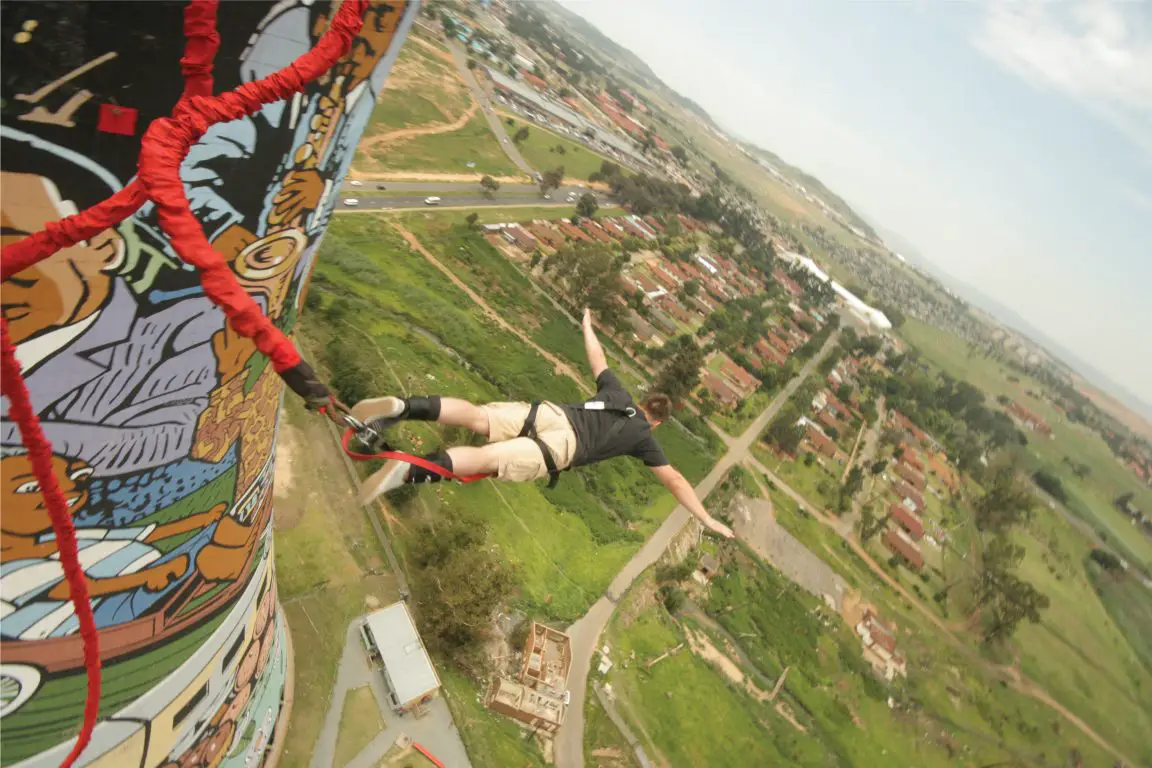
Bungee jumping feels like flying until the rope snaps. Most developed countries have strict rules for bungee operators. But in some places, the setup is sketchy. Worn-out cords, improper harnesses, miscalculations. One mistake and there’s no second chance.
Climbing Mount Everest
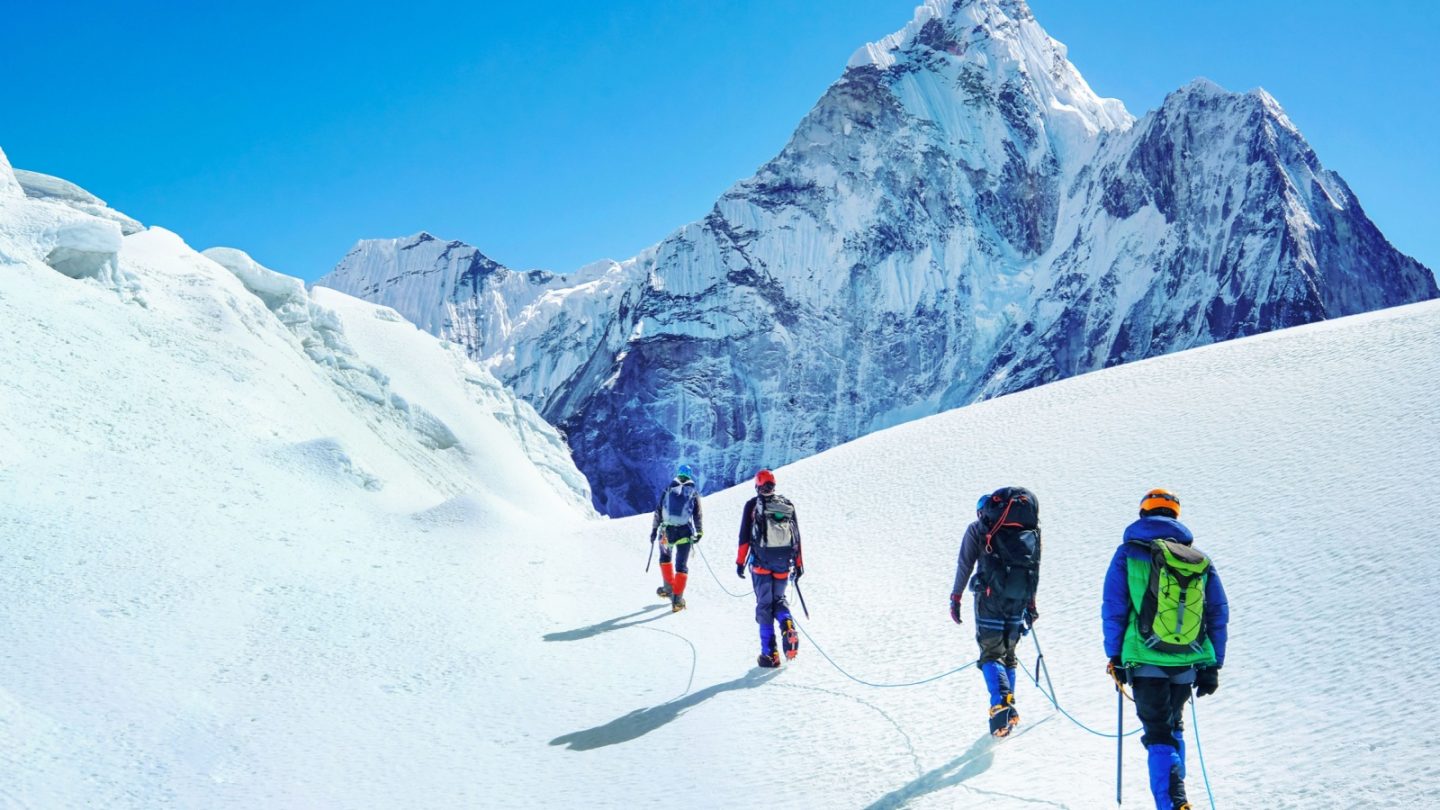
People call it the ultimate bucket list item. But Everest is a graveyard in the sky. The altitude, the weather, the exhaustion; they’re all brutal. Over 300 climbers have died on the mountain. And the scariest part? Most of the bodies are still there, frozen reminders of how quickly things can go south.
Running With the Bulls in Pamplona

You might have seen clips online and thought, “That looks wild!” It is. Every July, people sprint in front of angry bulls on slippery cobblestones. Since records began, 16 people have died. Hundreds more have been gored or trampled. Locals train for this. Tourists don’t.
Cliff Diving
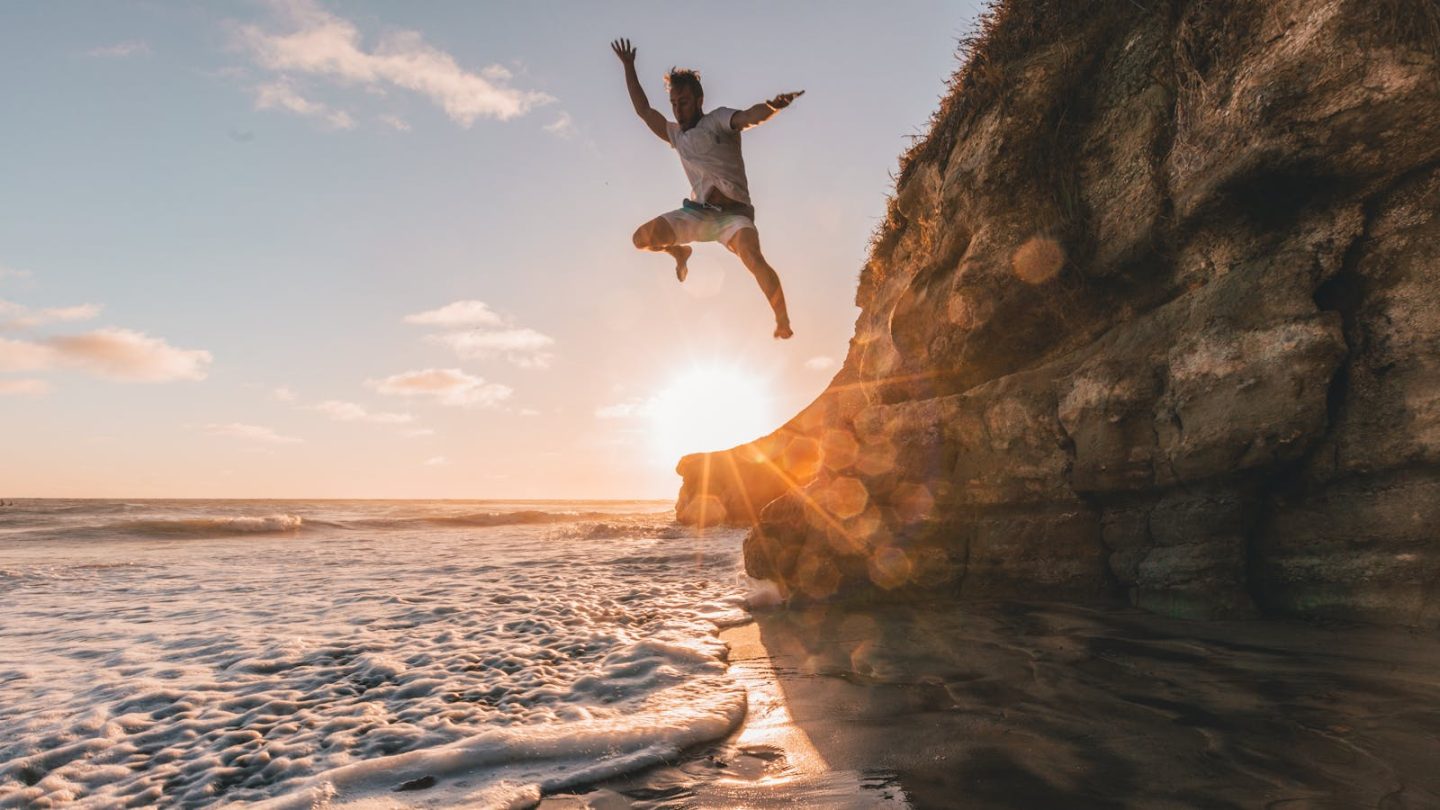
It looks cool in GoPro videos, but cliff diving is a game of inches. Jumping from 60 feet into unknown water is risky. One hidden rock, one bad angle, and you’re facing paralysis or worse. Locals know the safe spots. Tourists often don’t.
Volcano Boarding In Nicaragua
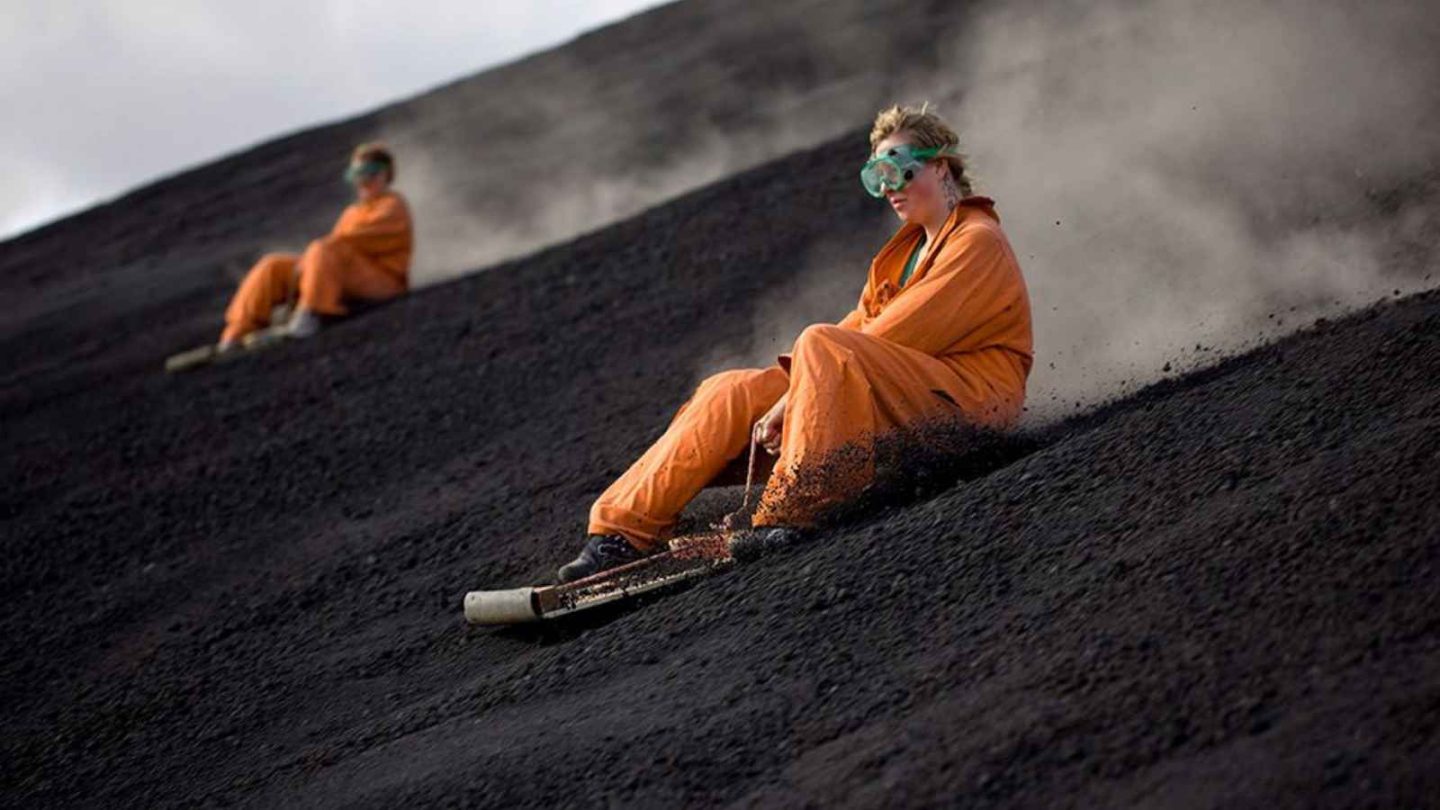
Yes, volcano boarding is a real thing. Tourists slide down the side of an active volcano on a wooden board. Speeds hit 50 mph. There’s no brake, no safety net. You fall, you get shredded by volcanic rock. And if the volcano decides to wake up? Good luck.
Base Jumping
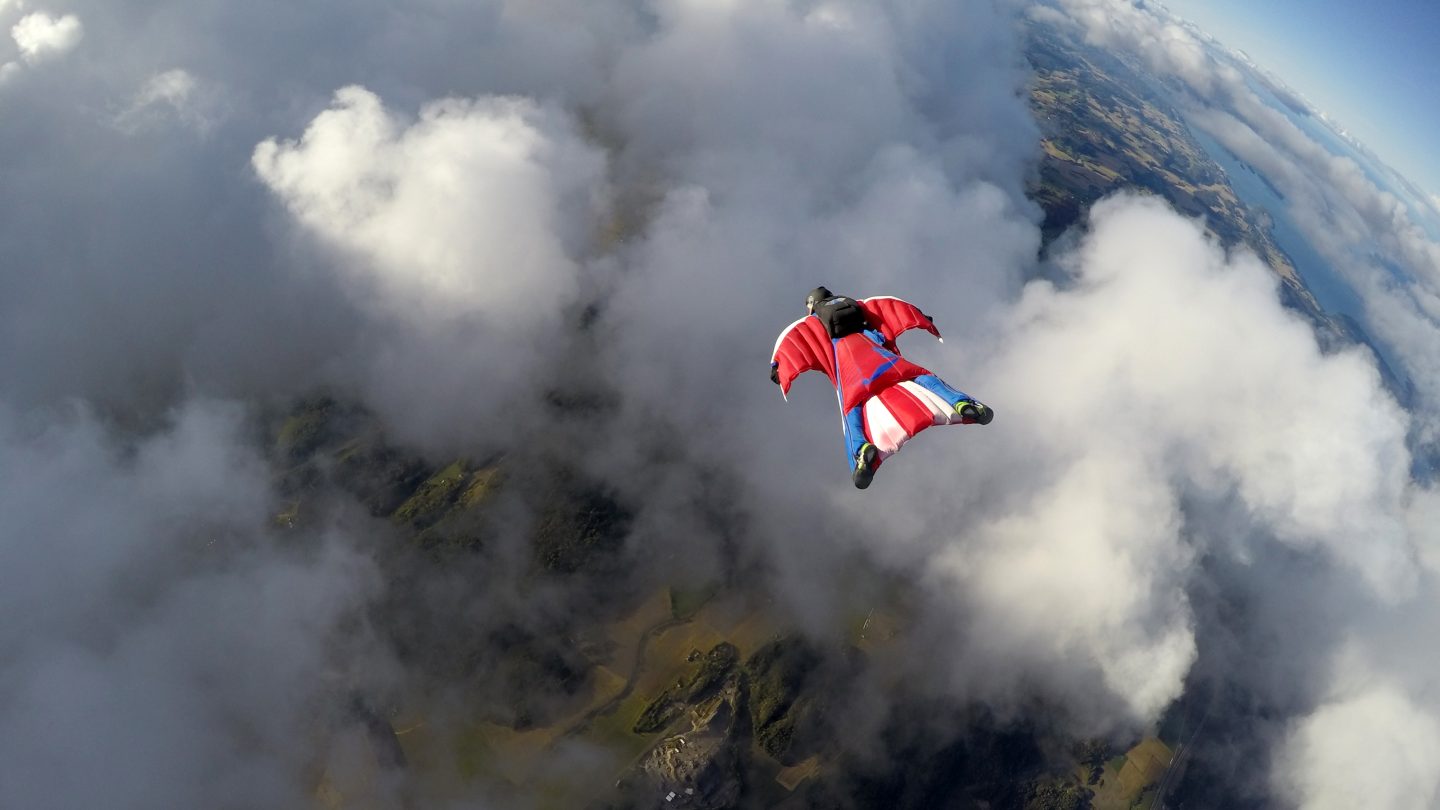
Leaping off buildings or cliffs with a parachute sounds thrilling. And it is. But base jumping has one of the highest fatality rates of any sport. Small misjudgments become deadly fast. Gusts of wind, late pulls, tangled cords, the margin for error is razor-thin.
Whitewater Rafting in Extreme Rapids
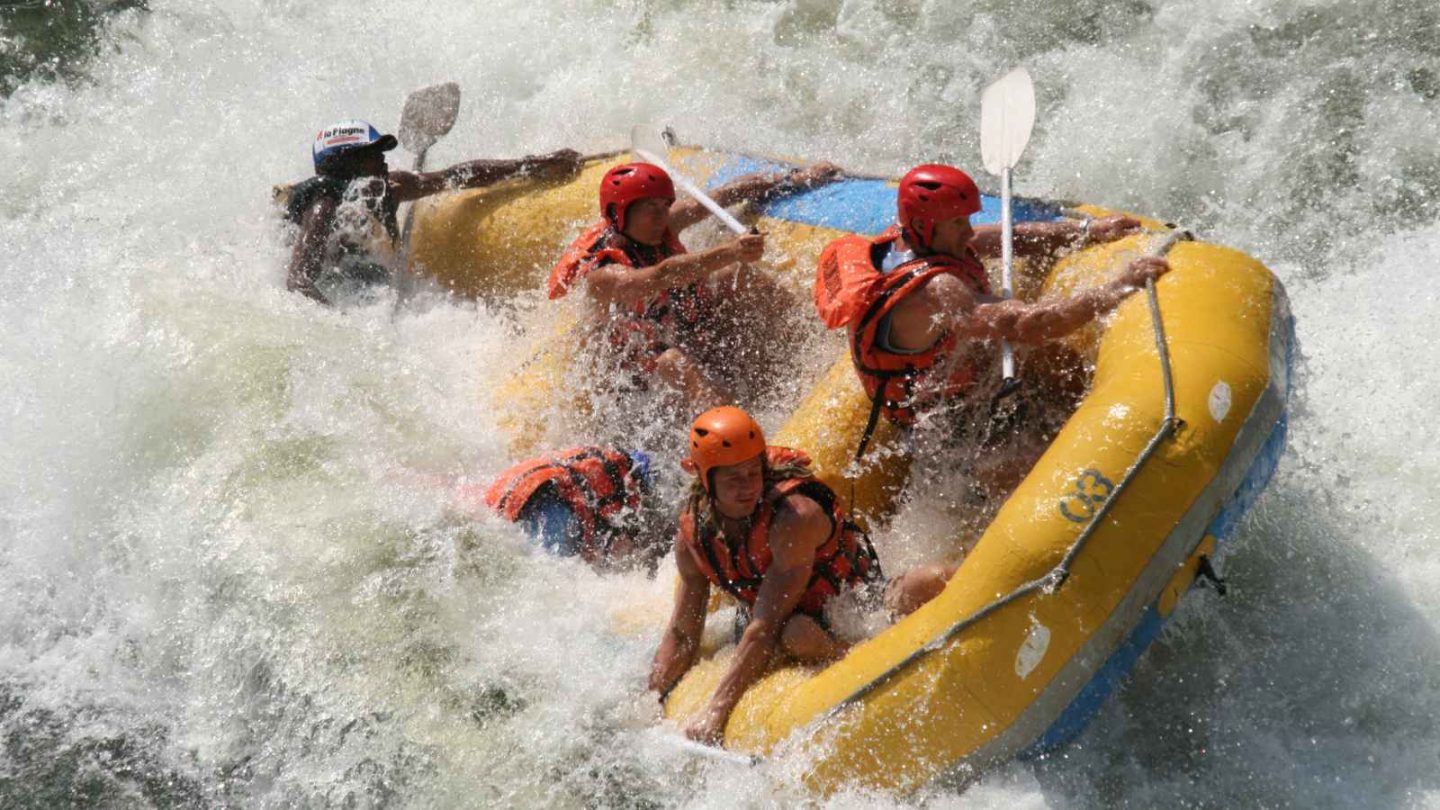
Mild rafting is fine. But some rivers, like the Zambezi or parts of the Colorado, are beasts. Rafts flip, people fall out, and getting sucked under is easier than you think. Safety gear helps, but nature doesn’t always cooperate.
Skywalking on Glass Bridges in China
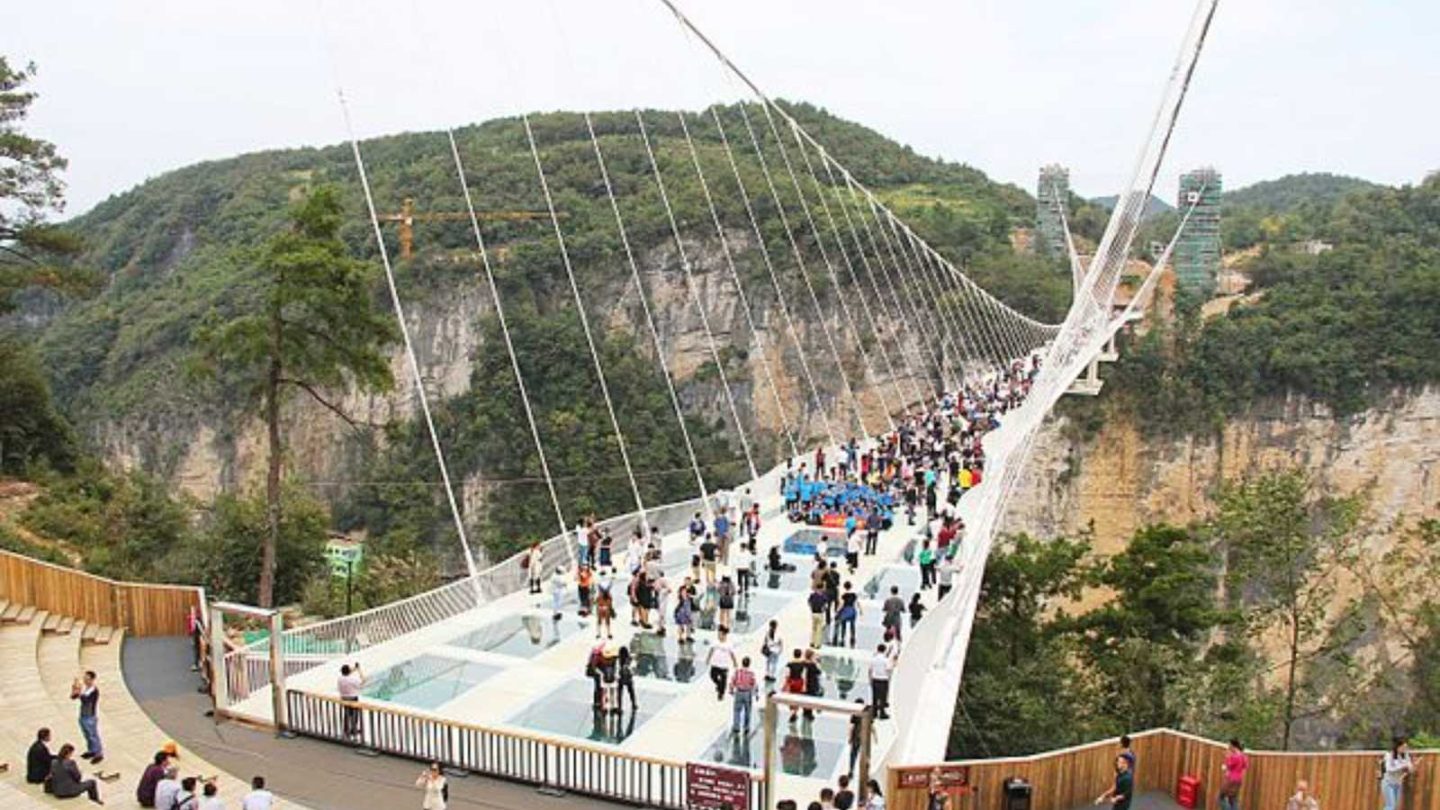
These glass-bottomed walkways hang thousands of feet above the ground. While they’re meant to be safe, there have been incidents of cracked panels and structural failures. Even without collapse, panic attacks mid-walk can lead to real danger.
Selfies on Cliffs or Skyscrapers
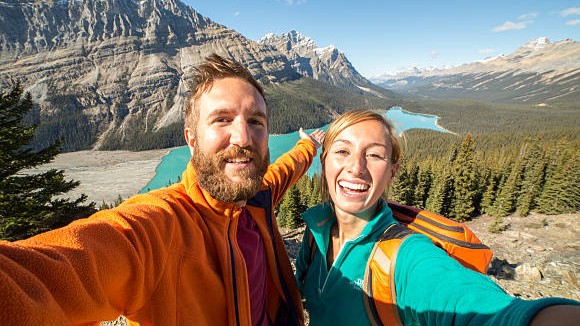
Trying to get the perfect shot can turn deadly fast. Tourists have fallen from cliffs in national parks like Yosemite, off rooftops in New York, and into canyons in Arizona, all while chasing the perfect angle. No photo is worth your life.
Diving in Underwater Caves
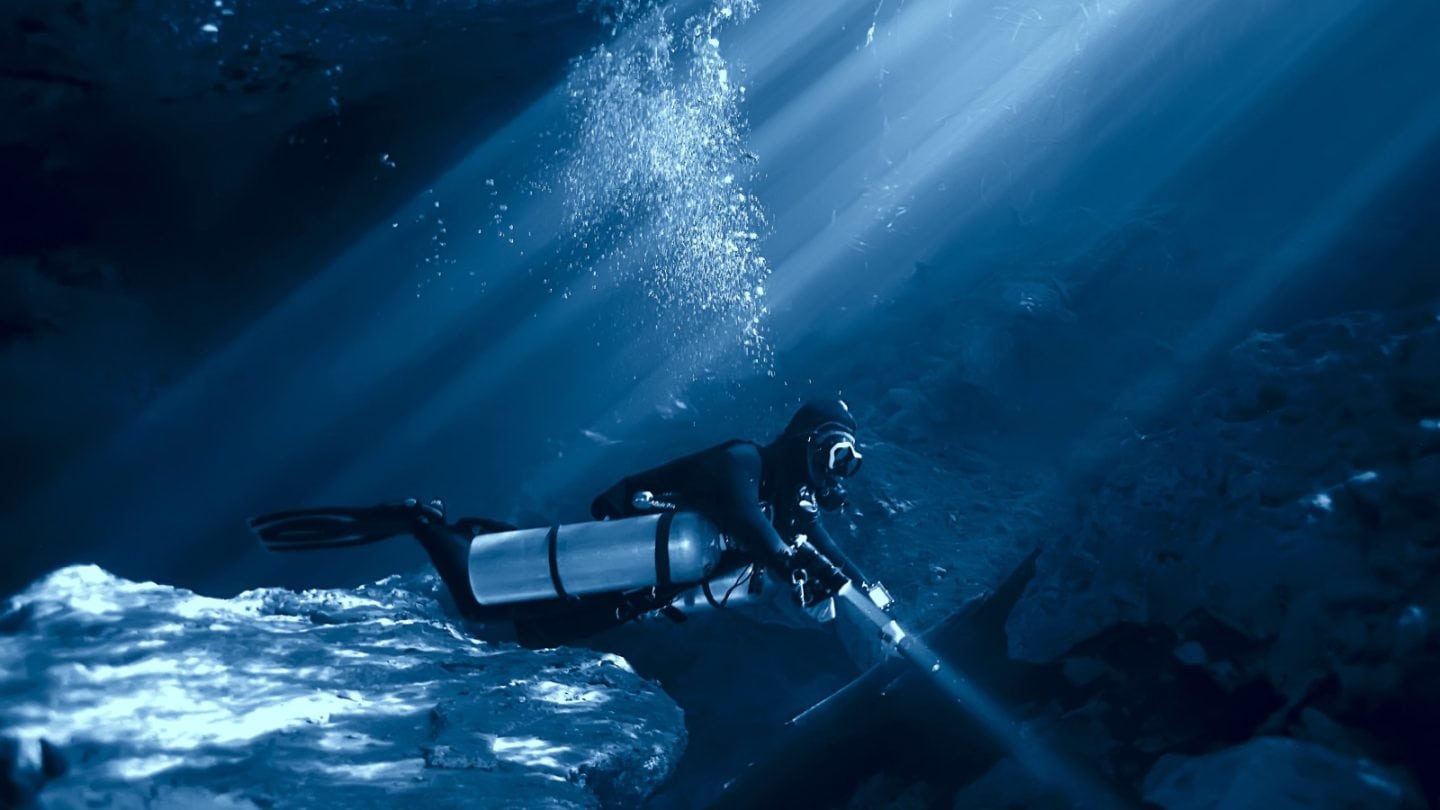
Cave diving is beautiful, sure. But it’s also deadly. You can get lost, run out of oxygen, or get stuck in tight spaces. Even experienced divers have died in popular sites like the Blue Hole in Belize. Tourists with basic scuba skills should steer clear.
Swimming With Sharks
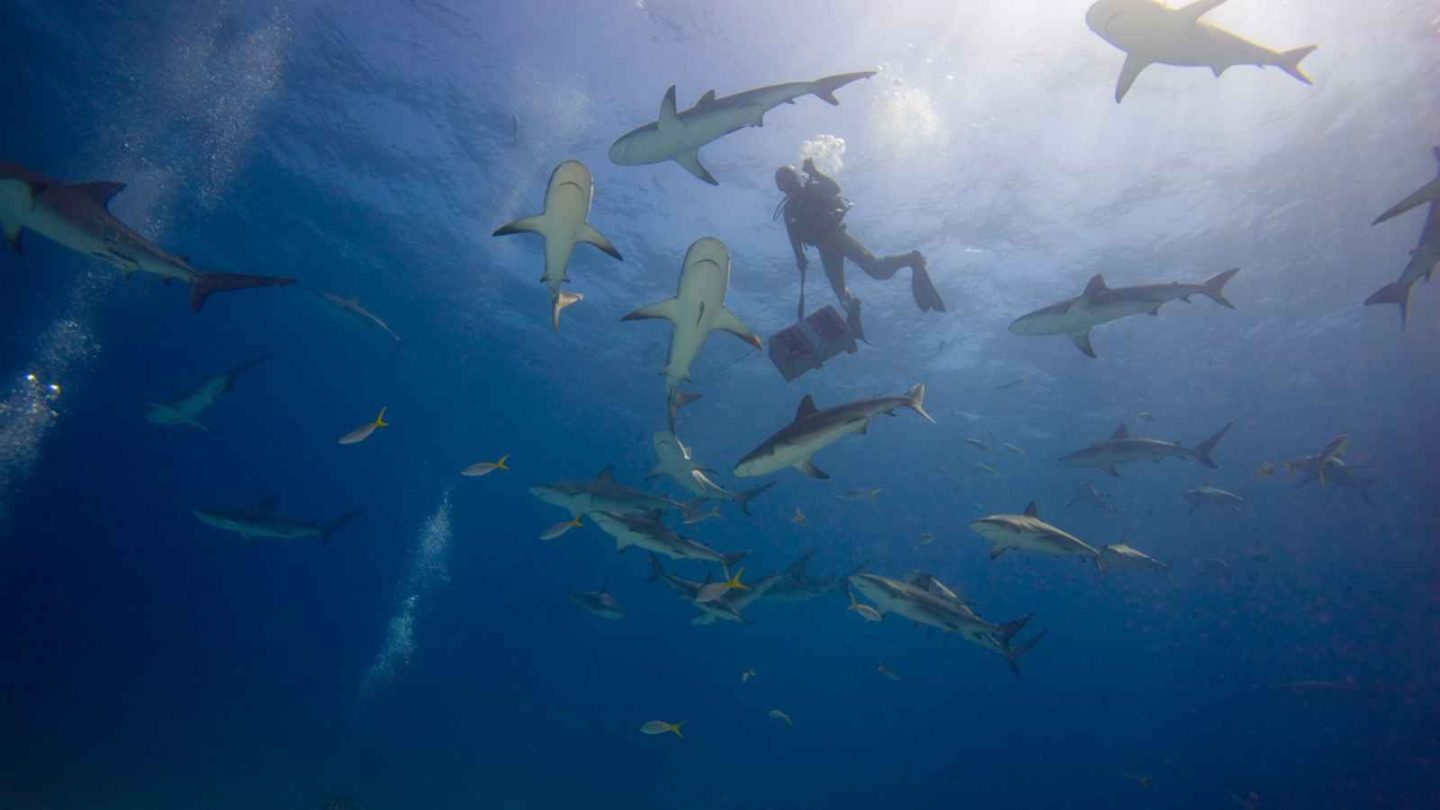
Some tourists pay thousands to dive in cages surrounded by great whites. One slip-up, one faulty cage bar, and you’re part of the food chain. Even the safest operators can’t control wild animals. It’s not always the shark’s fault; sometimes it’s just plain bad luck.
Skiing Off-Piste in Avalanche Zones

Fresh powder is tempting. But leaving marked trails can put you directly in avalanche territory. In places like the Alps, off-piste skiing has taken many lives. One wrong move and you’re buried in seconds. Rescue is not guaranteed.
Motorbiking Through Mountain Roads in Southeast Asia

You’ll see plenty of travelers renting scooters to explore remote areas. But narrow, winding roads, plus bad weather, and zero traffic laws? Recipe for disaster. Helmets are optional in some spots; survival often isn’t.
Surfing Big Waves Without Proper Training
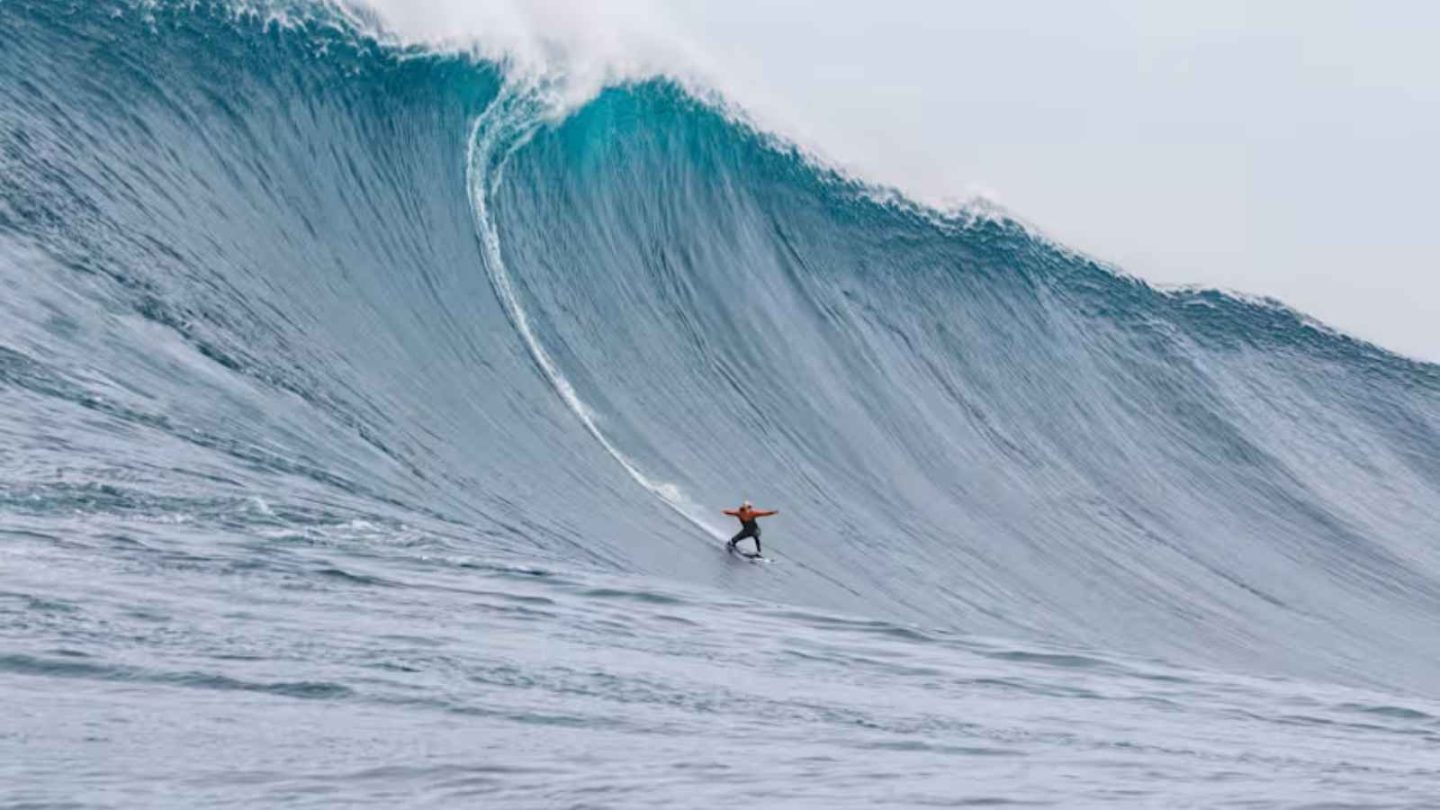
Tourists see pros tackling massive waves and want in. But beaches like Pipeline in Hawaii or Nazaré in Portugal are no place for amateurs. The waves don’t just knock you down; they hold you under. One misstep and you might not come back up.
Exploring Wildlife on Foot in Africa

Safari walks sound romantic until a lion or elephant charges. Guides are trained, but wild animals aren’t predictable. You step too close, and it could be over in seconds. Jeeps are safer for a reason.
Disclaimer: This list is solely the author’s opinion based on research and publicly available information.
Read More:

- Ultimate Guide To Picking The Best Travel Credit Card
- The 5 Best Budget Airlines in the United States
- 15 Best Countrıes to Vısıt in Afrıca