13 Eating Habits That Are Destroying Your Body Without You Knowing
You probably think you’re doing okay with your diet. You skip the soda sometimes, eat a salad here and there, and maybe even try intermittent fasting. But some of the habits we think are harmless (or even healthy) could be working against us. And no, this isn’t about obsessively counting calories or giving up your favorite foods forever.
Our bodies are good at adapting, but they aren’t bulletproof. Over time, small choices add up. That afternoon snack, the way you skip breakfast, or even how you hydrate can quietly affect your energy, skin, digestion, and long-term health. Let’s look at 13 eating habits that might be doing more harm than good.
Mindless Snacking

Grabbing chips during a show or munching while scrolling your phone? It’s easy to eat more than you planned. Your brain doesn’t register those bites the same way as a sit-down meal. You might finish a whole bag without noticing. Try putting snacks in a bowl and sitting down without distractions. Your stomach will thank you.
Skipping Breakfast

You might think skipping breakfast saves time or calories, but your body doesn’t agree. Skipping your first meal can mess with your blood sugar and metabolism. Many people who skip breakfast end up overeating later or feeling sluggish by mid-morning. Think of breakfast as your body’s morning fuel, not just a plate of eggs.
Drinking Your Calories

Smoothies, lattes, juice, soda: liquid calories sneak in fast. They don’t fill you up the way solid food does. A “healthy” smoothie could have more sugar than a donut. Next time you’re thirsty, reach for water first and check labels if you’re grabbing something else.
Eating Too Fast

Rushing through meals doesn’t give your stomach time to send the “I’m full” signal. You may feel bloated or overly full afterward. Try setting your fork down between bites or eating with someone who eats slower than you. Your digestion and waistband will both benefit.
Late-Night Eating

Eating right before bed doesn’t give your body time to digest properly. It can disrupt your sleep and may even contribute to weight gain over time. If you’re genuinely hungry, opt for something light, such as yogurt or a banana, rather than a second dinner.
Not Drinking Enough Water

Many folks confuse thirst with hunger. If you’re feeling snacky, try drinking a glass of water first. Staying hydrated helps maintain your energy levels and promotes smooth digestion. A reusable water bottle can help remind you to sip throughout the day.
Overloading On “Healthy” Foods

Nuts, granola, avocados: these are great in moderation. But just because something is labeled healthy doesn’t mean you can eat it endlessly. Calories and sugars can pile up fast. Read the back of the package, not just the front.
Ignoring Fiber

Fiber isn’t glamorous, but it’s key for digestion and keeping you full longer. Many people don’t get enough. Whole grains, fruits, vegetables, and beans are your friends. Next time you’re grocery shopping, throw in a bag of lentils or whole oats.
Relying on Processed Foods

Frozen dinners and packaged snacks are convenient, sure. However, they often contain high amounts of sodium, preservatives, and hidden sugars. Cooking doesn’t have to mean five-star meals. Even a simple stir-fry or baked potato can beat a microwave meal for dinner.
Eating While Stressed

Stress changes the way your body processes food. You might eat too quickly, too much, or crave high-fat comfort foods. Next time you feel the urge to stress-eat, take a walk or call a friend first. Let the emotion pass before you hit the pantry.

Using Food as a Reward

Had a tough day? Finished a project? Many of us reach for food as a treat. While occasional rewards are fine, making it a habit can mess with your relationship with food. Try non-food rewards: a movie, a nap, or finally, buying that hoodie in your cart.
Too Much Sugar Hiding in Plain Sight
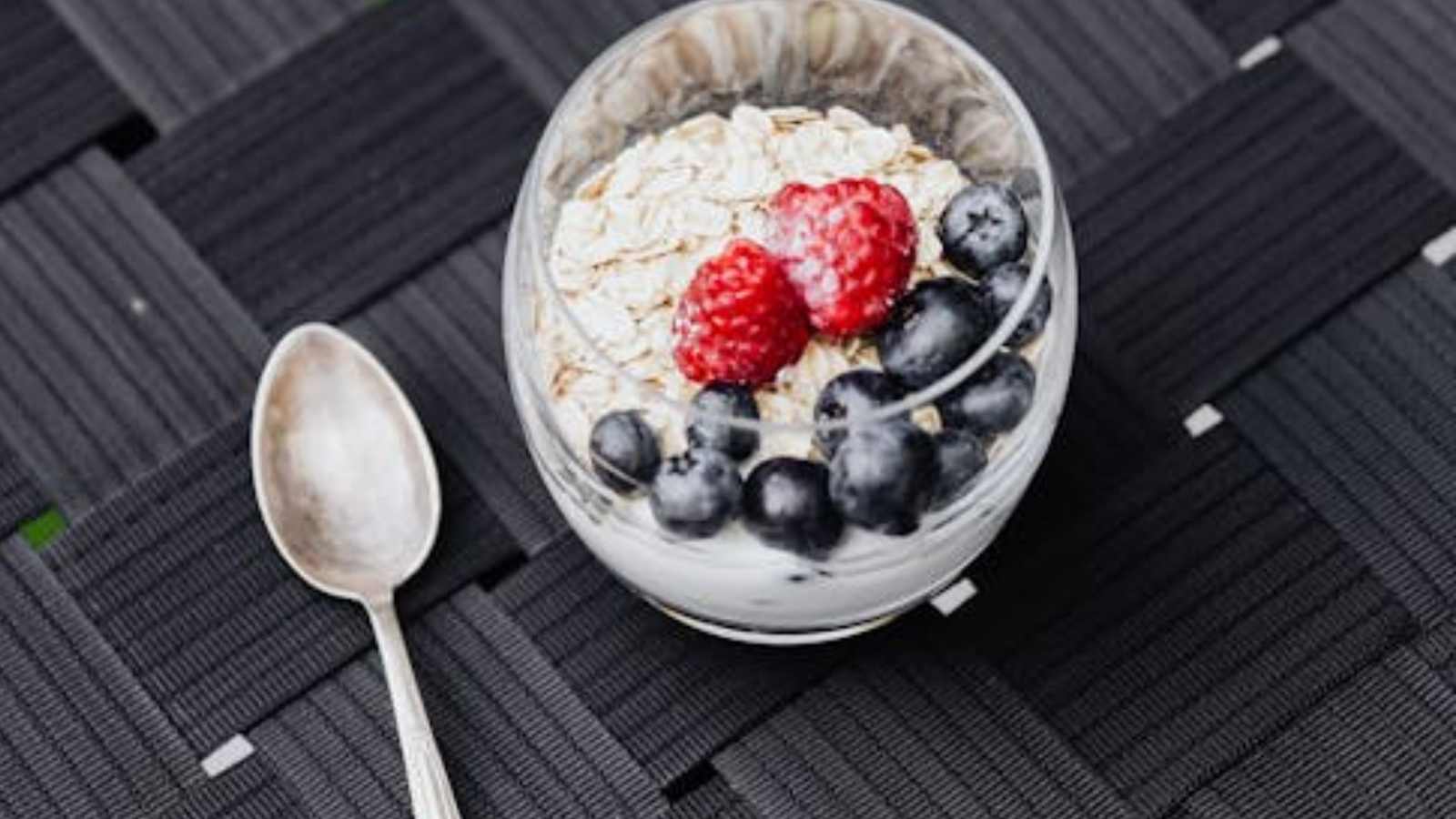
Sugar isn’t just in desserts. It’s hiding in pasta sauce, yogurt, salad dressing, and even bread. Too much sugar can lead to fatigue, skin problems, and long-term health issues. Check ingredients and go for options with fewer added sweeteners.
Not Listening to Your Body

We live in a world full of diet advice. But your body knows more than Instagram ever will. If you’re not hungry, don’t eat. If you’re full, stop. If something leaves you feeling bloated or tired every time, maybe it’s time to cut back. Your body speaks; listen to it.
Disclaimer: This list is solely the author’s opinion based on research and publicly available information.
Read More:

- Ultimate Guide To Picking The Best Travel Credit Card
- The 5 Best Budget Airlines in the United States
- 15 Best Countrıes to Vısıt in Afrıca