16 Foods Boomers Loved That Gen Z May Not Touch Today
Growing up in a Boomer household meant eating meals that were fast, filling, and familiar. These meals were signs of convenience, frugality, and suburban comfort, but as younger generations take over grocery lists and restaurant menus, many of these nostalgic dishes are quietly disappearing from American plates.
Gen Z eats differently. They’re drawn to fresh ingredients, international flavors, and foods that align with values like sustainability and wellness. What their grandparents saw as practical, they often see as processed or unappetizing. Let’s take a walk through the kitchen of the past and revisit the foods that Boomers swore by and Gen Z tends to avoid.
Liver and Onions

This classic dinner staple was a regular feature in many Baby Boomer homes. It was considered hearty and nutritious. Today, Gen Z hears “liver” and immediately thinks “nope.” The metallic taste and chewy texture are a tough sell. For most younger eaters, liver is something you study in anatomy class, not something you fry for dinner.
Canned Tuna Casserole

Tuna casserole was the go-to dish for weeknights and potlucks. Cream of mushroom soup, canned tuna, and crushed potato chips made it a one-dish wonder, but Gen Z, raised on recipes from TikTok and avocado toast, sees this as bland and suspiciously gloopy. Most would rather roast veggies or toss a fresh salad than stir a can-based mystery into a baking dish.
Jell-O Salads

Boomers loved adding fruit, nuts, and even cottage cheese to gelatin and calling it a salad. These brightly colored towers were once the pride of many a holiday table. Gen Z may not understand the appeal of jiggly food masquerading as a salad. For them, Jell-O is for hospital trays or ironic party snacks, not serious dining.
Spam

Spam kept many families fed through lean times and wartime rationing. Fried in a pan or diced into eggs, it was dependable. But for Gen Z, Spam is often a punchline. While it still holds popularity in Hawaiian and Korean cuisines, most American Zoomers walk right past the Spam aisle without a second thought.
TV Dinners

Those metal trays filled with compartments of meatloaf, mashed potatoes, and a brownie were considered the height of convenience. Families sat on the couch and ate it for dinner while watching their favorite shows. Gen Z, raised on food delivery apps and microwaveable grain bowls, finds these frozen relics sad and soggy.
Tang

Marketed as the astronaut drink, Tang was once the coolest thing in the pantry. It tasted like orange, kind of, and dissolved in water like magic. Gen Z has grown up with natural juices, smoothie bars, and coconut water. Artificially colored powder doesn’t cut it anymore.
Cottage Cheese

Cottage cheese was once the dieter’s best friend served with canned peaches or eaten plain. Gen Z often sees it as bland and unappetizing, with a texture that falls into the “why does this feel like that?” category. While it’s made a few social media comebacks, it’s far from a regular favorite.
Meatloaf
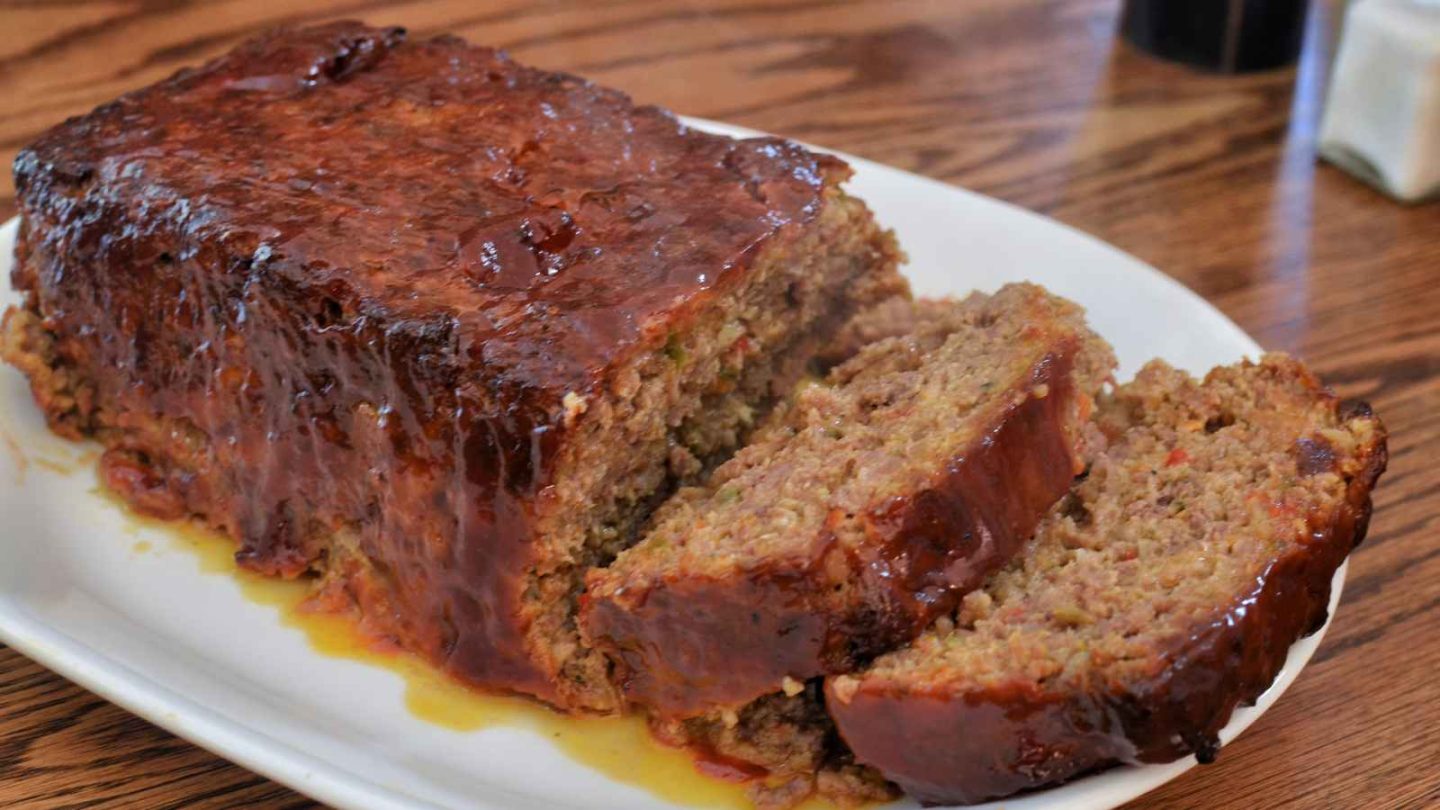
Meatloaf was a way to stretch ground beef and feed a crowd. It felt homemade and comforting. But Gen Z doesn’t have the same emotional tie. To them, it looks like a loaf of mystery. Many would rather make tacos and burgers or skip red meat altogether.
Gelatin Molded Shrimp Salad
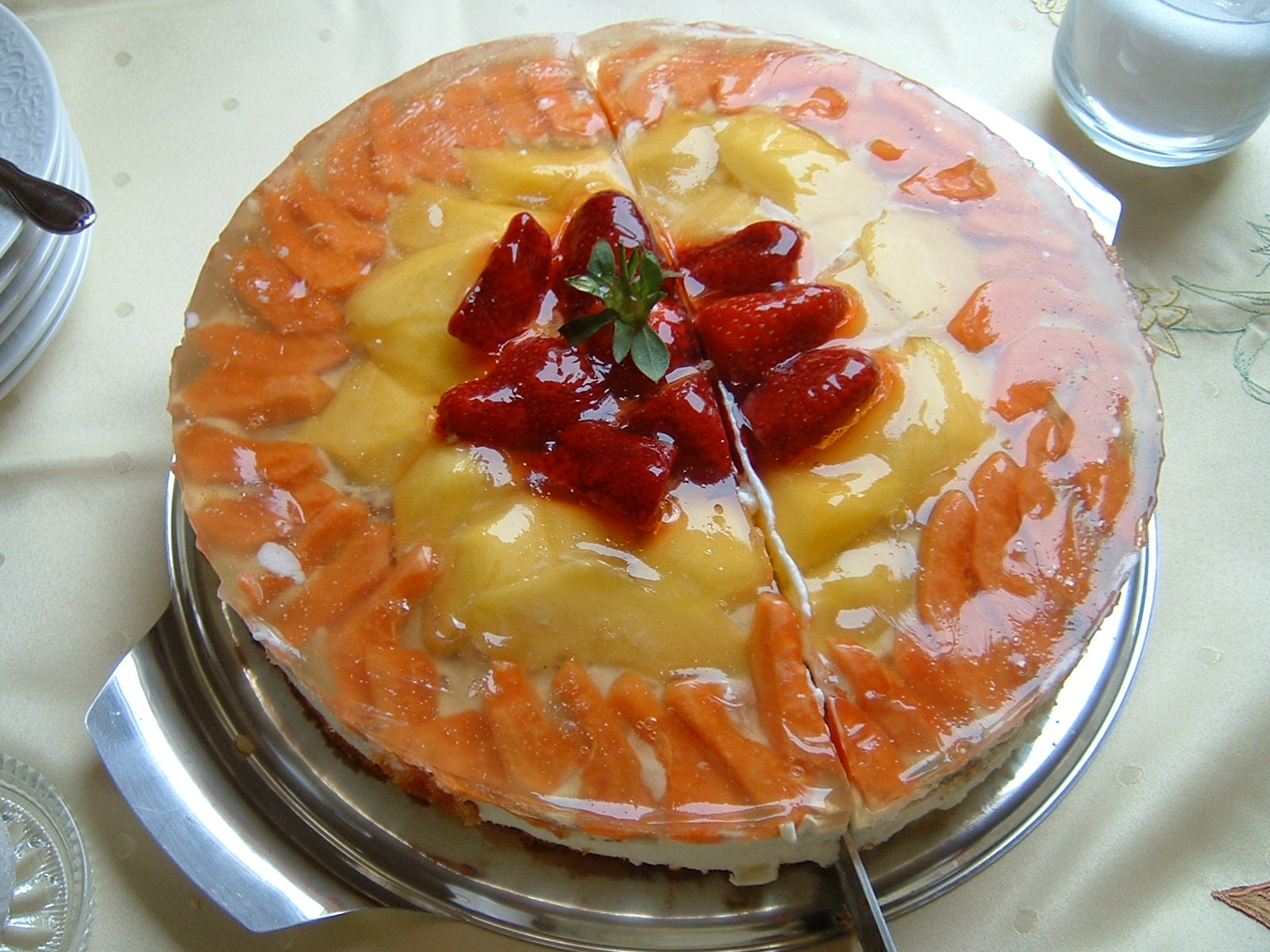
This dish barely needs an explanation. Shrimp, mayo, and gelatin formed into a mold? That’s a “no thanks” for most people under 30. Even Boomers admit it was a strange idea in hindsight, but at the time, it seemed fancy and creative.
Fruitcake
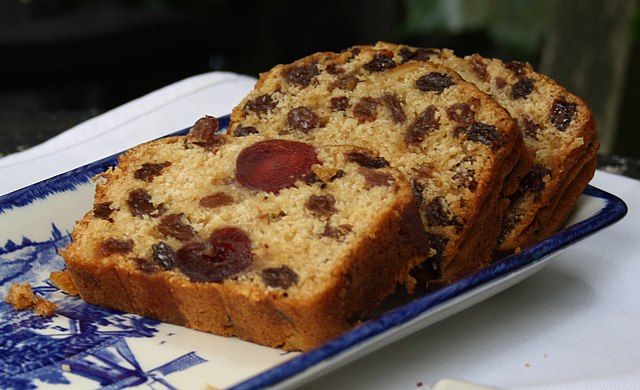
Fruitcake shows up every Christmas, usually unopened. Packed with candied fruits and nuts, fruitcake has become the go-to joke for gifts no one wants. Gen Z isn’t laughing; they’re just not eating it. They’d rather bake something fresh or grab a cookie than chew through a dense brick of sugar.
Aspic
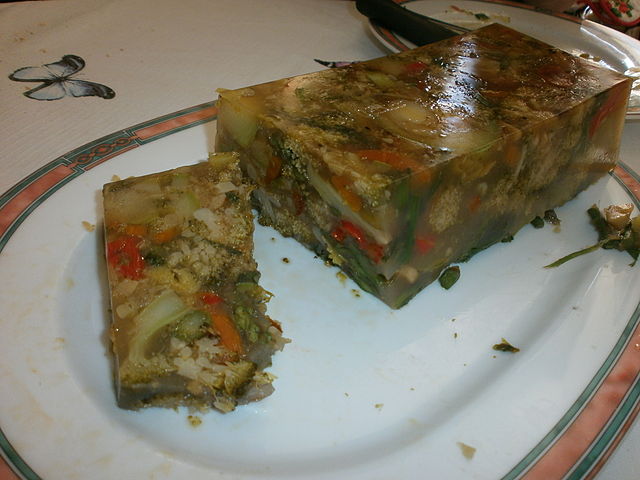
Aspic is meat Jell-O. That sentence alone would make most Gen Z diners back away slowly. Once seen as elegant, aspic now seems more like a dare than a dish. Clear jelly surrounding cold cuts or seafood has no place on modern menus.
Velveeta
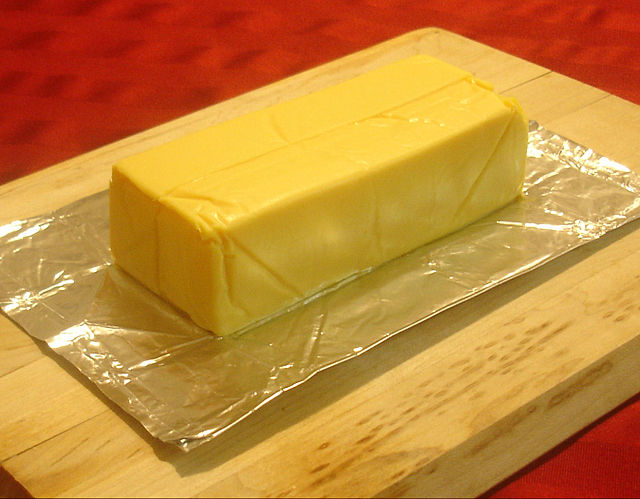
Boomers loved its creamy melt and long shelf life. Velveeta was cheese without the wait. Gen Z is all about real ingredients and short labels. Many avoid processed cheese entirely, and Velveeta doesn’t make the cut.
Deviled Ham Spread

This lunchbox favorite came in a small can and packed a salty punch. Spread on crackers or white bread, it was a hit in the ’60s. Gen Z, more familiar with hummus or avocado mash, sees it as weirdly retro and overly processed.
Cool Whip

Cool Whip topped everything: pies, Jell-O, fruit salads. It was the whipped cream of the future. Gen Z wants the real thing or a dairy-free alternative. The plasticky texture and fake flavor of Cool Whip leave them unimpressed.
Canned Peas

Soft, mushy, and a little gray-green, canned peas were an easy side dish. Gen Z prefers fresh or frozen veggies, often roasted or seasoned. The texture alone is enough to turn them off canned peas for life.
Creamed Chipped Beef on Toast

Also known as “SOS” in military slang, this was a staple in many homes. Salty, creamy beef over toast sounds like comfort food to some Boomers. Gen Z thinks it sounds like something served in a cafeteria during a food shortage. It’s just not appealing to modern taste buds.
Disclaimer: This list is solely the author’s opinion based on research and publicly available information.
Read More:

- Ultimate Guide To Picking The Best Travel Credit Card
- The 5 Best Budget Airlines in the United States
- 15 Best Countrıes to Vısıt in Afrıca