11 Surreal Landscapes in Australia That Don’t Feel Like Earth
Australia is a vast country with diverse and surreal landscapes. From ancient rock formations to vibrant coral reefs, the continent offers a variety of natural wonders that seem almost otherworldly. These unique destinations provide travelers with unforgettable experiences and a deeper appreciation for the planet’s geological history.
For those seeking adventure and exploration, Australia’s remote locations offer the perfect escape from the ordinary. Whether you’re planning a summer holiday or a winter getaway, these destinations promise awe-inspiring sights and memorable moments. Pack your bags, update your packing list, and get ready to discover some of the most surreal places on Earth.
Shark Bay, Western Australia

Shark Bay, a UNESCO World Heritage Site, is known for its diverse marine life, including dugongs, dolphins, and stromatolites, some of the oldest living organisms on Earth. The bay’s vibrant colors, ranging from turquoise waters to red cliffs, create a stunning visual contrast. Visitors can explore the area through boat tours, snorkeling, or by visiting the nearby Monkey Mia Reserve, famous for its friendly dolphins. Shark Bay’s unique ecosystem offers a glimpse into the Earth’s early history.
Uluru, Northern Territory

Uluru, also known as Ayers Rock, is a massive sandstone monolith located in the heart of the Northern Territory. Standing 348 meters high, it is one of Australia’s most iconic natural landmarks. The rock’s surface changes color depending on the time of day and year, creating a mesmerizing visual experience. Uluru is sacred to the Anangu people, the traditional custodians of the land, and holds significant cultural importance. Visitors can explore the area through guided walks and learn about the rich Aboriginal heritage. As a travel destination, it offers both cultural depth and natural beauty, making it ideal for a once-in-a-lifetime vacation.
The Pinnacles, Western Australia

The Pinnacles Desert, located within Nambung National Park, features thousands of limestone pillars rising from the yellow sand. These formations, some reaching up to 3.5 meters tall, were created years through the erosion of seashells. The stark contrast between the pillars and the surrounding desert creates a surreal and otherworldly atmosphere. Visitors can explore the area via walking trails or a scenic drive, making it a popular budget-friendly destination for photographers and nature enthusiasts who want to save on expensive tours.
Lake Hillier, Western Australia
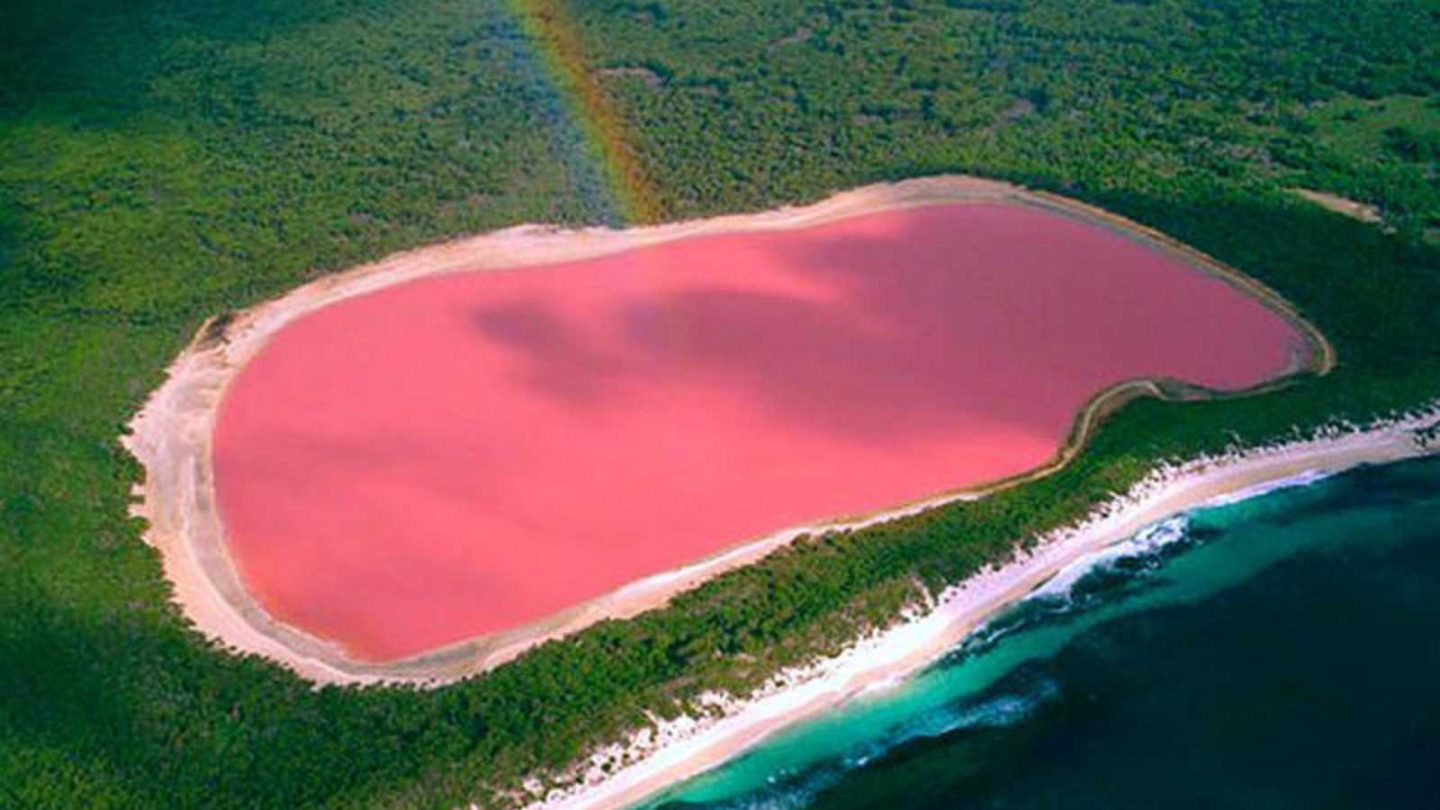
Lake Hillier, located on Middle Island off the coast of Western Australia, is renowned for its vibrant pink color. The lake’s hue is due to the presence of the Dunaliella salina microalgae, which produces a red pigment. Despite its unusual appearance, the lake is safe for swimming. The contrast between the pink water, white salt crust, and surrounding greenery creates a striking visual. Access to the lake is limited, but scenic flights offer a unique perspective of this natural wonder, perfect for travelers looking for a rare and memorable vacation experience.
Wave Rock, Western Australia

Wave Rock, near the town of Hyden, is a natural rock formation that resembles a giant ocean wave. The granite formation stands 15 meters high and stretches over 100 meters in length. Its unique shape was formed through weathering and water erosion over millions of years. The rock’s multicolored streaks add to its visual appeal, making it a popular spot for tourists and photographers. Nearby attractions include Hippo’s Yawn and Mulka’s Cave, offering additional exploration opportunities.
Bungle Bungle Range, Western Australia

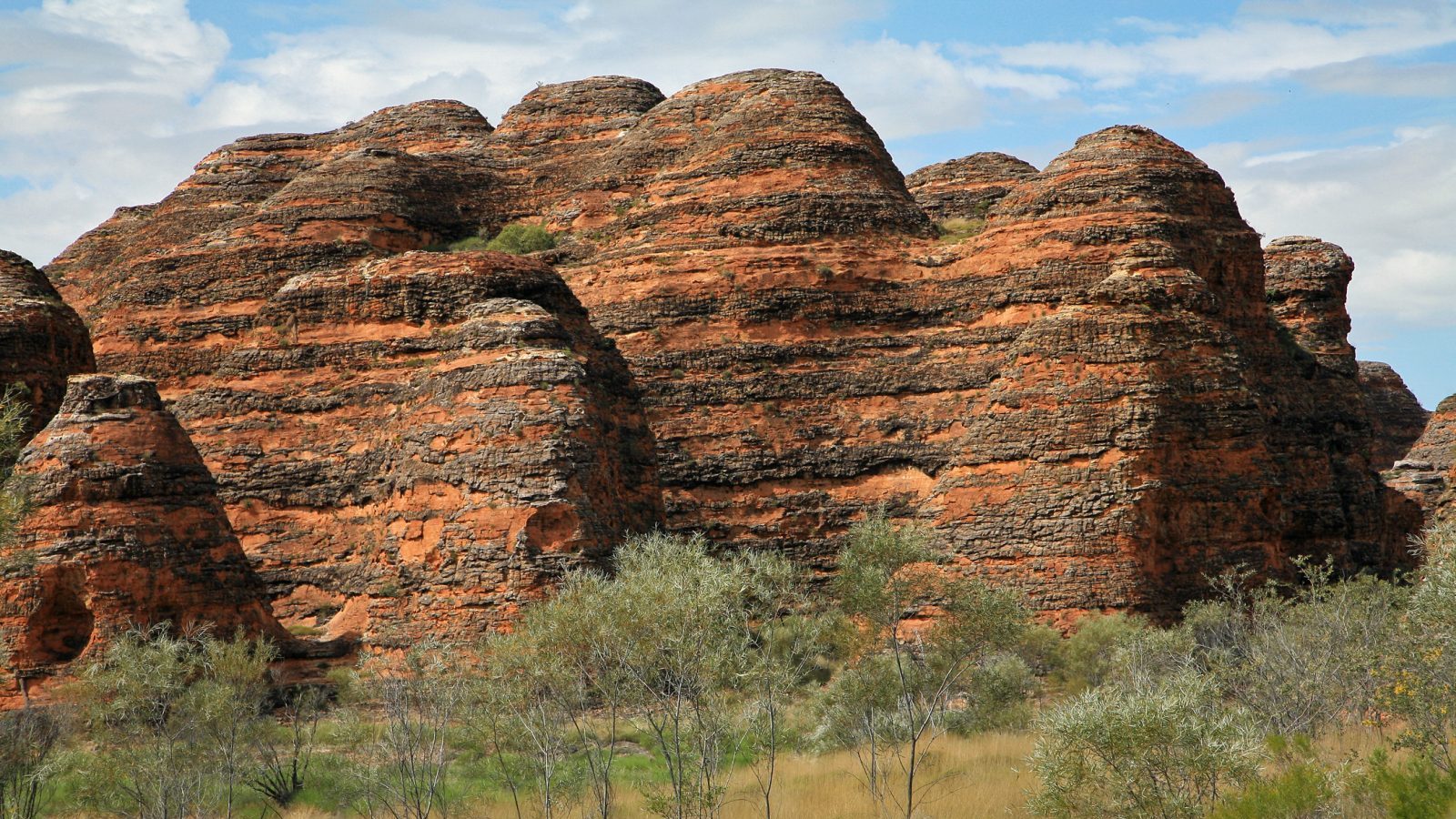
The Bungle Bungle Range, located in Purnululu National Park, features striking banded domes with distinctive orange and black stripes. These formations were created over 350 million years through the accumulation of sand and gravel. The area remained relatively unknown until the 1980s but has since become a UNESCO World Heritage Site. Visitors can explore the range via walking trails, helicopter tours, or guided excursions, offering various perspectives of this geological marvel.
Nullarbor Plain, South Australia

The Nullarbor Plain is a vast, flat expanse stretching across South Australia and Western Australia. Its name, derived from Latin, means “no trees,” accurately describing the treeless landscape. The plain is home to the world’s longest straight stretch of railway and offers unique attractions like the Bunda Cliffs and various caves. Travelers can experience the remote beauty of the area via the Eyre Highway or the Indian Pacific train. The Nullarbor’s stark environment provides a sense of isolation and tranquility.
Lake Eyre, South Australia

Lake Eyre, officially known as Kati Thanda–Lake Eyre, is Australia’s largest salt lake. Located in the arid outback of South Australia, the lake occasionally fills with water, transforming into a haven for birdlife. During dry periods, the lake’s salt crust creates a dazzling white expanse. Visitors can witness this natural phenomenon through scenic flights or by visiting nearby viewing areas. With careful planning, Lake Eyre can be part of an affordable travel itinerary that still feels luxurious in scale and impact.
Gosses Bluff, Northern Territory

Gosses Bluff, or Tnorala, is a circular mountain range formed by a meteorite impact approximately 142 million years ago. Located west of Alice Springs, the site holds cultural significance for the Western Arrernte people. The crater’s central uplift creates a striking geological feature visible from both ground level and aerial views. Visitors can learn about the area’s cultural and scientific importance through interpretive displays and guided tours. The combination of natural beauty and cultural heritage makes Gosses Bluff a compelling destination.
Daintree Rainforest, Queensland

The Daintree Rainforest, located in Far North Queensland, is one of the oldest tropical rainforests in the world. Covering approximately 1,200 square kilometers, it boasts a rich diversity of flora and fauna, some of which are found nowhere else on Earth. Visitors can explore the rainforest through guided walks, river cruises, and canopy tours. It’s an ideal destination for eco-conscious travelers seeking immersive nature experiences that align with a modest budget, especially for long stays or multi-generational vacations.
Great Barrier Reef, Queensland

The Great Barrier Reef, stretching over 2,300 kilometers along the Queensland coast, is the world’s largest coral reef system. Home to thousands of marine species, the reef offers unparalleled opportunities for snorkeling, diving, and marine exploration. Its vibrant coral formations and diverse marine life create a mesmerizing underwater world. Visitors can access the reef from various coastal towns, including Cairns and Port Douglas. The Great Barrier Reef’s ecological importance and stunning beauty make it a top destination for nature lovers.
Disclaimer: This list is solely the author’s opinion based on research and publicly available information.
Read More:

- Ultimate Guide To Picking The Best Travel Credit Card
- The 5 Best Budget Airlines in the United States
- 15 Best Countrıes to Vısıt in Afrıca