10 Historic Black Communities You Can Still Visit Today
These communities capture stories of struggle and triumph. They offer the chance to walk streets where Black entrepreneurs, families, and artists built legacies. Visiting them feels like stepping into a living heritage.
Expect lively conversations with guides, surprising facts around every corner, and even a laugh or two as you connect with these places. These are real, breathing neighborhoods filled with history, heart, and hope.
Bruce’s Beach, Manhattan Beach, California
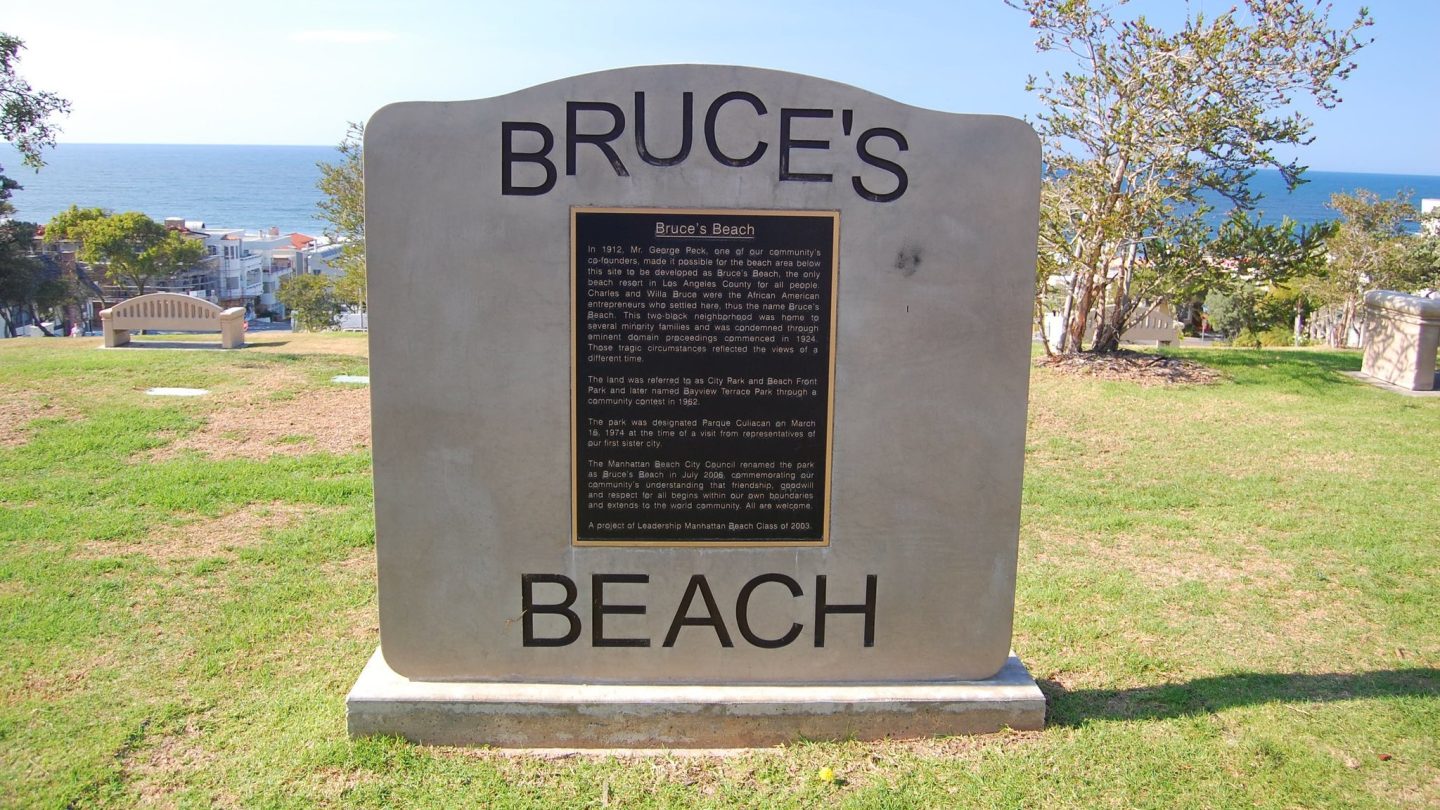
Founded in 1912, it was seized in the 1920s. Reparations returned the land in 2022, and a public park now honors the Bruce family’s experience. It’s a strong example of justice and memory.
Sandy Ground, Staten Island, New York

One of the oldest continuously inhabited free-Black settlements, founded in 1828. A local museum hosts annual festivals and educates about oyster-farming heritage.
Mitchelville, South Carolina

Mitchelville began during the Civil War on Hilton Head Island. It was the first self-governing Black town in the United States. Today, sleepovers and Juneteenth events gather descendants and students under the stars.
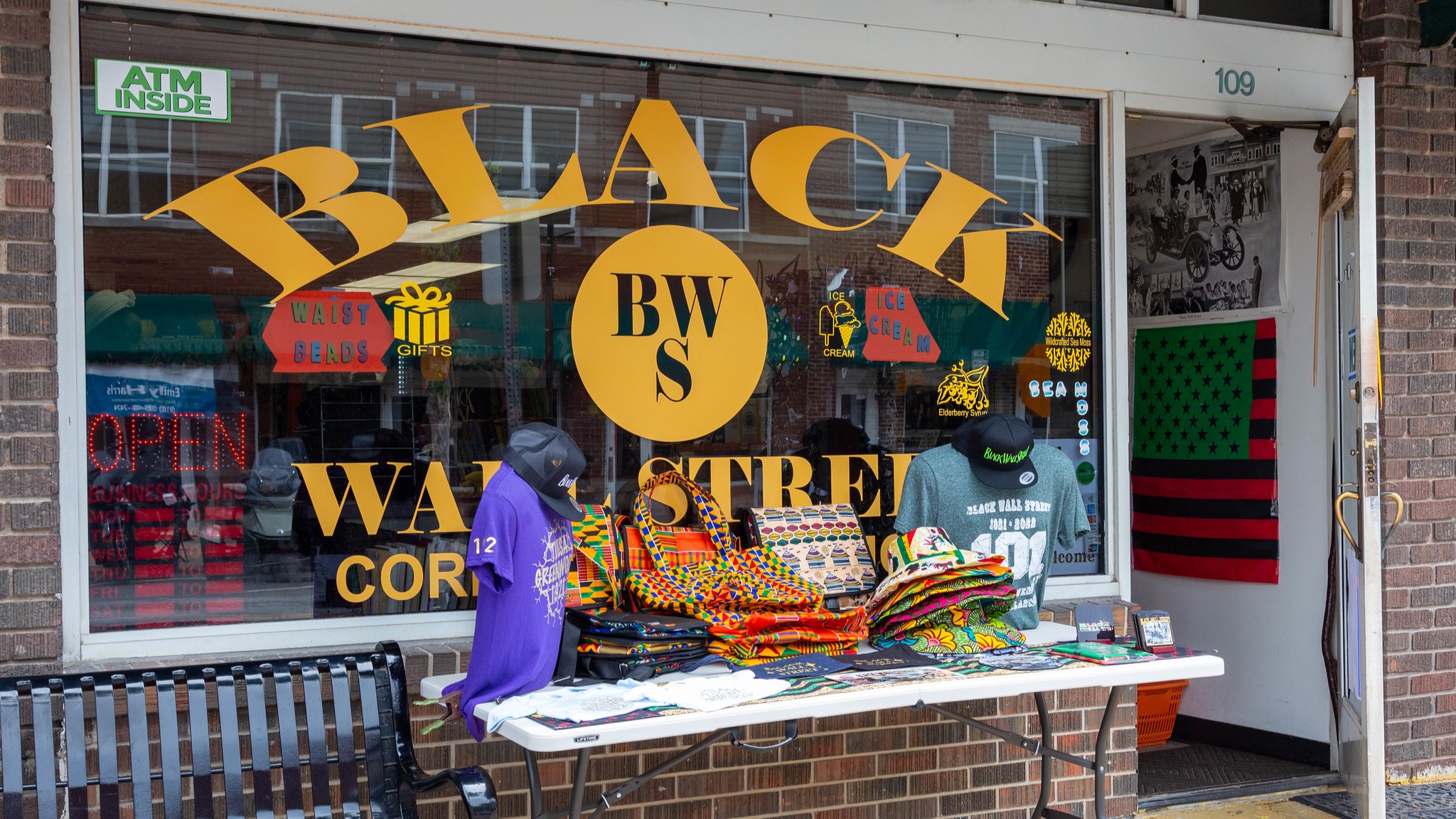
Greenwood (“Black Wall Street”), Tulsa, Oklahoma

In 1921, Greenwood was a booming Black business district. It was called “Black Wall Street” until the massacre destroyed 35 city blocks. Reconstruction brought back over 80 businesses. Today, the Greenwood Cultural Center and memorials honor that legacy.
Hayti District, Durham, North Carolina

From the 1880s to the 1940s, Hayti thrived with more than 200 Black-owned businesses, including North Carolina Mutual Insurance and Lincoln Hospital. Booker T. Washington praised it as “a city of Negro enterprises”.
U Street (“Black Broadway”), Washington, D.C.

Once the epicenter of Black music and culture, U Street hosts Ben’s Chili Bowl and Lee’s Flower and Card Shop. It’s a cultural hub where legends like Billie Holiday and Langston Hughes once walked.
Sweet Auburn, Atlanta, Georgia

Auburn Avenue earned the name “richest Negro street in the world.” It’s now a National Historic Landmark. Visitors enjoy the Auburn SpringFest, the Heritage Festival, and street art along Edgewood Avenue.
Tremé, New Orleans, Louisiana

Treme is one of the oldest African American neighborhoods in the U.S., rich in cultural influence and history. It’s known as the birthplace of jazz and the origin of second-line parades that blend music and dance in celebration. Congo Square still echoes with drum circles, keeping old rhythms alive. Locals treat it as more than a neighborhood; it’s the heartbeat of New Orleans, where tradition is not just remembered but lived daily.
Nicodemus, Kansas

Founded in 1877, Nicodemus is a Reconstruction-era Black pioneer town. Its church, schoolhouse, and township hall survive. It attracts approximately 28,000 annual visitors and was designated a National Historic Site in 1996.
Chicago’s Bronzeville, Illinois

Once central during the Great Migration, Bronzeville had thriving Black businesses and theaters. Highway construction in the 1960s displaced many residents. Today, it’s undergoing a revival of community spaces and cultural landmarks.
Disclaimer: This list is solely the author’s opinion based on research and publicly available information.
You Might Also Like:

How To Stick To Your Holiday Budget and Avoid Debt: With the holiday season in full swing, many find themselves facing high expenses. The anticipation of gift-giving, coupled with the desire to create unforgettable moments, often leads to the common tradition of seasonal spending, with the average holiday budget reaching a considerable sum.