15 Useful Tips to Know Before Moving to Canada
Moving to Canada sounds like a clean slate and a fresh start, but let’s not pretend it’s all maple syrup and polite neighbors. Relocating to a new country comes with its fair share of curveballs, and getting ahead of them can make all the difference. If you’re planning to trade in your U.S. zip code for a Canadian postal code, you’ll want to do more than pack your winter coat.
The truth is, even though Canada may feel familiar in some ways, it operates by its own rules. From healthcare quirks to cultural habits that might catch you off guard, the small stuff adds up fast. Here’s a handy guide packed with tips you’ll wish you knew before stepping foot on Canadian soil.
Understand The Immigration Process

There are several ways to immigrate to Canada, including the Express Entry system, provincial programs, sponsorship, and work permits. Each path has its requirements, timelines, and paperwork. Don’t rely on guesswork or tips from a cousin’s friend. Check Canada’s official immigration site and consider getting legal help if your case is complicated.
Be Prepared For Higher Cost Of Living In Some Cities

Vancouver and Toronto are beautiful, but they are also pricey. Rent, groceries, and transportation can be more expensive than in many U.S. cities. You might get sticker shock, especially if you’re moving from a smaller town. Budget realistically and compare costs using tools like Numbeo or Expatistan before you commit to a location.
Sort Out Your Health Insurance Early

Canada’s healthcare is government-funded, but that doesn’t mean you’re instantly covered. In some provinces, there’s a waiting period of up to three months before your health card kicks in. Private insurance can fill the gap until then. Don’t skip this: accidents don’t care about paperwork.
Know The Difference Between Provinces
![Map and Flag of Canada. Source "World reference atlas"
[url=/search/lightbox/5890567][IMG]http://farm4.static.flickr.com/3574/3366761342_e502f57f15.jpg?v=0[/IMG][/url]
[url=/file_search.php?action=file&lightboxID=8385719][IMG]http://farm6.staticflickr.com/5209/5368284865_fa22321d18.jpg[/IMG][/url]](https://africawanderlust.com/wp-content/uploads/2025/06/Canadian-Map-with-Flag-Provinces-ISTK-1.jpg)
Canada is not one-size-fits-all. Each province has its own tax rates, rules, and culture. Quebec feels more European and uses French officially, while Alberta leans more conservative. Your experience can change a lot depending on where you land. Research the local vibe before making your choice.
Expect Colder Weather Than You’re Used To

Winter in Canada means business. Think snowstorms, freezing wind, and months of icy sidewalks. Invest in serious winter gear, not just a stylish jacket, but thermal layers, waterproof boots, and gloves that work. Weather apps and local forecasts have become daily essentials.
Learn The Metric System

Forget miles and Fahrenheit. Canada uses the metric system, which includes kilometers, Celsius, and liters. It might sound minor, but it can throw you off when you’re driving, cooking, or checking the weather. Get used to converting or installing apps that do it for you until it becomes second nature.
Banking Takes Time To Set Up

Opening a Canadian bank account isn’t complicated, but you’ll need proper ID and sometimes proof of address. Credit history doesn’t transfer from the U.S., so start building your Canadian credit score early. Look for newcomer programs at major banks that make the transition smoother.
Understand Canadian Workplace Culture

The work culture in Canada is polite and collaborative, and it highly values work-life balance. Overtime isn’t always expected, and titles don’t carry as much weight. Hierarchies exist but aren’t rigid. Punctuality matters, and so does being respectful, even when you’re disagreeing with someone.
Get Familiar With Canadian Taxes

Taxes can be higher than you’re used to, especially in provinces like Quebec. Sales tax is added at the register, not included in the sticker price. You’ll also need to file a Canadian tax return each year, even if you have U.S. income. Consider speaking to a tax advisor who understands both systems.
Bring The Right Documents With You

You’ll need more than your passport. Pack original copies of your birth certificate, educational transcripts, immunization records, and job references. These can be hard to replace from afar. Keep digital backups, too, just in case you misplace something during the move.
Driving Rules Might Surprise You

Canada drives on the right side, but traffic laws vary by province. Speed limits are expressed in kilometers, and some cities require the use of winter tires by law. You might need to take a written or road test to get a local license, depending on your state of origin. Check with the provincial licensing office before driving.
You’ll Need A SIN To Work
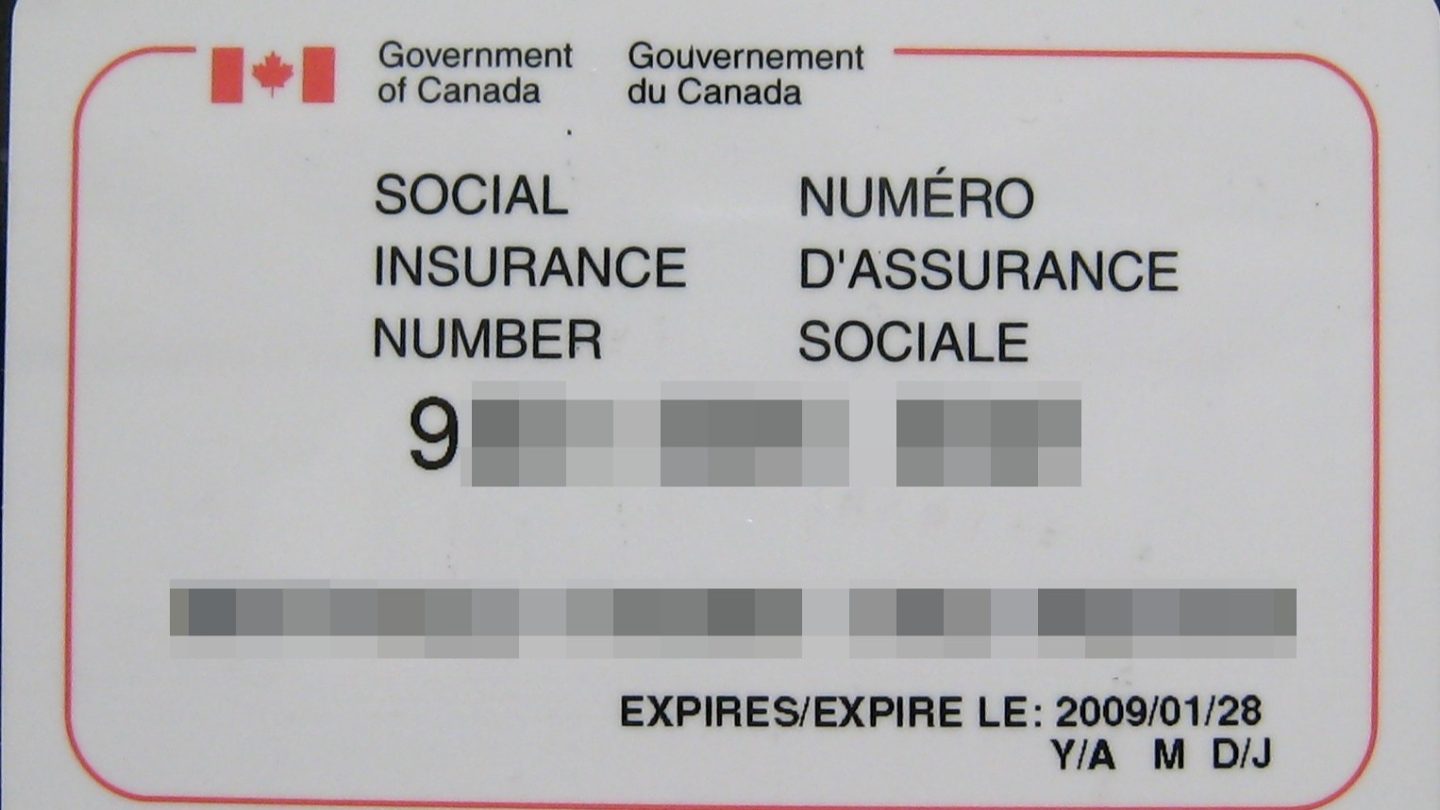
A Social Insurance Number (SIN) is your golden ticket to working in Canada. You’ll need it for jobs, banking, and filing taxes. It’s free and easy to get at a Service Canada office, but you’ll need the right documents. Don’t delay; this number is essential.
Cell Phone Plans Are Expensive

Mobile data in Canada is more expensive than in the United States, and plans often come with strict data usage limits. Shop around and compare carriers like Rogers, Bell, and Telus. Wi-Fi becomes your best friend, especially if you’re streaming or working remotely. Some U.S. phones may not be compatible, so double-check before bringing yours.
Canadians Take Politeness Seriously

Canadians have a reputation for being friendly, and it’s real. Saying “sorry” and “thank you” goes a long way. Don’t mistake kindness for weakness, though. People are direct when needed, just wrapped in politeness. Learn the social cues, and you’ll avoid awkward moments.
Get Ready For Cultural Differences

Although Canada and the U.S. share a border, their cultural feel is distinctly different. Holidays, slang, humor, and even food can vary. Thanksgiving is in October. People say “eh” and drink Caesar cocktails instead of Bloody Marys. It’s not better or worse, just different. Keep an open mind and go with the flow.
Disclaimer: This list is solely the author’s opinion based on research and publicly available information.
You Might Also Like:

How To Stick To Your Holiday Budget and Avoid Debt: With the holiday season in full swing, many find themselves facing high expenses. The anticipation of gift-giving, coupled with the desire to create unforgettable moments, often leads to the common tradition of seasonal spending, with the average holiday budget reaching a considerable sum.