
10 Ancient Structures in Egypt That Refuse to Fall
Egypt has seen rulers come and go, but its ancient structures still stand. These buildings weren’t built just for ceremony or power. They were built to last through the ages.
Many have withstood earthquakes, floods, and centuries of human activity. Their stones still carry the marks of skill, resilience, and purpose. Standing near them feels like standing beside history itself.
Great Pyramid of Giza
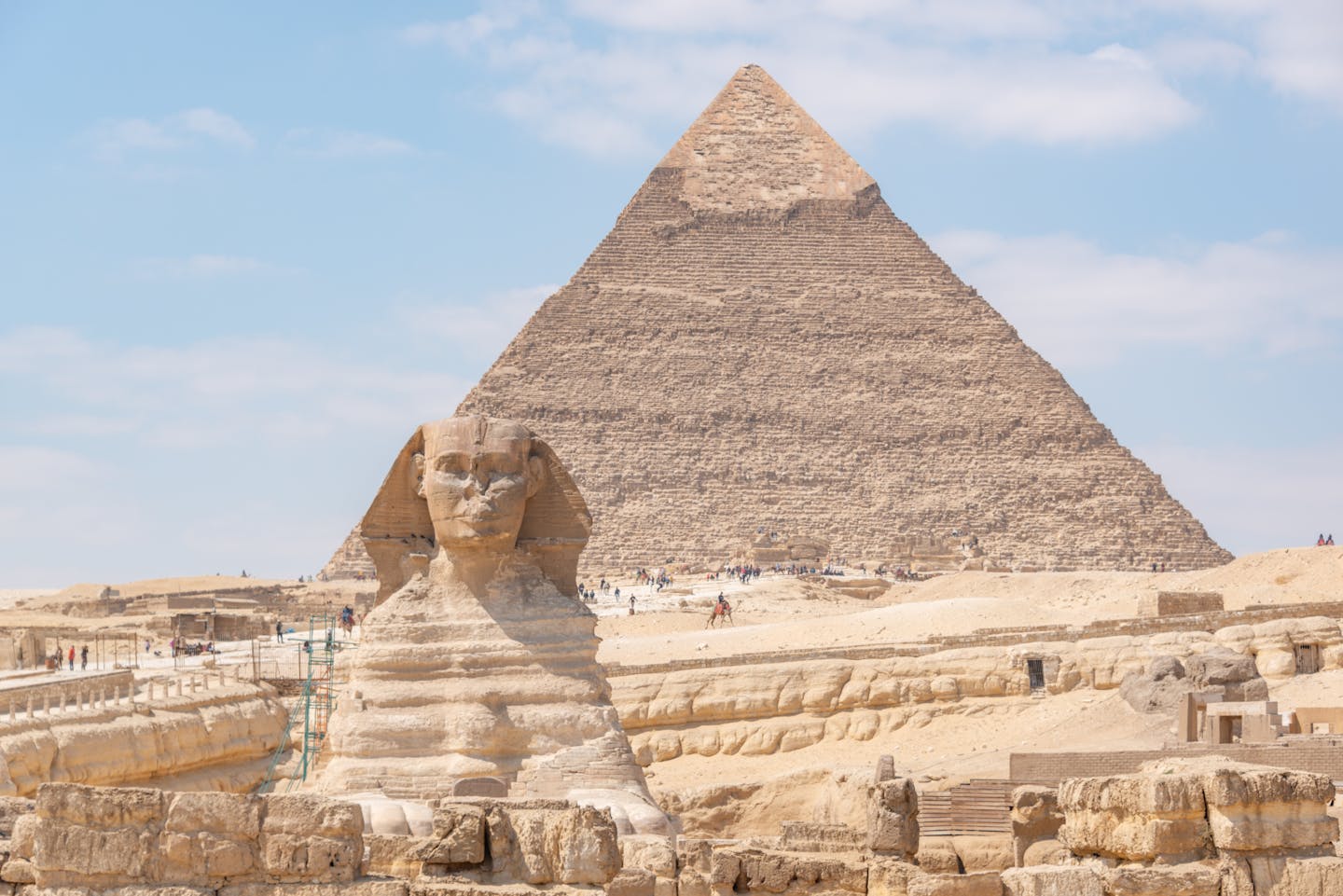
The Great Pyramid, built around 2560 BCE for Pharaoh Khufu, remains the most prominent structure on the Giza Plateau. For nearly 4,000 years, it was the tallest human-made structure. Massive limestone blocks were arranged with remarkable precision. Even today, visitors stare up at it in awe, wondering how it was ever possible.
Karnak Temple Complex
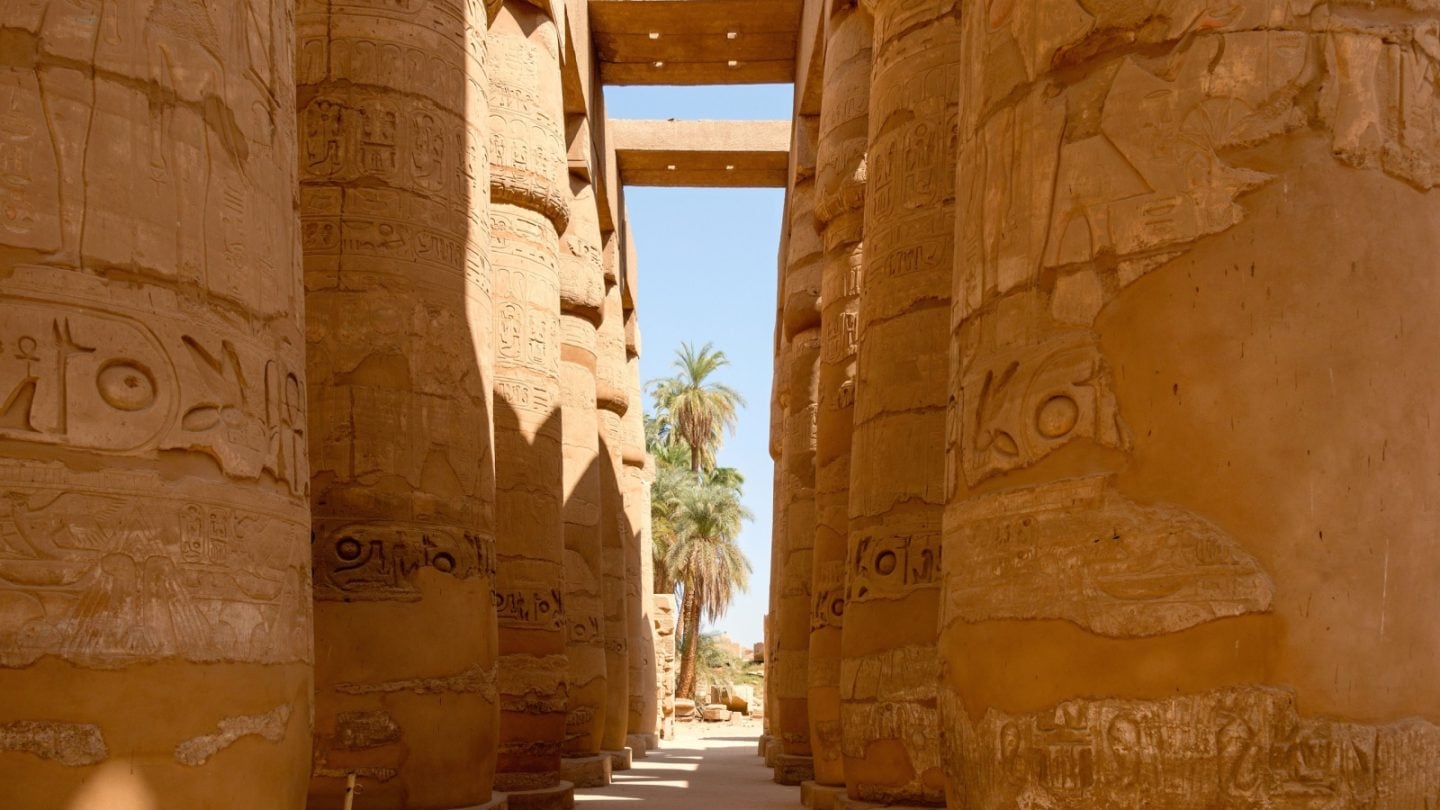
Karnak spans over 200 acres and tells the story of Egypt’s rulers across centuries. Over 30 pharaohs added temples, shrines, and statues to its grounds. The towering columns of the hypostyle hall make people feel small in the best way. Every wall feels like a chapter from the past still being read.
Luxor Temple

Luxor Temple is situated closer to the Nile and was once connected to Karnak by an avenue of sphinxes. It was built by Amenhotep III, expanded by Ramses II, and even touched by Alexander the Great. Surrounded by the modern city, it still maintains its presence. At night, warm lights give its ancient stones a soft glow.
Abu Simbel Temples

Abu Simbel features giant statues of Ramses II carved into the cliff face near the Sudanese border. In the 1960s, rising waters from the Aswan High Dam prompted a massive rescue operation. Engineers moved the temples piece by piece to higher ground. Today, the site stands as both a symbol of ancient glory and a testament to modern effort.
Step Pyramid of Djoser
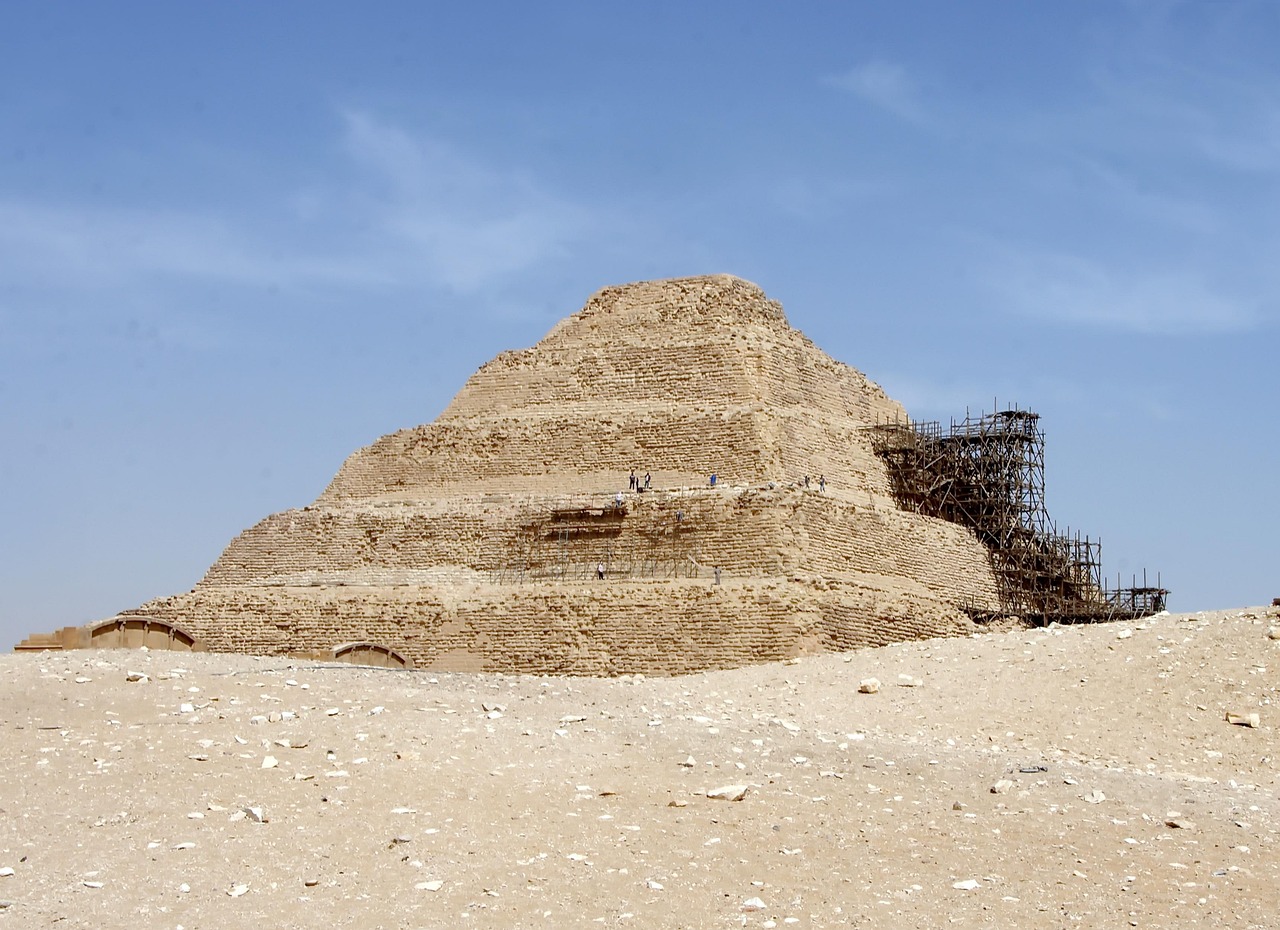
The Step Pyramid of Djoser, designed by Imhotep, marked a turning point in architecture. Built for Pharaoh Djoser, it was the first major stone structure in Egypt. Its six layers rise like steps toward the sky. Unlike the smooth pyramids that came later, this one still shows the early stages of design and ambition.
Temple of Hatshepsut
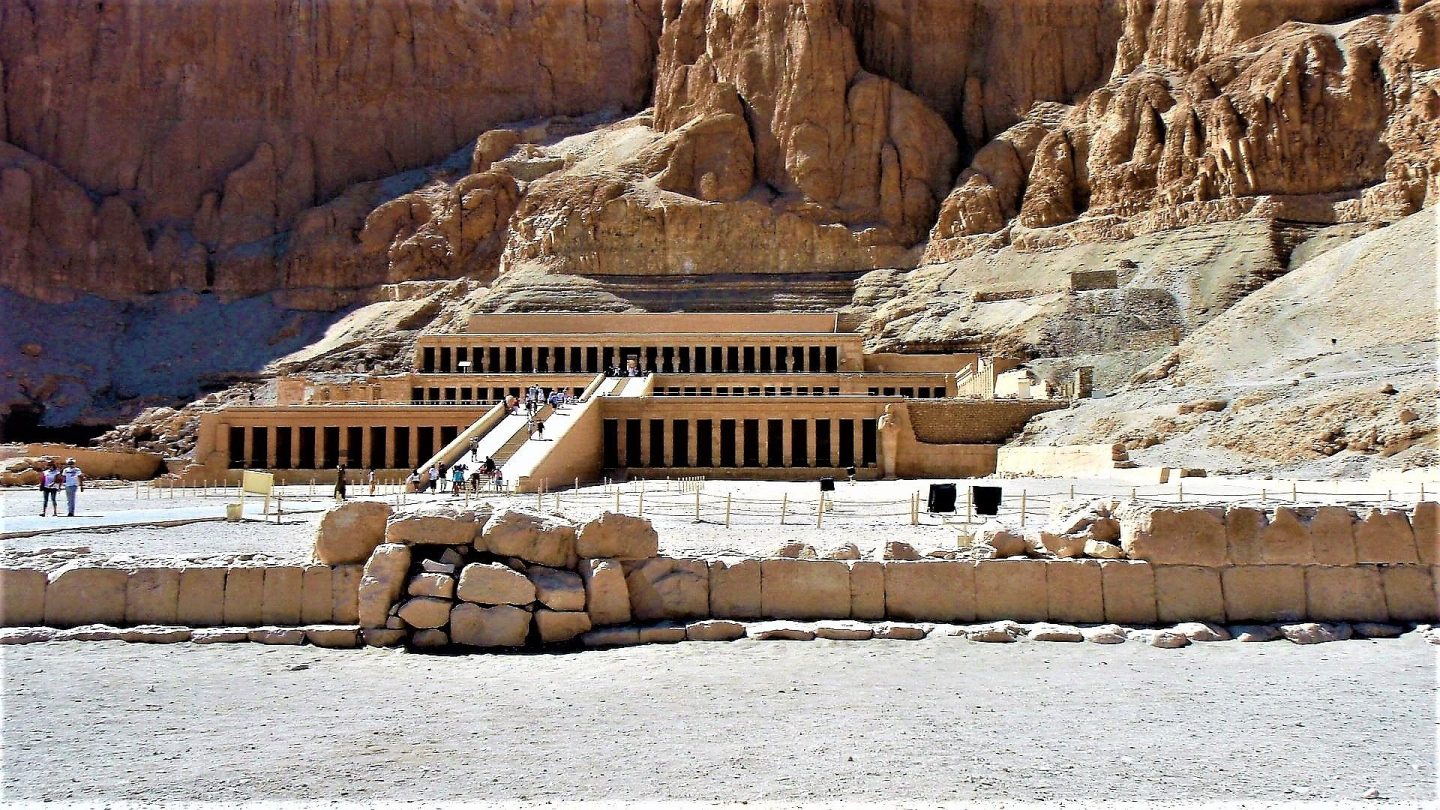
The temple of Hatshepsut sits at the base of tall cliffs in Deir el-Bahari. Built for one of Egypt’s most powerful female pharaohs, its symmetry and clean lines stand out. It feels peaceful, almost quiet, even with crowds nearby. The structure blends so naturally with the rock behind it that it almost seems part of the landscape.
Medinet Habu

Ramses III built Medinet Habu as his mortuary temple, leaving little to the imagination. Every wall is filled with carvings of battles, ceremonies, and triumphs. Some of the original paint still clings to the stone. The temple feels like an adventure frozen in time, telling the bold story Ramses wanted the world to remember.
Bent Pyramid

The Bent Pyramid stands as proof that not everything went according to plan. Built for Pharaoh Sneferu, it rises at a steep angle before shifting midway. Instead of starting over, the builders continued with the new angle. The result is a pyramid with an unexpected curve that still puzzles and captivates everyone who sees it.
Temple of Edfu

The Temple of Edfu, built in the Ptolemaic era, was dedicated to the falcon god Horus. Its walls are filled with detailed carvings that reveal ancient rituals and stories. The temple stands in remarkable condition, giving a close look at how these places once appeared. Inside, it feels as though time has come to a complete standstill.
Temple of Philae

Temple of Philae, built for the goddess Isis, almost disappeared beneath the rising Nile waters. In the twentieth century, it was carefully relocated to Agilkia Island. Each column, relief, and courtyard was carefully reconstructed. Visitors today enter as if the temple still stands in its original place.
Disclaimer: This list is solely the author’s opinion based on research and publicly available information.
Read More:

- Ultimate Guide To Picking The Best Travel Credit Card
- The 5 Best Budget Airlines in the United States
- 15 Best Countrıes to Vısıt in Afrıca
Disclaimer: This list is solely the author’s opinion based on research and publicly available information.


