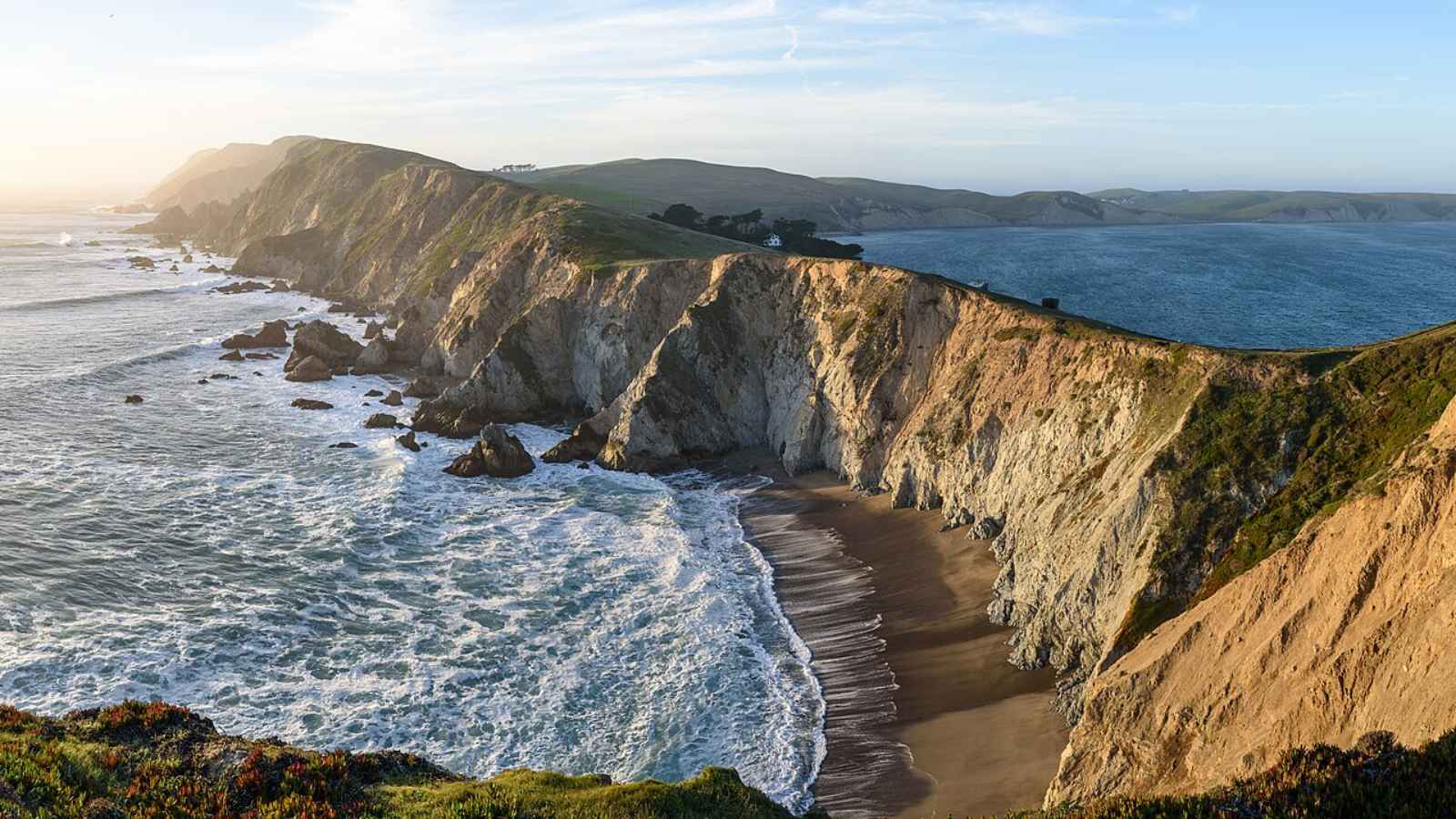
13 U.S. Beaches With Hidden Dangers Most Swimmers Miss
Some beaches look like paradise. The sand feels soft, the water looks clear, and the breeze brings a sense of peace. Hidden in all that beauty are dangers many swimmers miss. Some don’t realize the risk until it’s too late.
Locals often know what to avoid. Visitors usually don’t. Lifeguards try to cover as much ground as possible, but they can’t be everywhere. Rip currents, jellyfish, drop-offs, and crashing waves each pose real threats. These 13 U.S. beaches may appear safe, but they require caution.
Waimea Bay, Hawaii
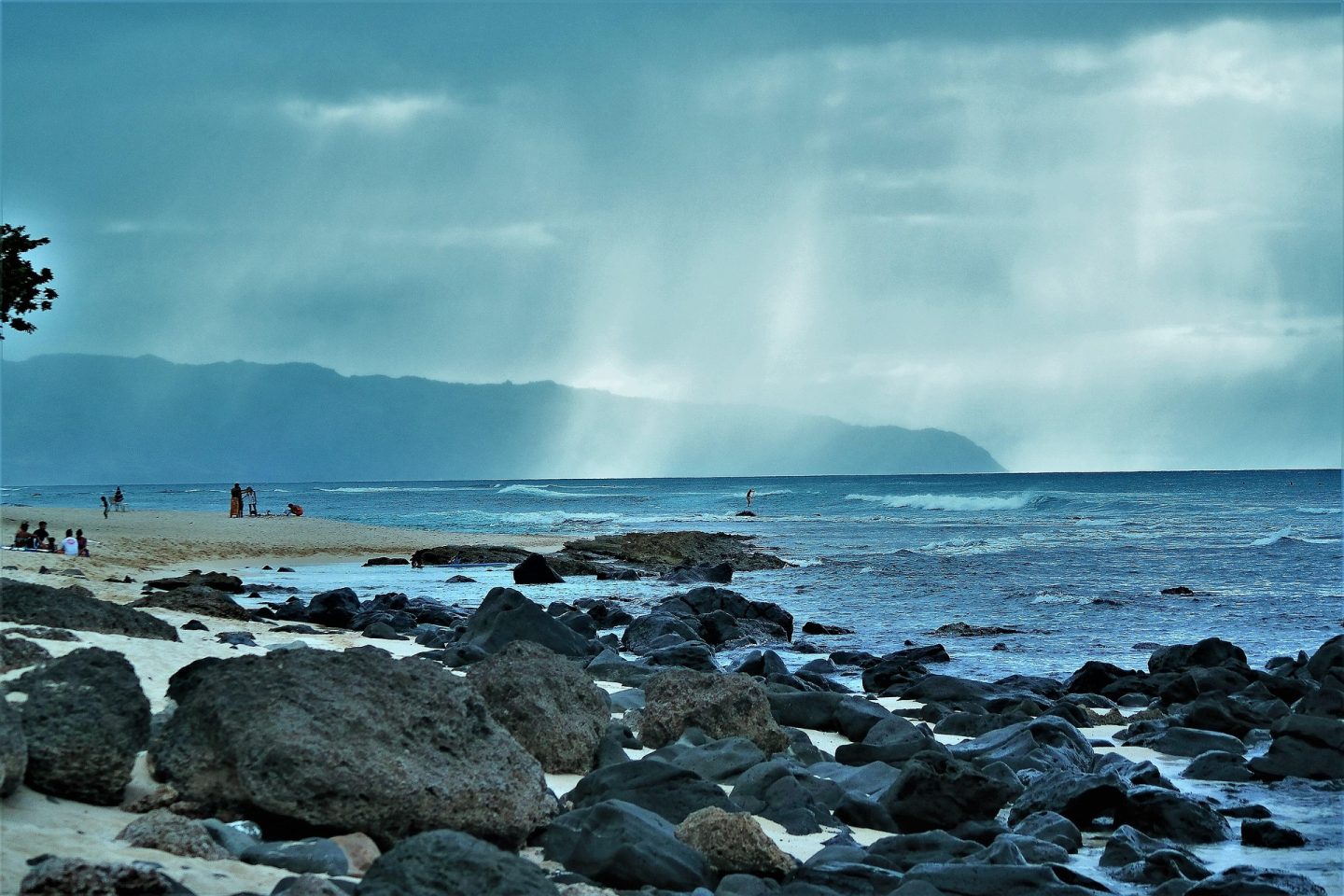
Waimea Bay on Oahu’s North Shore is famous for giant winter waves. Even in summer, strong rip currents remain near the shore. The water may look calm, but the pull beneath the surface can be relentless. Some swimmers are pulled out quickly without warning.
New Smyrna Beach, Florida

New Smyrna Beach has warm water and great waves for surfers. It also has the highest number of shark bites in the country. Most bites are minor, but they happen often. Swimmers and surfers often share shallow water where sharks feed.
Ocean Beach, California
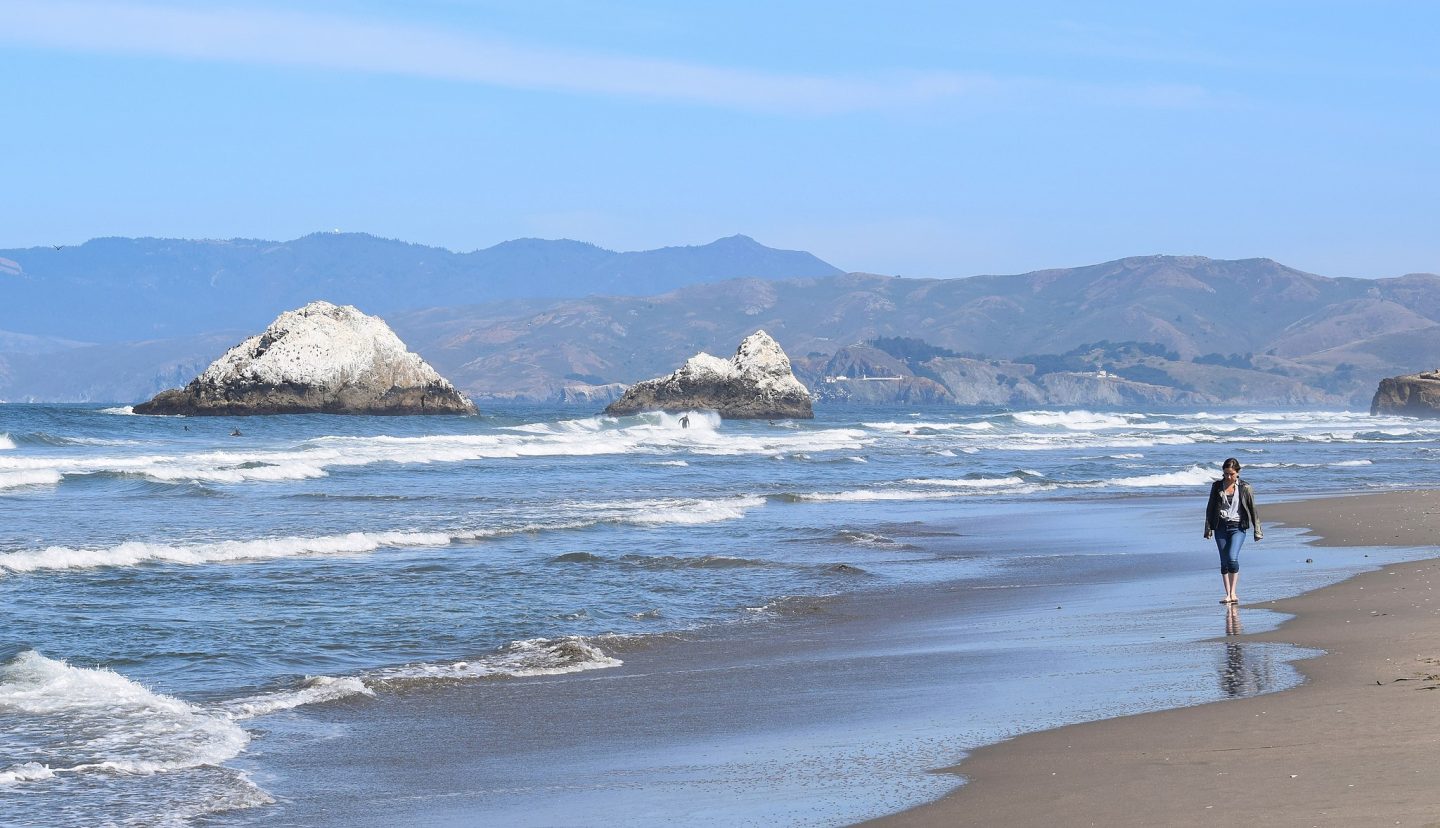
Ocean Beach in San Francisco has cold water and powerful currents. Rip currents form without much warning and can quickly drag swimmers out to sea. Many people don’t recognize the danger until they feel it. Warning signs are posted but not always followed.
Hanakapiai Beach, Hawaii
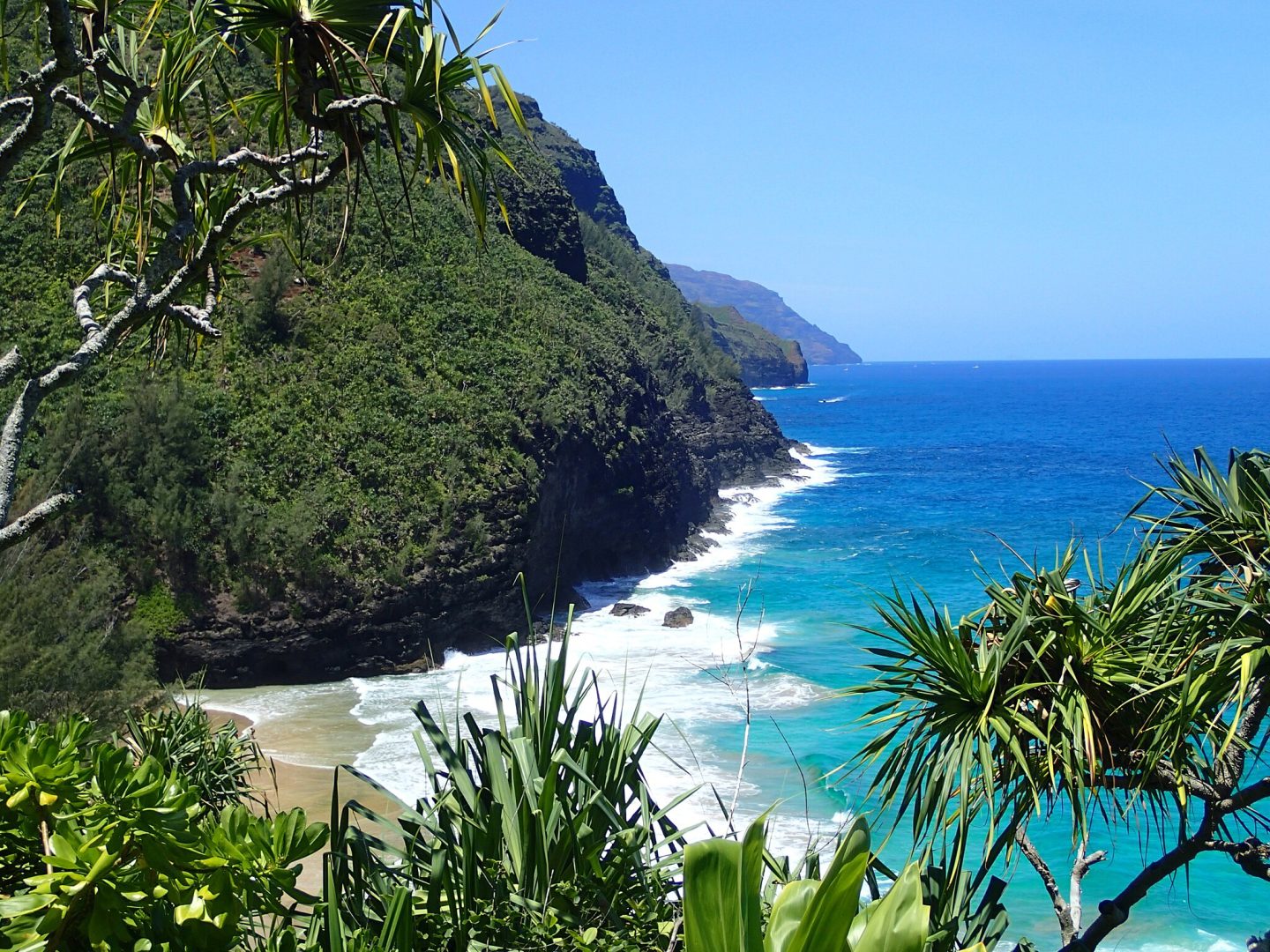
Hanakapiai Beach sits at the end of a scenic hike on Kauai. The water appears calm, but the currents are strong and unpredictable. No reef blocks the waves, making the shoreline especially risky. Several drownings have happened here.
Outer Banks, North Carolina

The barrier islands in this area have sandbars that shift constantly. Changes in the ocean floor can cause the water to behave unpredictably. Rip currents can form even when the surface looks calm. Swimmers often misread the conditions and end up getting pulled out.
Kaanapali Beach, Hawaii
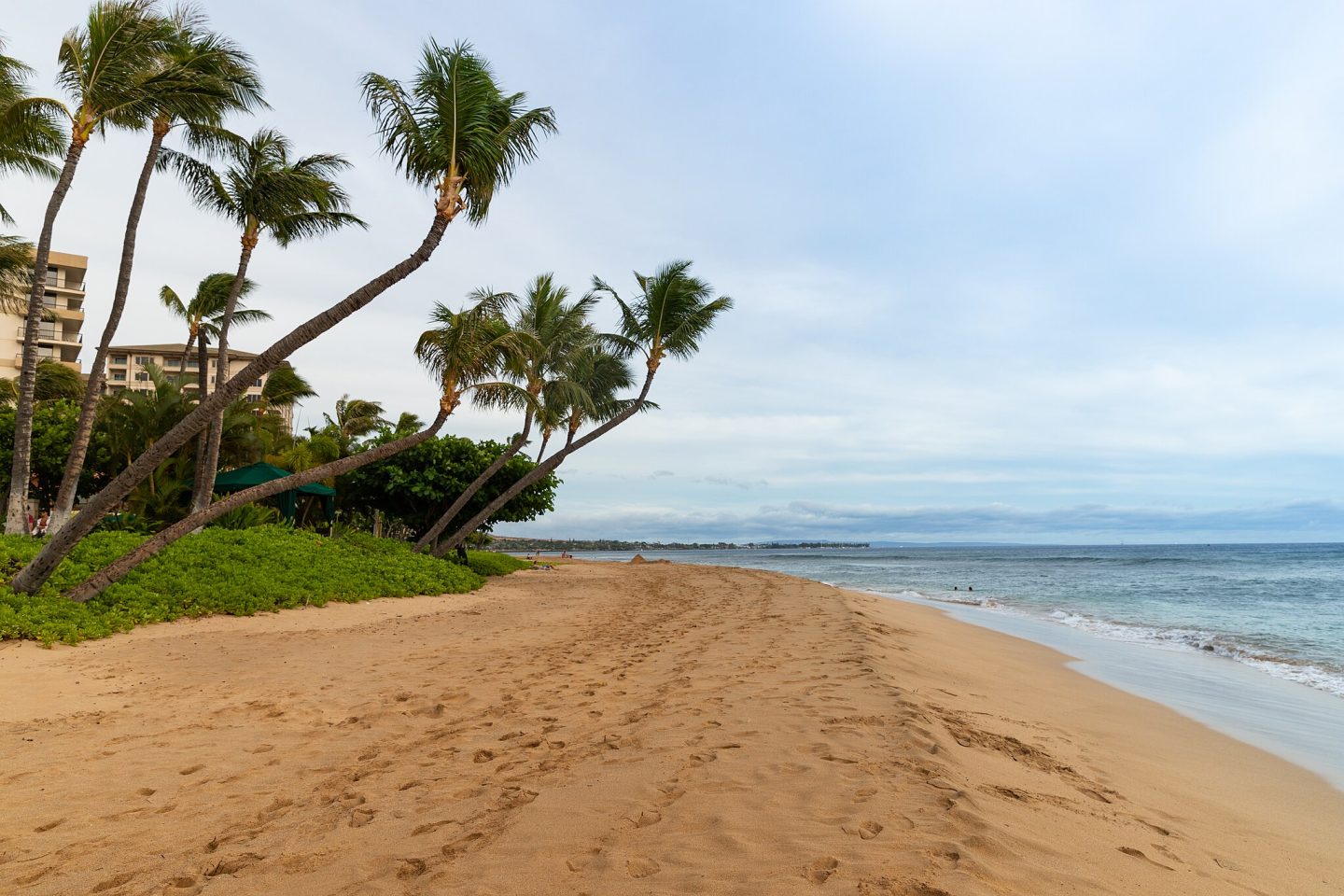
Kaanapali Beach on Maui is a popular destination for tourists. Shorebreak waves crash hard onto the sand, often without warning. People walking into the water can be knocked down and injured. Spinal injuries here are more common than most expect.
Cape Cod National Seashore, Massachusetts
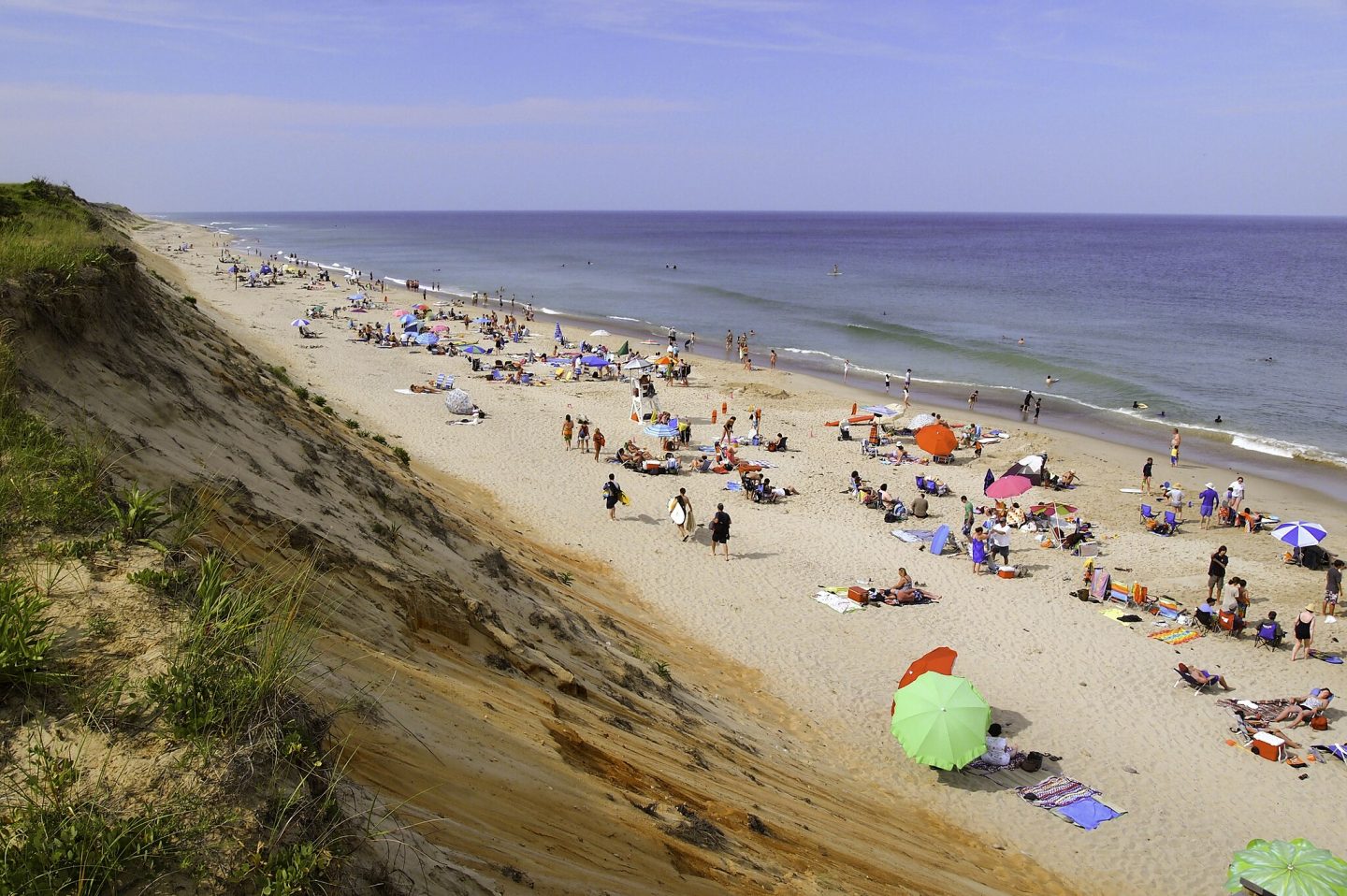
Cape Cod has seen a rise in great white shark activity due to the growing seal population. Shark sightings now happen often. Lifeguards close beaches when needed, but the risk still exists. Swimmers must pay close attention to warning signs and alerts.
South Padre Island, Texas

This popular beach has areas where the seafloor drops off quickly. A few steps can take swimmers from shallow water to deep without warning. Strong undercurrents make it hard to swim back. Children face extra risk in these conditions.
Point Reyes National Seashore, California
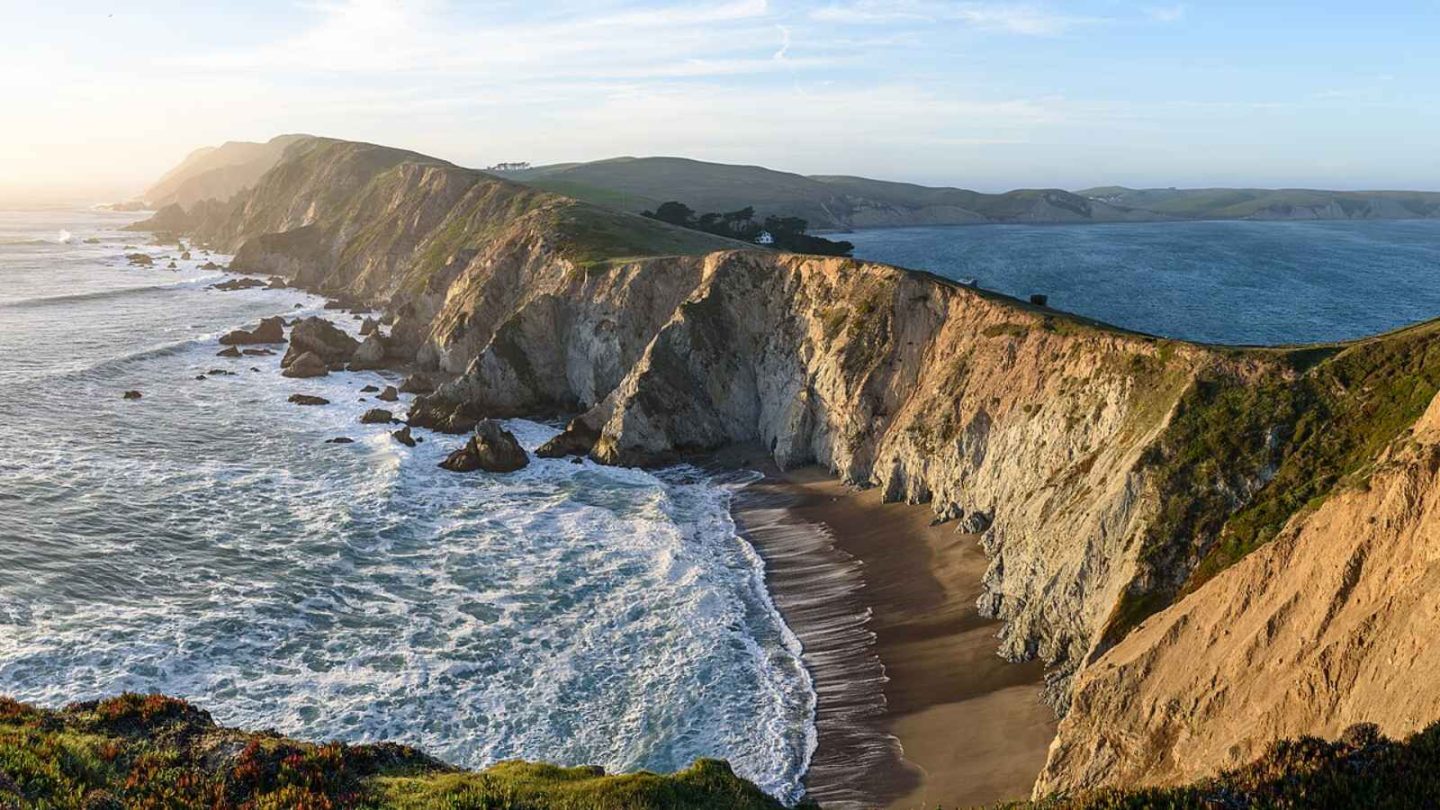
Water temperatures at Point Reyes remain cold throughout the year. A sudden dip can cause muscle shock or breathing problems. Sneaker waves rise higher than expected and appear suddenly. These waves have swept people off the beach with little warning.
Virginia Beach, Virginia

Virginia Beach attracts large crowds during the summer months. With so many people in the water, it becomes harder to notice when someone is in trouble. Rip currents often form near piers and jetties. Swimmers sometimes get caught off guard and struggle to return. Panic exacerbates the situation even further.
Makena Beach, Hawaii
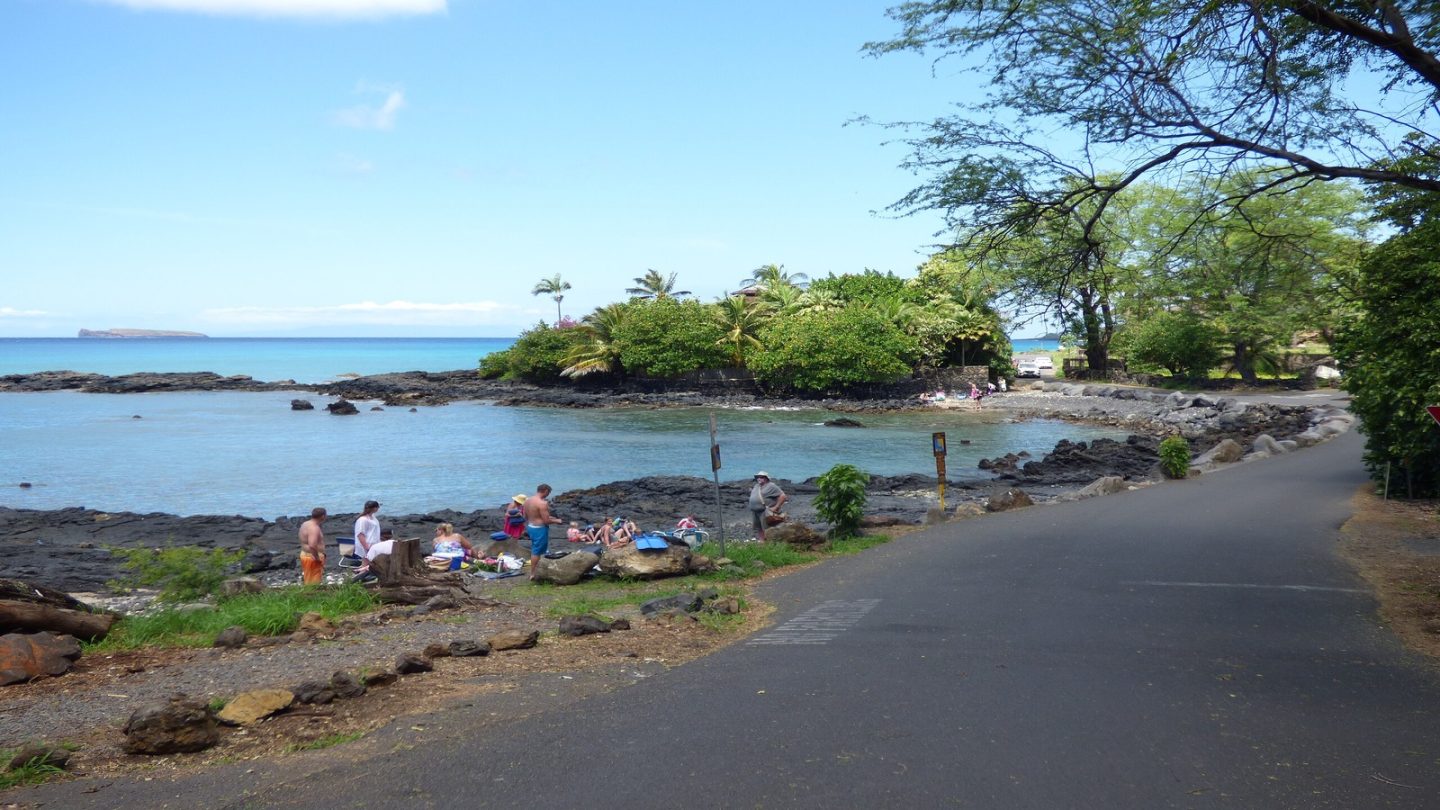
Makena Beach, also known as Big Beach, is famous for its steep, heavy waves that crash right near the shore. These waves hit hard and can knock you off your feet in seconds. Lifeguards give frequent warnings, yet people still get injured trying to body surf in the rough water.
Huntington Beach, California
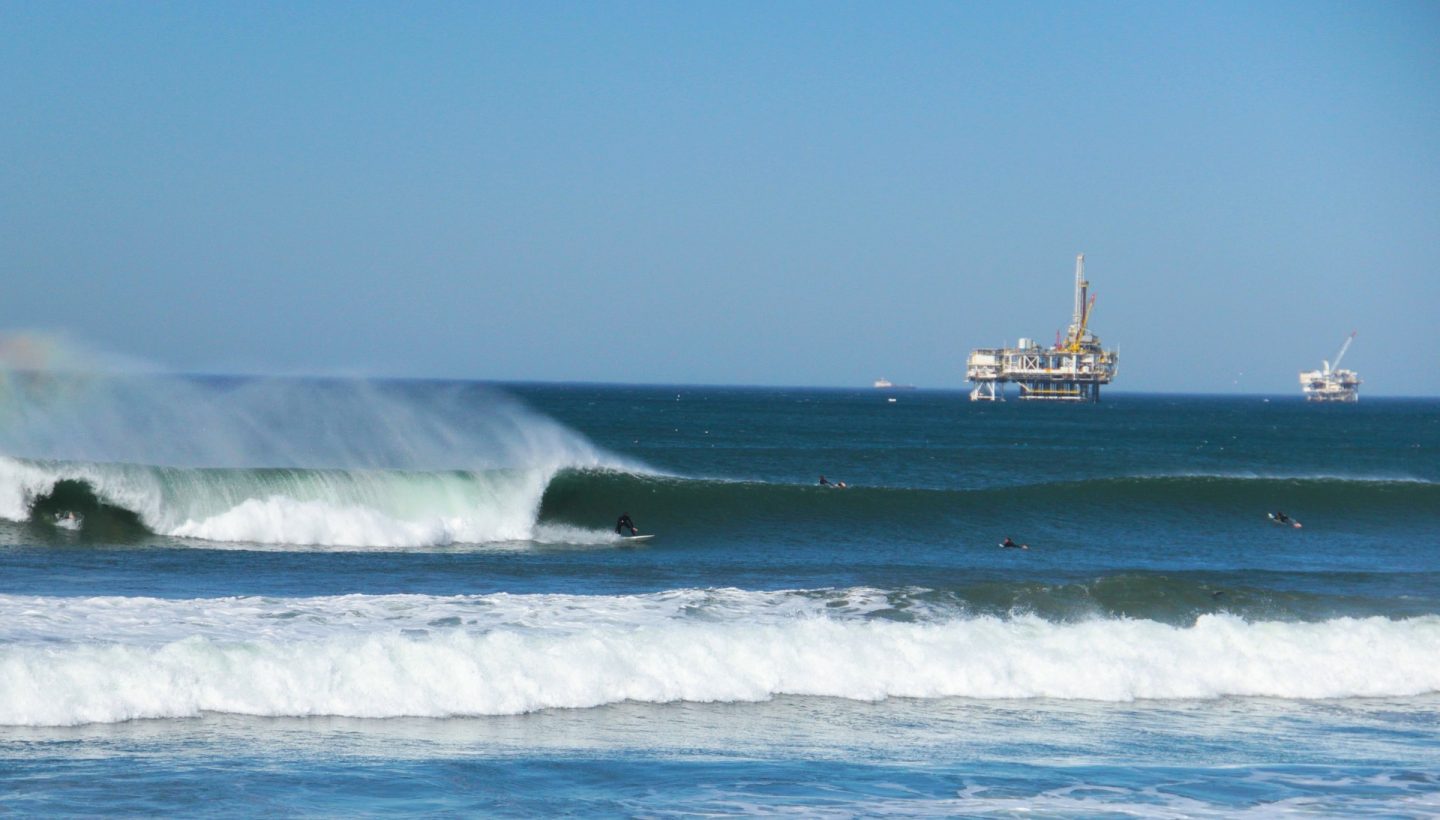
Huntington Beach, renowned for its surfing, experiences fast-changing wave conditions. Strong currents and high surf make swimming risky. Crowded waters add distractions, increasing the chance of accidents. People often underestimate how quickly conditions shift.
Assateague Island, Maryland
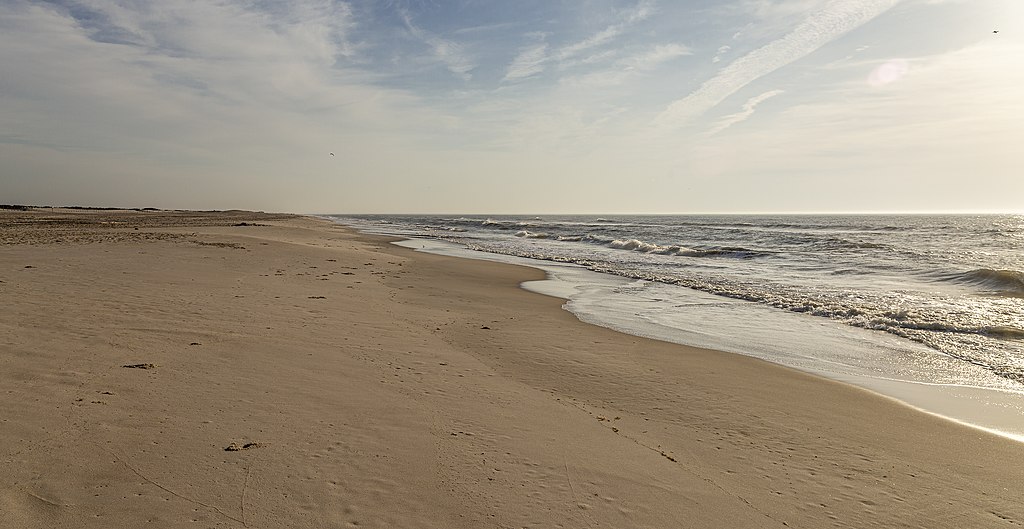
Assateague is quiet and renowned for its wild horses, but the water conceals strong rip currents. Lifeguard presence is limited in some areas. Calm-looking waves often mislead swimmers. Rescue can take time if someone gets pulled out.
Disclaimer: This list is solely the author’s opinion based on research and publicly available information.
Read More:

- Ultimate Guide To Picking The Best Travel Credit Card
- The 5 Best Budget Airlines in the United States
- 15 Best Countrıes to Vısıt in Afrıca
Disclaimer: This list is solely the author’s opinion based on research and publicly available information.