10 Foods That Are Banned in America
It’s easy to assume that if something’s on your grocery store shelf, it must be safe. But the U.S. has some pretty strict rules on what you can and can’t eat. Certain foods enjoyed around the world are off-limits here. Sometimes, it’s because of health risks. At other times, it’s concerns about animal welfare or food coloring. Whatever the reason, these foods don’t make the cut.
This list might surprise you. So, if you’re a foodie or just curious about what’s behind those “imported goods not allowed” signs, here’s a peek into 10 foods banned in the U.S. and why.
Brominated Vegetable Oil (BVO)

Found in some citrus-flavored sodas and sports drinks, BVO helps keep flavoring evenly mixed. The problem? It contains bromine, a chemical used in flame retardants. Studies linked it to memory loss, skin problems, and even fertility issues. Many brands dropped it, and the FDA proposed banning BVO entirely.
Haggis
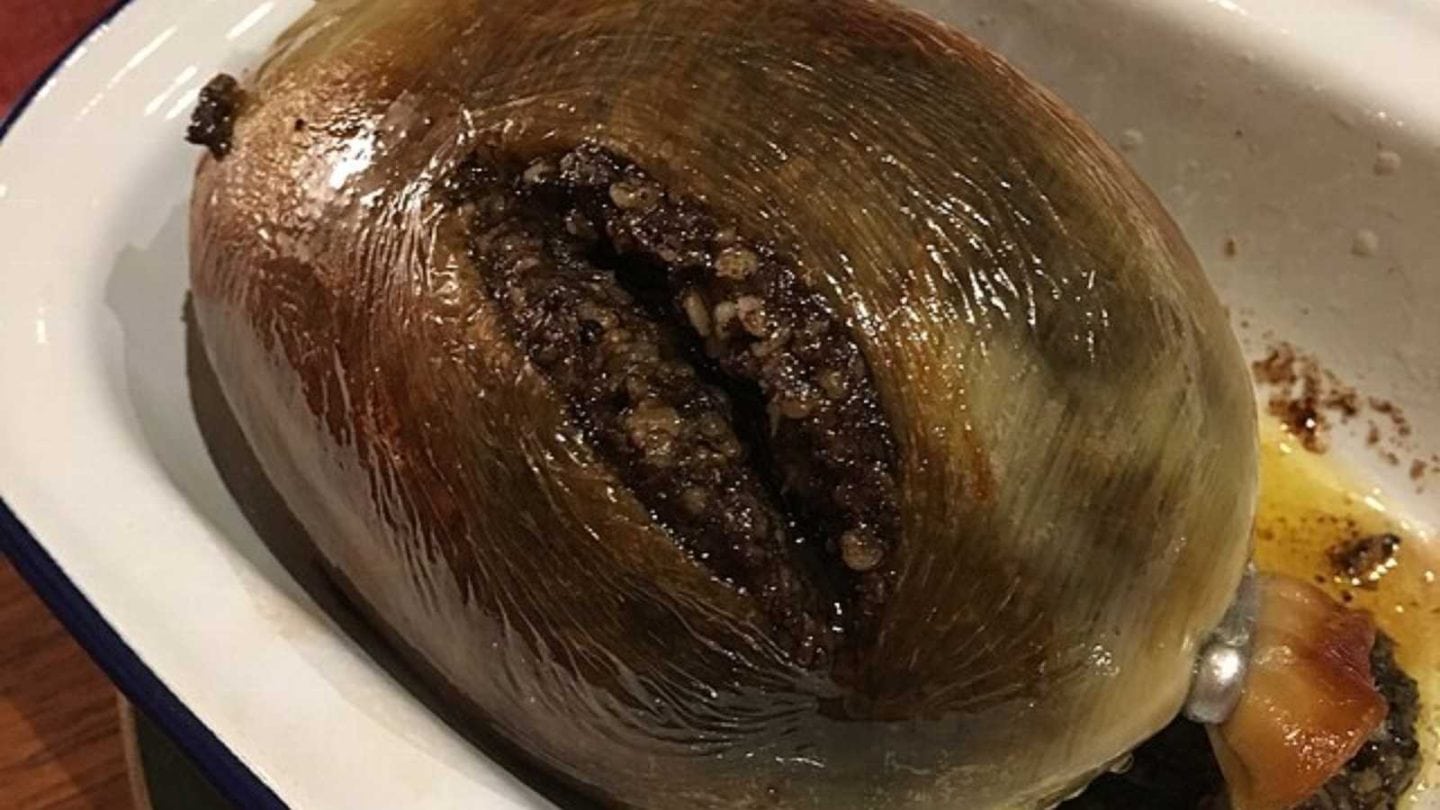
Traditional Scottish haggis contains sheep lungs, and that’s the problem. The USDA banned lungs in food in 1971. Why? Because during slaughter, stomach fluids can make their way into the lungs, raising health concerns. Scots might swear by it, but in the U.S., it’s a no-go. Even imports are blocked.
Kinder Surprise Eggs
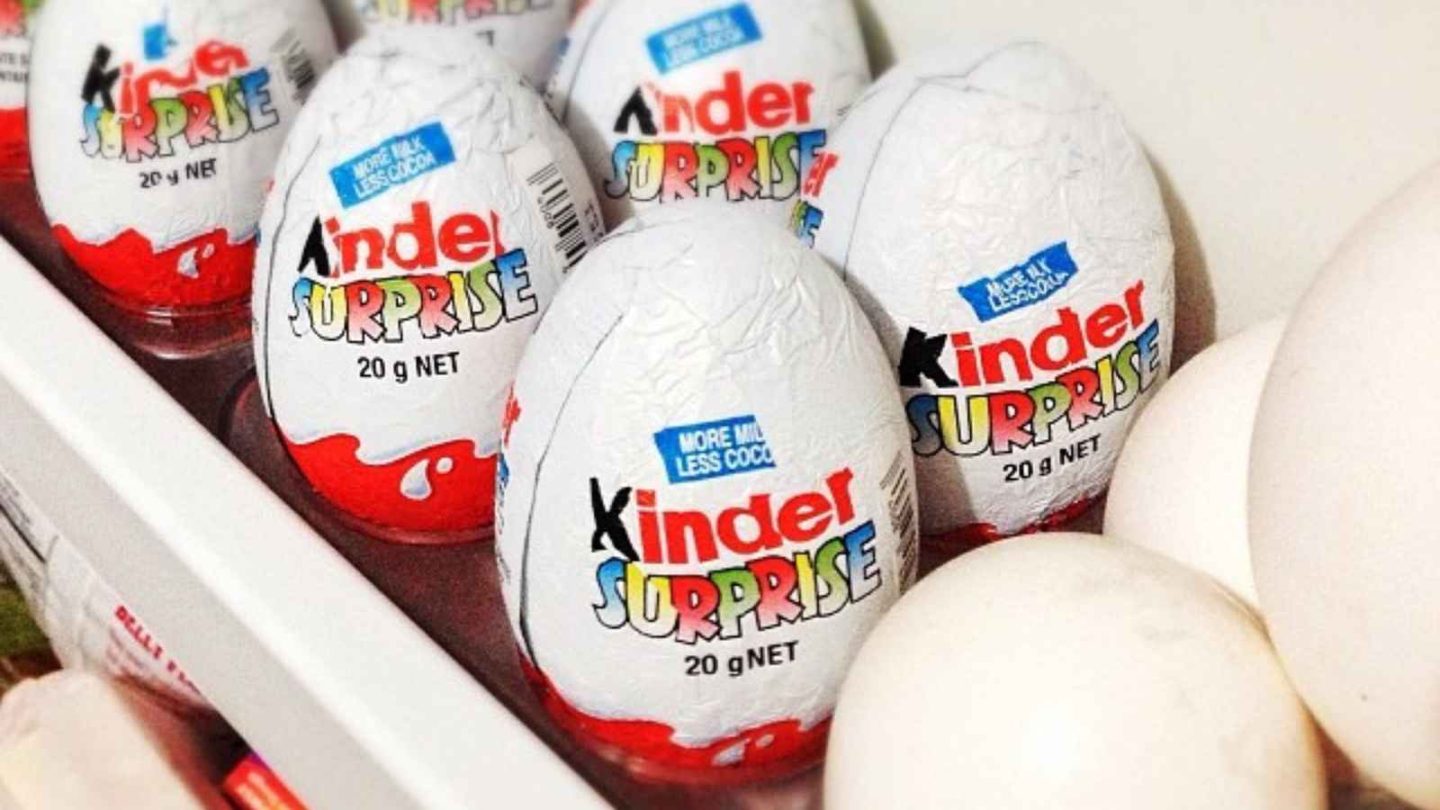
Kinder Surprise Eggs look like harmless chocolate treats, but Kinder Surprise Eggs have a toy hidden inside the shell. The FDA banned them because the toy poses a choking hazard. You can thank the 1938 Food, Drug, and Cosmetic Act, which forbids embedding non-food items in food. There’s now a U.S.-approved version with the toy in a separate container.
Fugu (Pufferfish)
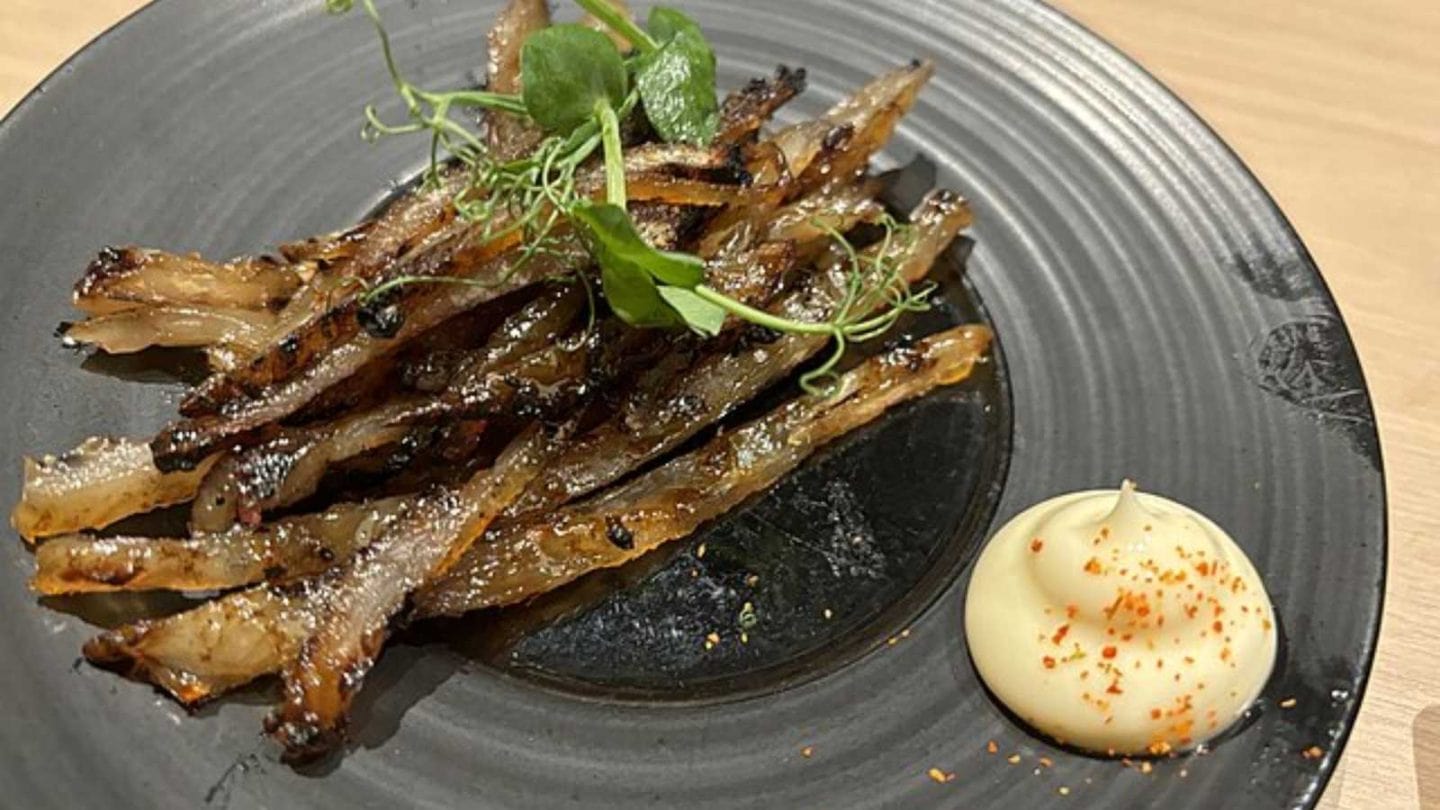
This Japanese delicacy comes with a deadly risk. Fugu contains tetrodotoxin, a poison 1,200 times more lethal than cyanide. Only specially trained chefs in Japan are qualified to prepare it safely. In the U.S., unless the chef has been certified by Japanese authorities, serving fugu is prohibited. That’s one dinner most Americans are happy to skip.
Casu Marzu
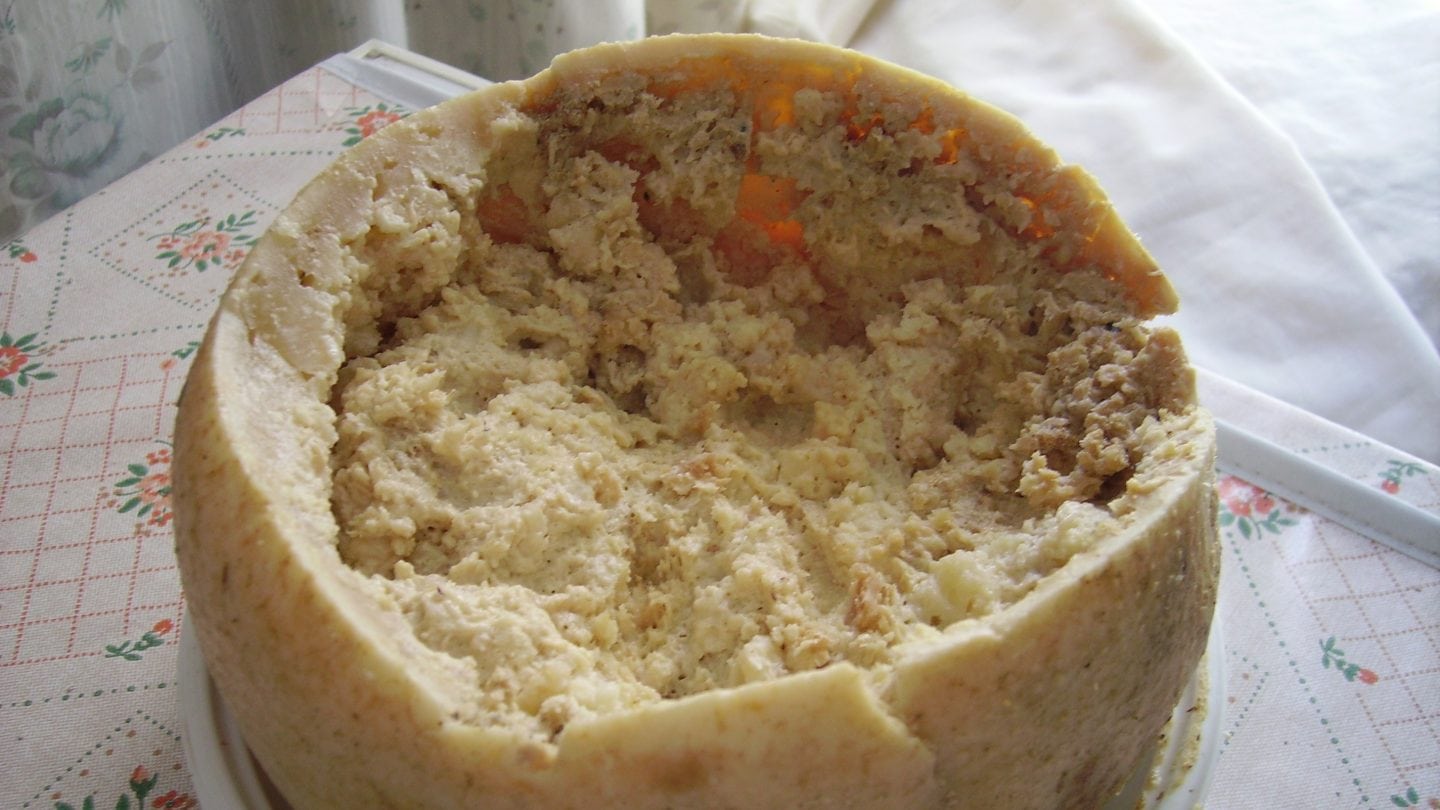
Casu marzu is a Sardinian cheese that contains live insect larvae. Yes, it’s served with maggots. The cheese ferments as the larvae digest it, making it soft and spreadable. U.S. food safety laws don’t allow foods with live insects (unless they’re the actual intended ingredient), so this one’s not making it to any cheese platter here.
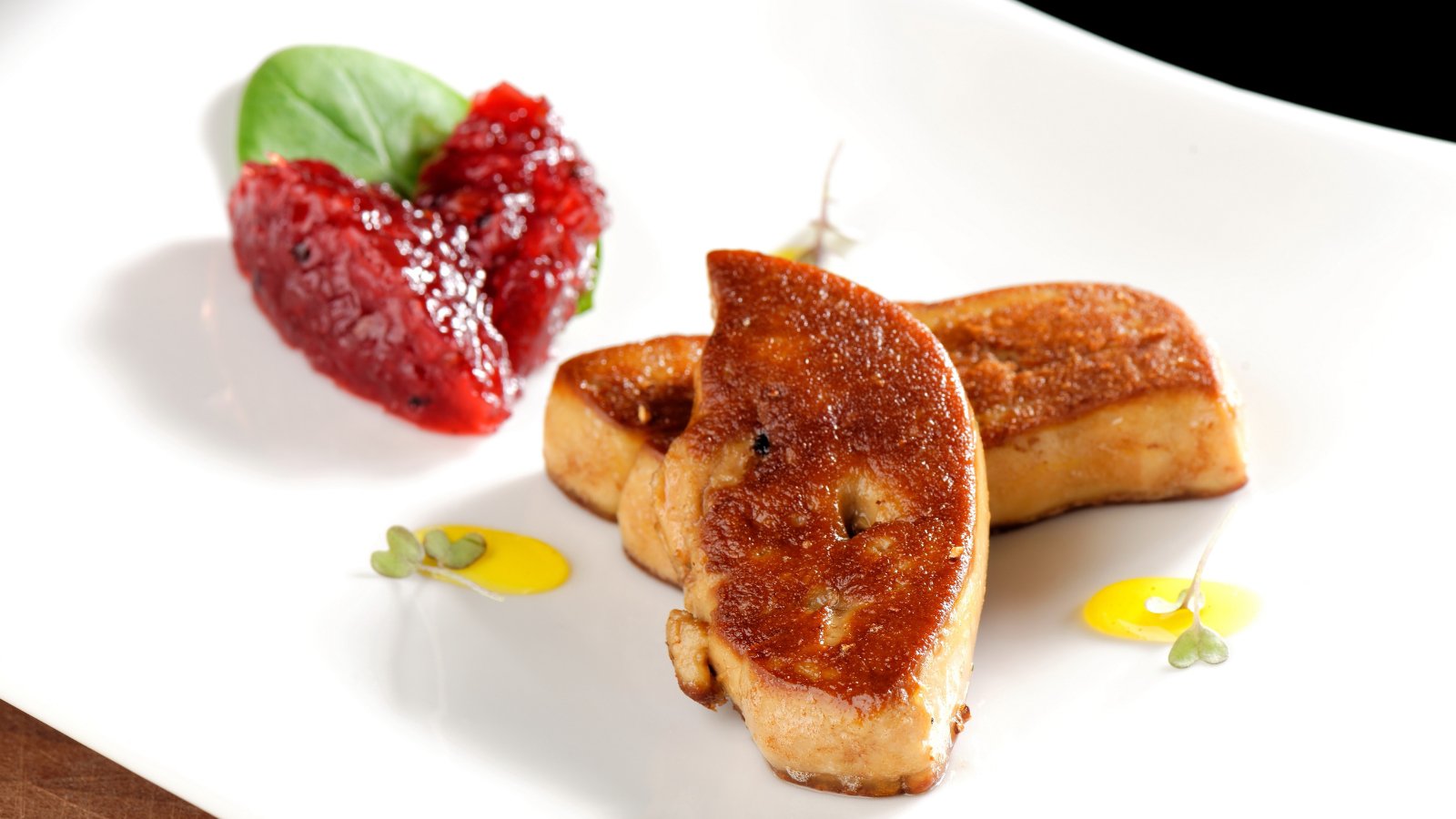
Foie Gras (In Some States)
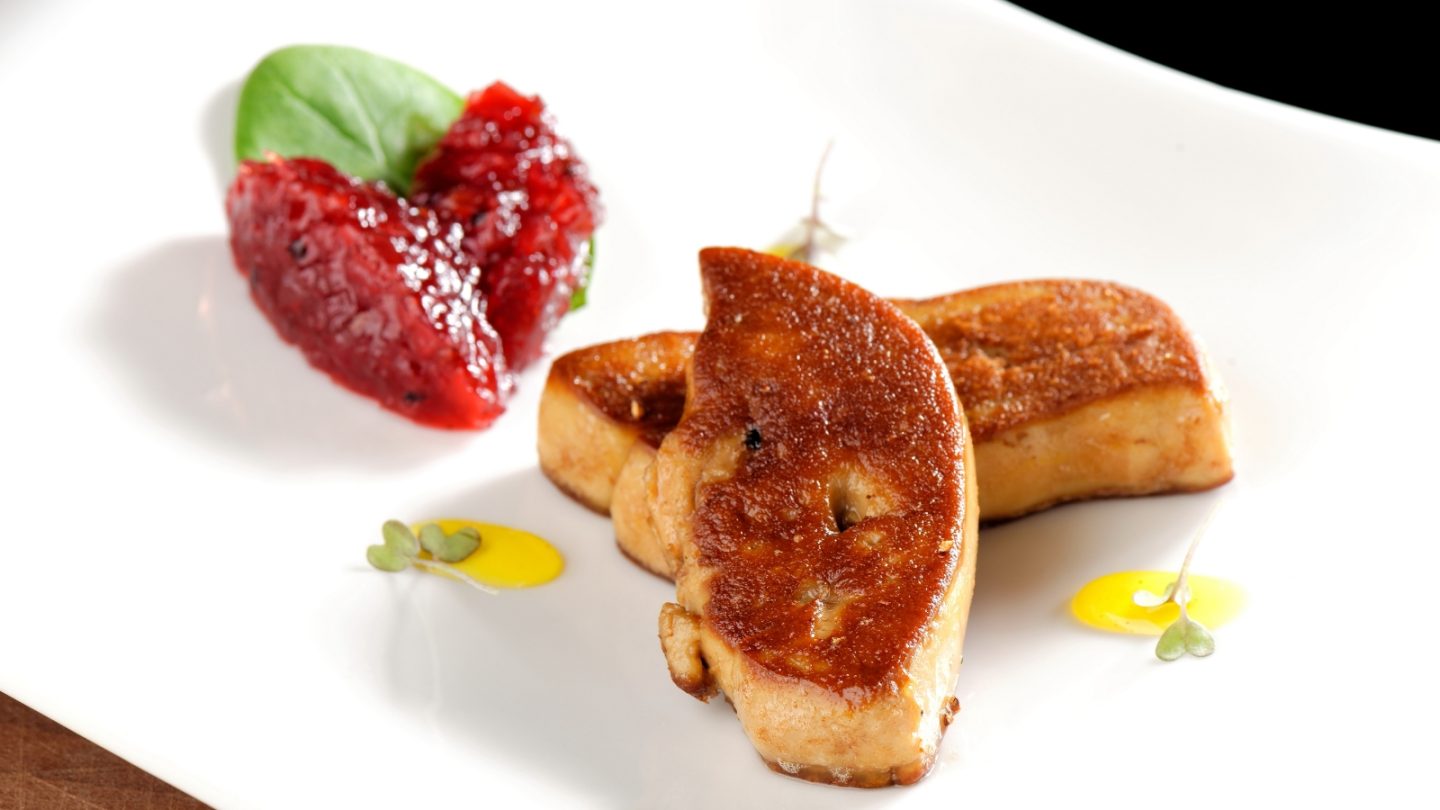
Foie gras is made by force-feeding ducks or geese to enlarge their livers. Some states, such as California, have banned its production on grounds of animal cruelty. While it’s not illegal nationwide, the fight over foie gras keeps popping up in courtrooms. You might find it in some restaurants, but it’s becoming harder to come by.
Sassafras Oil

Sassafras was once a go-to for flavoring root beer and teas, but the oil contains safrole, which has been linked to liver damage and cancer in lab animals. The FDA banned its use in food in the 1960s. Today, root beer often uses artificial flavors to recreate the taste of sassafras oil. Sassafras, in its natural form, is off the table.
Potassium Bromate
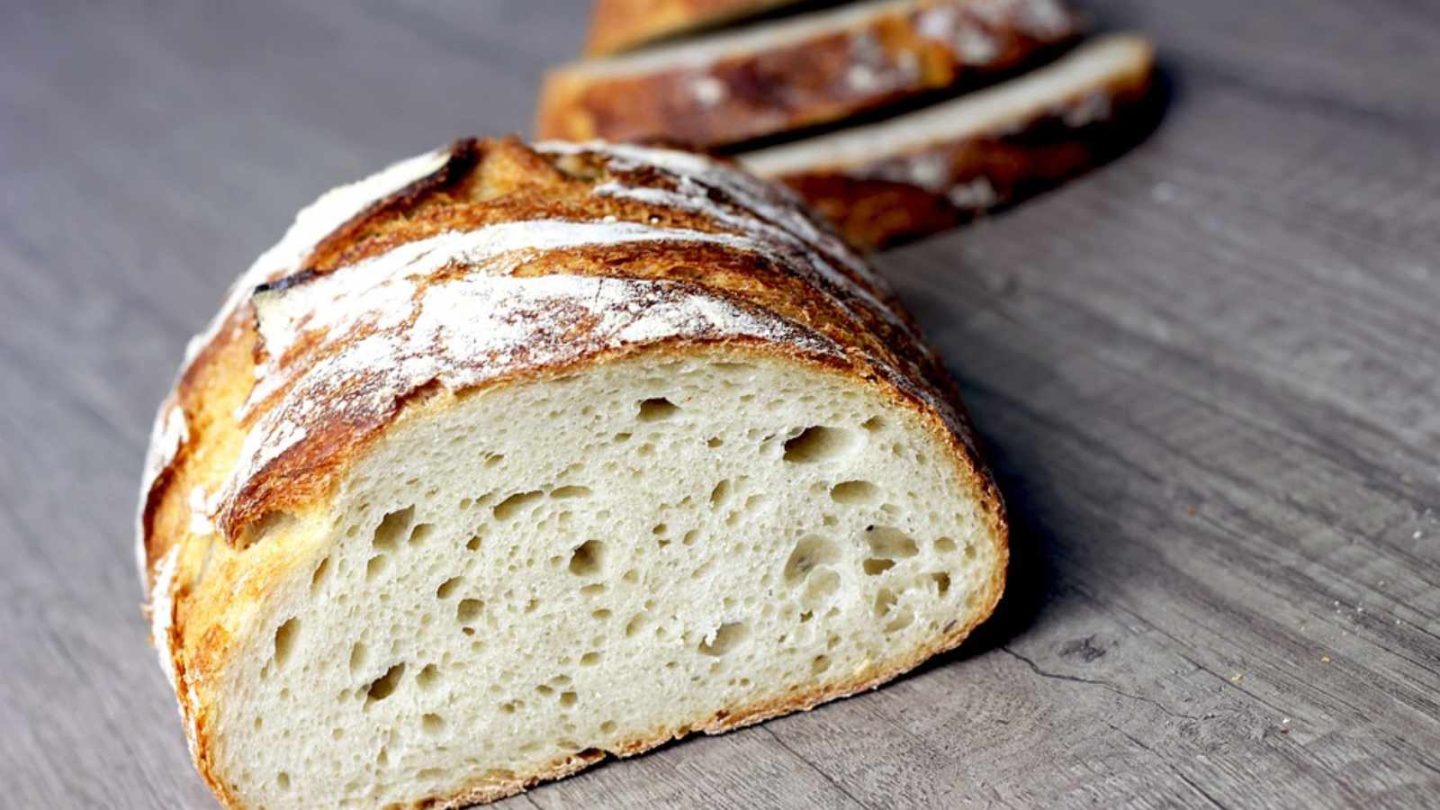
This additive helps bread rise faster and gives it a soft texture. Sounds harmless until you find out it’s considered a possible carcinogen. While it’s still legal in the U.S., California and some other states have passed laws to ban its use. Due to health concerns, it’s prohibited in countries such as the UK, Canada, and Brazil. Some American bakeries have already phased it out.
Horse Meat
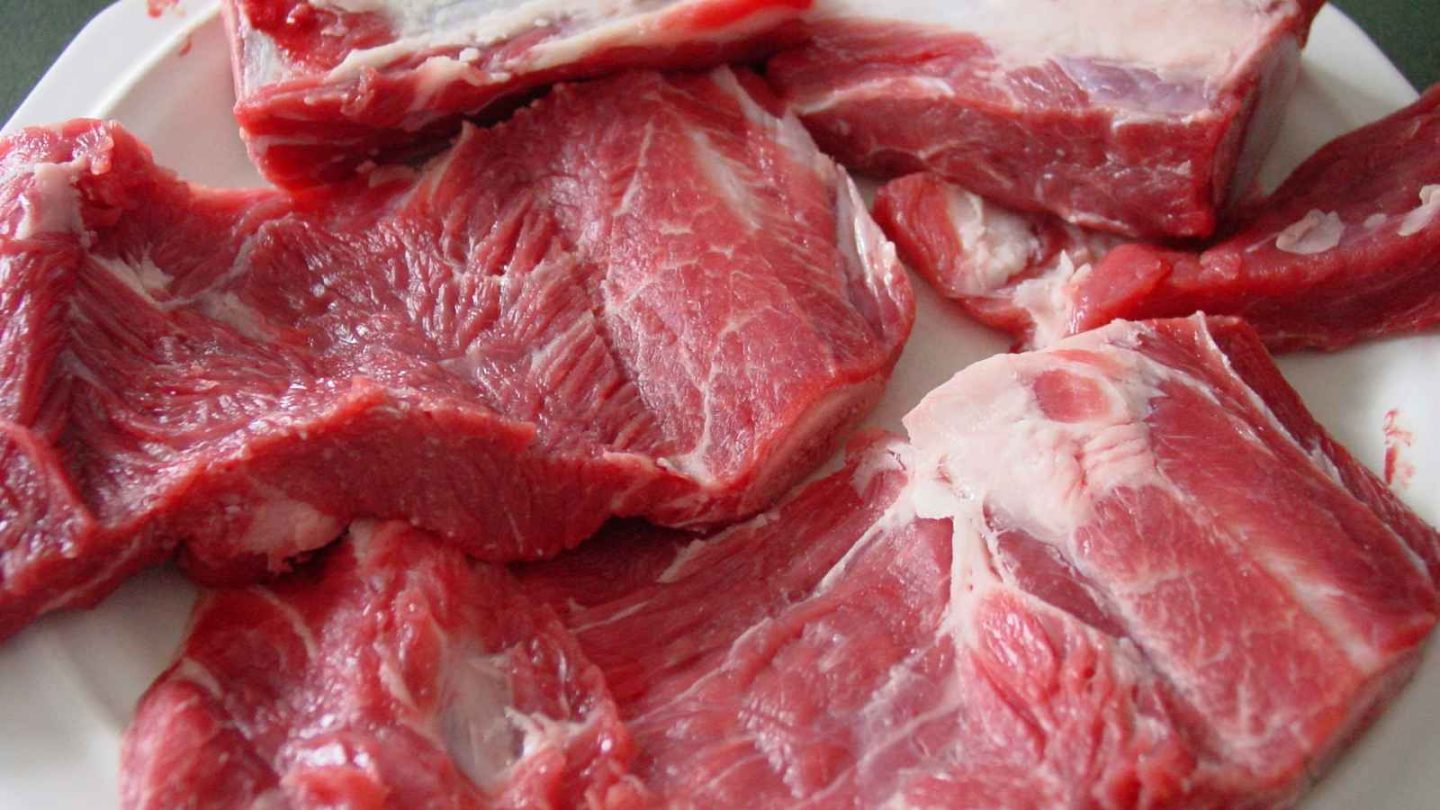
Americans have a long history with horses, but not for dinner. While horse meat is eaten in countries like France, Japan, and Kazakhstan, it’s taboo in the U.S. The image of the horse as a companion and work animal runs deep. While it is not legally banned in all states, some states have banned its sale, production, and consumption.
Bush Meat
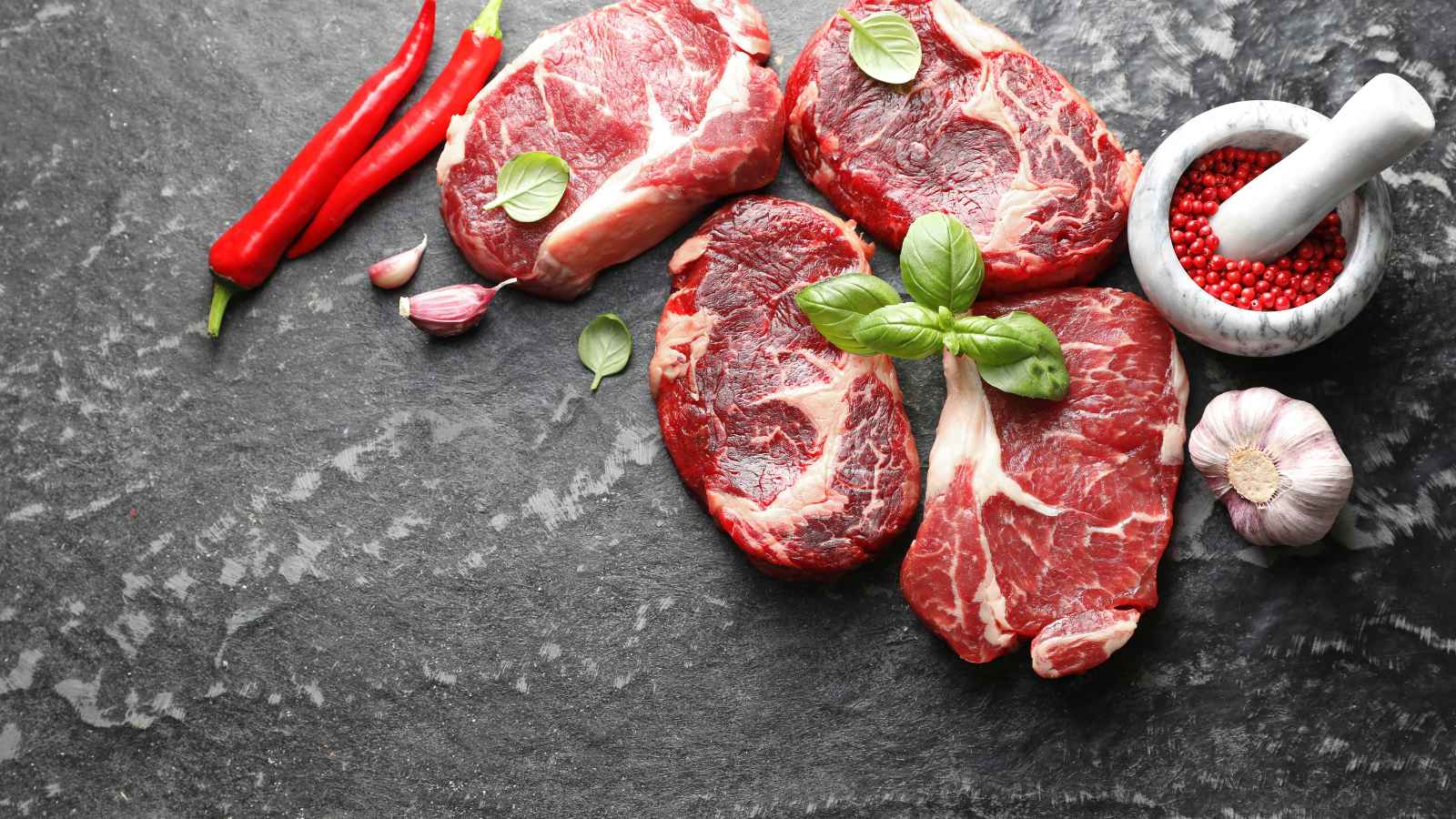
Now, here’s one you probably didn’t expect to hear outside a wildlife documentary. Bush meat refers to meat from wild animals, often primates, antelope, or bats, commonly hunted in parts of Africa. It’s not just illegal in the U.S.; it’s also seen as a public health risk. That’s largely because bush meat can carry dangerous viruses like Ebola or monkeypox.
Disclaimer: This list is solely the author’s opinion based on research and publicly available information.
Read More:

- Ultimate Guide To Picking The Best Travel Credit Card
- The 5 Best Budget Airlines in the United States
- 15 Best Countrıes to Vısıt in Afrıca


