10 Ancient Buildings in Italy That Still Stand Tall After Centuries
Italy boasts some of the world’s oldest architectural treasures. These aren’t just stone walls and old bricks. They’re reminders of lives once lived, empires that rose and fell, and ideas that shaped history. Many of these buildings have survived earthquakes, invasions, and modern development. You can still walk through their arches, look up at their ceilings, and feel time stand still.
Every structure tells a different story. Some whisper of emperors and gladiators. Others hint at prayers said in candlelight or trade deals struck in marble halls. Italy doesn’t just preserve buildings. It keeps history breathing. If you ever find yourself staring up at one of these wonders, don’t be surprised if you forget what year it is.
The Colosseum
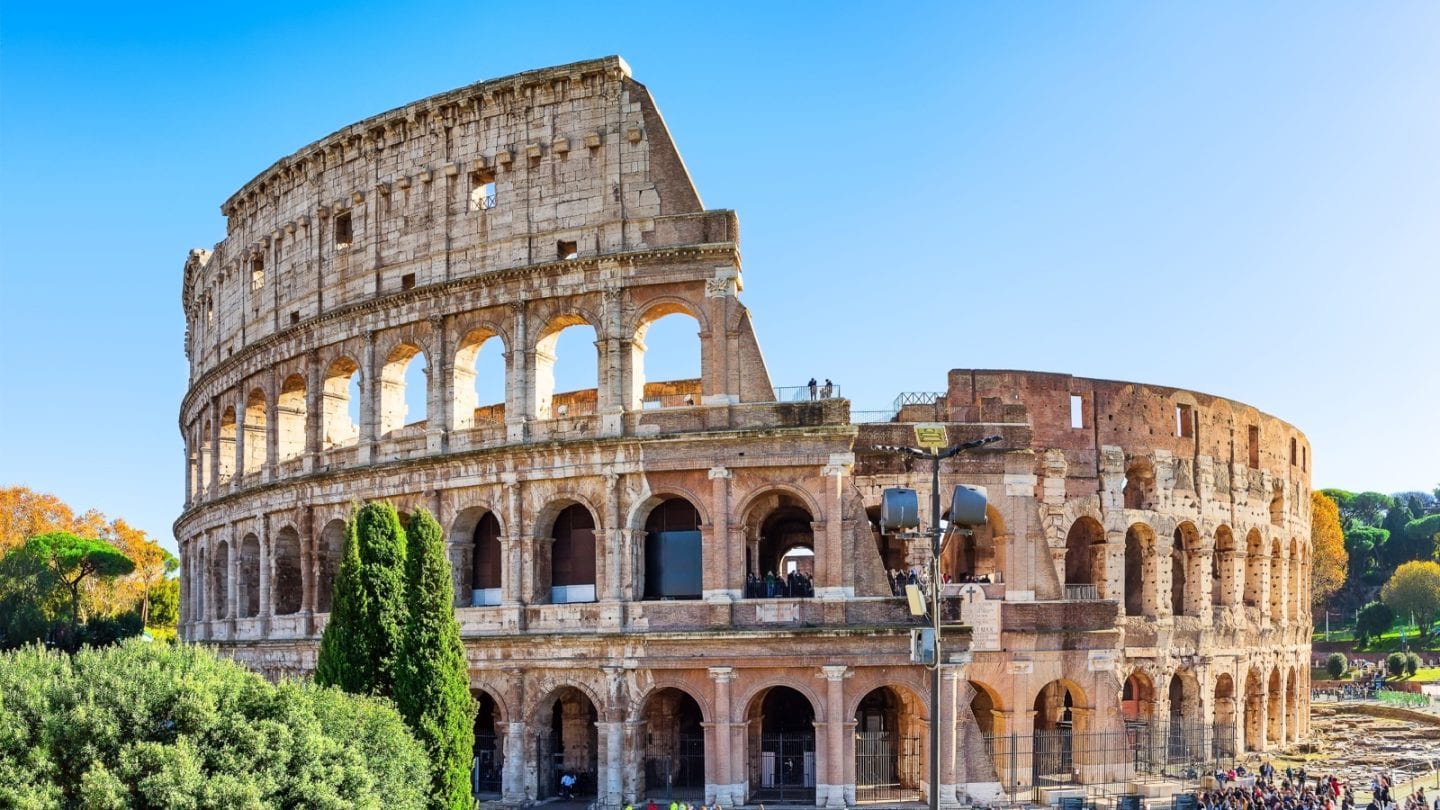
Rome’s Colosseum still towers over the modern city like it owns the place. Built in the first century AD, it could hold over 50,000 people. Gladiators fought here, and wild animals battled, too. Some historians claim sea battles took place inside. Earthquakes and stone thieves worked against its survival. The structure remains one of the most recognized buildings on Earth.
Pantheon

The Pantheon is an ancient Roman temple that has been converted into a church. Built around 126 AD, its massive dome continues to draw crowds. The hole in the center of the dome, known as the oculus, allows light and rain to enter. Visitors often stand in silence, staring up in amazement. Michelangelo reportedly called it the work of angels.
Leaning Tower of Pisa
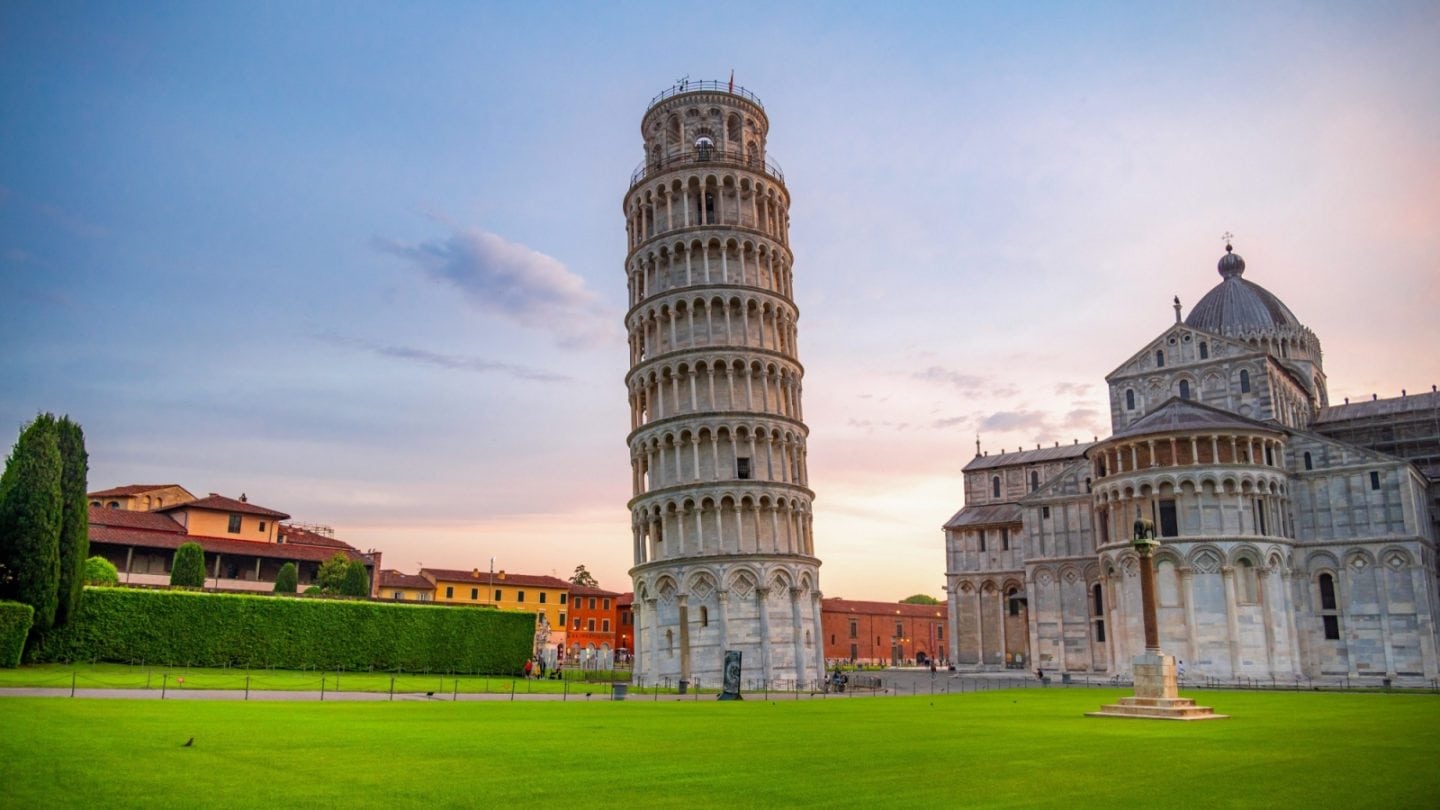
The Leaning Tower didn’t mean to lean. Its soft ground couldn’t hold the structure during construction in the 12th century. That flaw brought fame; the lean measures about four degrees. Engineers maintain stability without adjusting the tilt. Visitors climb 294 steps to capture the classic photo.
Florence Cathedral

Florence’s Duomo dominates the skyline. Construction began in 1296 and continued for over a century. The dome, designed by Filippo Brunelleschi, remains a marvel of engineering. He built it without scaffolding. Architects still study his work and try to figure out how he achieved it. People gather at the plaza every day to take it in.
Basilica of San Vitale
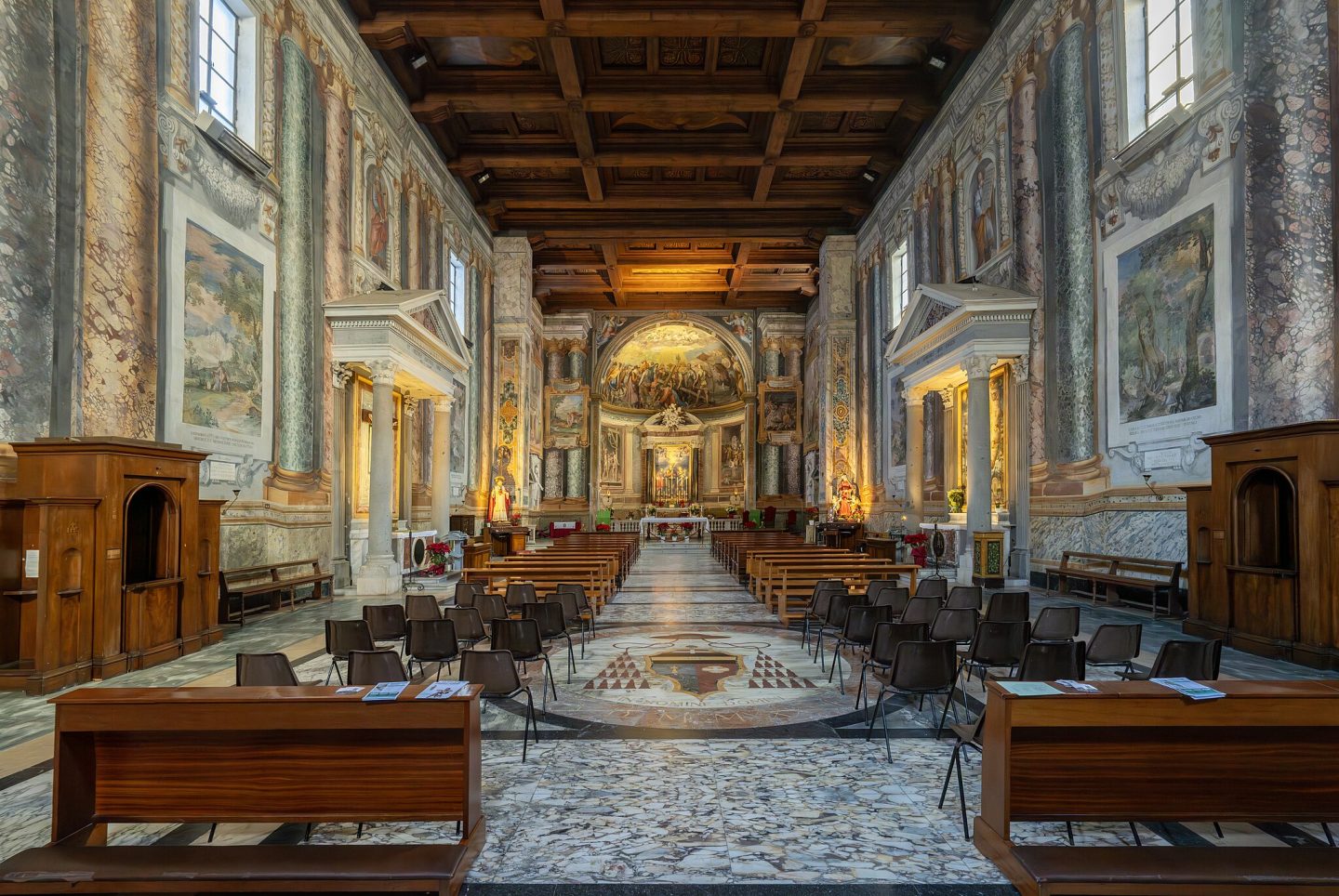
The Basilica of San Vitale stands quietly in Ravenna. Finished in 547 AD, it houses stunning mosaics that glow with gold, blue, and green. The detail seems impossible for its time. Walk inside, and the air shifts. The silence makes the colors feel louder. The walls almost hum with history.
Verona Arena
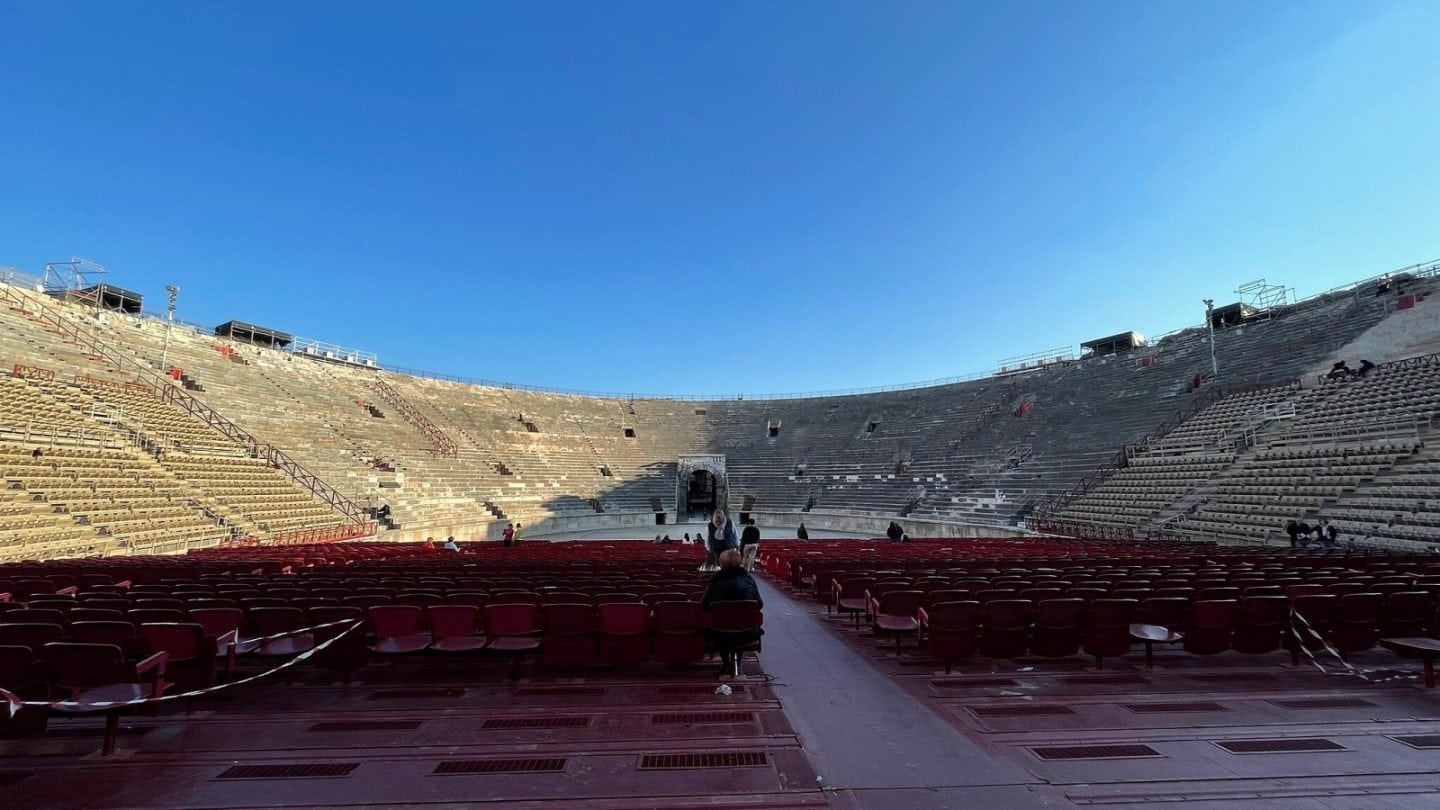
The Verona Arena is still in use after nearly 2,000 years. Built in the first century, it was constructed for entertainment and continues to serve the same purpose. The acoustics are so precise that singers don’t need microphones. Modern artists perform where gladiators once stood. Locals treat it like a favorite spot for music and memories.
Castel del Monte
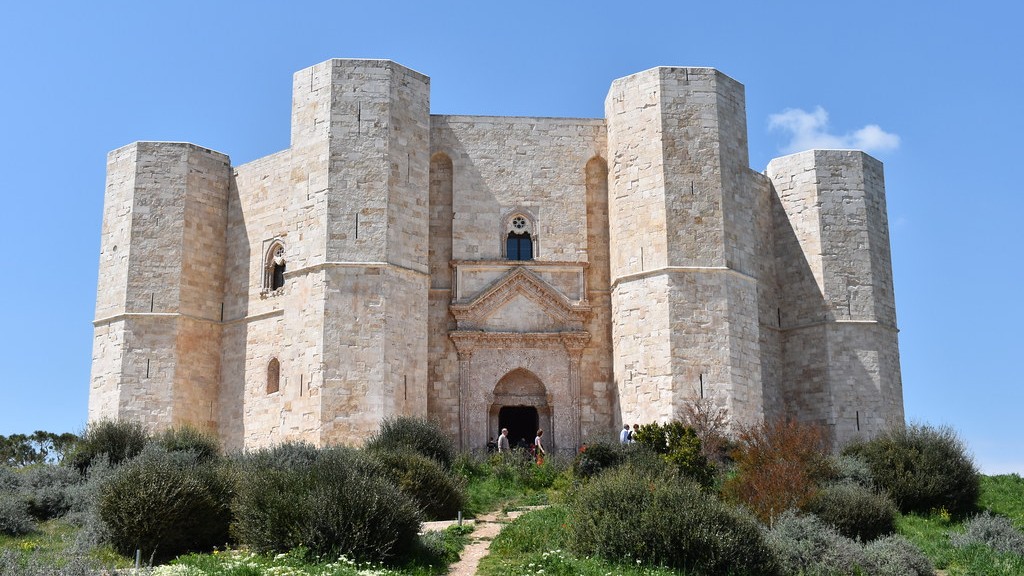
Emperor Frederick II built Castel del Monte in the 13th century. Its shape immediately grabs your attention. There are eight sides, eight towers, and a lot of mystery. Scholars debate its purpose. Maybe it was a fortress. Something else could happen. The precision of its design still confuses experts.
Palatine Hill
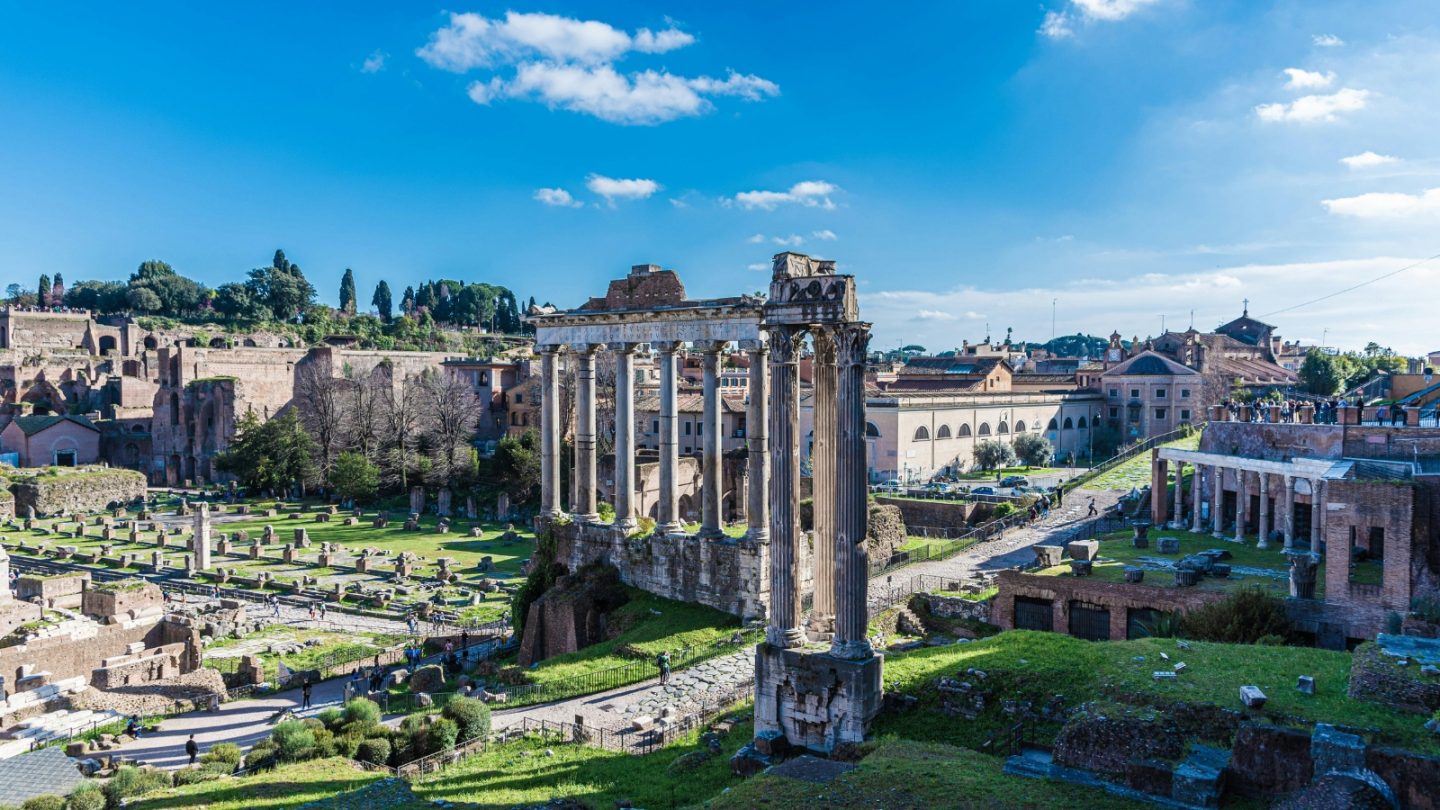
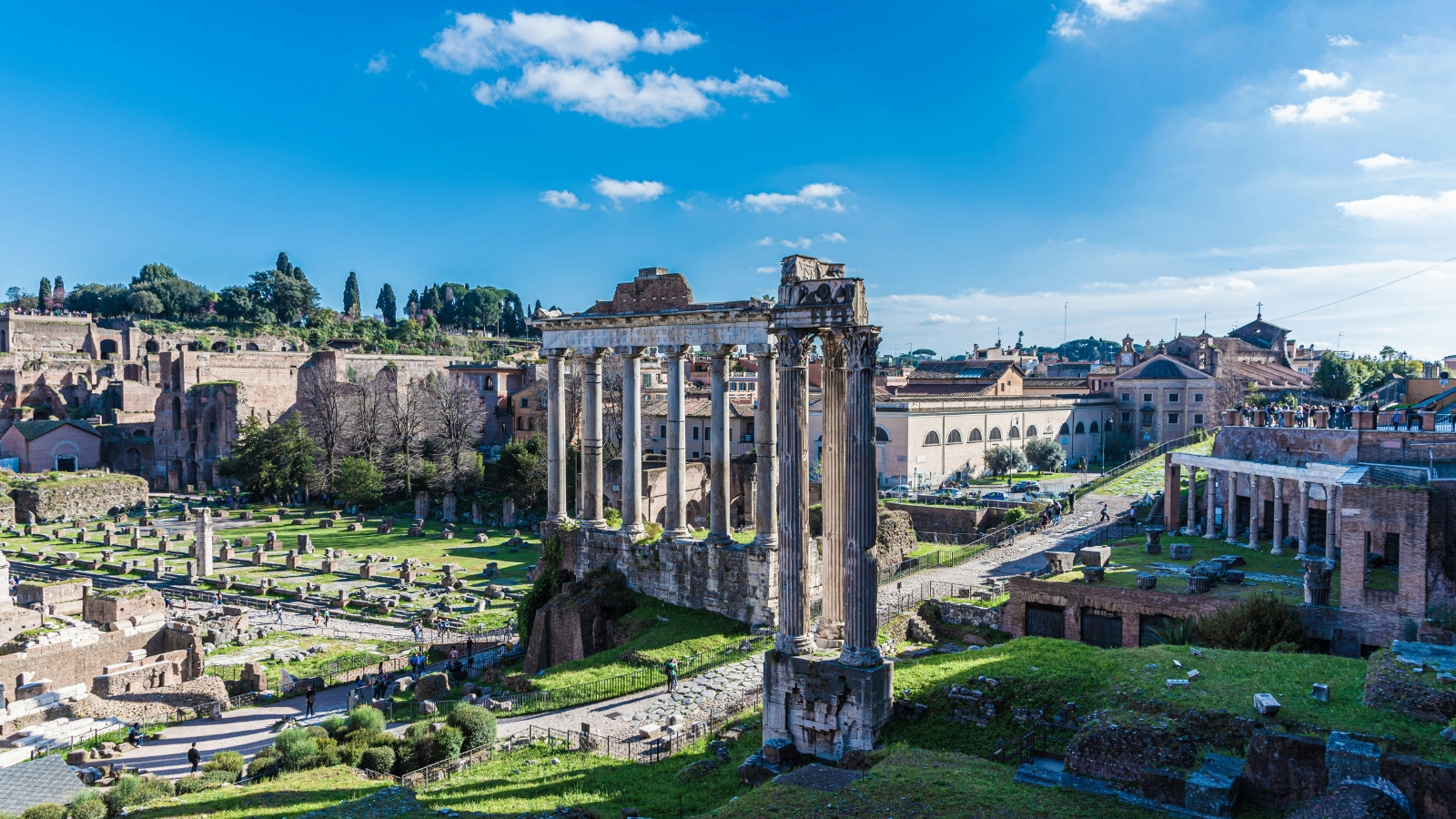
Palatine Hill sits above the Roman Forum. This was where emperors built their homes. Legend claims Romulus founded Rome here. The ruins stretch across gardens, courtyards, and crumbling walls. Tourists walk among them, imagining ancient senators whispering behind columns.
Pompeii’s Forum

Pompeii’s forum was buried in ash when Mount Vesuvius erupted in 79 AD. The eruption froze the city in time. People can still walk the streets, touch the columns, and see outlines of shops and temples. Every visit feels like an adventure, with wagon ruts carved into stone still guiding your feet.
Ostia Antica

Ostia Antica served as Rome’s main port. Unlike Pompeii, it faded away slowly. Today, the ruins seem almost too well-preserved. The bathhouses, amphitheater, and streets paint a full picture of everyday Roman life. Summer visits offer quiet walks through history, with few tourists and plenty of open space near the capital.
Disclaimer: This list is solely the author’s opinion based on research and publicly available information.
Read More:

- Ultimate Guide To Picking The Best Travel Credit Card
- The 5 Best Budget Airlines in the United States
- 15 Best Countrıes to Vısıt in Afrıca
Disclaimer: This list is solely the author’s opinion based on research and publicly available information.