These 12 American Foods Are Banned in Other Countries
Americans love their food in the U.S. Fried, cheesy, sweet, salty, and colorful; if it tastes good, it’s probably on a plate somewhere in America. However, not every country shares the same views on what Americans eat. Some of their favorite snacks and ingredients are flat-out banned in other places.
Why? Mostly due to ingredients that other governments consider risky to your health. Substances such as artificial dyes, growth hormones, and preservatives, which are still used in the U.S., have raised concerns overseas. Let’s dig into the food list that raises eyebrows across the globe.
Processed American Cheese
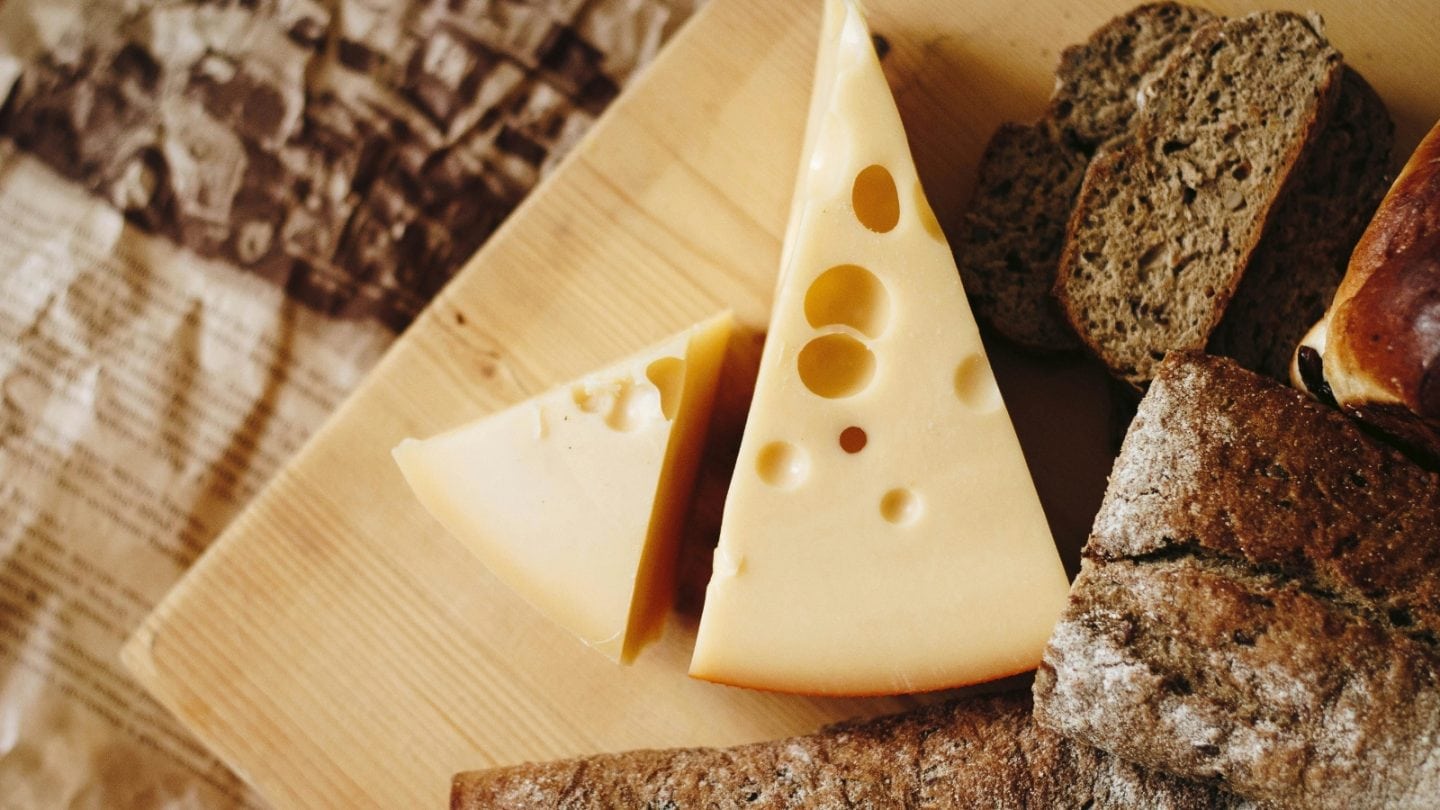
That bright orange slice on your burger might not fly in other countries. Some processed cheeses contain additives and food dyes banned in places like the U.K. and Australia. Real cheese? Fine. Cheese-like products? Not always.
Mountain Dew
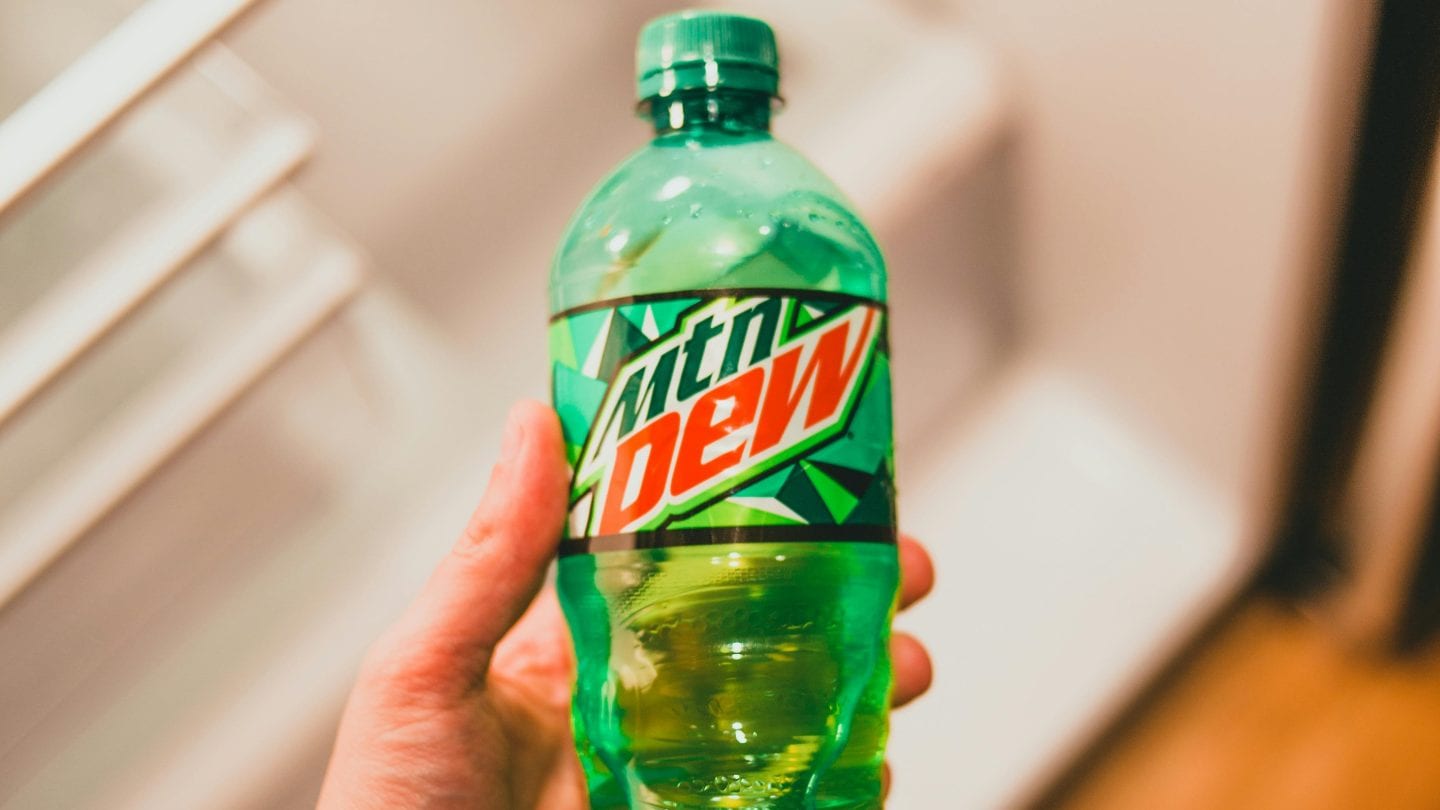
Mountain Dew is a hit on road trips and college campuses, but countries like the EU and Japan don’t allow one of its ingredients: brominated vegetable oil (BVO). Used to keep flavoring evenly mixed, BVO has links to health problems and isn’t considered safe abroad.
Ritz Crackers

Yes, even something as simple as a cracker can make the list. Ritz Crackers contain partially hydrogenated oils, a source of trans fats. Many countries have banned these fats due to their connection with heart disease.
Skittles
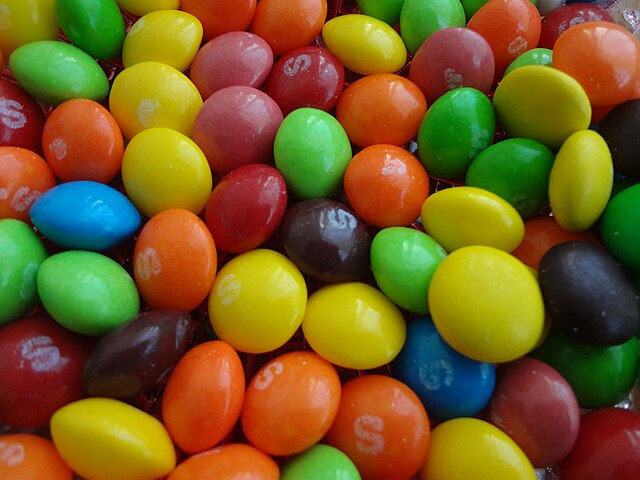
Do Skittles taste like a rainbow? Not in Norway or Sweden. These countries restrict food colorings such as Yellow 5 and Yellow 6. These dyes, while approved in the U.S., are considered potential allergens and aren’t worth the risk overseas.
Milk With rBGH

Some American dairy cows are treated with recombinant bovine growth hormone (rBGH) to increase milk production. Canada and the EU have banned milk from these cows over animal welfare concerns and possible links to cancer.
Chlorine-Washed Chicken

This one’s more about the prep than the bird itself. In the U.S., chicken is often washed in chlorine to kill bacteria. That process is banned in the EU, where officials say it encourages lower standards in farming practices.
Little Debbie Swiss Rolls
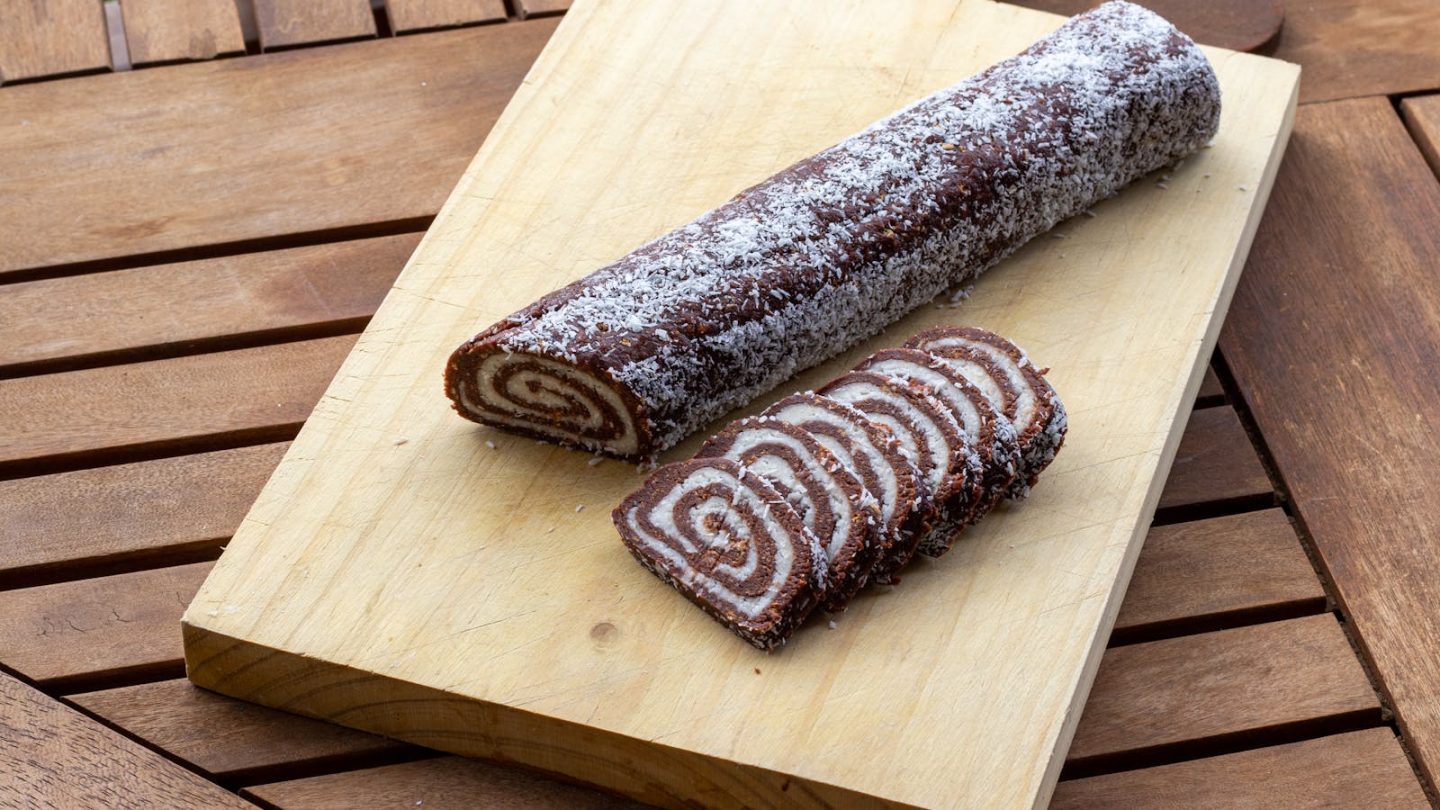
Little Debbie Swiss Rolls are snack cakes that may evoke a sense of childhood, but they contain artificial colors and preservatives, including BHA and TBHQ. Countries like the U.K. have strict rules against these additives due to concerns about cancer and behavioral effects.
Pork With Ractopamine

In the U.S., some pork producers use ractopamine, a drug that helps pigs grow leaner. China, Russia, and the EU have banned pork from animals given ractopamine over worries about heart health and animal safety.
Instant Mac and Cheese
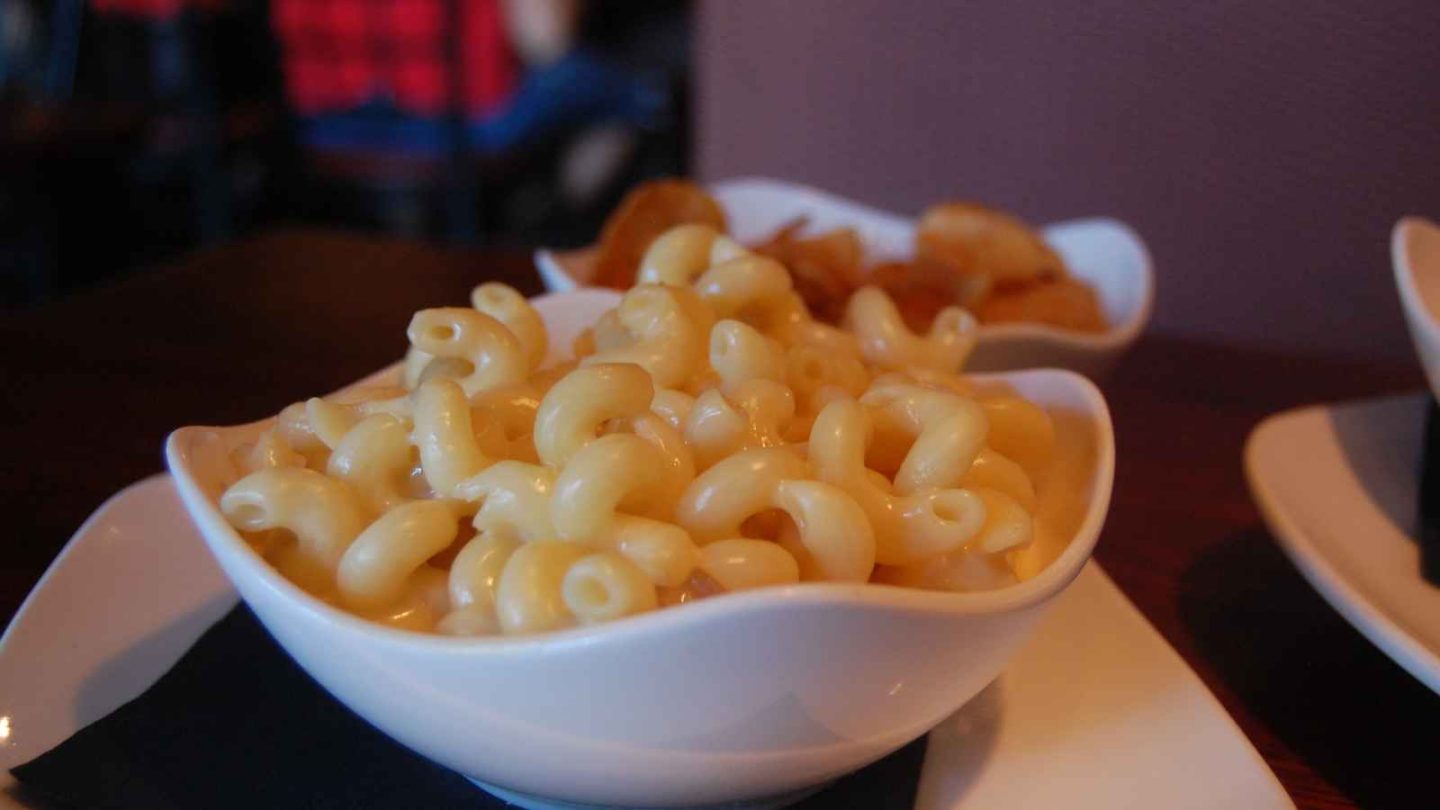
Easy, cheap, and loaded with Yellow 5 and Yellow 6. Those powdered cheese packets are a no-go in several countries in Europe unless reformulated without artificial dyes.
Froot Loops
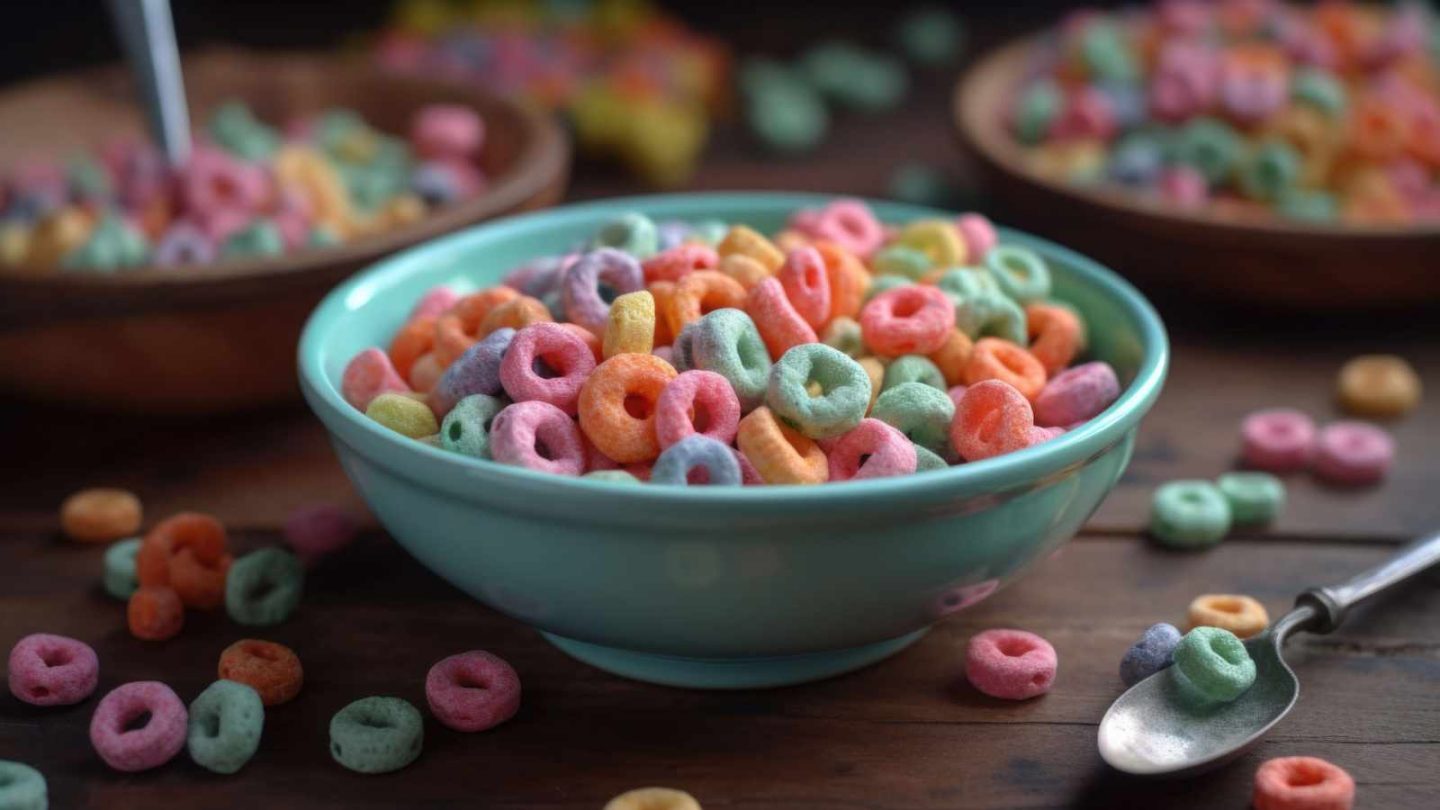
Froot loops are colorful, sugary, and banned in countries like Austria, France, and Norway. Why? Artificial food dyes like Red 40 and Yellow 5. These dyes are suspected of triggering hyperactivity in children and aren’t welcome in breakfast in Europe.
Gatorade

Before you grab that electric blue bottle, know that versions sold in the U.S. may include BVO. The EU, India, and Japan don’t allow BVO in drinks due to its potentially toxic effects, so international versions of Gatorade use different ingredients.
Disclaimer: This list is solely the author’s opinion based on research and publicly available information.
Read More:

- Ultimate Guide To Picking The Best Travel Credit Card
- The 5 Best Budget Airlines in the United States
- 15 Best Countrıes to Vısıt in Afrıca