15 Air Travel Myths That Are Totally False
Flying has become such a regular part of life that it’s easy to forget how many myths surround it. These myths get passed around like travel tips, whispered in airport lounges, and recycled on social media. Some sound convincing, others are just plain strange, but many of them are flat-out wrong.
Whether it’s fear of turbulence, beliefs about safety, or ideas about how the system works, a lot of fiction is mixed in with the facts. It’s time to clear the air and give a straight answer to some of the most common falsehoods floating around about flying. Here’s the truth, plain and simple.
Airplane Air Makes You Sick

People love blaming airplane air for post-flight sniffles, but the air is filtered through hospital-grade HEPA filters. What gets people sick is sitting in tight quarters with dozens of strangers. It’s the proximity, not the airflow, that spreads germs.
Oxygen Masks Are Only There For Decoration
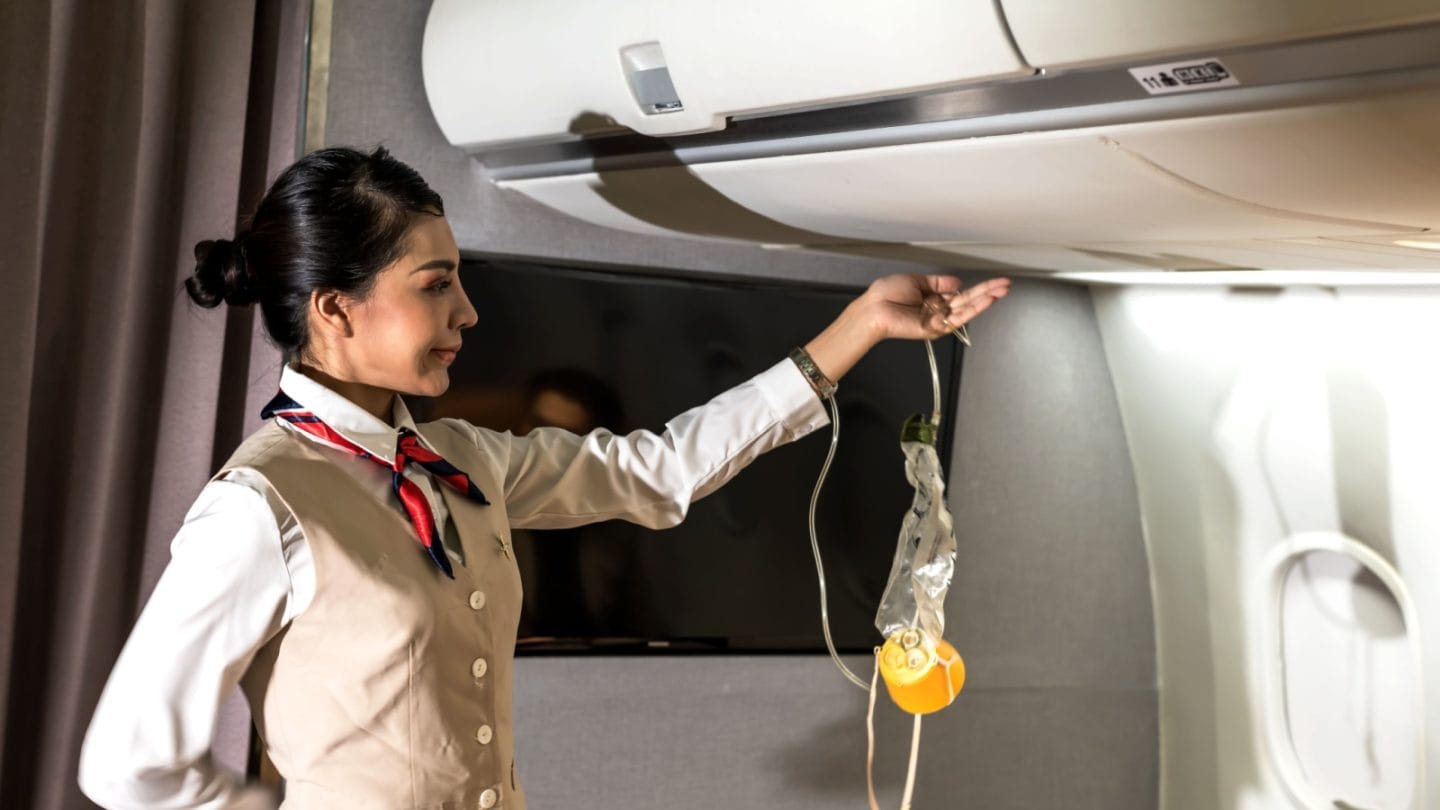
Those yellow masks aren’t just part of the safety demo. If the cabin loses pressure, oxygen levels drop fast. The masks provide oxygen to help passengers stay conscious during descent. You only get about 15 to 20 seconds before hypoxia kicks in, so they matter.
Cell Phones Interfere With Plane Systems

Despite the warnings, modern aircraft are built to resist radio interference from devices like phones. The real reason for airplane mode is to prevent a signal overload for ground networks, not because your phone could crash the plane.
Turbulence Is Dangerous

Turbulence can feel scary, but modern planes are built to handle it. It’s uncomfortable, not unsafe. Pilots often adjust altitude to avoid it for passenger comfort, not because the plane can’t handle the bumps.
The Safest Seat Is In The Back
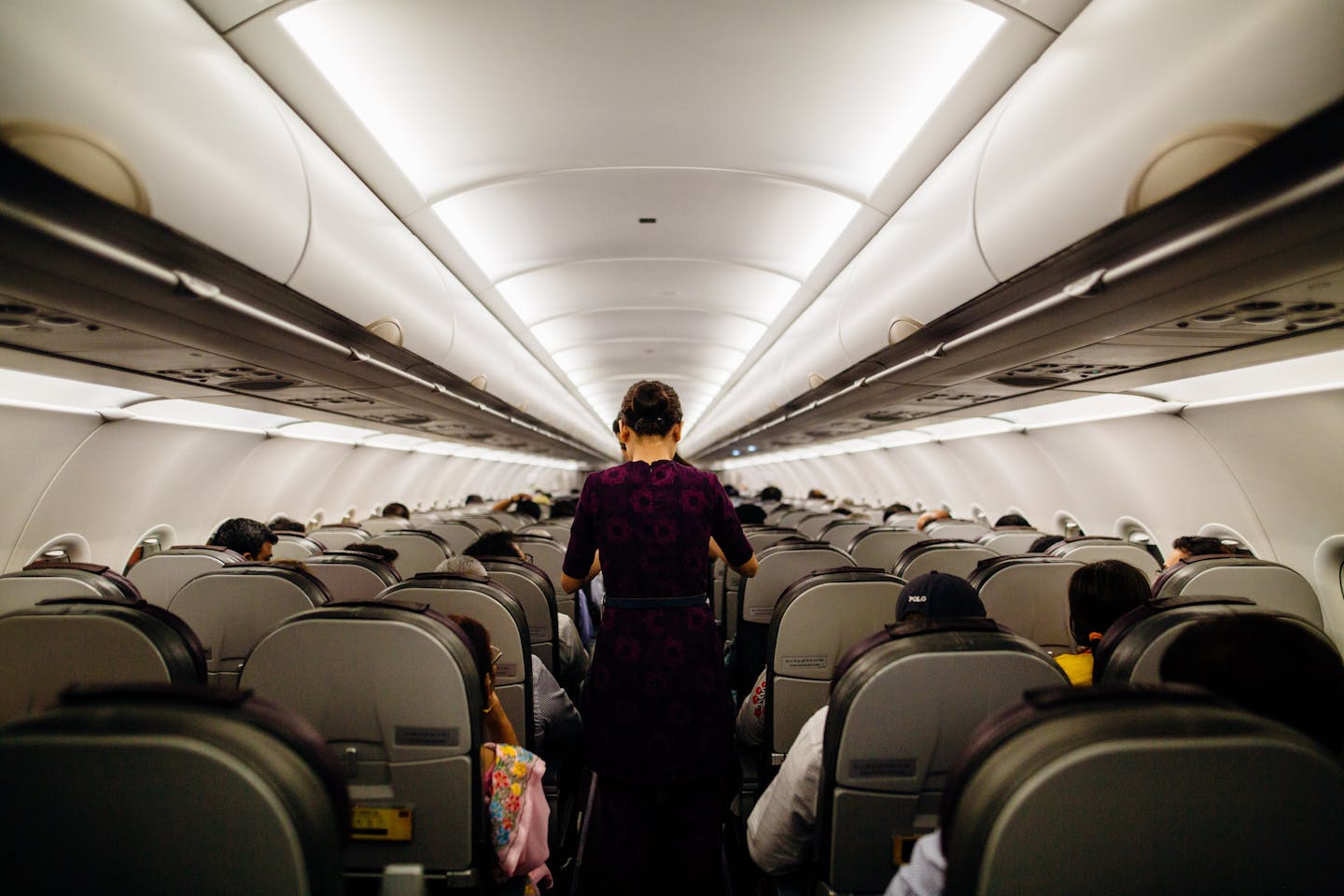
There’s no official “safest seat” on a plane. Some studies have suggested the back might be slightly better in specific crashes, but survival depends more on the situation than where you sit. Focus on listening to the safety briefing instead.
You Can Get Sucked Out If A Door Opens Mid-Flight

Aircraft doors are pressurized shut. Once a plane cruises at altitude, no human is strong enough to open one. The pressure difference alone keeps the door sealed tighter than a jar of pickles.
Plane Food Tastes Bad Because It’s Low Quality

The food isn’t always the issue; your taste buds are. At altitude, the dry air and low pressure dull your sense of taste. Even seasoned meals can taste bland at 35,000 feet.
Pilots Sleep The Whole Time On Long Flights

Pilots do get rest on long-haul flights, but they rotate in shifts. One is always alert in the cockpit. Airlines assign extra crew members on international trips, so there’s always someone awake and in control.
Flying Is The Most Dangerous Way To Travel
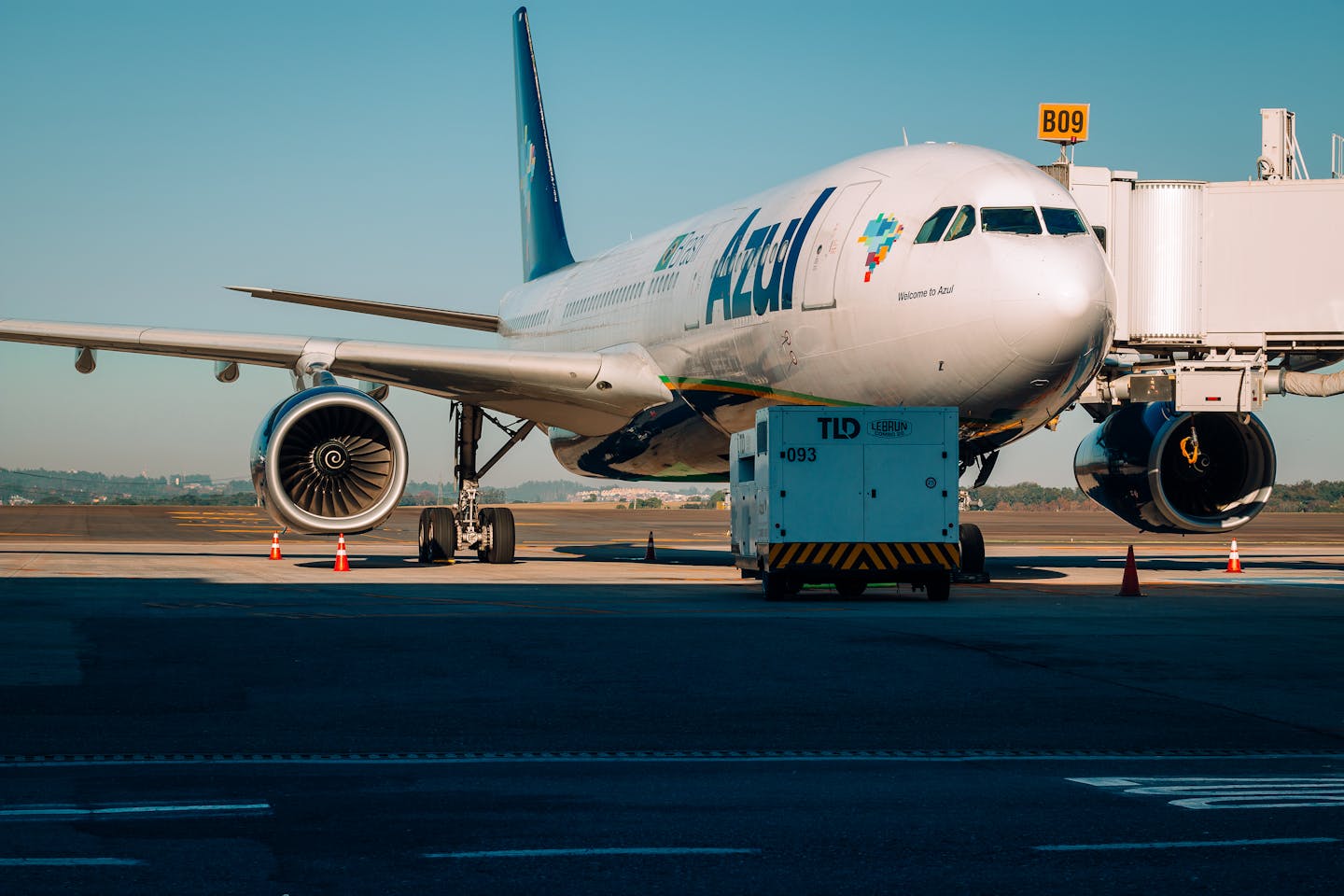
Air travel is still one of the safest ways to get around. Accidents are rare, and modern safety protocols are incredibly strict. You’re far more likely to be hurt on your daily drive than on a flight.
Airlines Dump Toilet Waste Mid-Flight
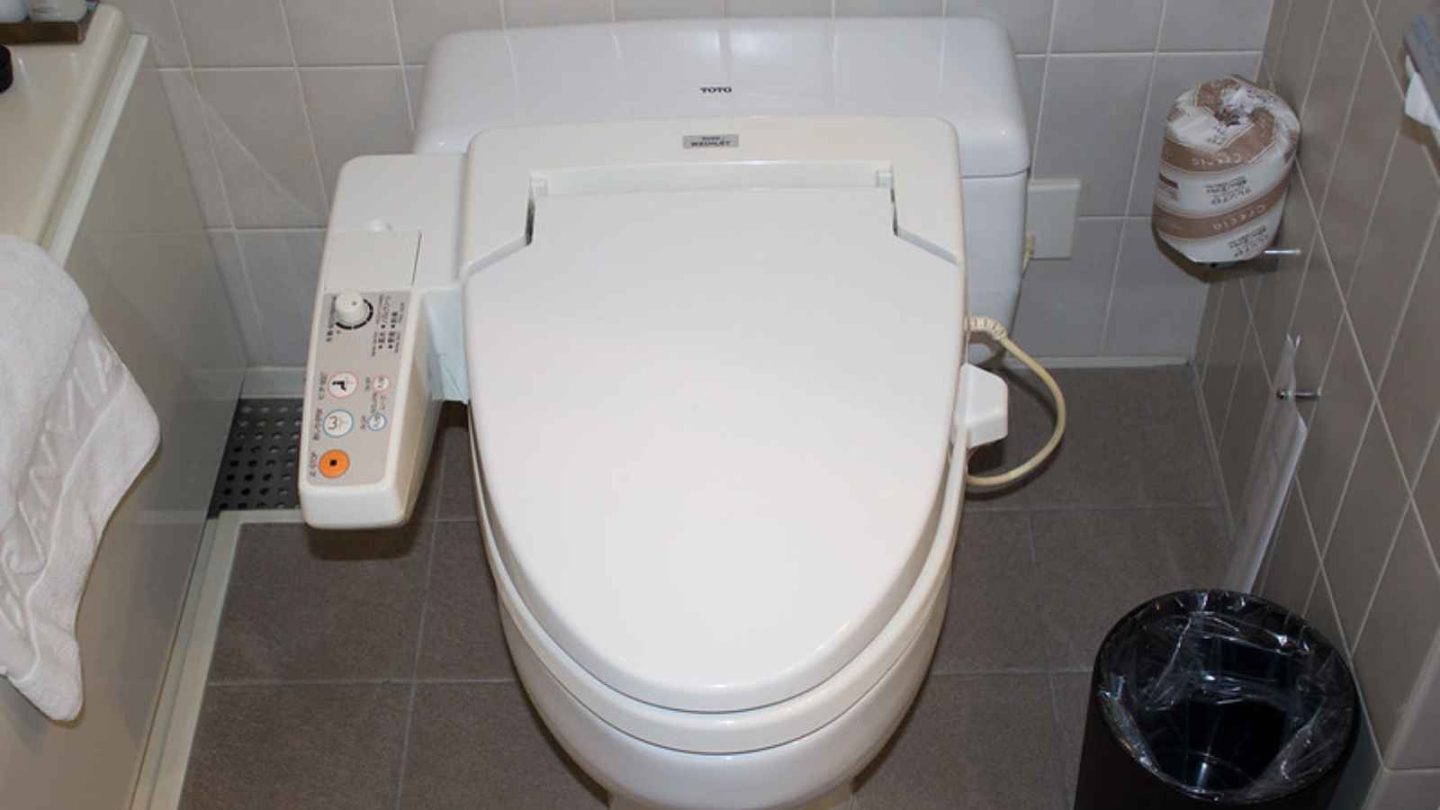
That rumor has lasted for years, but planes don’t eject waste while in the air. Everything goes into a sealed tank, which is emptied after landing. If anything falls from the sky, it’s not from a toilet.
You Can Get Drunk Faster On A Plane

Alcohol might feel stronger in the air, but studies suggest it’s more about the environment than blood alcohol levels. Dehydration and lower oxygen can make you feel the buzz faster, but it doesn’t hit harder.
The Tray Table Is The Dirtiest Place On The Plane
It’s gross but true: tray tables often don’t get cleaned between flights. Many passengers use them for eating, working, or even changing diapers. Carry wipes and give yours a once-over before using it.
Opening A Window Shade During Takeoff And Landing Is Pointless
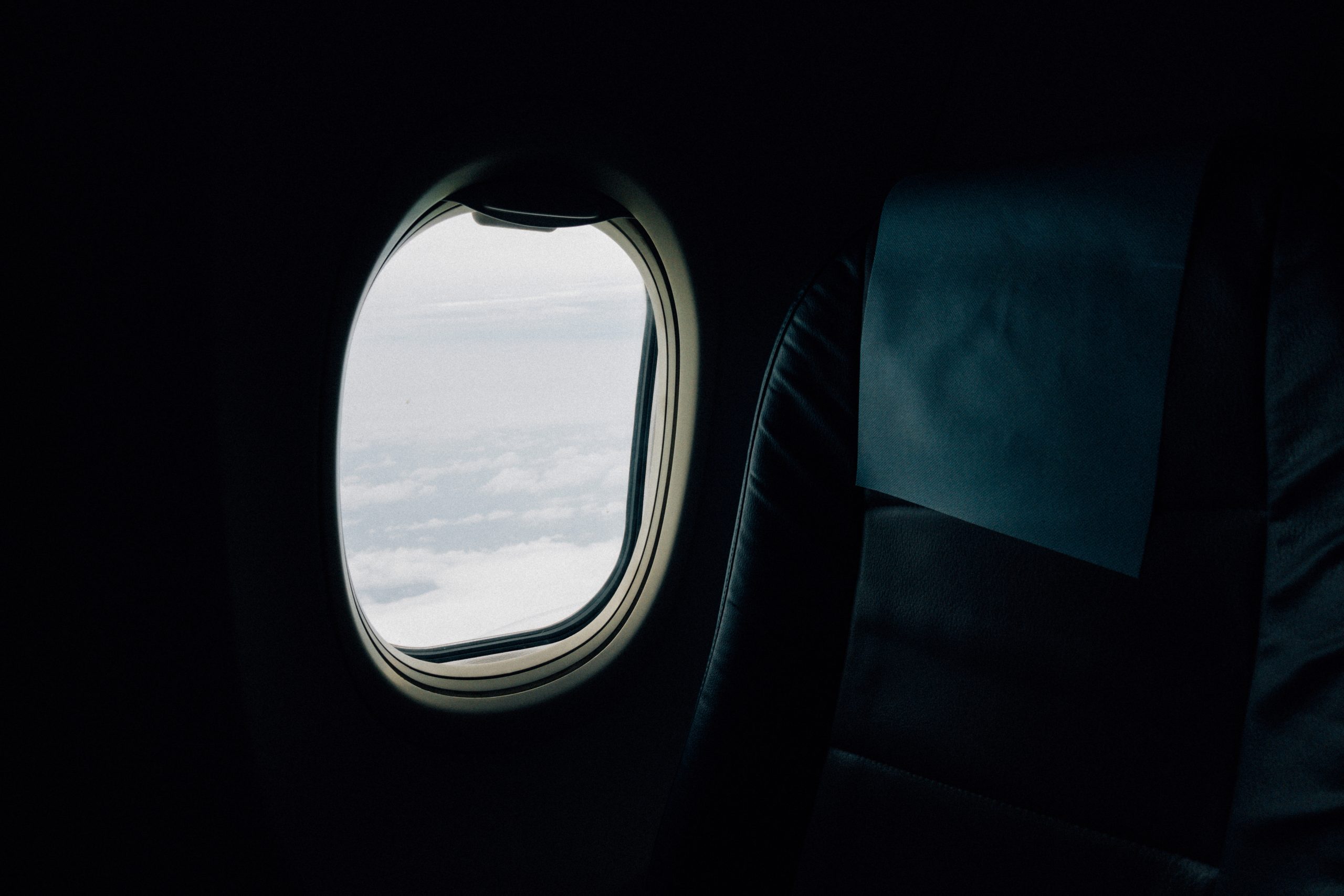
There’s a reason the cabin crew asks you to keep the shades up. It helps them and emergency responders see outside in case of an evacuation. It’s about visibility and safety, not sightseeing.
If One Engine Fails, The Plane Will Crash
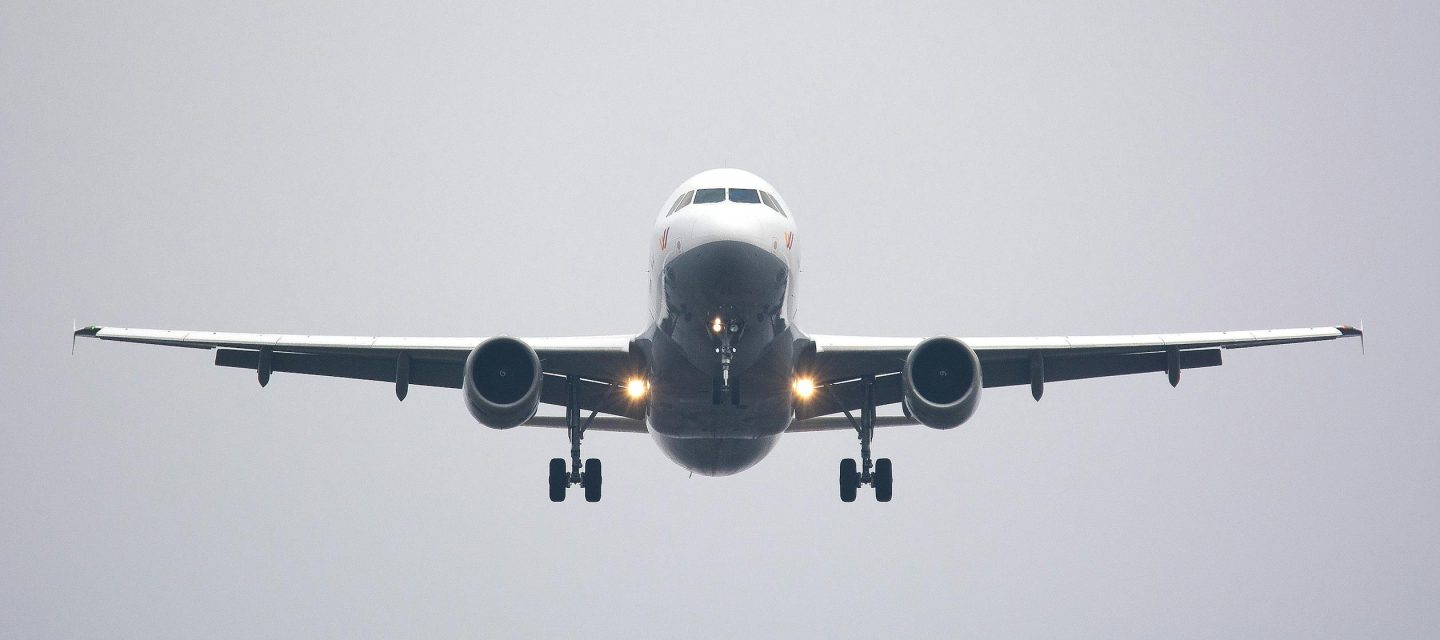
Modern commercial planes can fly safely on one engine. It’s not ideal, and the crew will usually divert to the nearest airport, but a twin-engine plane is designed to keep flying if one goes out.
Planes Are Always Delayed Because Of Weather

Weather is a factor, but it is not the only one. Delays can happen because of maintenance, staffing, air traffic, or gate availability. Blaming it all on the weather is an easy way to avoid the full story.
Disclaimer: This list is solely the author’s opinion based on research and publicly available information.
Read More:

- Ultimate Guide To Picking The Best Travel Credit Card
- The 5 Best Budget Airlines in the United States
- 15 Best Countrıes to Vısıt in Afrıca