10 Famous Rome Landmarks That Are Even More Breathtaking at Night
Rome is one of those places that feels alive long after the sun goes down. As the crowds thin and the traffic quiets, its ancient streets take on a softer tone. Lights warm the stone walls, shadows stretch across cobbled lanes, and the whole city feels like it’s holding its breath. That’s when the magic happens, not the loud, touristy kind, but the quiet type that sneaks up on you.
Some spots in Rome are worth seeing during the day, no question, but others truly shine after dark. Whether it’s the glow of spotlights on weathered marble or the reflection of streetlamps off fountains, these landmarks hit differently when the moon’s out and the crowds are gone. If you’re the kind who lingers, who likes a second look when things are calm, these places will stay with you.
Pantheon
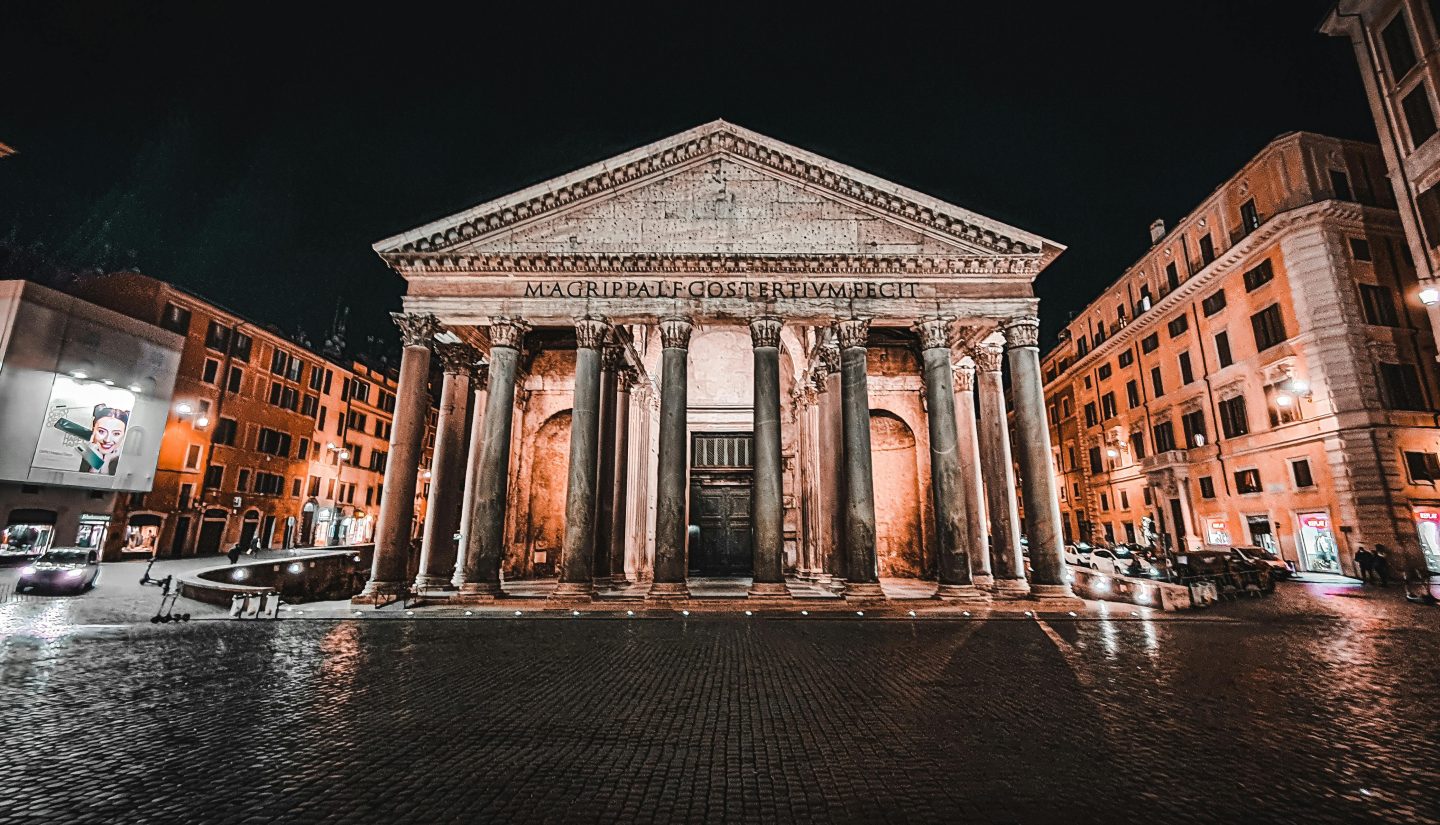
The Pantheon is powerful anytime, but something about seeing it lit from below brings out its true essence. The columns cast long shadows, and the pediment looms like a watchful eye. Step inside if it’s still open, or circle it outside. It’s one of those places that doesn’t need tricks; it just needs time to show itself.
Colosseum

It’s easy to picture gladiators and roaring crowds in the daytime, but after dark, the Colosseum becomes something else entirely. Soft lights pour through its arches, making it look more like a cathedral than a battleground. The nearby street gets quieter, and the scene takes on a slower rhythm. It feels like the city is offering you a secret version of its past.
Trevi Fountain
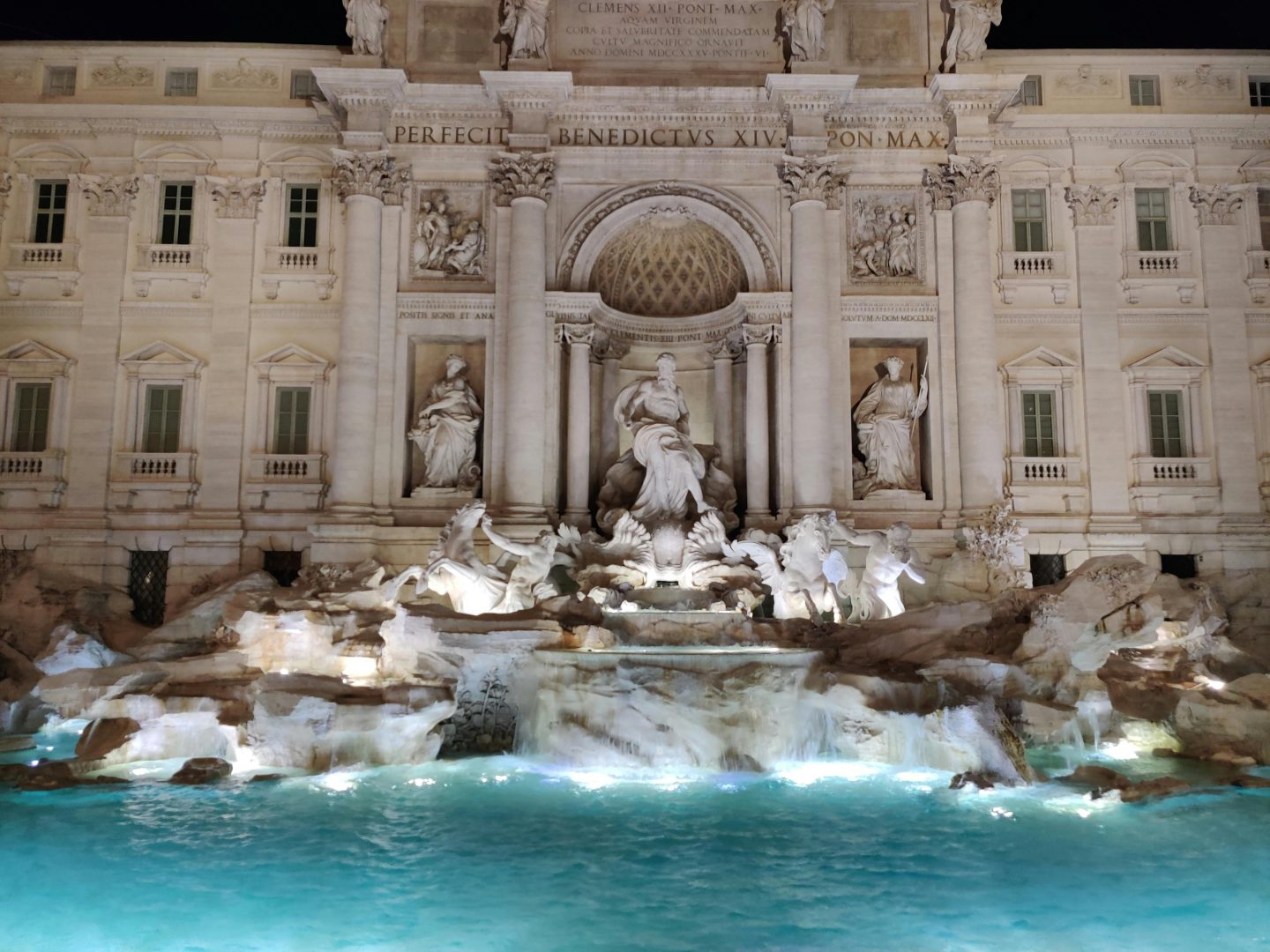
Tourists swarm this place in the daylight, elbowing for the perfect coin toss photo, but come nighttime, the fountain glows. The marble shines under golden lights, and the rush of water sounds louder without the usual chatter. Toss in a coin, but maybe stand there and take it in. You’ll notice things you’d miss in the rush.
St. Peter’s Basilica
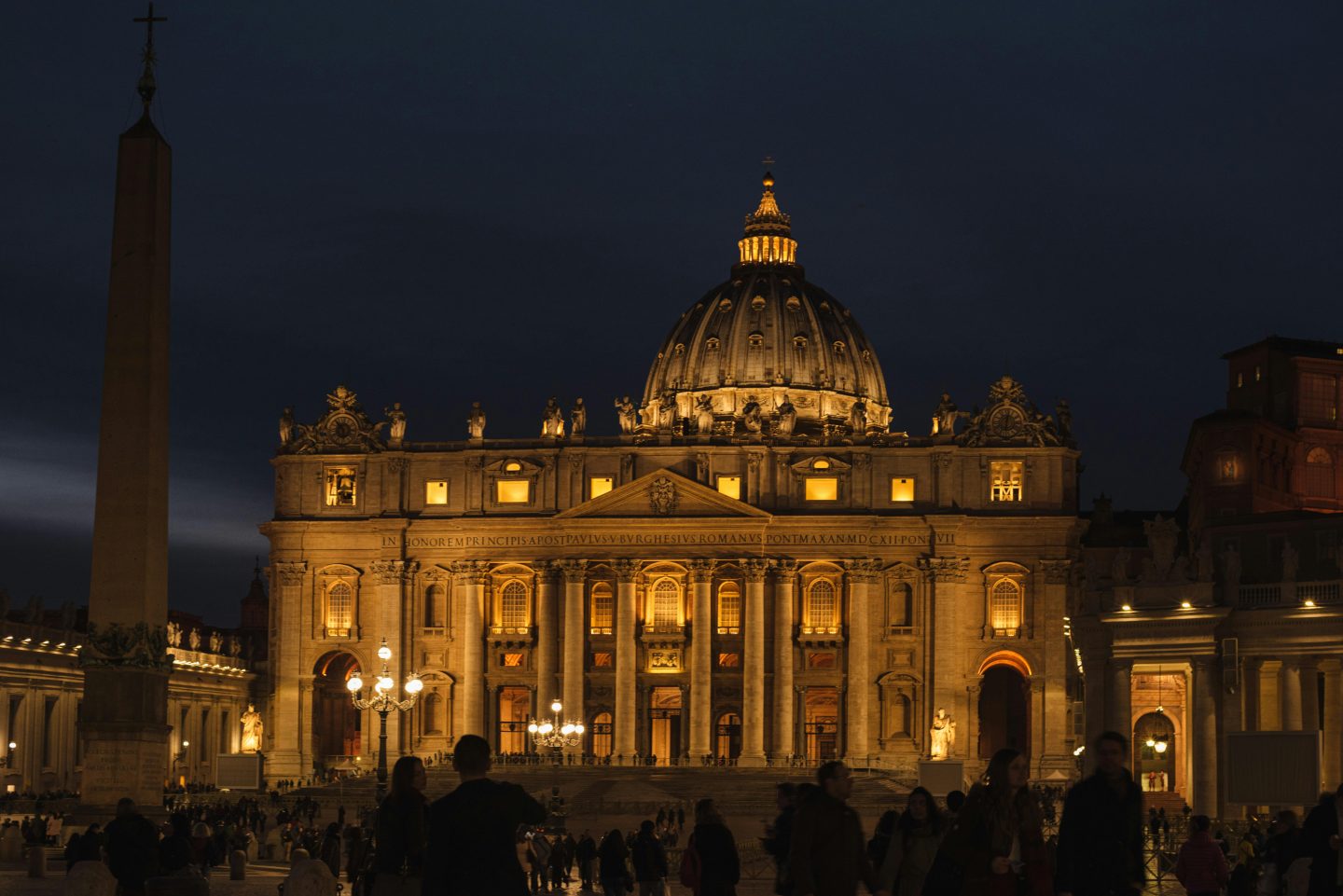
St. Peter’s after sunset is all stillness and symmetry. The wide square opens like a stage, and the dome rises like a crown under the stars. The lights outline every column, every statue, without overwhelming them. You don’t have to be religious to feel the weight of the place. At night, it doesn’t ask for attention; it holds it.
Piazza Navona
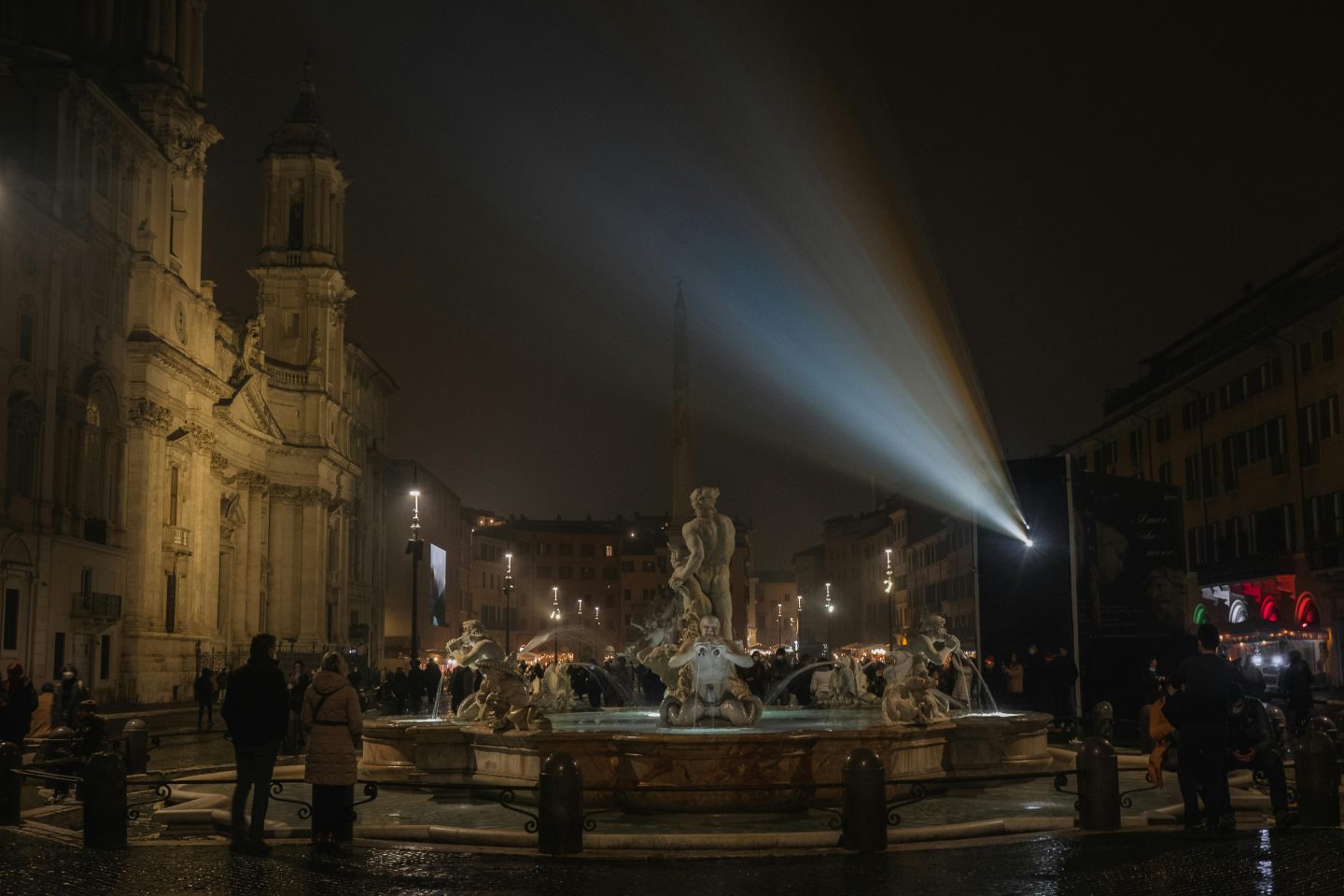
This piazza is lively with painters and buskers during the day, but it softens at night. The fountains glimmer under lamplight, and the air feels easier to breathe. The buildings around the square light up just enough to show their character without stealing the show. Grab a gelato, find a bench, and let the night play out in front of you.
Roman Forum
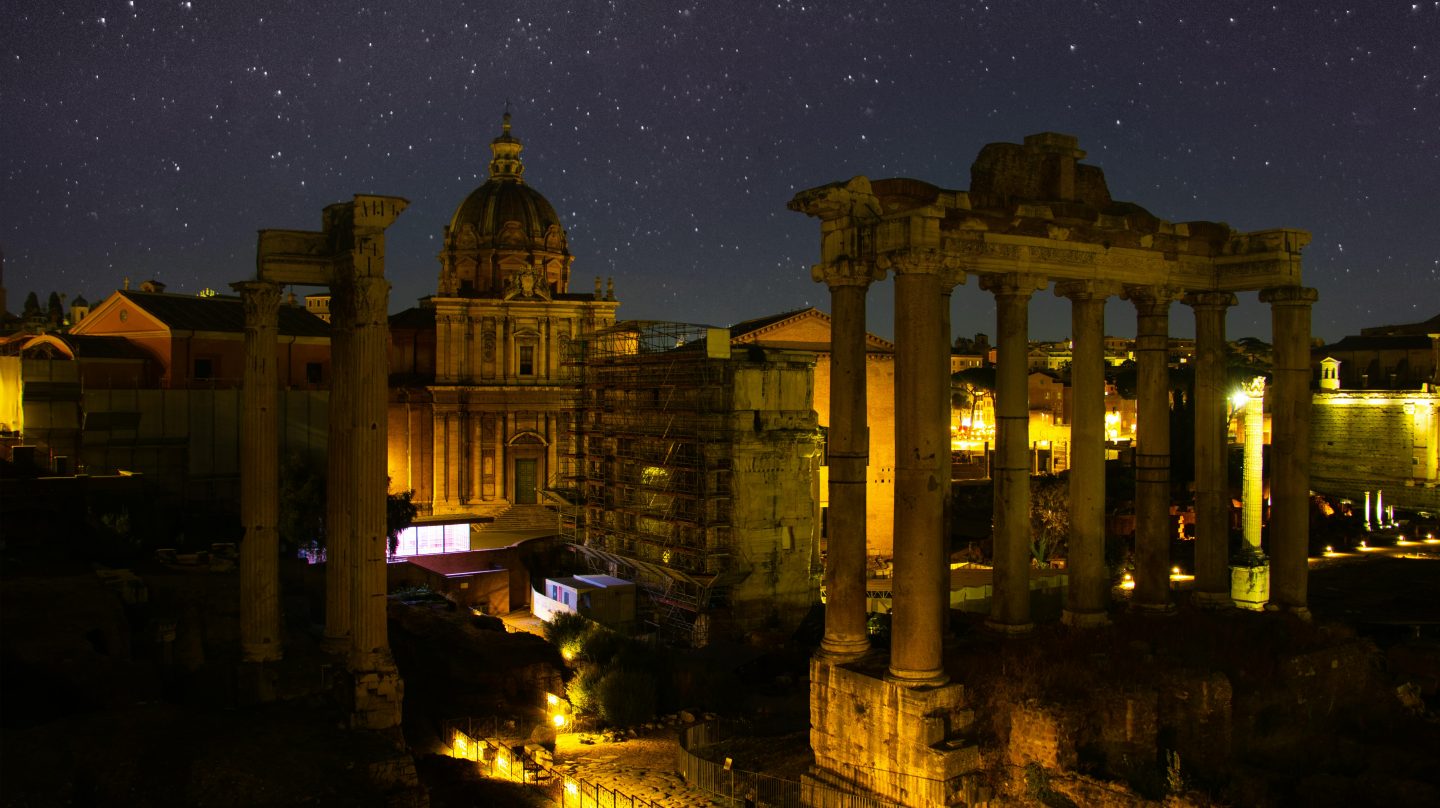
By day, the Roman Forum looks like a jigsaw puzzle of ruins. At night, the puzzle pieces line up. Gentle lighting brings order to the columns and broken walls; suddenly, it all makes sense. You can walk the perimeter and see outlines of temples and arches that once shaped an empire. It’s quieter than most places, and that’s part of the charm.
Castel Sant’Angelo

This round fortress by the river turns into something storybook-like after dark. It’s reflected in the Tiber like a double exposure, and the bridge leading to it is flanked by statues of angels standing guard. It used to be a prison and a papal hideout, but now it’s quietly impressive. Walk by it slowly; rushing misses the point.
Spanish Steps

During the day, the Spanish Steps are a traffic jam of people snapping selfies. At night, they’re all yours. The lights are low and warm, giving the stone a soft, worn-in look. Sit halfway up and look out over the rooftops. You’ll hear footsteps echo off the buildings, and for a moment, you’ll feel like the city has slowed just for you.
Vatican Museums Courtyard
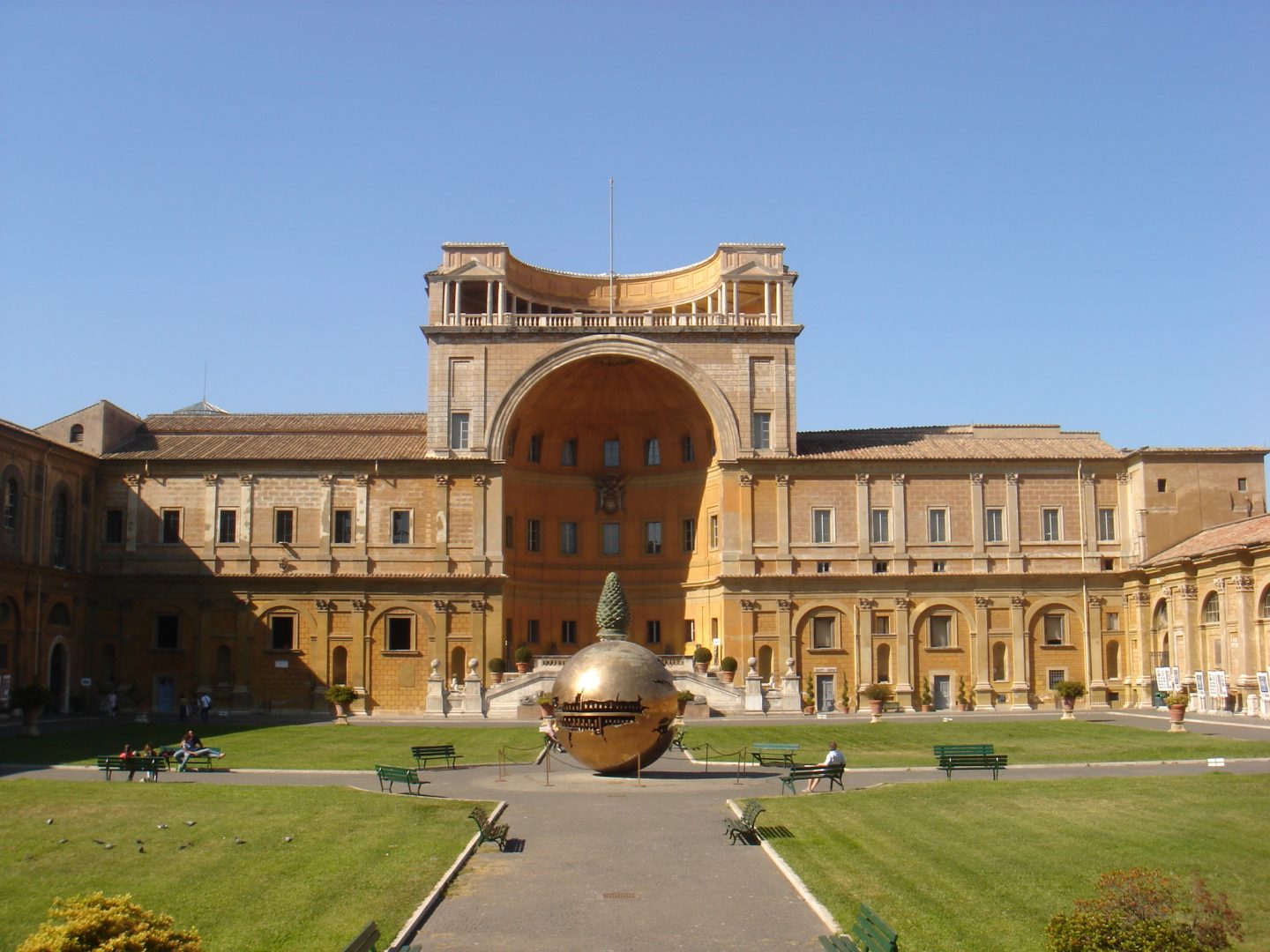
You won’t always catch this spot open at night, but it’s worth it when you do. The courtyards between exhibits light up like calm pockets between the noise. The sculptures and gardens feel almost untouched. It’s the opposite of the packed daytime tours, a chance to see things as they were meant to be seen.
Piazza Venezia
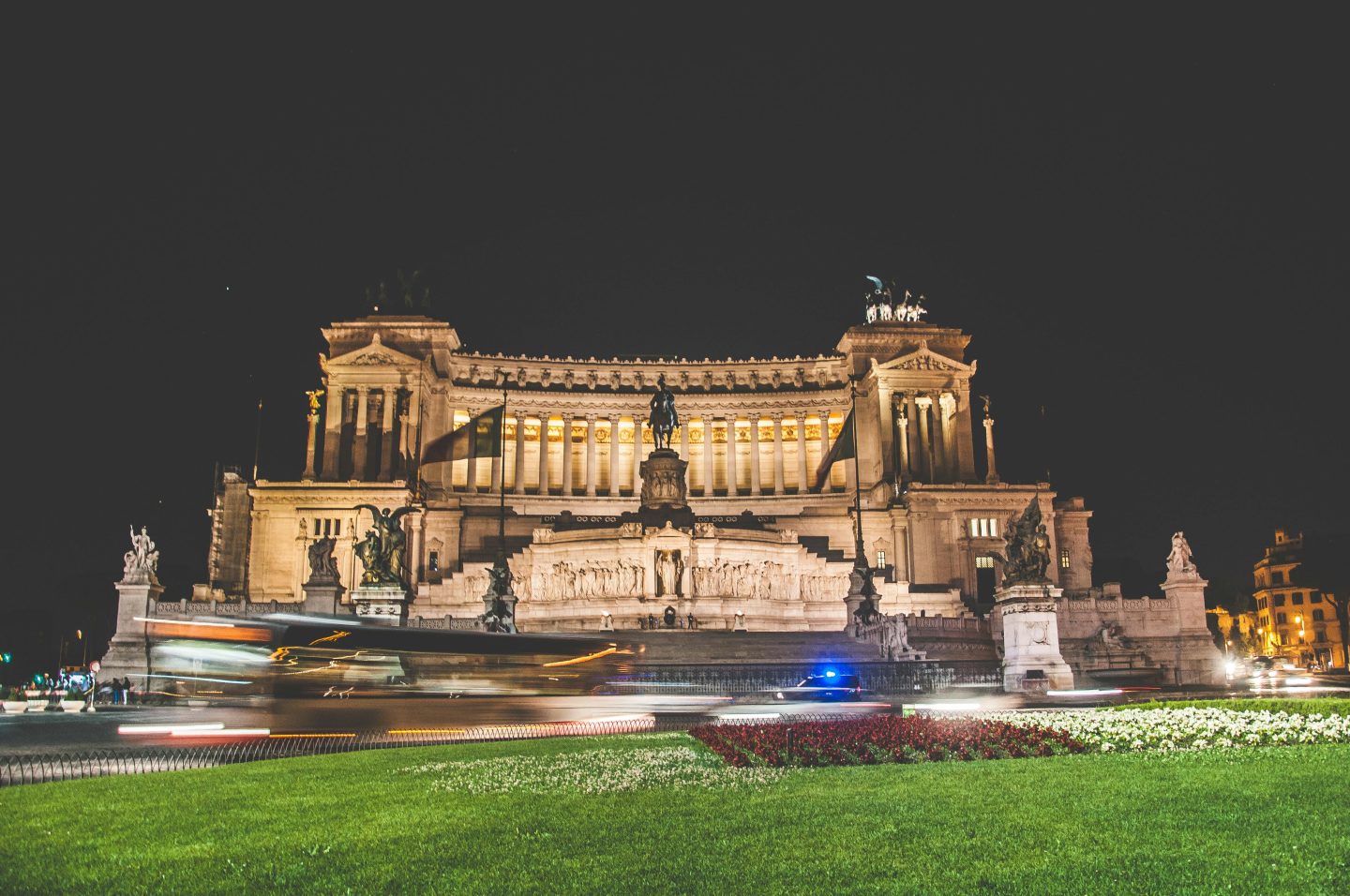
This square is all noise and motion by day, but come evening, the chaos fades. The Altare della Patria, the largest national monument in Italy, with its white marble and massive columns, lights up like a movie set. Cars still circle, but there’s a rhythm to it now. Even the traffic seems to nod in respect. The statue at the top watches it all like an old general standing guard.
Disclaimer: This list is solely the author’s opinion based on research and publicly available information.
Read More:

- Ultimate Guide To Picking The Best Travel Credit Card
- The 5 Best Budget Airlines in the United States
- 15 Best Countrıes to Vısıt in Afrıca