15 Things You Should Bring on Every Hike
Embarking on a hike is a fantastic way to immerse yourself in nature, get some exercise, and clear your mind. However, venturing into the great outdoors requires thoughtful preparation to guarantee safety and enjoyment. Packing the right items can make the difference between a memorable adventure and a challenging ordeal.
Let’s explore 15 essential items you should always pack for every hike. These essentials will help you stay safe, comfortable, and ready for whatever the trail may bring.
Navigation Tools

Even if you’re following a well-marked path, carrying a map, compass, or GPS device is crucial. Technology can fail, but a good old-fashioned map won’t run out of battery. Many lost hikers regret not having reliable navigation tools, and you don’t want to be one of them.
Hydration Supplies

Water is life, especially when you’re exerting yourself. Bring enough water for your hike, and consider carrying a lightweight water filter or purification tablets if you need to refill from natural sources. Dehydration can sneak up on you faster than a squirrel after your trail mix, so always pack more than you need.
Nutritious Snacks

Keep your energy up with high-protein, high-energy snacks like nuts, jerky, or energy bars. Pack a little extra in case your hike takes longer than expected. A well-fed hiker is a happy hiker, and no one wants to deal with a hunger-induced meltdown in the middle of nowhere.
Proper Footwear
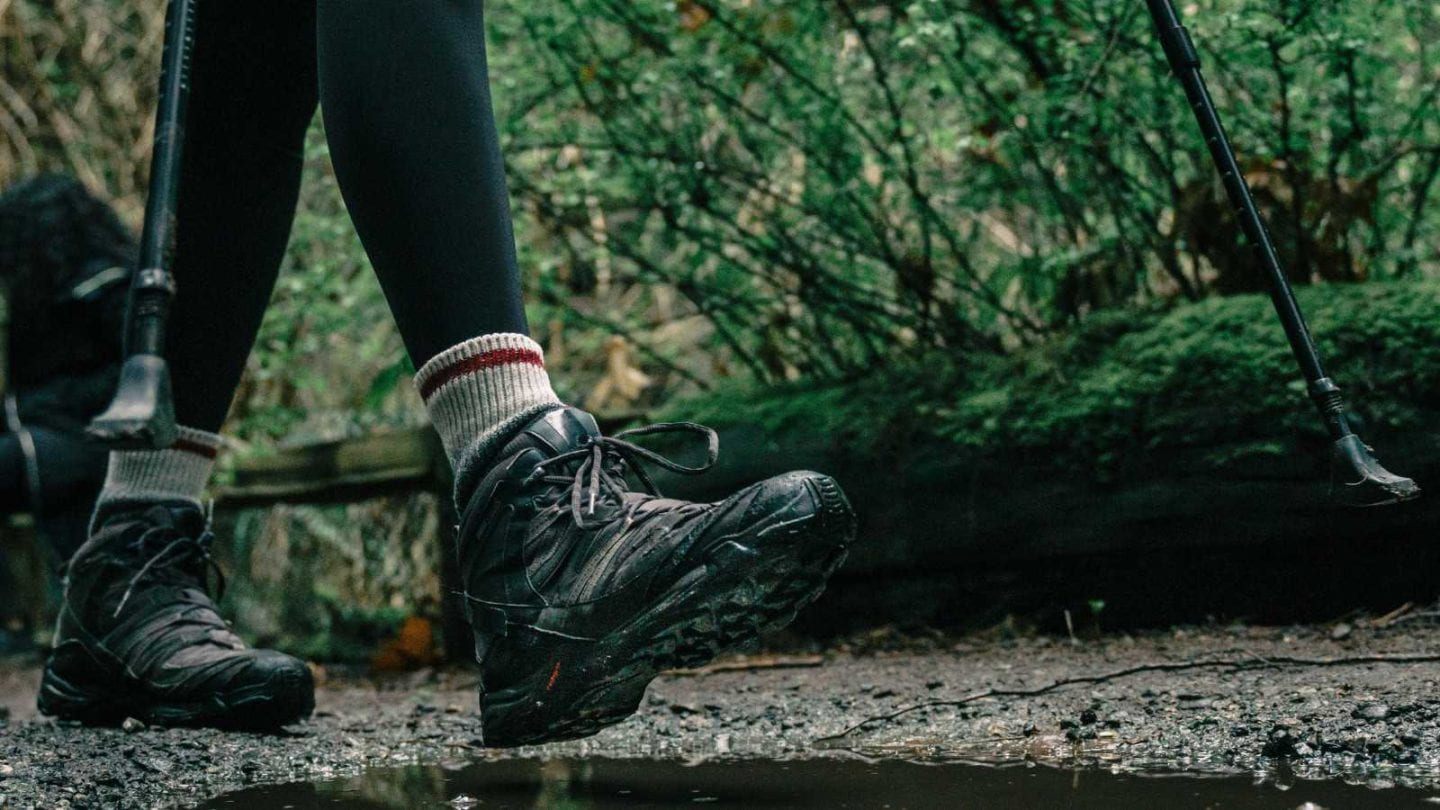
Your feet are your trusty steeds on the trail, so treat them well. Invest in sturdy, comfortable hiking boots or shoes that provide ample support and traction. Wearing the wrong shoes can lead to blisters, sore feet, and injuries that cut your adventure short. Remember, happy feet lead to happy trails.
Weather-Appropriate Clothing

Mother Nature loves surprises. Dress in layers so you can adjust to changing temperatures and conditions. Sudden rain, unexpected cold, or extreme heat can turn a leisurely hike into a miserable experience without the proper clothing.
First Aid Kit

Accidents happen, and it’s best to be prepared. A basic first aid kit with bandages, antiseptics, pain relievers, and personal medications can be a lifesaver. A minor cut or sprained ankle might not seem serious, but without the right supplies, it can quickly become a bigger issue.
Emergency Shelter
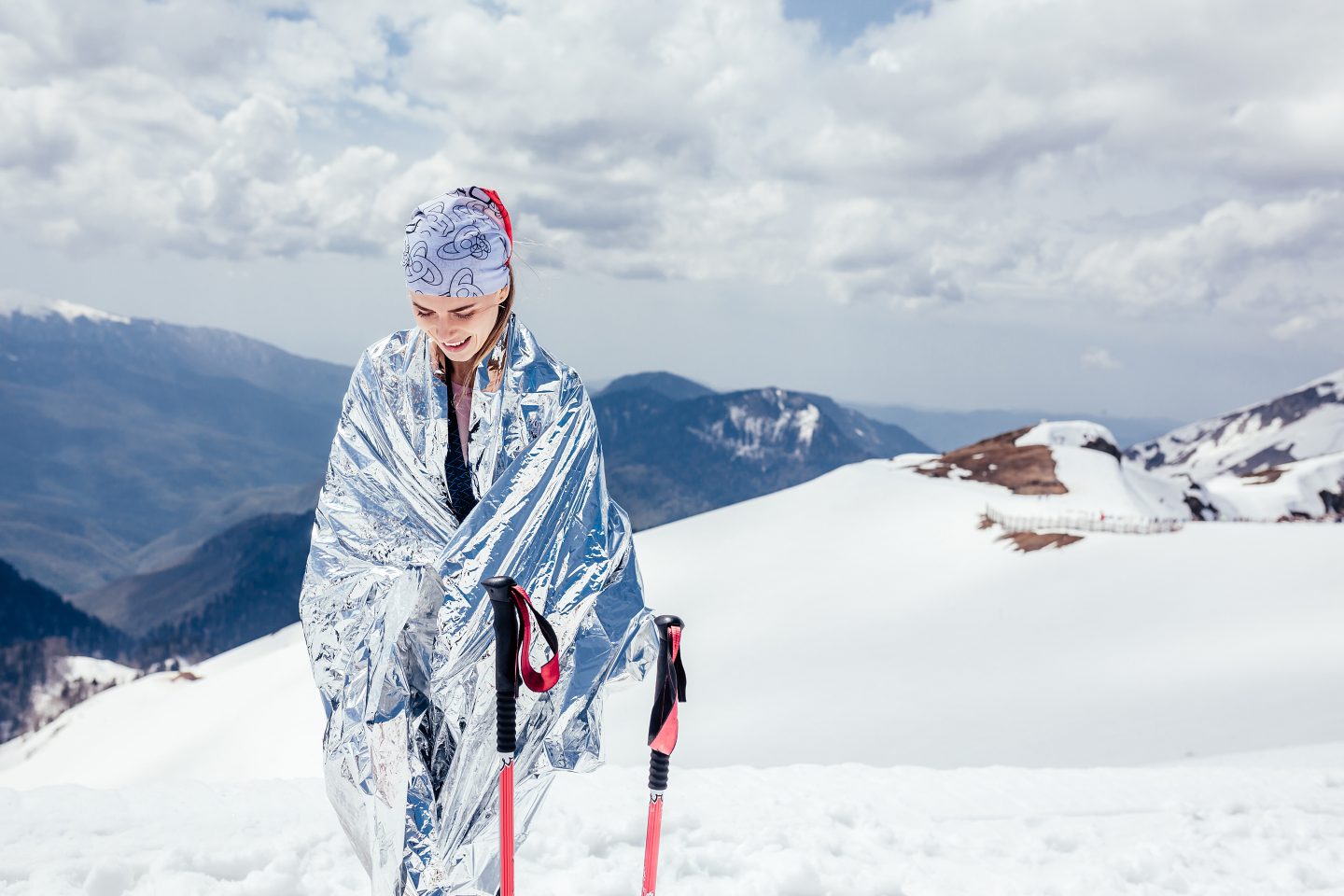
In case you get stranded or the weather takes a turn for the worse, having a lightweight emergency shelter like a space blanket or bivvy sack can protect you from the elements. Even on a day hike, unexpected situations can arise, and it’s always better to be safe than sorry.
Illumination

A reliable headlamp or flashlight is essential, even if you plan to return before dark. Unexpected delays can happen, and hiking in the dark without a light source is a recipe for disaster. The sun sets faster than you think, especially in wooded areas or mountainous terrain.
Fire-Starting Tools

Carrying waterproof matches, a lighter, or a fire starter can be crucial in emergencies for warmth or signaling. Knowing how to start a fire safely is just as important as having the tools. If you get lost or stuck overnight, fire can be the difference between comfort and hypothermia.
Sun Protection
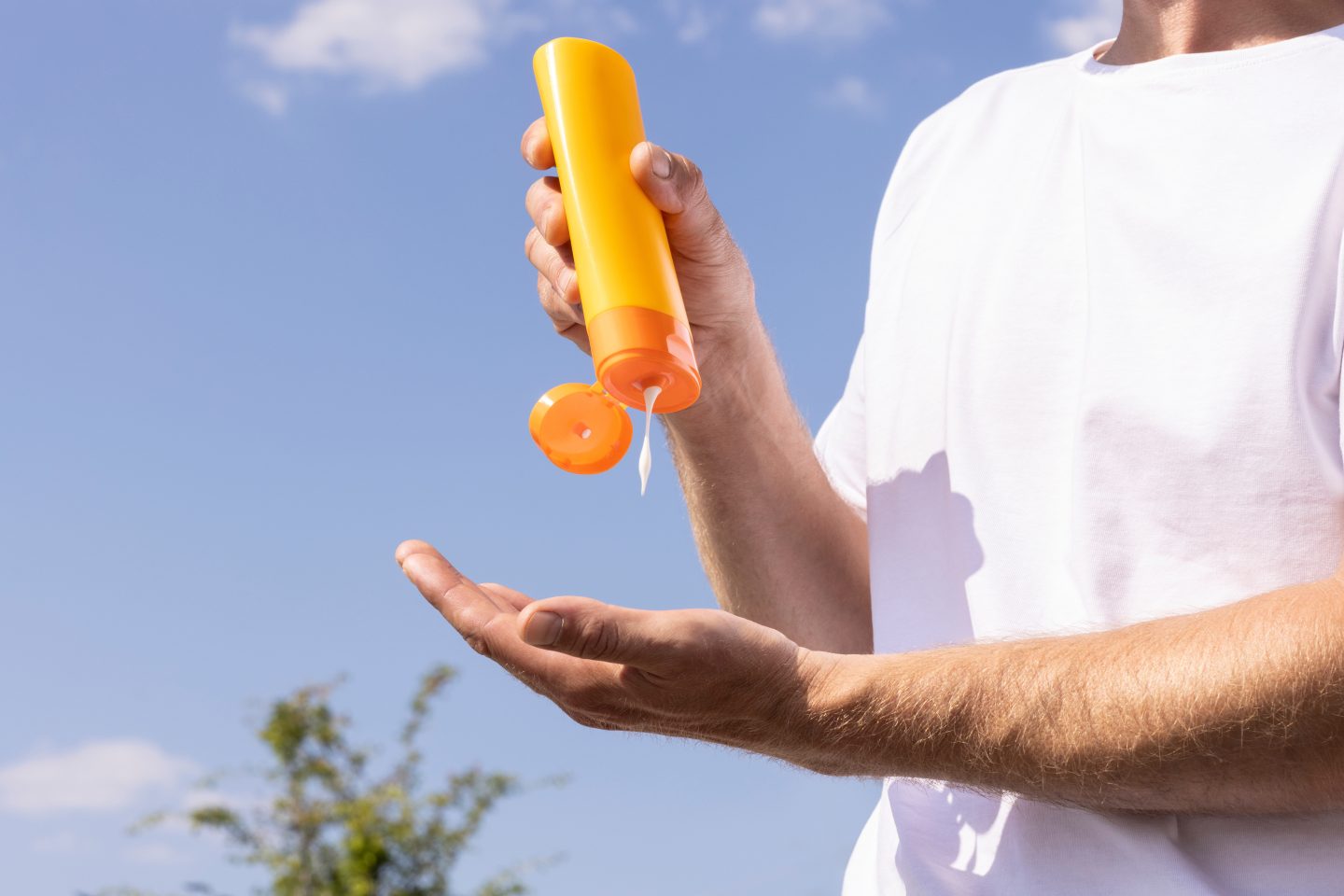
Protect yourself from harmful UV rays with sunglasses, sunscreen, and a hat. Sunburns and snow blindness are real party poopers on any hike. Even in cool or cloudy weather, UV rays can be intense, and prolonged exposure can lead to severe damage.
Multi-Tool or Knife

A good multi-tool or knife can assist with gear repairs, food preparation, and other unexpected tasks. This small tool can make a big difference, from cutting rope to fixing a broken backpack strap.
Insect Repellent

Nothing ruins a hike faster than becoming a buffet for bugs. An effective insect repellent can keep those pesky critters at bay and prevent insect-borne illnesses. Ticks, mosquitoes, and biting flies can make any outdoor adventure miserable, so don’t leave home without protection.
Whistle

A whistle is a simple, lightweight tool that can help you signal for help if you get lost or injured. Three short blasts are the universal distress signal. Your voice will tire quickly if you’re calling for help, but a whistle carries farther and requires less effort.
Trekking Poles

Trekking poles help balance and reduce the strain on your knees and joints, especially on steep or uneven terrain. They’re handy on long hikes, making each step a little easier. For rocky trails or river crossings, these poles can be absolute game-changers.
Backpack

Lastly, you’ll need a comfortable, well-fitting backpack to carry all your gear. Look for one with adjustable straps and good ventilation to keep you cool and comfortable on the trail. A poorly designed backpack can lead to back pain and discomfort, turning an enjoyable hike into a painful trek.
Disclaimer: This list is solely the author’s opinion based on research and publicly available information.
Read More:

- Ultimate Guide To Picking The Best Travel Credit Card
- The 5 Best Budget Airlines in the United States
- 15 Best Countrıes to Vısıt in Afrıca