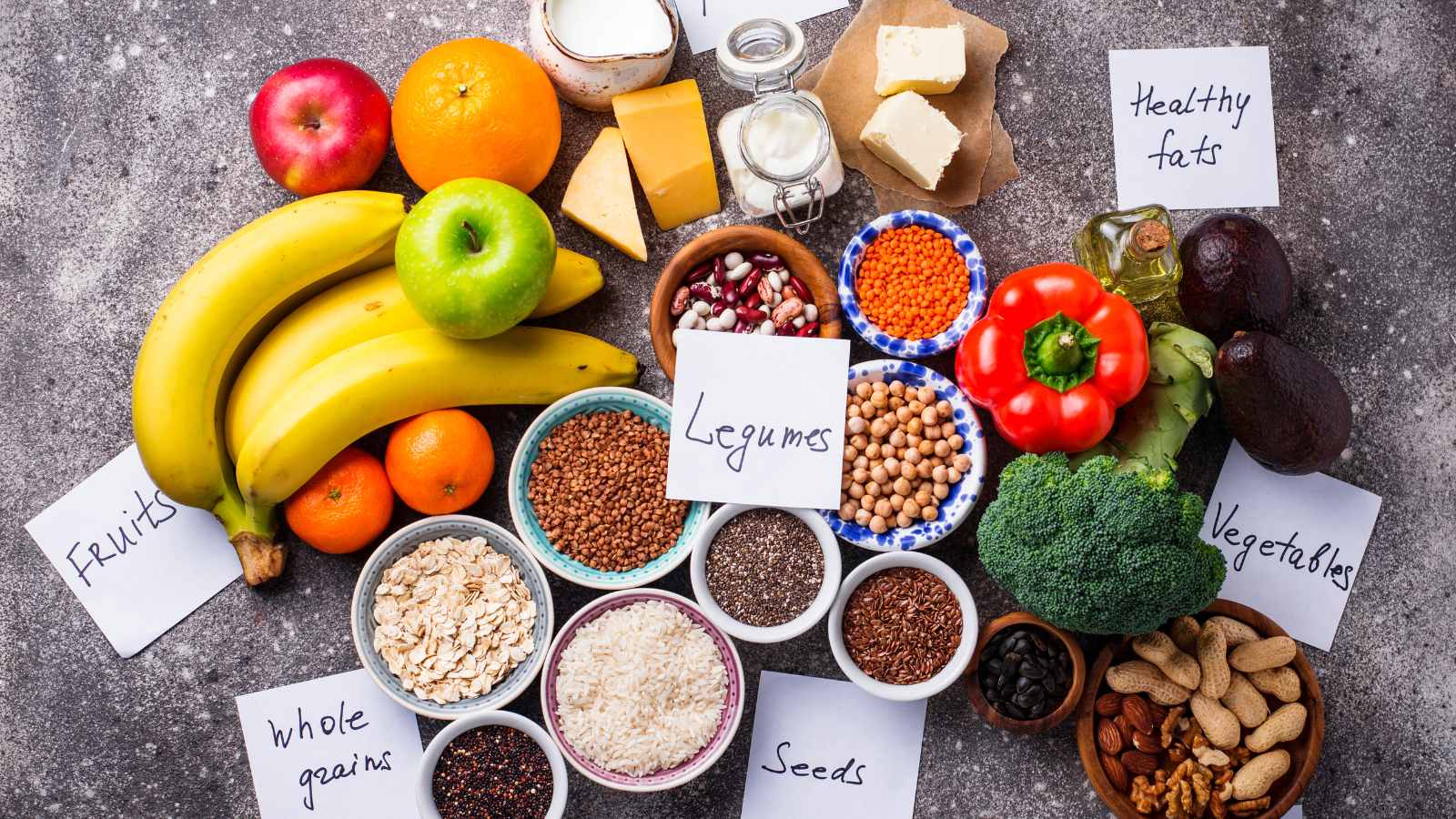
15 Science-Backed Mood-Boosting Foods to Eat Today
What if what you eat changes how you feel? The connection between diet and mood is stronger than many realize. A major 2025 meta-analysis involving over 700,000 participants found that people who follow diets rich in whole foods—like fruits, vegetables, fish, and whole grains—have a much lower chance of depression and anxiety. Healthier dietary patterns were linked to up to a 45% reduction in depressive symptoms in comparison to diets high in processed foods and sugars. That’s a powerful reminder that your next meal might do more than fill you up—it could also lift your spirits.
With mental health challenges on the rise globally, more people are paying attention to how nutrition influences well-being. The American Psychiatric Association recently reported that 81% of adults would think about changing their diet to improve their mental health. This indicates a growing awareness of the impact of food on emotional balance. It’s not only about avoiding junk food. Eating nutrient-rich, mood-boosting foods can help maintain your energy, improve your focus, and reduce stress.
Here are 15 foods backed by science that can brighten your mood and nourish your brain.
Oats
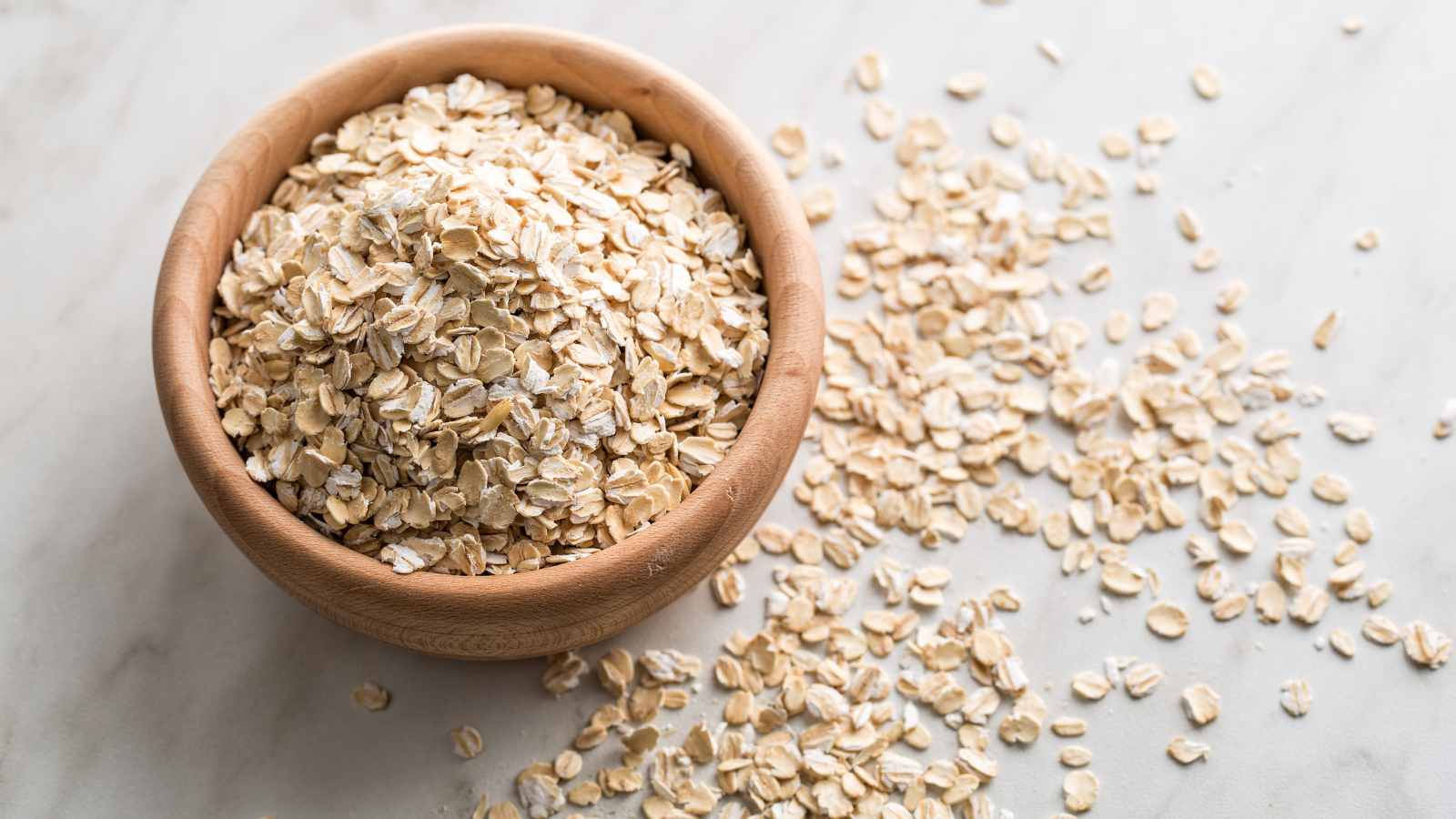
Oats are a top source of complex carbohydrates that elevate serotonin production by providing a steady supply of glucose to the brain. Research from the Massachusetts Institute of Technology suggests that stabilized blood sugar levels can help prevent irritability and sustain mood balance throughout the day.
Pro tip: Try preparing overnight oats with fruit and nuts for a nutrient-rich breakfast that supplies fiber and sustains energy, promoting emotional stability.
Turmeric
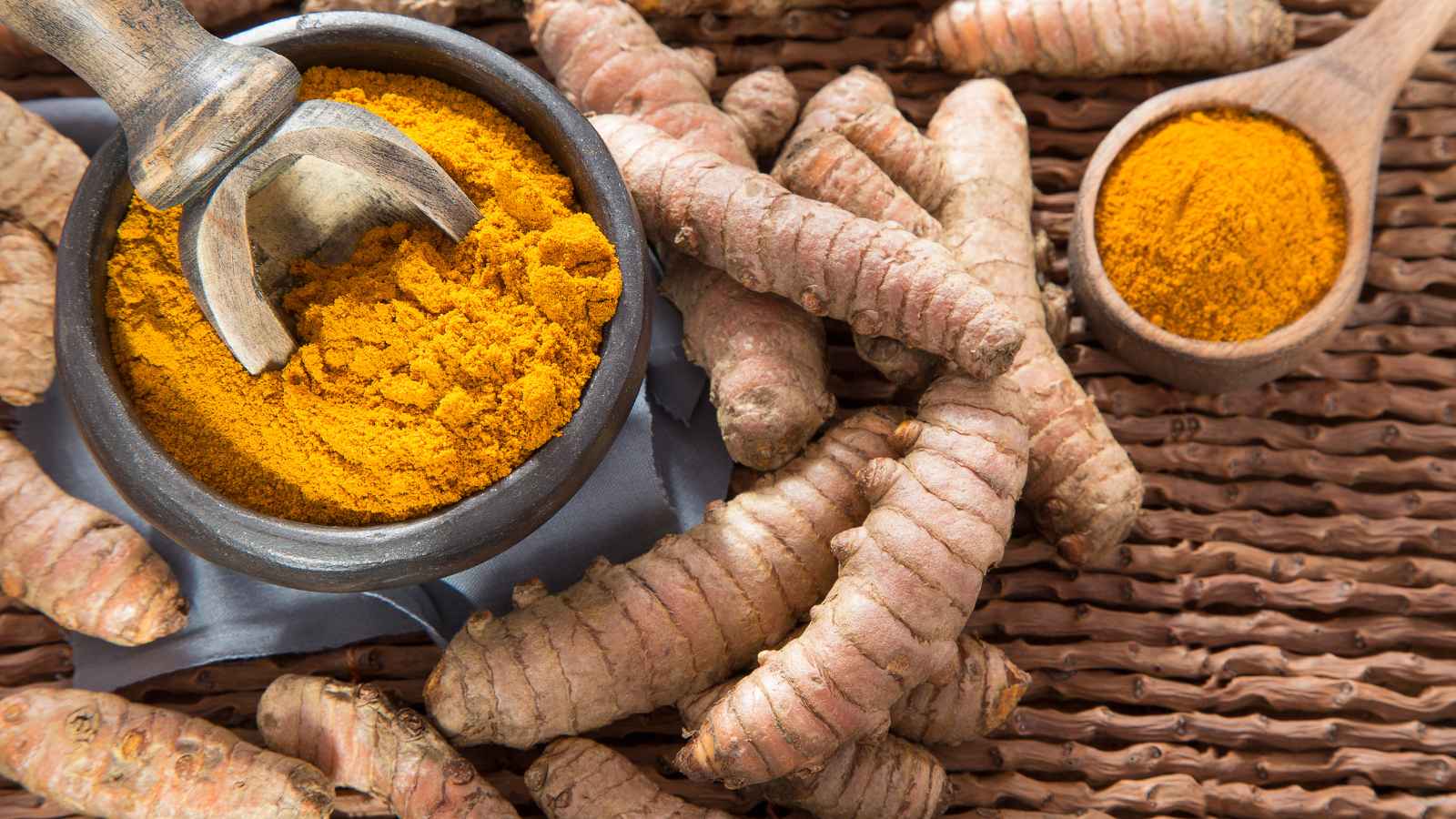
Turmeric contains curcumin, a potent bioactive compound with antioxidant and anti-inflammatory properties. Clinical trials have shown that curcumin supplementation can reduce symptoms of depression by influencing inflammatory pathways and improving brain-derived neurotrophic factor (BDNF) levels. This factor is essential for neuroplasticity and balancing neurotransmitters. Turmeric can cross the blood-brain barrier, enabling it to directly affect areas of the brain related to mood..
Pro Tip: Add turmeric powder to soups, stews, or golden milk while pairing it with black pepper to enhance curcumin absorption.
Dark Chocolate

Dark chocolate, especially varieties with a cocoa content of at least 70%, does more than satisfy your sweet tooth. It is rich in flavonoids—antioxidant compounds that stimulate cerebral blood flow, increase neuroplasticity, and encourage release of mood-regulating neurotransmitters, like serotonin and endorphins. Observational and controlled studies have associated moderate consumption of dark chocolate with reduced symptoms of depressive mood and improved psychological well-being. The cognitive and emotional benefits likely connect to the biochemical properties and the enjoyable sensory experience that comes with eating chocolate..
Pro Tip: Choose high-quality dark chocolate with at least 70% cocoa content, and use it in moderation. Enjoy a small square as an afternoon pick-me-up, or melt dark chocolate and drizzle it over fruit for a satisfying, mood-boosting dessert. Stir chopped dark chocolate into yogurt or oatmeal for a nutritious treat that combines antioxidants with other mood-friendly nutrients.
Bananas

Bananas are a source of vitamin B6. This vitamin is essential for making neurotransmitters like dopamine and serotonin. These chemicals play a pivotal role in maintaining a positive mood and emotional balance. A study in the Journal of Nutrition highlights the correlation between higher B6 intake and diminished symptoms of depression and anxiety. Besides B6, bananas provide natural sugars and prebiotic fiber. Both of these support steady energy release and gut health. They also have an impact on mood.
Pro Tip: Slice bananas on your morning oatmeal, blend them with spinach and yogurt in a smoothie, or just eat one while you’re on the move. Incorporating bananas into your breakfast routine can provide a quick and easy way to start your day with a mood boost.
Lentils

Lentils provide plant-based protein, complex carbohydrates, fiber, and micronutrients including folate and magnesium—all critical for stable blood sugar and neurotransmitter synthesis necessary for mood regulation. A diet containing legumes is associated with a decreased risk of depression, as it supports energy metabolism and brain function. Their high fiber content also supports gut microbiota balance, indirectly influencing mental health.
Pro Tip: Prepare lentil soups or salads in bulk to enjoy throughout the week for mood-supportive nutrition.
Greek Yogurt
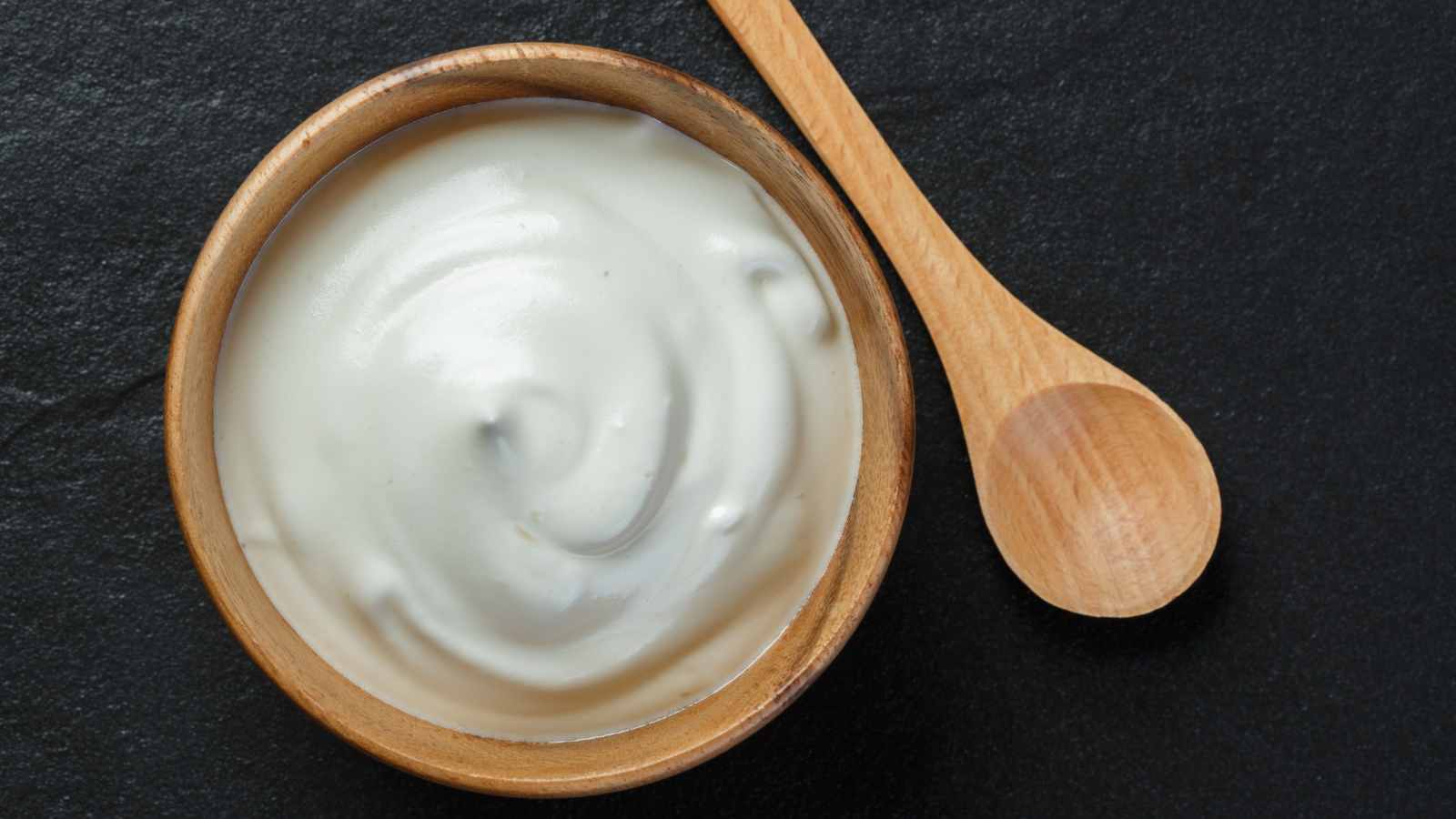
Greek yogurt is rich in probiotics and protein, beneficial bacteria that enhance gut microbiome diversity. A healthy gut microbiome influences the production of serotonin in the digestive tract, which communicates with the brain to regulate mood and emotional resilience. Consuming fermented dairy products regularly, such as Greek yogurt, has been linked to lower rates of depression due to their anti-inflammatory effects and support of gut-brain axis functioning.
Pro Tip: Incorporate plain Greek yogurt into breakfast or snacks with fruit and nuts to boost probiotics without added sugars.
Fatty Fish

Fatty fish like salmon, mackerel, and sardines contain a lot of omega-3 fatty acids. These healthy fats are associated with lower rates of depression and improved mood regulation. A Harvard study found that individuals who consumed fish at least twice a week exhibited better cognitive performance and reported feeling more emotionally balanced.
Tip: Try swapping in salmon for chicken in your favorite recipes, or add canned tuna to salads for a quick mood boost.
Berries

Blueberries, strawberries, and other berries have polyphenols and vitamin C. These are strong antioxidants that help lower inflammation and oxidative stress. Both of these factors are linked to depression. Harvard researchers found regular berry consumption linked with slower memory decline and improved cognitive function, both closely related to mood.
Use frozen berries in smoothies or atop cereals to maintain year-round intake and affordable access to these antioxidant-packed fruits.
Oranges

Oranges are rich in vitamin C, flavonoids, and antioxidants that support healthy neuron growth and promote the production of mood-control neurotransmitters like serotonin and dopamine. A landmark study led by researchers at Harvard Medical School and Massachusetts General Hospital analyzed over 100,000 women and found that consuming one orange a day was linked with a 20% lower risk of depression. This effect appears to be specific to citrus fruits, with the gut bacterium Faecalibacterium prausnitzii playing a critical role in mediating mood benefits. The vitamin C in oranges also aids neuronal communication and protects brain blood vessels, promoting optimal brain function as we age.
Pro Tip: Enjoy a fresh orange daily as a snack or juice to meet vitamin C requirements and possibly help reduce depression risk.
Sweet Potatoes

Sweet potatoes provide complex carbohydrates that support steady blood sugar, helping prevent irritability and mood fluctuations. Rich in beta-carotene, which turns into vitamin A, and antioxidants, they help fight oxidative stress linked to mood disorders. The CDC points out that their high fiber content also supports gut health, which in turn helps mood through the gut-brain connection..
Pro Tip: Bake or steam sweet potatoes as a nutrient-dense side or mash them with herbs for a comforting and mood-stabilizing dish.
Fermented Foods
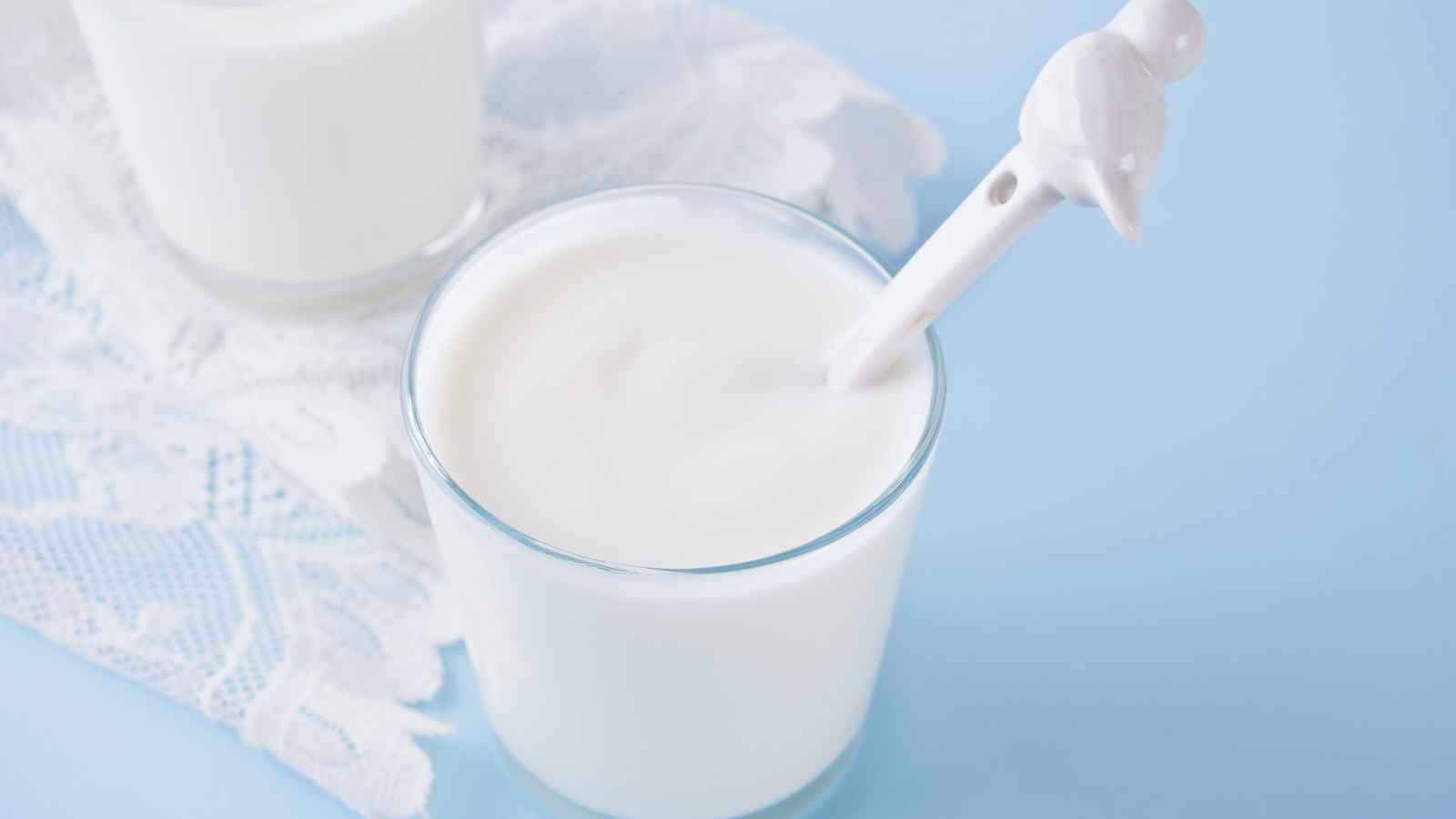
The gut microbiome is essential for mental health. It affects inflammation and the production of neurotransmitters, especially serotonin, which is mainly made in the gut. Fermented foods like yogurt, kefir, kimchi, and sauerkraut introduce beneficial probiotics that improve gut flora diversity, which has been linked to decreased depression rates by Mayo Clinic researchers.
Incorporate fermented foods regularly—start your meals with a small serving of kimchi or add plain yogurt to smoothies—to enhance gut health and, in turn, support mood regulation.
Leafy Greens

Leafy greens like spinach, kale, and broccoli are packed with nutrients. They provide folate, magnesium, vitamin K, and antioxidants. These nutrients are essential for making neurotransmitters and protecting neurons from oxidative damage. Harvard Health notes that folate deficiency correlates with depressive symptoms, making leafy greens vital for mental wellness.
Incorporate raw leaves into salads or lightly sauté for meals. Pairing greens with healthy fats can improve absorption of fat-soluble vitamins.
Green Tea

Green tea has L-theanine, an amino acid that clinical studies show can reduce stress and anxiety. It may also boost brain function and help you relax without causing drowsiness. Research also indicates green tea consumption is linked to lower incidence of mood disorders.
Pro Tip: Replace afternoon coffee with green tea to combine moderate caffeine with calming L-theanine effects.
Nuts and Seeds
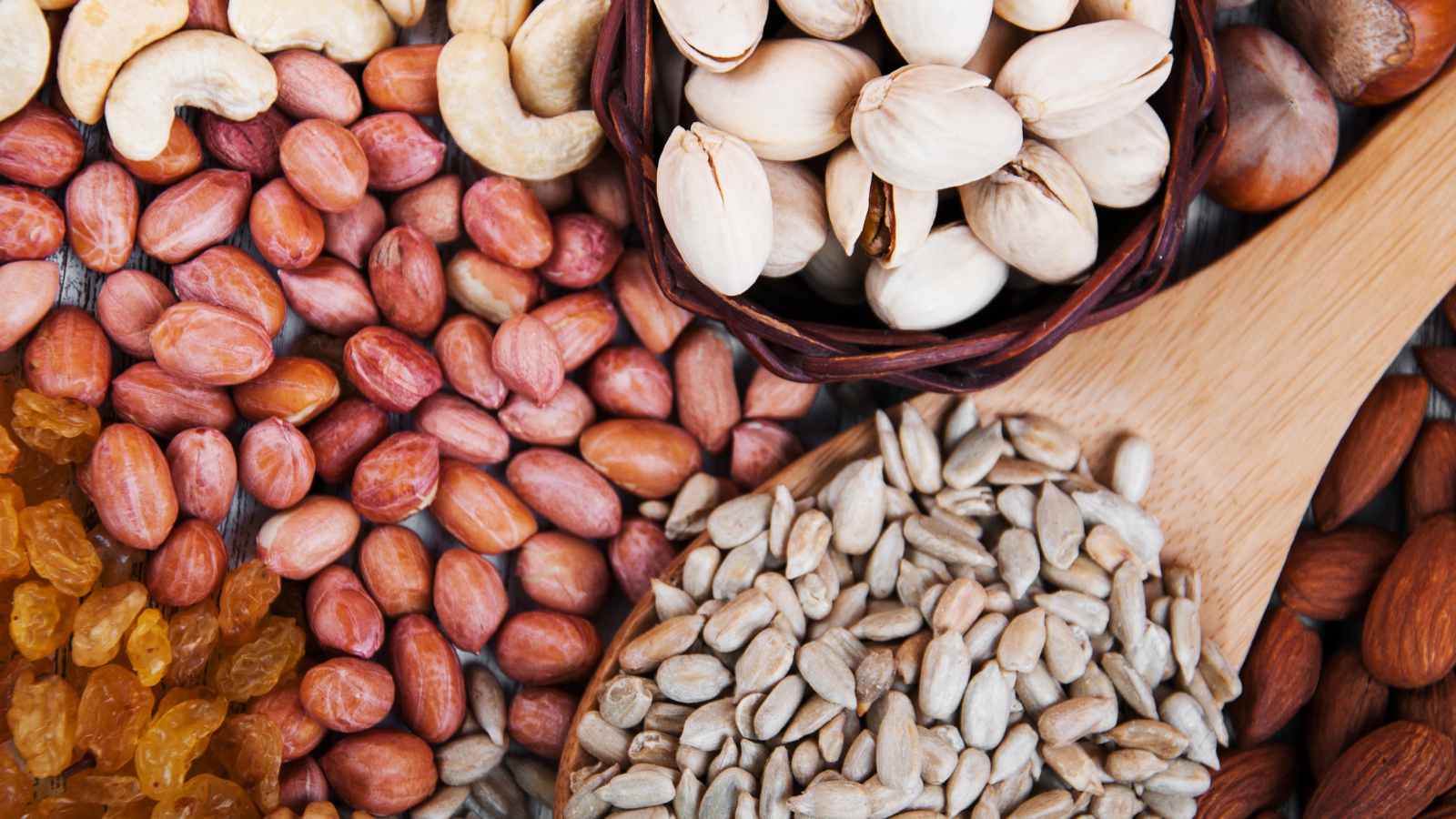
Walnuts, almonds, and seeds such as pumpkin seeds supply tryptophan (a serotonin precursor), magnesium, zinc, and healthy fats, which work collectively to support brain function and emotional well-being. Research from Harvard Health underscores nuts’ antioxidant properties and their role in lowering inflammation—two vital factors for mood stabilization.
To avoid overeating, pre-portion a handful of nuts as a daily snack or sprinkle seeds over salads and oatmeal to amplify nutrient intake.
Eggs

Eggs contain choline, essential for producing acetylcholine—a neurotransmitter involved in learning, memory, and mood regulation—as well as various B vitamins necessary for brain chemistry. The Mayo Clinic highlights eggs as a nutrient-dense choice to support brain and emotional health.
Incorporate eggs into your diet as quick snacks, in salads, or cooked in different ways. They provide nutrients that support your mood.
Disclaimer – This list is solely the author’s opinion based on research and publicly available information. It is not intended to be professional advice.
Read More:

- Ultimate Guide To Picking The Best Travel Credit Card
- The 5 Best Budget Airlines in the United States
- 15 Best Countrıes to Vısıt in Afrıca