10 U.S. Cities Where Buying a Home Could Be a Huge Mistake
Buying a home is often sold as the ultimate goal. The dream of settling into your place, painting the walls however you want, and not having to answer to a landlord sounds great. However, that dream can turn into a financial trap, depending on where you buy it.
Some U.S. cities come with hidden risks that can turn homeownership into a nightmare. High prices, unstable job markets, climate risks, or shrinking populations can make buying a home feel less like building a future and more like playing the lottery with your life savings. Let’s talk about places where buying might not be your smartest move.
San Francisco, California

San Francisco’s median home prices sit around $1.3 million. Even high-earning tech workers struggle to buy. Property taxes, insurance, and earthquake risks add to the burden. The shrinking population creates long-term uncertainty. Many buyers now rent instead to avoid the financial strain.
Miami, Florida
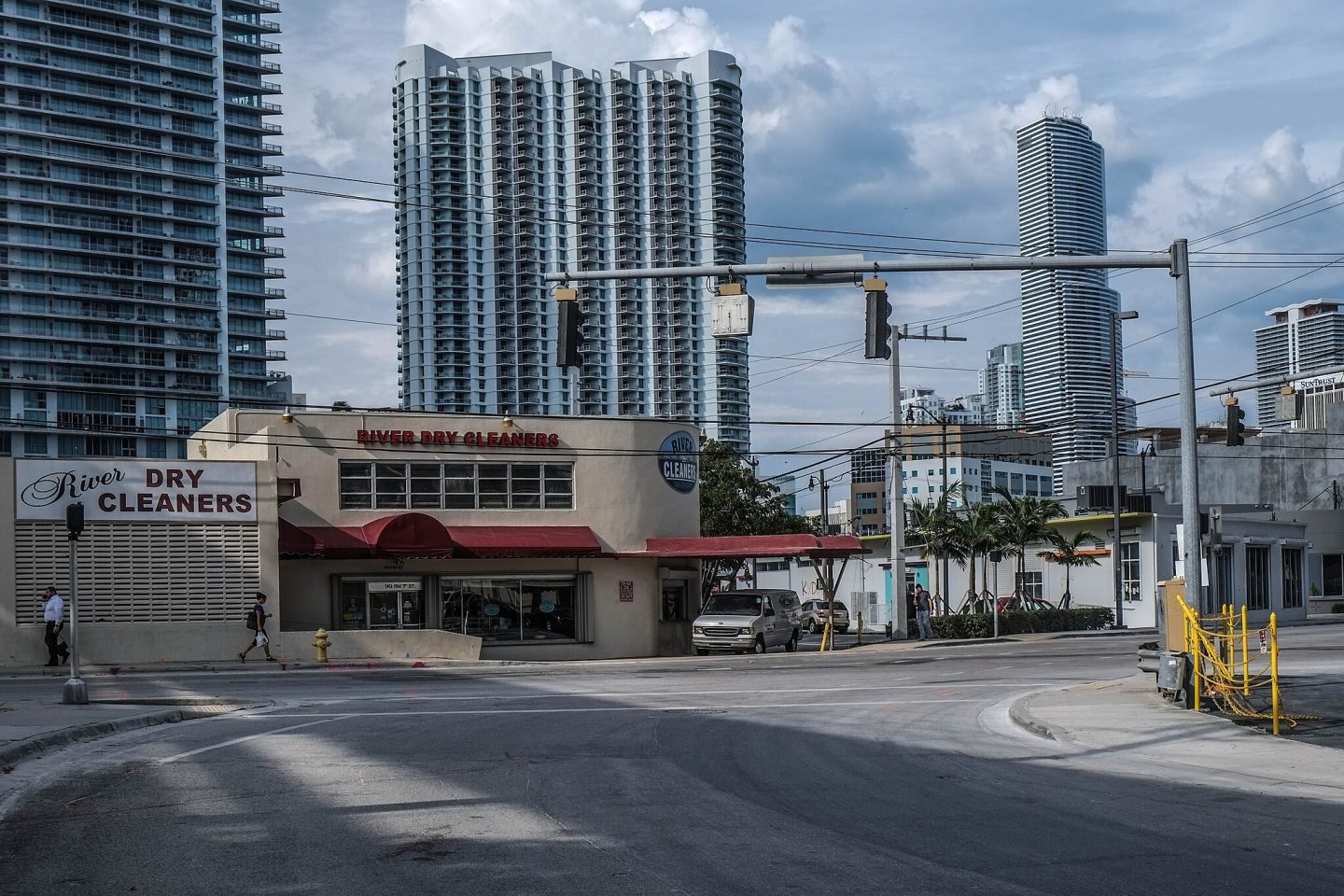
Miami faces serious climate threats. Rising sea levels endanger neighborhoods. Hurricanes push insurance premiums higher. Some insurers have exited the market. Housing demand remains strong, but the long-term risks continue to grow.
Las Vegas, Nevada
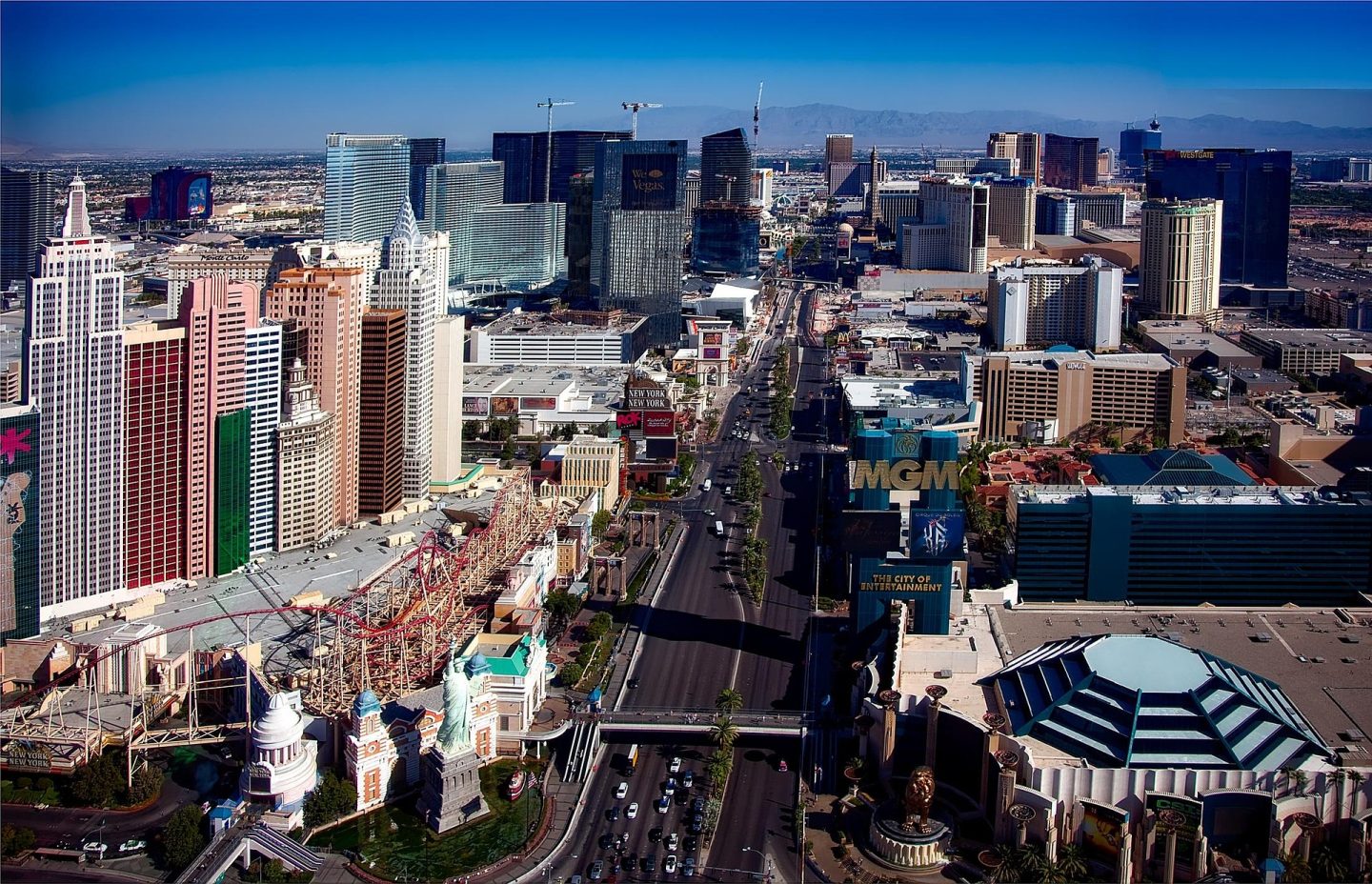
Las Vegas offers unstable housing markets with prices that swing worse than at the casino. Water shortages are growing as Lake Mead shrinks, and since tourism is a key driver of the economy, it’s vulnerable to sudden downturns. Investors face constant market volatility that can quickly erase gains.
Detroit, Michigan
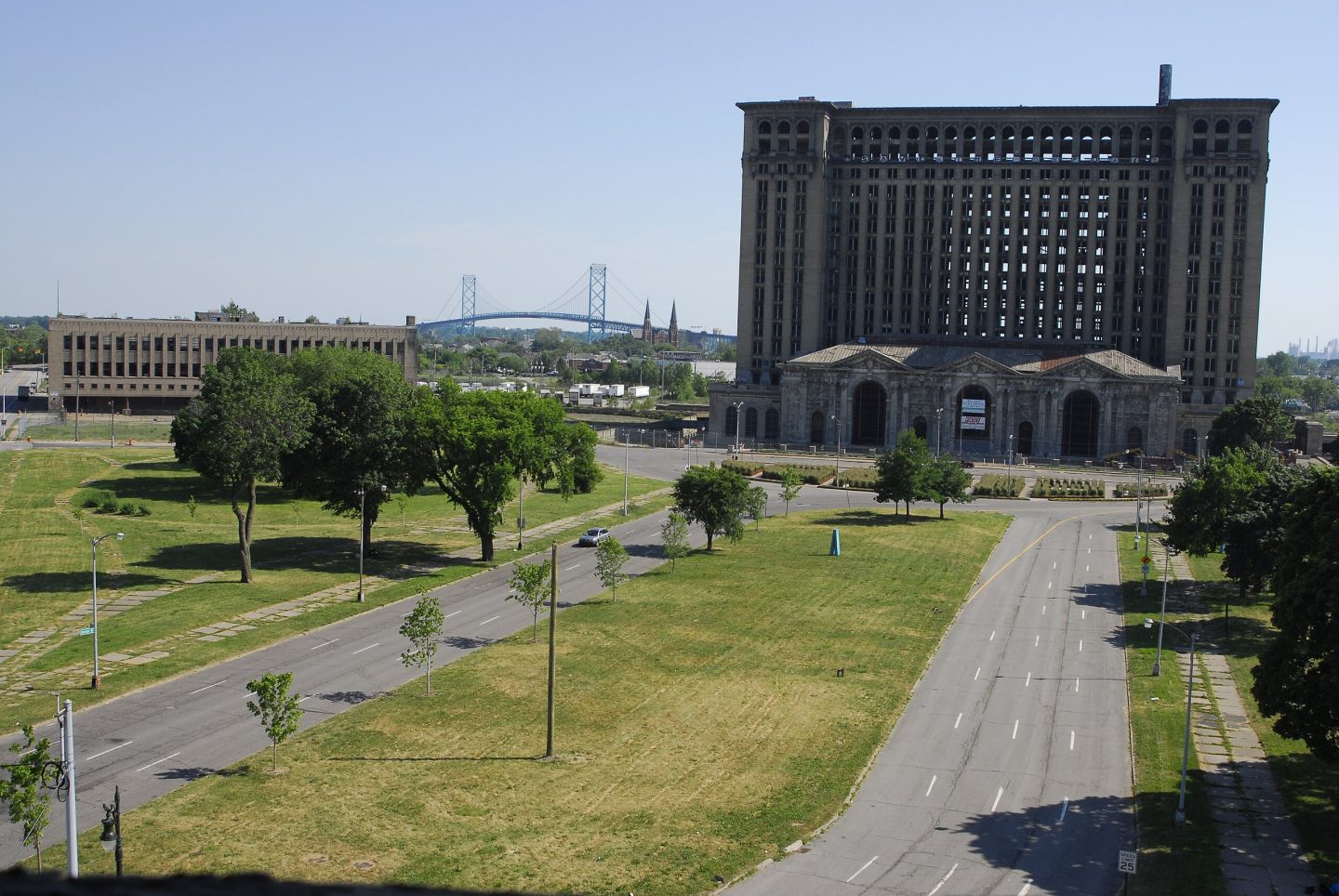
Detroit still battles high crime and unemployment. Many areas contain vacant properties. Property values rise and fall unpredictably. Buyers face ongoing instability. Revitalization efforts show promise but have not yet reached all neighborhoods.
New Orleans, Louisiana

New Orleans carries heavy flood risks. Hurricane Katrina’s impact still haunts the city. Insurance costs remain steep. Flood maps show continued danger for homeowners. Severe storms continue to test the city’s aging infrastructure.
Phoenix, Arizona
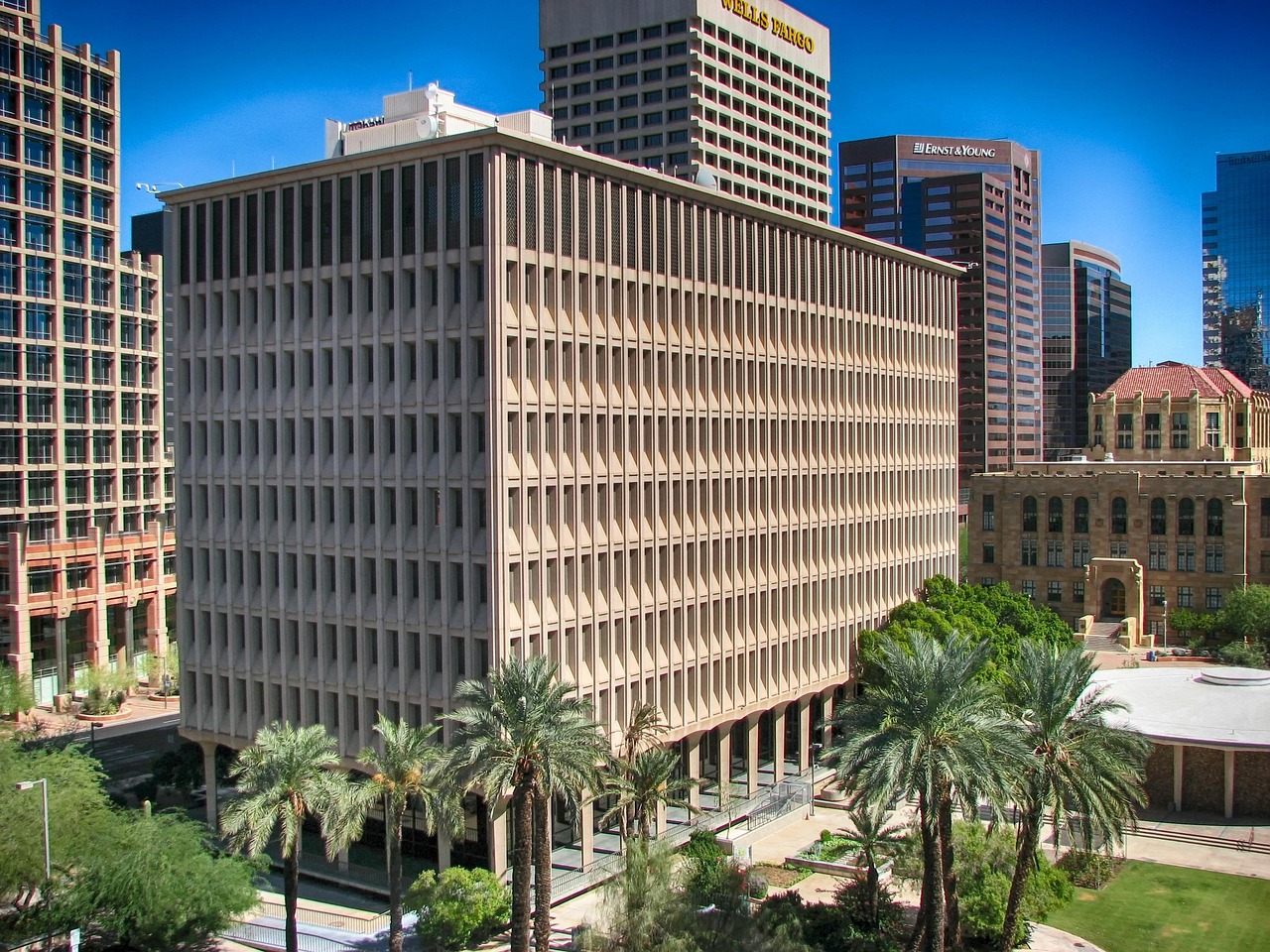
Phoenix struggles with extreme heat and water shortages. Record-breaking temperatures strain infrastructure. The city’s rapid growth may falter if environmental challenges worsen. Water restrictions could make some areas less livable in the future, posing one of the biggest climate challenges in the U.S.
New York City, New York
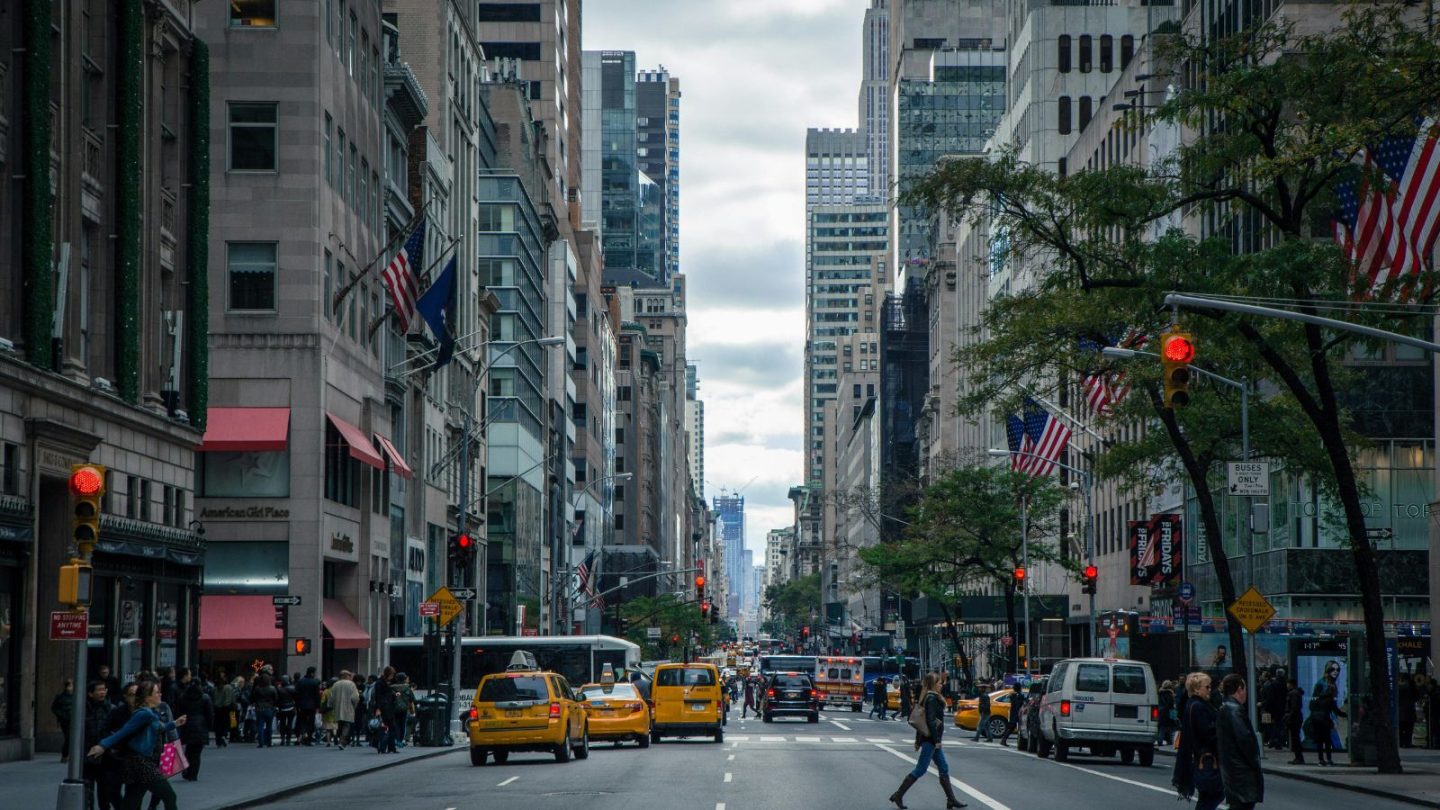
New York City demands huge financial commitments. Co-op boards add layers of complexity. Property taxes and fees pile up quickly. The city’s spot as a global hub makes prices skyrocket. Population shifts during the pandemic exposed vulnerabilities. Many young buyers now consider the suburbs as more affordable alternatives.
Honolulu, Hawaii

Honolulu comes with high living expenses. Shipping costs drive prices higher. Coastal properties face climate threats. The tourism-based economy makes real estate risky during downturns. Budget-friendly options are scarce as limited land availability continues to drive prices up despite these risks.
Chicago, Illinois

Chicago’s financial troubles affect homeowners. Property taxes continue to rise to cover pension debts. Crime and slow appreciation affect certain neighborhoods. Homeowners face high costs with limited value growth. Budget deficits may lead to even higher taxes in the future.
San Jose, California

San Jose’s tech hub status drives prices over $1.5 million. Tech layoffs raise job security concerns. A market downturn could leave owners with overpriced homes. A limited housing supply keeps competition fierce despite the risks.
Disclaimer: This list is solely the author’s opinion based on research and publicly available information.
Read More:

- Ultimate Guide To Picking The Best Travel Credit Card
- The 5 Best Budget Airlines in the United States
- 15 Best Countrıes to Vısıt in Afrıca
Disclaimer: This list is solely the author’s opinion based on research and publicly available information.