12 U.S. Cities Every American Should Visit to Understand Black History
Visiting cities that shaped Black history opens a powerful window into America’s past. You walk through street corners, museums, and landmarks that tell stories of pain, strength, and triumph.
This journey isn’t about ticking off destinations. It’s about feeling the echoes of voices who fought for freedom. You leave with a more profound sense of who Americans are and how our society came to be.
Montgomery, Alabama
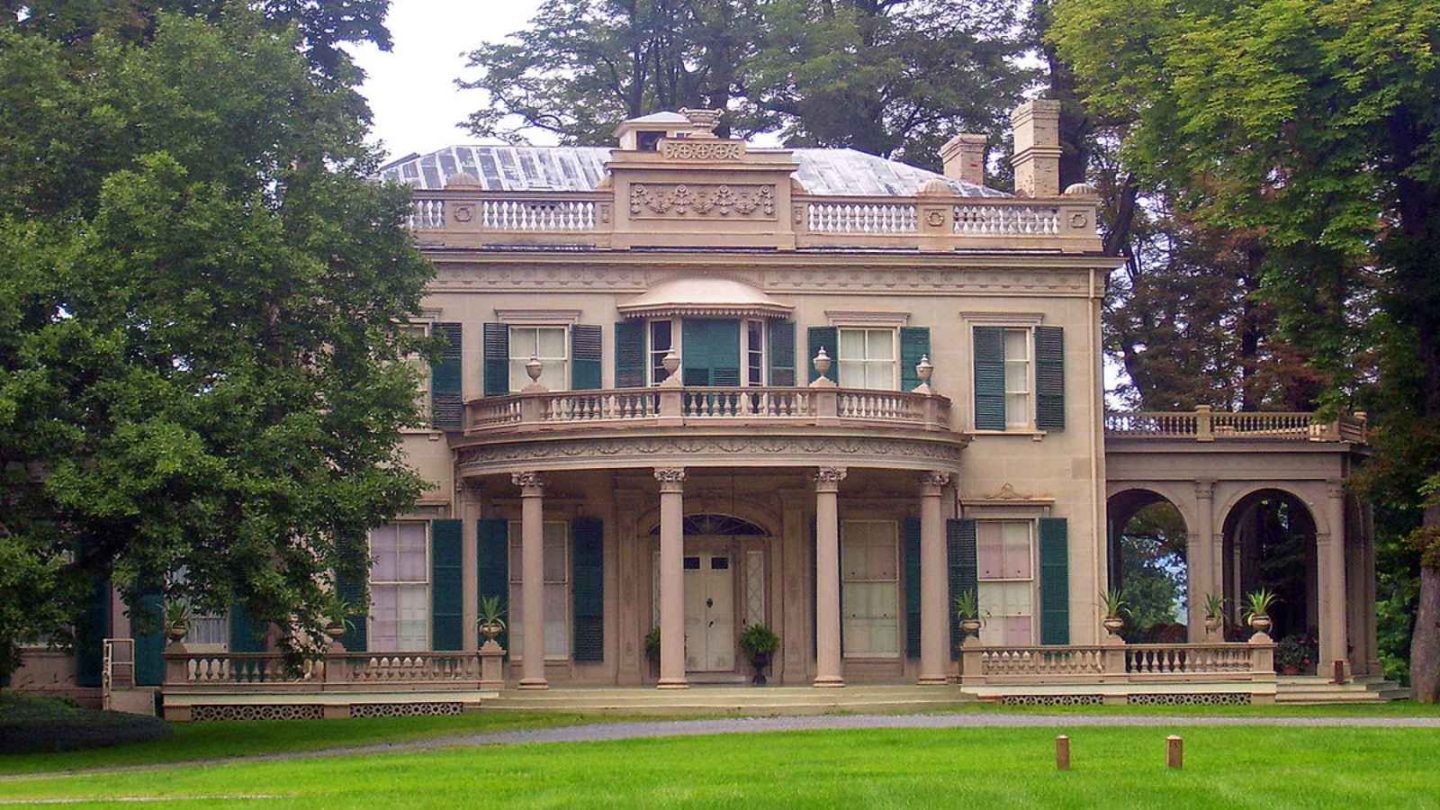
The Rosa Parks Museum, Legacy Museum, and National Memorial for Peace and Justice form a triangle of remembrance. The Equal Justice Initiative’s founder, Bryan Stevenson, calls this work “a moral reckoning with our history.” These sites focus on lynching, racial terror, and mass incarceration. You’ll see soil from lynching sites, names of victims, and courtroom footage. It’s heavy, yes, but it offers clarity that textbooks never provided. Walk through Court Square and feel the echoes of protest.
New Orleans, Louisiana

Congo Square is more than a patch of grass. It’s where enslaved Africans gathered on Sundays to play drums, sell goods, and speak freely. That joy grew into jazz. The Backstreet Cultural Museum preserves traditions such as Mardi Gras Indians and second-line parades. Eat at Dooky Chase’s, where civil rights leaders once met. Culture and resistance live side by side here, and you feel it in every bite and beat.
Boston African American National Historic Site
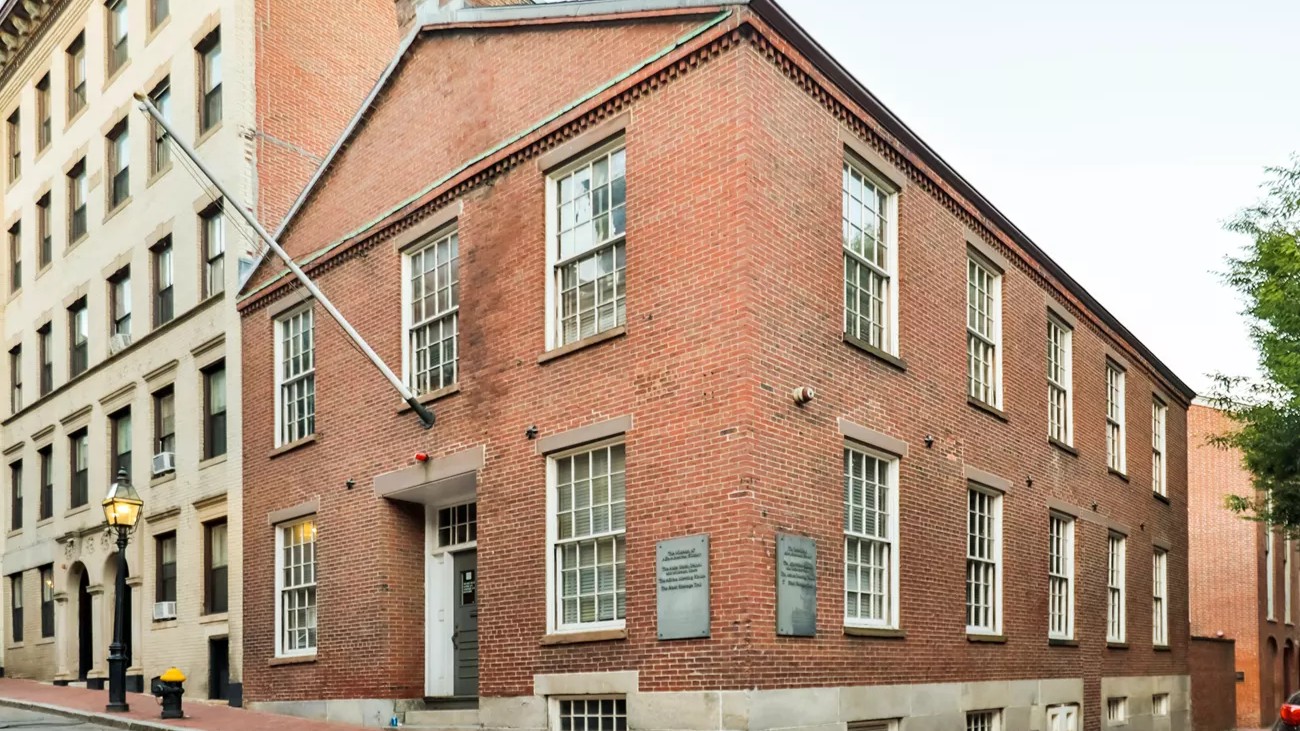
Walk the Black Heritage Trail in Beacon Hill. This area was once a thriving free Black community in the 1800s, where leaders like Frederick Douglass once spoke. The 1806 African Meeting House still stands tall, holding records of protest, resilience, and deep community roots. Park rangers and historians offer insight-rich tours that make the past feel near. It’s like standing inside a live textbook, except the stories breathe.
Harlem, New York City
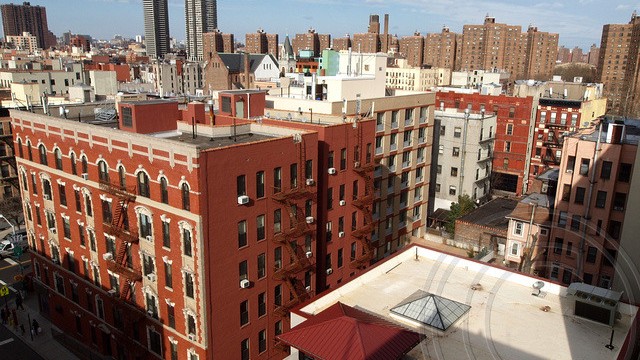
The heartbeat of the Harlem Renaissance still hums through this neighborhood. Visit the Schomburg Center for Research in Black Culture, a part of the New York Public Library system, housing over 11 million artifacts. From Langston Hughes’ ashes buried under the floor to public exhibits on Black visual art, Harlem holds memory and momentum. Catch a show at the Apollo Theater, where Ella Fitzgerald, James Brown, and Lauryn Hill got their start. The street art and food alone are worth the trip.
Washington, D.C.
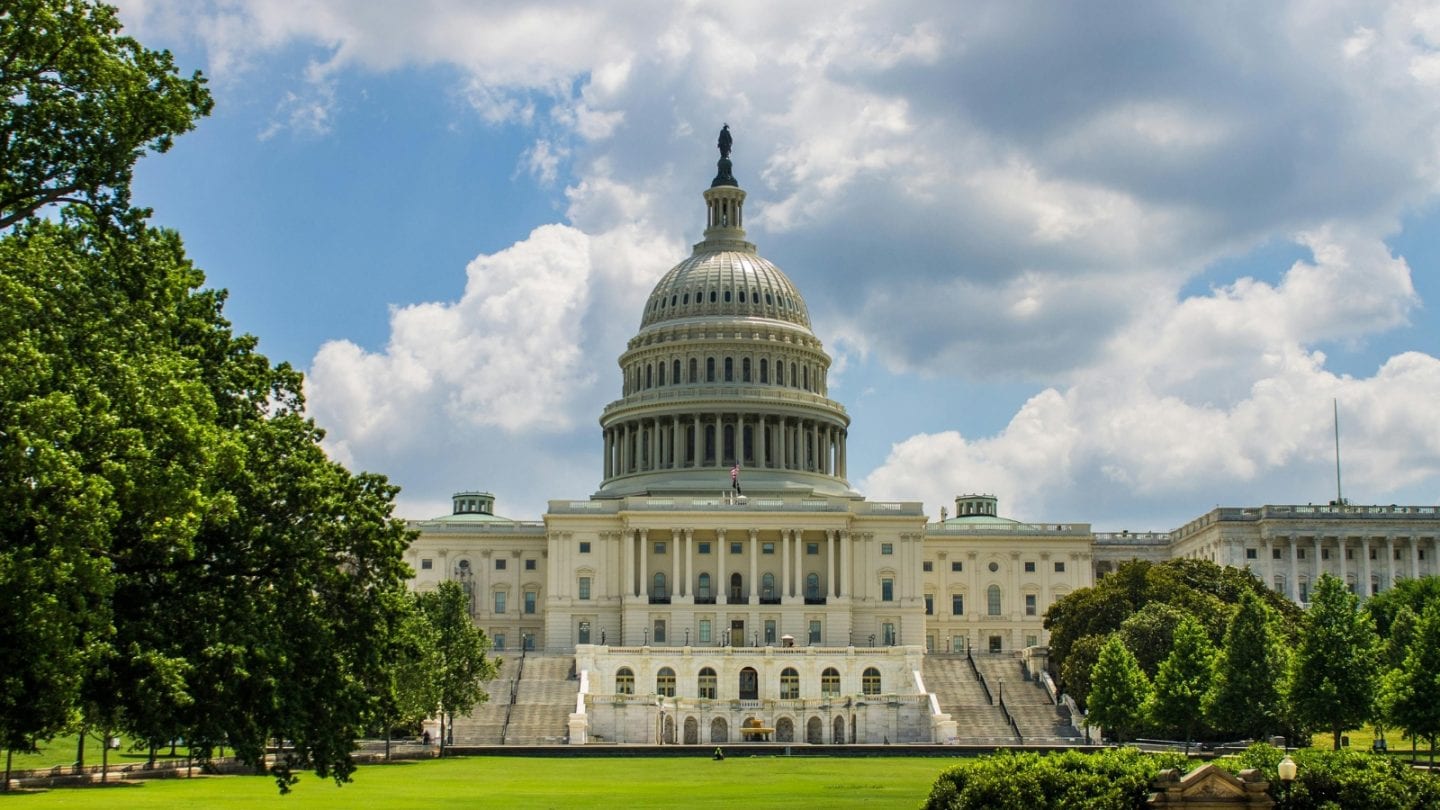
The National Museum of African American History and Culture is a full-day experience. It spans centuries from the Middle Passage and plantations to Barack Obama’s presidency and beyond. Don’t miss Emmett Till’s memorial room or Chuck Berry’s red Cadillac. According to the Smithsonian, the museum has averaged over a million visitors annually since opening. Nearby, you’ll find Black Lives Matter Plaza, Howard University, and several historically Black churches that played a significant role in shaping major civil rights movements.
Charleston, South Carolina

Charleston was a primary port during the transatlantic slave trade, with nearly half of enslaved Africans entering America through its docks. At the Old Slave Mart Museum, you’re standing where real auctions took place. The museum uses receipts, oral history, and building artifacts to tell an unfiltered story. Boone Hall Plantation, while known for its oak-lined path, now includes a display that humanizes the enslaved. Guided tours give context, not just aesthetics.
Birmingham, Alabama

This city played a front-row role in the Civil Rights Movement. The Birmingham Civil Rights Institute sits across from the 16th Street Baptist Church, where four Black girls were killed in a 1963 bombing. Interactive exhibits place you inside the sit-ins and marches. Researchers from the University of Alabama point out that over 3,000 children were jailed during the Children’s Crusade. You feel the weight and the courage of what it took to demand justice.
Atlanta, Georgia
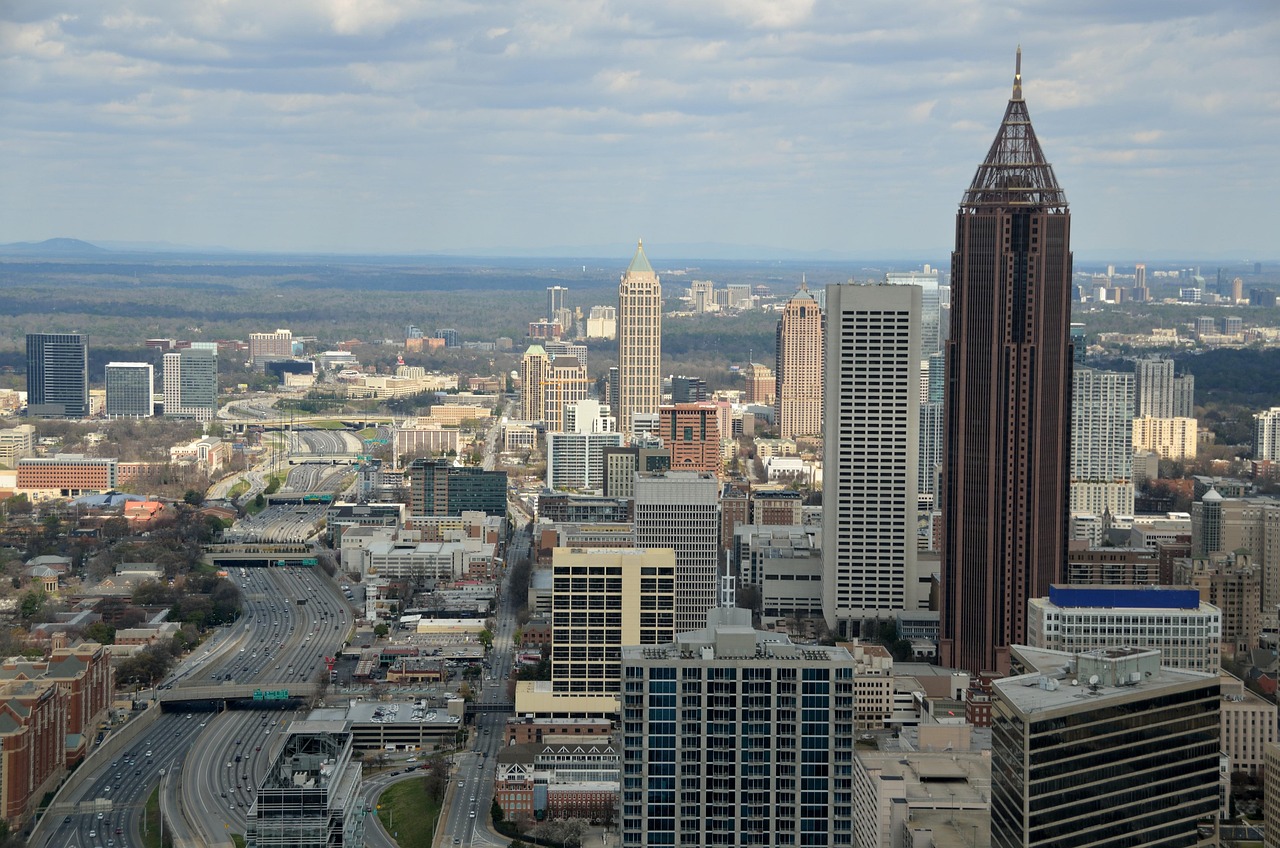
Atlanta combines Black history with Black future. It’s the birthplace of Martin Luther King Jr., with his childhood home and Ebenezer Baptist Church open to visitors. Visit the APEX Museum, the Sweet Auburn Historic District, and the new National Center for Civil and Human Rights. HBCUs, such as Spelman and Morehouse, continue to shape culture, politics, and business today.
Natchez, Mississippi

The antebellum homes here come with unvarnished stories. Guided tours at places like Concord Quarters and the Natchez Museum of African American History explore how enslaved Africans powered the economy and resisted. You’ll hear names, see tools, and meet descendants of the enslaved and enslavers alike. The truth doesn’t hide here. It walks beside you.
Tuskegee, Alabama
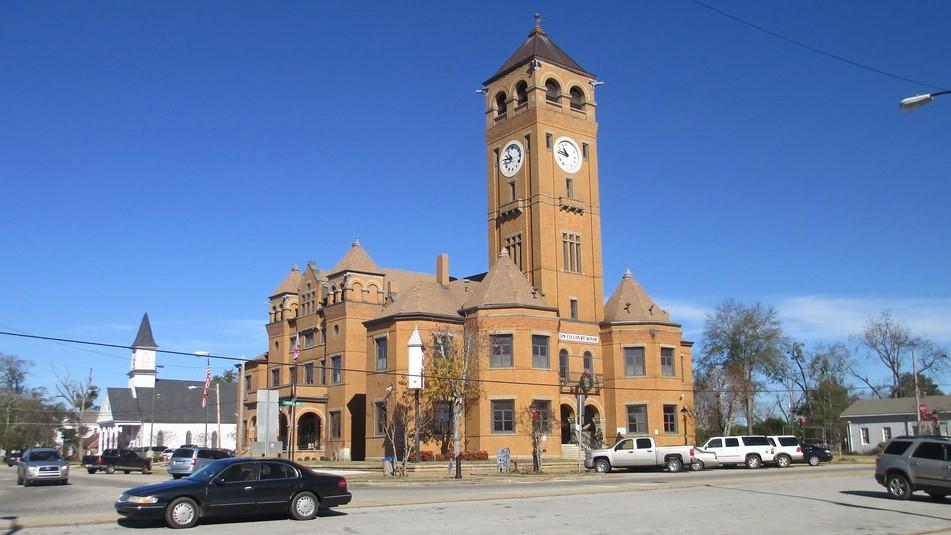
This small town changed the face of military history. At Moton Field, the Tuskegee Airmen trained during WWII, shattering stereotypes in the process. The Airmen lost significantly fewer bombers to enemy aircraft than the average of the other groups. Inside the hangars, you’ll find old aircraft, uniforms, and interviews. Students from nearby Tuskegee University keep the spirit alive, leading tours and restoring artifacts.
Mobile, Alabama (Africatown)

Africatown was established by survivors of the Clotilda, the last slave ship to reach the United States in 1860. The discovery of the ship’s remains in 2019 sparked national attention. Today, the Africatown Heritage House tells its story through photos, letters, and DNA mapping. Locals still trace their lineage back to that ship. It’s a story of survival that’s still unfolding.
Galveston, Texas

Galveston is where Union troops announced emancipation on June 19, 1865, now celebrated as Juneteenth. The city’s Juneteenth Legacy Project added a public art installation and museum downtown. Over 40% of Galveston’s enslaved population never heard of the Emancipation Proclamation until that day.
Disclaimer: This list is solely the author’s opinion based on research and publicly available information.
Read More:

- Ultimate Guide To Picking The Best Travel Credit Card
- The 5 Best Budget Airlines in the United States
- 15 Best Countrıes to Vısıt in Afrıca