11 Countries Where Conflict Has Changed the Tourism Landscape
Travel opens doors to new experiences, but sometimes, world events slam those doors shut without warning. Wars, political shifts, and social unrest can transform entire countries almost overnight. For travelers, these changes are more than headlines. They influence where you can safely go, what you can see, and how you experience a destination.
Some countries that once welcomed tourists with open arms now face serious challenges. Others are slowly rebuilding, offering glimpses of hope while carrying the weight of recent conflict. Let’s take a look at places where turmoil has redrawn the travel map.
Syria
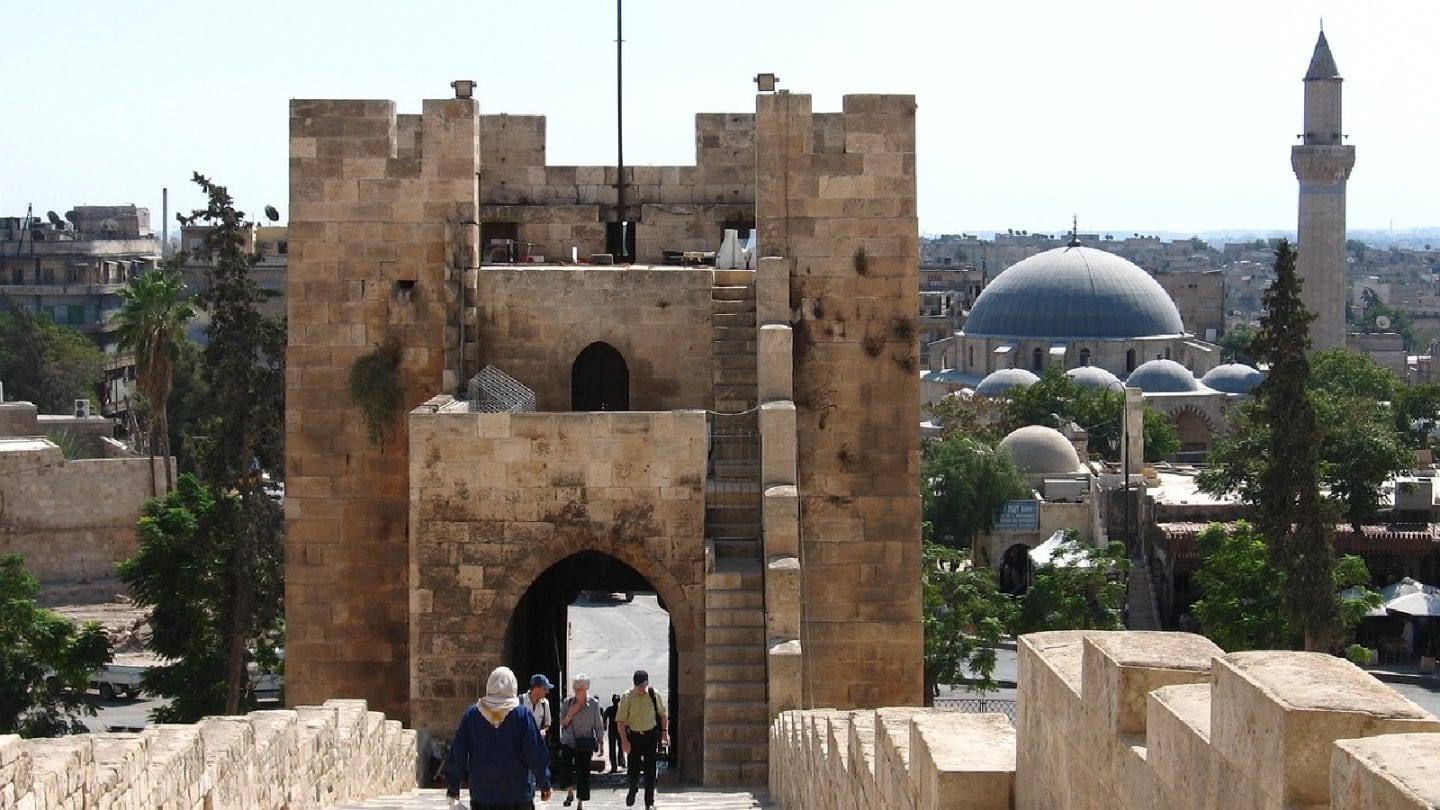
Syria was once a dream destination for history lovers. Ancient cities like Aleppo and Palmyra showcased centuries of culture. War changed that story. Ongoing conflict since 2011 left much of the country in ruins. Tourists vanished. Many ancient sites were damaged or destroyed. Today, safety remains a major concern.
Ukraine
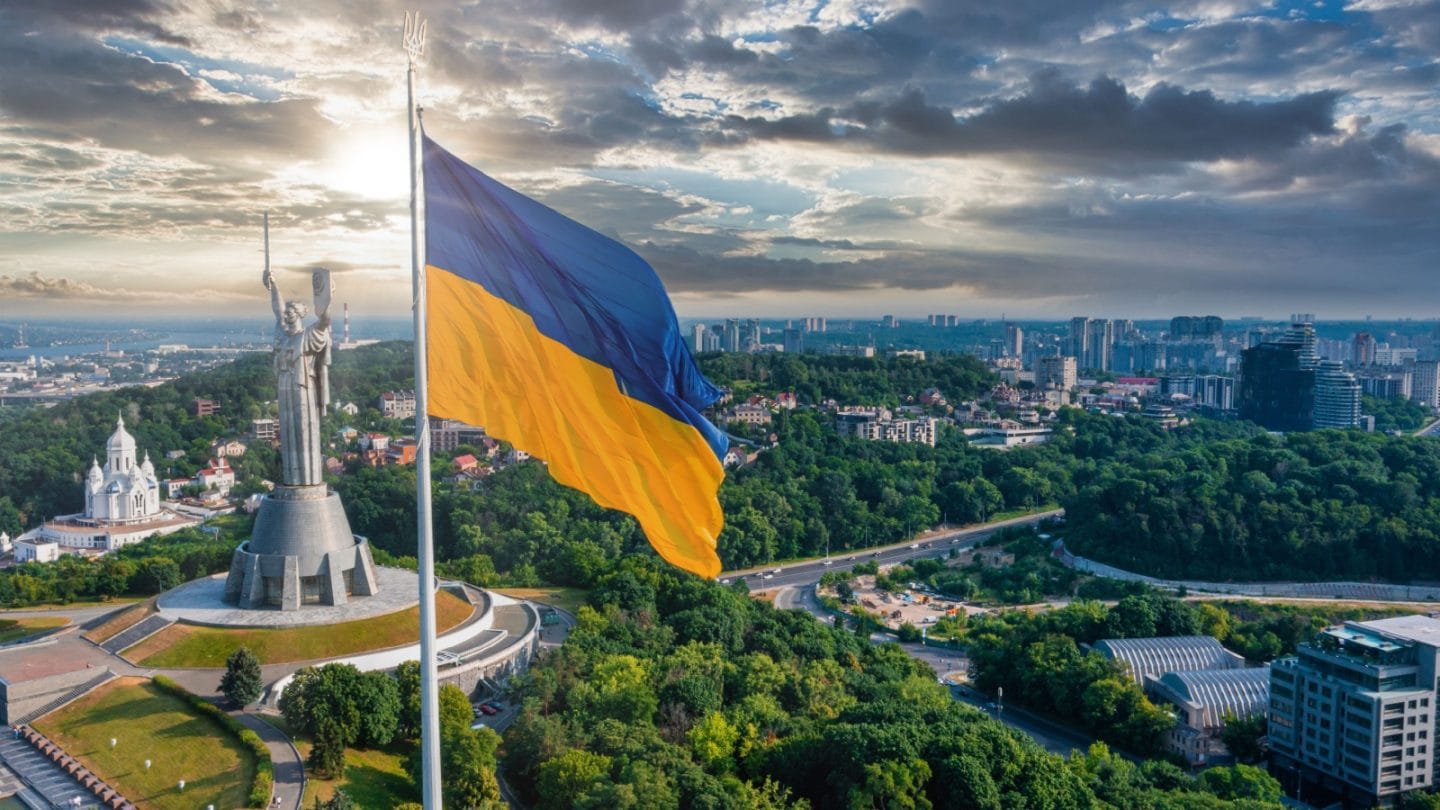
Ukraine has been rising as a destination, thanks to its mix of history, vibrant cities, and beautiful countryside. The 2022 Russian invasion flipped everything upside down. Airspace remains closed, and much of the east and south are active war zones. Lviv and parts of western Ukraine remain relatively safer but still operate under constant threat. Tourism has taken a back seat as the nation focuses on survival and rebuilding.
Afghanistan
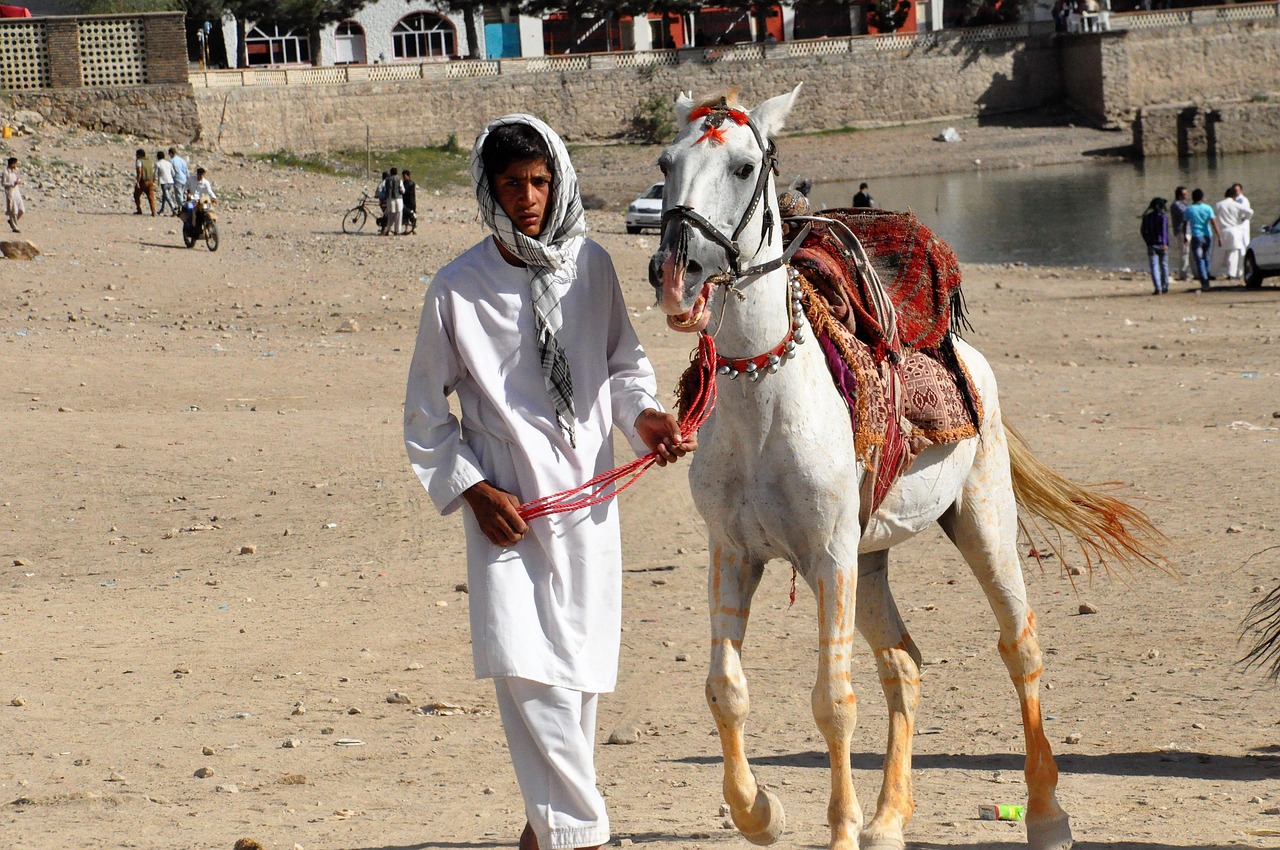
Afghanistan’s towering mountains and ancient sites once drew adventurous travelers. Decades of war pushed it far off most travel lists. The return of Taliban control in 2021 raised even more safety concerns. Most governments advise against visiting. Limited tourism still exists, typically involving highly experienced guides who are well-versed in the local risks, but it’s far from a mainstream destination now.
Libya
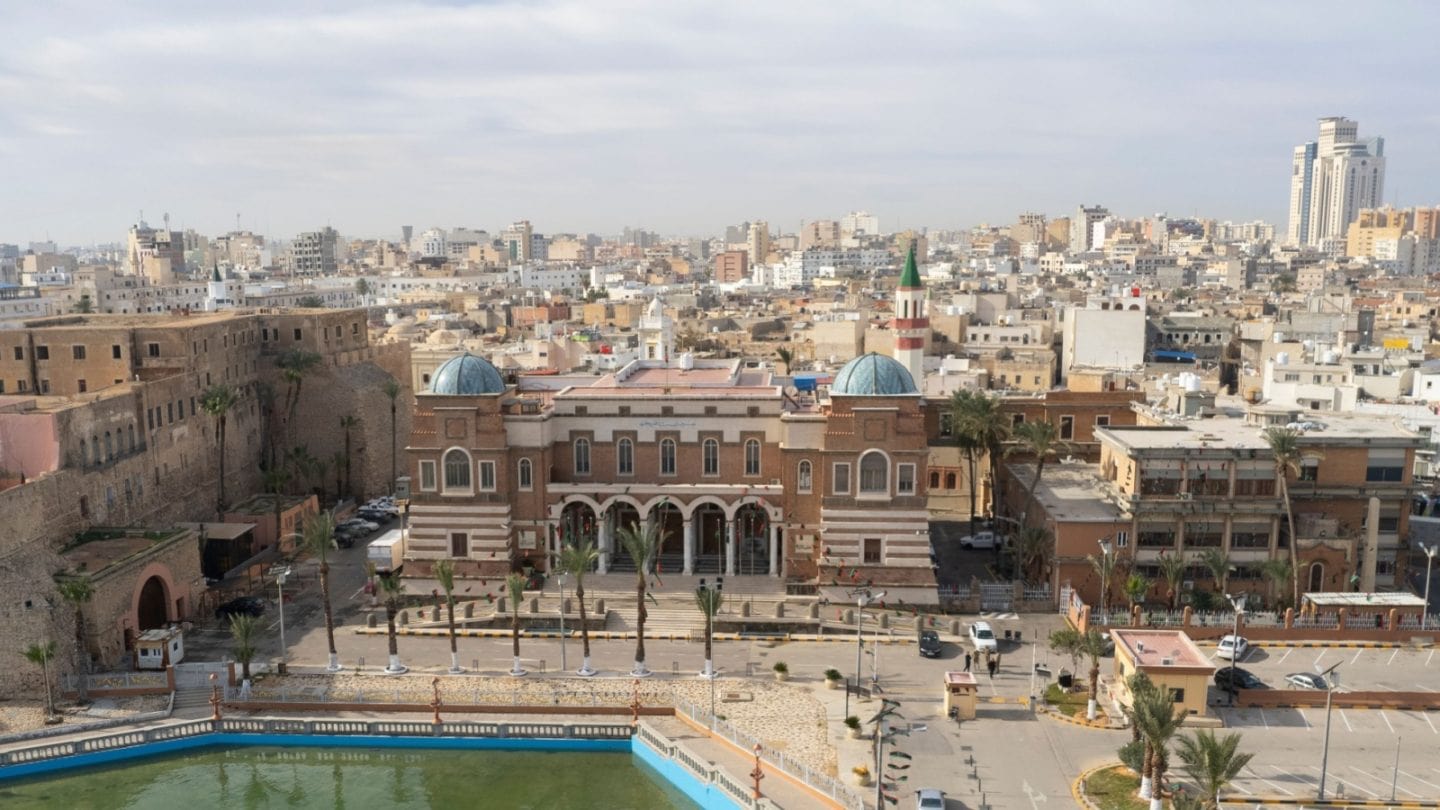
Libya boasts incredible Roman ruins and beautiful Mediterranean beaches. Political instability and ongoing violence since 2011 keep most visitors away. Tripoli and a few other areas have seen brief periods of calm, but frequent flare-ups make planning a trip very risky. Tour operators largely pulled out, and the country remains difficult for casual tourists to enter.
Yemen
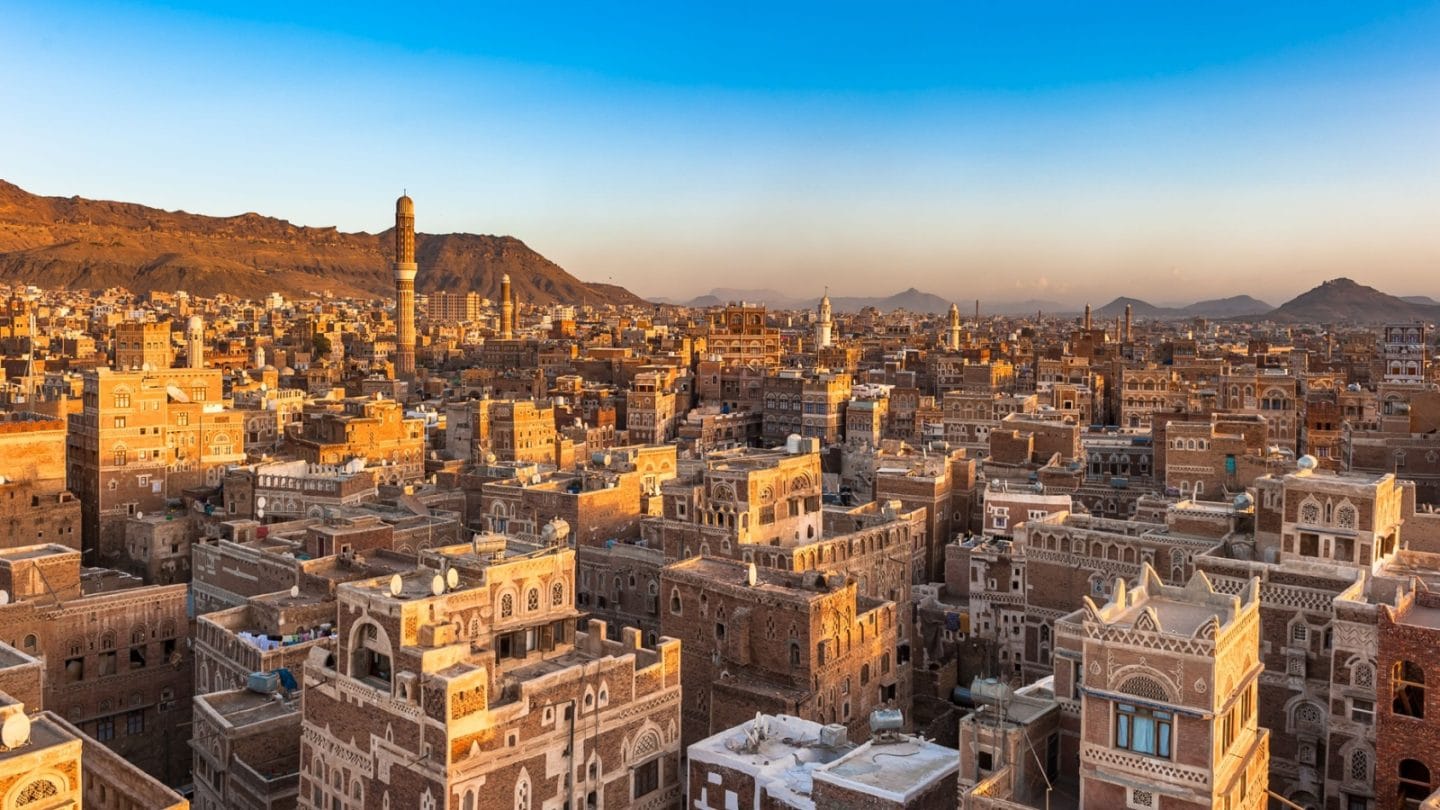
Yemen’s historic cities, like Sana’a with its towering mud-brick buildings, once fascinated visitors. Years of civil war and foreign intervention turned much of the country into a humanitarian disaster zone. Violence, famine, and disease outbreaks make travel here extremely dangerous. Only a handful of aid workers and journalists are now entering Yemen, and tourism has come to a near standstill.
Iraq

Iraq is home to some of the world’s oldest historical sites. Babylon, Ur, and parts of ancient Mesopotamia sit within its borders. War, terrorism, and instability have scared away most tourists for years. Recently, parts of Iraqi Kurdistan opened up, offering relatively safer travel opportunities. Erbil and Sulaymaniyah attract a trickle of adventurous visitors, but the rest of the country remains unpredictable.
Sudan
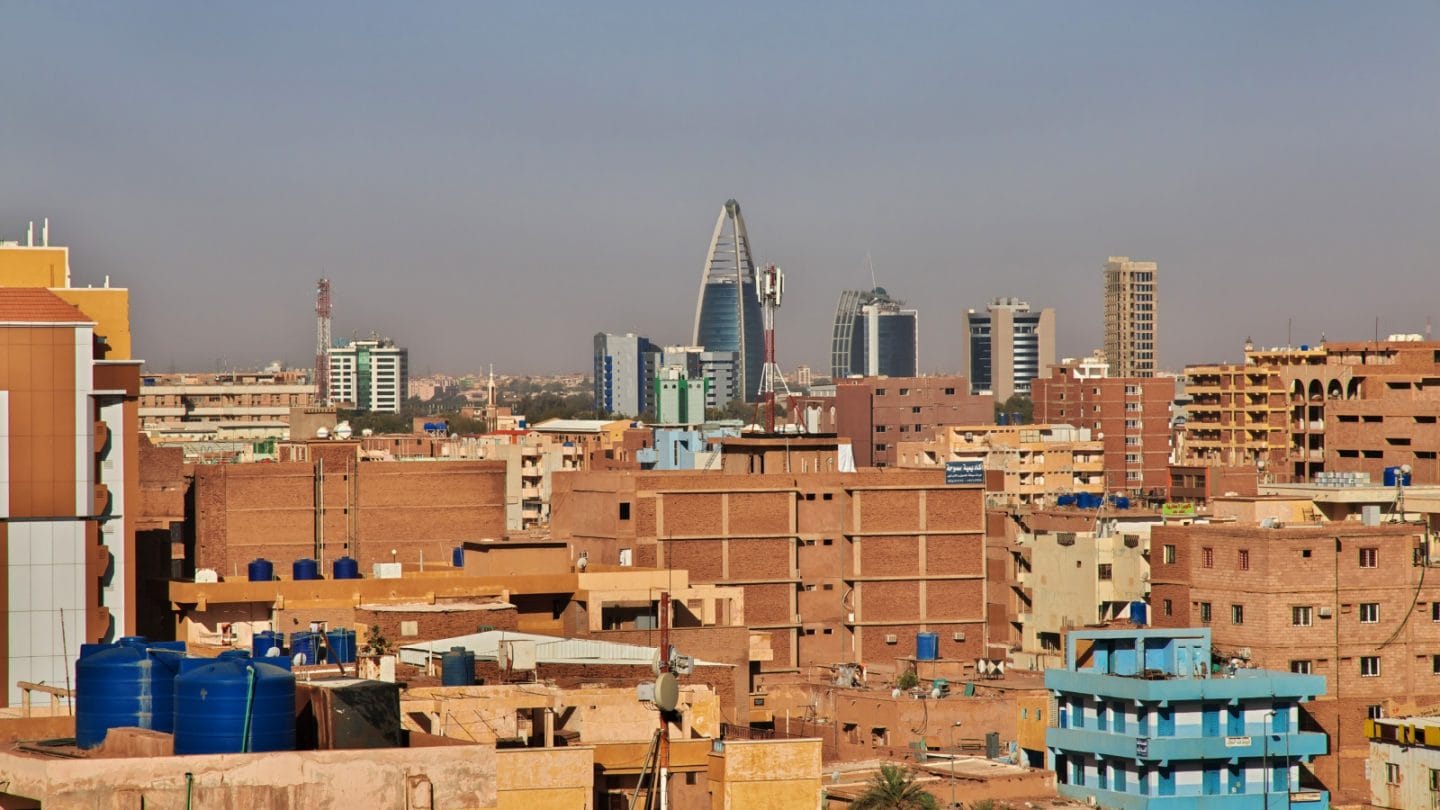
Sudan holds the world’s largest collection of pyramids, outnumbering even Egypt. Yet decades of conflict, a brutal civil war, and ongoing violence make it one of the most dangerous places to visit. Recent fighting between rival military factions has exacerbated the situation.
Mali

Mali was famous for Timbuktu, music festivals, and desert adventures. Islamist insurgencies, kidnappings, and armed conflicts have driven tourists away. The government struggles to maintain control outside major cities. Even Bamako, the capital, is not entirely safe. Most travel advisories strongly warn against visiting.
Somalia
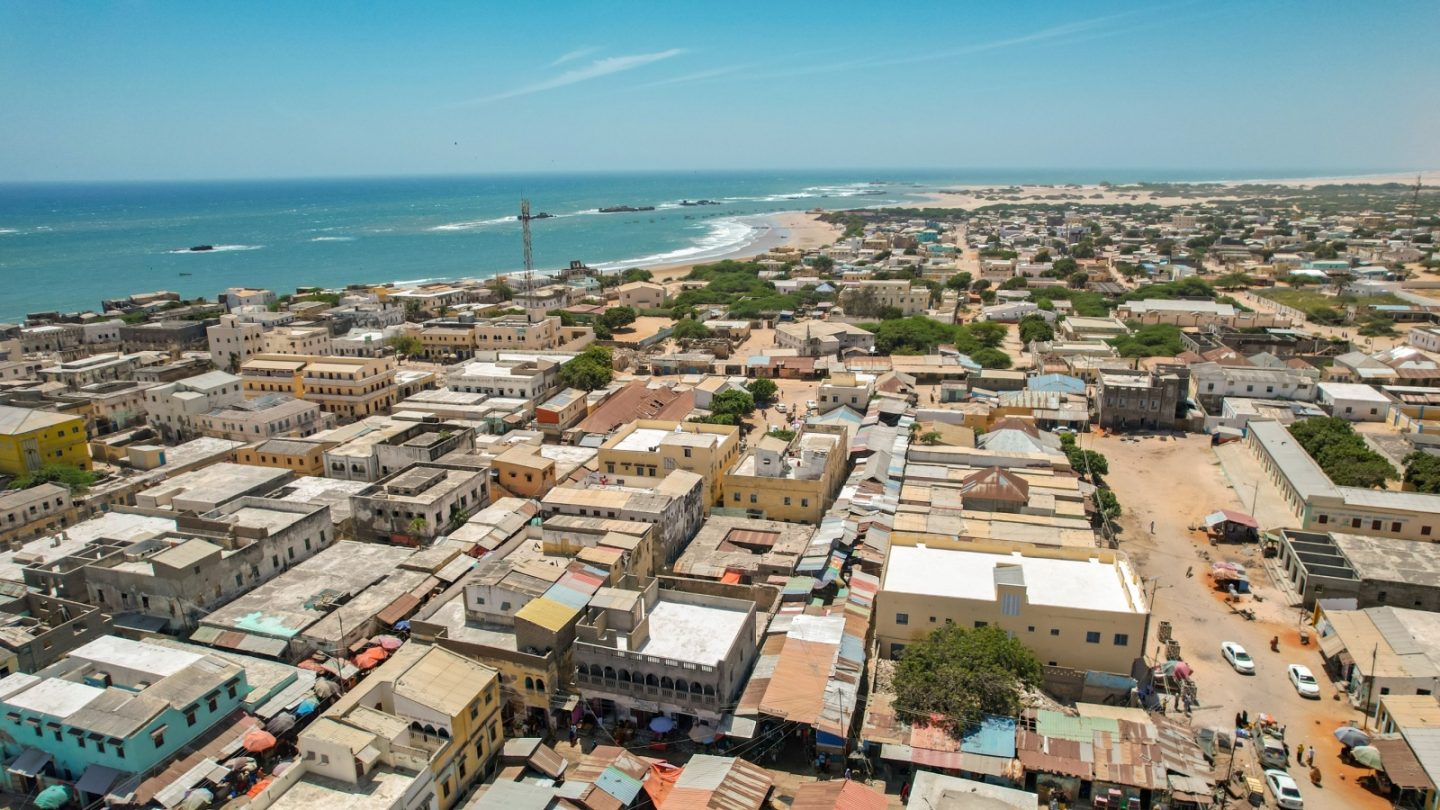
Somalia’s beaches and coral reefs could rival any tropical paradise. Clan warfare, piracy, and terrorism have overshadowed that potential for decades. The capital, Mogadishu, remains highly dangerous, although small pockets, such as Somaliland, operate more peacefully. Still, widespread instability makes Somalia one of the world’s most hazardous destinations for travelers.
Myanmar

Myanmar experienced a tourism boom after opening up in the 2010s. Bagan’s temples and Inle Lake’s floating gardens drew crowds. A 2021 military coup reversed that progress. Violent crackdowns, civil unrest, and international sanctions crushed the tourism industry. While some tour companies still operate under heavy restrictions, many travelers avoid the country altogether due to safety and ethical concerns.
Ethiopia

Ethiopia has long attracted visitors with its ancient churches, unique cultures, and stunning highlands. The Tigray conflict, which began in 2020, disrupted that appeal. Although a fragile peace agreement exists, tensions remain high. Some regions have reopened to tourists, but safety standards vary widely.
Disclaimer: This list is solely the author’s opinion based on research and publicly available information.
Read More:

- Ultimate Guide To Picking The Best Travel Credit Card
- The 5 Best Budget Airlines in the United States
- 15 Best Countrıes to Vısıt in Afrıca
Disclaimer: This list is solely the author’s opinion based on research and publicly available information.