
15 Incredibly Rare Mammals You’ve Probably Never Seen and Where to Find Them
Have you wondered about the amazing mammals that are not as famous but are living and thriving away from the public eye? The IUCN estimates that there are 6,000 different mammal species living on Earth, and despite their number, spotting many of them in the wild is considered exceptional.
Such creatures, which are surrounded by mystery and amazement, are just as fascinating as they are hard to find. To illustrate, the Ili Pika, living on China’s cliffs, and the Saola, hidden in Southeast Asian forests, are excellent examples. They are both rare and border on being almost unheard of. If you plan to adventure, fill your snack bags, charge your camera, and have the time of your life.
Explore these 15 fascinating mammals worldwide, and realize where and how you can find them in their natural habitats, anywhere from China to Southeast Asia. Don’t miss Slide 17 — that’s where we break it all down with the key insights you’ll want to remember.
Saola

Scientists have seen the saola, also known as the Asian unicorn, very rarely, with only a few sightings since its discovery in 1992. Living in the dense forests along the Laos-Vietnam border, the saola is in severe danger from habitat loss and poaching.
This animal has lovely, long horns and distinctive white markings, making it appear almost like a creature from a legend. Fun fact? The name of this wildlife goes further than poetry—experts have learned locals hoped each spot would lead to good things.
Travelers need to travel to the remote Annamite Mountains to see this mysterious animal. Though conservationists haven’t managed to photograph one in years.
Pink Fairy Armadillo
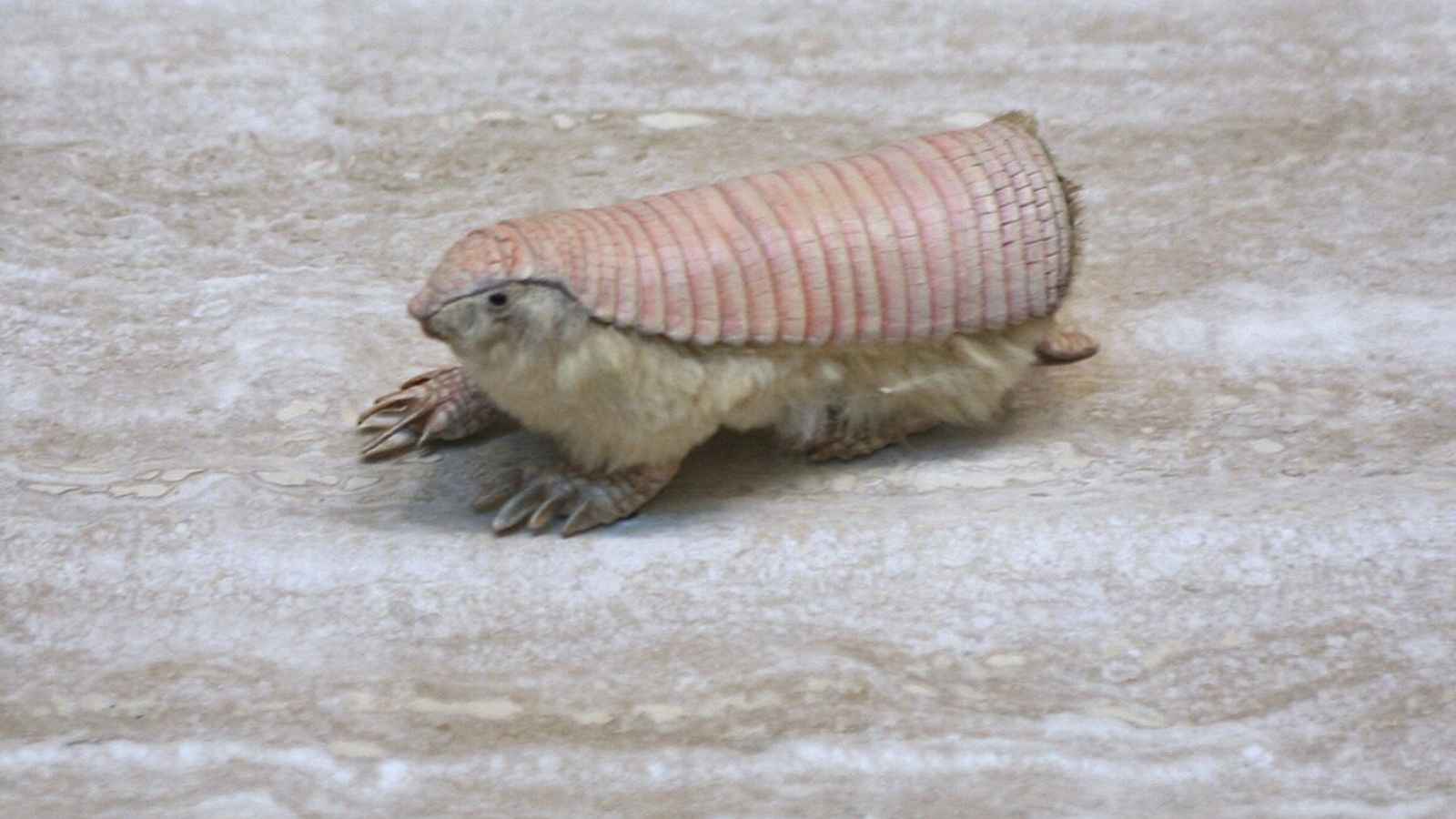
Being the size of a large cotton ball and with armadillo-like shells, the pink fairy armadillo looks adorable and hard to find. This tiny mammal originates from the dry prairies of Argentina and prefers to remain underground, making it difficult to find.
The pink armor acts as a regulator of heat in jellyfish. Although the species is near-threatened, its principal threats stem from habitat loss and predation by dogs. It is uncommon to see one in the wild, but being involved with researchers and visiting reserves can help you spot one.
Vaquita

According to the National Oceanic and Atmospheric Administration, the vaquita is the world’s most endangered marine mammal, with fewer than 20 remaining in the wild. Harbor porpoises, characterized by their chunky faces and distinctive black markings above their eyes, are only found in Mexico’s Gulf of California.
Vaquitas are in danger of going extinct because of illegal nets used to fish for shrimp and totoaba. Supporting Mexico’s eco-tour initiatives will likely allow you to see these marine animals.
Aye-Aye

Many people find the aye-aye creepy because of its big eyes, bat ears, and gray fur, but that makes it interesting. National Geographic notes that this nocturnal lemur is only found on the island of Madagascar and is famous for its freakishly long middle finger, which it uses to tap on tree bark searching for insects.
Even though it is endangered, some people in the area believe that the aye-aye brings bad fortune, leading to its being killed on sight. You can see the lemurs at night by visiting the island’s protected places, including Andasibe-Mantadia National Park.

Quokka

Due to its unstoppable smile, the quokka is known as the “world’s happiest animal” and can be found on several Australian islands, most notably Rottnest Island.
As big as a house cat, they are very friendly, easy to take pictures of, and strangely interested in humans. Due to conservation efforts, its chances of survival have significantly improved, despite its living space being destroyed and new species entering its habitats.
If you visit Rottnest, be sure to have your phone ready for some photos with the fun quokkas (but don’t share food with them).
Gerenuk

A gerenuk looks much like a gazelle, except with a giraffe-like neck. This antelope, characterized by its large eyes and long neck, is found in the dry lands of East Africa, specifically in Kenya and Ethiopia. Giraffes can stretch and eat leaves that other grazing animals cannot, making their grace all the more amazing.
Luckily, gerenuk are not yet endangered, making it possible to see these rare creatures up close on some safaris in Samburu National Reserve.
Ili Pika

People often describe the Ili Pika as the cutest animal there is, but you’ll be lucky ever to see a photo of one. Discovered in 1983 in China’s Tianshan Mountains, the animal resembles a stuffed animal, with soft ears, a wiggling nose, and a coat so smooth it could inspire the production of blankets.
Measuring just 8 inches long, the Ili Pika is a master of hide-and-seek in the wild, preferring steep, remote cliffs that are inaccessible unless you’re a mountain goat or very committed. So, it is less frequent than finding a good connection at national parks.
Fossa

According to a National Geographic report, the fossa is Madagascar’s top predator. It can weigh up to 26 pounds and looks like an intriguing blend of cat, dog, and mongoose. It is agile and intelligent, and spends its life in the canopy, and goes after lemurs.
Even if the fossa is not on the brink of extinction, its habitat is quickly destroyed due to deforestation. Finding lemurs in the wild is difficult, but your chances are excellent in Kirindy Forest in Madagascar.
Indian Pangolin
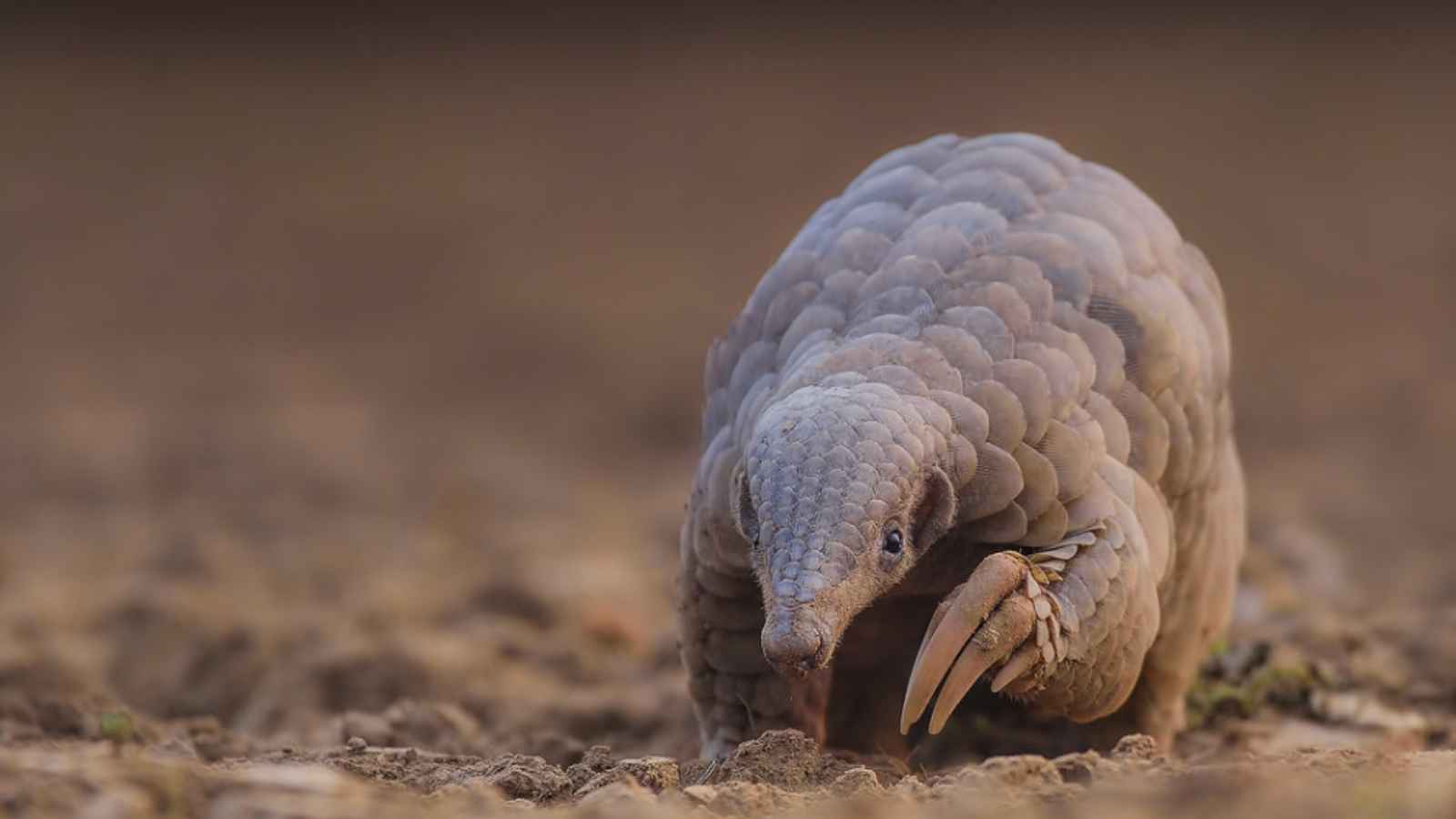
Looking like it’s wearing scale armor, the Indian pangolin appears to be the cuddliest knight in the animal world. It is common in South Asia, and when it senses danger, the shy animal folds its body into a ball. Pangolins are also renowned for their sticky tongues, which can be over a foot long.
BBC Wildlife Magazine notes that they’re critically endangered, as they’re one of the most trafficked animals in the world. Places like Sri Lanka’s Wilpattu National Park are crucial for wildlife survival and offer visitors a unique perspective.
Hirola
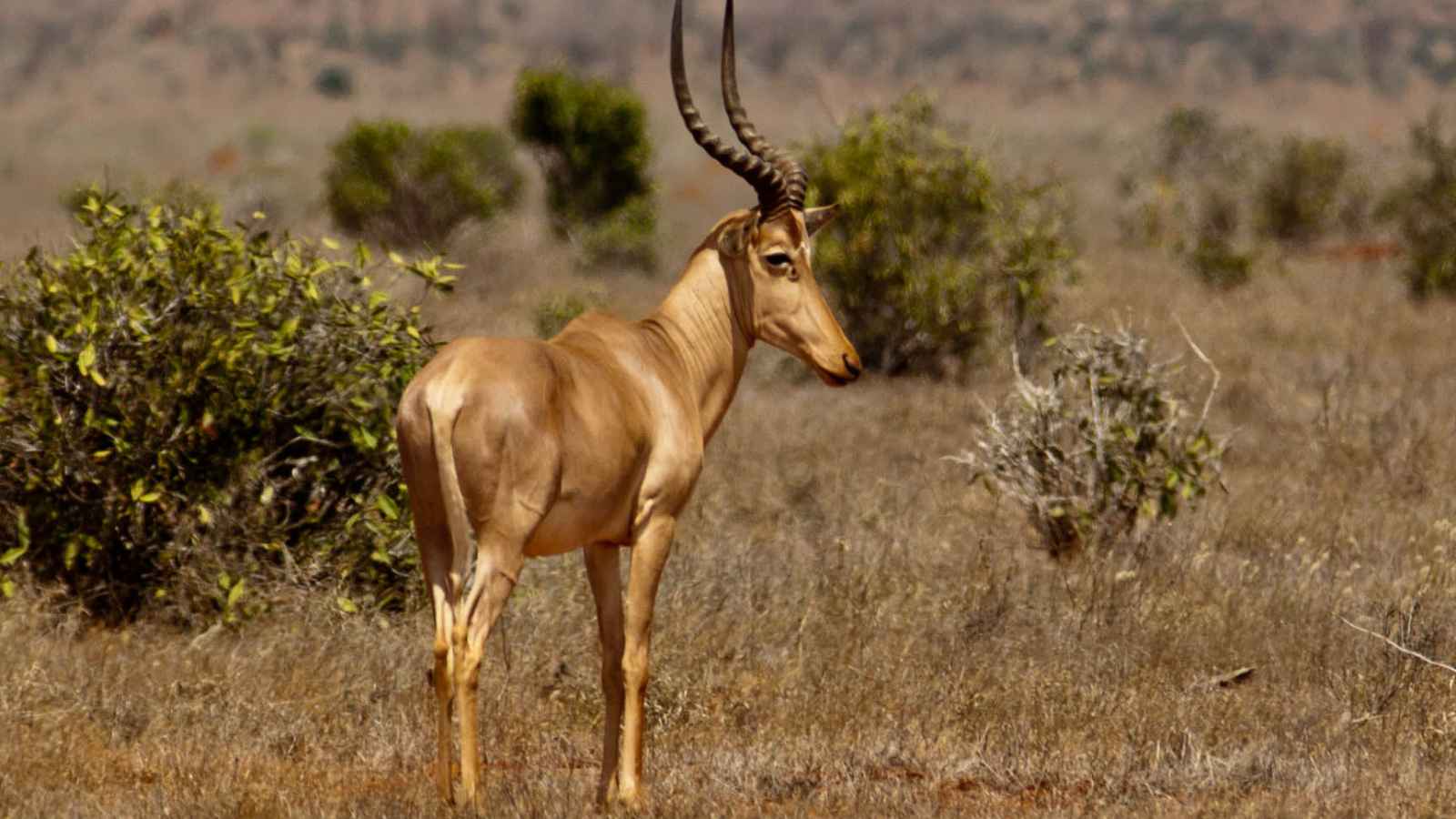
Hirolas are often referred to as the four-eyed antelope because of their preorbital glands that seem like eyes, and there are now fewer than 500 left in Kenya and Somalia. It is critically endangered; few individuals are left in Kenya and Somalia.
The Hirola, which lives in dry grasslands, is well known for being graceful with its long antennae and thin shape. A conservation group called the Hirola Conservation Program is fighting hard to save the Hirola.

Shoebill

Even though the shoebill is a bird, its vast and reptile-like look makes it a contender for any list of big mammals. Known to live in the wetlands of East Africa, across Uganda and Zambia, these birds are over four feet tall and can stay still for hours while hunting fish with their huge beaks.
People often go to the Mabamba Swamp in Uganda to see shoebills.
Snow Leopard

CNN calls the snow leopard the ghost of the mountains. It glides through the chilly peaks of Central Asia with unmatched elegance. Hooded seals have light-colored fur that blends with snow and a long tail, which allows them to maintain balance and stay warm.
Even though they are listed as vulnerable, climate change and poaching are persistent problems. Adventurers can sign up for guided treks in Ladakh, India, to spot this elusive beauty.
Okapi

Okapi is a fantastic animal since it has reddish-brown hindquarters like a zebra and the body of a miniature giraffe.
The International Union for Conservation of Nature and Natural Resources reports that this solitary herbivore, native to the dense tropical rainforests of the Democratic Republic of Congo, is now endangered.
Mining and logging are putting more pressure on the species’ habitat. The Okapi Wildlife Reserve allows tourists to learn about these animals while also helping to protect them.
Bilby

Bilbies have big ears like rabbit ears and a pointed nose, so they look right out of a storybook. Native to Australia’s arid landscapes, this nocturnal marsupial is vital to its ecosystem, enriching the soil by digging holes that increase nutrient availability. They are from the dry parts of Australia.
Due to invasive predators and habitat loss, bilbies are listed as vulnerable, but some can still be seen at places like the Charleville Cosmos Centre.
Golden Snub-Nosed Monkey

The golden snub-nosed monkey stands out by being covered in orange fur, showing a blue face, and hugging its family when the weather is cold. Found in the forests of China’s mountains, these monkeys are threatened by people cutting down trees and breaking up their habitats.
For eco-tourists, Sichuan’s Shennongjia Nature Reserve is a perfect place to see these wonderful bears.
Key Lessons

This list of mammals reflects the remarkable range of life we share with animals since each one is exceptional and has a story to tell. Mammals are rare because they inhabit distant areas, are difficult to observe, and continue to face habitat loss and environmental changes.
The golden snub-nosed monkey on China’s mountains and the aye-aye on Madagascar’s nocturnal trails highlight many parts of the wild that we have not yet explored. By examining where they live, you can visit some fantastic places and form a deeper connection with the environment.
Conservation and biodiversity are essential for the survival of many wild animals. There are so many amazing things out there, and you could be the one to see them for yourself!
Disclaimer – This list is solely the author’s opinion based on research and publicly available information. It is not intended to be professional advice.
Read More:

- 10 Extreme Measures People Took To Travel on the Cheap
- Do You Need A Passport To Go on A Cruise
- 15 Best Countrıes to Vısıt in Afrıca


