15 Reasons Why Canada Is the Most Unpredictable Destination
Canada might look like a calm, cold giant on the map, but dig a little deeper and you’ll discover a country full of curveballs. This article highlights the many surprises that make Canada one of the most unpredictable places to visit.
You’ll explore stories of shifting weather, bilingual towns, desert sand, and even a spot where gravity plays tricks. Prepare to challenge everything you thought you knew about the Great White North.
Bilingualism That Switches Mid-Sentence

In cities like Montreal, you might hear a barista greet you in French, take your order in English, and thank you in both. This fluid bilingualism isn’t forced it’s part of the cultural rhythm. Locals switch between languages so naturally that it often catches newcomers off guard. For travelers, it can feel like you’re in two places at once.
Sudden Snowstorms in Summer

You could be hiking under sunny skies in Alberta and hours later find yourself in a full-blown snowstorm. The Canadian Rockies are notorious for unpredictable temperature swings that can bring snow even in July. Locals say to pack layers no matter the season. You’ll thank them once you’re sipping hot chocolate during what was supposed to be a summer trail walk.
Gravity Feels Optional in Magnetic Hill

In Moncton, New Brunswick, drivers stop at the base of Magnetic hill, shift into neutral, and watch their car roll uphill. It’s not magic, though it sure feels like it. The illusion is created by a perfect alignment of horizon, trees, and slope that tricks your senses. It’s the kind of experience that makes you question your GPS and your grip on physics.
Desert in the North

Tucked in British Columbia’s Okanagan Valley is a place with less rainfall than parts of the Sahara. The town of Osoyoos claims the title of Canada’s only desert, complete with rattlesnakes and rare plants. It’s a stark contrast to the snow-covered peaks just hours away. Visitors often arrive in ski gear and leave in sandals.
Moose Jams on the Highway
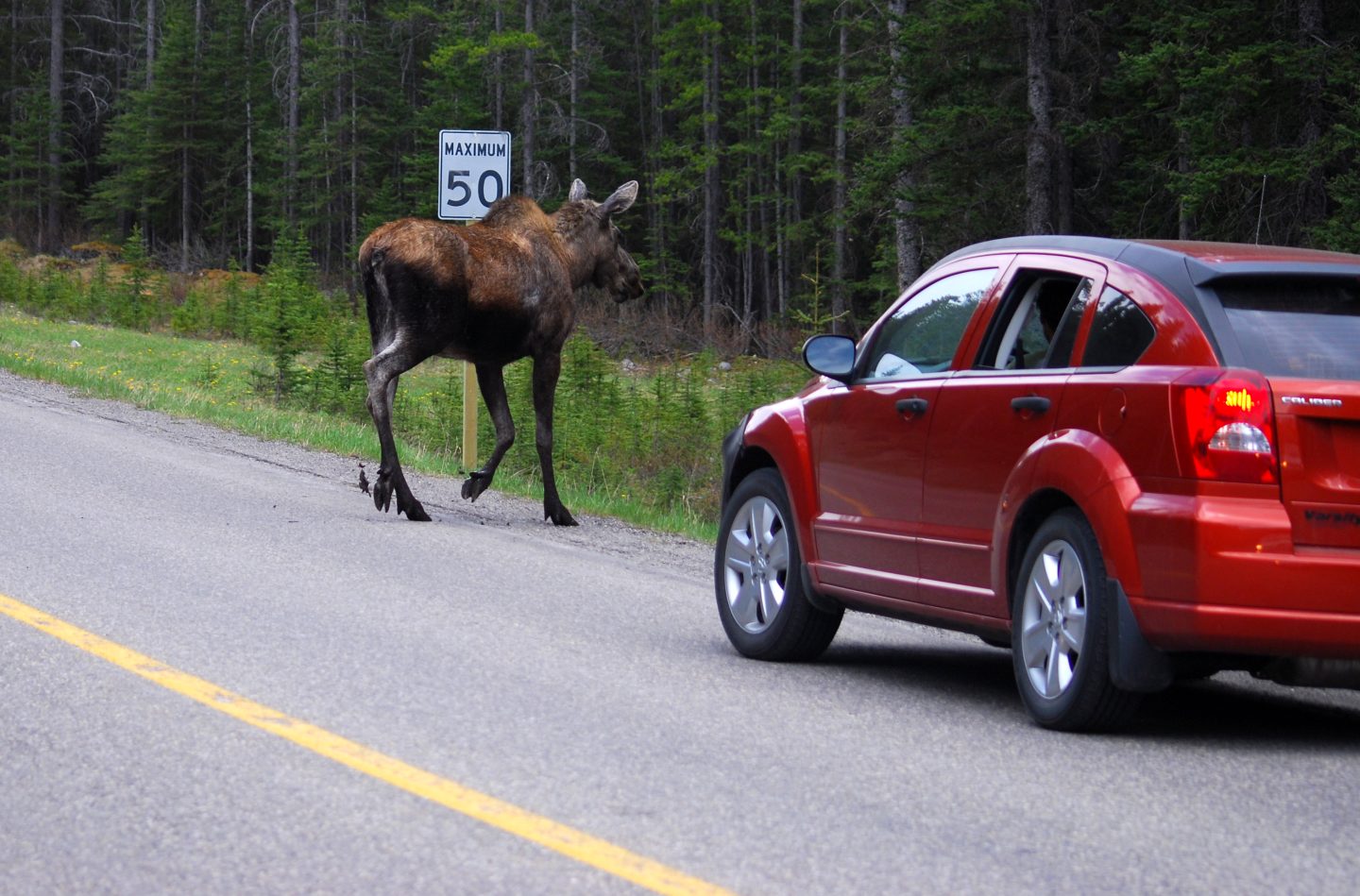
Traffic reports in Canada don’t just mention rush hour or construction. In more rural parts, moose jams are a genuine concern. These towering animals often wander into roadways and stop cars for miles. It’s surreal, watching commuters pause to wait for a creature that can weigh over 1,000 pounds.
Icebergs as Common Sightings
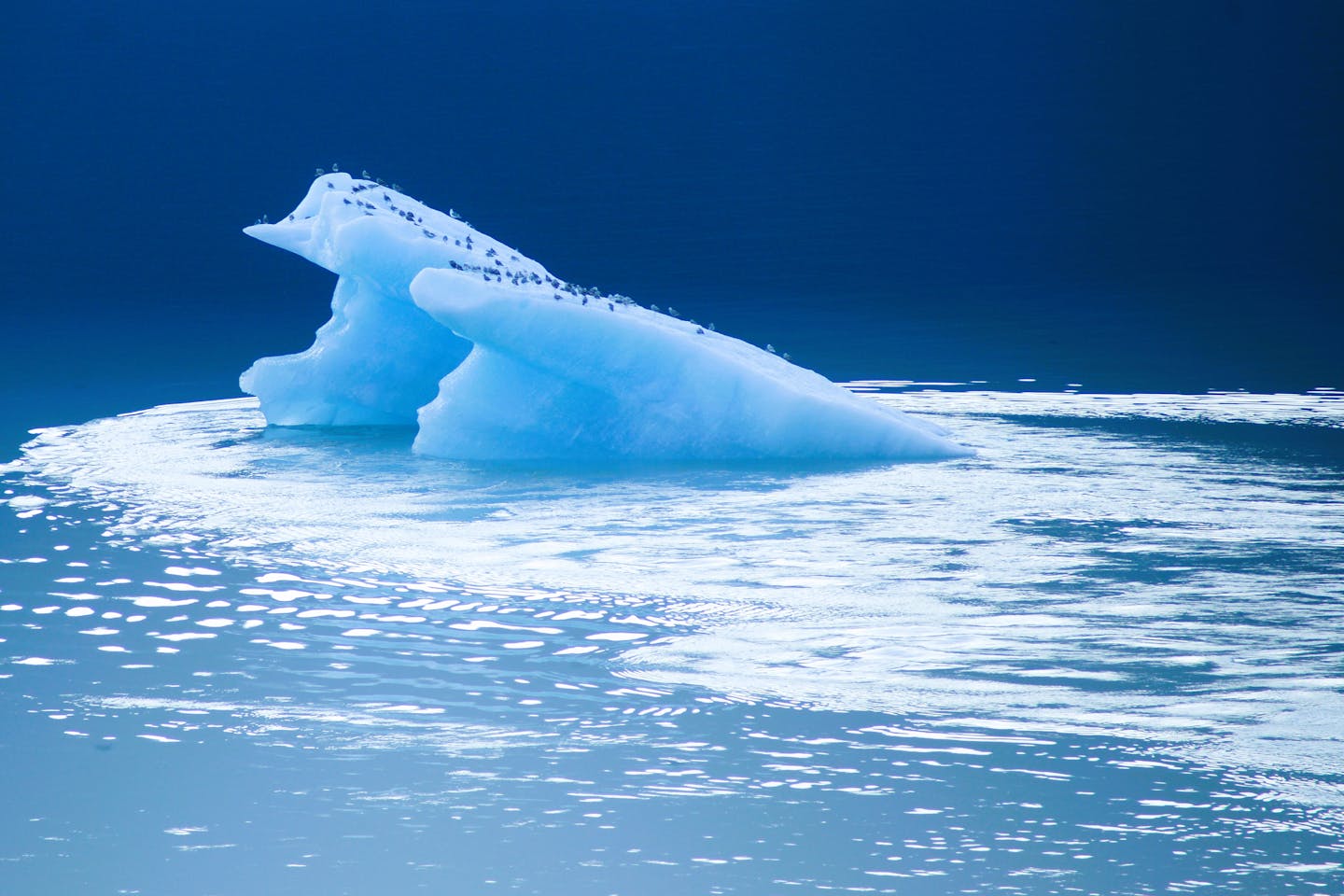
Iceberg spotting is part of the spring routine along the coast of Newfoundland and Labrador. These massive frozen giants drift down from Greenland and float past villages like Twillingate. Some are taller than buildings, moving silently like floating sculptures. Restaurants even serve drinks chilled with centuries-old iceberg ice.
Cities That Go Underground

Montreal’s winter survival strategy includes an entire underground city. Over 33 kilometers of walkways connect shopping centers, universities, and subway stations. When temperatures drop, the city hums below street level. It’s a hidden layer of urban life that few visitors expect.
Homes on Stilts That Float
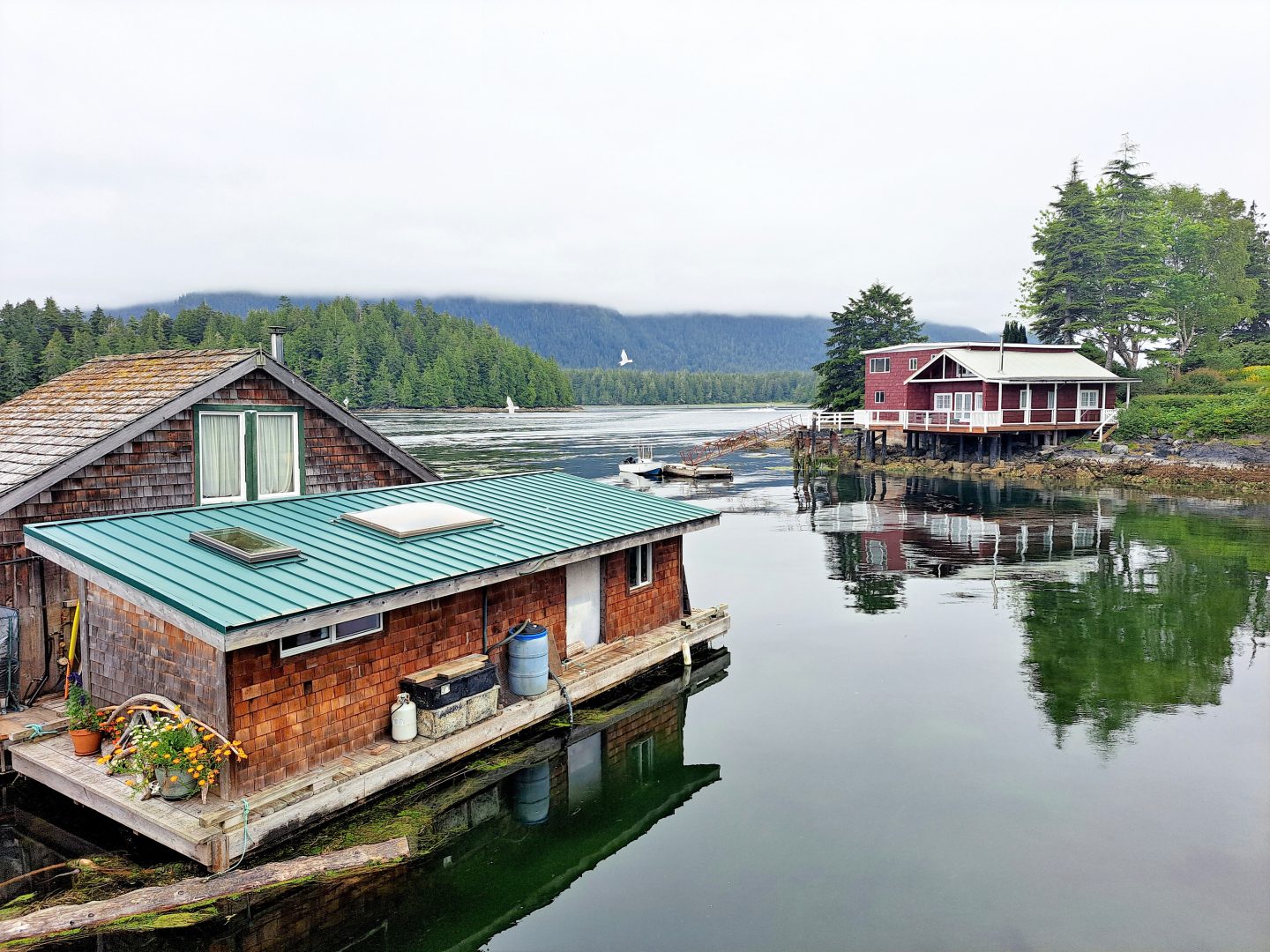
In coastal British Columbia, especially in Tofino and Ucluelet, some houses are built right over water on tall wooden legs. These aren’t just charming; they’re functional and protect homes from tides and flooding. When fog rolls in, these homes seem to hover above the sea. It’s like a scene out of a northern fairytale.
Fire That Burns Under Snow

In the forests of Alberta, underground coal seams have been burning for decades. Sometimes, snow-covered ground gives way to rising smoke and mysterious heat. Scientists track these fires because they change ecosystems without any visible flames. The quiet power of a fire you can’t see adds to Canada’s unpredictable energy.
Sun That Refuses to Set

Visit parts of the Yukon or Nunavut during summer, and you’ll notice something strange: night never comes. The sun hovers near the horizon, bathing the land in golden light for nearly 24 hours. Locals call it the midnight sun. It’s disorienting, especially when your body says bedtime but the sky still shines.
Roads That Disappear with the Seasons

In some parts of Manitoba and the Northwest Territories, “ice roads” connect remote communities, but when the thaw hits, these roads vanish. Supply chains, school schedules, and daily life revolve around the freeze and melt cycle. It’s a reminder that nature, not the calendar, controls the pace of life.
Parks Where Wolves Are Welcome
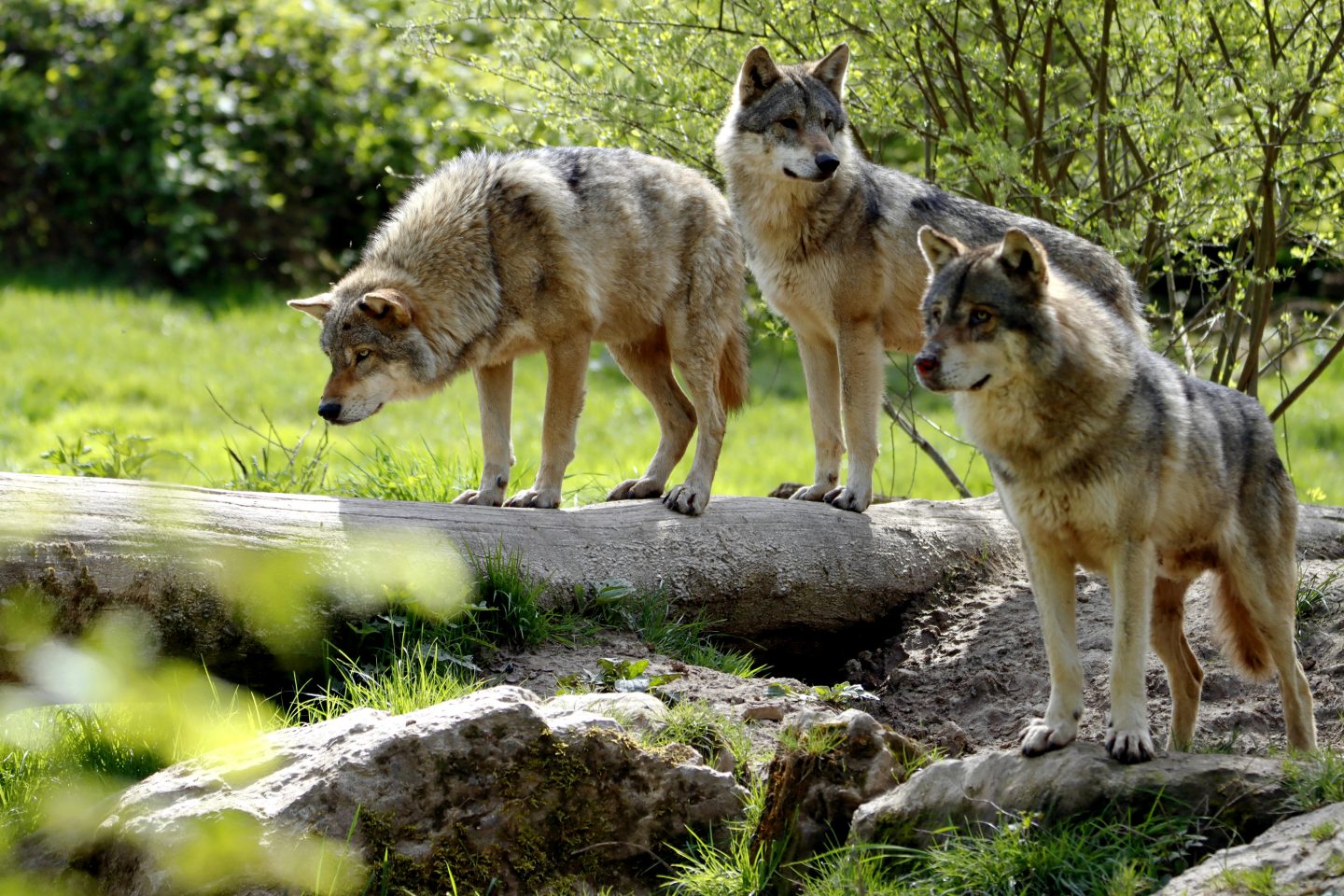
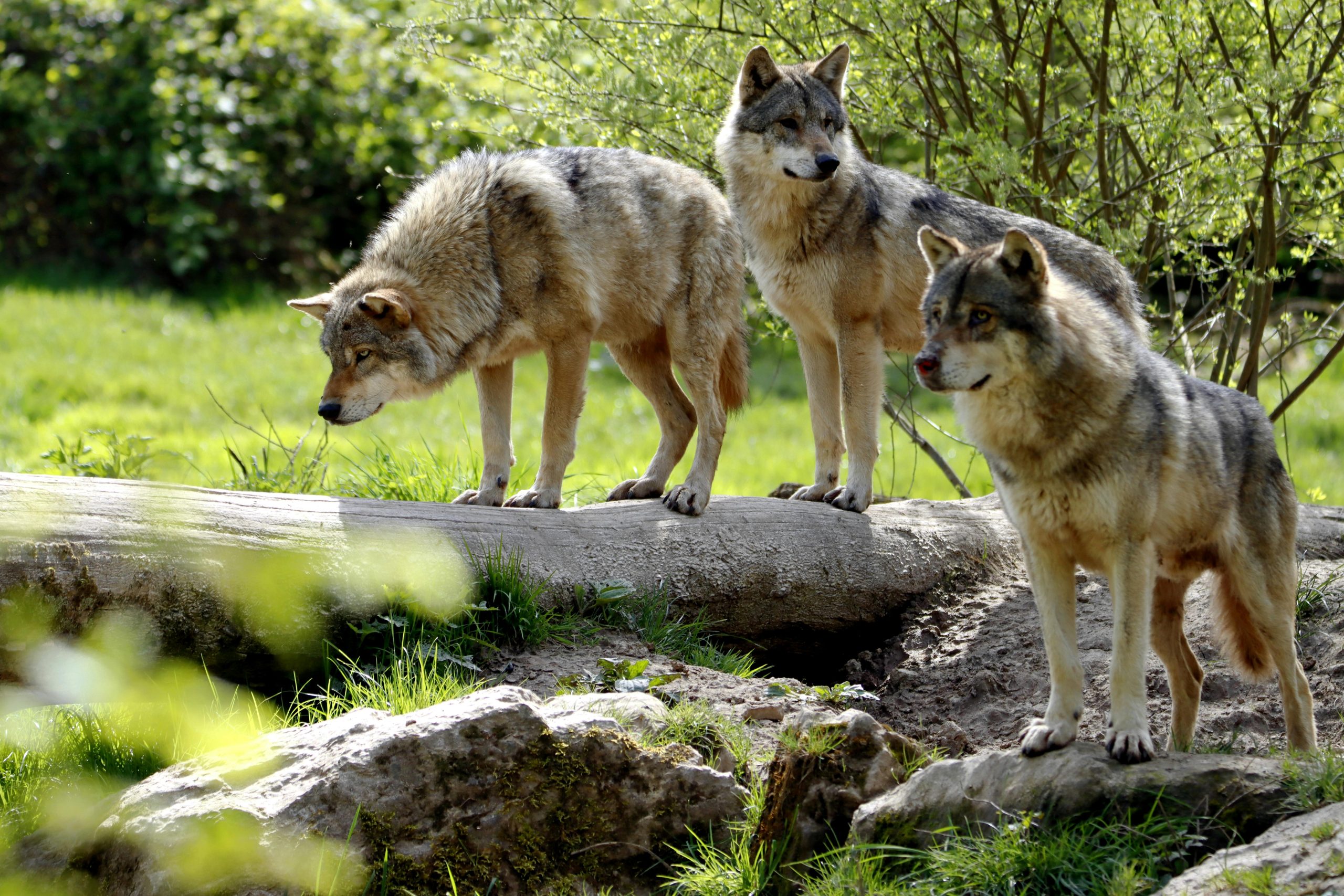
In places like Banff and Jasper, wolves are not just preserved but part of the ecosystem’s balance. You might spot signs asking people not to feed or follow them, as they’re free to roam. These predators play a vital role in keeping deer populations in check. Seeing one in the wild adds a thrill you didn’t plan for.
Forests That Sing Without Birds

If you wander into the boreal forests of northern Canada during deep winter, you’ll hear something strange. The trees crack, creak, and even “sing” as sap freezes and expands. It’s not mechanical, just nature reacting to extreme cold. The eerie chorus gives winter hikes a sci-fi soundtrack.
Lakes That Flip Their Colors

Canada’s glacial lakes, especially in Banff and Yoho National Parks, change colors based on light and sediment. One day, they shimmer turquoise, the next, they glow green or gray. This is due to rock flour fine particles suspended in the water. Tourists often think filters were used in photos until they see it with their own eyes.
Bridges Made of Ice
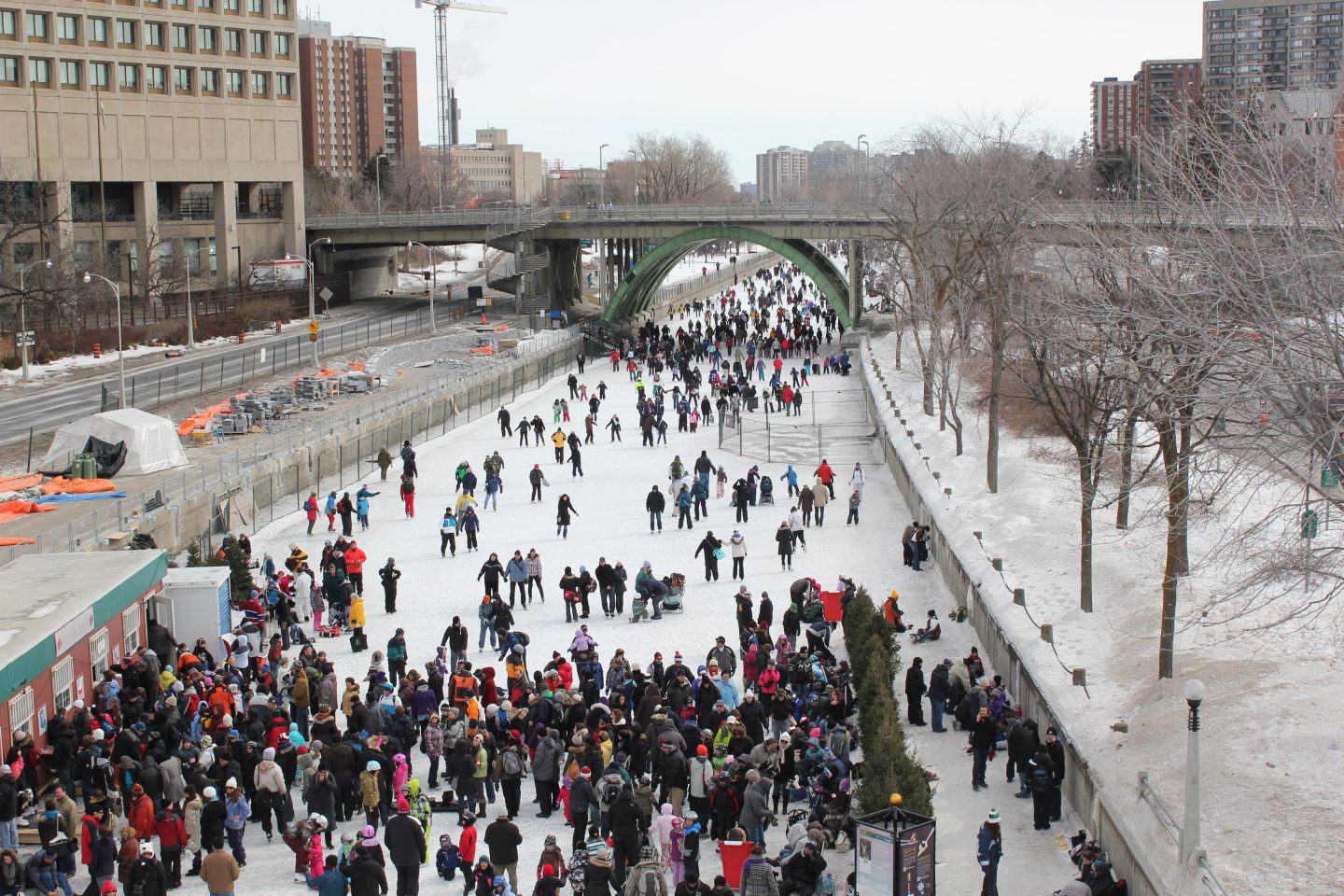
Every winter in Ottawa, a portion of the Rideau Canal transforms into the world’s largest skating rink. Locals commute on skates, and vendors serve hot drinks on frozen sidewalks. The canal itself becomes a bridge of ice linking neighborhoods. It’s equal parts transportation and celebration, a frozen commute that only happens when the temperature agrees.
Disclaimer: This list is solely the author’s opinion based on research and publicly available information.
Read More:

- Ultimate Guide To Picking The Best Travel Credit Card
- The 5 Best Budget Airlines in the United States
- 15 Best Countrıes to Vısıt in Afrıca