15 Expired Foods That Are Way More Dangerous Than You Think
Foodborne illnesses are no joke, with the CDC reporting that approximately 48 million people in the U.S. get sick from contaminated food every year, 128,000 are hospitalized, and 3,000 die. We’ve all spotted expired food in our fridge and wondered if it’s still safe to eat. For some items, a past-due label might not matter much, but for others, it can spell disaster.
To keep your health intact, it’s essential to know which expired foods can seriously harm you. This list reveals 15 expired foods you should never gamble with.
Deli Meats Are Rife with Dangerous Bacteria

Think about grabbing sliced turkey or ham for a quick sandwich. If it’s past the expiration date, bacteria like Listeria monocytogenes can multiply even in refrigerated conditions. Unlike many bacteria, Listeria can grow at fridge temperatures, making deli meats a silent threat.
The CDC attributes a significant portion of fatal foodborne illnesses to Listeria, often linked to deli meats and soft cheeses (CDC, 2025). Therefore, keeping deli meats beyond their expiration date is a risk to your health.
Fresh Berries Degrade Faster Than You Expect

You buy a pint of raspberries for a snack, and the next day, they look fine. But berries can mold quickly, and mold spores produce mycotoxins—harmful compounds linked to respiratory issues and other health problems. Unlike some harmless molds, these toxins can cause serious harm if ingested regularly. Because berries have a high moisture content and delicate skin, they spoil fast, so consuming them quickly or discarding any that look fuzzy is best practice.
Dairy Products Can Harbor Harmful Pathogens

Imagine you’re at a weekend brunch, and someone offers you leftover cheesecake that’s been in the fridge for a week. It looks fine and smells okay, so you dig in. But dairy products like milk, yogurt, and cheese can quietly become breeding grounds for bacteria such as Listeria monocytogenes and Escherichia coli after their expiration date. These bacteria don’t always give off a foul odor or slimy texture, so a quick sniff test isn’t reliable.
Soft cheeses, such as Brie or queso fresco, are especially risky because their moist, creamy texture creates an ideal environment for Listeria, a pathogen linked to severe illness, particularly in pregnant women and those with weakened immune systems. According to CDC data, Listeria is one of the deadliest foodborne pathogens, accounting for approximately 19% of foodborne illness deaths in the U.S. in 2019 (CDC, 2025). Even refrigerated dairy products can harbor these bacteria if kept past their prime, so it’s safer to toss dairy that’s expired or shows any signs of spoilage.
Eggs Can Cause Salmonella Poisoning

Picture grabbing eggs from the fridge for breakfast. They look normal, but expired eggs can harbor Salmonella, a significant cause of foodborne illness. The USDA recommends a simple water test: if the egg floats, it’s no longer fresh and should be discarded.
Salmonella causes over a million illnesses annually in the U.S., contributing significantly to hospitalizations and deaths (CDC, 2025). Since Salmonella infection can cause severe diarrhea, fever, and abdominal cramps, it’s not a risk worth taking with expired eggs.
Opened Condiments Aren’t Always Safe
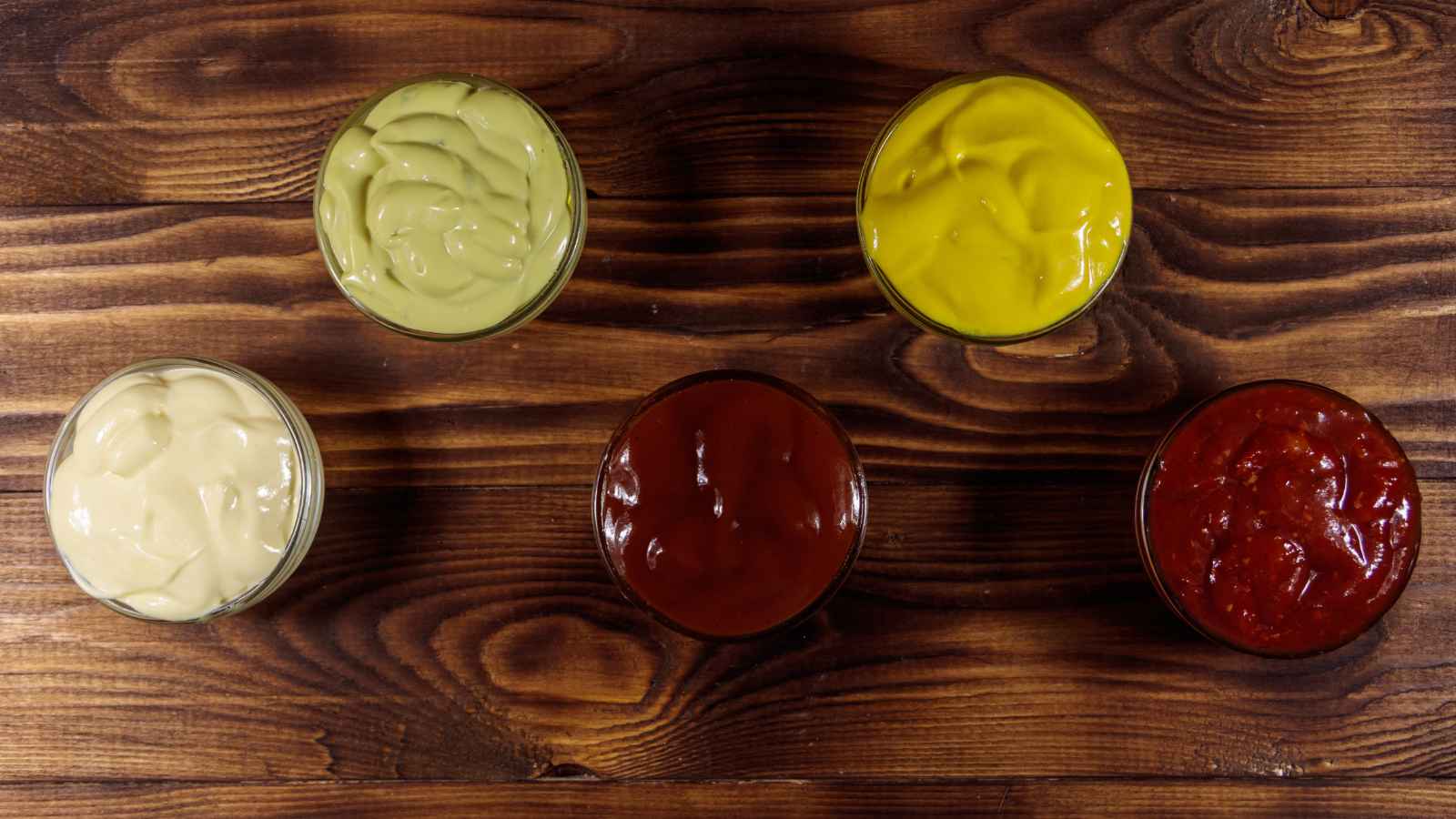
Ketchup, mustard, and mayonnaise might seem like they last forever, but once opened, their shelf life shortens considerably. Expired condiments can develop mold or bacteria, especially when stored improperly or left for an extended period.
While they often contain preservatives, these don’t guarantee safety past expiration. Eating spoiled condiments can cause digestive upset or expose you to harmful microbes.
Soft Cheeses Develop Listeria Quickly
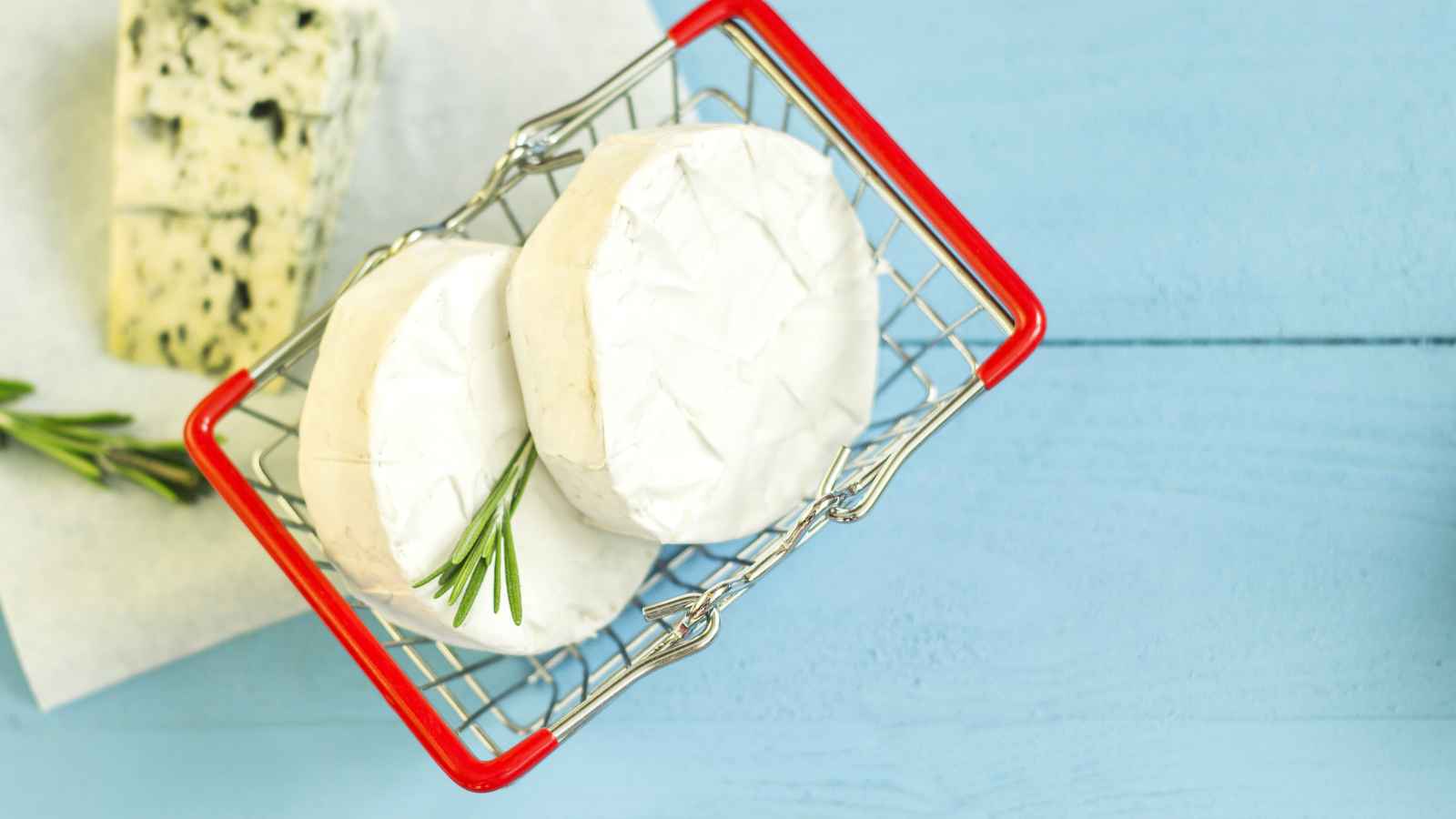
Soft cheeses, such as Brie, provide an ideal environment for Listeria growth. Even if they look fine, once they have expired, they can harbor this dangerous bacteria. Stick to hard cheeses if you’re unsure about freshness, especially when eating out, as their lower moisture content inhibits bacterial growth.
Bagged Salads Turn into Bacteria Factories

Pre-washed salad mixes are convenient but can become hotspots for E. coli contamination after expiration. The CDC has linked multiple outbreaks to bagged salads, leading to recalls. Even if the greens appear fresh, bacterial contamination may still be present. Washing fresh greens yourself and avoiding pre-mixed salads that have expired can significantly reduce this risk (CDC, 2025).
Seafood Spoils Faster Than You Expect
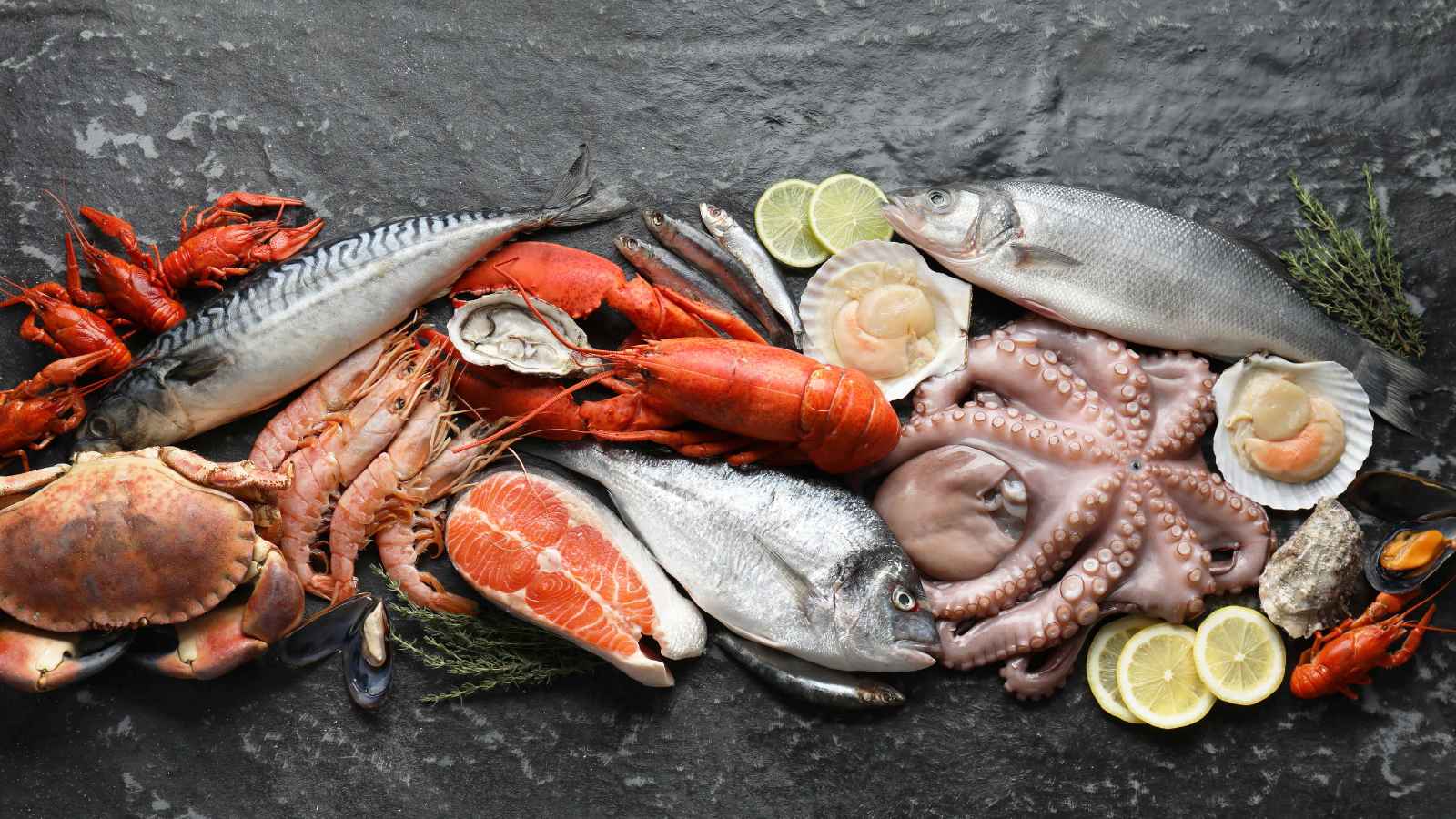
Fish and shellfish can develop histamine toxins when spoiled, causing scombroid poisoning. Symptoms include nausea, hives, and flushing. Imagine buying fresh shrimp for dinner but eating it days after the expiration date—those toxins can sneak up on you. Because seafood spoils quickly, consuming it fresh or freezing it immediately is critical (CDC, 2025).
Leafy Greens Can Mask Hidden Dangers

Spinach, kale, and similar greens may look fresh, but can harbor bacteria such as norovirus or E. coli. Using expired greens in smoothies or salads can expose you to these pathogens. Since produce accounts for nearly half of foodborne illnesses in the U.S., checking dates and discarding old greens is essential (CDC, 2025).
Leftovers Are a Hidden Hazard

That pasta or chicken you saved from last week? Leftovers can quickly become breeding grounds for bacteria like Clostridium perfringens, which causes food poisoning. The FDA advises discarding leftovers after three to four days, regardless of appearance or smell, to avoid illness (CDC, 2025).
Expired Rice Can Contain Mold Toxins

Uncooked rice stored too long can develop molds, producing aflatoxins, especially in humid climates. Cooked rice left out too long can grow Bacillus cereus, causing food poisoning. So, don’t let rice linger in your pantry or fridge for too long.
Ground Meat Breaks Down Rapidly
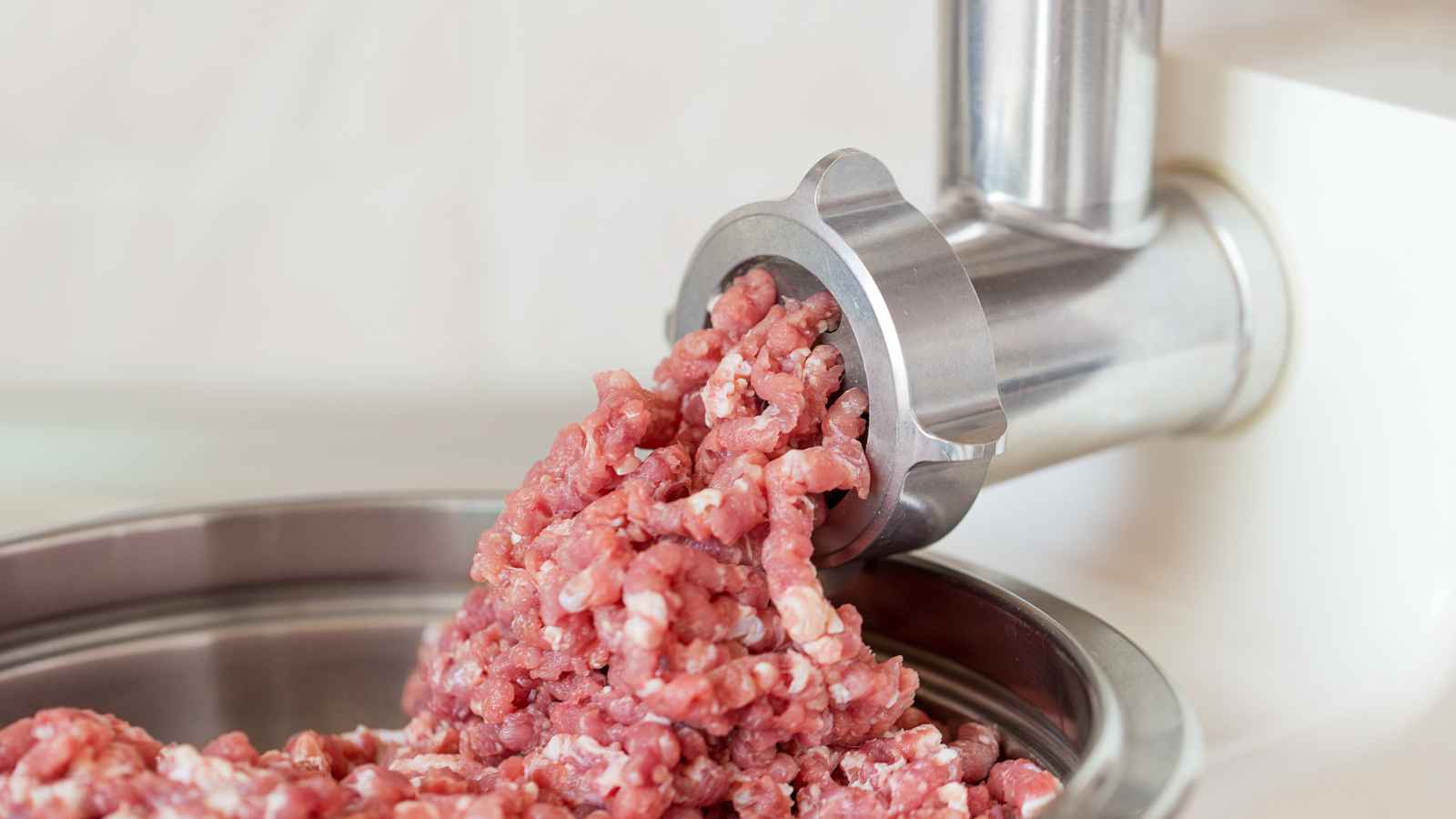
Ground beef or turkey spoils faster than whole cuts because more surface area is exposed to air. Once expired, the risk of E. coli and Salmonella contamination spikes. When grilling burgers, ensure your meat is fresh and properly stored (CDC, 2025).
Juices From Fresh Fruits Are Time-Sensitive
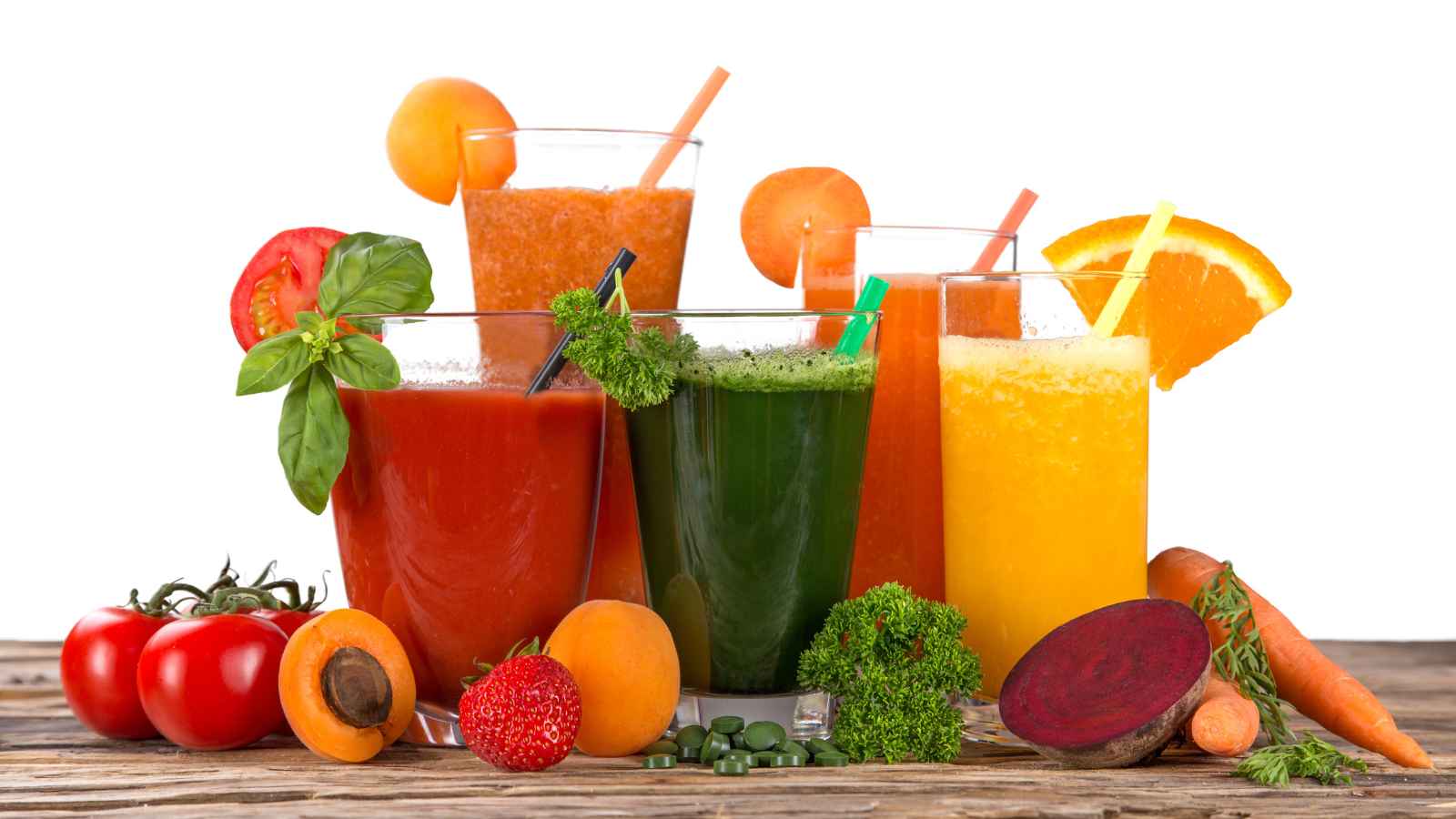
Fresh-squeezed or unpasteurized juices spoil quickly and can harbor bacteria, such as mold and E. coli. Even pasteurized juices should be consumed shortly after their expiration date to avoid stomach issues.
Mushrooms Harbor Toxic Compounds

Expired mushrooms can develop dark spots and harmful bacteria. Toss slimy or discolored mushrooms immediately to avoid ingesting toxins that can cause digestive distress.
Peanut Butter Past Its Prime Isn’t Safe

Peanut butter may seem indestructible, but expired jars can develop aflatoxins from molds that grow on peanuts. These toxins are highly toxic and linked to cancer risks. Always check the production dates and avoid jars that have been open for an extended period.
Disclaimer – This list is solely the author’s opinion based on research and publicly available information. It is not intended to be professional advice.
You Might Also Like:

10 Greatest Travel Apps To Help You Save Money: Travel apps are essential for travelers who want to maximize their experiences while saving money. These innovative travel applications have revolutionized how we plan, book, and experience travel. Here are ten such travel apps.
- 10 Extreme Measures People Took To Travel on the Cheap
- Ultimate Guide To Picking The Best Travel Credit Card