14 Warm Winter Adventures in the Canary Islands
The Canary Islands are a haven for winter sun seekers. With mild temperatures, volcanic terrain, and diverse coastlines, the islands offer unique experiences without the chill of mainland Europe.
Each island brings its own blend of nature, culture, and adventure. These 14 activities will help you make the most of a winter visit.
Catch Atlantic Swells on Fuerteventura’s Beaches

Fuerteventura draws surfers year-round, but winter brings some of the island’s most consistent swells. The north shore lights up with clean waves and manageable wind, attracting everyone from beginners to seasoned pros. Spots like El Hierro and Majanicho offer different challenges, with warm air and water-keeping wetsuits optional. After your session, local beach bars serve fresh fish and cold drinks on the sand.
Hike the Alien Terrain of Timanfaya National Park

Lanzarote’s Timanfaya National Park delivers a rare experience: an active volcanic zone where heat still radiates through the ground. Trails wind between jagged lava fields and rust-colored peaks, making it feel like walking across a dormant fire. Guided tours often include geothermal demonstrations, like water erupting into steam instantly. The dry winter air makes the hike pleasant without the harsh midday sun of summer.
Swim in Garachico’s Natural Lava Pools

On Tenerife’s northern coast, Garachico’s lava pools were born from a 1706 eruption that reshaped the shoreline. These tide-fed basins form a calm, clear haven for swimming, with views of crashing Atlantic waves just beyond. Winter keeps the crowds low while the temperature remains ideal for a dip. Locals come here to soak, sunbathe, or simply watch the tide work its magic.
Stargaze Above the Clouds on Mount Teide

Rising over 3,700 meters, Mount Teide in Tenerife offers one of the best spots in Europe for observing the night sky. Above the cloud line and light pollution, stars blaze clearly across the high-altitude sky. Astronomy tours provide telescopes and insights into constellations you might not spot at home. The air cools quickly after sunset, but the celestial show is worth staying out for.
Roam the Sand Dunes of Corralejo

The northeast of Fuerteventura hides a Sahara-like expanse known as Corralejo Natural Park. Soft, golden dunes stretch inland while turquoise waters lap the edge. Walking through the dunes at sunset is a quiet thrill as the sand glows and the wind shapes the scenery in real-time. The area is protected, meaning no buildings interrupt your view of the sea meeting the sand.
Dive Into an Underwater Sculpture Museum

This sculpture museum lies 14 meters below the surface, just off the coast of Playa Blanca. Created by artist Jason deCaires Taylor, the installation features concrete figures slowly being colonized by marine life. It’s part gallery, part reef, and entirely unique. Winter waters are clear and warm enough for diving or snorkeling, and guides are available for first-timers.
Stroll the Old Streets of La Laguna

San Cristóbal de La Laguna, once Tenerife’s capital, holds centuries of colonial history. Its streets are a grid of colorful homes, quiet courtyards, and churches with open doors. You can spend hours wandering past local bakeries and open plazas while soaking up the sun. The city has a university-town feel, with energy that balances old-world charm and youthful rhythm.
Spot Whales off La Gomera’s Southern Coast
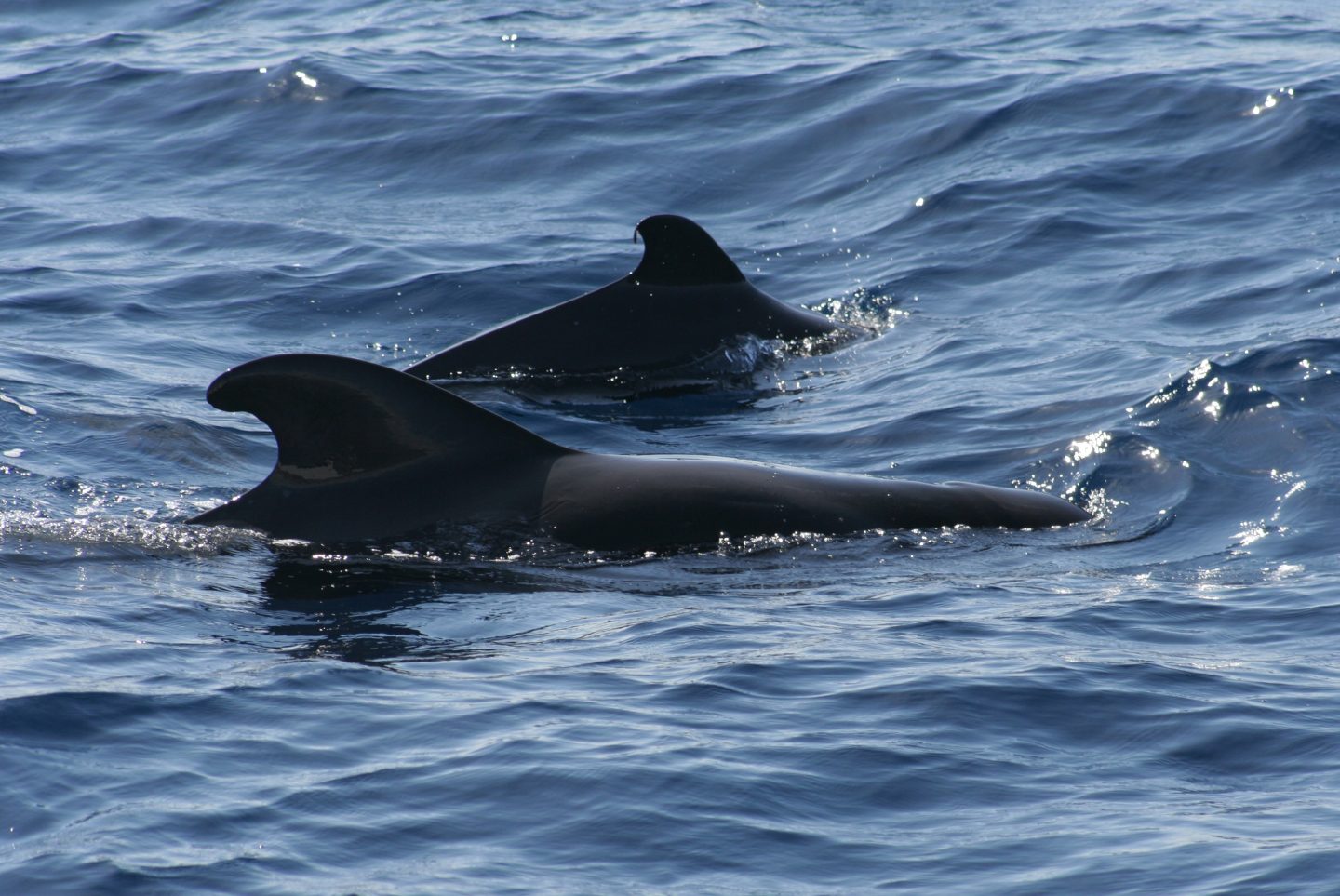
Whales and dolphins travel through the deep waters between La Gomera and Tenerife, especially during the quieter winter months. Short boat trips allow you to see pilot whales, bottlenose dolphins, and more without long hours on the sea. Eco-guides help interpret behavior and keep the experience respectful. Calm conditions make this an ideal time for spotting marine giants up close.
Explore Cave Dwellings in Gran Canaria

Inland Gran Canaria offers a different world from its beach resorts. The mountain village of Artenara is home to cave houses carved directly into volcanic rock, some still inhabited or turned into guest stays. These dwellings maintain a stable temperature year-round, making them cozy retreats in winter. The surrounding cliffs and valleys offer excellent views and quiet trails.
Sip Wine Grown in Volcanic Soil

Lanzarote’s La Geria wine region looks like nowhere else, with vines growing in black ash pits protected by stone crescents. This method, developed to combat wind and trap moisture, produces surprisingly delicate wines. Visiting in winter lets you avoid the heat and have more time with winemakers. Tasting malvasía blanco under the soft sun is as relaxing as it is informative.
Walk the Edge of a Volcanic Crater
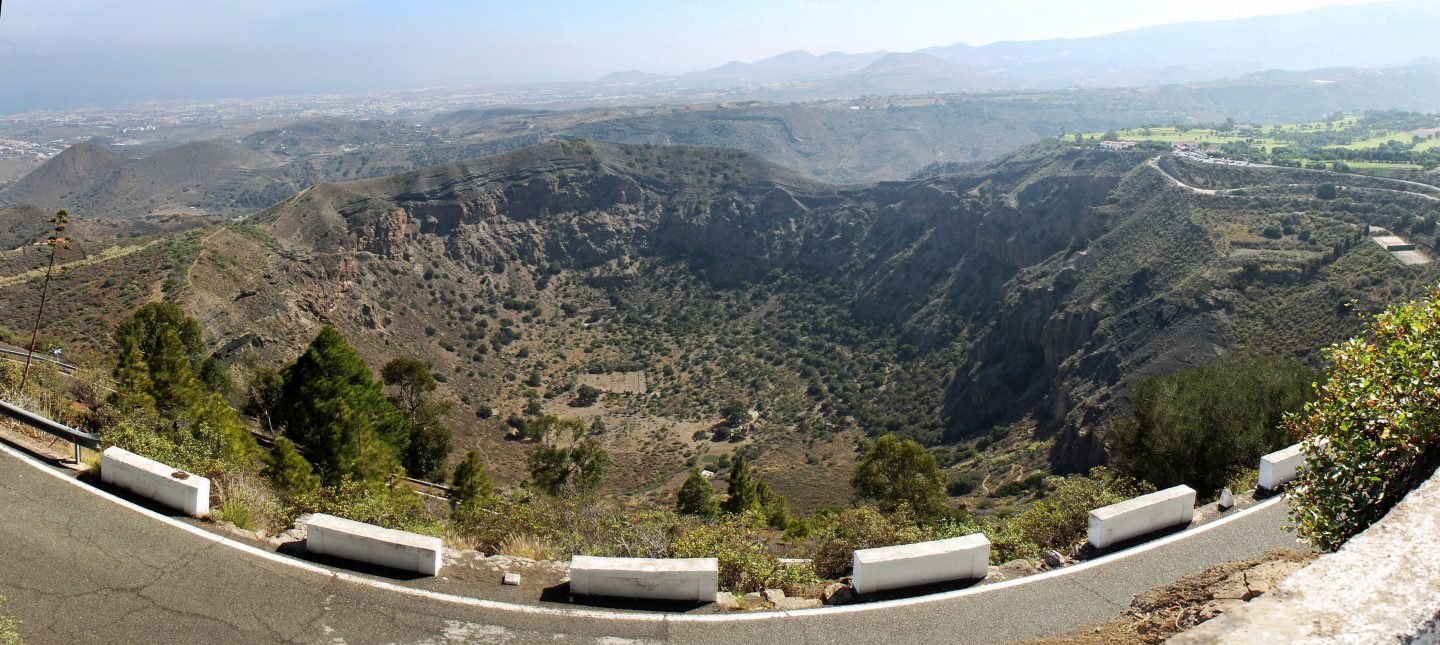
The Bandama Caldera on Gran Canaria formed about 5,000 years ago, and today, it’s an accessible hike with panoramic views. A trail circles the rim, offering sweeping looks at the island’s patchwork of fields and coastlines. You can also descend into the crater, where wild fig trees and cacti grow silently. The winter light casts long shadows, making the shapes of the rock stand out.
Bike to the Lunar Shapes of Paisaje Lunar

Tenerife’s Paisaje Lunar sits in the mountains above Vilaflor and resembles a stone forest sculpted by wind. The route there takes you through pinewoods before opening onto these pale rock formations. It’s popular with mountain bikers for its moderate difficulty and unusual terrain. The cooler months are best for this trip, sparing you the heat while letting you move freely through the highlands.
Paddle Below the Cliffs of Los Gigantes

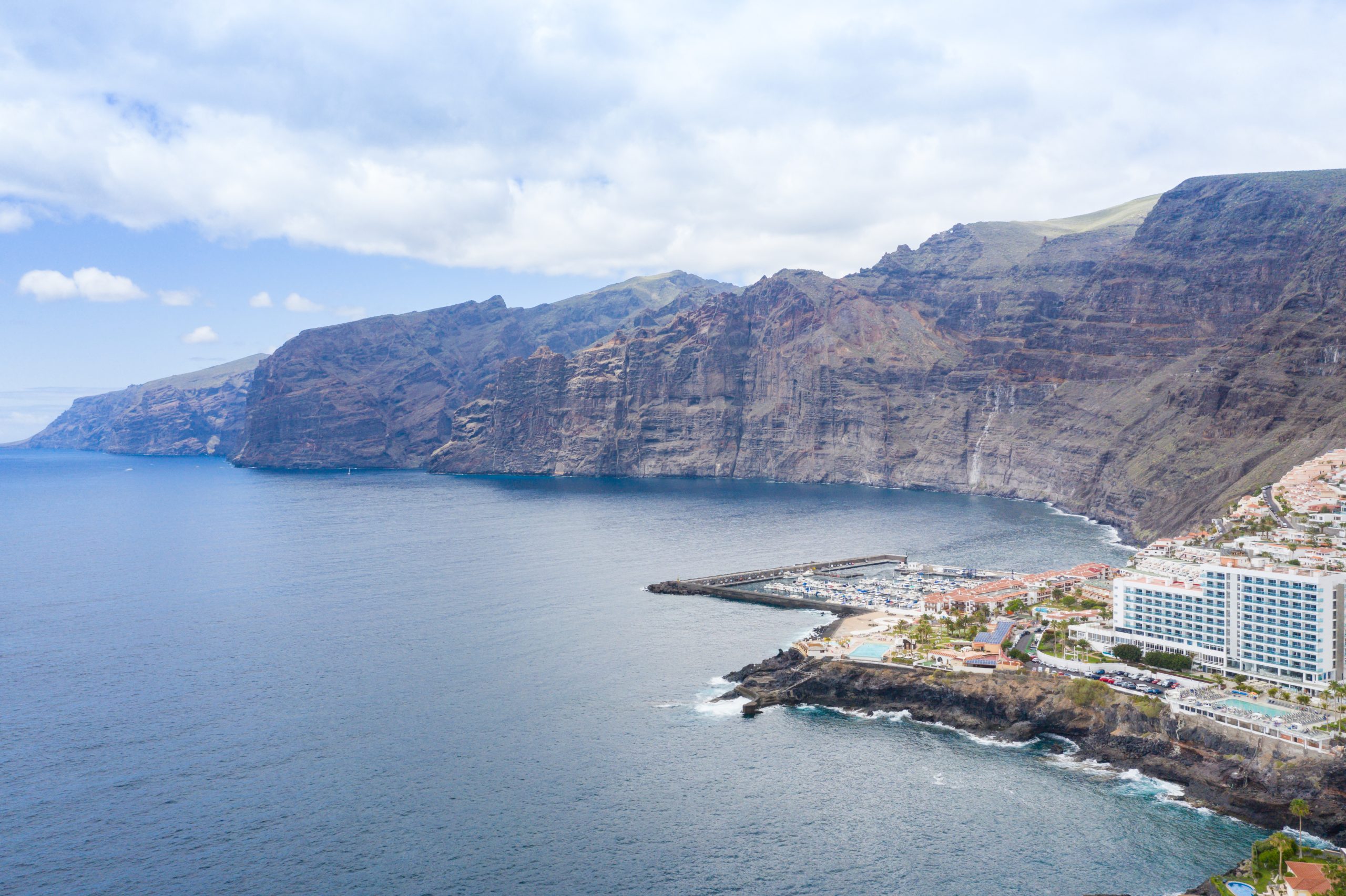
Los Gigantes towers hundreds of meters over Tenerife’s west coast, and kayaking beneath these cliffs brings their scale into sharp focus. Guided trips take you past caves, quiet coves, and seabird nesting areas. With gentle waves and warm air, winter is a prime time to take to the water. The sense of solitude and scale is hard to match.
Hike the Forests of Anaga in a Sea of Clouds

Tenerife’s Anaga Rural Park holds laurel forests that date back to prehistoric times. In winter, the canopy often sits above a sea of clouds that fills the valleys below. Trails pass moss-covered trees and fern-lined paths with almost no sign of modern life. It’s cool, green, and refreshingly quiet, a counterpoint to the sun-drenched coastlines just an hour away.
Disclaimer: This list is solely the author’s opinion based on research and publicly available information.
Read More:

- Ultimate Guide To Picking The Best Travel Credit Card
- The 5 Best Budget Airlines in the United States
- 15 Best Countrıes to Vısıt in Afrıca