14 Scenic Hikes in Yellowstone for Every Skill Level
Yellowstone National Park, a vast wilderness spanning Wyoming, Montana, and Idaho, offers some of the most awe-inspiring hiking experiences in the United States.
Some routes are short and gentle, while others stretch deep into the backcountry. You’ll find a scenic hike that fits your pace and interest regardless of your skill level. Let’s get into it.
Mount Sheridan via Heart Lake Trail
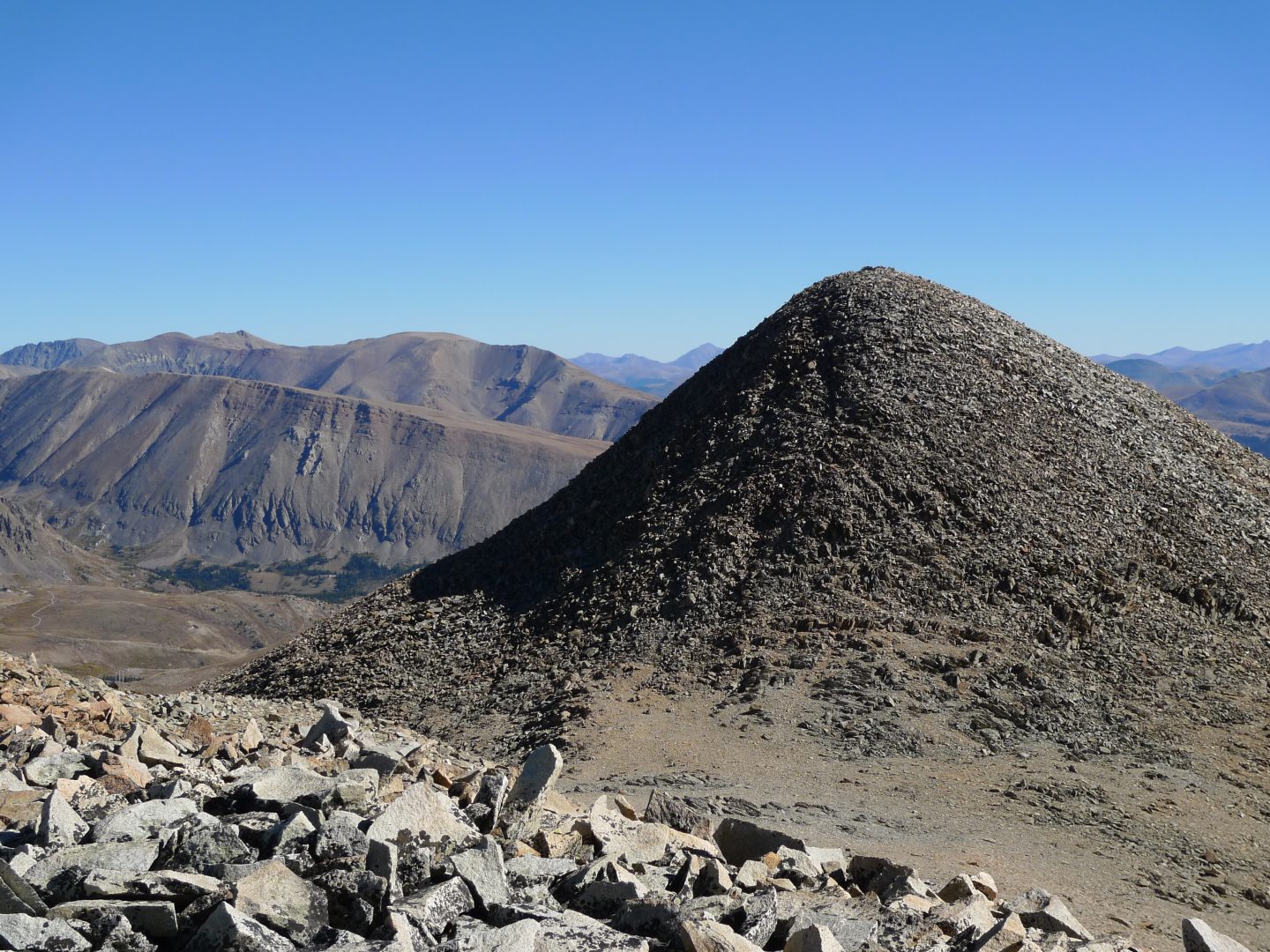
This route covers 17 miles round trip and involves a significant elevation gain of nearly 3,000 feet. The hike begins with gentle terrain along Heart Lake before climbing steadily toward the summit. Due to the distance and the views over Yellowstone’s southern ranges, backpackers often use the area for overnight trips.
Blacktail Deer Creek Trail
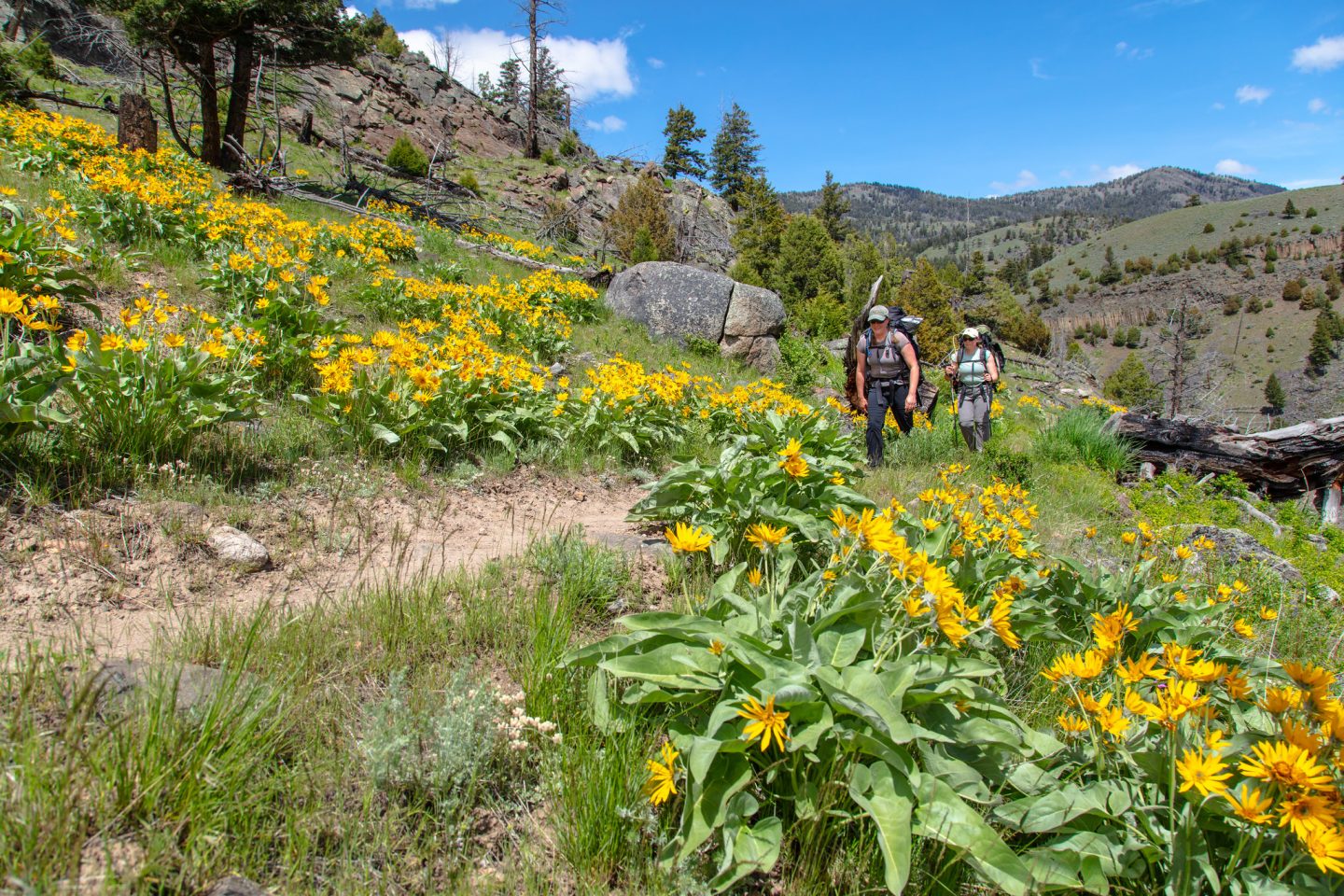
This moderate trail gradually descends toward the Yellowstone River through rolling grasslands and sparse trees. It’s a good route for wildlife sightings, especially deer and smaller mammals. The river marks a peaceful turnaround point before the return uphill. The expansive views and open sky contribute to its serene atmosphere.
Mount Washburn via Dunraven Pass

Mount Washburn stands out among Yellowstone’s summit hikes for accessibility and wide-reaching views. The trail covers over 6 miles round trip with 1,400 feet of elevation gain and is often traveled by those seeking wildlife sightings and high alpine vistas. The summit is marked by a fire lookout tower that provides shelter and offers panoramic views in all directions.
Lone Star Geyser Trail

Lone Star Geyser trail covers a 4.8-mile round trip and follows the Firehole River to a geyser that erupts on a steady schedule. The cone geyser reaches an eruption height of about 30 to 45 feet. Cyclists and hikers alike share this peaceful route, making it accessible for nearly all skill levels.
Avalanche Peak Trail

Avalanche Peak trail is a 4.7-mile round-trip trail that rises over 2,000 feet and requires steady footing and strong legs. Those who reach the top are rewarded with sweeping views of Yellowstone Lake and the Absaroka Range. Due to snow coverage even in summer, hikers often report cooler temperatures and shifting trail conditions above the treeline.
Mystic Falls via Biscuit Basin
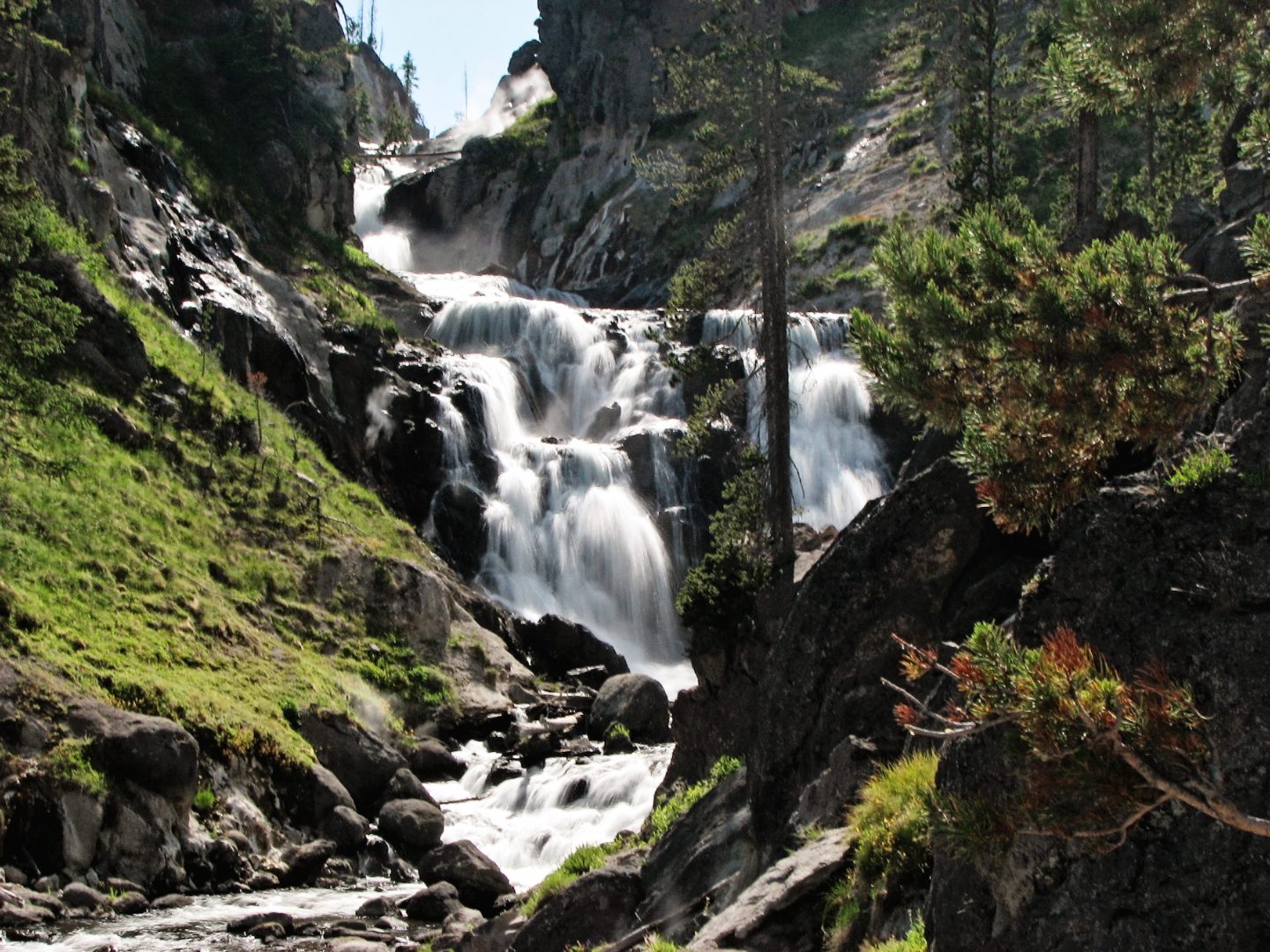
Beginning in a geothermal basin, this 3.5-mile loop transitions into wooded terrain, leading to a 70-foot waterfall. Interpretive signs along the trail explain the hydrothermal activity visible in hot pools and geysers near the trailhead. Families and first-time visitors enjoy the balance of natural features and moderate difficulty.
Bunsen Peak Trail

The climb to Bunsen Peak is steep but steady. It rises through burned forests and meadows, with expanding views the higher you go. The summit provides a full view of the Gallatin Range and the park’s northern edge, and it is 5 miles south of the Mammoth Hot Springs. On windy days, temperatures can drop quickly, so hikers are encouraged to bring layers.
Uncle Tom’s Trail

Though under a mile long, this short trail descends over 300 metal steps fixed to the canyon wall. It leads to a close view of the Lower Falls of the Yellowstone River. Originally constructed in the 1890s as a guided rope route, it remains one of the park’s more unique and physically demanding short hikes.
Slough Creek Trail

This long trail extends nearly 20 miles one way, but most visitors hike only the first few miles to reach a broad meadow. The area is renowned for its wildlife watching, particularly for wolves, which are frequently spotted during the morning and evening hours. The Yellowstone Wolf Project cites Slough Creek as a reliable observation point for predator-prey interactions.
Lamar Valley Trail

Famous for its wildlife, Lamar Valley offers mostly flat hiking trails suitable for casual walkers and photographers. Bison herds, pronghorn, and grizzlies often roam the open grasslands, giving the area a reputation for unmatched wildlife density. Because of this, it’s usually compared to African savannas in ecological studies.
Storm Point Trail

This 2.3-mile loop near Yellowstone Lake is easy and ideal for birdwatching. It passes through a forested section before emerging at a rocky shoreline with clear views of the lake. Seasonal closures occur during nesting periods to protect local colonies, especially gulls and terns.
Elephant Back Mountain Trail

This moderate hike rises 800 feet over 3.6 miles and leads to a bluff overlooking Yellowstone Lake. The trail is shaded and quiet, offering a peaceful break from the busier parts of the park. It’s especially popular in early summer due to early snowmelt and open views.
Trout Lake Trail

This short 1.2-mile round trip hike climbs gently to a small lake teeming with spawning cutthroat trout in early summer. The lake is surrounded by forests and meadows, attracting a variety of wildlife, including otters and black bears. It’s a family favorite due to its easy access and rewarding views.
Fairy Falls Trail
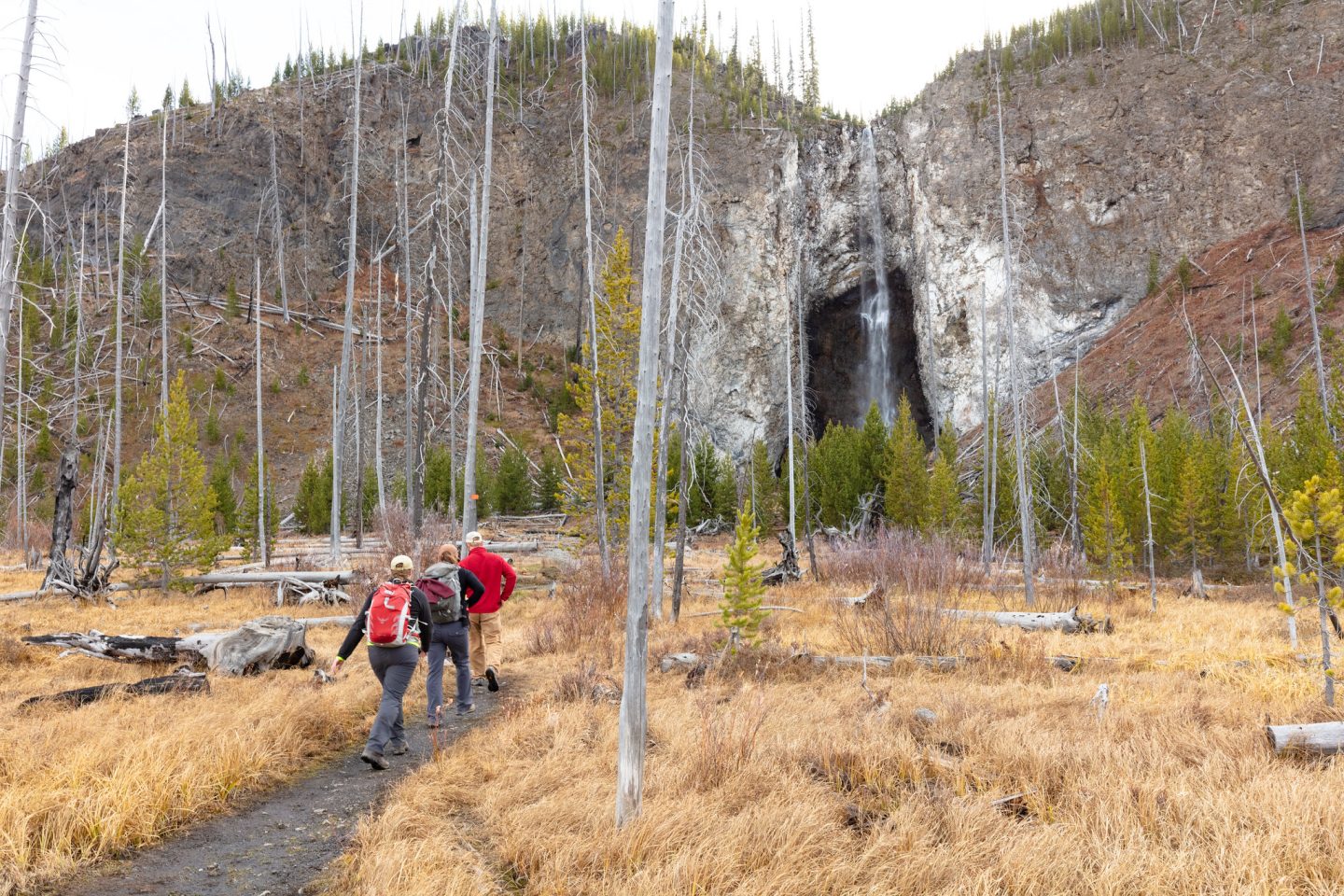
Fairy Falls is a level hike that stretches 5.4 miles round trip and passes through a young pine forest before reaching a dramatic 200-foot waterfall. A short spur takes hikers to a viewpoint above Grand Prismatic Spring, one of the most photographed sights in the park. This route is popular with families and those seeking a half-day outing without steep inclines.
Disclaimer: This list is solely the author’s opinion based on research and publicly available information.
Read More:

- Ultimate Guide To Picking The Best Travel Credit Card
- The 5 Best Budget Airlines in the United States
- 15 Best Countrıes to Vısıt in Afrıca