12 Money Mistakes People Make When Traveling Abroad
Traveling abroad can be one of the most exciting and enriching experiences, but it’s also a time when financial mistakes happen too easily. Unexpected fees, poor budgeting, and bad exchange rates can turn an otherwise smooth trip into an expensive lesson.
Many of these mistakes are avoidable with a bit of planning and awareness. The following are some of the most common money mistakes travelers make and how to avoid them.
Relying Only on Credit or Debit Cards
Many travelers assume their credit or debit card will be accepted everywhere, only to discover that some businesses operate on a cash-only basis, especially in smaller towns or markets. ATMs can also be unreliable in remote areas, and some charge steep withdrawal fees. Carrying a mix of payment options, such as credit cards, debit cards, and a small amount of local currency, ensures you’re never stuck without a way to pay.
Ignoring Foreign Transaction Fees

Using your credit card for every purchase can be convenient, but if your card charges foreign transaction fees, those small percentages add up quickly. Many banks charge a 3% fee on every international purchase, which might not seem like much until you add up a week’s worth of hotels, meals, and shopping. Checking your bank’s policies and opting for a no-foreign-transaction-fee card can save you a significant amount over time.
Exchanging Money at Airports
Airport currency exchange counters are notorious for offering some of the worst exchange rates and high service fees. While it might seem convenient to swap money upon arrival, you’ll likely get a much better rate at a local bank or by using an ATM. If you need a small amount of cash upon arrival, exchange it for just enough to cover immediate expenses like transportation, and then find a better rate elsewhere.
Not Notifying Your Bank of Travel Plans

Many travelers forget to inform their bank or credit card provider about their trip, leading to blocked transactions. Fraud protection systems can flag international purchases as suspicious activity, leaving you stranded without access to your funds. A quick phone call or online travel notification can prevent this frustrating situation.
Overlooking Dynamic Currency Conversion

Some foreign merchants and ATMs offer “dynamic currency conversion,” allowing you to pay in your home currency instead of the local one. While this might seem convenient, these conversions often have poor exchange rates and extra fees. Always choose to be charged in the local currency to avoid unnecessary costs.
Underestimating Daily Expenses

It’s easy to budget for big-ticket items like flights and hotels but overlook daily expenses such as meals, transportation, and entry fees. Bottled water, snacks, and public transportation costs can add up quickly, especially in expensive destinations. Researching average daily costs beforehand can help you budget more accurately and avoid financial surprises.
Failing to Research Local Tipping Customs
Tipping customs vary widely across the world. In some countries, tipping is expected and forms a significant part of service workers’ income, while in others, it’s unnecessary or even considered rude. Over-tipping can drain your travel budget, while under-tipping can create awkward situations. A little research before your trip can save both money and embarrassment.
Carrying Too Much Cash
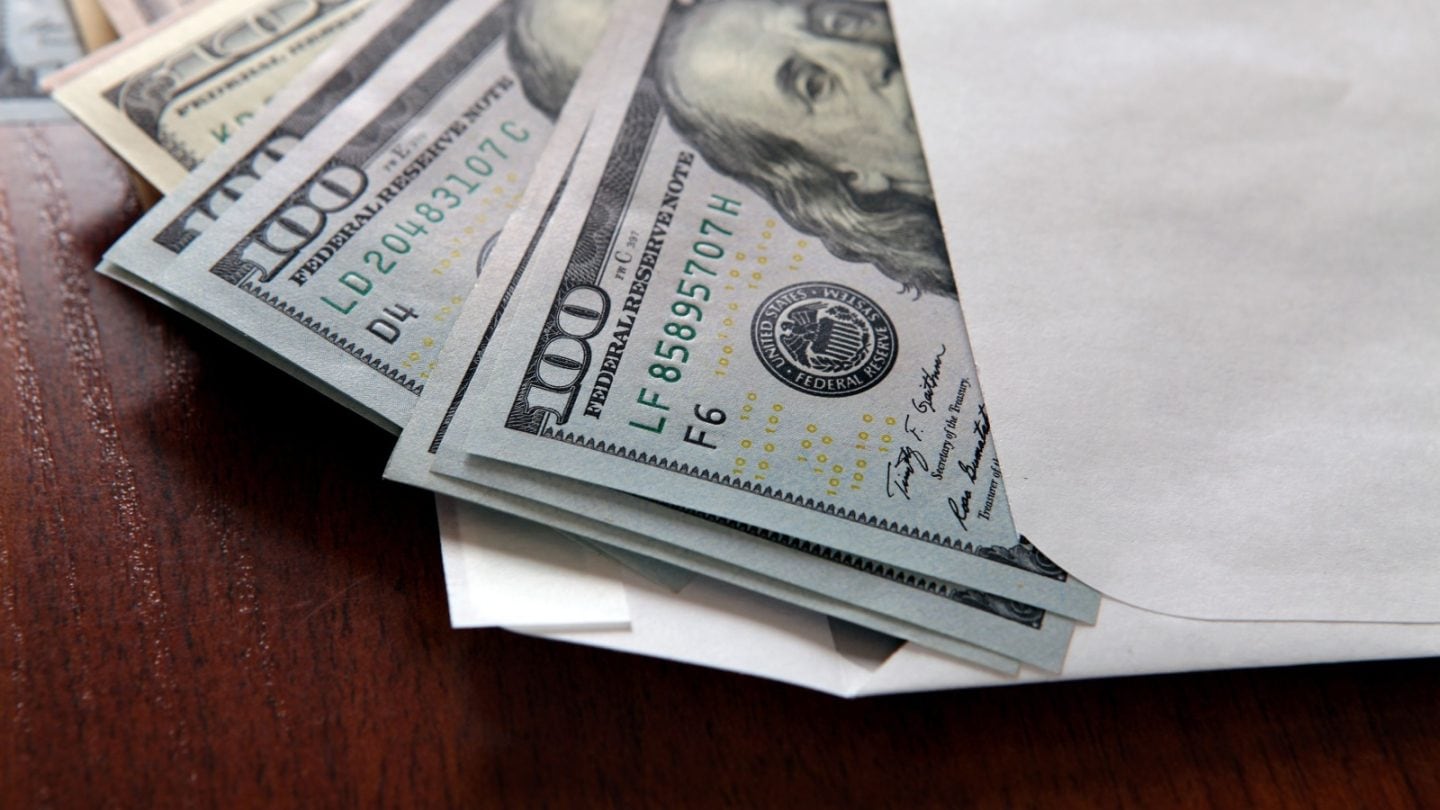
While having some local currency on hand is essential, carrying large amounts of cash can be risky. Pickpockets target tourists, and losing a large sum of money can ruin a trip. Keeping a modest amount of cash in different places- some in your wallet, some in a money belt, and some in a secure pocket- reduces the risk of losing everything at once.
Booking Everything Last Minute

Spontaneity can be part of the adventure, but last-minute bookings often come with higher prices. Flights, hotels, and even train tickets are often more expensive when purchased on short notice. Planning and booking in advance, especially for transportation and accommodations, can save significant money.
Ignoring ATM Withdrawal Fees

Many travelers rely on ATMs abroad without considering withdrawal fees. Some banks charge a flat fee per withdrawal, while others impose percentage-based fees. Frequent small withdrawals can lead to excessive charges. Using an ATM card with low international fees and withdrawing large amounts at once can help minimize these costs.
Forgetting About Travel Insurance

Skipping travel insurance might seem like a good way to save money, but an unexpected medical emergency, lost luggage, or trip cancellation can cost much more. Some credit cards offer built-in travel protection, but coverage varies. Investing in comprehensive travel insurance can provide financial security and peace of mind.
Not Setting a Realistic Budget

Many travelers underestimate their trip expenses, leading to overspending or running out of funds before the trip ends. A detailed budget, including hidden costs like transportation, data roaming charges, and unexpected expenses, can help prevent financial stress. Using a budgeting app for tracking expenses manually can keep spending in check and ensure you don’t return home with an empty bank account.
Disclaimer: This list is solely the author’s opinion based on research and publicly available information.
Read More:

- Ultimate Guide To Picking The Best Travel Credit Card
- The 5 Best Budget Airlines in the United States
- 15 Best Countrıes to Vısıt in Afrıca