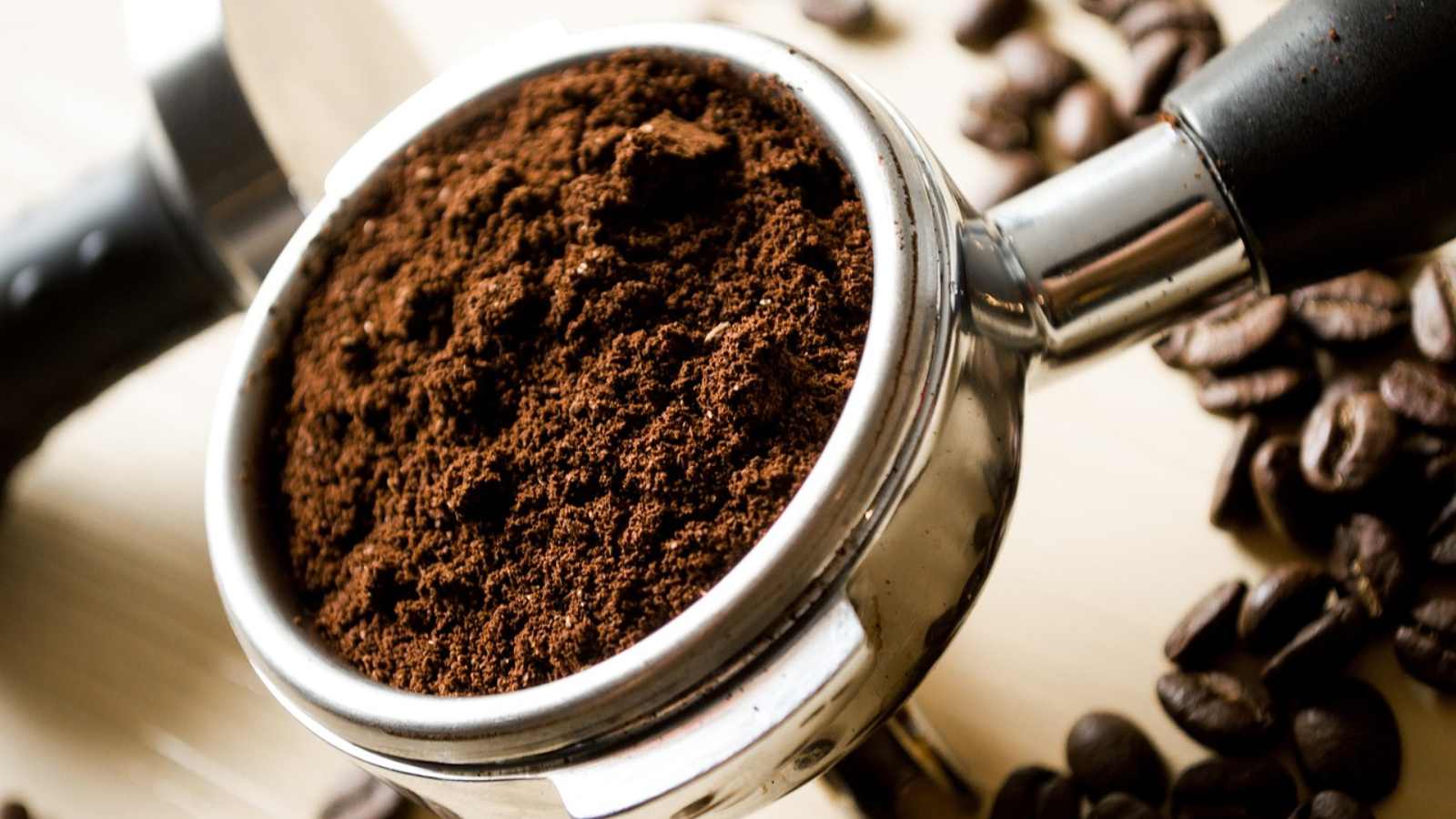
10 Genius Tips for Keeping Ground Coffee Fresh
If you’re serious about coffee, you already know the heartbreak of a stale cup. You grind the beans, brew with care, and then wonder why it tastes like cardboard. Freshness is everything. That deep aroma, the full flavor, the smooth finish; it’s all gone when air, moisture, or light messes with your coffee.
Keeping your grounds fresh doesn’t require a barista-level setup. Just a few smart moves, and you can keep your morning cup tasting the way it should. Here are a few tricks to keep your coffee game strong.
Store It in an Airtight Container

Oxygen is your coffee’s worst enemy. Once the bag is open, the clock starts ticking. A simple switch to an airtight container can add days, even weeks, to the life of your grounds. Opt for containers with a tight seal, such as mason jars with rubber gaskets or vacuum-lock canisters. Keep the original bag inside if you want to double up the protection.
Keep It in a Cool, Dark Place
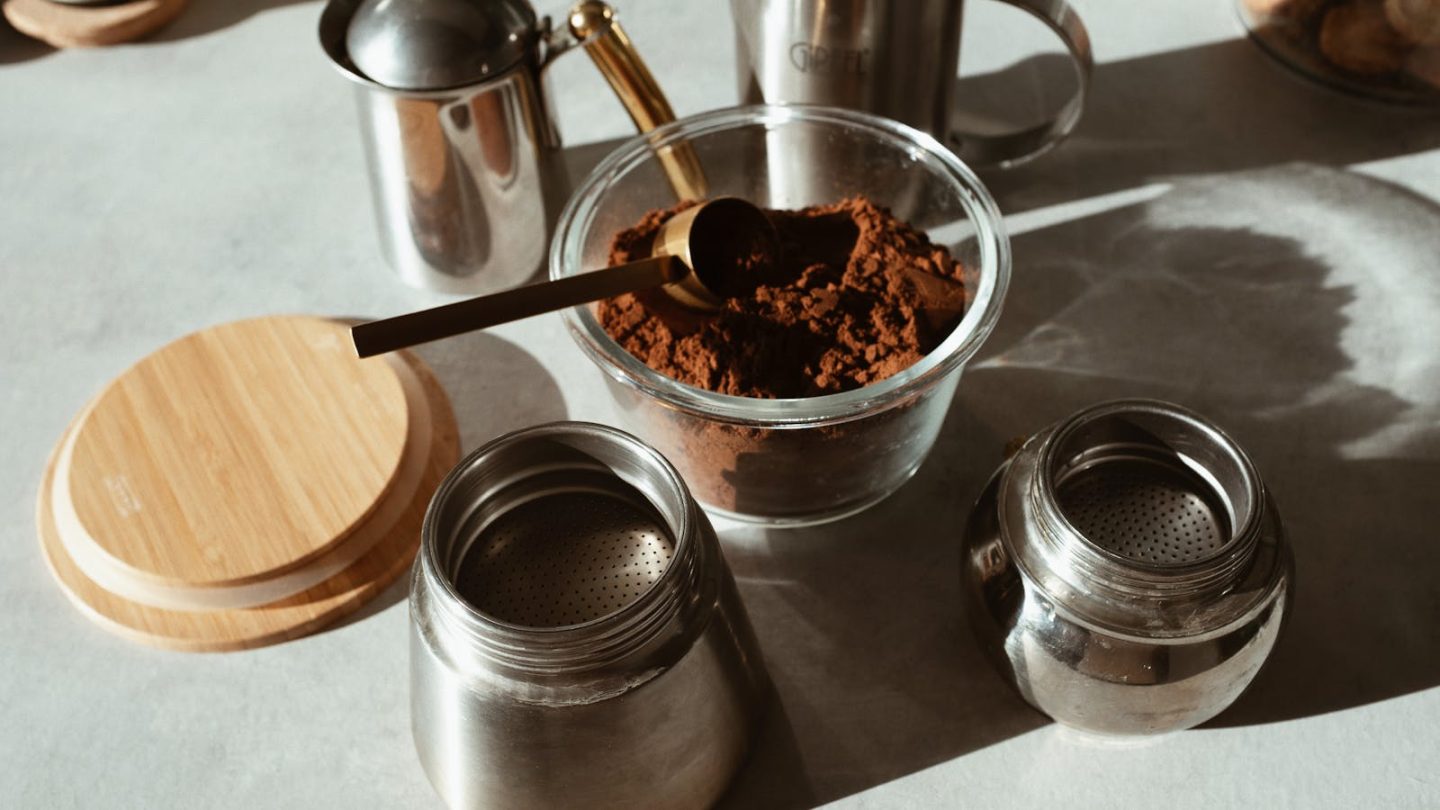
Forget the fridge or freezer. Moisture ruins flavor faster than anything else. Instead, stash your coffee in a cabinet away from the stove or any sunlight. A lower pantry shelf works great. Coffee loves stable conditions, and the kitchen can be full of hot spots, so pick a place that doesn’t get warm every time you bake cookies or make pasta.
Use Smaller Containers for Daily Use
Opening the main coffee jar every morning lets in a fresh blast of air. Instead, try dividing your grounds into two containers: one large one for storage and a small one for daily use. You only open the big stash every week or so. This simple shift can keep the rest of your coffee safe from air, humidity, and light. It’s like meal prepping but for caffeine.
Buy in Smaller Batches

Yes, buying a giant bag might seem economical, but it often backfires. Unless you drink a pot a day, those grounds will start losing their magic halfway through. Buy smaller bags more often, especially if you don’t go through them quickly. Freshness always beats quantity. And hey, it’s a good excuse to try a new roast.
Don’t Store Coffee in the Fridge
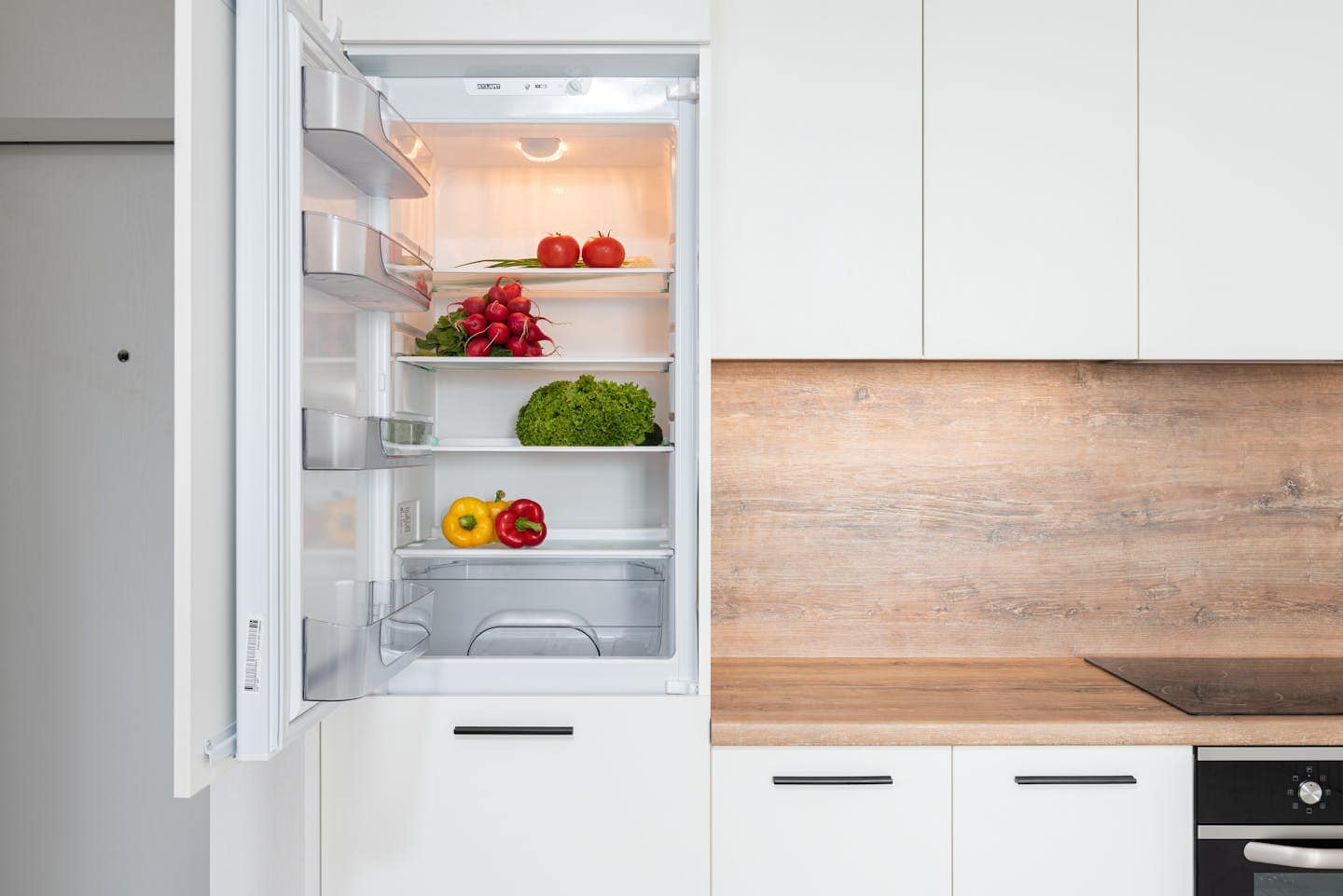
It’s tempting, especially during summer, but storing ground coffee in the fridge causes more harm than good. Coffee absorbs smells, so unless you want it to taste like last night’s lasagna, keep it out. Plus, cold air carries moisture, which clings to the grounds the moment you take the container out. That’s a fast track to stale town.
Grind Only What You Need
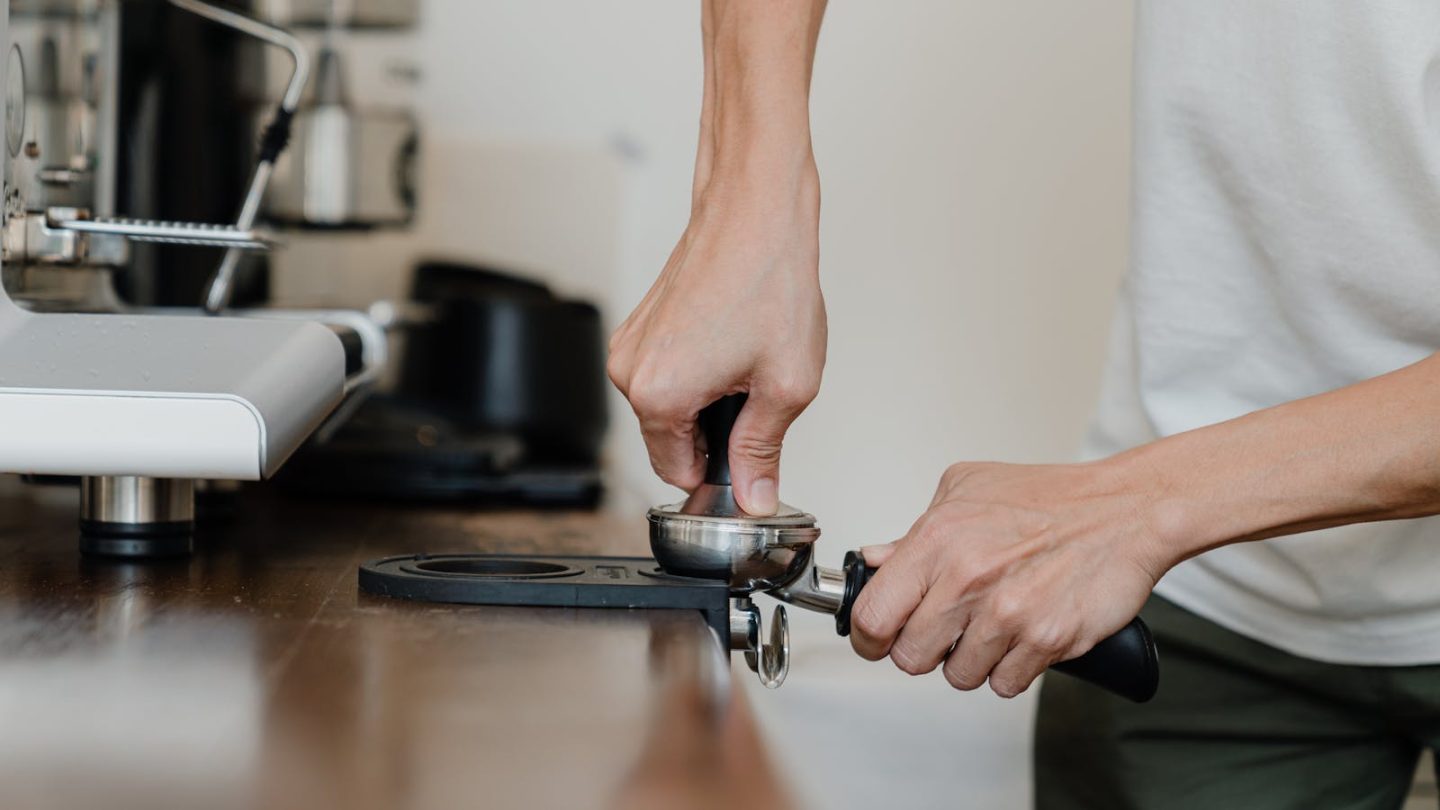
If you’re grinding at home, do it just before brewing. Whole beans stay fresh longer. Grinding speeds up oxidation, and even the best container can’t stop that. A quick 30-second grind before brewing can make all the difference in taste. Yes, it’s an extra step, but once you taste the difference, there’s no going back. It makes breakfast worth it.
Avoid Clear Containers
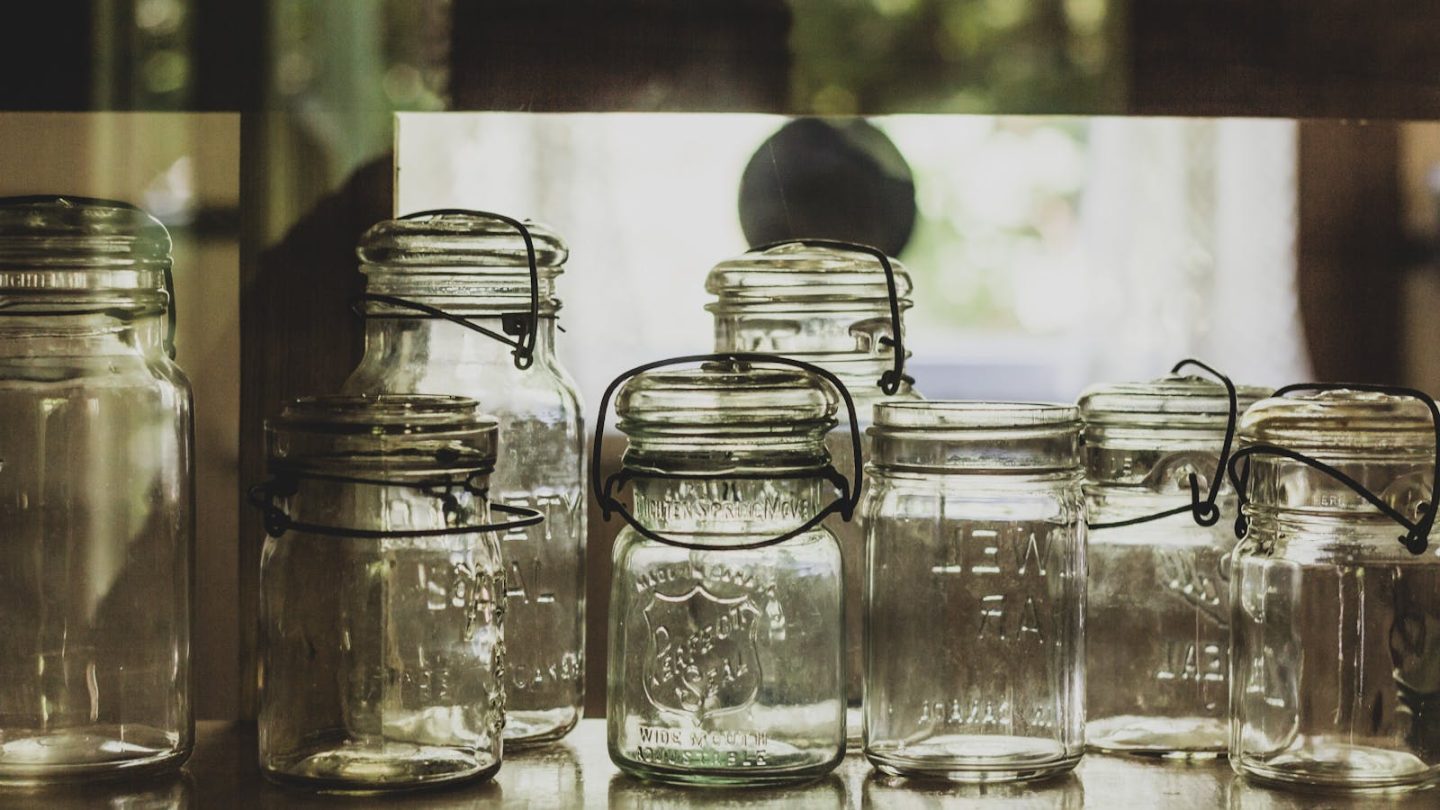
Glass jars may look pretty on your counter, but exposure to light is a silent killer. It breaks down flavor compounds, robbing your coffee of its richness. If you must use glass, keep it out of sight. Or go for opaque containers. Your coffee doesn’t need to be on display; it needs to stay alive. This way, it’s always fresh, and you can enjoy it for breakfast.
Don’t Scoop With a Wet Spoon

It sounds obvious, but it happens. You rinse a spoon, dry it half-heartedly, and dip it into the coffee. Boom: moisture. That dampness invites mold and turns your coffee clumpy. Always use a dry spoon. If you’re half-awake, consider keeping one inside the container so there’s no excuse.
Check the Roast Date, Not the Expiry Date
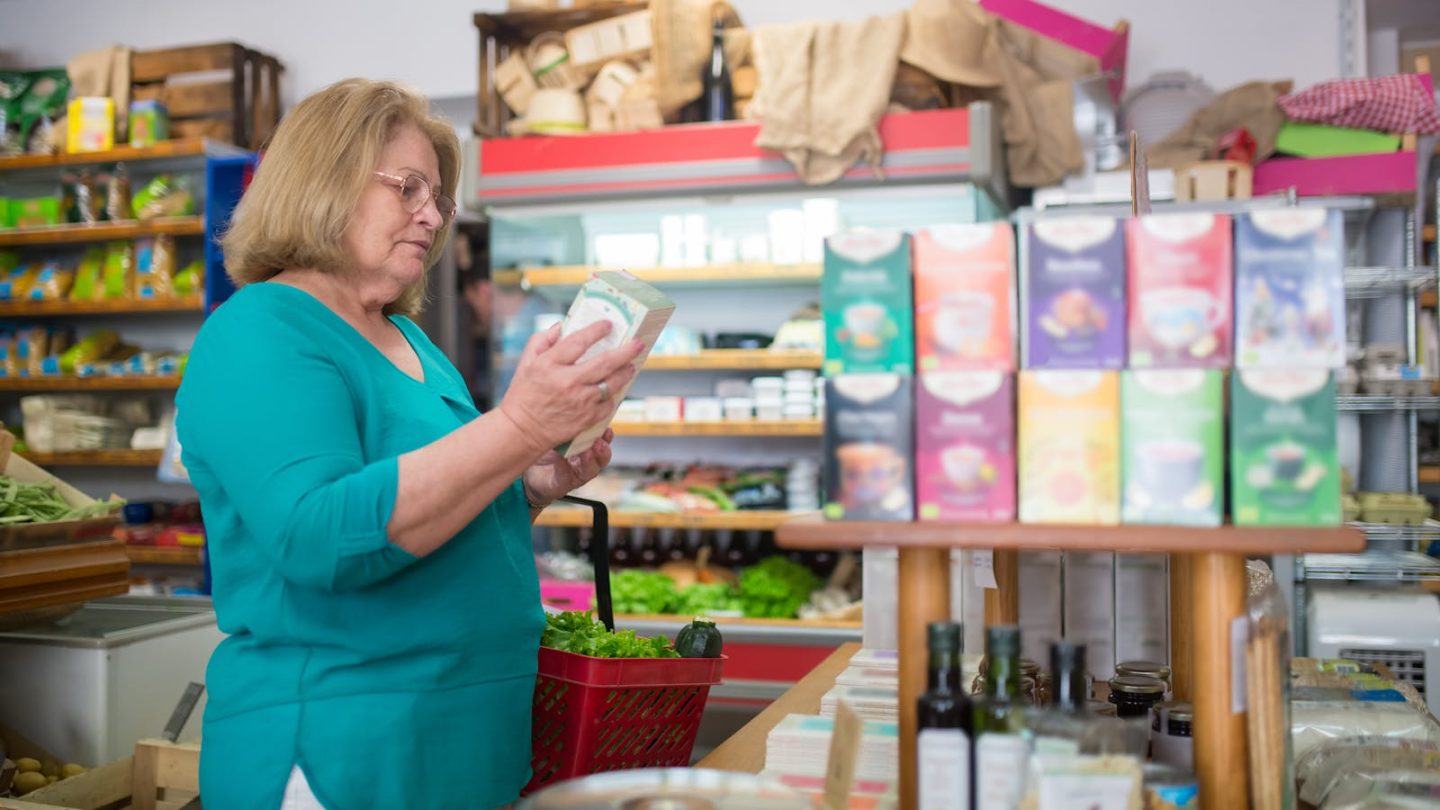
Most coffee bags list a best-by date, but that’s not the one you should care about. Look for the roast date instead. Coffee is best within two weeks of roasting and remains relatively stable for about a month afterward. If your store doesn’t list it, you might want to find one that does. The difference is huge.
Freeze it the Right Way (If You Must)

If you absolutely must freeze your coffee, do it smartly. Use airtight, vacuum-sealed bags. Portion the coffee into small packets so you’re only defrosting what you need to use at a time. Once it comes out of the freezer, don’t put it back in. That in-and-out motion introduces moisture, and we’ve already covered how much coffee hates that.
Disclaimer: This list is solely the author’s opinion based on research and publicly available information.
Read More:

- Ultimate Guide To Picking The Best Travel Credit Card
- The 5 Best Budget Airlines in the United States
- 15 Best Countrıes to Vısıt in Afrıca