10 Historic Sites Every Black Traveler Should Have on Their Bucket List
There’s something powerful about standing where history happened. It’s one thing to read about the past in books or watch it on screen. It’s another to walk the roads your ancestors once walked, to breathe the air they breathed, to feel the gravity of a moment that shaped generations.
For Black travelers, visiting sites rooted in African American history is more than just sightseeing. It’s an act of remembrance. It’s a personal pilgrimage. And sometimes, it’s also a celebration of survival, resistance, and excellence. If you’re curating your travel goals with intention, these 10 places deserve a spot at the top.
Selma’s Edmund Pettus Bridge – Selma, Alabama

You’ve probably seen the images from 1965 of John Lewis and other civil rights heroes marching across this bridge, only to be met with brutal force. That “Bloody Sunday” moment became a turning point in the fight for voting rights. Today, walking that bridge is a spiritual experience. It makes you pause, reflect, and remember how hard-fought the right to vote is.
The Legacy Museum and National Memorial for Peace and Justice – Montgomery, Alabama

Built by the Equal Justice Initiative, this museum confronts slavery, lynching, segregation, and mass incarceration head-on. It’s heavy, yes. But necessary. The Memorial, sometimes called the “lynching memorial,” holds over 800 steel columns, each representing a county where racial terror occurred. It’s not a walk in the park, but it’s something you won’t forget.
African Burial Ground National Monument – New York City, New York
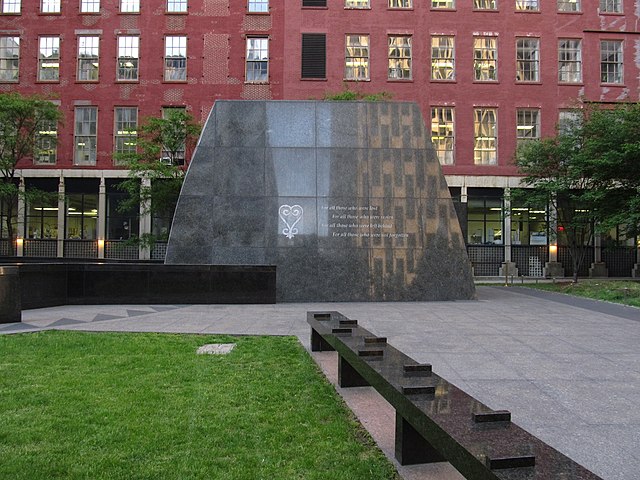
Right in Lower Manhattan, this sacred ground honors the remains of more than 15,000 free and enslaved Africans buried during the 1600s and 1700s. For years, their resting place was hidden under skyscrapers and pavement. Now, it’s a solemn monument and museum that reminds us just how deep African American roots run in this country, even in its financial capital.
Whitney Plantation – Wallace, Louisiana
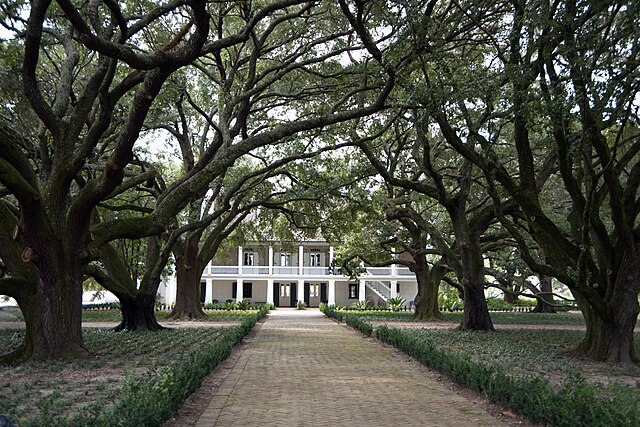
Most plantation tours focus on the lives of the enslavers. The Whitney flips the script. Here, the story centers on the enslaved, their names, their stories, and their pain. You’ll walk through slave cabins and memorials, guided by narratives that make history personal. Bring tissues. You’ll need them.
Frederick Douglass National Historic Site – Washington, D.C.
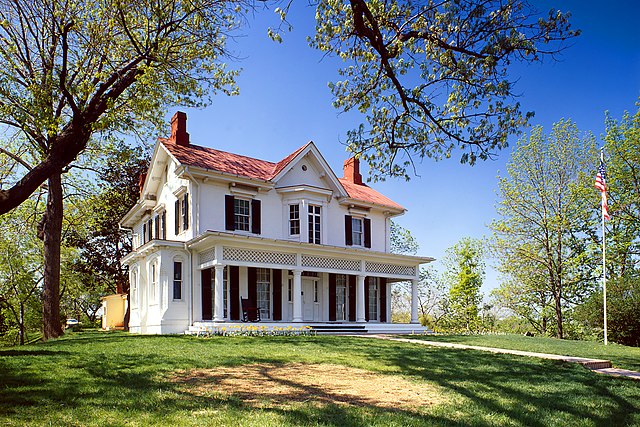
Perched on a hill in Anacostia, Douglass’s home tells the story of a man who escaped slavery and became a voice for justice. The house still contains many of his items. You can almost hear his booming voice echoing through the study. It’s a quiet reminder of how one person’s words can move a nation.
International Civil Rights Center & Museum – Greensboro, North Carolina

It all started with four college students refusing to leave a Woolworth’s lunch counter. That 1960 sit-in kicked off a wave of peaceful protests across the South. The actual counter is still there, along with exhibits that walk you through the movement. It’s history you can touch.
New Orleans African American Museum – New Orleans, Louisiana
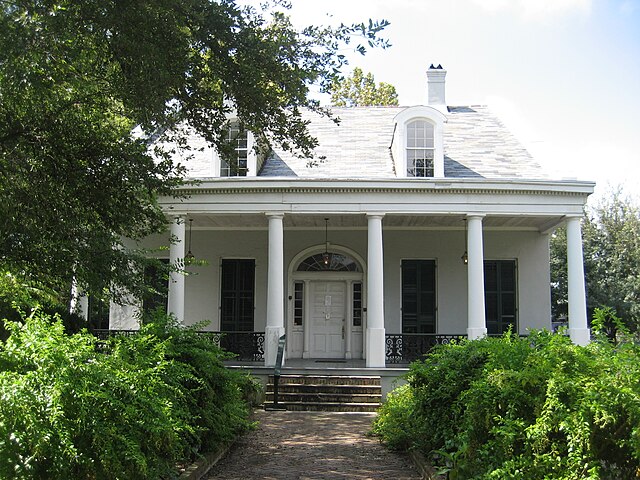
New Orleans doesn’t just party; it remembers. This museum in the Tremé neighborhood honors the city’s deep Black history. It explores everything from slavery to free people of color to Black culture today. Come for the exhibits, stay for the neighborhood’s music, food, and rhythm.
Fort Mose Historic State Park – St. Augustine, Florida

Before the Underground Railroad led north, some enslaved Africans escaped south. Fort Mose was the first legally sanctioned free Black settlement in what is now the U.S., founded in 1738 by Africans who fled slavery in the Carolinas. Today, it’s a park with reenactments and exhibits that’ll surprise you if you’ve only heard one version of American history.
Charles H. Wright Museum of African American History – Detroit, Michigan

This museum is a cultural powerhouse. One of the largest African American history museums in the world, it takes you from African kingdoms to present-day Detroit. Its immersive exhibits pull you in and make you feel part of the story. It’s a solid day trip, so come early.
Cape Coast Castle – Cape Coast, Ghana

Okay, this one isn’t in the U.S., but it belongs on your list. Cape Coast Castle was a major hub in the transatlantic slave trade. Standing in the dungeons where people waited to be shipped across the ocean is something words can’t fully capture. Many African Americans who visit describe it as life-altering. If you ever get the chance, go.
Disclaimer: This list is solely the author’s opinion based on research and publicly available information.
Read More:

- Ultimate Guide To Picking The Best Travel Credit Card
- The 5 Best Budget Airlines in the United States
- 15 Best Countrıes to Vısıt in Afrıca