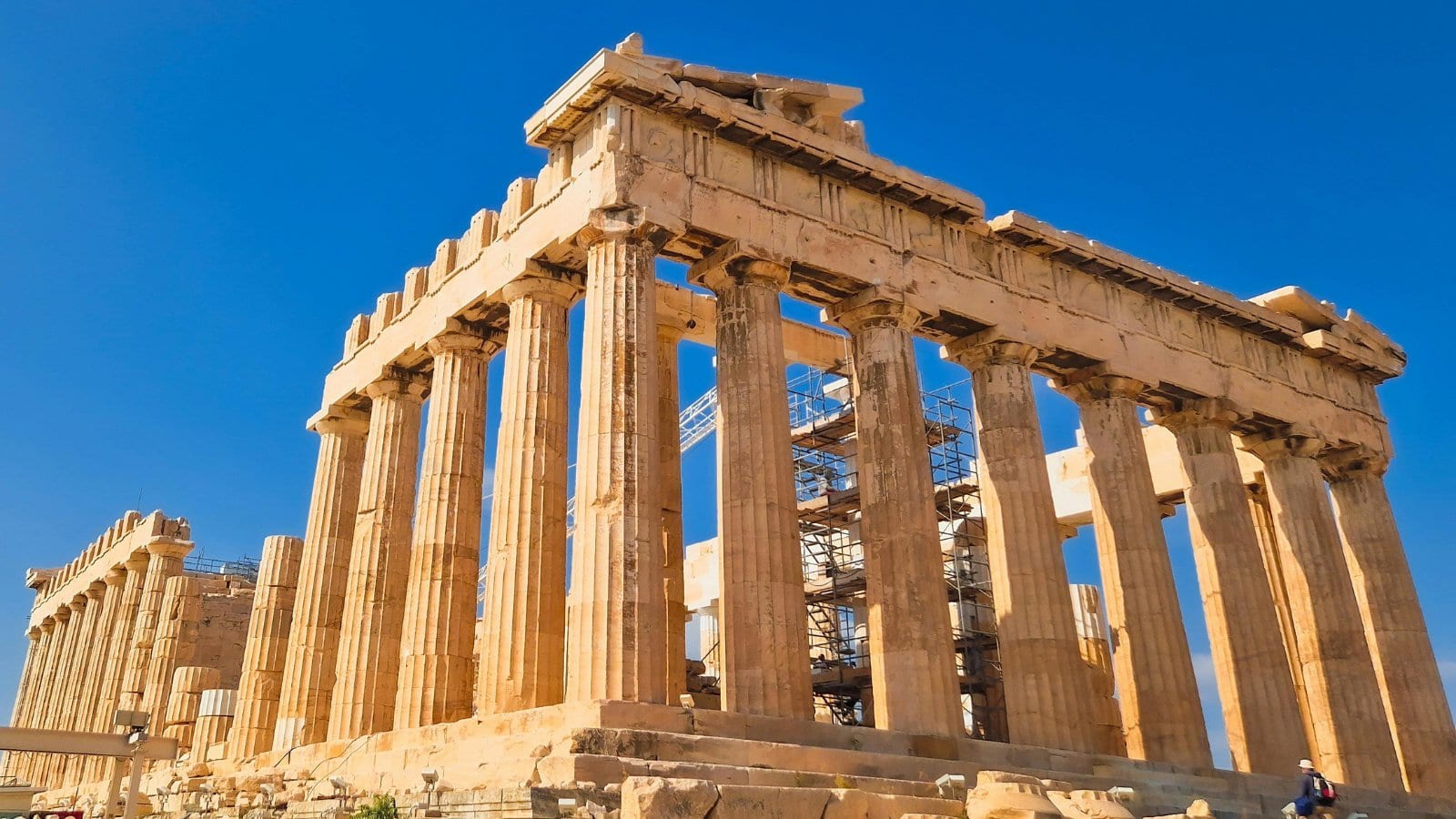
14 Historic Buildings That Tell the Story of Early Civilizations
Historic buildings are silent storytellers. They show us how early civilizations lived, dreamed, and built their futures. Each stone and column carries memories of the past. These structures reveal the skills, beliefs, and ambitions of people long gone but never forgotten.
Exploring these ancient sites feels like stepping into a time machine. They offer glimpses of societies that shaped culture, politics, and technology. Walking through their remains sparks curiosity and wonder about how those early builders achieved such feats without modern tools or technology.
Stonehenge
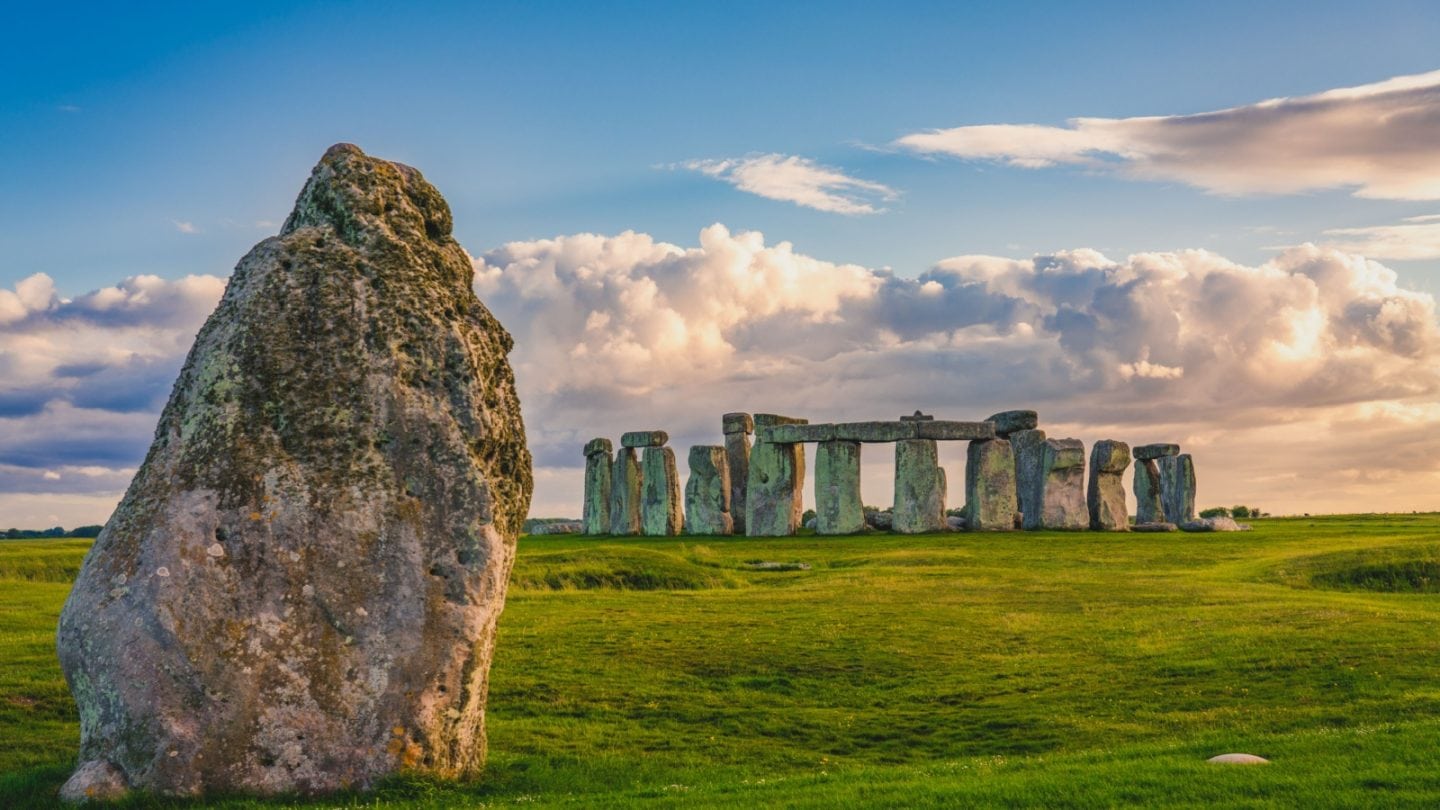
Stonehenge stands as a mysterious circle of massive stones on England’s Salisbury Plain. Its purpose still puzzles experts. Some say it was an ancient calendar, while others claim it was a spiritual center. Either way, its alignment with the sun shows impressive astronomical knowledge. Visitors often marvel at how these massive stones were moved without the aid of modern machines.
The Great Pyramid of Giza
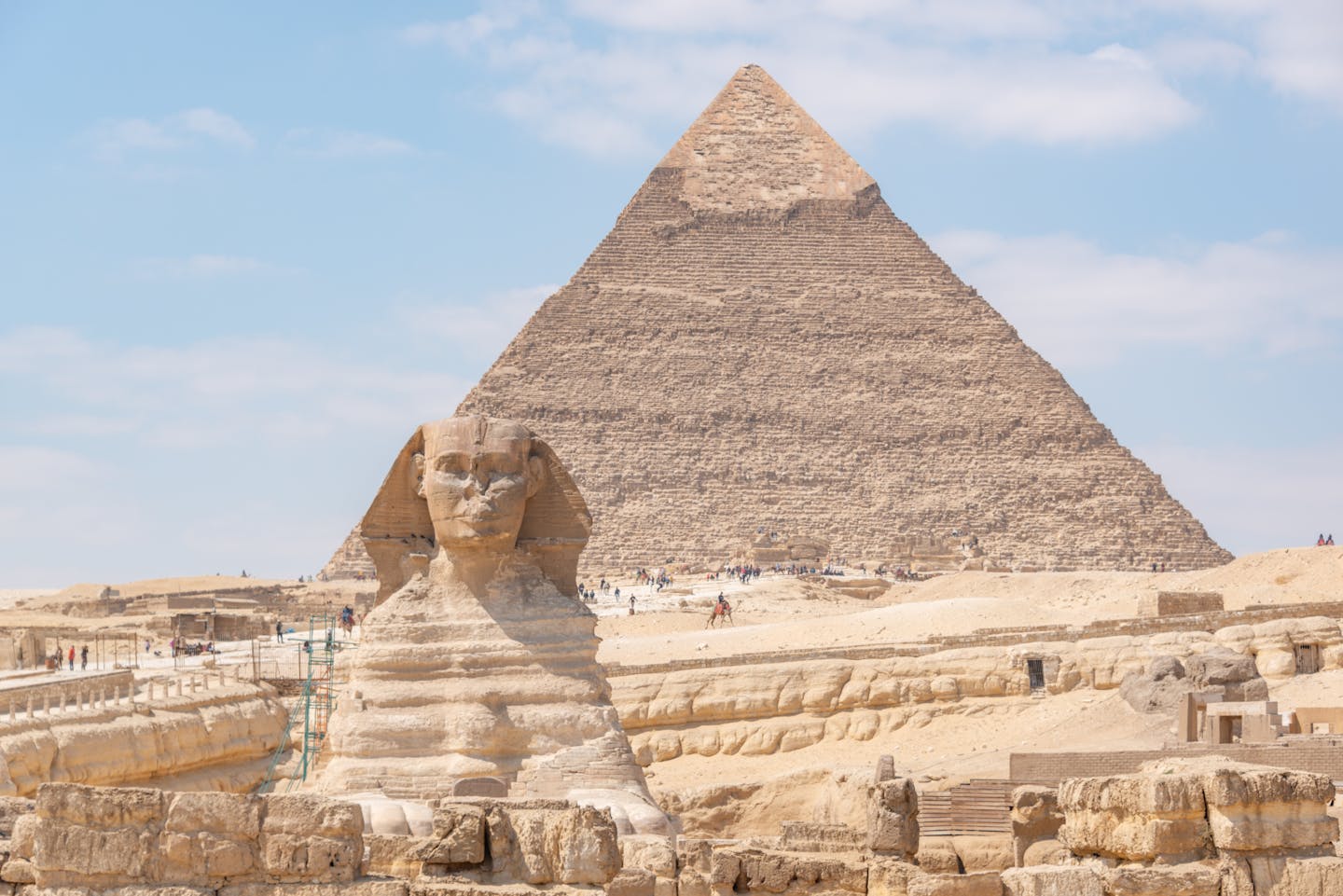
The Great Pyramid of Giza, located in Egypt, is the oldest and largest of the three pyramids in the Giza Necropolis. Built as a tomb for Pharaoh Khufu, its precision and scale leave visitors in awe. This structure highlights the Egyptians’ advanced engineering and religious devotion. The exact methods used to build it remain a fascinating mystery to this day.
The Parthenon
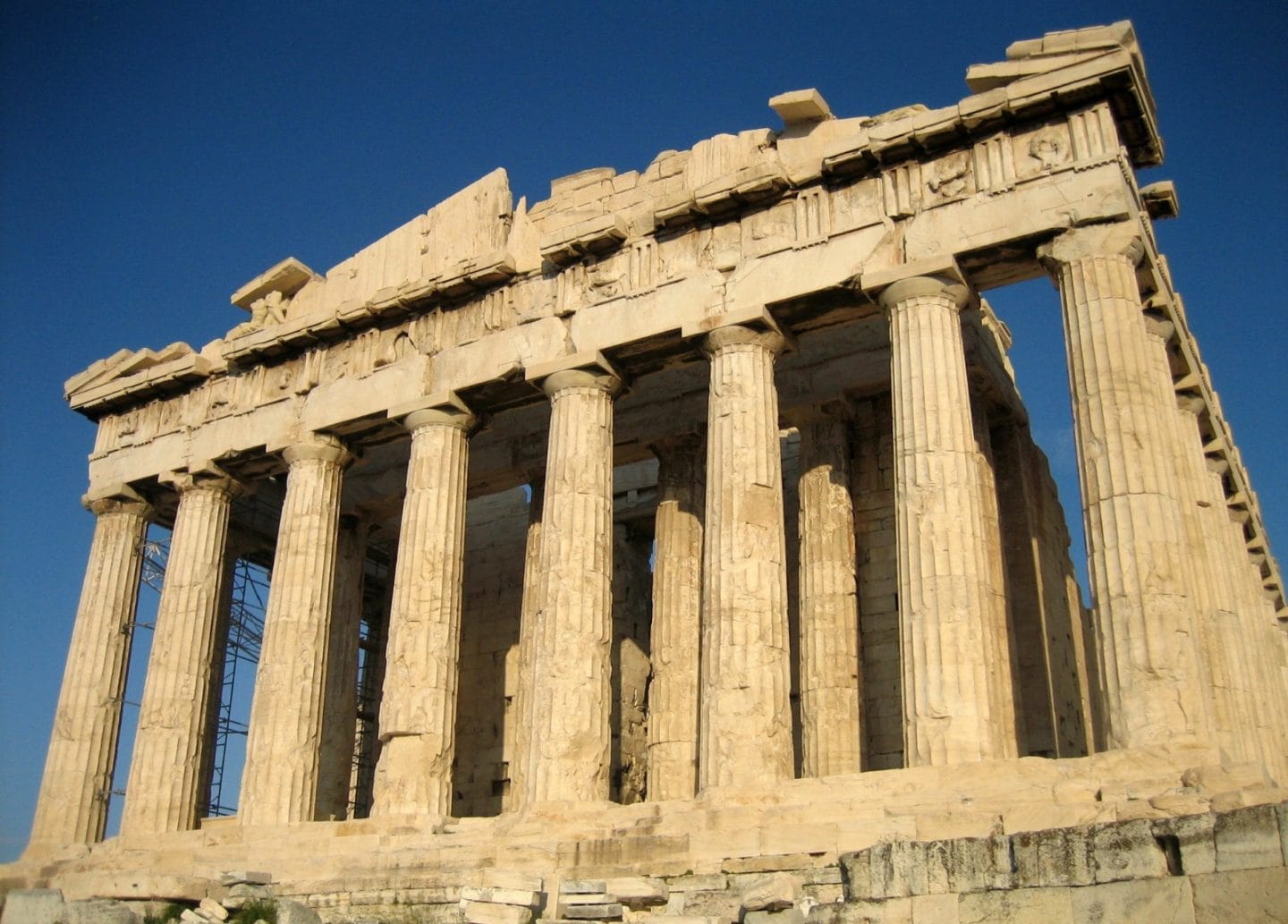
The Parthenon on Athens’ Acropolis reflects the glory of ancient Greece. Dedicated to the goddess Athena, it showcases architectural elegance and artistic mastery. The building symbolizes democracy and cultural pride. Its enduring presence continues to inspire architects and historians alike.
Machu Picchu

Machu Picchu perches high in the Andes Mountains of Peru. This Incan city combines natural beauty with architectural ingenuity. Its terraces, temples, and plazas reveal a civilization closely connected to its environment. The site’s discovery in 1911 brought new insight into Incan history.
The Colosseum

Rome’s Colosseum was once the epicenter of gladiator battles and public spectacles. This massive amphitheater could hold tens of thousands of spectators. It demonstrates the Romans’ ability to entertain on a grand scale. Today, it stands as a powerful symbol of Roman engineering.
The Temple of Karnak
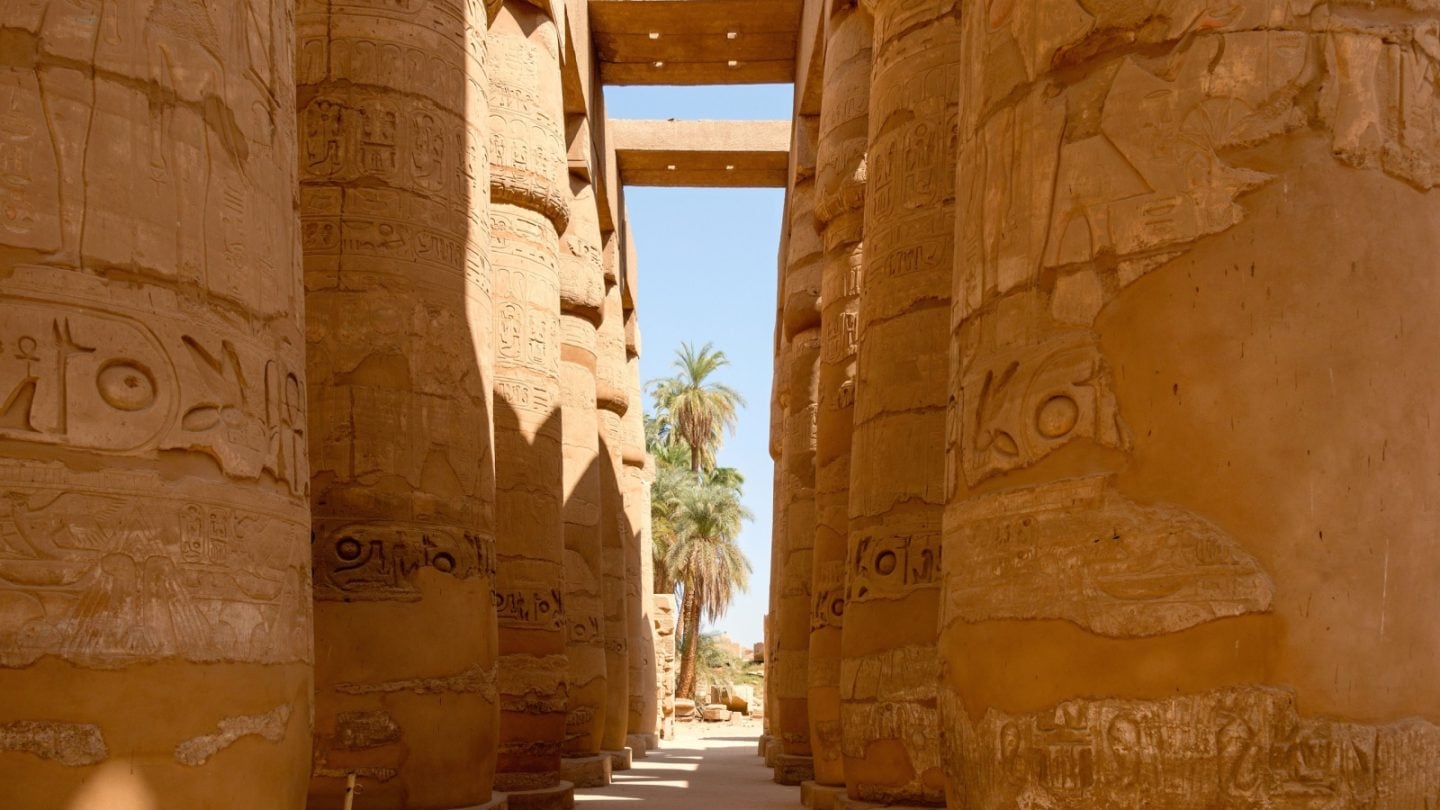
Karnak in Egypt is a vast temple complex dedicated to several gods. Its massive columns and statues tell stories of faith and power. Visitors can imagine ancient priests performing rituals amid the shadows. The temple grew over centuries, reflecting changes in religious practices.
The Alhambra
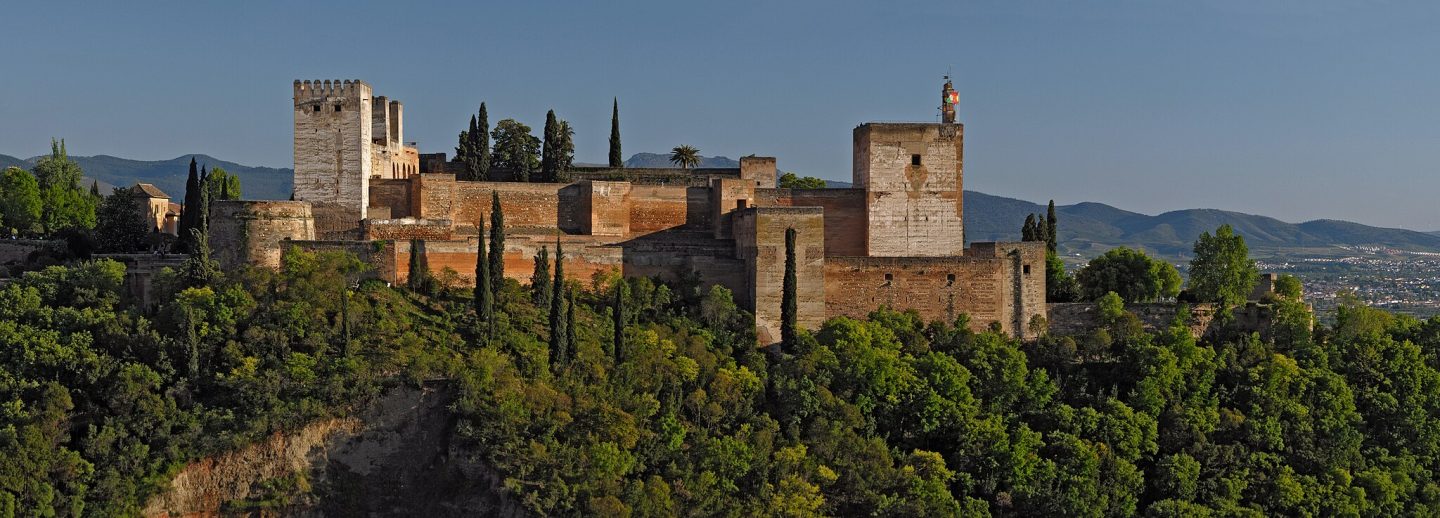
The Alhambra in Spain blends Islamic art and architecture with royal grandeur. Its intricate tilework and water features create a peaceful oasis. The palace shows how cultures mixed and thrived through centuries. Its gardens remain a favorite spot for visitors seeking tranquility.
The Tower of London
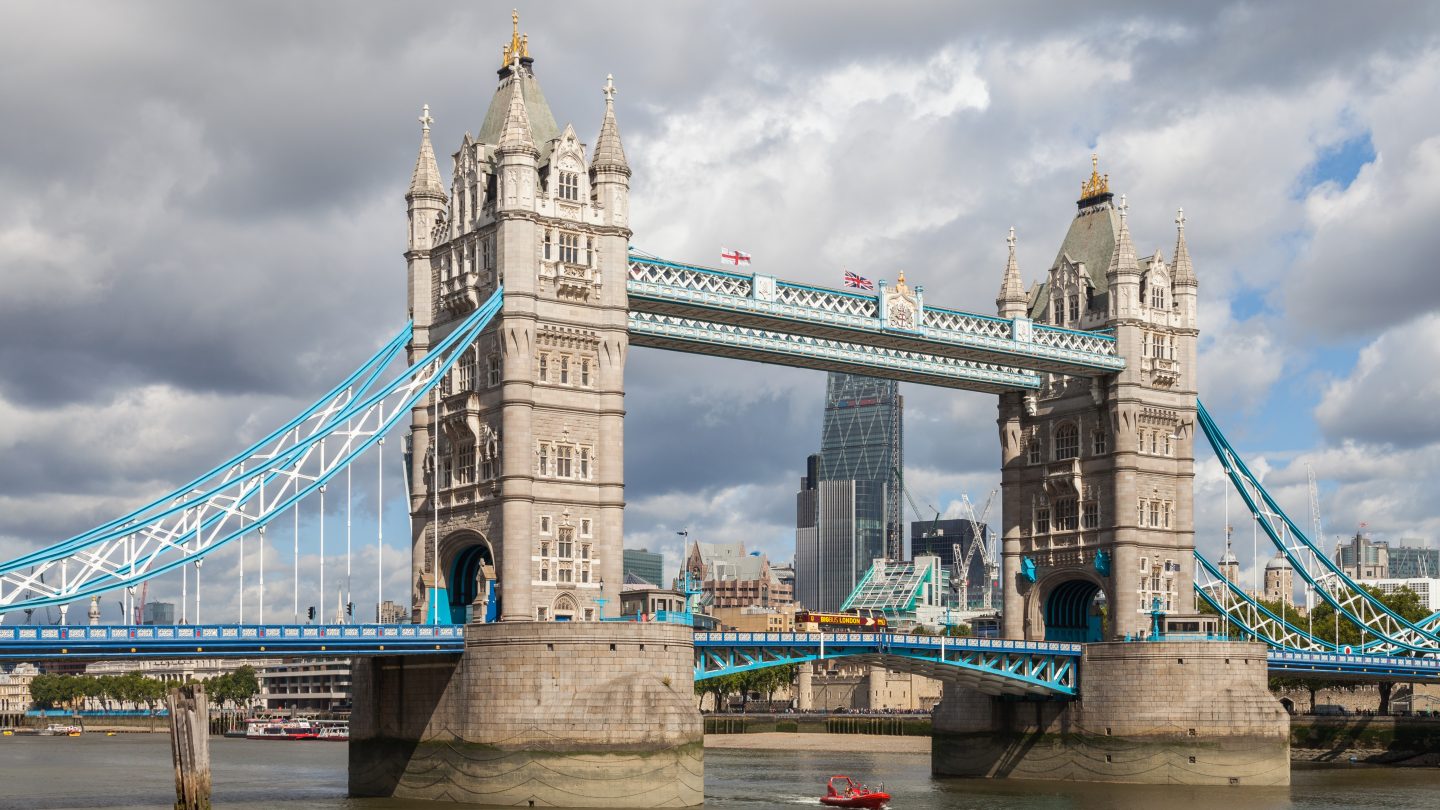
The Tower of London served as a fortress, royal palace, and prison. Its walls witnessed dramatic history, from royal plots to famous imprisonments. This fortress represents England’s turbulent past. The Crown Jewels kept here continue to attract crowds every year.
Petra

Petra in Jordan is carved directly into red sandstone cliffs. This city served as a hub for trade, connecting diverse cultures and peoples. Its facades hint at the wealth and artistry of the Nabateans. Exploring its narrow paths feels like stepping into an ancient movie set.
The Acropolis of Athens

Athens’ Acropolis holds temples and statues that define classical architecture. This site celebrates civic pride and religious devotion. Visitors can almost hear ancient debates echoing among its ruins. Its influence extends to modern ideas about politics and art.
The Great Wall of China

Stretching thousands of miles, the Great Wall was built to defend against invasions. It stands as a monument to perseverance and strategic thinking. Walking along its length connects you with centuries of Chinese history. The wall’s construction involved countless workers over many generations.
The Hagia Sophia
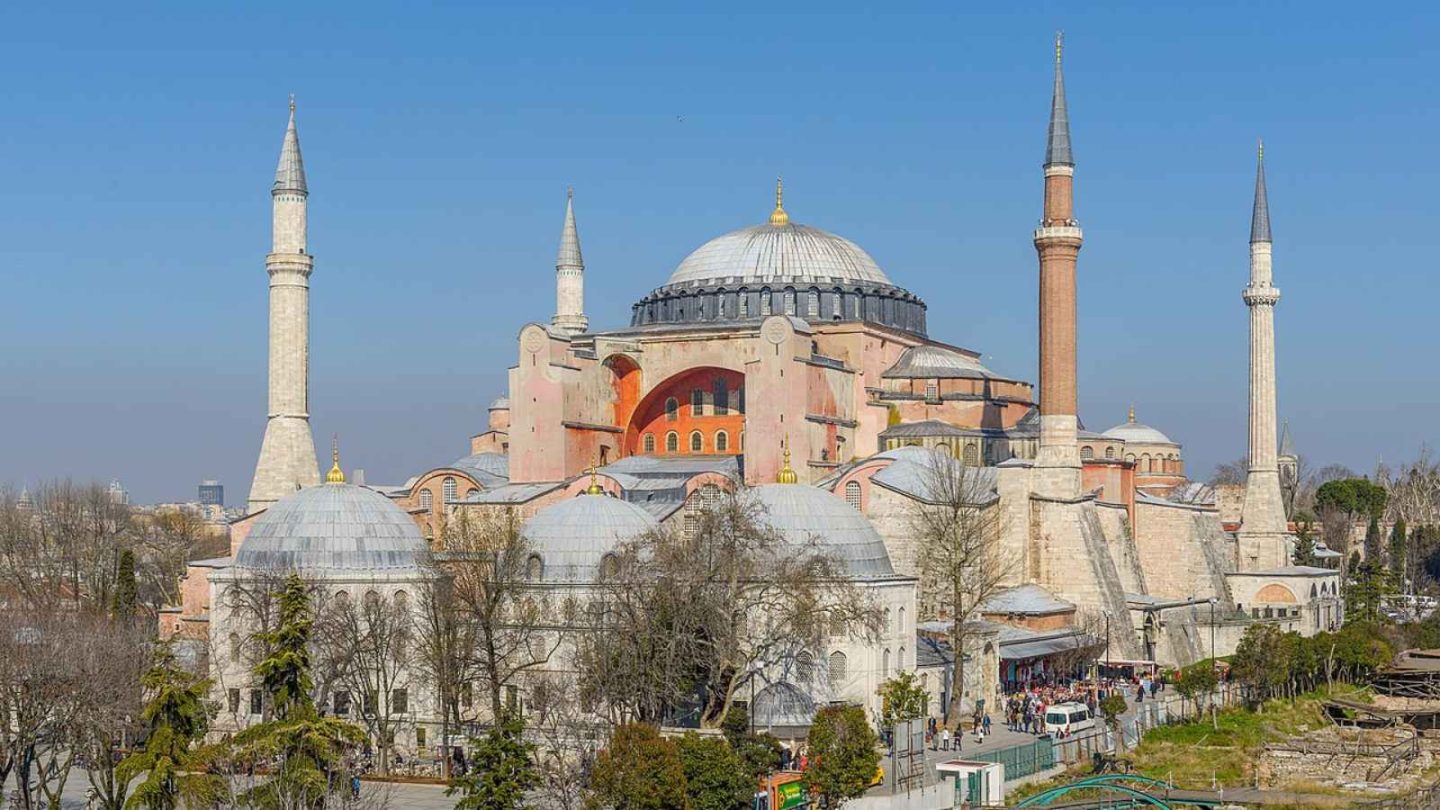
Hagia Sophia in Istanbul has been a church, mosque, and museum. Its massive dome and mosaics reflect Byzantine and Ottoman influences. The building tells a story of faith and cultural shifts. Its architectural innovations inspired buildings around the world.
The Palace of Knossos

Knossos on Crete reveals the heart of Minoan civilization. Its labyrinthine design and frescoes inspired the myth of the Minotaur. Exploring this palace shows a society rich in art and ceremony. Archaeologists continue to uncover new details about its complex history.
The Basilica of San Vitale
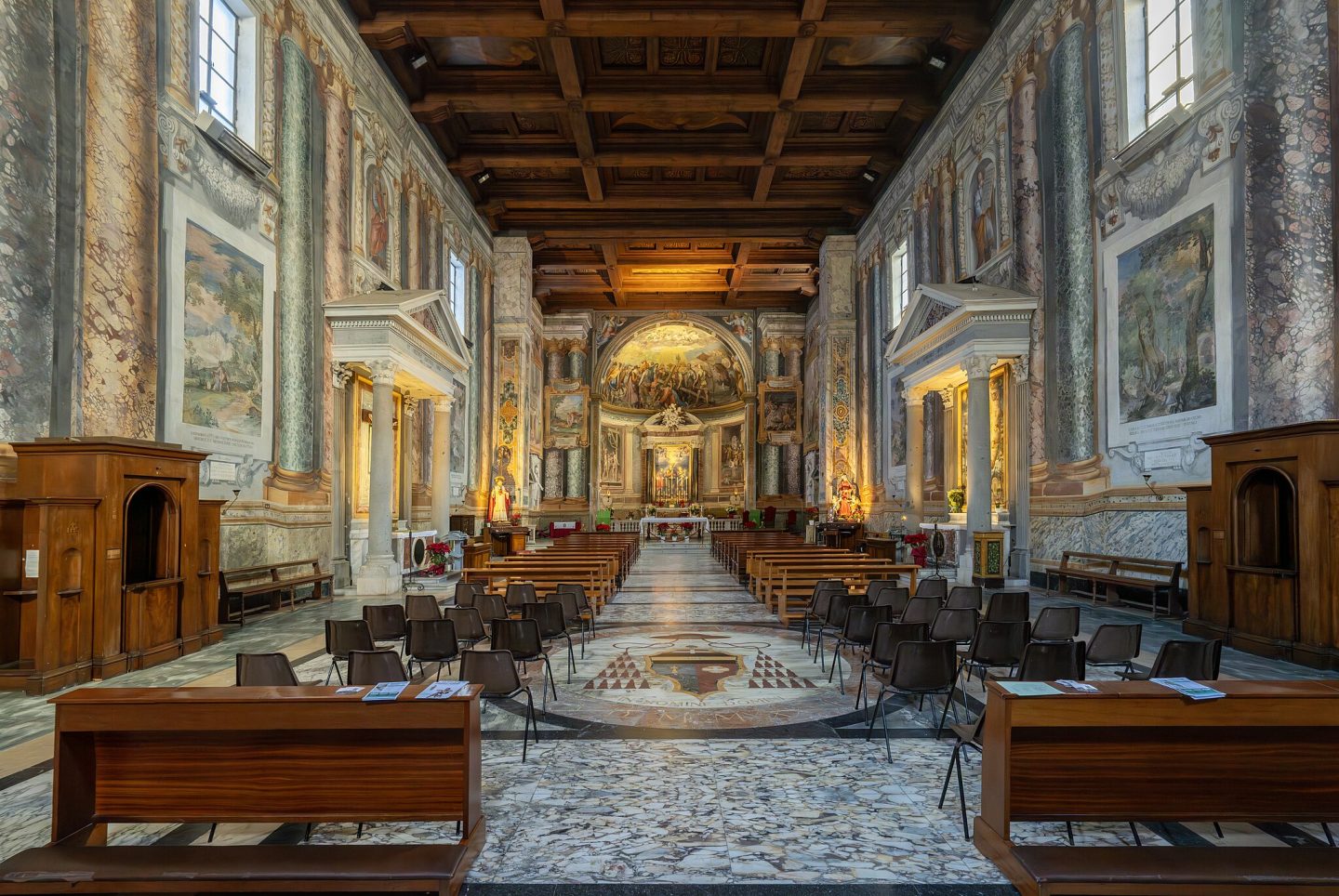
San Vitale in Ravenna, Italy, stands out for its stunning mosaics. This church captures early Christian and Byzantine art. Its beauty offers insight into religious devotion and imperial power. The mosaics here remain some of the best-preserved examples from their time.
The Forbidden City
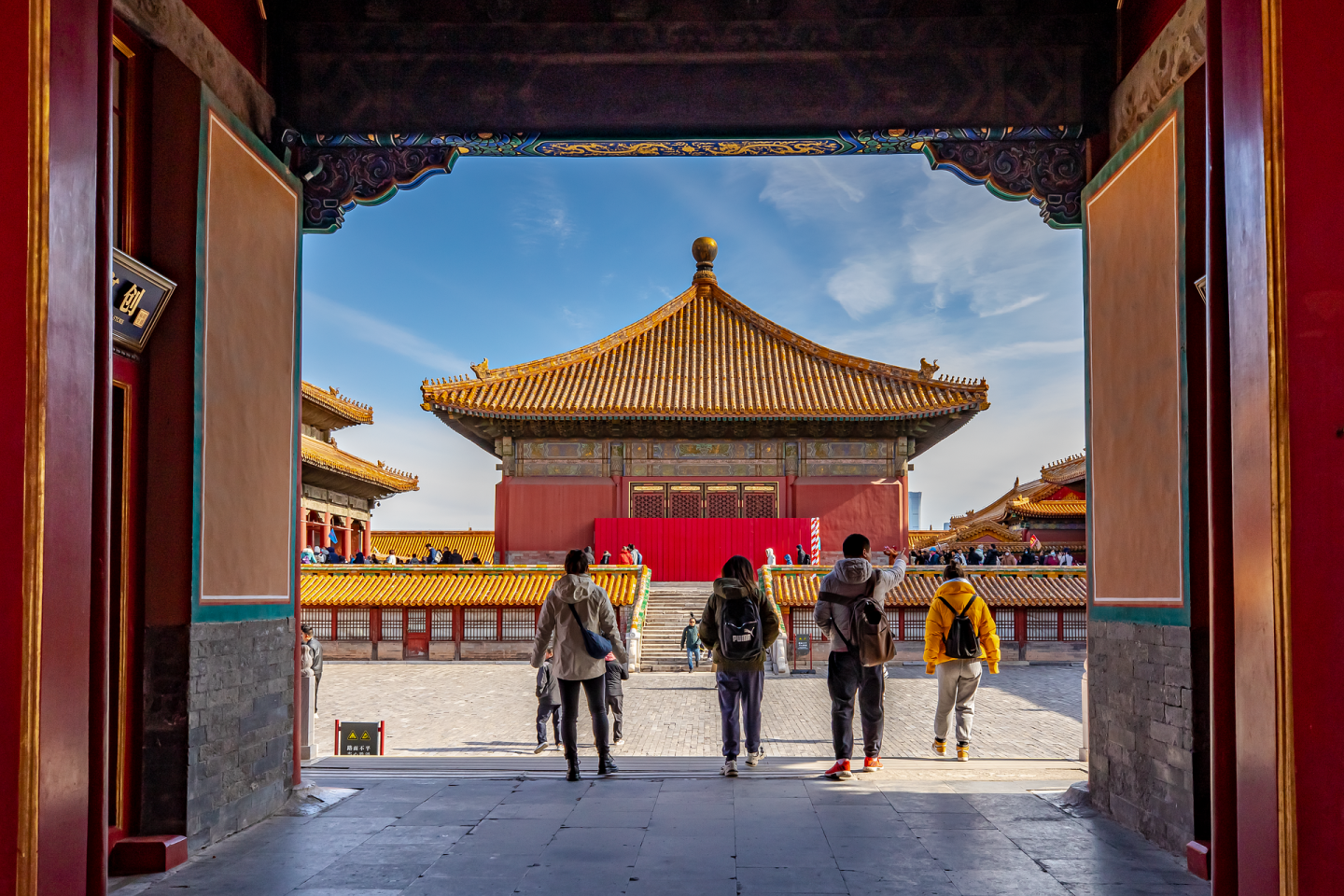
Beijing’s Forbidden City housed Chinese emperors for centuries. This vast complex reflects imperial authority and traditional design. Walking its courtyards invites you into the lives of ancient rulers. It remains one of the largest and most well-preserved palace complexes in the world.
Disclaimer: This list is solely the author’s opinion based on research and publicly available information.
Read More:

- Ultimate Guide To Picking The Best Travel Credit Card
- The 5 Best Budget Airlines in the United States
- 15 Best Countrıes to Vısıt in Afrıca
Disclaimer: This list is solely the author’s opinion based on research and publicly available information.