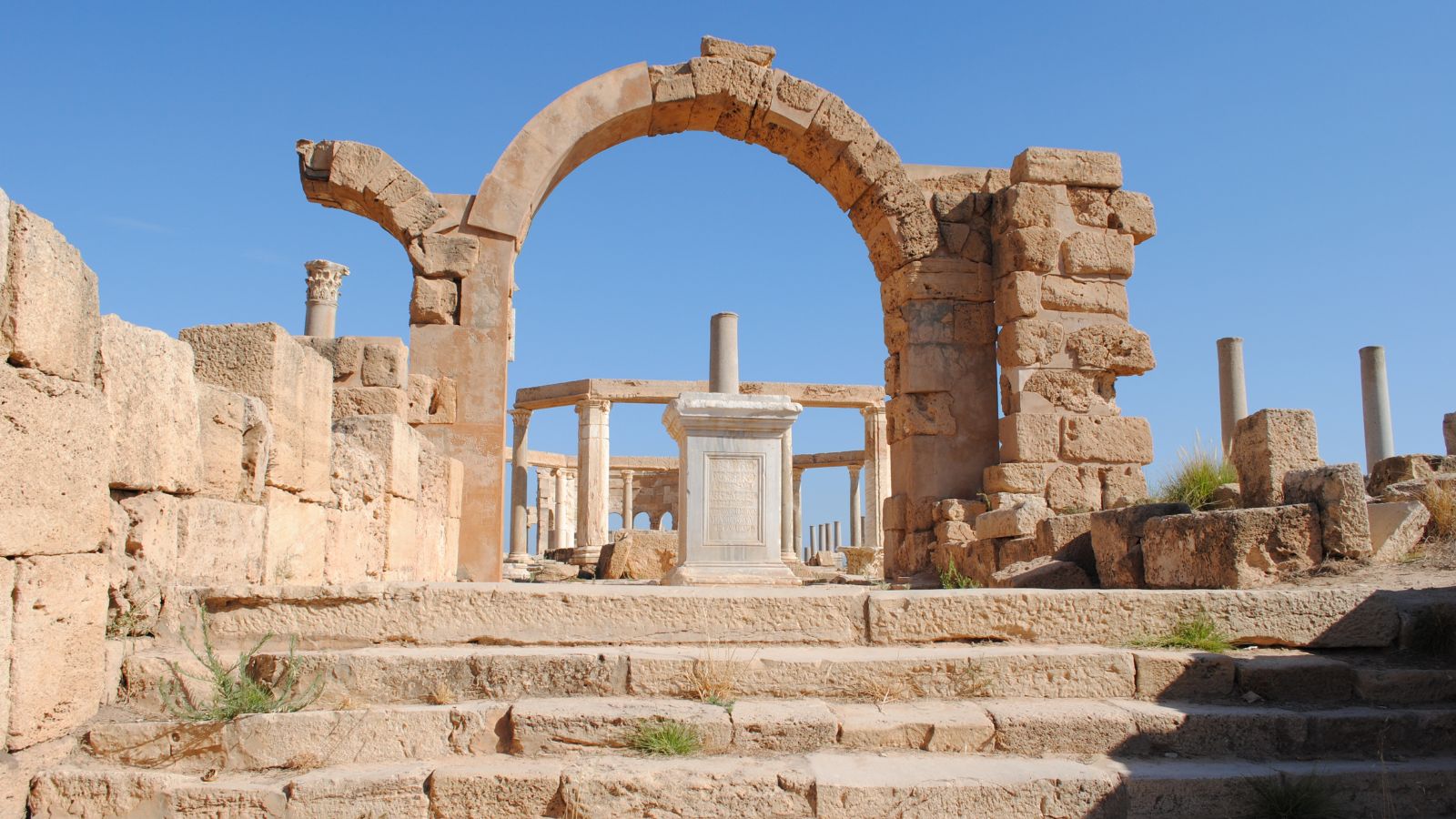
11 Ancient Sites That Have Survived Natural Disasters
Ancient sites have faced the fury of nature for centuries. Earthquakes, floods, volcanic eruptions, and storms have tested their strength. Yet, some structures stand firm, telling stories of resilience and human ingenuity. These places reveal how early builders dealt with disasters, often without the modern tools we take for granted.
Surviving nature’s worst takes more than luck. It takes careful planning, strong materials, and sometimes a bit of good fortune. The sites featured here show impressive survival through cataclysmic events. Their existence today connects us to the past and reminds us of human determination across time.
Angkor Wat, Cambodia

Angkor Wat faced monsoon floods and nearby earthquakes. Despite waterlogged grounds, its sandstone walls hold strong. Builders created a complex drainage system that channels rainwater away from the site. This clever design has kept the temple intact for centuries.
Pompeii, Italy
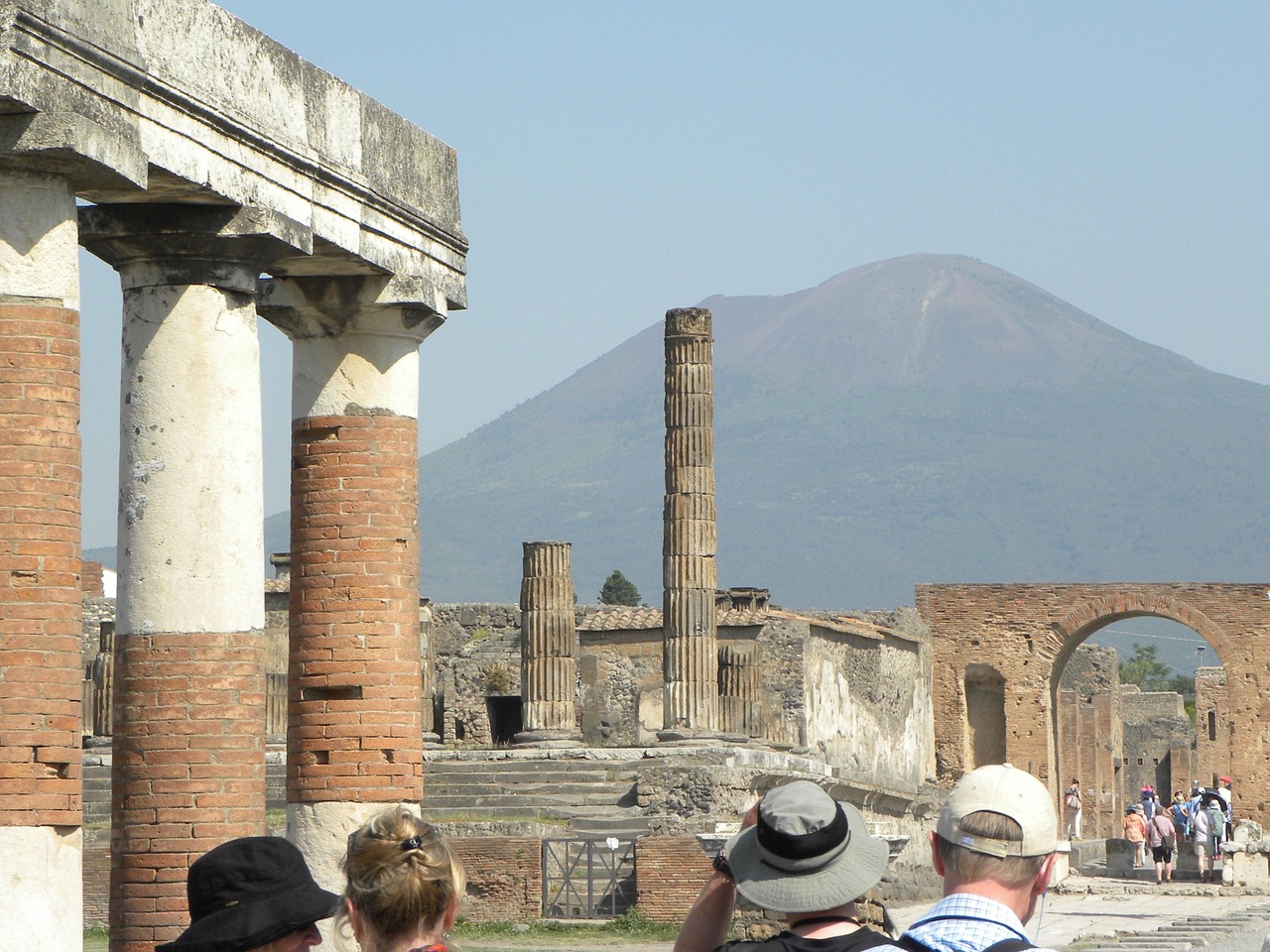
The eruption of Mount Vesuvius in 79 AD buried Pompeii under a layer of ash. Rather than destroying it, the ash preserved the city. Excavations reveal streets, homes, and frescoes almost frozen in time. The disaster turned Pompeii into a snapshot of ancient Roman life.
Great Wall of China

The Great Wall withstood earthquakes and harsh weather along its length. Its construction using stone, brick, and tamped earth provided durability. Workers adapted building techniques to local conditions, enabling the structure to resist damage for over a thousand years.
Machu Picchu, Peru

Nestled high in the Andes, Machu Picchu has survived landslides and heavy rain. The Incas used terraces and drainage channels that prevent erosion and direct water away. These features have kept the citadel from slipping down the mountain.
Hagia Sophia, Turkey
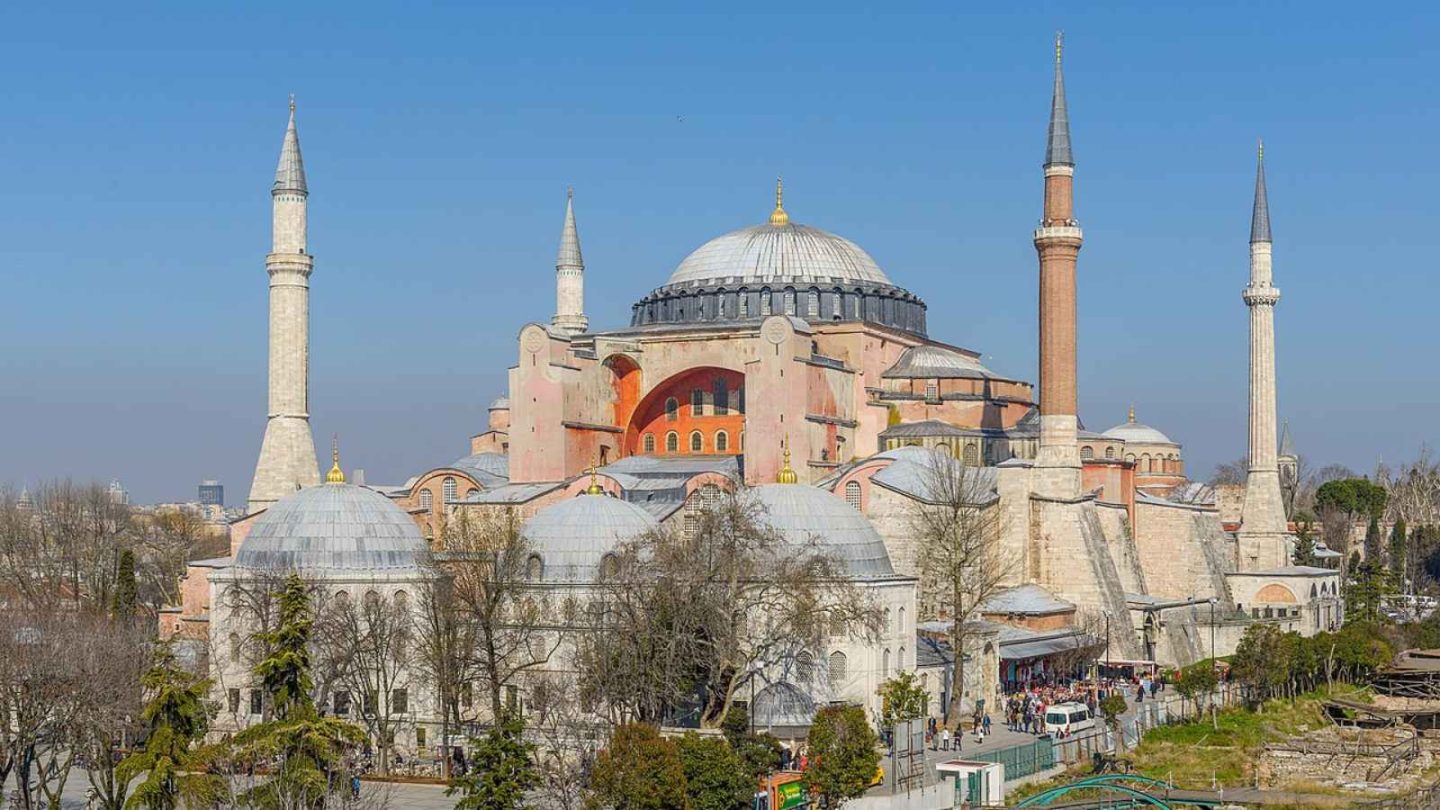
Hagia Sophia has endured multiple earthquakes since it was built in the 6th century. Builders incorporated flexible materials and a massive dome supported by pendentives that absorb seismic shocks. Repairs over centuries helped it stay standing despite tremors.
Mesa Verde, USA

The cliff dwellings of Mesa Verde have weathered storms and temperature swings in the desert. Built into natural alcoves, these homes are shielded from wind and rain. The natural rock overhangs act like a roof, protecting ancient structures.
Borobudur, Indonesia
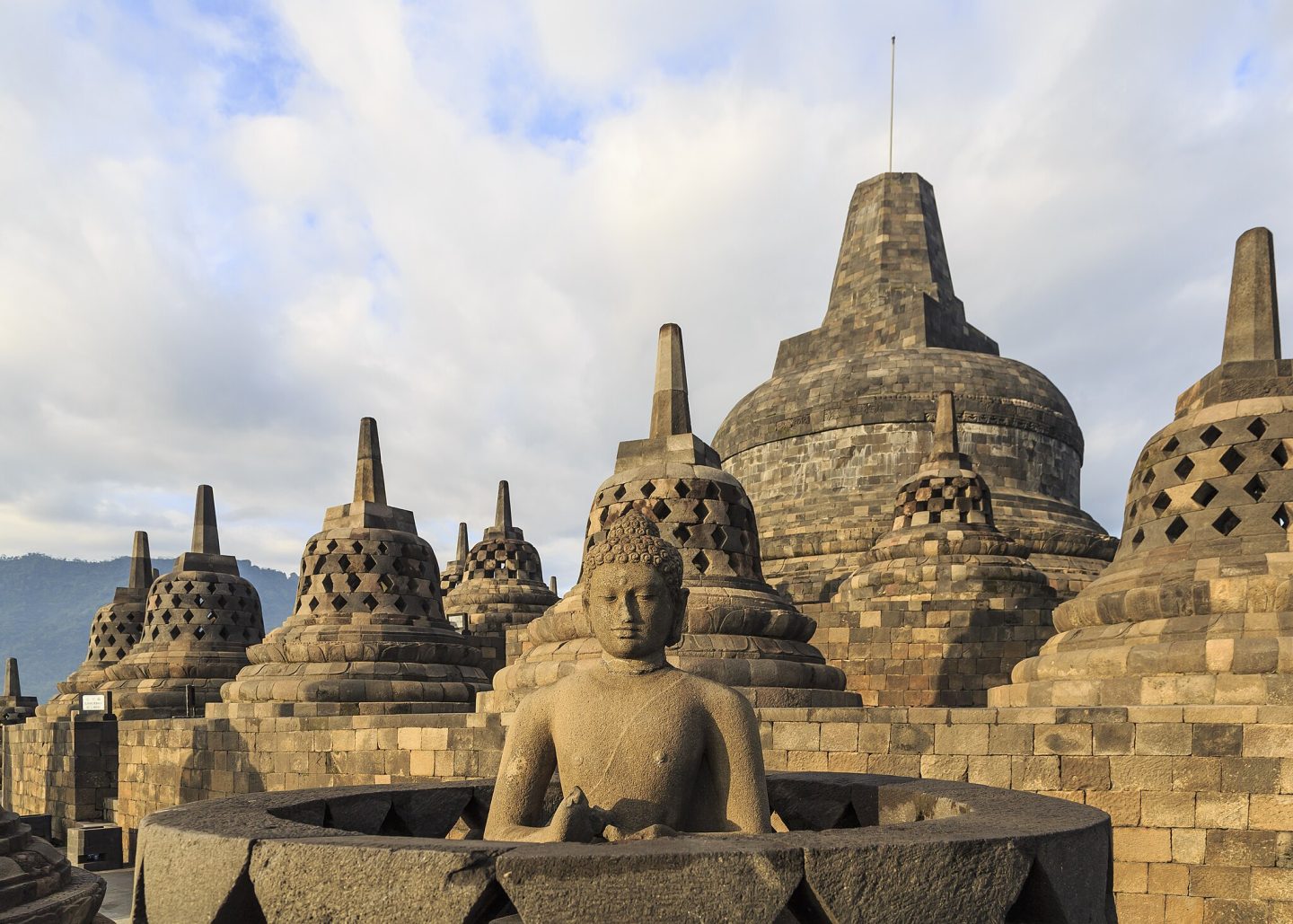
Located near active volcanoes, Borobudur has been affected by ashfall and earthquakes. Its volcanic stone and stepped design help it shed water quickly. Regular maintenance by locals and conservation teams keeps it safe from nature’s attacks.
Chichen Itza, Mexico

Hurricanes and heavy rains challenge Chichen Itza’s resilience on the Yucatan Peninsula. Its limestone buildings include steep steps and drainage systems that help prevent water damage during tropical storms. This thoughtful design has allowed the site to endure harsh weather for centuries.
Petra, Jordan

Carved into cliffs, Petra’s rock-cut architecture has faced flash floods and wind erosion. Ancient Nabataeans built channels and dams around the city to divert floodwaters. These defenses reduced water damage and helped preserve the city’s monuments.
Tikal, Guatemala
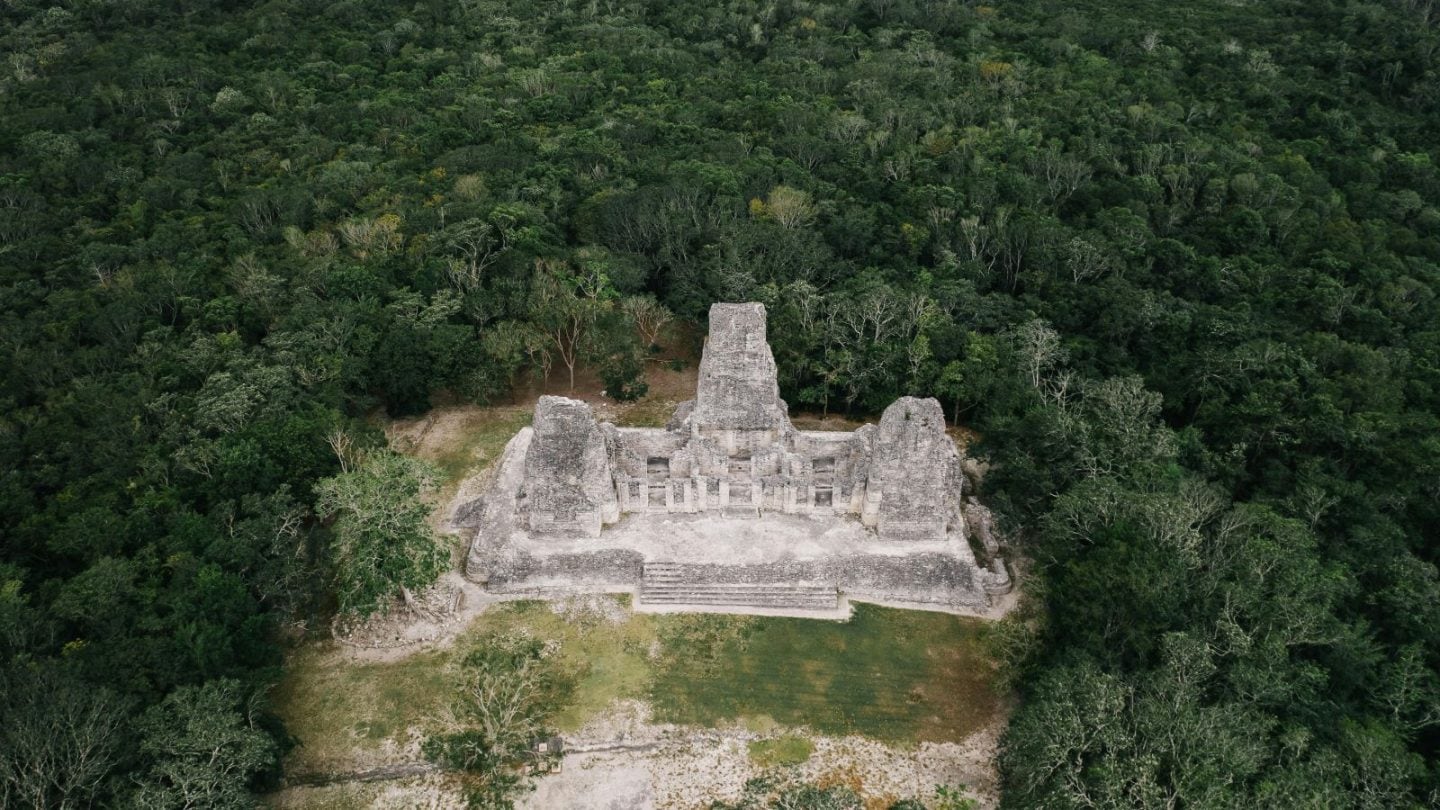
Tikal is situated in a rainforest prone to heavy rainfall and tropical storms. The Maya constructed raised platforms and drainage networks that direct water away. This engineering keeps temples and plazas dry, even during intense storms.
Leptis Magna, Libya
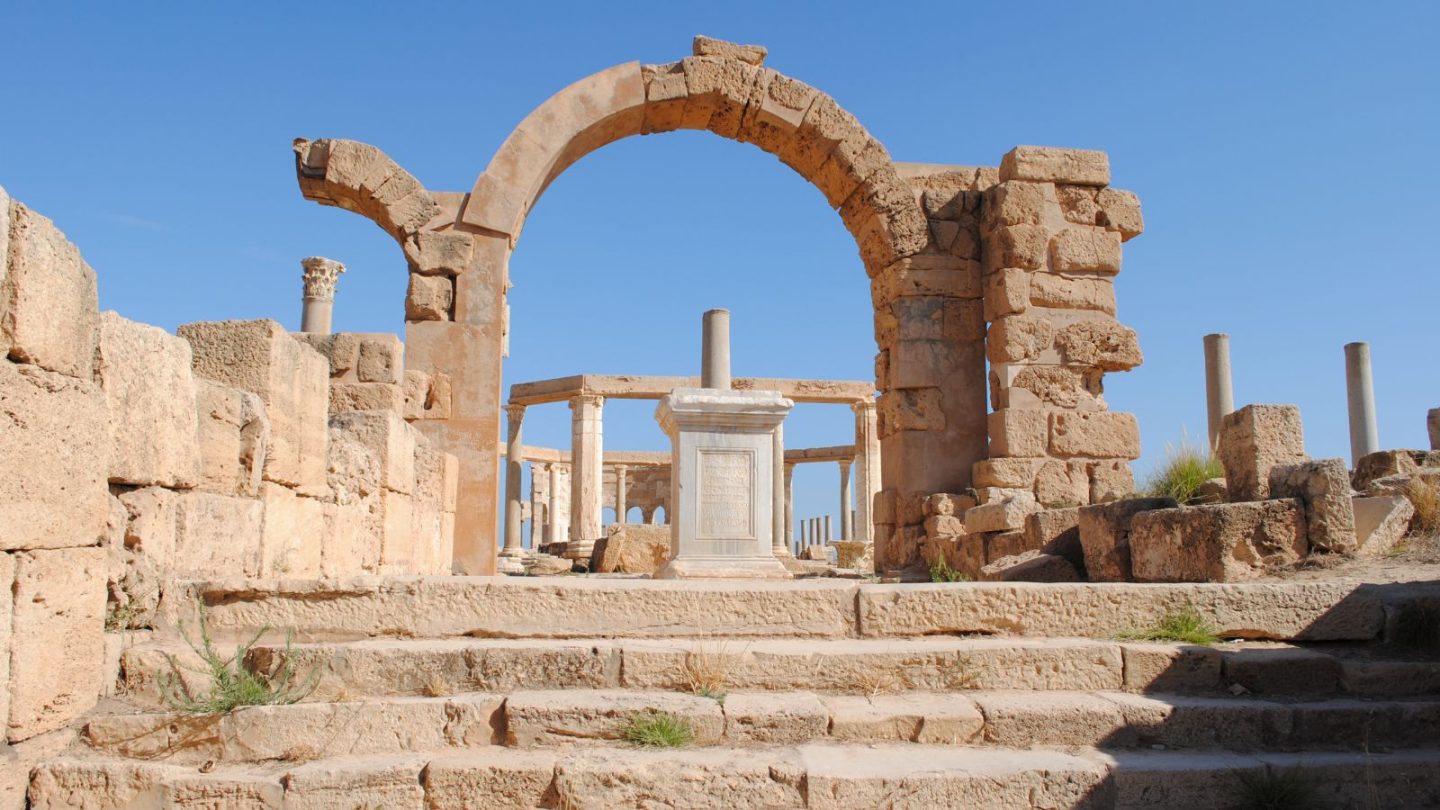
This Roman city has faced desert winds and occasional floods. Strong stone construction and an elevated forum helped protect vital areas. Some buildings exhibit repairs made soon after natural damage, highlighting the importance of prompt action.
Disclaimer: This list is solely the author’s opinion based on research and publicly available information.
Read More:

- Ultimate Guide To Picking The Best Travel Credit Card
- The 5 Best Budget Airlines in the United States
- 15 Best Countrıes to Vısıt in Afrıca
Disclaimer: This list is solely the author’s opinion based on research and publicly available information.