Explore Earth’s 17 Most Surreal Rock Formations—You’ll Think They’re CGI
Get ready to be amazed! Earth’s natural wonders are breathtaking, in line with something from a massive blockbuster film produced by gifted CGI artists.
The British Geological Survey notes that the Giant’s Causeway in Northern Ireland has over 40,000 interlocking basalt columns created from volcanic activity about 60 million years ago. And Pamukkale in Turkey? Its beautiful, white terraces, formed by mineral-rich hot springs, attract the bellies of those seeking awe and rejuvenation. These formations are no ordinary wonder of nature. They are living history forged by time, erosion, and ancient forces that continue to sweep the explorers from all around the globe!
Prepare yourself for traveling through deserts, mountains, and coastlines while you discover these 17 mind-blowing rock formations that would question your reality and set your wanderlust ablaze like never before.
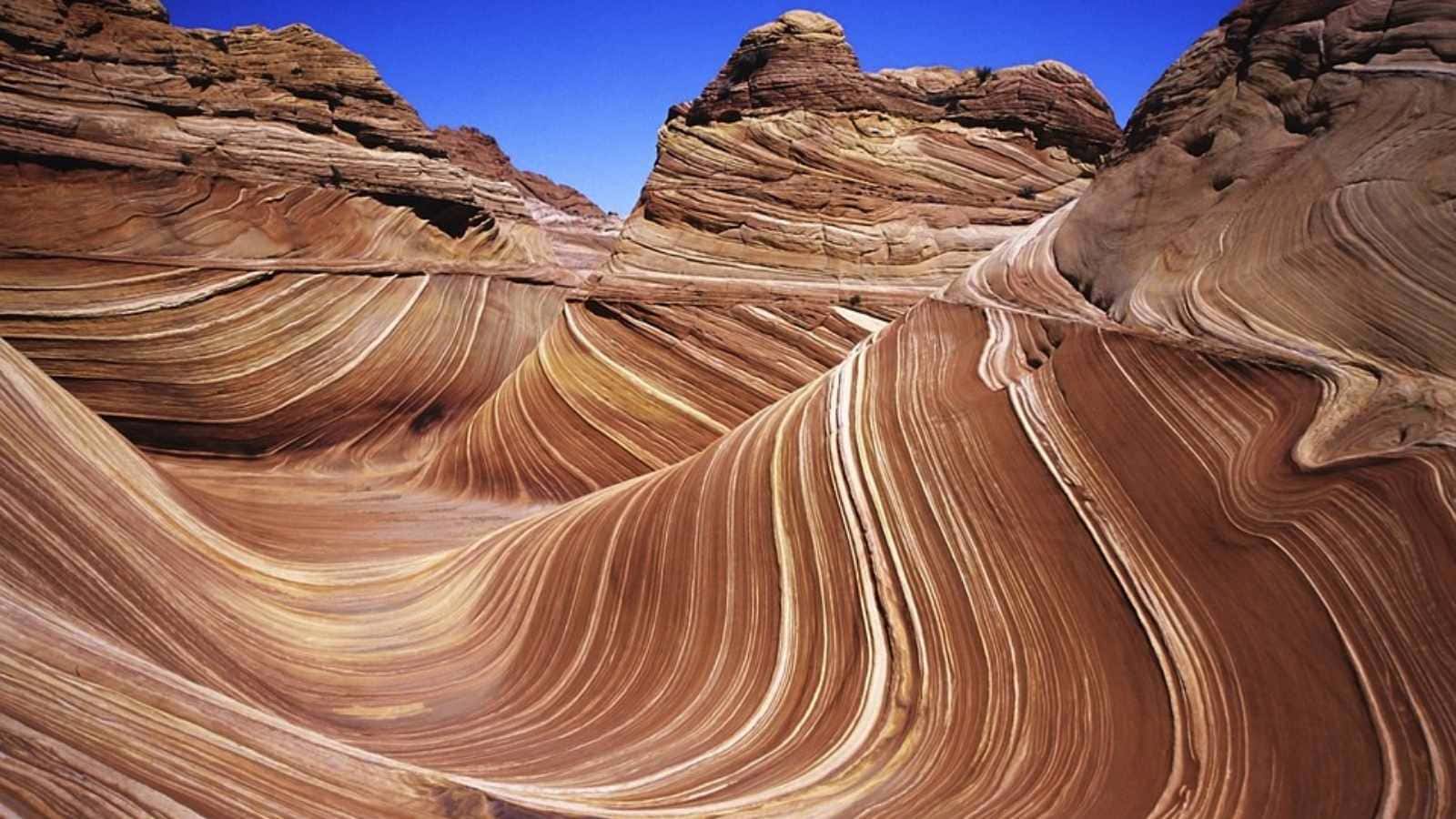
The Wave, Arizona, USA

The Wave, a spot so visually bizarre that hikers have to enter a lottery to get a chance to visit, the red, orange, and pink sandstone ribbons of stone swirl hypnotically in this place.
Astonishing patterns have been formed by wind and rain from the Jurassic Age, approximately 190 million years ago, which have sculpted the Navajo sandstone.
Pro tip? The sun’s best shots are taken in the middle of the day when the vibrant streaks appear to shine.
Giant’s Causeway, Northern Ireland

Enter this wonderful legend, which will come to life for you! Based on the British Geological Survey report, the Giant’s Causeway has over 40,000 beautiful basalt columns formed over decisive ancient volcanic action.
These interlaced stones form one of the most treasured natural wonders of the UK, attracting over a million visitors each year.
Goblin Valley, Utah, USA

What do AI and mushrooms have in common? Both are readily associated with Goblin Valley, where sand-sculpted hoodoos litter the landscape.
Their peculiar form is a byproduct of intense erosion that has persisted for 3 – 4 million years. Want to see them in their original form without crowding? Go at sunrise for a private alien landscape tour.
Zhangjiajie National Forest Park, China

Have you ever wondered about the floating mountains of Pandora in Avatar? Meet their real-life inspiration. Zhangjiajie boasts more than 3,000 massive sandstone pillars, a marvelous and incomparable sight that attracts around 20 million guests annually.
This wonderland has been a UNESCO World Heritage site since 1992, and its views are beyond spectacular. Most of all, it is what can be seen from the glass skywalk. Simply unforgettable.
Uluru (Ayers Rock), Australia
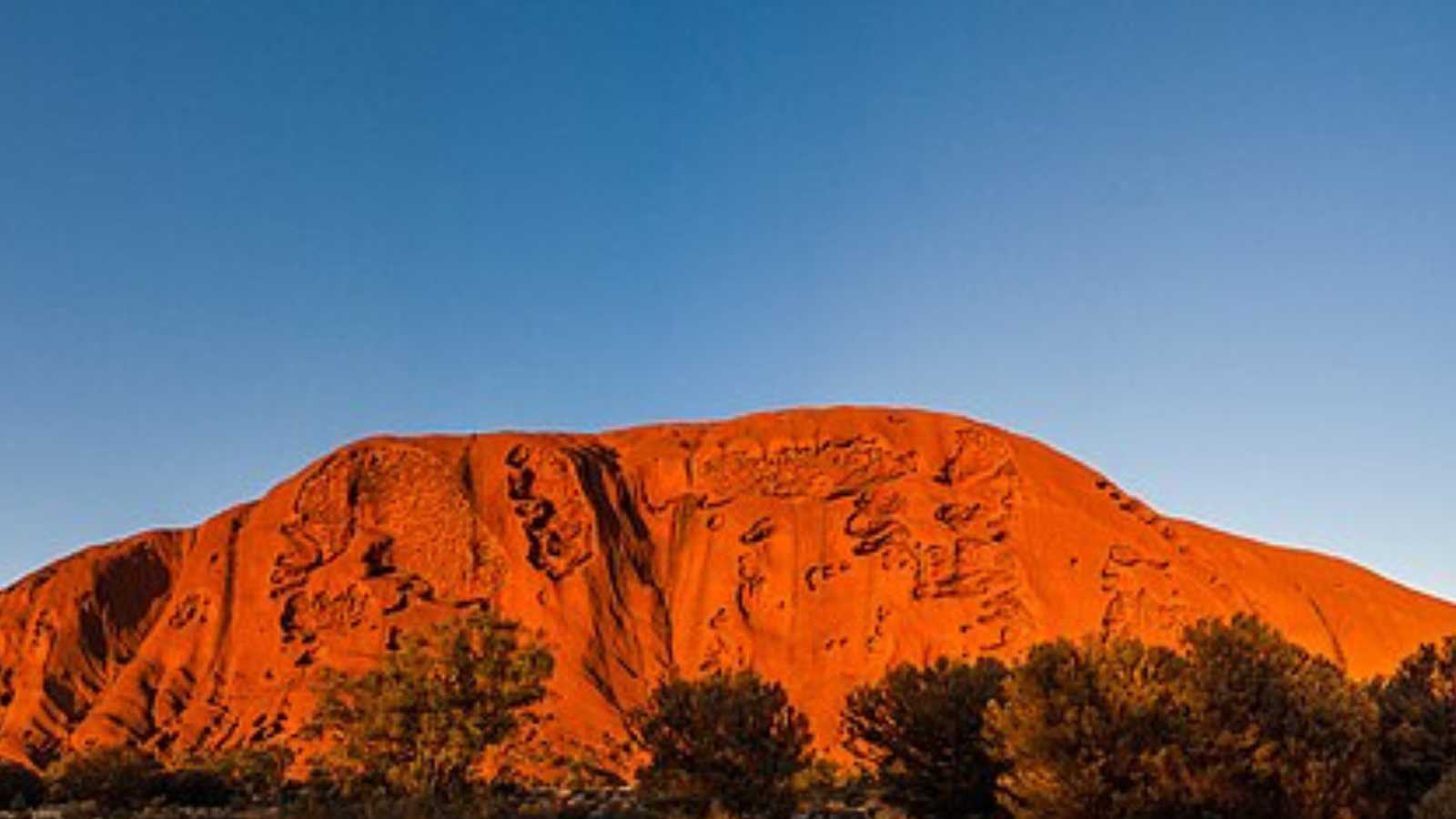
This icon of a monolith, which developed more than 500 million years ago, remains 1,142 feet high and changes color every hour. Uluru’s dark red color is due to rusting iron minerals, accentuated by the intense sunlight of the Outback.
Don’t just watch from afar; Anangu local guides provide walking tours of ancient rock art and hidden springs.
Bryce Canyon Hoodoos, Utah, USA

Bryce Canyon is a stunning limestone masterpiece sculpted by Mother Nature’s hands. It’s famous hoodoos—tall, slender rock spires sculpted through erosion, according to the National Geographic report
For millennia, freezing and thawing cycles have carved these features into eerie, arresting forms. To taste the magic of this Stone forest firsthand, hike on the Queen’s Garden Trail and be kissed by this surreal, hauntingly beautiful landscape.
Chocolate Hills, Bohol, Philippines

If Willy Wonka had done some landscaping, then Bohol’s Chocolate Hills would have been his masterpiece. Extending across the island, more than 1700 hills, which are virtually identical in size and shape, make a wondrous sight. The verdant surface transitions to a richer brown in the dry season, like a chocolate sauce drop.
Scientists believe these bizarre mounds were connected by ancient coral deposits and the effects of erosion over thousands of years until nature created one of the most whimsical wonders of the Earth.
Antelope Canyon, Arizona, USA
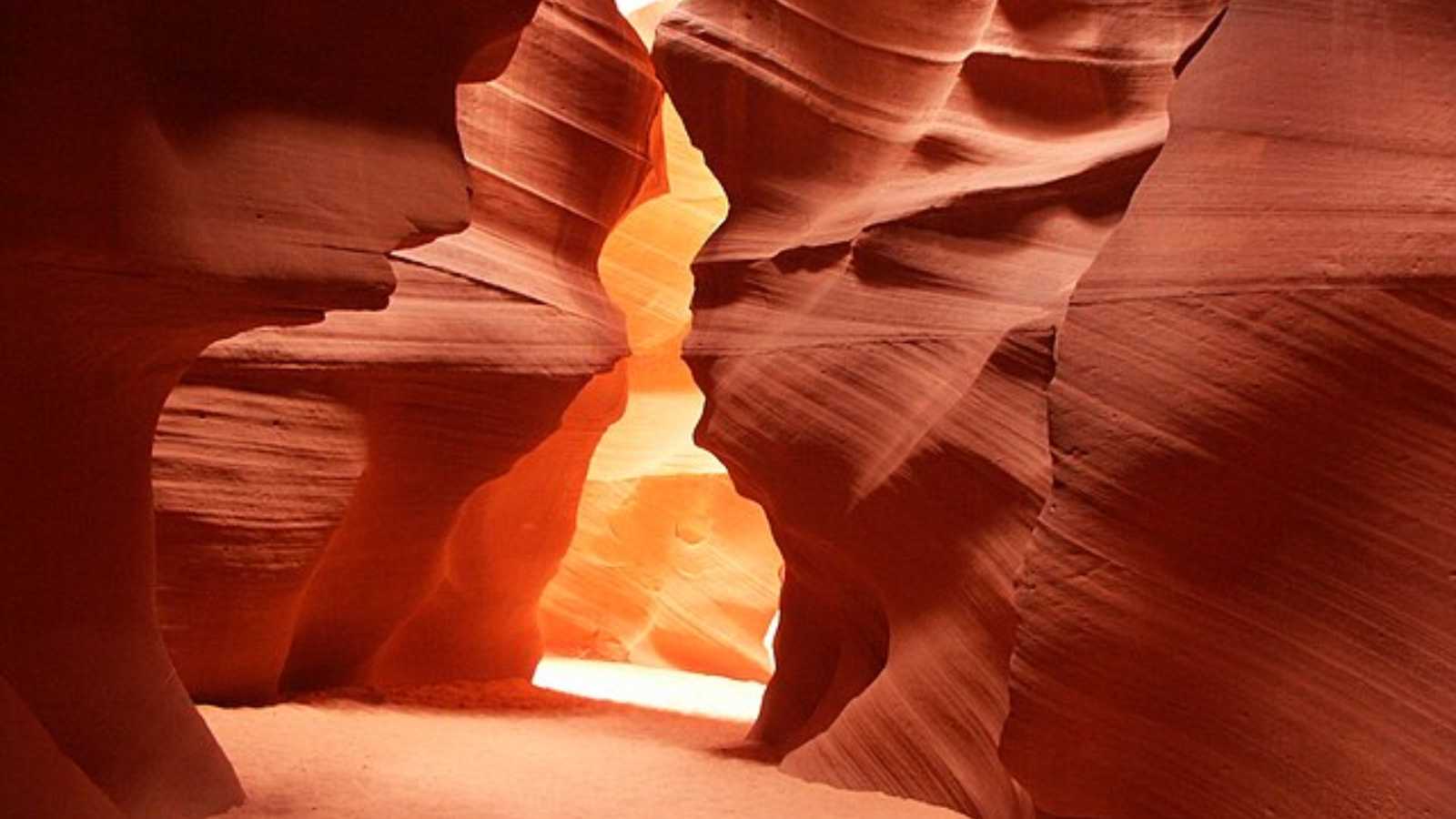
The sandstone corridors twist in here, shining beams of light that paint the walls an attractive red and purple. For centuries, floodwaters have sculpted Antelope Canyon’s slot passages into a paradise for photographers. Just a friendly reminder: midday is perfect for taking those wonderful ‘shafts of light’ shots!
Pamukkale, Turkey
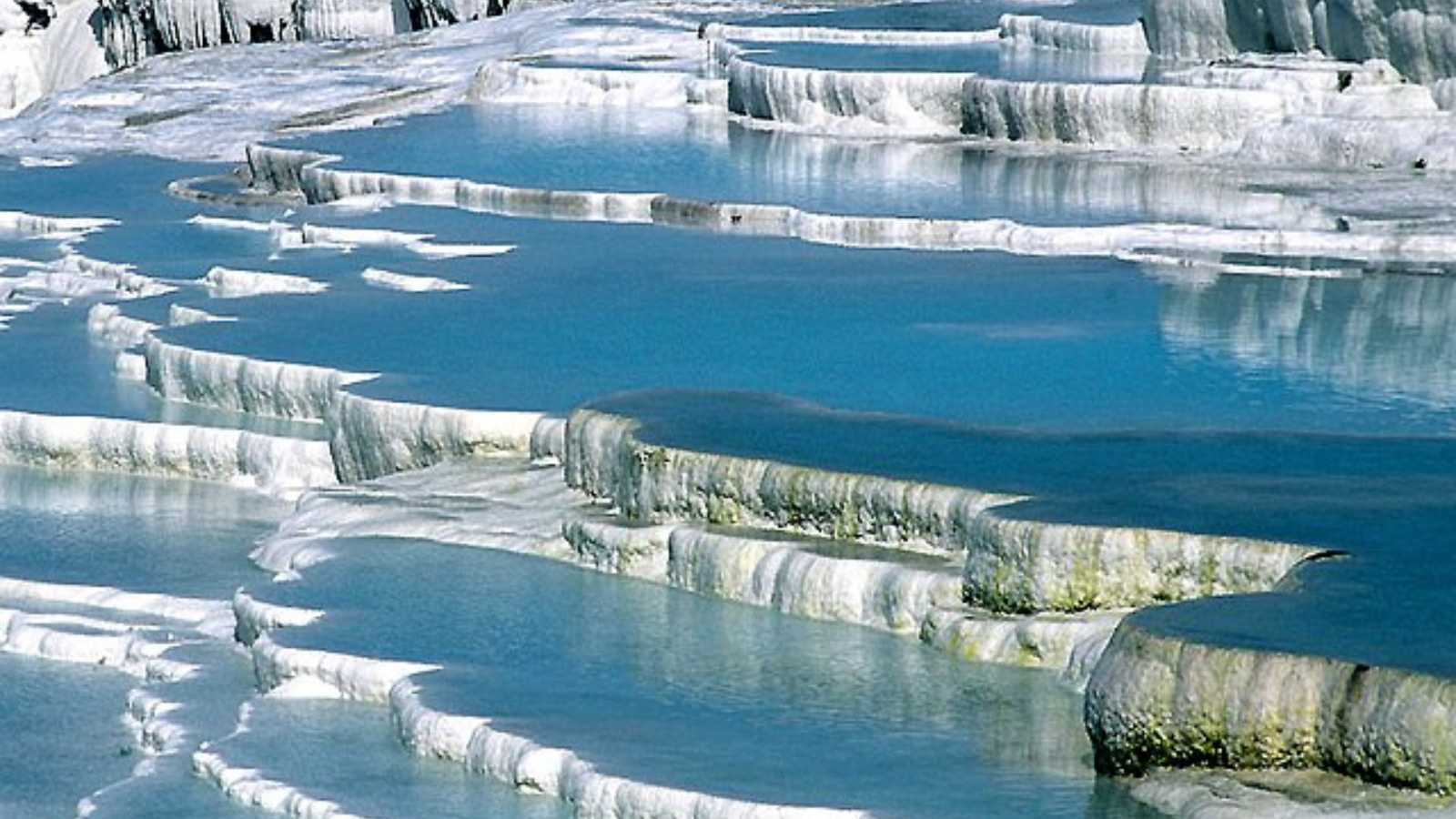
BBC notes that Pamukkale was declared a UNESCO World Heritage site in 1988. Though it appears to be snow, Pamukkale is actually a series of shining white terraces made of calcium-rich travertine, layered over the ages from mineral spring water.
The pools reflect turquoise under the sun. As the Romans did way back, a bathing suit is all you need to soak up in the thermal water.
Devil’s Tower, Wyoming, USA

Grab the stars with this fantastic natural wonder. Located 867 feet above the plains, Devil’s Tower is a geological phenomenon of towering columns of cooled magma arranged in neat, striking geometric formations described by the National Park Service.
Even this presence was dramatic enough to land a leading role in Steven Spielberg’s “Close Encounters of the Third Kind“. Witness it glow in gold at sunset – straight out of a dream.
Salar de Uyuni’s Rock Tree, Bolivia
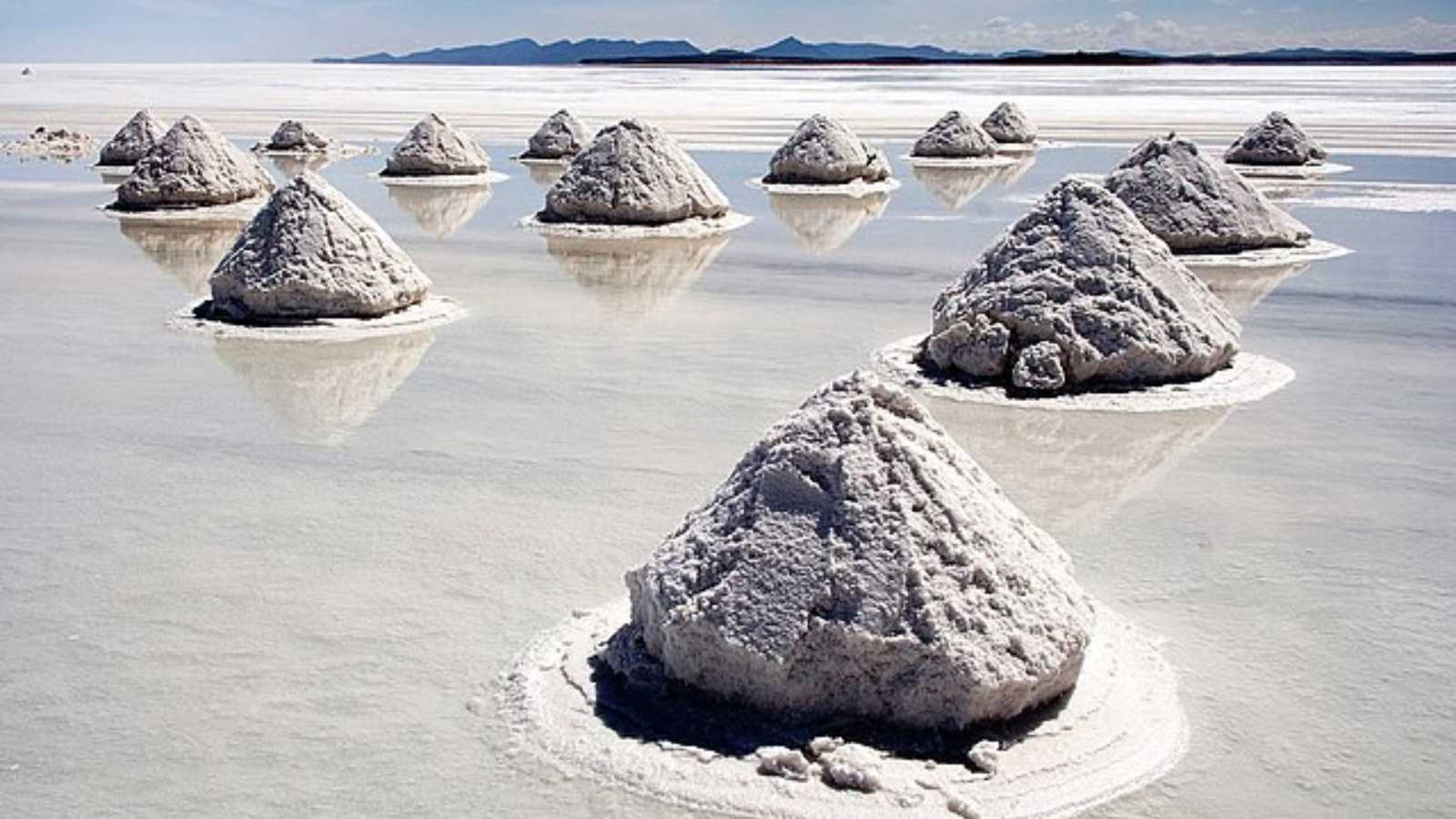
Sitting at the edge of the world’s biggest salt flat is the Rock Tree, a stunning sculpture of a natural creation created by the forces of the desert wind for thousands of years.
Rising 23 feet into the air, this magnificent stone creation resembles something from a Salvador Dalí painting and is a resplendent synthesis of art and nature. Constant brutal salt air and mighty winds are still reforming it so that every visit will surprise you with a new sight.
Meteora, Greece

Monasteries standing on top of massive sandstone pillars that look as if they are defying gravity – welcome to the Meteora. Built over thousands of years by river and wind erosion, these impressive stone structures are between 1,900 feet high and have served as a sanctuary for spiritual communities since the 11th century
For an unforgettable experience, visit at sunrise when the peaks are gently cloaked in morning mist, creating a scene that’s nothing short of magical.
Arches National Park, Utah, USA
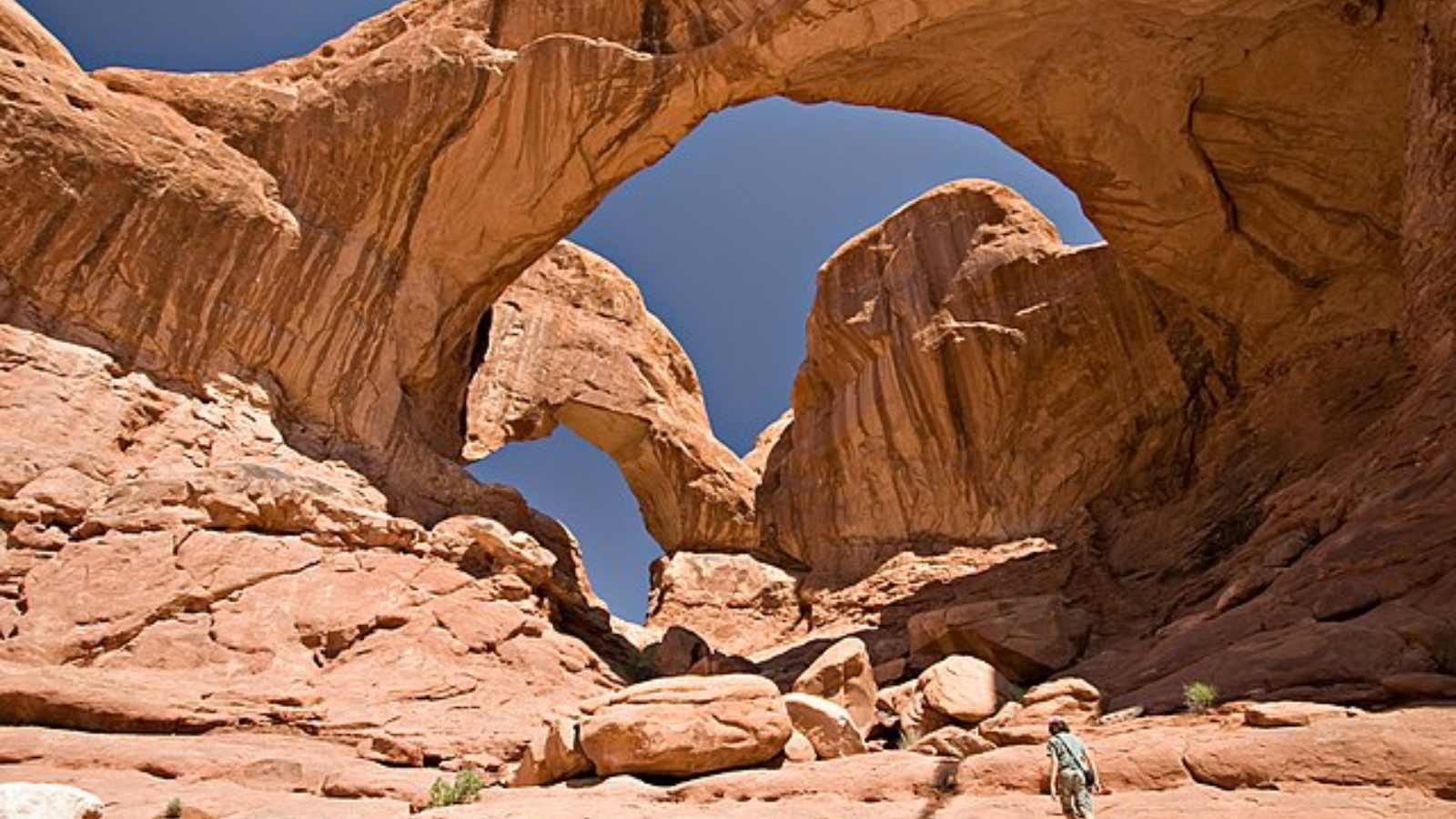
Fairy tales meet geology in Arches, home to over 2,000 natural rock arches, reports the United States Geological Survey. Each arch is formed by freeze-thaw cycles, rain, and time, carving holes into the sandstone. Utah’s license plates even feature the park’s iconic Delicate Arch.
Hike there at sunset for excellent glowing red rock vistas.
Wave Rock, Western Australia
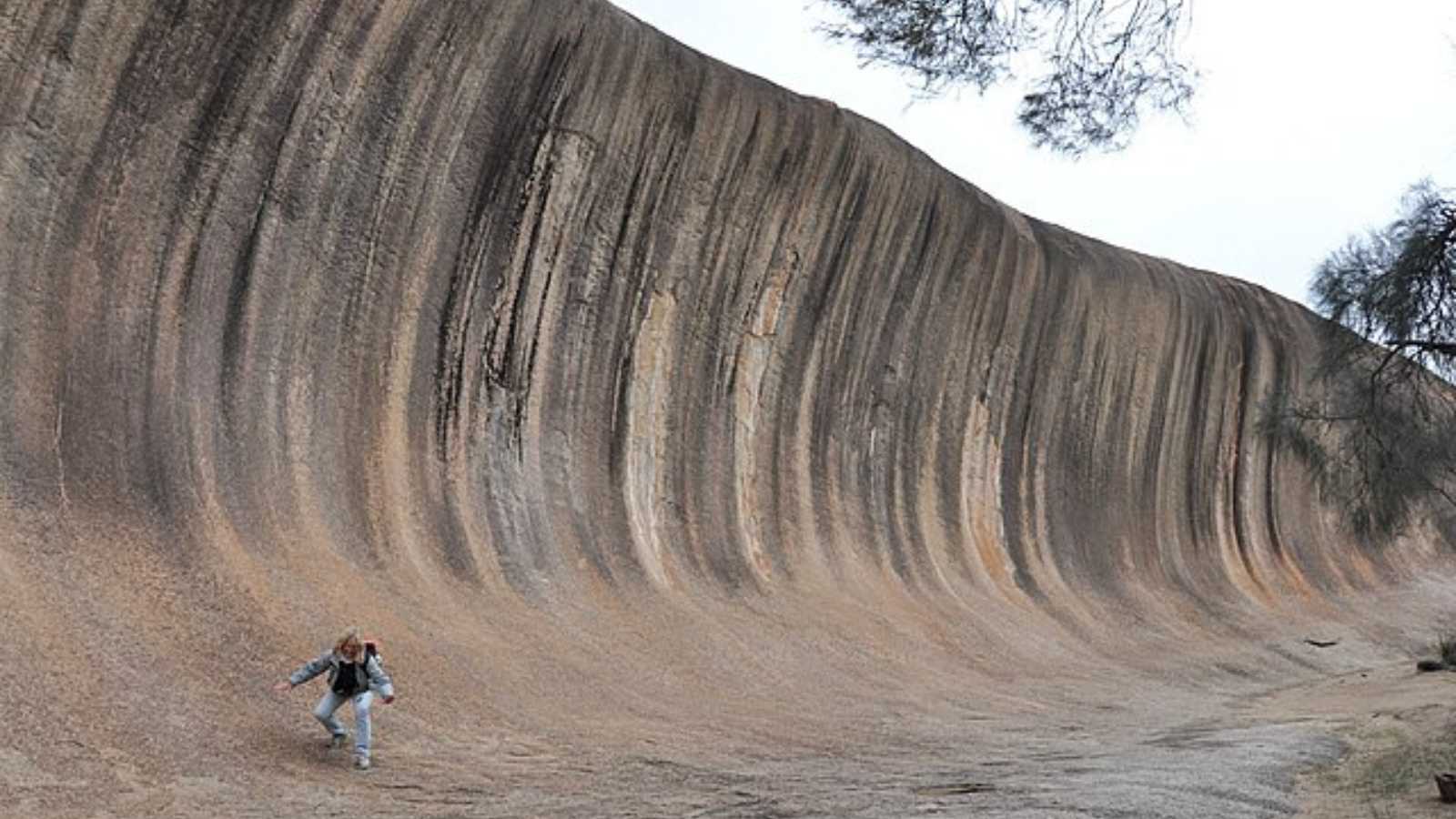
Rising 49 feet above the outback, Wave Rock is a stunning natural formation that appears frozen in the act of “crashing.”
This masterpiece of multi-colored granite, created over a few billion years of gradual erosion, is a proven 2.7 billion-year-old stone and, hence, one of the most ancient geological wonders on Earth. To get the best of it, visit early in the morning for soft, golden lighting and low crowds.
Moeraki Boulders, New Zealand
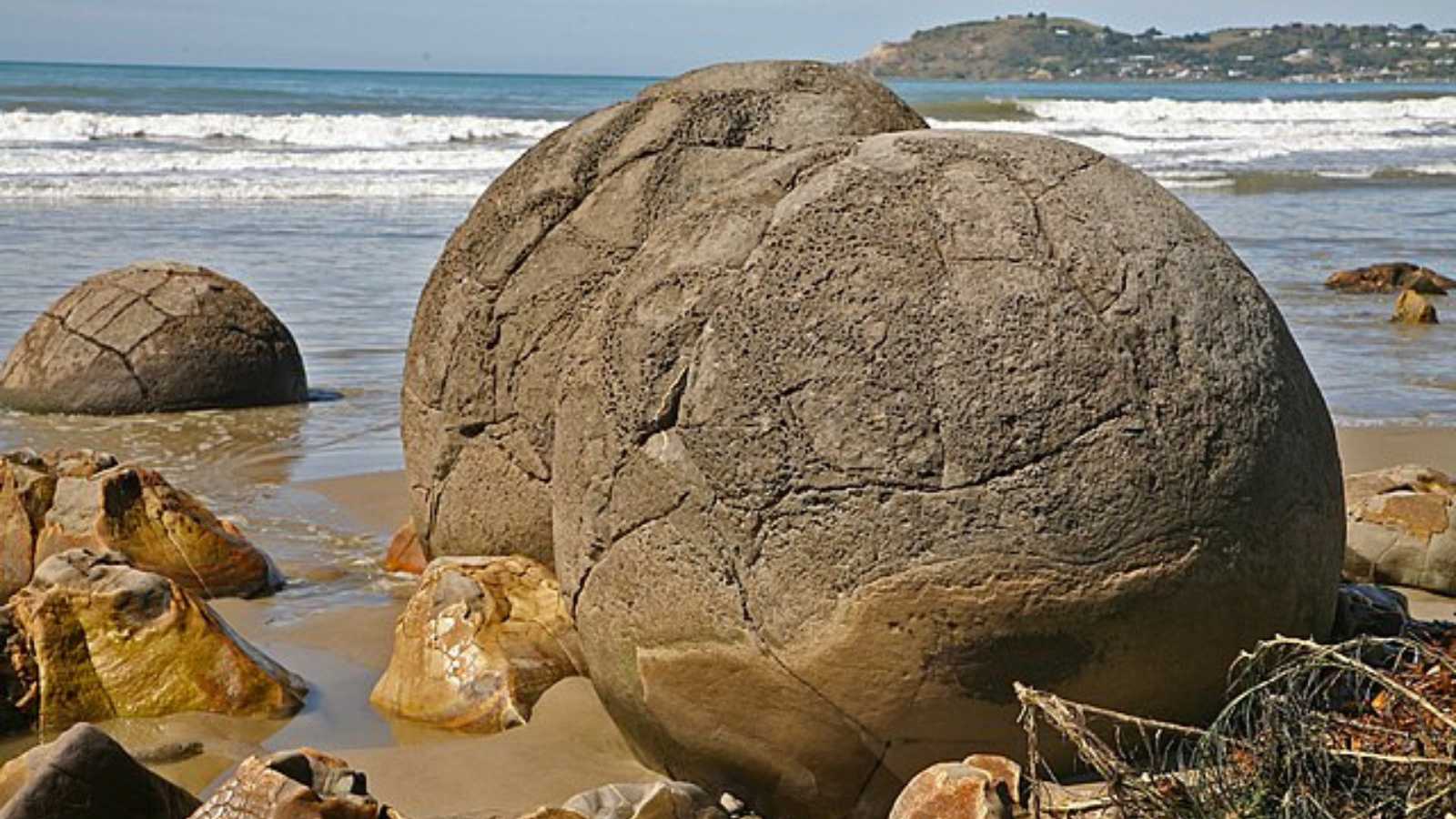
These monster-sized boulders are round as dinosaur eggs and litter Koekohe Beach with a strange, surreal landscape in the middle of nowhere.
They individually reach up to 7 feet in diameter, are believed to be thousands of years old, and have developed through a natural process commonly known as concretion.
Go there during low tide to see more of these amazing formations exposed, and remember to spy the largest “eggs” for the ultimate photo-op against the dramatic coastal plantation.
Tsingy de Bemaraha, Madagascar
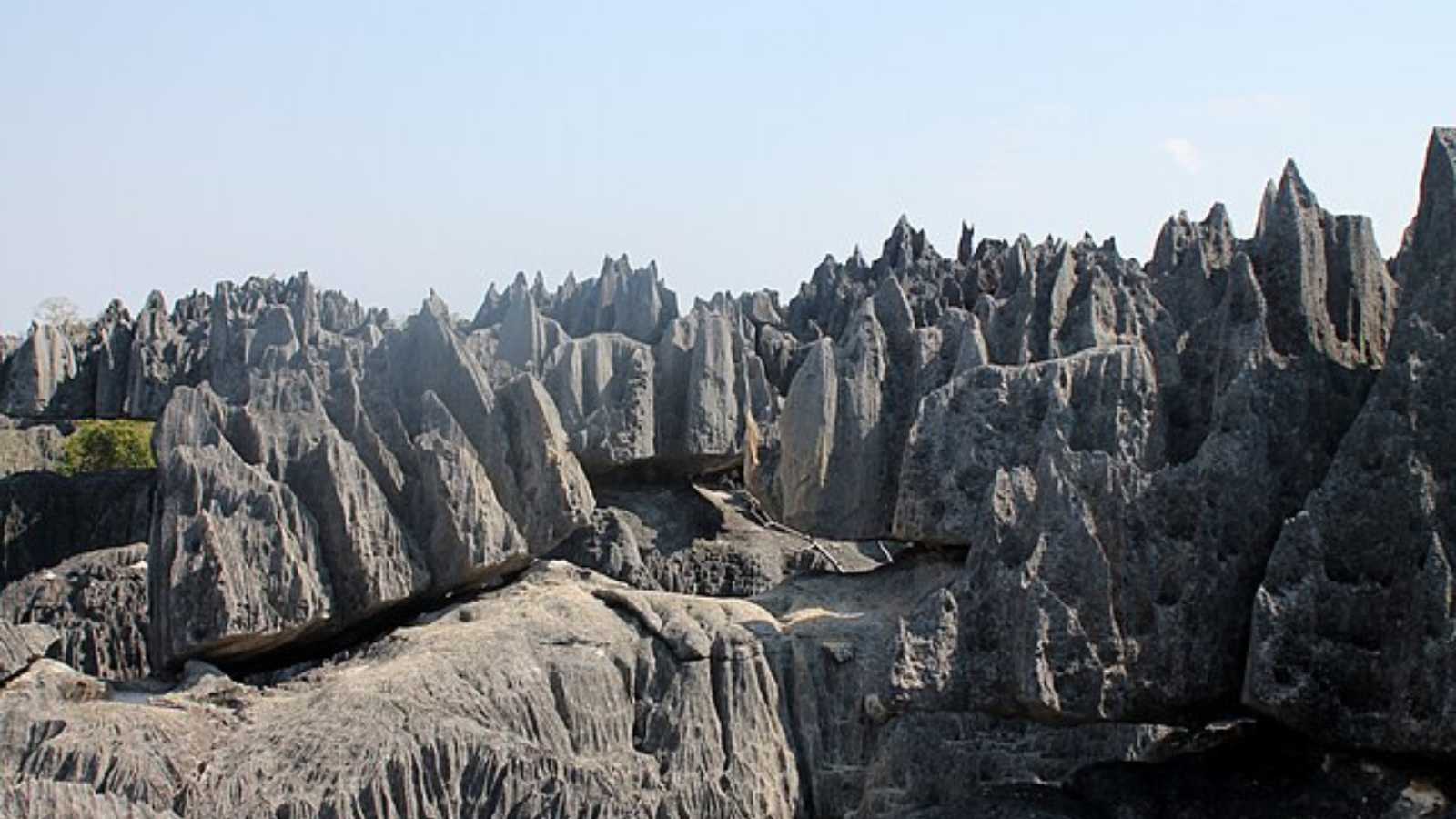
Explore the otherworldly stone “forest” of Madagascar Tsingy, where jagged, razor-sharp limestone pinnacles thrust dramatically to the sky. Water and wind cut through this natural wonder over time, and it is a UNESCO World Heritage Site.
Tip: Don pants and some strong, dependable shoes – even Indiana Jones wouldn’t find this terrain fast enough for him! Dress to climb, squeeze, and balance through this unique landscape for a never-before experience.
Bungle Bungle Range, Australia

Want to see striped, beehive-shaped domes plucked right out of a Dr. Seuss book? Bungle Bungles, formed of horizontal layers of sandstone and clay, have stood for 350 million years, confirmed by satellite scans.
For the best experience, consider arriving early in the morning for soft, golden light and minimal crowds.
Disclaimer – This list is solely the author’s opinion based on research and publicly available information. It is not intended to be professional advice.
Read More: