Top 11 U.S. Cities Most Impacted by Climate Change
Climate change is here, and it’s hitting U.S. cities hard. Rising temperatures, more frequent extreme weather, and rising sea levels are already taking a toll. Cities grapple with floods, wildfires, and heatwaves, affecting public health, the economy, and the environment. Vulnerable communities are facing the worst of it.
Cities that once seemed safe are now facing the brunt of climate change. Major U.S. cities must adapt fast to survive as the crisis speeds up. Here are some of the hardest-hit areas.
Miami

Miami is experiencing the impacts of rising sea levels, which are threatening its beaches, infrastructure, and economy. The city’s location in the tropical zone makes it vulnerable to storms, and the heat only adds to the strain. Due to its low-lying geography, Miami faces frequent flooding, and its drainage systems often struggle to cope.
Houston

Houston’s vulnerability is tied to two factors: extreme weather and flooding. The city often experiences heavy rainfall and hurricanes, with Hurricane Harvey 2017 being one of the most devastating examples. Houston also has significant air pollution issues, worsened by the growing energy industry.
New York City

New York City, a major financial hub, faces rising sea levels, extreme heat, and intense storms. The coastal location makes flooding a major concern. Superstorm Sandy in 2012 highlighted the vulnerability to storm surges and rising waters.
Phoenix
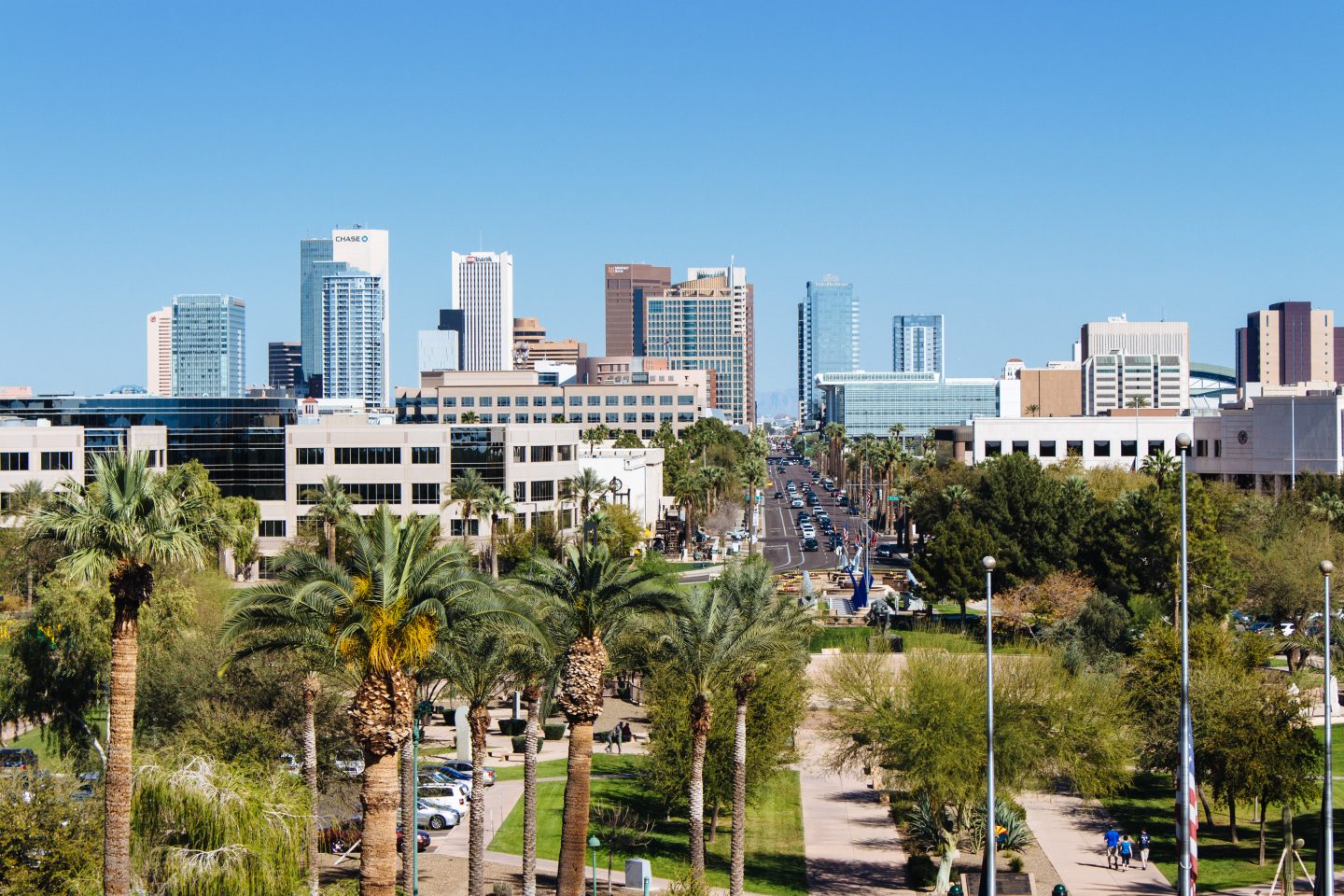
Phoenix is no stranger to extreme heat. The city already experiences scorching summers, and climate models predict that the heat will only worsen. This makes living conditions unbearable for vulnerable populations, especially the elderly and low-income communities who may not have access to cooling systems.
Los Angeles
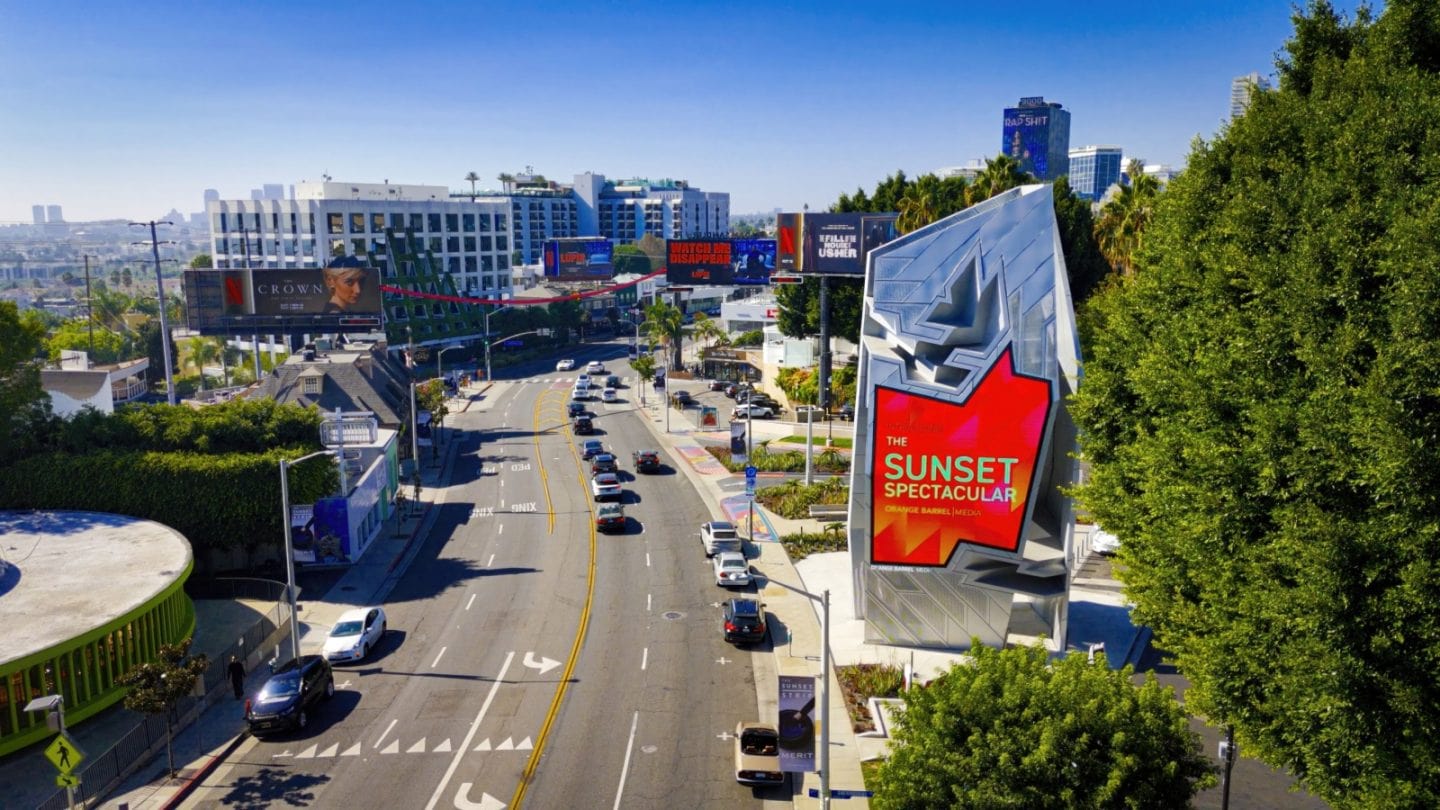
Los Angeles faces multiple climate threats, including wildfires, extreme heat, and drought. The region’s prolonged dry spells make wildfires particularly devastating, as seen in recent years. The fire season stretches longer yearly, threatening natural resources and human lives.
Chicago

Chicago is struggling with more extreme weather events, particularly heatwaves and flooding. The city’s infrastructure was built with older standards that are ill-suited to handle the heavy rains and intense storms now common in the area. The heat in Chicago is exacerbated by the urban heat island effect, where concrete and asphalt trap heat, making the city even hotter.
New Orleans

New Orleans has long been vulnerable to flooding, but climate change has worsened the threat. The city’s below-sea-level location, combined with rising sea levels and increased rainfall, leaves it at risk for major flooding. Like many big cities, it now faces growing pressure to strengthen its defenses and protect its most at-risk communities.
San Francisco
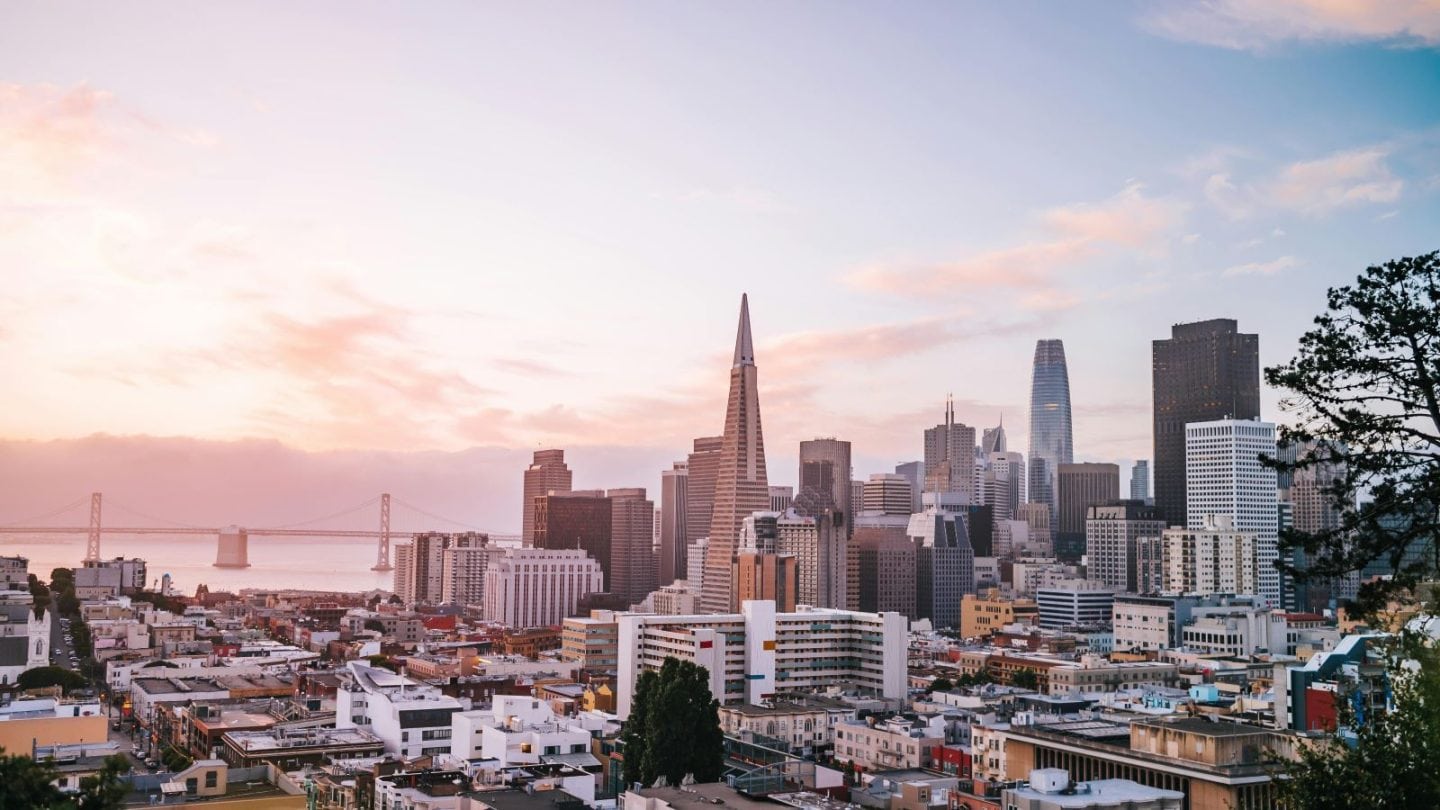
San Francisco’s coastal location means it faces rising sea levels and the threat of erosion. The city’s waterfront areas are particularly at risk. Additionally, California’s wildfire season continues to grow longer, and while San Francisco is far enough from the flames, the smoke and air quality issues can still pose significant health risks.
Dallas

Dallas is experiencing more extreme temperatures, from heatwaves in the summer to severe cold spells in the winter. Due to heavy rainfall and storm surges, the city also experiences more frequent flooding. These unpredictable weather patterns are straining the city’s infrastructure and public services.
Tampa

Tampa, another coastal city, faces the dual threat of rising sea levels and hurricanes. The city is highly susceptible to storm surges, which increase the risk of flooding. Tampa is experiencing hotter temperatures, damaging energy resources and making heat waves more dangerous for residents.
Washington, D.C.

Washington, D.C., faces the combined risks of rising sea levels, heat waves, and heavy rainfall. The city is near the Chesapeake Bay, where rising waters could significantly impact the region. The urban heat island effect makes the city even hotter during the summer months, and when heavy rains hit, the city’s drainage systems struggle to keep up.
Disclaimer: This list is solely the author’s opinion based on research and publicly available information.
Read More:

- Ultimate Guide To Picking The Best Travel Credit Card
- The 5 Best Budget Airlines in the United States
- 15 Best Countrıes to Vısıt in Afrıca