11 Dazzling Facts About the Concorde, the World’s Fastest Passenger Jet
For over two decades, Concorde operated as a marvel of supersonic engineering, connecting continents in half the time of subsonic aircraft. Its sleek delta wings and slender profile became symbols of speed and innovation in commercial aviation.
In this article, you’ll uncover hard-hitting facts about how Concorde worked, what made it unique, and what made its speed unmatched.
Only 14 Aircraft Ever Entered Commercial Service
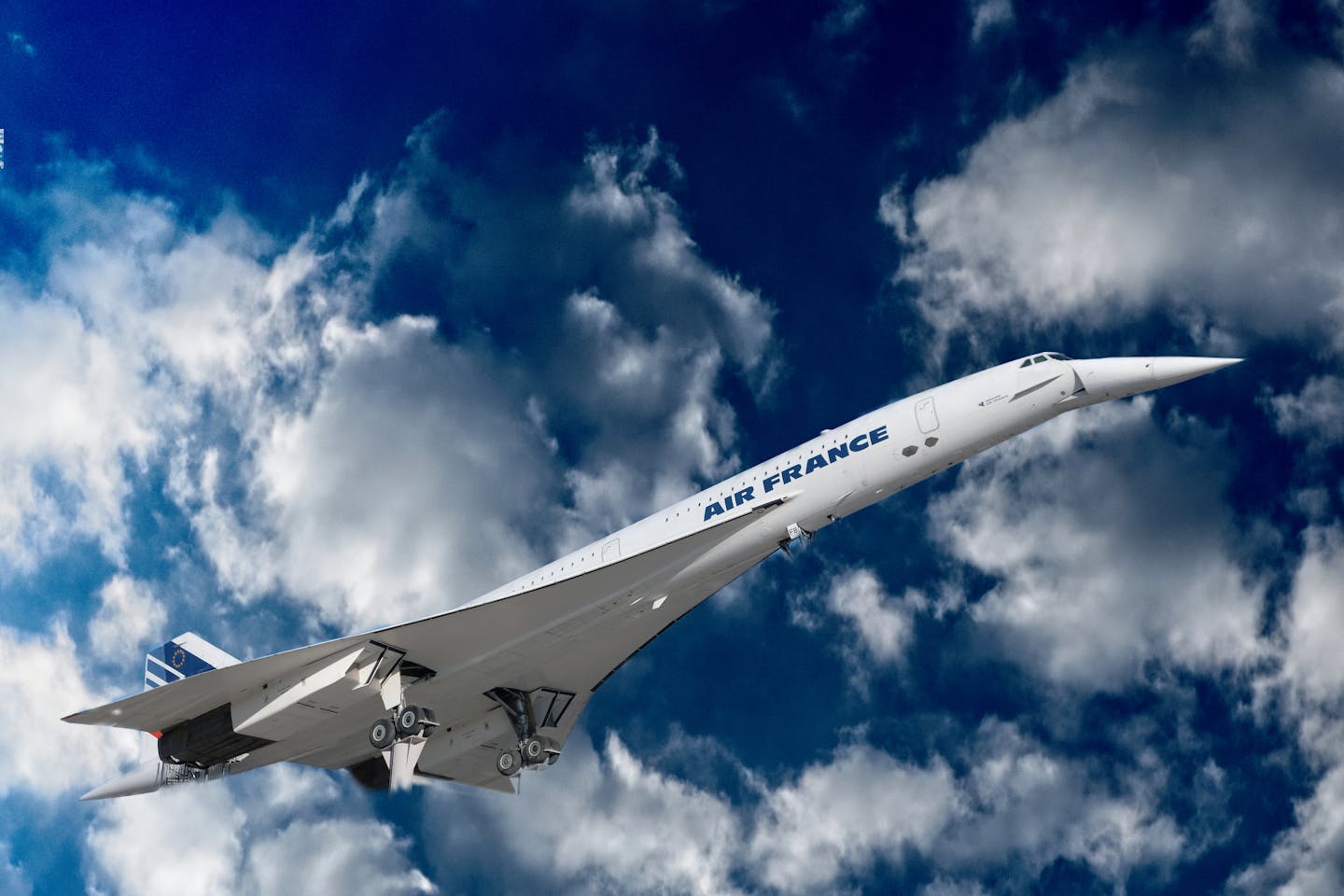
Although 20 Concordes were built, only 14 were used in passenger service, seven by British Airways and seven by Air France. The remaining aircraft were used for development, testing, or retained as spares. The limited fleet size meant that Concorde remained an exclusive experience, limiting its economies of scale. Despite its technological achievements, the small fleet contributed to its vulnerability to economic pressures.
Its Engines Were Derivatives of Military Technology

The Concorde was powered by four Rolls-Royce/Snecma Olympus 593 turbojet engines. These were based on the Bristol Olympus engines used in the Avro Vulcan strategic bomber and featured afterburners to provide the extra thrust required for takeoff and sustained supersonic cruise. Each engine could produce over 38,000 pounds of thrust with afterburner. Their performance enabled Concorde to operate at high speeds for sustained periods, something no other passenger jet could achieve.
The Concorde Could Fly Faster Than the Earth’s Rotation at Mid-Latitudes

The Concorde’s maximum cruising speed was Mach 2.04, which is approximately 1,354 miles per hour at cruising altitude. This made it faster than the Earth’s rotational speed relative to ground observers at mid-latitudes, allowing it to dramatically reduce flight time between cities like London and New York. A typical crossing took just under 3.5 hours, compared to around 7-8 hours on subsonic aircraft. This capability was essential for business travelers who valued time above all.
It Had a Droop Nose To Improve Pilot Visibility
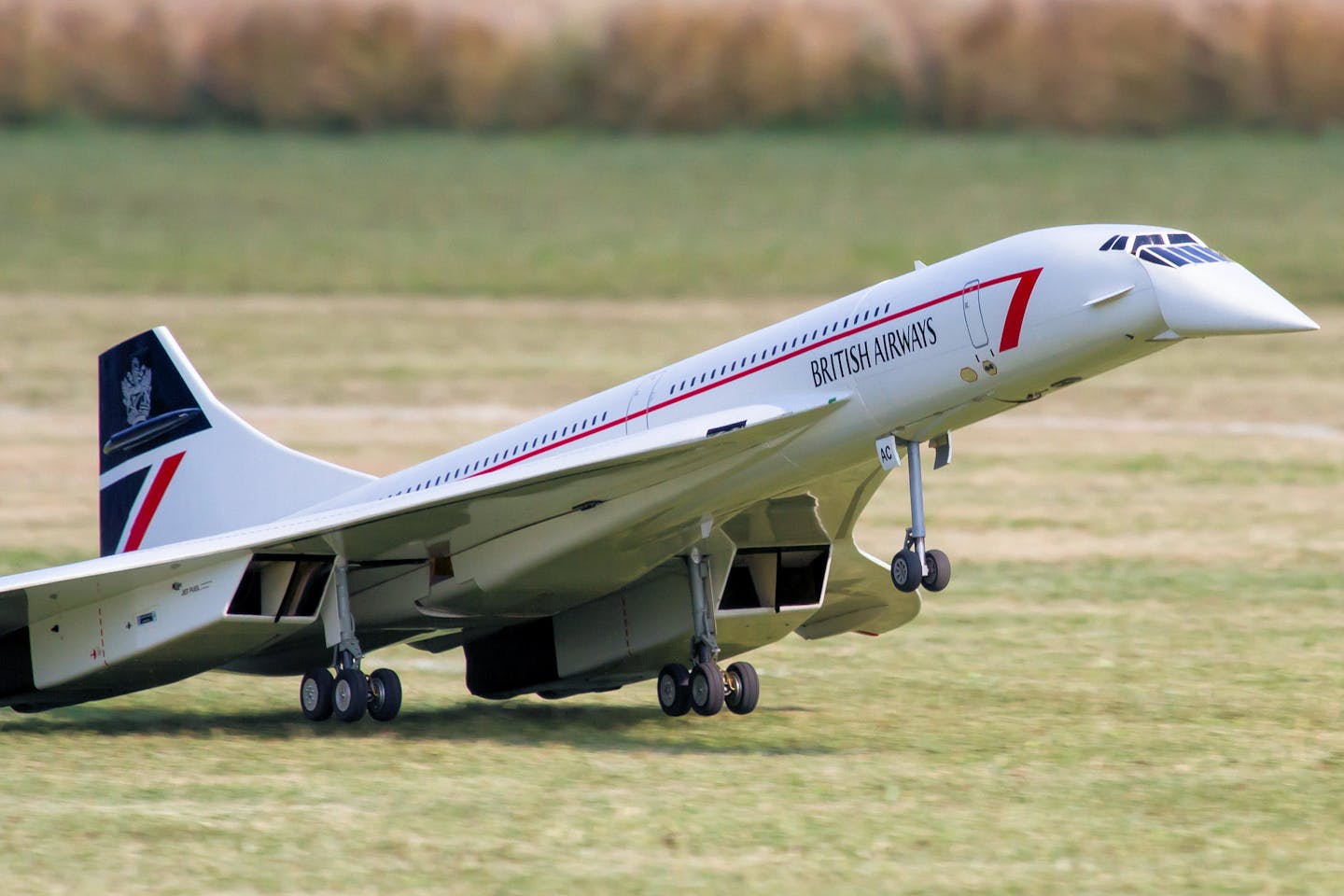
The Concorde featured a movable nose cone that could be lowered during takeoff and landing. This was necessary because the aircraft’s long, pointed nose and high angle of attack limited forward visibility in the standard configuration. The nose mechanism was hydraulically actuated and could be positioned at 5 ° and 12.5° downward angles. Once in cruise, the nose returned to its streamlined position to optimize aerodynamics.
The Cabin Was Compact but Tailored for High-End Service
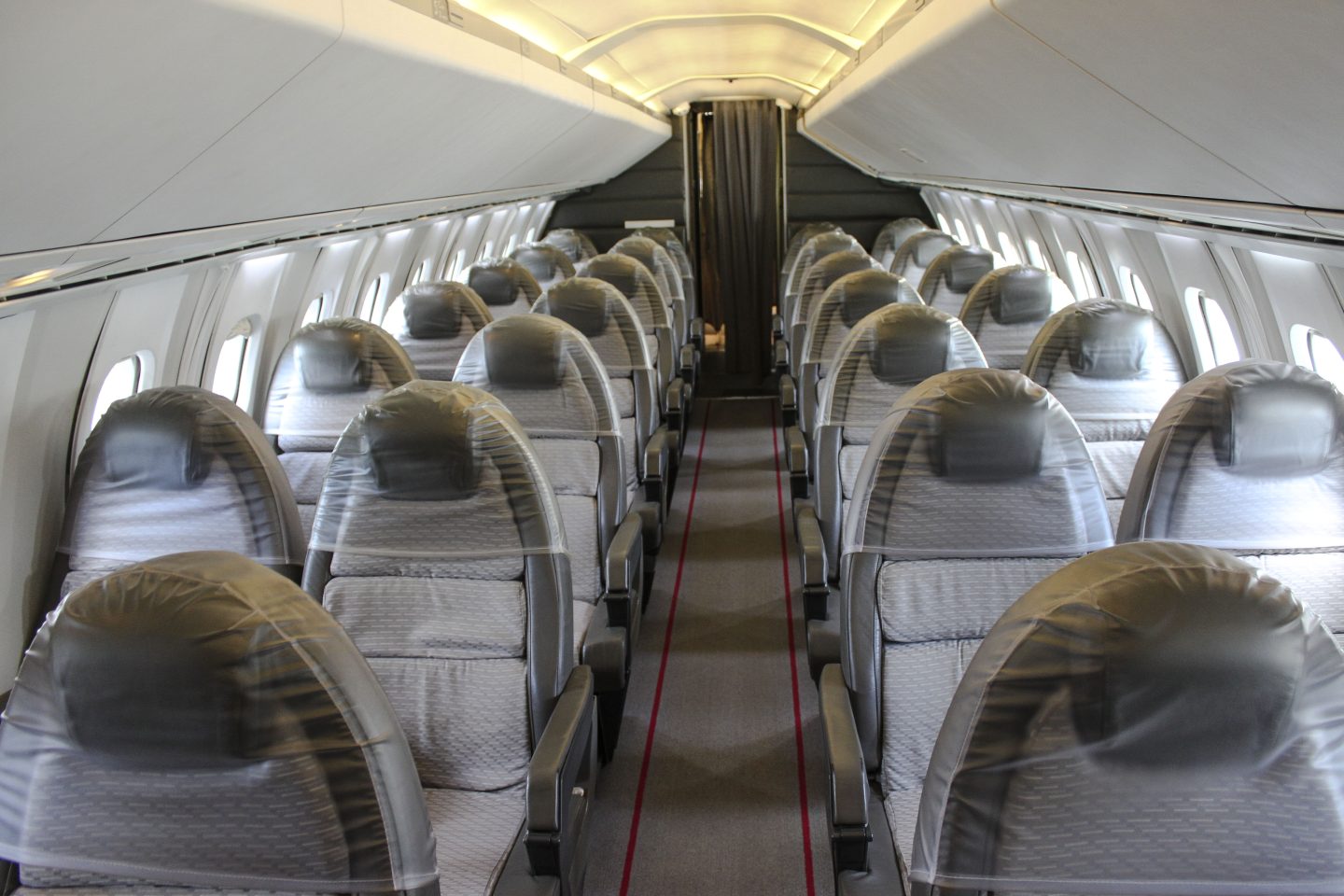
The Concorde’s cabin was narrower than most modern regional jets, seating just 92 to 120 passengers in a 2-2 layout. Though space was limited, service was designed for premium clientele. Onboard, travelers received multi-course meals and wine service, and flights were staffed with experienced crews focused on quality over quantity. The cabin design reflected Concorde’s focus on elite, time-sensitive travel rather than mass transportation.
The Airframe Expanded Due to Aerodynamic Heating
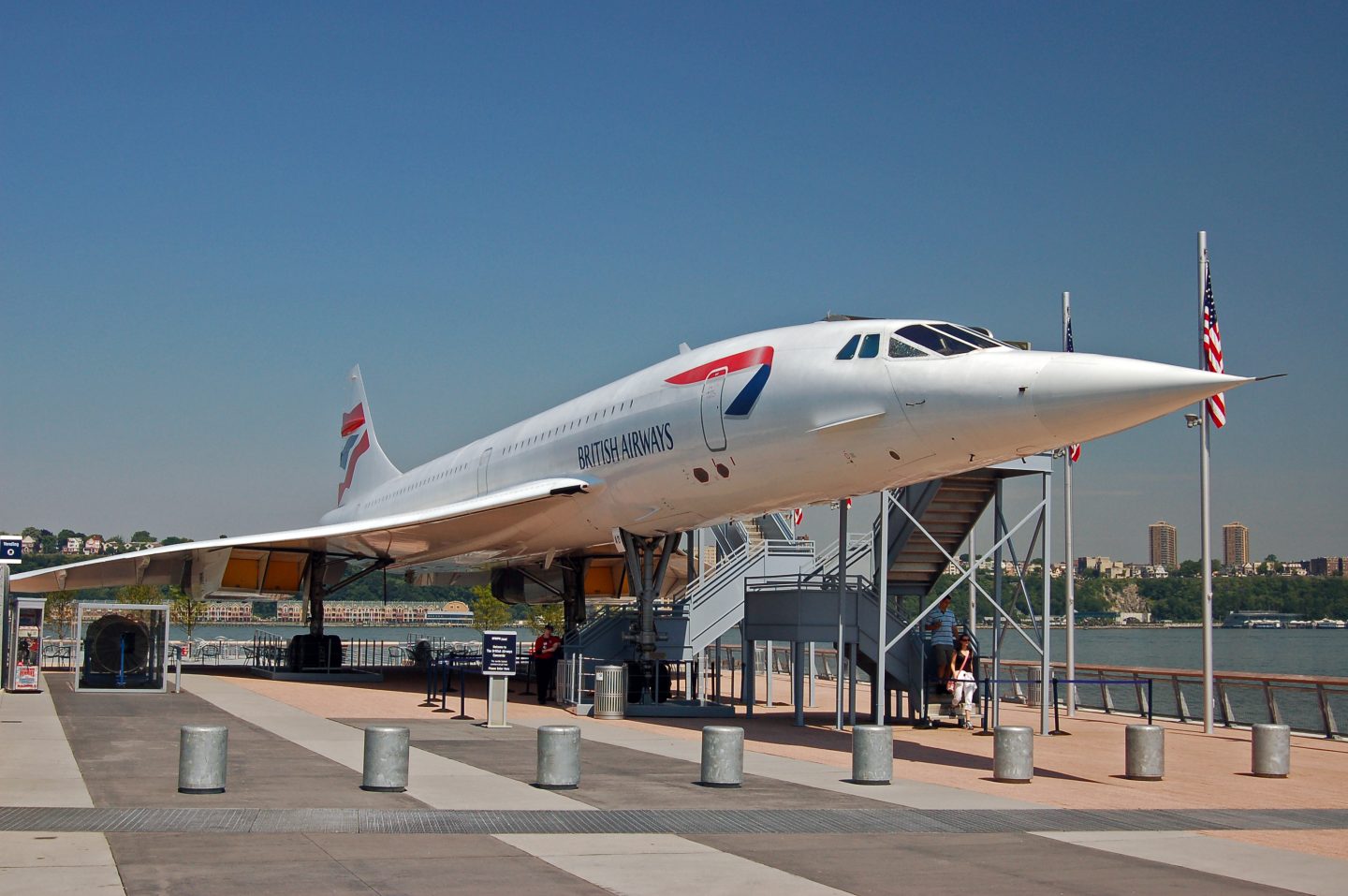
At cruising speeds above Mach 2, the Concorde’s airframe experienced significant heating due to friction with the atmosphere. The aluminum fuselage would warm up to around 260°F (127°C), causing it to expand by as much as 6 to 10 inches. This thermal expansion was factored into the design, including the placement of moving parts and the use of materials with appropriate heat resistance. Cabin air was conditioned using bleed air systems, which were adapted to handle the high external temperatures.
Sonic Booms Limited Its Operating Routes
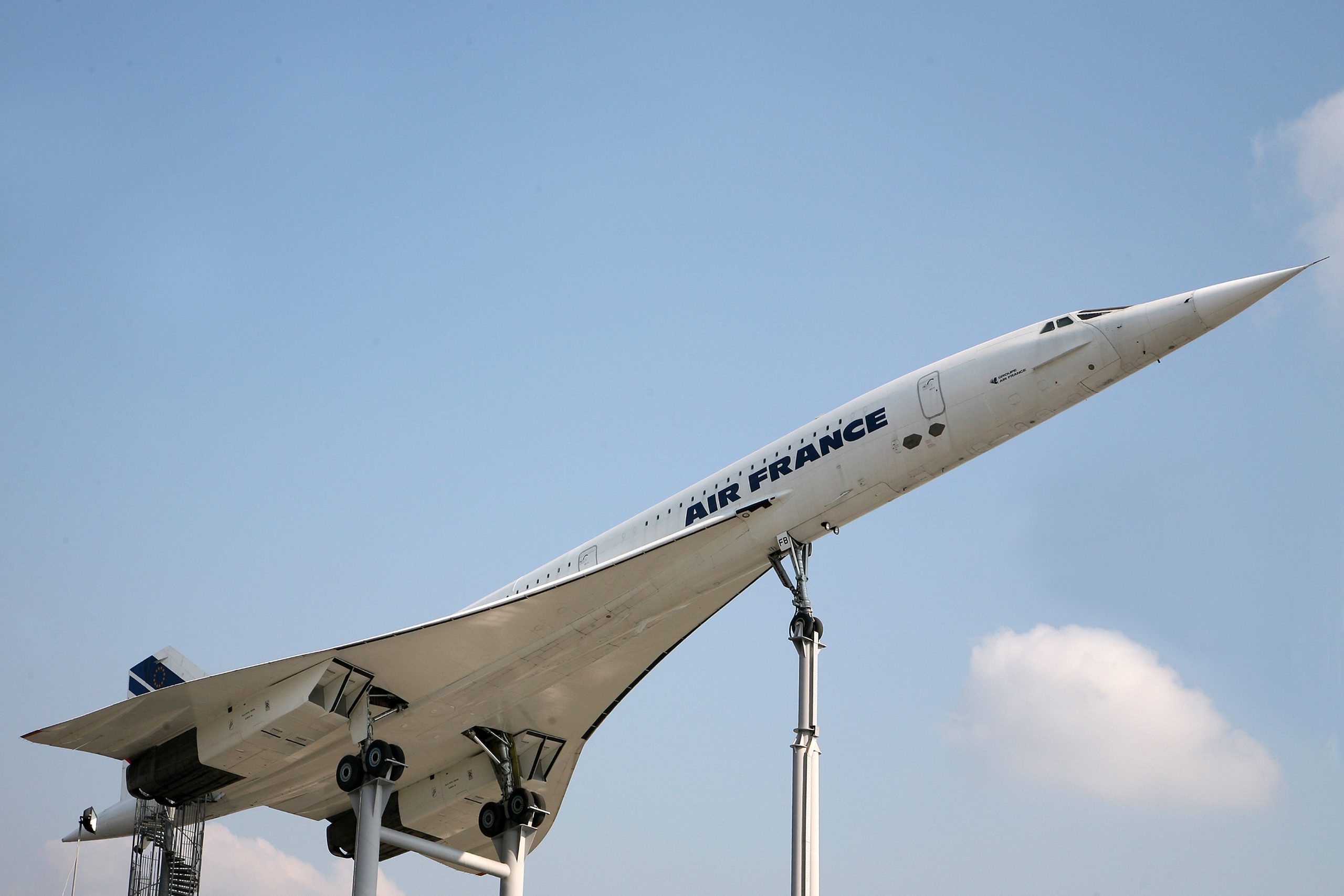
Concorde’s speed produced a constant shockwave, a sonic boom, that could be heard on the ground when flying at supersonic speeds. Because these booms could cause disturbances in populated areas, international regulations restricted Concorde’s supersonic segments to oceanic routes. Most notably, it operated between London and Paris, as well as New York, flying supersonic only over the Atlantic. This limitation influenced both route planning and the aircraft’s long-term economic feasibility.
Its Fuel Efficiency Was Significantly Lower Than Subsonic Aircraft
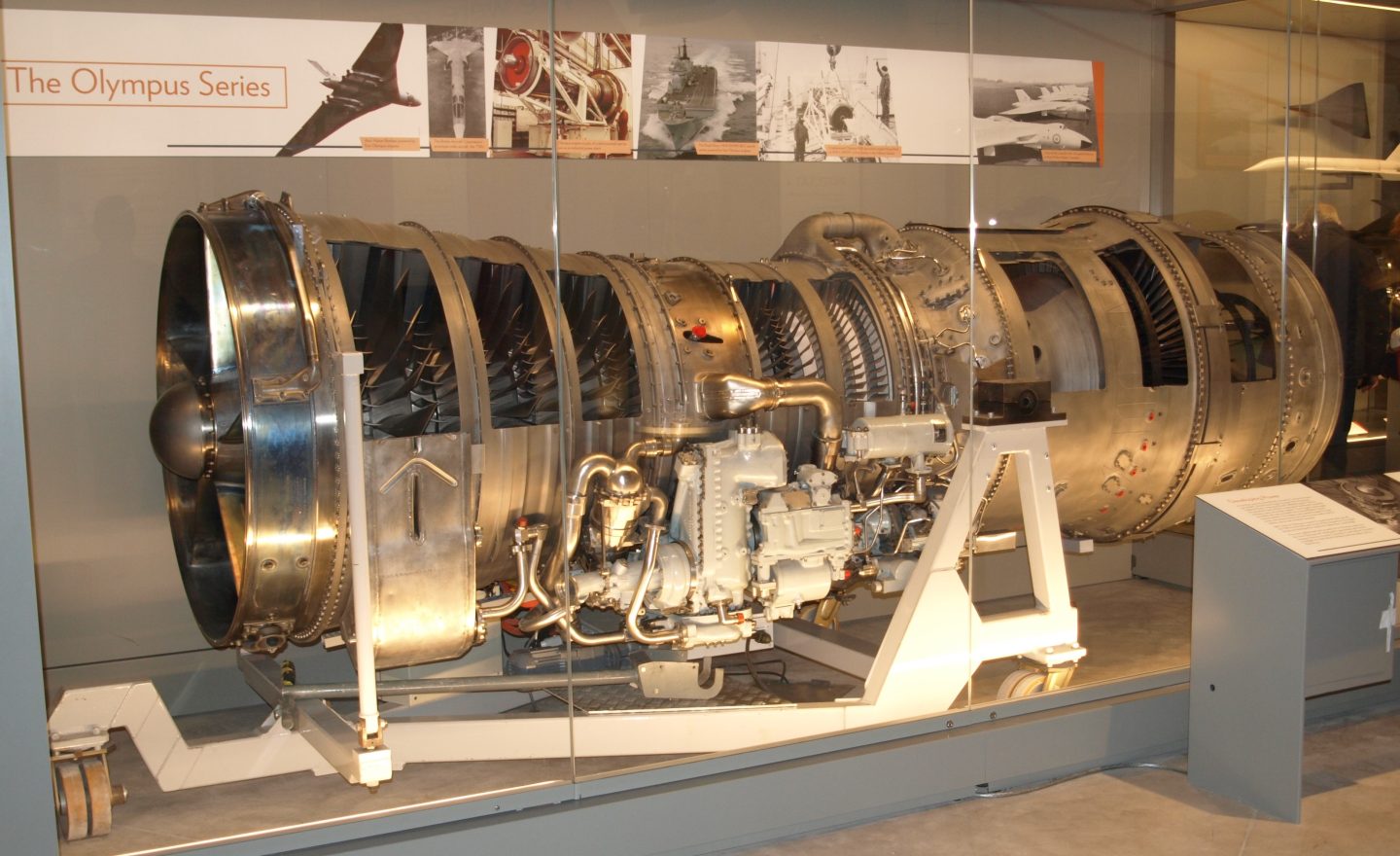
Concorde’s four after-burning turbojet engines burned an average of 6,770 gallons of fuel per hour. On a typical transatlantic flight, this translates to a fuel burn of around 5,638 gallons for the 3.5-hour journey. In comparison, subsonic aircraft could carry more passengers while consuming less fuel per seat mile. The Concorde’s high fuel consumption contributed to its high operating costs and eventual retirement.
It Flew at Nearly Twice the Cruising Altitude of Conventional Jets
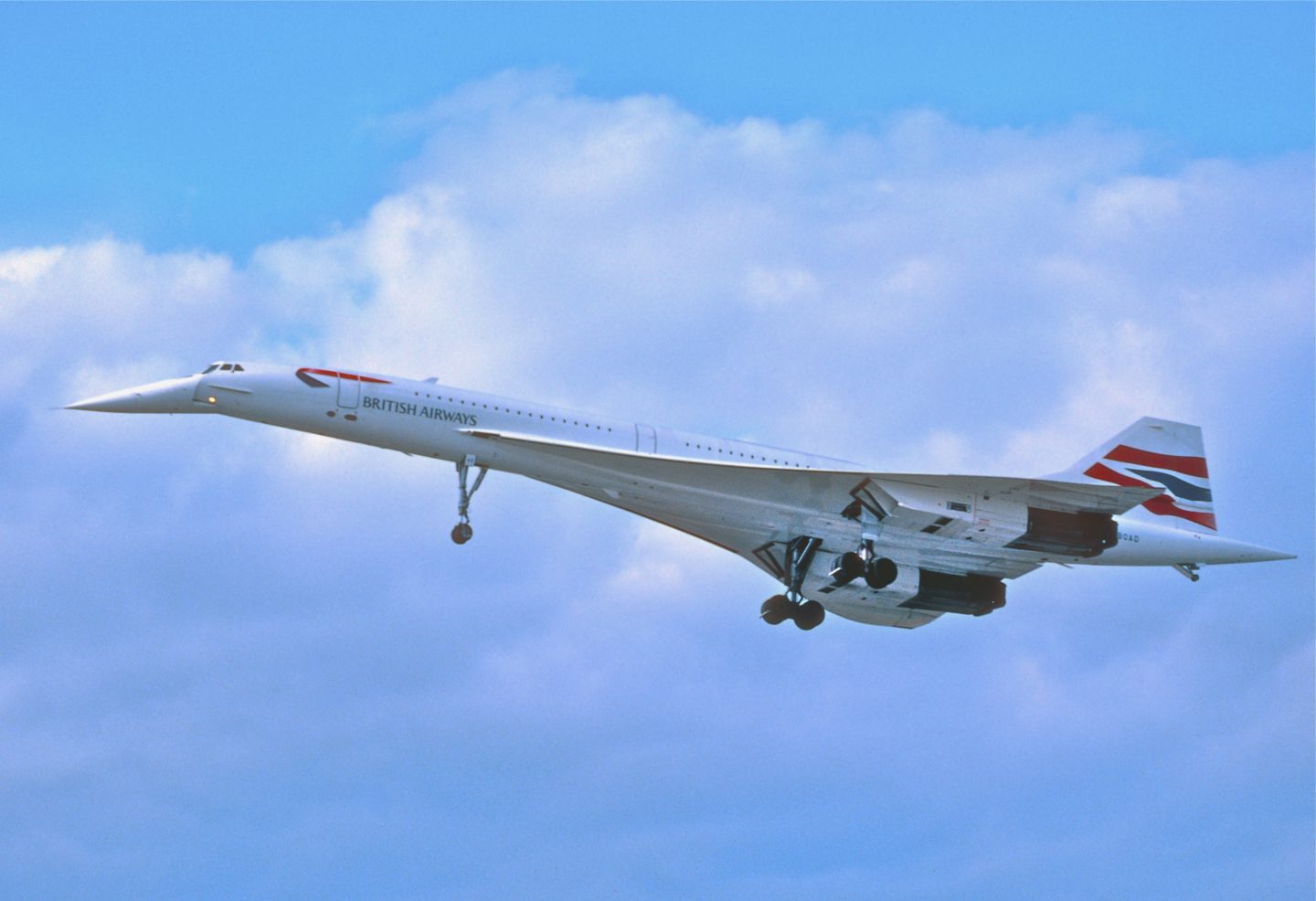
Concorde cruised at an altitude of around 60,000 feet, significantly higher than typical commercial airliners, which cruise around 30,000 to 40,000 feet. At that altitude, Concorde flew above most weather systems and commercial traffic, allowing for smoother flights. The reduced air density at high altitudes also helped reduce aerodynamic drag, making supersonic flight more efficient. The aircraft’s pressurization system had to compensate for the lower ambient pressure at these altitudes.
It Was the Result of a Rare Binational Engineering Collaboration
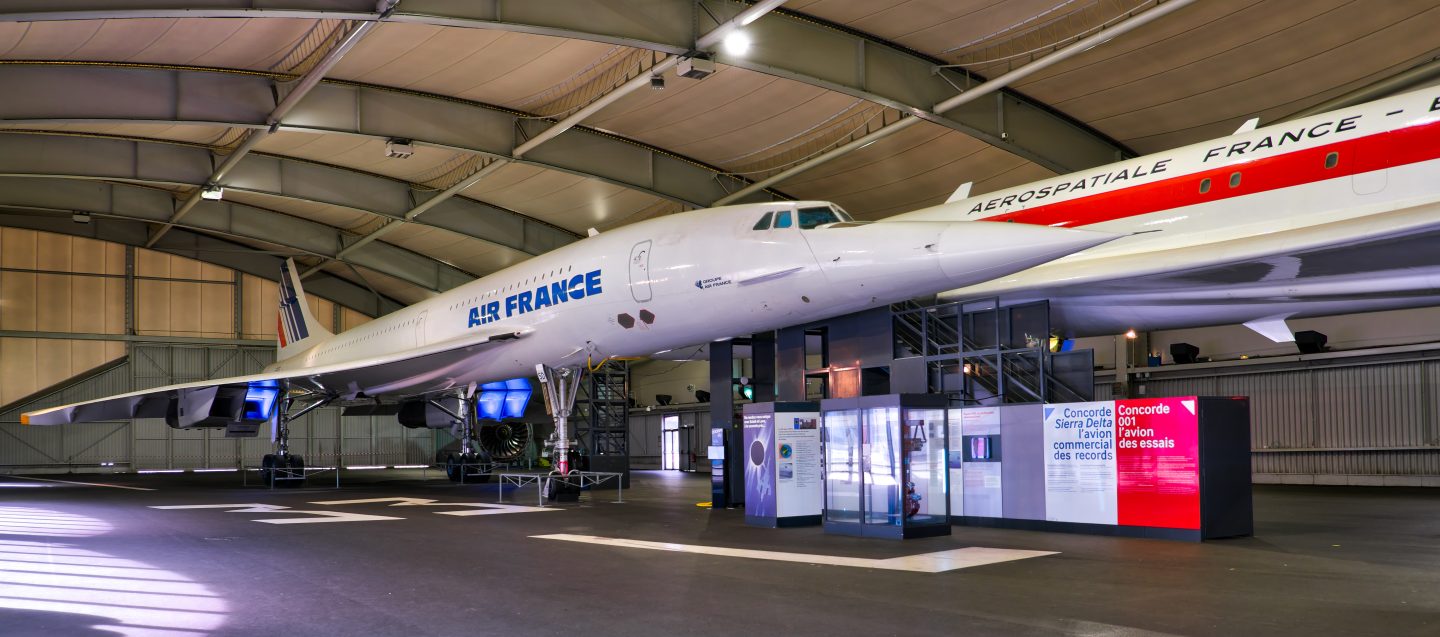
The Concorde was co-developed by the British Aircraft Corporation (UK) and Aérospatiale (France). The two governments signed the original development agreement in 1962, pooling resources to share costs and expertise. This collaboration resulted in two prototypes and several pre-production and production aircraft, with each split evenly between British and French assembly lines. The program represented a significant joint effort in Cold War-era aerospace development.
Concorde’s Final Flight Marked the End of Civilian Supersonic Travel
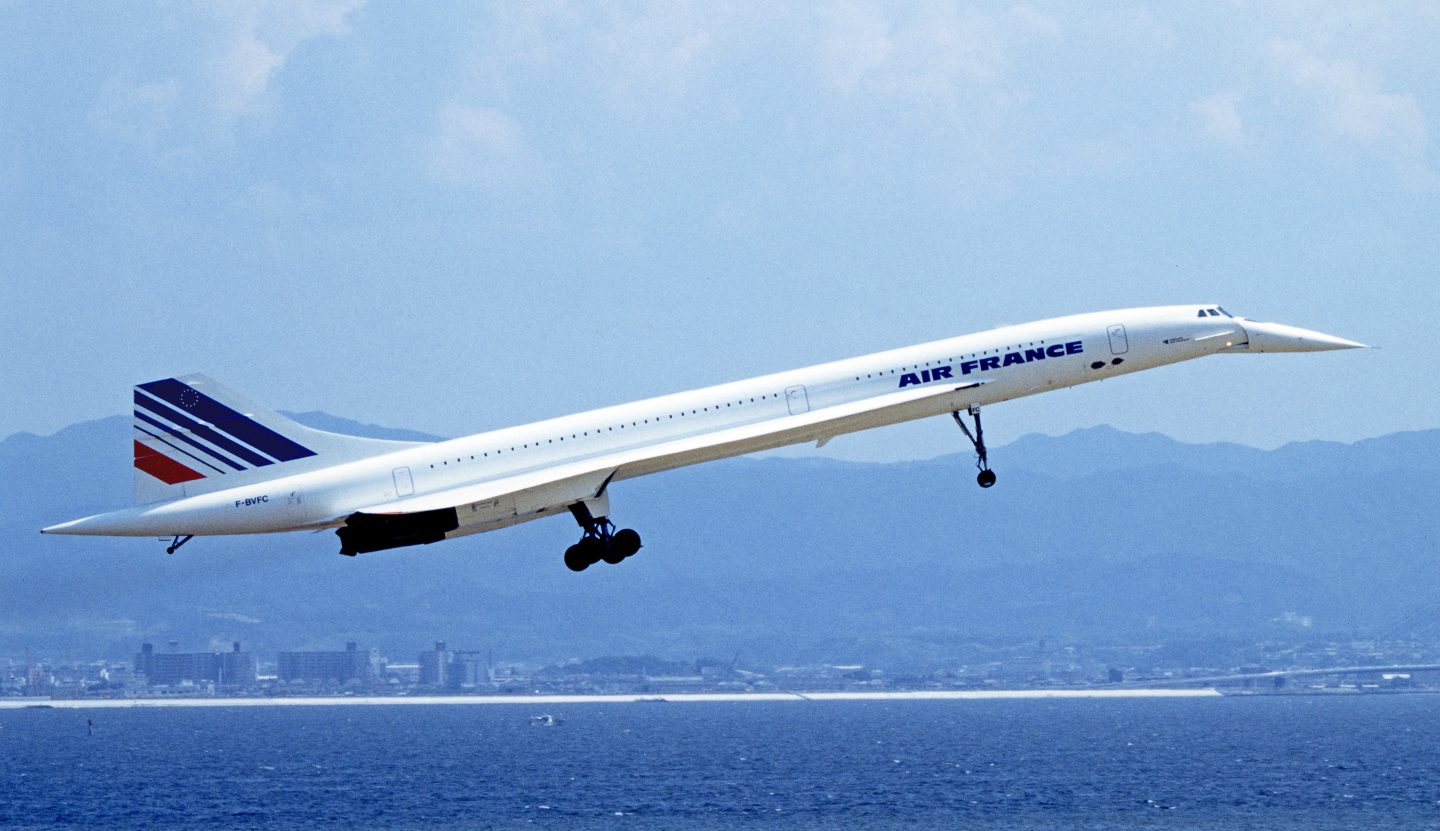
Concorde ceased operation in 2003. Its retirement was caused by a combination of high operating costs, lower demand after the crash of Air France Flight 4590 in 2000, and a general downturn in air travel following the events of 9/11. The final flights drew large crowds, and some aircraft were preserved in museums worldwide. Since then, no supersonic passenger aircraft has returned to regular commercial service.
Disclaimer: This list is solely the author’s opinion based on research and publicly available information.
Read More:

- Ultimate Guide To Picking The Best Travel Credit Card
- The 5 Best Budget Airlines in the United States
- 15 Best Countrıes to Vısıt in Afrıca