
17 Unique Italian Eating Habits That Leave American Tourists Amazed
Why is Italian dining so interesting? Italy’s culinary culture goes far beyond its unique flavors. The traditions and habits that characterize Italian food culture diversify and link it to its native land.
These customs shape the Italian way of eating and often leave American tourists and other visitors a little surprised, a little puzzled, and a little inspired.
Take your seat and buckle up to discover 17 unique Italian eating habits you don’t want to forget on your next trip.
Breakfast Is Light and Quick

Are Italians supposed to start their day with eggs and bacon? Not quite. Breakfast, or “colazione,” is often a small affair—typically a cappuccino and a pastry like a cornetto.
Simplicity: Italians don’t prepare heavy, American-style breakfasts. Why? Italians rarely sleep in, so they emphasize a balanced routine. They carefully keep breakfast light so that there is room for a more elaborate lunch later.
So try this approach on your visit to start your day Italian style!
Do Not Order a Cappuccino After 11 AM

Do you crave a cappuccino with lunch? That’s a cultural faux pas. For Italians, milk-based drinks disrupt digestion, especially after a heavy meal.
Later in the day, after 11 AM coffee, stick to the espresso. Want to blend in with the locals? Order a “caffè” (espresso) or “macchiato” in the afternoon instead.
Pasta Comes First, Always
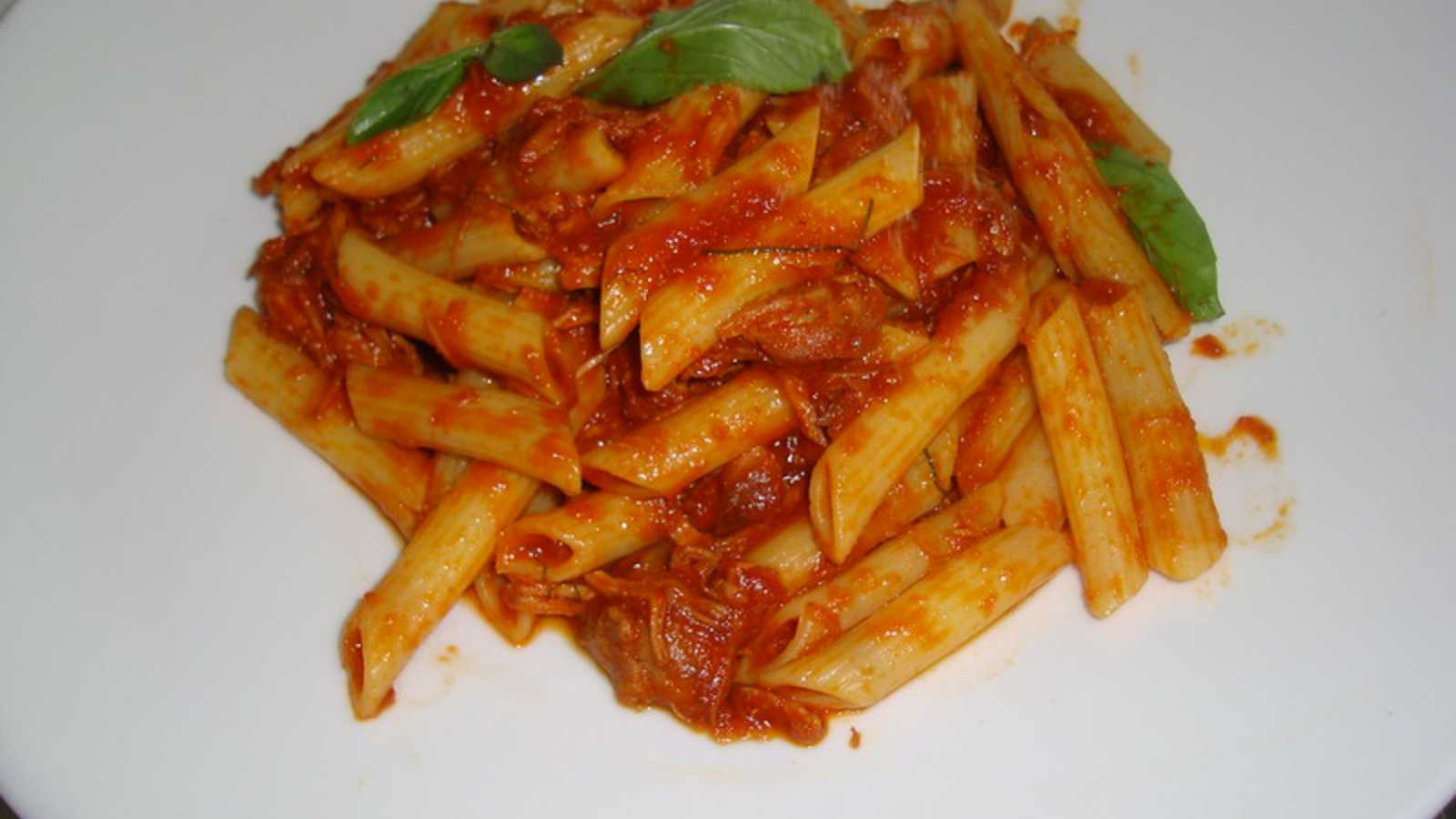
You won’t find pasta for mains when dining out. Italians use it as a primo piatto (first dish), followed by a second, which traditionally consists of meat, fish, and vegetables.
This sequencing reflects the Italians’ concern for balanced eating. Their meals are structured so beautifully that you can savor each course properly, whereas Americans would find that strangely intentional.
Bread Isn’t for Buttering
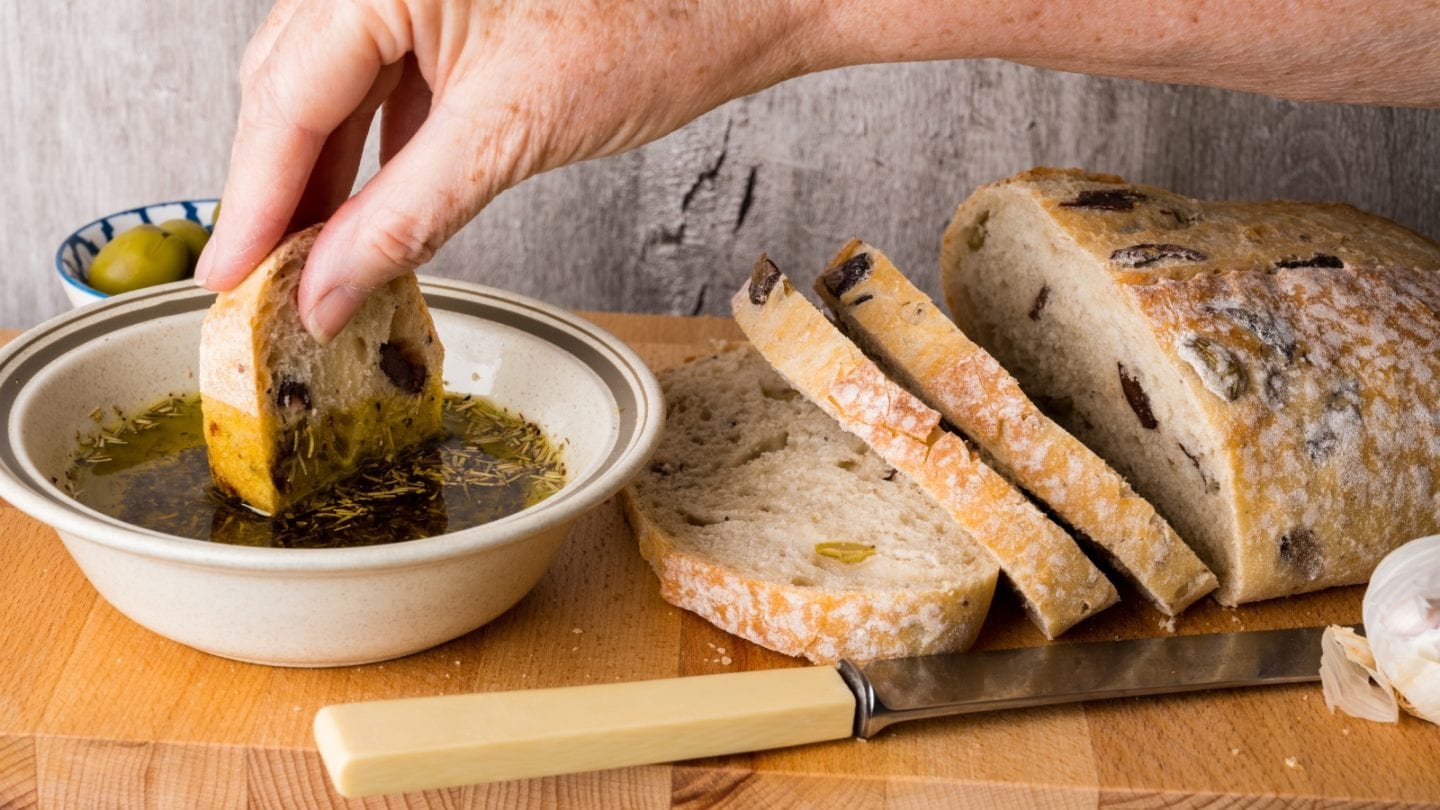
Italians don’t butter their bread before every meal like Americans do. Instead, bread is functional—it accompanies main dishes or “fare la scarpetta” (scoop-up sauce).
They respect natural flavors and present food in the simplest way possible. And they might even offer a plate of olive oil for dipping, but butter? Rarely.
Salad Is a Post-Meal Course

You might be surprised to see salads served after the main course. Italians eat salads as a palate cleanser or digestive aid, not as an appetizer like in the U.S.
The next time you’re at the end of a heavy meal, try reserving some room for a salad afterward—it could help you digest your food more easily and fresher.
Meal Times Are Sacred

Meals are eaten at set times, and Italians rarely grab lunch at 2 PM; they seldom ‘graze’ during the day. The day’s most important meal is lunch, between 12 and 2 PM. That’s why they close businesses so they can enjoy it in full.
For tourists, this means you have to plan your meals. Most of them shut down mid-afternoon and open mid-afternoon, reopening at 7 p.m. or later.
Liqueurs are Desserts (Often Included)

Digestive (liqueurs) don’t have to be the only way you end your meal with something sweet. Limoncello, grappa, amaro, and drinks served after dessert help digestion.
A traditional practice for Italians, it’s a nice way to end a meal. One good sip can turn an ordinary meal into an extraordinary gastronomic experience.
Certain Pasta Dishes Have No Cheese
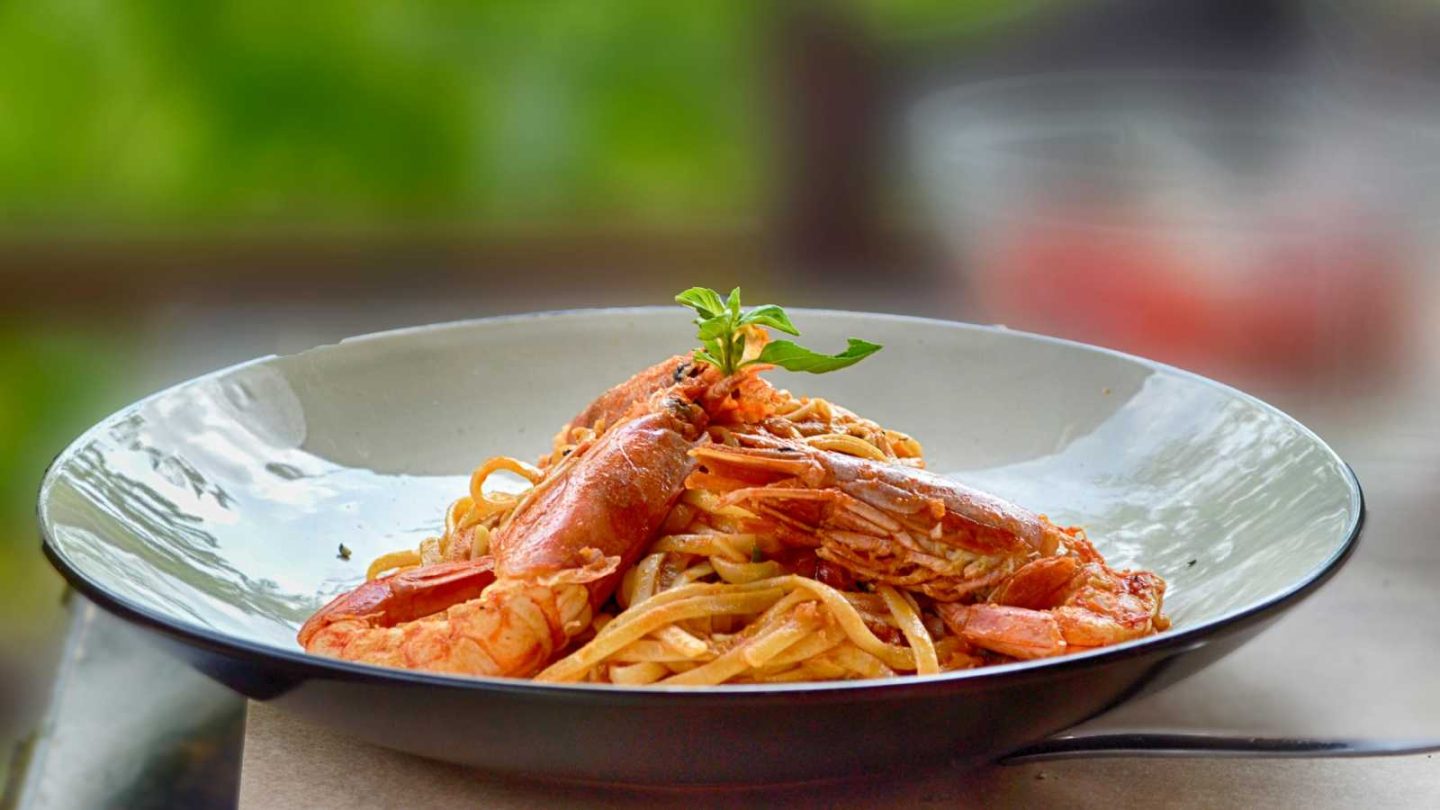
Do you love to sprinkle Parmesan on top of every bowl of pasta? Italians don’t. Generally, no cheese is welcome when adding it to seafood spaghetti.
They believe cheese overpowers delicate flavors, such as fish or shellfish. Respecting this custom will help you appreciate the harmony of ingredients in traditional Italian recipes.
Meals Are a Social Affair

Meals for Italians are less about getting it down quickly and more about connecting with your loved ones. When wine flows, keep the conversation in motion at home or out.
This mindset is to adopt so that you can truly experience the flavors and the company and come out with memories of Italian hospitality.
Water and Wine Are the Meal’s Basics

Forget sodas with your meal. Italians typically pair lunch and dinner with wine and still water (“aqua naturale”) or sparkling water (“acqua frizzante”).
This pairing reflects their that enhance, not distract from, the food’s flavor.
Pizza Is a Solo Event

Think pizza is for sharing? Not in Italy. Each diner is served a personal pizza, so no negotiation is required where each bite is yours.
The practice is intended to make indulging with the toppings that cater perfectly to your taste bud’s desires.
Fresh, Seasonal Ingredients Always Win
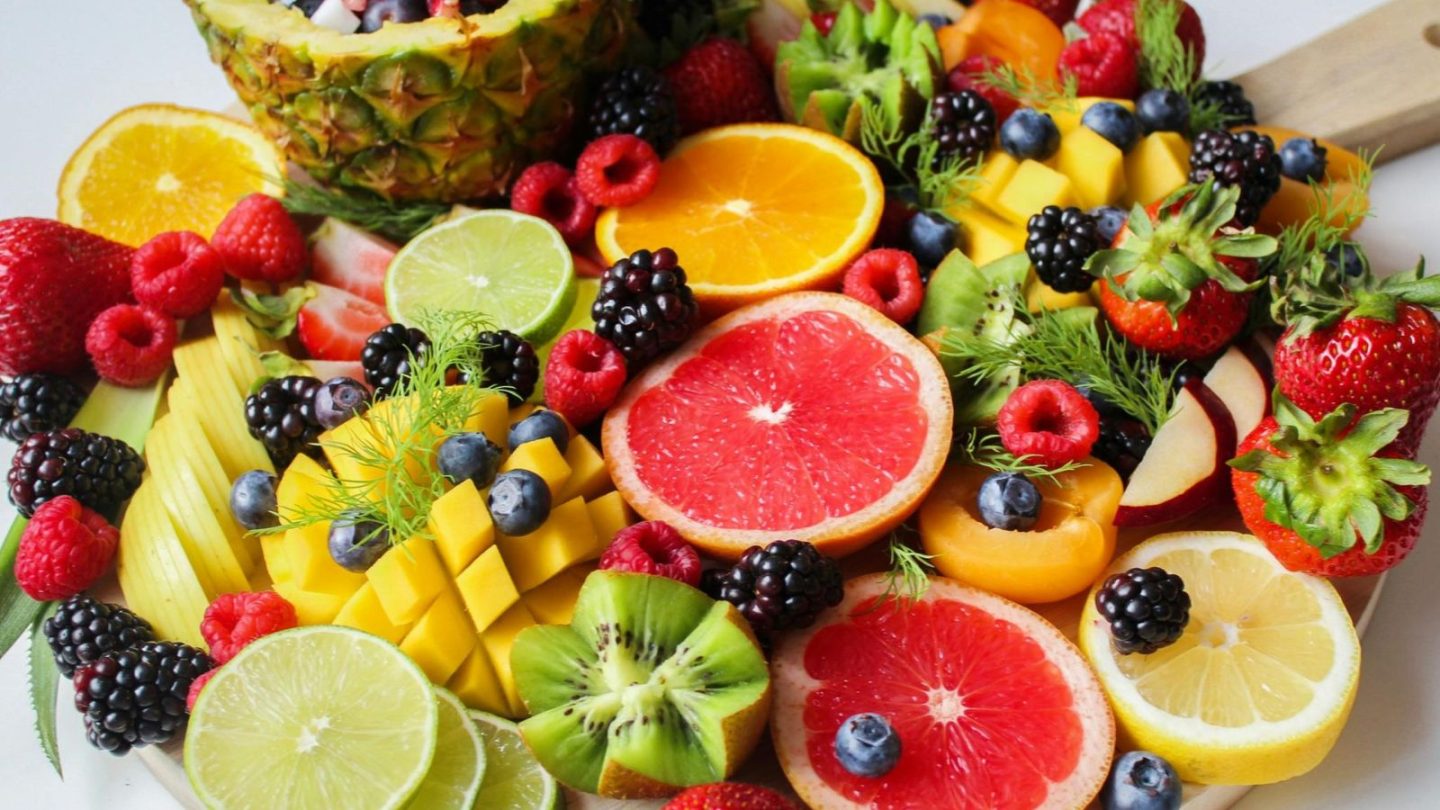
Italy’s food is simple and fresh. Each bite is vibrant and flavorful, using seasonal produce as the main star of its dishes.
Look out for menus that emphasize “stagionale” (seasonal). That’s where Italian cooking shines.
Gelato Is the Anytime Treat

Love ice cream? You wait ’til you’ve had authentic gelato. Gelato isn’t just a dessert like it tends to be in the U.S. — Italians can enjoy it anytime: after lunch, for an afternoon snack, or endlessly late into the evening.
It is an irresistible drink due to its rich flavors and creamy texture. But don’t mess it up with ice cream—they (gelato) get rid of the air and are a little more intense.
No Rushing Allowed

You take dining slow in Italy. The servers won’t rush you through dinner and your meal, so you have enough time to eat and chat.
Enjoy your surroundings and live the Italian way you are.
Coffee Is Always Quick

Over meals, you can linger; with coffee, it’s quick and to the point. One way or another, Italians often stand at a bar, take a few sips of their espresso, and move elsewhere.
I bet you’ll find it a refreshingly efficient ritual—try it yourself.
Snacking Happens at Aperitivo

Italians don’t snack as often as Americans but enjoy “aperitivo,” a delightful pre-dinner ritual involving drinks and light bites like olives, cheese, and cured meats. Aperol Spritz is a perfect way to ease into the evening; it’s lovely.
Food Comes First, Always
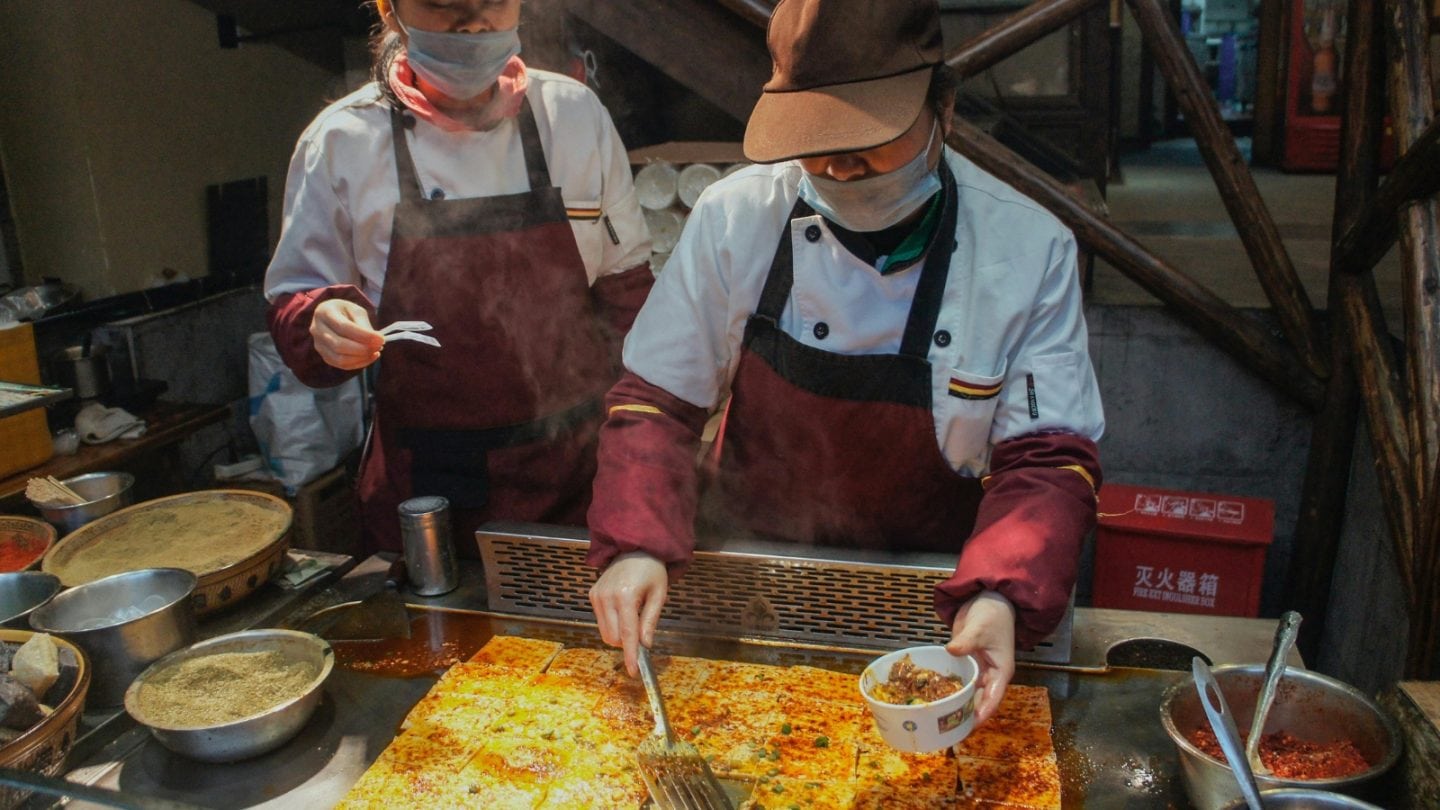
Perhaps more than anything else, Italians respect food. They pride themselves on any dish’s quality, tradition, and flavor. For not just sustenance, they celebrate life.
This alone should encourage anyone to change their approach to eating more mindfully—whether it’s in the house or not.
Disclaimer – This list is solely the author’s opinion based on research and publicly available information.
Disclosure: For transparency, this content was partly developed with AI assistance and carefully curated by an experienced editor to be informative and ensure accuracy.
Read More:


