
17 Travel Tips for First-Time Visitors to the Philippines
The Philippines is a country of diverse cultures and warm hospitality. With over 7,600 islands, first-time visitors will find everything from pristine beaches and breathtaking mountains to historic sites and bustling city life. While the country offers incredible experiences, it also requires some preparation to navigate its unique transportation, climate, and customs.
Traveling here for the first time can be overwhelming, but a little knowledge goes a long way in ensuring a smooth and enjoyable trip. These essential tips will help you make the most of your visit while avoiding common pitfalls.
Respect Wildlife and Marine Life
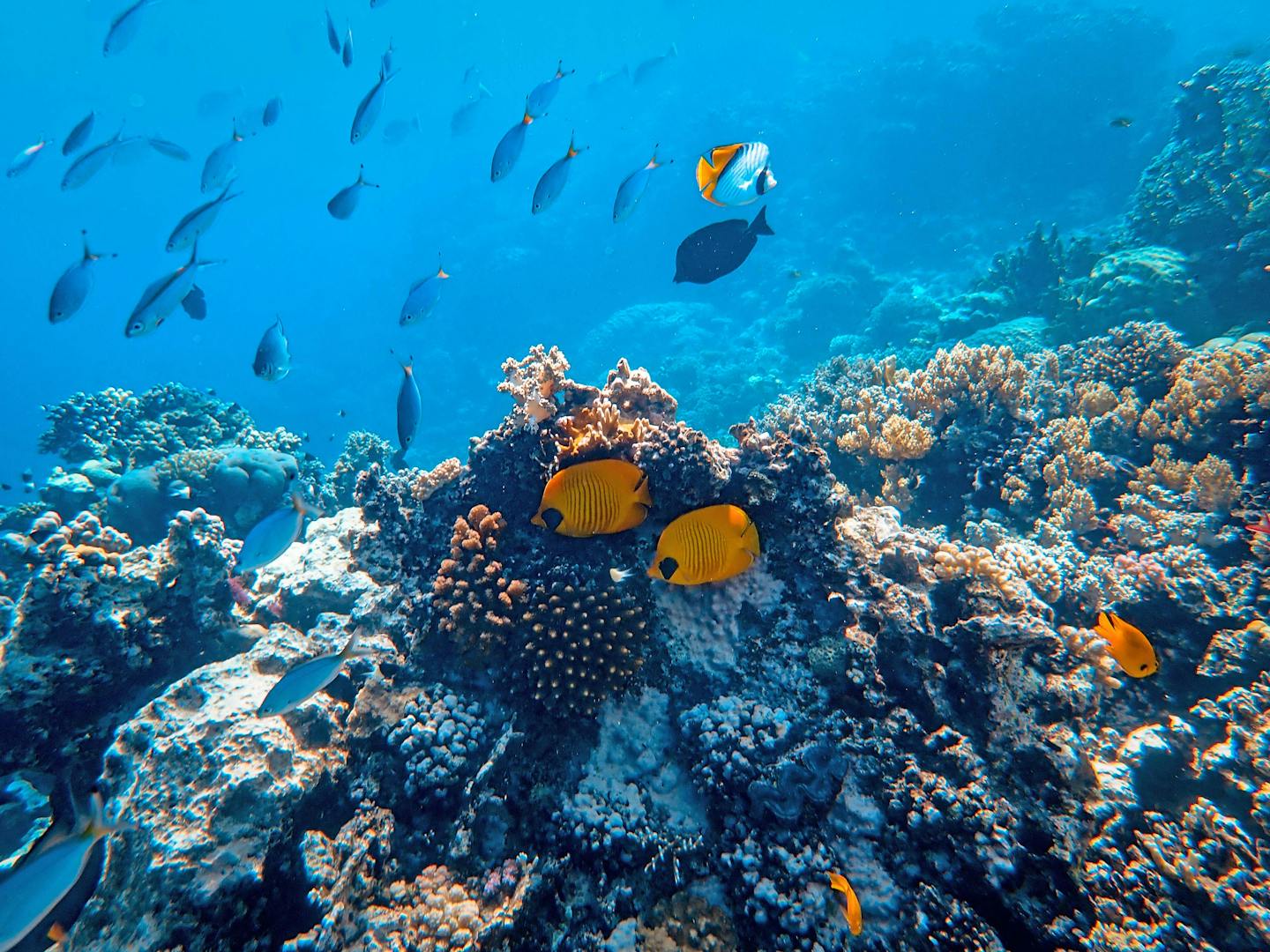
The Philippines is home to incredible marine biodiversity, but responsible tourism is essential. Avoid touching coral reefs, feeding wild animals, or participating in unethical wildlife attractions. Choose eco-friendly operators when booking activities like whale shark encounters.
Respect Local Customs and Traditions

Filipinos are known for their hospitality, but cultural respect is essential. Dress modestly when visiting churches, avoid raising your voice in public, and always use your right hand when giving or receiving something. Removing your shoes before entering a home is a common sign of respect.
Learn a Few Basic Tagalog Phrases

While English is widely spoken, especially in urban areas, learning a few basic Filipino phrases can make your interactions more enjoyable. Simple greetings like “Magandang araw” (Good day) or “Salamat” (Thank you) can help you connect with locals and show appreciation for their culture.
Pack Light but Prepare for Various Climates

Tropical weather dominates most of the country, but temperatures vary by location. Lightweight clothing is ideal for most areas, but if you plan to visit cooler spots like Baguio or Sagada, bring a jacket. A waterproof bag and quick-dry towels are helpful for island-hopping, and reef-safe sunscreen is a must to protect your skin and the environment.
Have Cash on Hand, but Use Digital Payments When Possible

ATMs and credit cards are widely accepted in major cities like Manila and Cebu, but rural areas and smaller islands still rely heavily on cash transactions. Small bills are helpful for jeepneys, tricycles, and market purchases. Mobile payment apps like GCash and Maya are becoming more common, offering a convenient alternative in urban areas.
Expect Warm Hospitality and a Laid-Back Atmosphere

Filipinos are generally friendly and eager to help visitors. A smile and a polite greeting go a long way in making connections. While life in major cities is fast-paced, rural areas and beach towns follow a more relaxed rhythm.
Try the Local Cuisine but Choose Wisely

Filipino food is diverse, with dishes like adobo, sinigang, and lechon being must-tries. Street food is popular, but stick to busy stalls with freshly cooked food. Drink bottled or filtered water, as tap water is not always safe.
Plan for Unpredictable Transportation
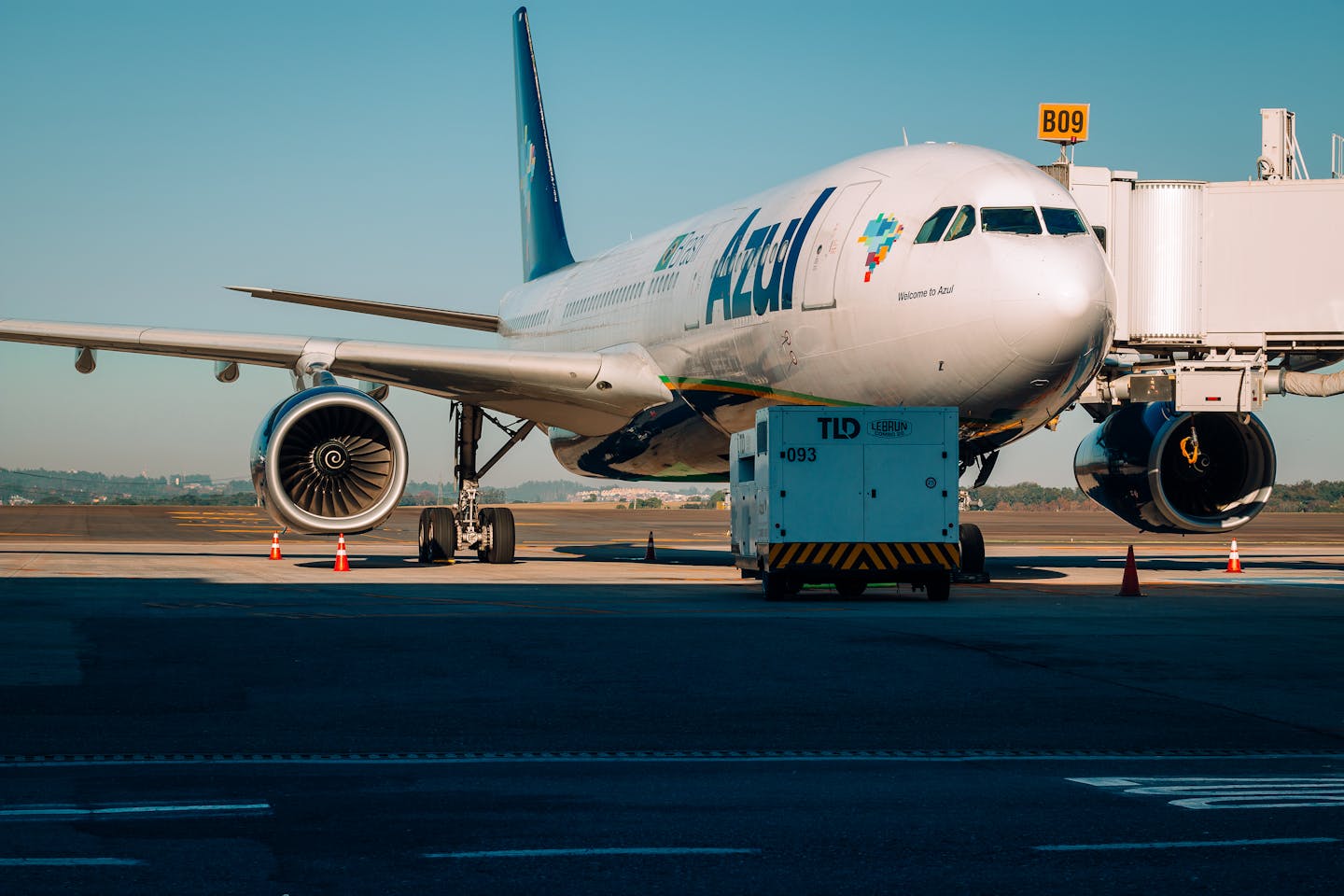
The Philippines doesn’t have an extensive train system, so getting around requires a mix of transportation methods. Domestic flights are the fastest way to travel between islands, while ferries and long-haul buses are budget-friendly but slower. Ride-hailing apps like Grab are convenient in cities, while jeepneys and tricycles are the leading local transport in smaller towns.
Prepare for Slow Internet in Some Areas

Wi-Fi and mobile data are available in major cities but unreliable in remote areas. Buying a local SIM card from Globe or Smart improves connectivity. If you need consistent internet, pocket Wi-Fi devices are available for rent.
Be Aware of “Filipino Time”

Time is more flexible in the Philippines, and delays are common. Public transport, business meetings, and even social events may not start exactly on schedule. Expect a relaxed approach to time, especially in non-urgent situations.
Bargain Respectfully in Markets

Haggling is common in markets and tourist areas, but do so with respect. Vendors expect some negotiation, but aggressive bargaining over a small amount may be seen as disrespectful.
Watch Out for Tourist Scams

Be cautious of common scams, such as overpriced taxi fares (always insist on using the meter), misleading currency exchange rates, and fake tour packages. Research operators before booking tours, and avoid overly persistent street vendors.
Take Eco-Friendly Travel Seriously

Many tourist spots in the Philippines are ecologically fragile. Reduce plastic waste by bringing a reusable water bottle and bag. Follow the “Leave No Trace” principle when visiting beaches and natural areas. Boracay and other significant destinations have strict environmental policies to protect their ecosystems.
Prepare for Unexpected Weather Changes

The country has a tropical climate with a wet season (June to October) and a dry season (November to May). Typhoons can disrupt travel plans, so check weather updates regularly. A lightweight rain jacket or umbrella is practical even in the dry season.
Use Local Guides for an Authentic Experience
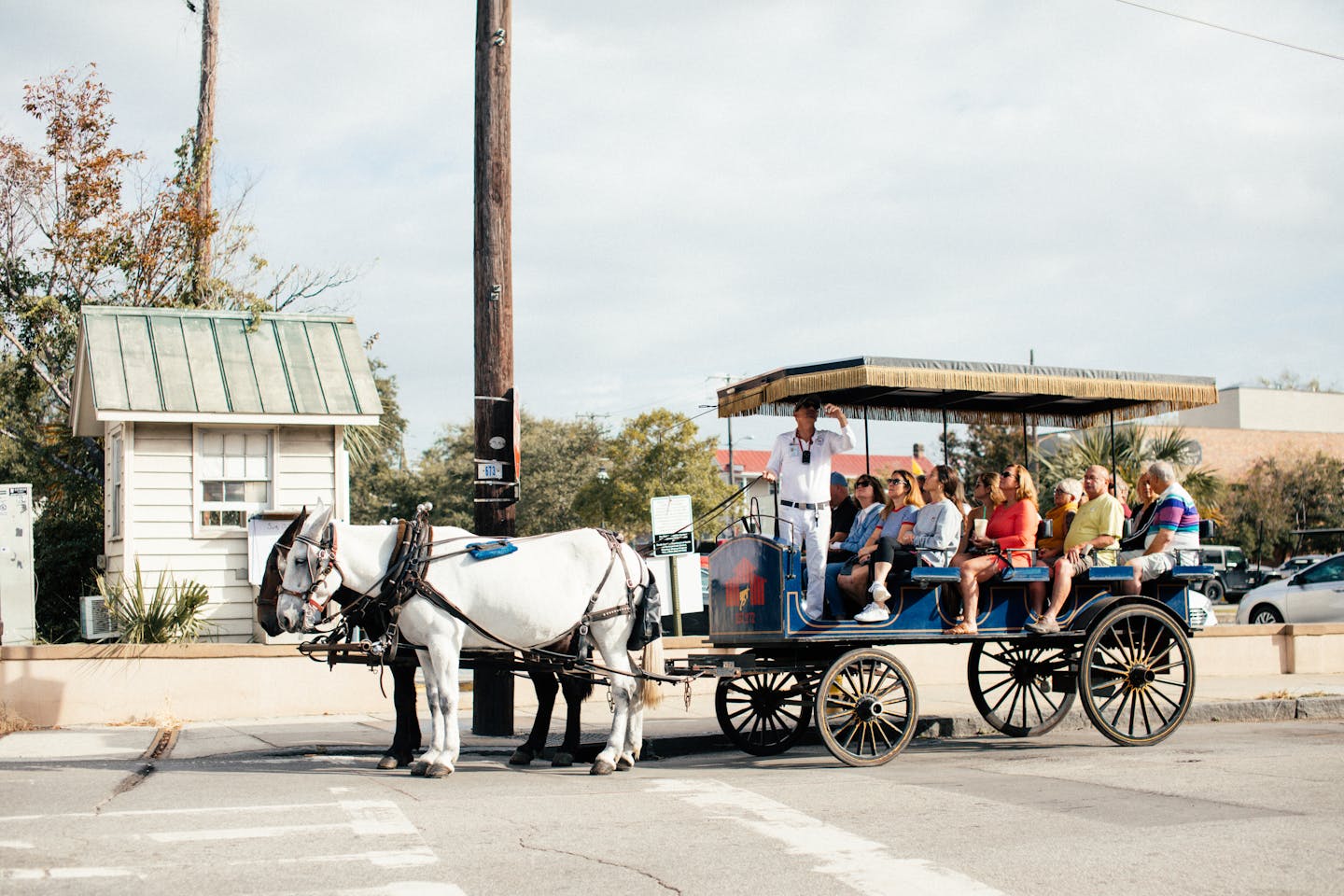
Hiring a local guide can enhance your experience, especially in cultural or historical sites. Community-based tourism projects in places like Banaue and Palawan offer insights into local traditions while supporting sustainable tourism.
Stay Flexible and Embrace the Unexpected

Even the best-planned trip may come with surprises, whether a transportation delay, a sudden festival, or a detour to a hidden beach. Adaptability is the key to enjoying the Philippines. Go with the flow, and you’ll likely have unforgettable experiences.
Know the Tipping Etiquette

Tipping is not always required but is appreciated in restaurants, hotels, and tour guides. A 10% tip is generally acceptable in restaurants if service charges are not included in the bill. Rounding up the fare for taxis and ride-hailing services is a common practice.
Disclaimer: This list is solely the author’s opinion based on research and publicly available information.
Read More:

- Ultimate Guide To Picking The Best Travel Credit Card
- The 5 Best Budget Airlines in the United States
- 15 Best Countrıes to Vısıt in Afrıca