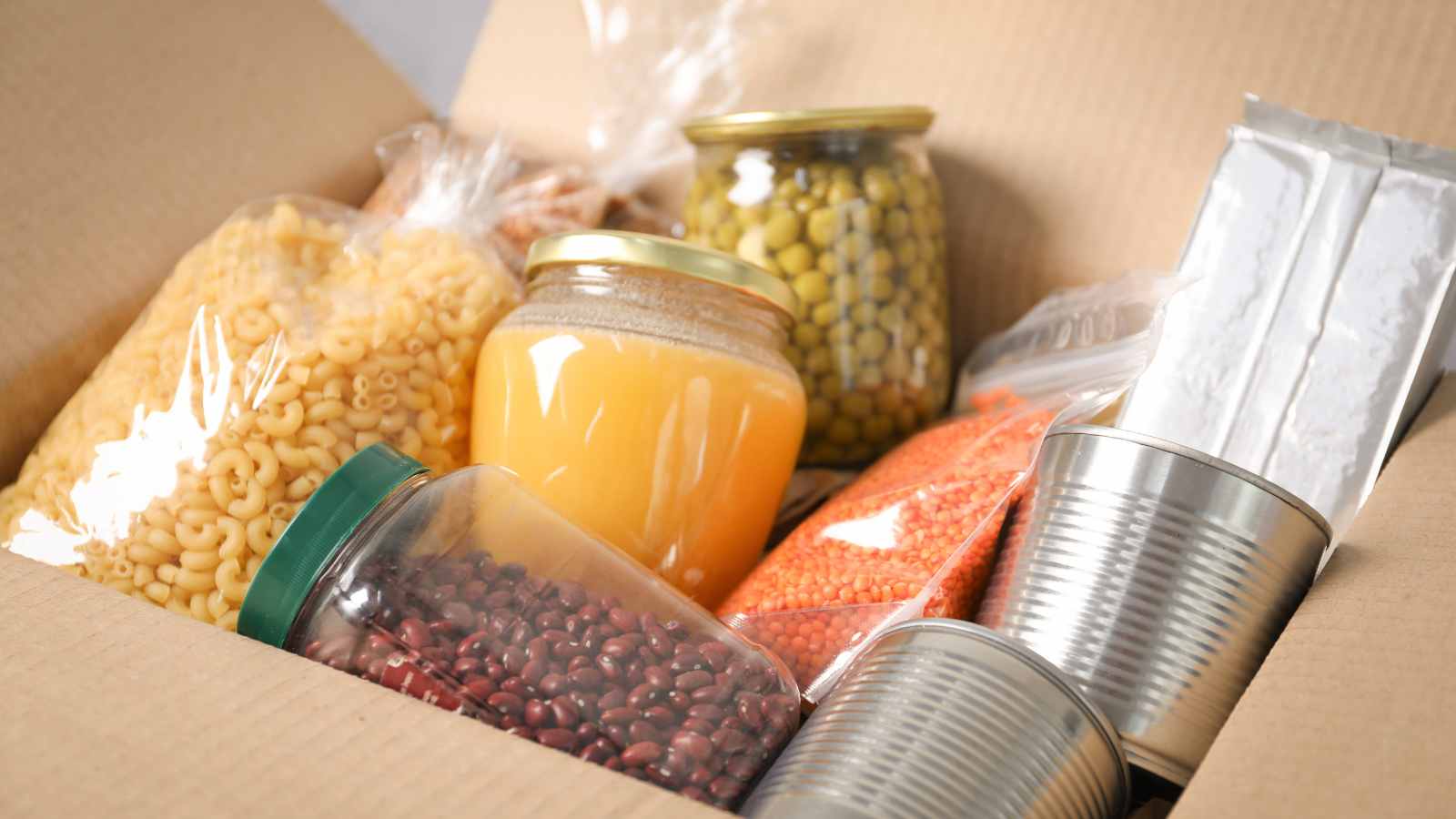
17 Foods You Don’t Have to Toss After the Expiry Date
You might be shocked to learn that, according to the U.S. Food and Drug Administration (FDA), misleading date labeling is one of the key reasons Americans waste nearly 30% of the nation’s food supply each year. That’s not just a dent in your wallet—it’s roughly 80 million tons of food tossed out annually, much of it still safe to eat.
Most manufacturers use “best by,” “sell by,” or “use by” dates to indicate food quality, not food safety. So before you throw something out just because a date has passed, let’s dig into the truth about these labels—and the foods that stay good far longer than you probably expect.
Here’s a rundown of 17 common foods you don’t need to toss after the expiry date—plus a bit of science to back it up.
Honey

Honey isn’t just a sweet treat; this golden syrup is endlessly shelf-stable. Its unique chemical makeup—high in sugars and very low in moisture—creates an environment where bacteria and molds can’t really survive. In fact, researchers have discovered edible honey in ancient Egyptian tombs that’s more than 3,000 years old (Smithsonian).
Even if it sits on your shelf for years, honey won’t spoil; over time, it may darken or crystallize, which isn’t a sign it’s gone bad, just a natural change that happens with age. If you ever notice it crystallizing, don’t worry. Place the jar in a warm water bath and it’ll liquefy again, good as new. Scientists from the National Honey Board note that honey’s acidic pH and the presence of hydrogen peroxide further protect it from spoilage organisms.
Tip: For maximum shelf life, always use a clean, dry spoon when dipping into the jar, and store your honey tightly sealed at room temperature—never in the fridge. This protects the flavor and texture and helps keep it free from moisture contamination.
Canned Goods
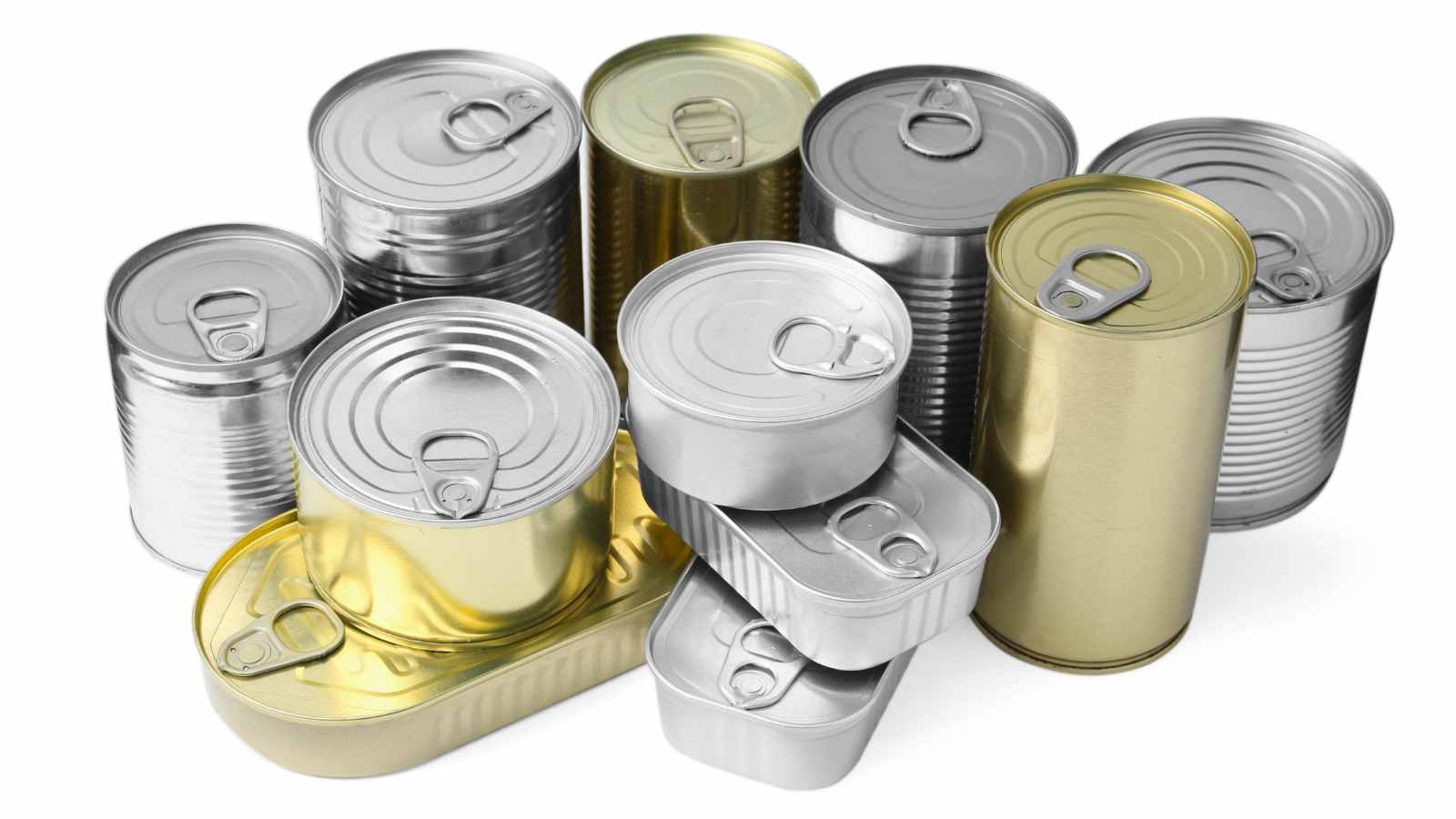
A can’s “best by” date mainly signals peak flavor or texture—not whether it’s safe to eat. According to the USDA, low-acid foods like beans, corn, and tuna can last up to five years stored at room temperature, while high-acid foods such as tomatoes and canned fruits are best within 12 to 18 months, but often remain good.
The safety of canned food depends on the integrity of the can—avoid any with deep dents, rust, bulges, or leaks. Stored properly, canned products remain a convenient and safe pantry backup, especially handy during unexpected situations like power outages or big storms. They can help you whip up hearty soups, stews, or quick lunches with little fuss.
Tip: Before opening, check the can for dents, swelling, or leaks. If anything smells odd after you open it or the contents look discolored or foamy, play it safe and don’t eat it. Otherwise, canned foods that pass the look and sniff test are generally fine, even years past the dating on the label.
White Rice
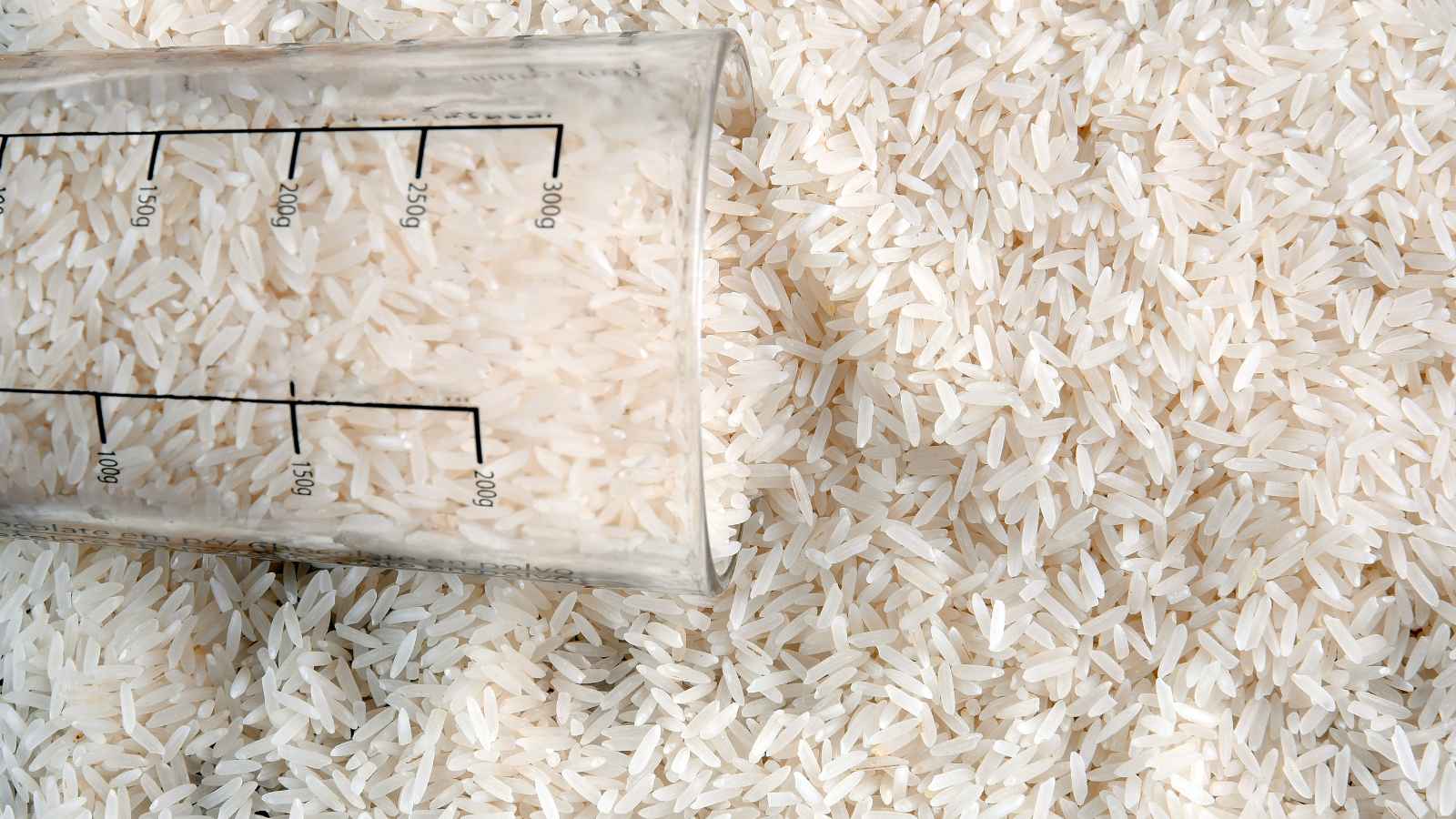
Unlike brown rice, which is known for its oil-rich bran that can spoil over time, plain white rice could outlast most pantry staples if stored correctly. White rice is milled to remove the husk, bran, and germ—eliminating the components that lead to rancidity. The result: a grain with incredible staying power when kept dry and airtight.
Food storage research by Brigham Young University found that properly packaged white rice can remain safe and unchanged for up to 30 years. Even after years on your shelf, white rice can prepare up just as fluffy and light as the day you bought it—just be sure to inspect for a musty odor or bugs, which suggest it’s best not to risk it.
Tip: To help rice stay fresh for the long haul, store it in a sealed, food-grade container in a cool, dark spot, and consider tossing in an oxygen absorber. This will help prevent both spoilage and infestations, making your rice a true emergency pantry hero.
Dry Pasta

Dried pasta is a pantry mainstay that can easily outlast its best-by date by several years if stored in a dry, airtight container away from humidity and pests. The reason behind its staying power is simple: pasta’s extremely low moisture content makes it tough for bacteria and mold to take hold.
After four to five years, you might notice the taste or texture isn’t quite the same, but as long as there’s no off smell, discoloration, or visible signs of insect activity, it’s safe to cook. Even slightly stale pasta can be revived in hearty soups, casseroles, or skillet dishes—especially if you let the sauces work their magic.
Tip: Before using old pasta, pour it out and double-check for small bugs or webbing, which can signal grain pests. If everything looks clean and the pasta smells okay, it’s good to go. For proper long-term storage, see USDA’s pasta guidance.
Peanut Butter

Commercial, shelf-stable peanut butters (with added stabilizers) have a notably long life in your pantry, lasting 6-12 months past the printed date if left unopened (National Peanut Board). The preservatives and oils used in popular brands help slow down spoilage and prevent the growth of bacteria or mold.
Even after opening, these peanut butters can stay good for months if you keep the jar tightly closed and store it in a cool, dark place. If you notice some separation (oil floating on top), that’s normal. Just give it a good stir and you’re all set. Mold or a sour smell is a sign it’s gone bad, but otherwise, the rich, nutty flavor is safe to use well past the date. Spread it on apples, swirl it into your oats, blend it into smoothies, or bake peanut butter cookies without worry.
Tip: Always use a clean, dry utensil when scooping peanut butter. Any leftover crumbs or moisture can introduce bacteria—keeping it clean extends shelf life even more. If you’re using natural peanut butter (which has no preservatives), refrigeration can help it last longer and maintain quality.
Hard Liquor

Distilled spirits—think vodka, gin, rum, tequila, and whiskey—are remarkably stable and don’t spoil, even long after their “best by” dates. Their high alcohol content acts as a preservative, inhibiting bacteria and mold. Sealed bottles stored upright in a cool, dark spot can last decades, with only subtle shifts in flavor or aroma. After opening, the taste might mellow or fade, but the liquor itself remains safe to drink for years. Just be aware that bottles with added flavors or cream (like Irish cream liqueurs) may not last as long, so check for any off smells, curdling, or separation.
Mixologists sometimes use older, oxidized spirits for cocktails where a punchy new note isn’t as important. That partial bottle of wine or sherry? Even if it’s a little past its prime for sipping, it can be a secret weapon in your kitchen—use it in stews, sauces, or to deglaze a pan. You can also freeze leftover wine in ice cube trays to use in future recipes.
Tip: Keep opened spirits sealed tightly and away from heat and sunlight to maximize their shelf life and preserve flavor. For liqueurs or cream-based drinks, refrigerate after opening and finish within six months for best quality.
Sugar
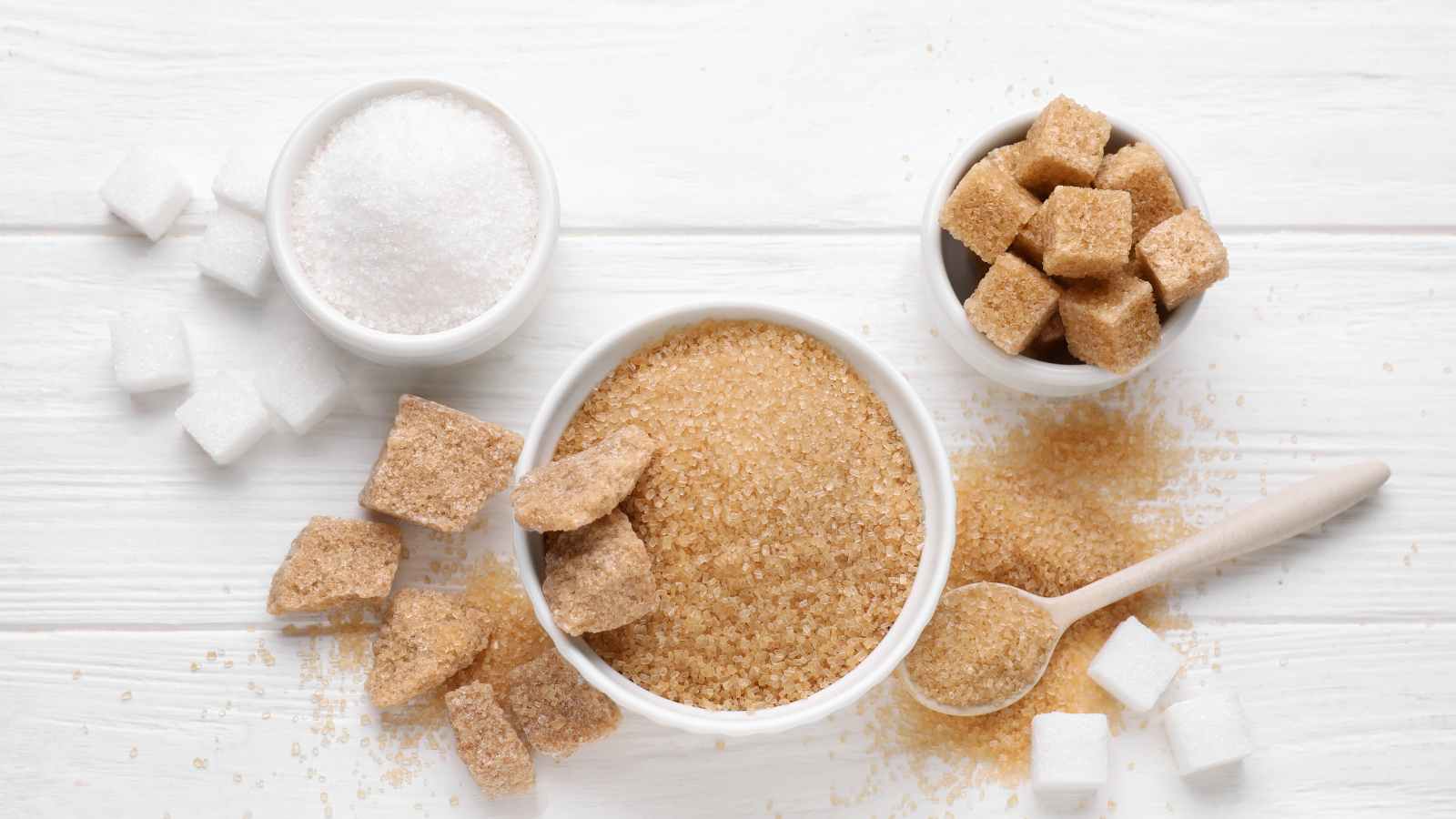
All forms of sugar—white, brown, or powdered—are so dry, they don’t let bacteria or mold get comfortable. Indiana Sugars confirms sugar can last indefinitely. Even if your sugar hardens or clumps, it hasn’t gone bad—this usually happens because it picked up some moisture, not because it’s unsafe.
Simply break up any lumps and use it as usual. For brown sugar that’s turned rock solid, storing it with a slice of bread or an apple wedge in an airtight container will help keep it soft. Make sure to store all sugars in a cool, dry place inside tightly sealed containers so they don’t attract pantry pests or odors from other foods.
Tip: Sugar is one of the safest foods to keep after its “best by” date, but always check for signs of bugs or contamination if it’s been stored a long time.
Vinegar

Vinegar has a well-earned reputation for never really going bad. Its inherent acidity acts as a natural barrier against spoilage microorganisms, making it virtually immortal—as confirmed by the Vinegar Institute. Unlike many condiments, vinegar’s flavor can even mellow or deepen over time without compromising safety, provided the bottle is sealed and stored at room temperature.
Time won’t harm its safety, whether it’s white distilled, apple cider, or balsamic, and you might notice some sediment or a “mother” (a harmless natural substance that sometimes forms). That’s not a bad sign; you can easily filter it out or shake the bottle before using. Older vinegar can still shine in salad dressings, homemade pickles, and marinades, or you can put it to work around the house as a natural cleaner or fabric softener.
Tip: If your vinegar’s color shifts slightly or a cloudy haze appears, don’t worry—these changes are normal and don’t signal spoilage. For best quality, keep vinegar tightly capped and away from direct sunlight to preserve its flavor and potency.
Salt
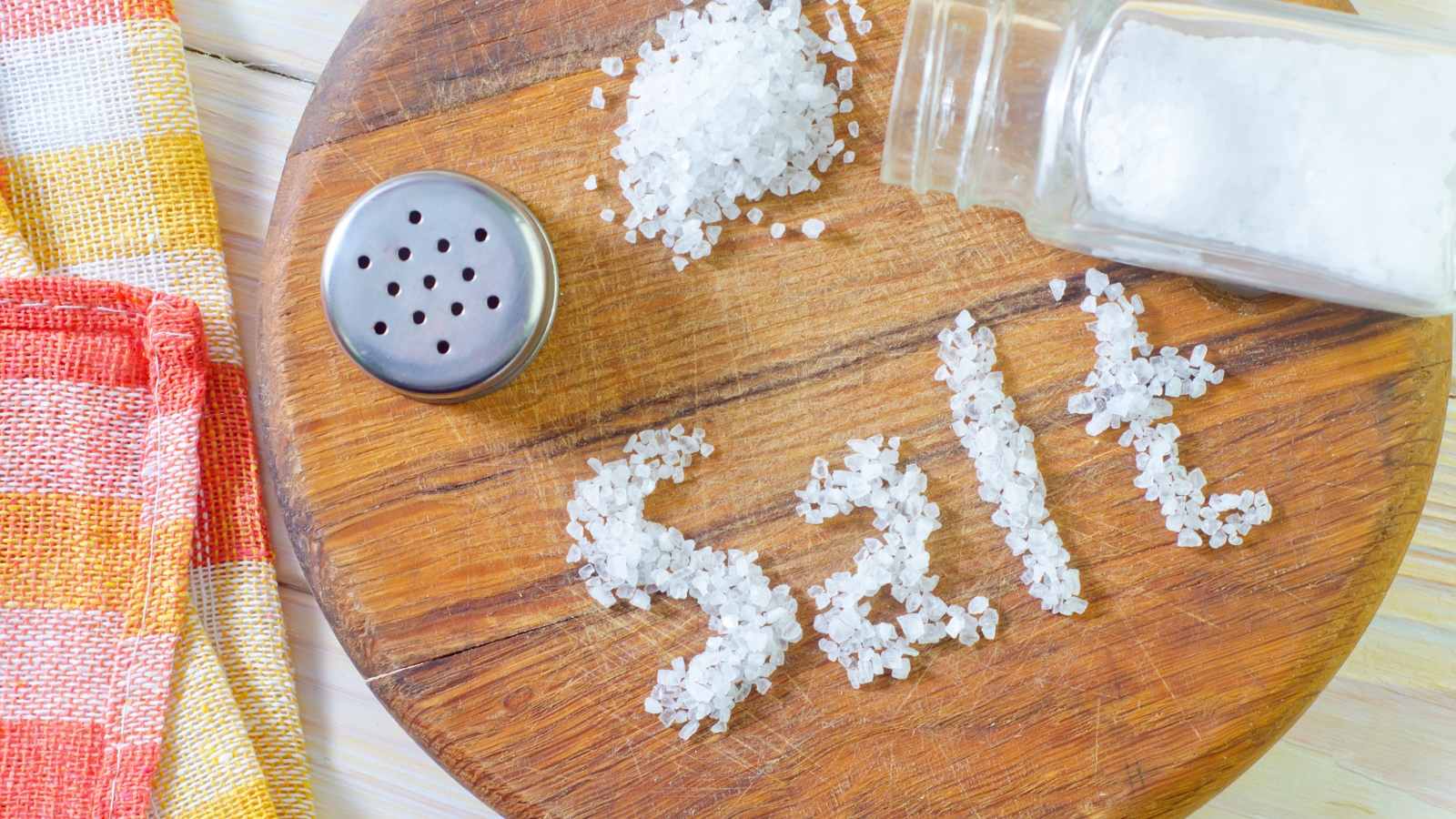
Pure salt doesn’t truly expire; it’s an ancient mineral that can remain stable for thousands of years if kept dry. In fact, salt deposits mined from the earth and ancient sea salt are still perfectly good for seasoning your food. Most standard table, kosher, and sea salts are so low in moisture and inhospitable to microbes that spoilage isn’t a risk.
The only concern comes with additives—iodized or seasoned salts can clump or lose effectiveness over time, especially if exposed to moisture, but they’re still safe to use. Researchers recognize salt as one of civilization’s original preservatives, crucial in curing meats and fish for centuries. To keep your salt clump-free and pourable, use airtight containers and store it in a dry spot on your shelf.
Tip: If you do find your salt has clumped, simply spread it on a baking sheet and gently heat it in the oven to draw out moisture—then store it sealed to prevent future clumps. Salt that looks dry and free from contaminants is safe to use, no matter the date.
Soy Sauce
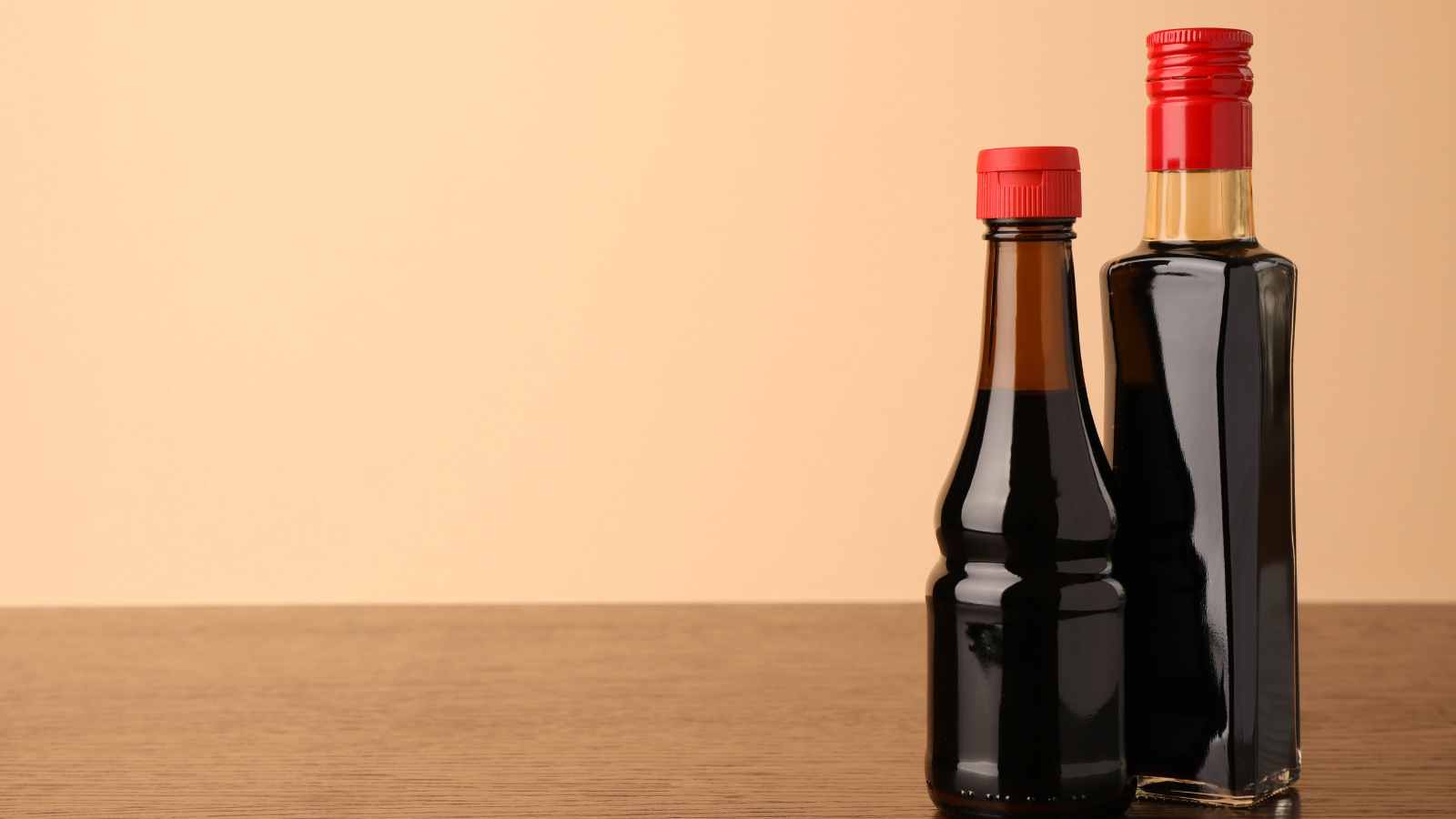
Soy sauce is one of those staples that thrives on patience—its high salt content and fermentation give it extraordinary staying power. Unopened bottles can last indefinitely when stored in a cool, dark place. Once opened, soy sauce can be kept in the fridge for up to three to six months without losing its punch.
Over time, the flavors deepen, giving you even richer umami for dipping sushi, building marinades, or splashing over stir-fries. A little goes a long way for boosting savory flavor, and some chefs even age their bottles intentionally to draw out unique notes in the sauce. Be sure to keep your bottle tightly sealed to prevent oxidation, which can flatten its flavor.
Tip: If you notice crystals forming on the rim or a slight darkening in color, don’t worry—these are normal signs of aging and don’t mean the soy sauce has gone bad. Just store the bottle in the refrigerator to keep it tasting fresh and at its peak for every pour.
Instant Coffee

If you love a quick cup of coffee, rejoice: instant coffee is one of the longest-lasting pantry staples. Its ultra-low moisture content means it rarely goes bad, especially when stored with the lid tightly closed away from heat and humidity.
While some flavor loss can occur over time, it’s safe to use for years after its best-by date as long as there’s no strange smell or visible clumping.
Tip: Use dry utensils when scooping instant coffee to prevent introducing moisture, and keep the jar tightly closed after each use to keep it fresh.
Popcorn Kernels
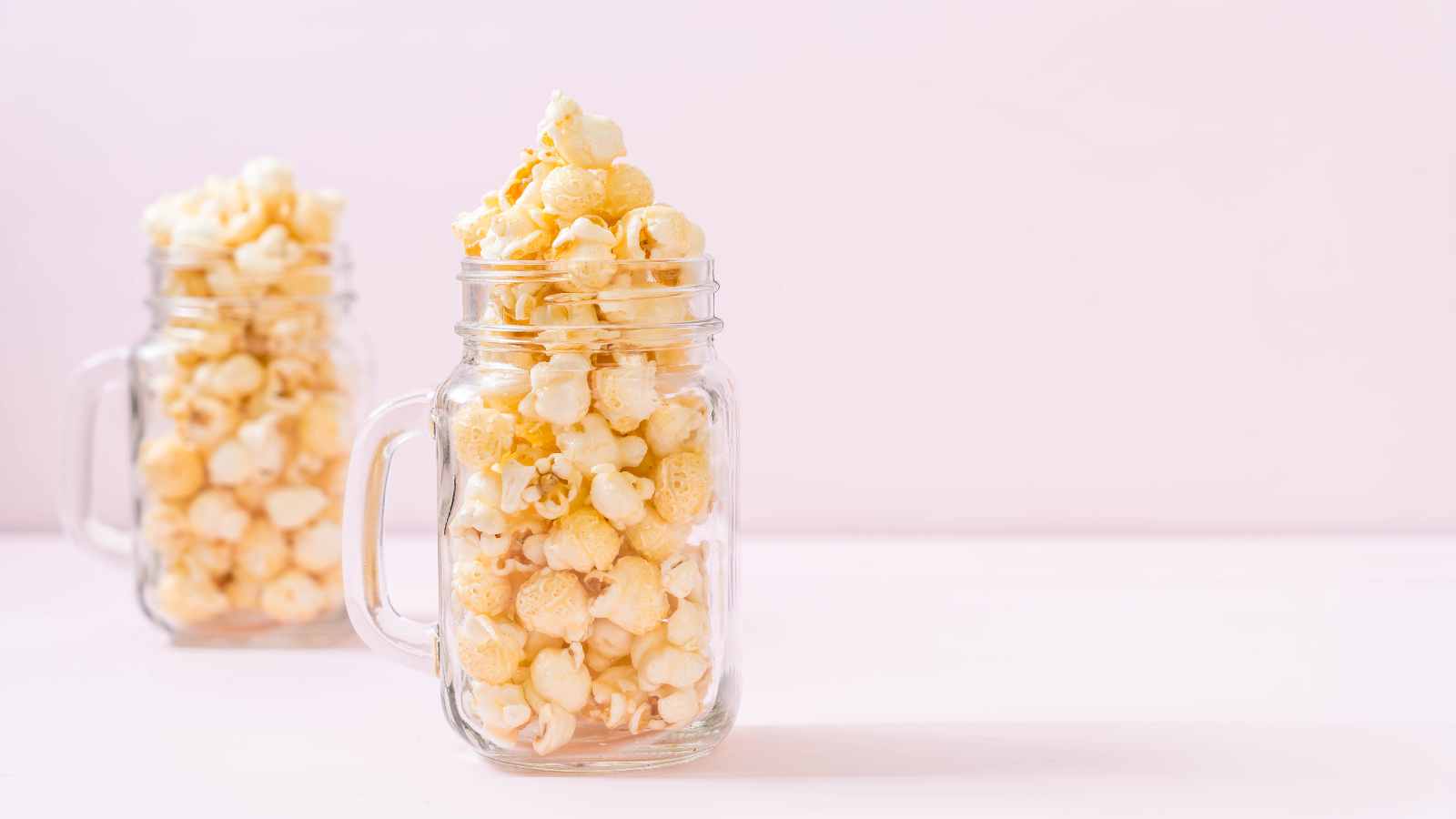
Those unpopped popcorn kernels stashed in your cupboard are incredibly hardy. As long as they’ve been kept dry and cool, kernels can last for years and still pop up fluffy and delicious.
Moisture loss is the main reason for tough, unpopped kernels—if you notice a drop in pop rate, try storing kernels in an airtight container. A study published by Purdue University found that properly stored kernels can last indefinitely.
Tip: For the best pop, store kernels in a glass or plastic container with a tight lid, and avoid keeping them in the fridge, which can dry them out.
Hard Cheese (Unopened)

Unlike soft cheeses, hard aged cheeses can stick around for months—even with surface mold. These cheeses—like Parmesan, Pecorino Romano, or aged Cheddar—are made with very little moisture and go through a lengthy aging process, which makes it tough for harmful bacteria to grow inside.
If you find a spot of blue or green mold, just trim about an inch around the affected area (including below), and the rest is perfectly safe to enjoy. Shred older wedges into pasta, grate them over salads, or blend them into a homemade pesto. Got too much left? Hard cheese freezes well—just wrap it tightly to prevent freezer burn.
Tip: If your hard cheese smells sour, strongly of ammonia, or has a slimy texture, it’s best to throw it out. Otherwise, a little surface mold isn’t harmful—just cut it off and keep enjoying the cheese. For more, see USDA’s cheese storage guidelines.
Powdered Milk
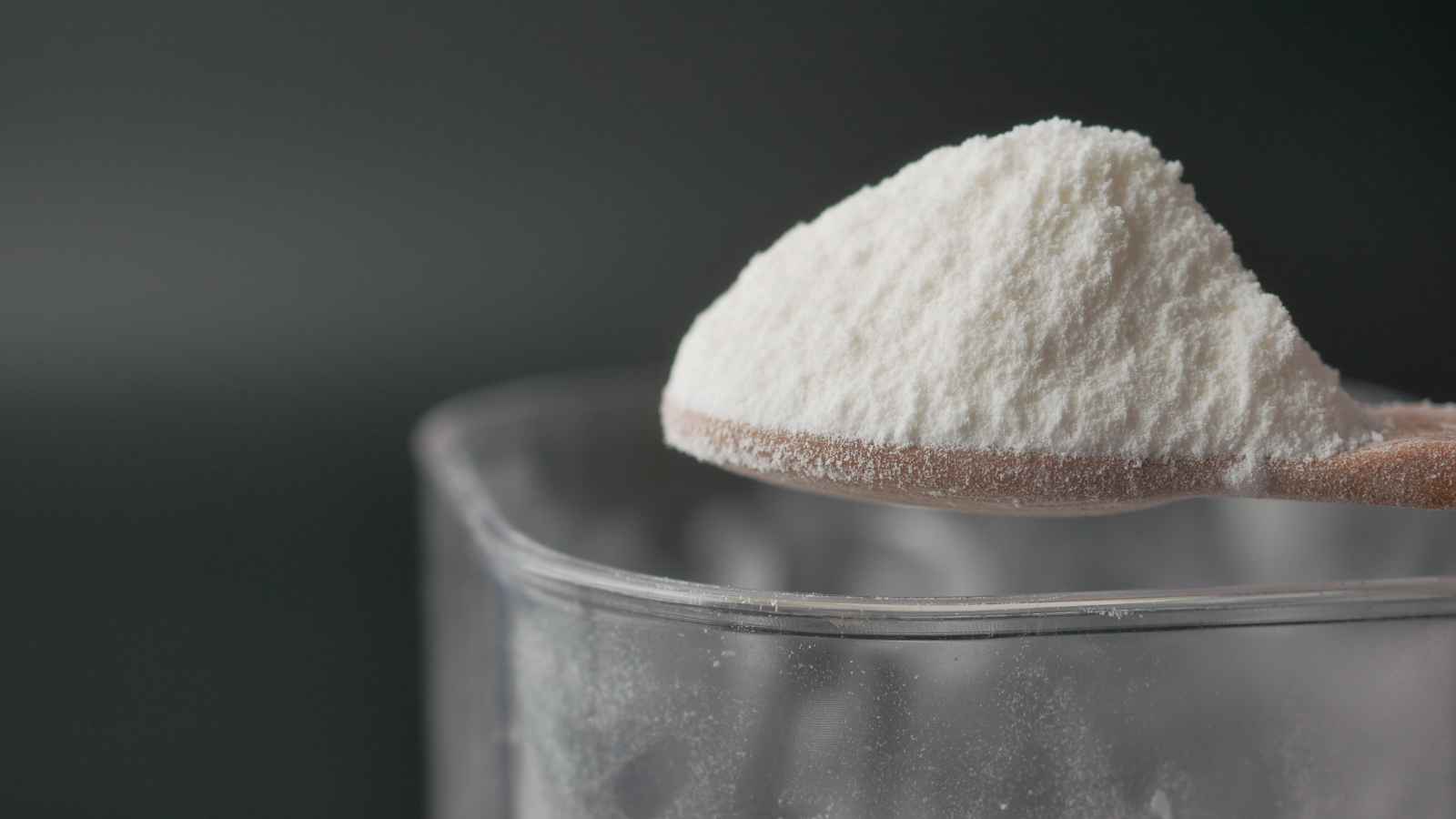
Powdered milk is one of those pantry staples that’s easy to overlook until you need it. When stored in a cool, dry place and sealed tightly, nonfat dry milk can last 1–2 years, sometimes longer, even after the “best by” date. This is because the lack of moisture keeps bacteria and mold from growing.
Reconstituted powdered milk works well for baking, creamy soups, oatmeal, or even as an emergency milk substitute in your morning coffee. Full-fat powdered milk has more oils and may go rancid faster than nonfat varieties, so check for off smells or yellowing before using.
Tip: For maximum shelf life, always use clean, dry utensils to scoop out what you need and keep the rest tightly sealed—exposure to moisture is the main culprit in spoilage.
Pickled Vegetables
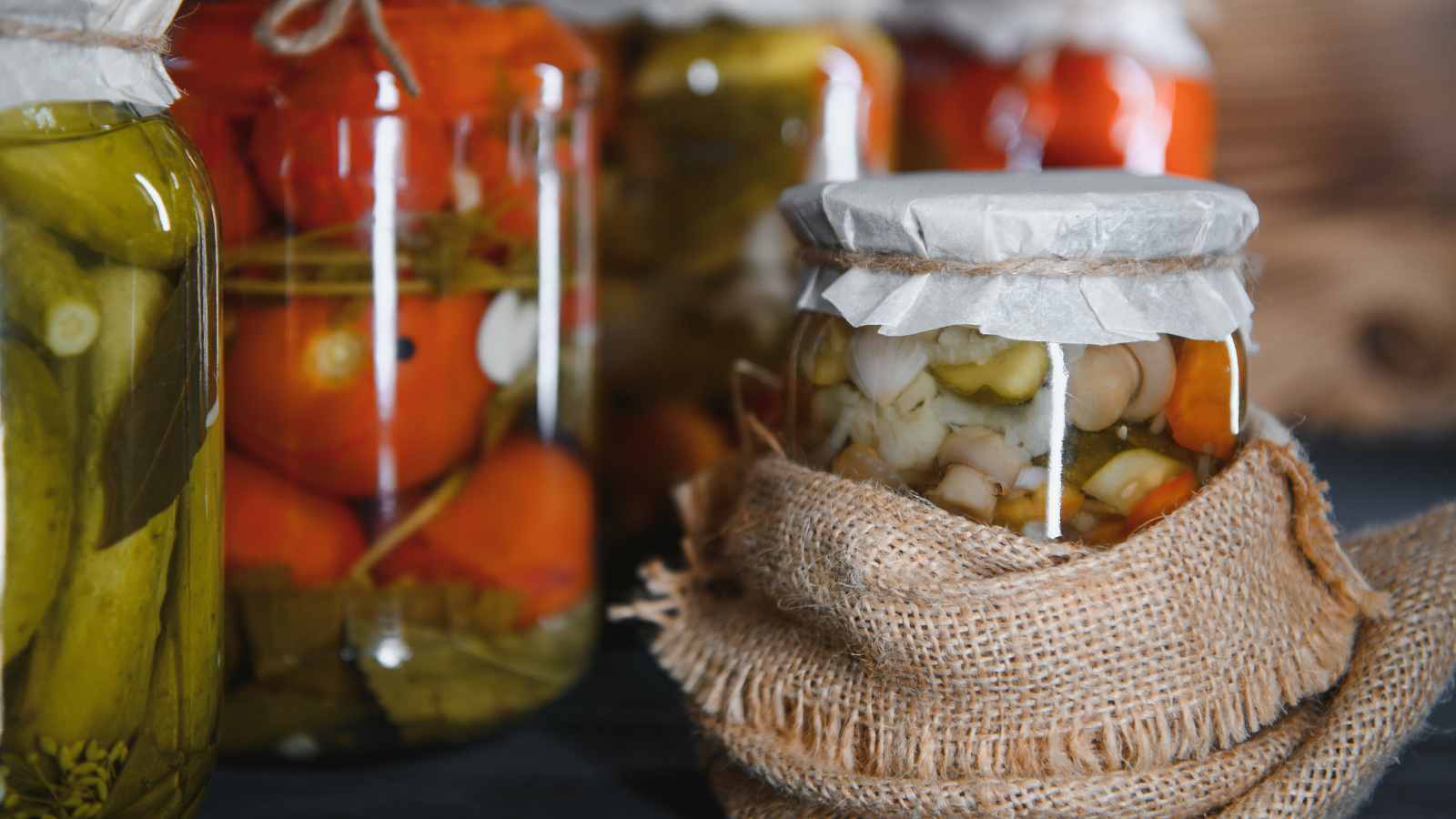
Pickled vegetables are built to last, and for good reason—vinegar and salt create an acidic environment that keeps spoilage at bay. As long as the jar remains sealed and there are no signs of mold or bulging lids, pickles and other jarred veggies are safe well past their printed date.
Once opened, pickles need to be refrigerated, and even then, they usually stay crisp and tasty for months. Their flavor might mellow, but safety sticks around a lot longer.
Tip: Always use a clean utensil to remove pickled vegetables to avoid contaminating the brine, and keep the jar refrigerated after opening.
Flour
Flour can last far longer than the date you see on the bag, especially if it’s all-purpose or white flour. Stored in a cool, dry pantry in an airtight container, plain flour often stays usable for up to two years. Whole wheat and nut flours have more natural oils and can go rancid more quickly, but white flour is stable for quite some time.
If your flour smells sour or bitter, or if you see insects or discoloration, it’s time to toss it. Otherwise, bake away, even if that “best by” date is a year old.
Tip: For peak freshness and to avoid pantry pests, keep flour in a sealed container and try freezing it for extended storage (it won’t clump or spoil).
Chocolate

Have you ever opened a forgotten chocolate bar and noticed a white or gray film on the surface? That’s called “bloom,” and it happens when either fat or sugar rises to the surface after temperature changes or long storage. According to the National Confectioners Association, bloom doesn’t make chocolate unsafe to eat—it just looks a bit different and may slightly alter the texture.
Chocolate kept in a cool, dry place—away from strong smells, which it can absorb—can last for months or even years beyond the printed date, especially dark chocolate, which has less dairy and fewer perishable ingredients. Chocolate that smells musty, feels sticky, or shows visible signs of insects should be thrown away, but otherwise, you can safely melt it for brownies, stir it into hot drinks, or chop it up for cookies.
Tip: For the best shelf life, store chocolate in an airtight container at around 65°F. Avoid the refrigerator to prevent condensation, which can affect quality and encourage sugar bloom.
Disclaimer – This list is solely the author’s opinion based on research and publicly available information. It is not intended to be professional advice.
You Might Also Like:

How To Stick To Your Holiday Budget and Avoid Debt: With the holiday season in full swing, many find themselves facing high expenses. The anticipation of gift-giving, coupled with the desire to create unforgettable moments, often leads to the common tradition of seasonal spending, with the average holiday budget reaching a considerable sum.


