17 Ancient Roman Villas Still Standing Today
Ancient Roman villas offer a glimpse into Rome’s opulent history, blending architecture, innovation, and art. These iconic structures were more than lavish homes; they served as centers of relaxation, culture, and even governance. Surprisingly, many of these ancient structures still stand, offering a window into the ingenuity of Roman engineering.
According to UNESCO, over 50 Roman architectural sites are recognized as World Heritage Sites. Italy has the highest number of UNESCO World Heritage Sites globally, with 60 sites as of July 2024. Read on for 17 ancient Roman villas that have withstood the test of time. Each offers insight into Roman life and the artistry of that era.
Hadrian’s Villa, Tivoli, Italy
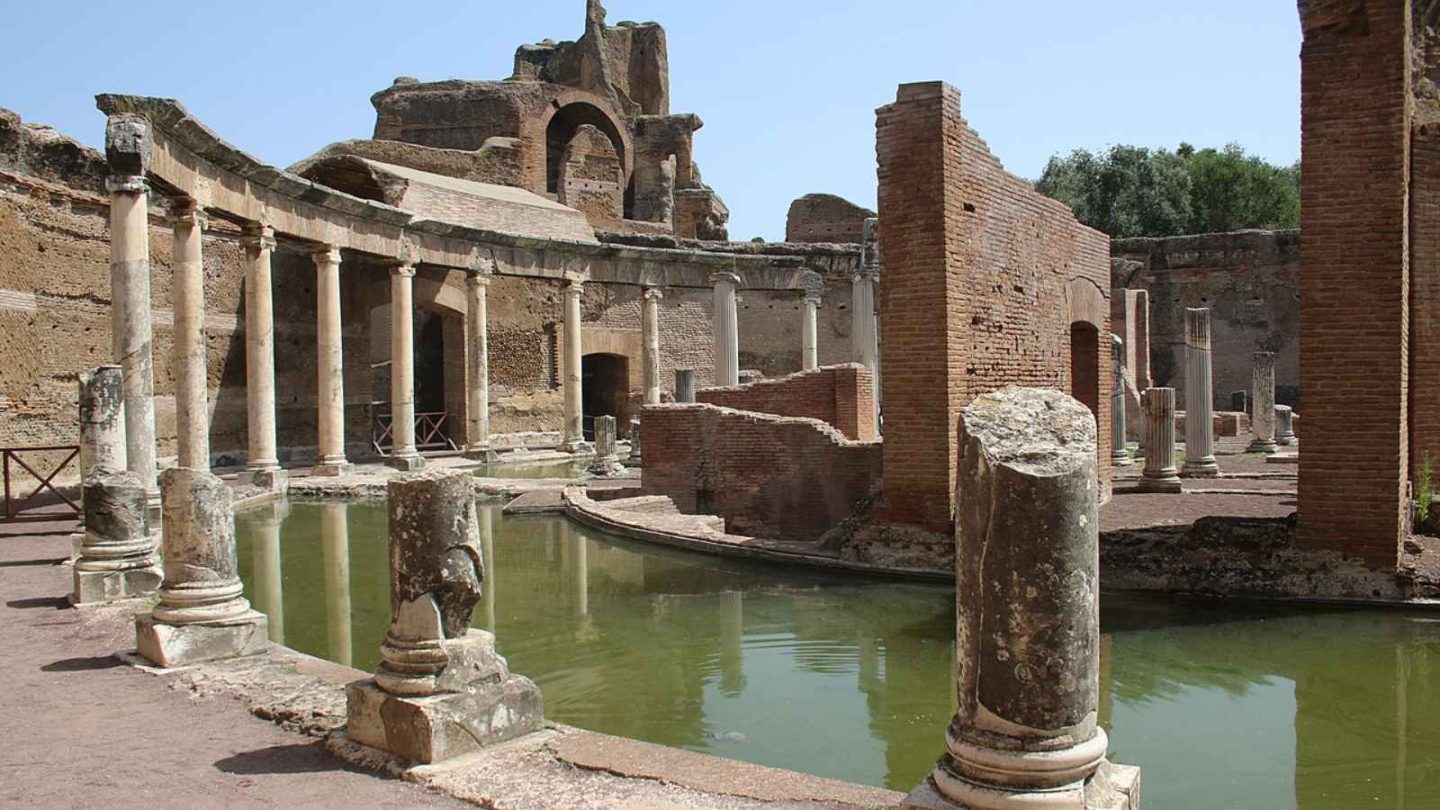
Hadrian’s Villa, constructed in the 2nd century AD, served as Emperor Hadrian’s grand retreat and is one of ancient Rome’s most impressive architectural achievements. Spanning nearly 250 acres, this expansive villa was more than just a residence—it was a self-sustaining city, complete with an extraordinary array of temples, theaters, baths, libraries, and beautifully landscaped gardens.
The villa’s design reflects Hadrian’s experiences and inspirations from his extensive travels across the Roman Empire, incorporating architectural elements from Greece, Egypt, and other regions. A fascinating detail about this site is the Canopus, a stunning pool surrounded by columns inspired by the Egyptian Nile. This villa showcases Hadrian’s cosmopolitan tastes and desire to blend diverse cultural influences into a harmonious retreat.
Villa Romana del Casale, Sicily, Italy
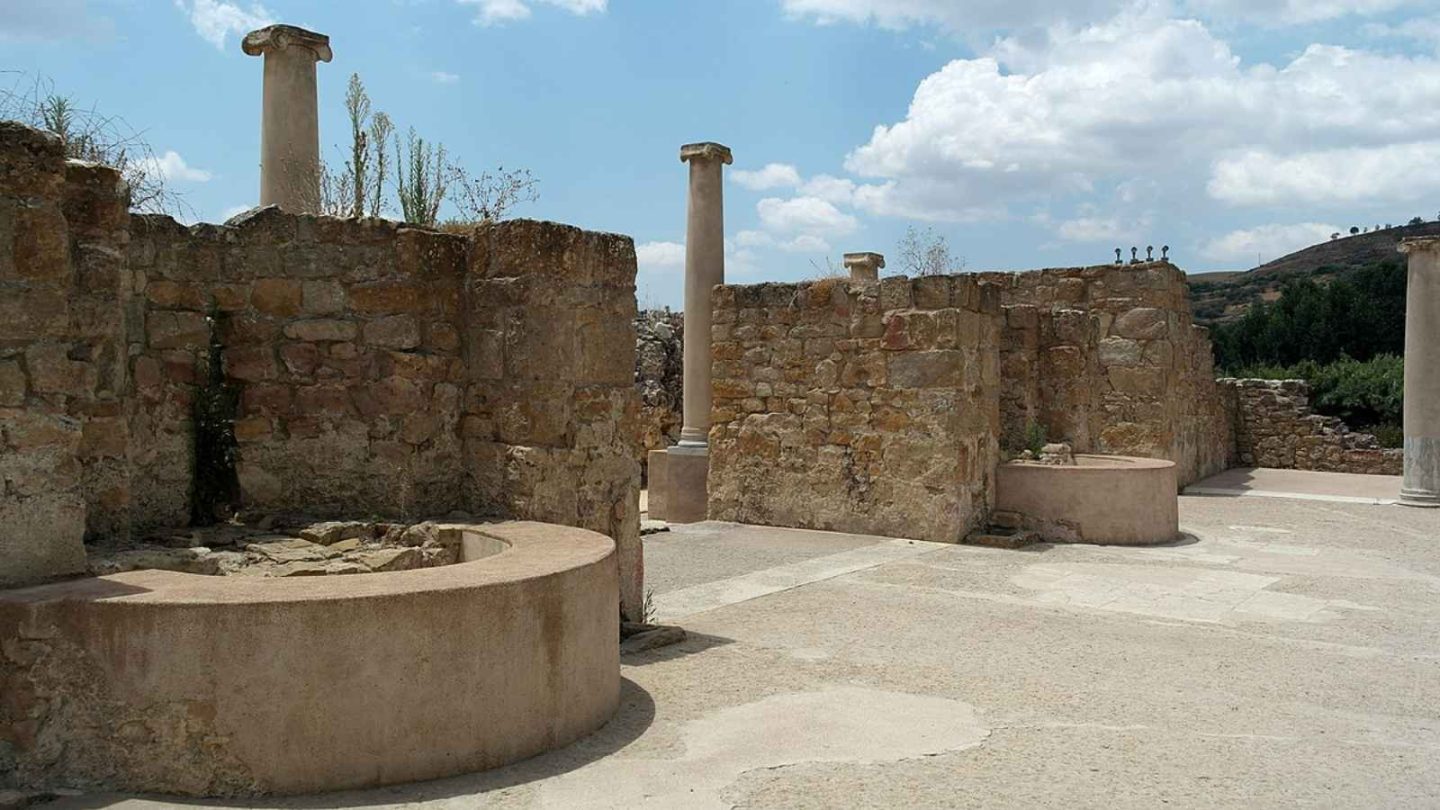
Located in Sicily near Piazza Armerina, the Villa Romana del Casale is renowned for its breathtaking mosaics covering more than 3,500 square meters of its floors. These intricate mosaics provide vivid, colorful depictions of Roman life, mythology, and nature, offering a unique glimpse into the period’s daily activities, fashion, and entertainment.
Among its most famous mosaics is the “Bikini Girls,” which portrays women engaged in athletic competitions, showcasing the Roman appreciation for physical fitness. Built in the late 3rd or early 4th century AD, the villa was recognized as a UNESCO World Heritage Site in 1997 for its exceptional preservation and artistic value. With its sprawling baths, dining halls, and private rooms, the villa exemplifies the luxury and sophistication of Roman aristocracy.
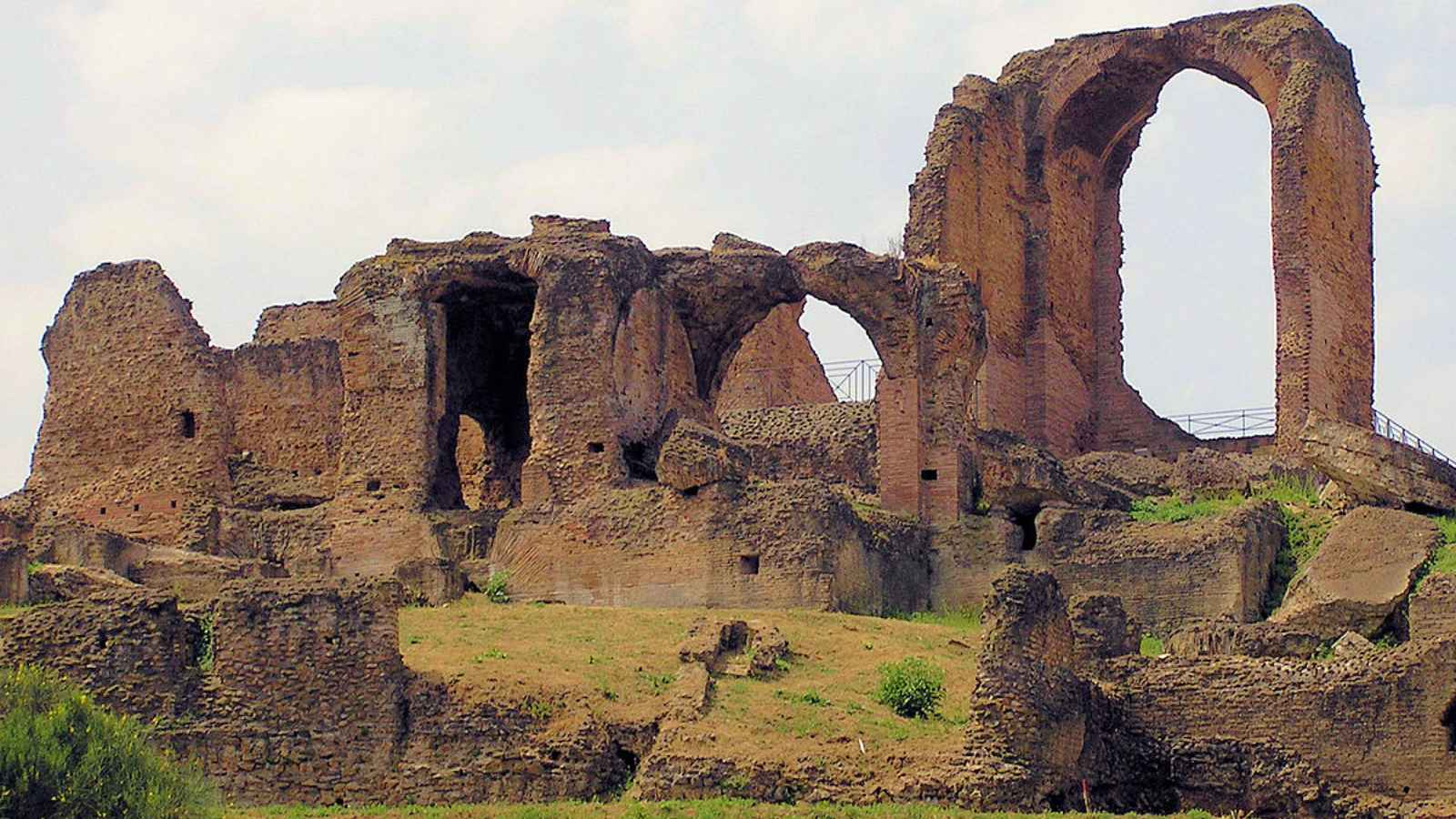
Villa of the Quintilii, Rome, Italy
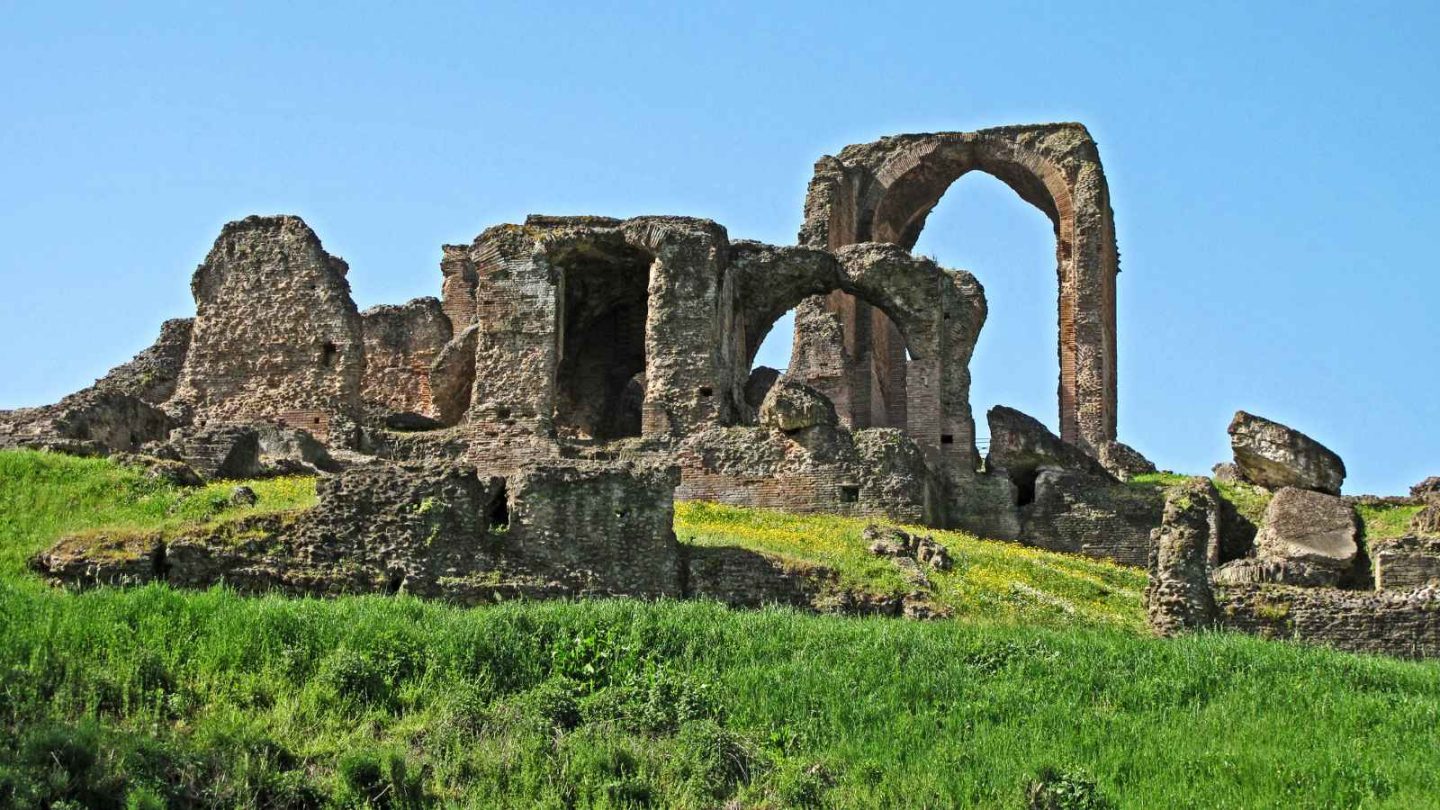
The Villa of the Quintilii, situated on the ancient Via Appia, was initially owned by the wealthy Quintilii brothers, who were renowned for their refined tastes and luxurious lifestyle. In 182 AD, Emperor Commodus confiscated the estate after accusing the brothers of treason and subsequently made it his residence.
This sprawling villa includes grand baths, ornamental gardens, fountains, and structures adorned with fine marble, all showcasing the opulence of Roman elite life. Its strategic location provided breathtaking views of the surrounding countryside and convenient access to the city of Rome. The villa’s ruins still exude grandeur, giving visitors a sense of its time’s extravagance and architectural innovation.
Villa of the Mysteries, Pompeii, Italy

Just outside the ancient city of Pompeii lies the Villa of the Mysteries, celebrated for its vivid and striking frescoes that depict ceremonial Dionysian rituals. These murals, believed to represent initiation rites into the cult of Dionysus, are some of the most remarkable examples of Roman wall painting. Preserved by the volcanic eruption of Mount Vesuvius in 79 AD, the villa offers an extraordinary window into Roman art and religious practices.
Aside from its iconic frescoes, the villa includes spacious courtyards, dining rooms, and a wine press, highlighting its dual function as a luxurious residence and an agricultural estate. Today, the Villa of the Mysteries attracts over 1 million visitors annually, drawing art and history enthusiasts worldwide.
House of Menander, Pompeii, Italy
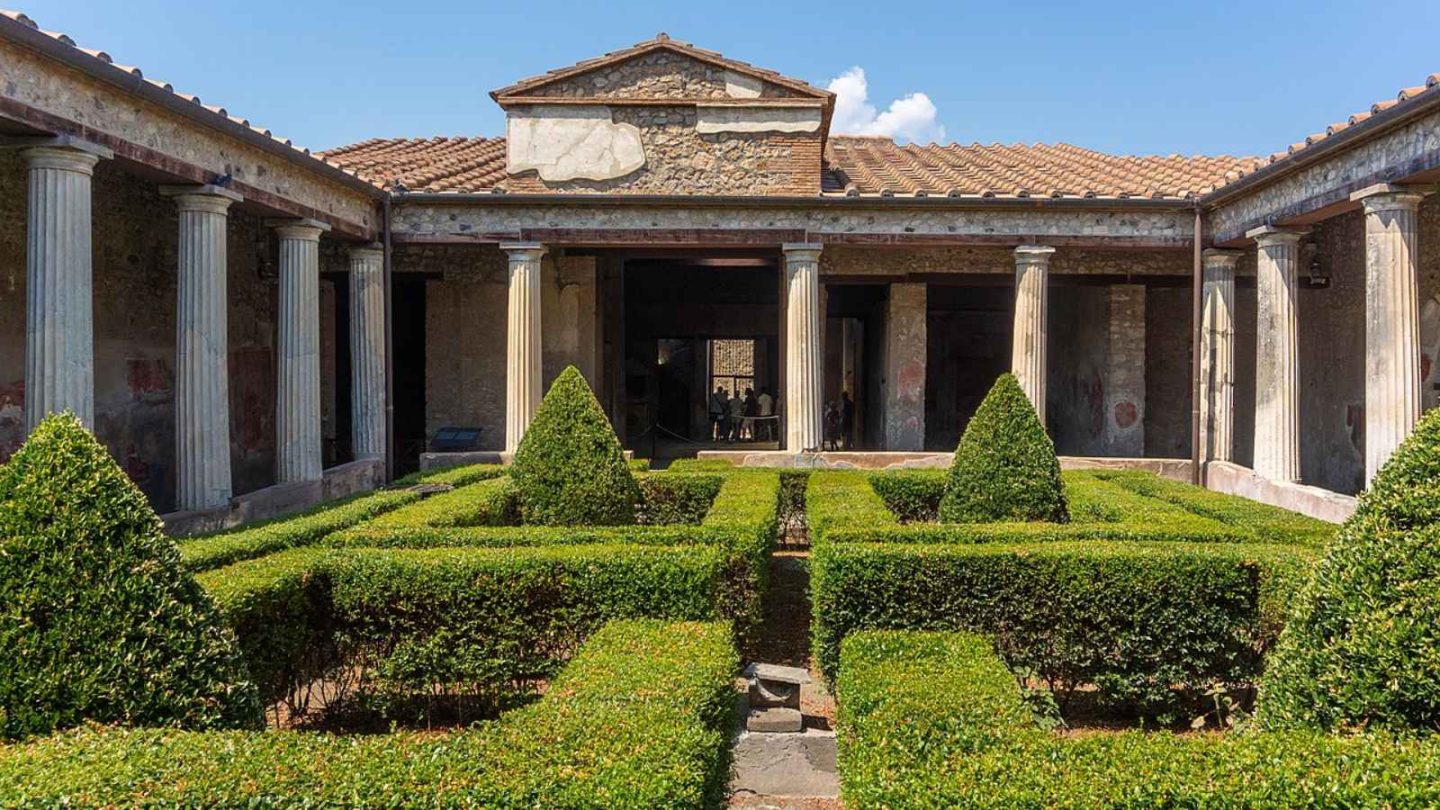
Named after the Greek playwright Menander, whose portrait is featured in one of its frescoes, the House of Menander is a stunning example of Roman domestic architecture. This grand residence features elegant frescoes, intricate mosaics, and a private bathhouse—an uncommon luxury during the Roman period. The house includes a peristyle garden, courtyards, and a dining room decorated with vibrant artwork, reflecting the wealth and sophistication of its owners.
Excavations have revealed silverware and other valuable items, suggesting that the household was affluent and cultured. Its remarkable preservation offers a vivid glimpse of daily life in Pompeii before the eruption of Mount Vesuvius.
Pliny’s Comedy and Tragedy Villas, Lake Como, Italy
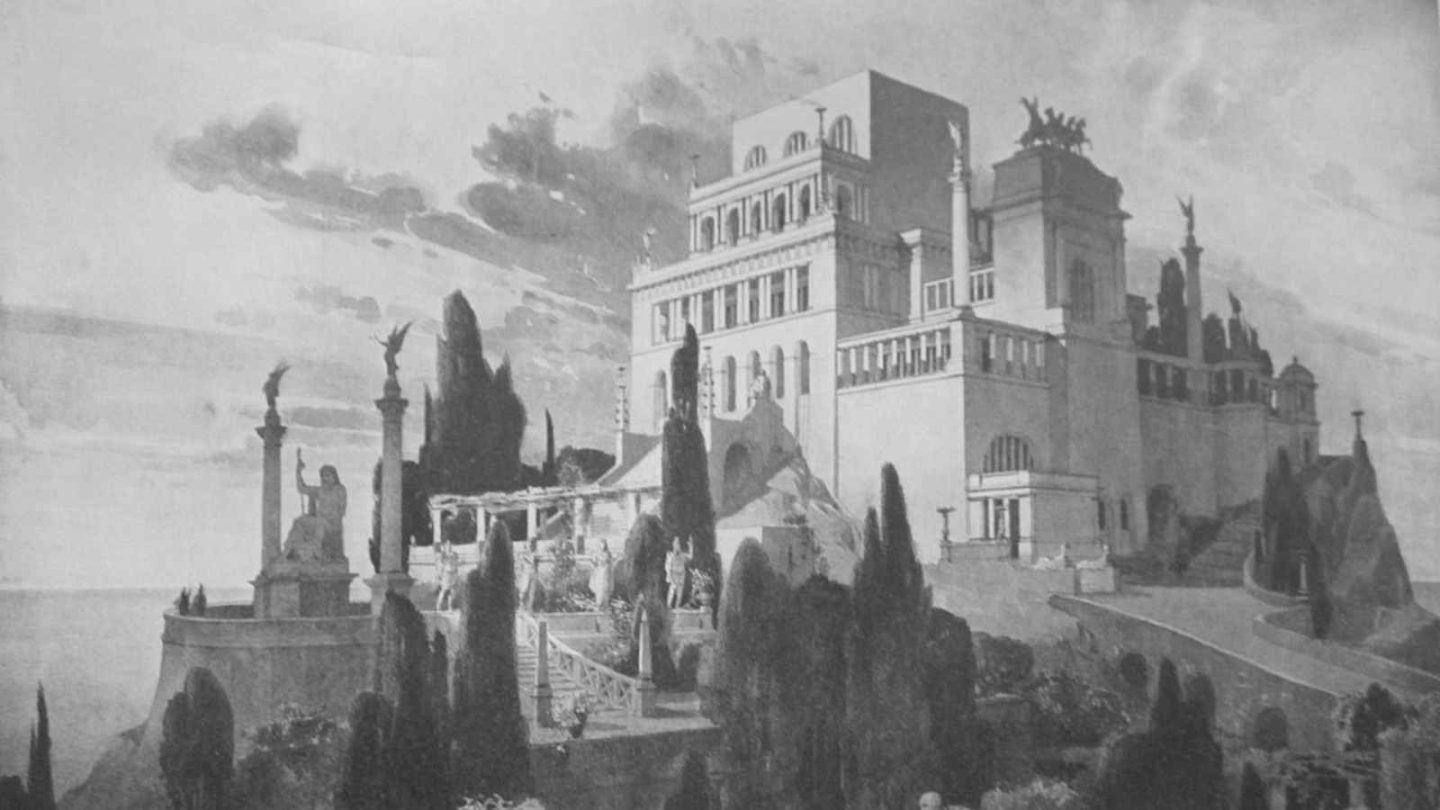
Pliny the Younger, a prominent Roman writer and statesman, owned two luxurious villas on the shores of Lake Como, which he affectionately named “Comedy” and “Tragedy” based on their contrasting settings. Comedy, located closer to the lake, was designed for leisure and social gatherings, while Tragedy, perched higher in the hills, provided a tranquil retreat for reflection and intellectual pursuits.
These villas offered stunning views of Lake Como’s serene waters and inspired Pliny’s literary works. Although the physical remains of these villas are scarce, their legacy endures through Pliny’s writings, highlighting the close relationship between Roman architecture and cultural life.
Fishbourne Roman Palace, West Sussex, England

Built around 75 AD, Fishbourne Roman Palace is the largest Roman villa discovered north of the Alps and a testament to the Roman presence in Britain. This grand palace features over 100 mosaic floors, including the famous dolphin mosaic, and extensive formal gardens believed to be among the oldest in Britain.
The palace’s advanced architectural features, such as underfloor heating and elaborate dining rooms, reflect the wealth and influence of its owner, who is likely a high-ranking Roman official. Fishbourne Roman Palace draws approximately 35,000 visitors annually, offering a fascinating glimpse into Roman luxury and engineering in the provinces.
Chedworth Roman Villa, Gloucestershire, England
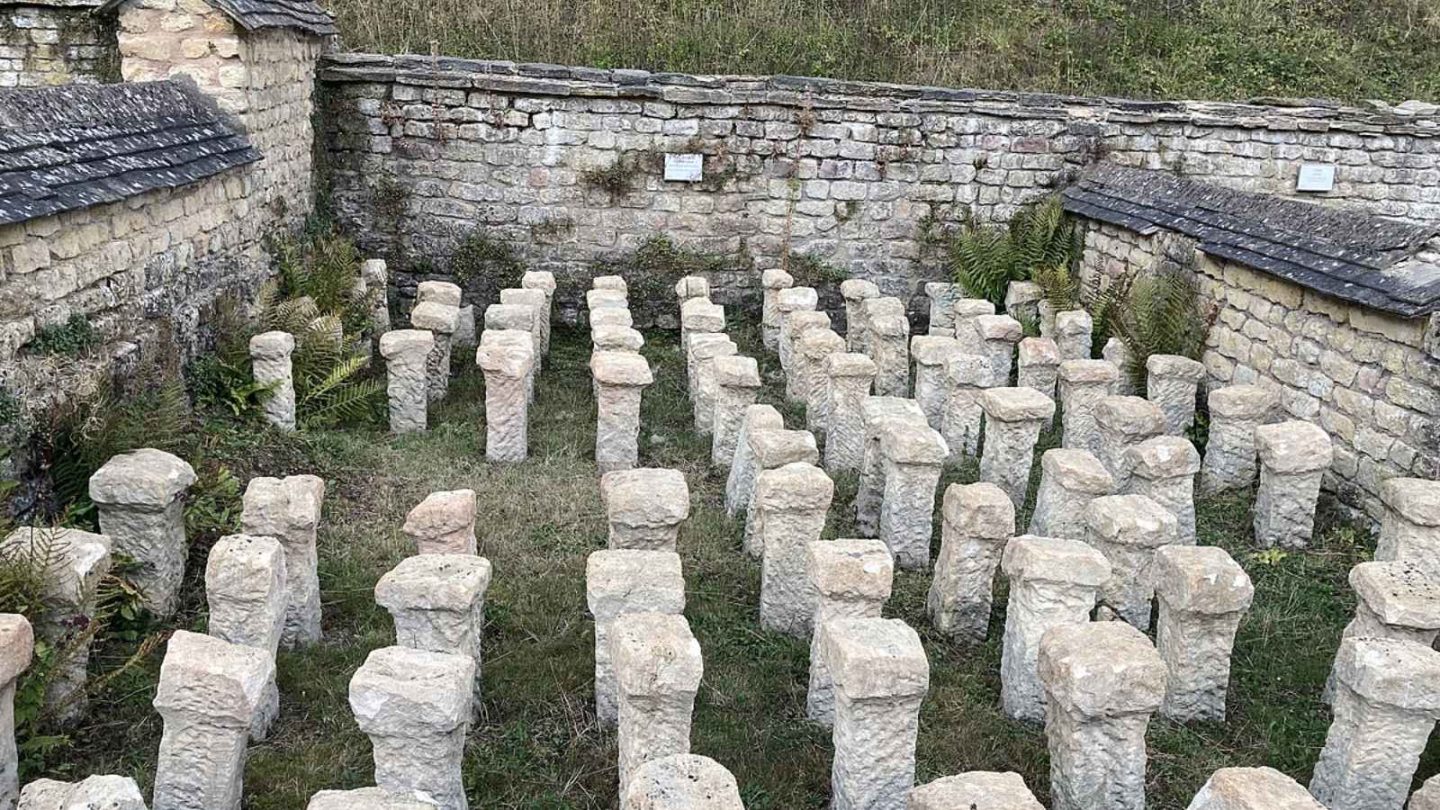
Chedworth Roman Villa, built in the 2nd century AD, symbolizes wealth and status in Roman Britain. Nestled in the countryside along the Roman road Fosse Way, the villa features intricate mosaics, bathhouses, and hypocaust systems that showcase the advanced craftsmanship of the time.
Excavations have uncovered artifacts such as coins, pottery, and tools, shedding light on the villa’s inhabitants’ daily lives. The villa’s tranquil rural setting and sophisticated design continue to captivate visitors, offering a unique perspective on integrating Roman infrastructure with local British history.
Great Witcombe Roman Villa, Gloucestershire, England
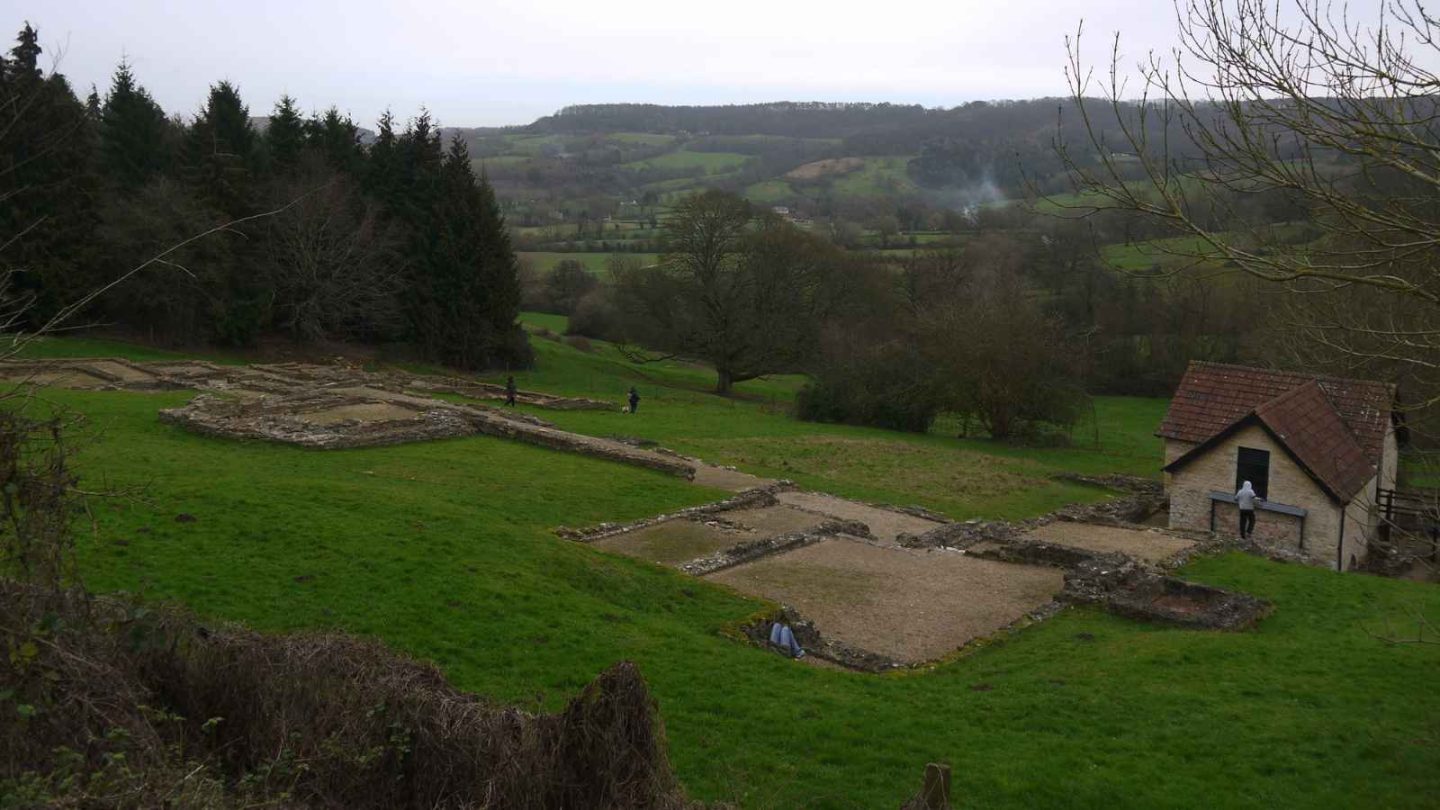
Perched on a hillside, the Great Witcombe Roman Villa is a remarkable example of Roman engineering adapted to the natural landscape. Its irregular layout reflects a thoughtful design that accommodated the terrain while incorporating luxurious features like bathhouses and heated rooms.
Archaeological findings suggest the villa was part of a larger estate, likely owned by a wealthy landowner. The site provides valuable insights into rural Roman life and the ingenuity of Roman architects in using the environment to create functional yet elegant living spaces.
Littlecote Roman Villa, Wiltshire, England
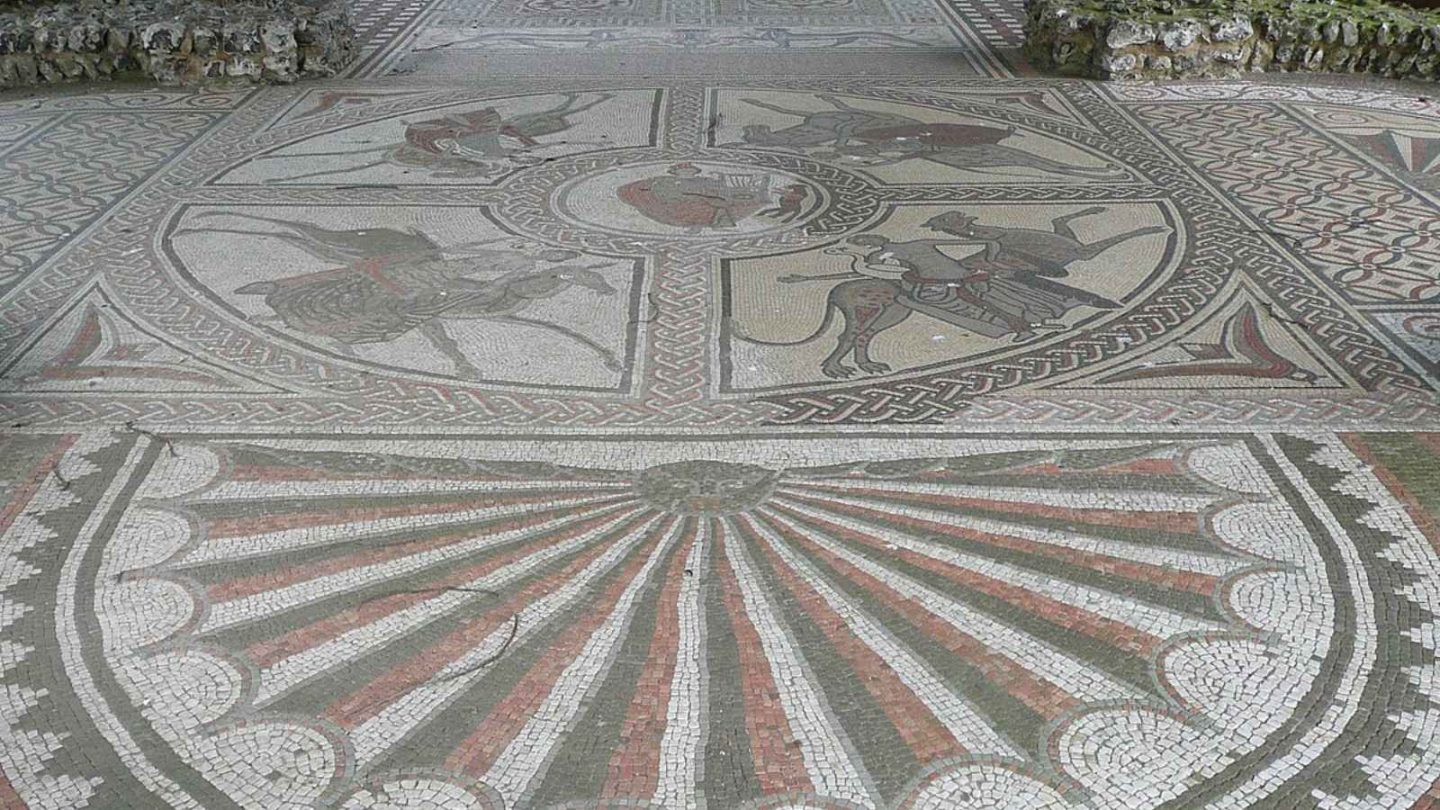
Originally established as a military site, Littlecote Roman Villa evolved into a peaceful domestic settlement. Evidence of baking ovens, storage areas, and agricultural activity highlights its transformation into a thriving rural estate.
The villa is most famous for the Orpheus Mosaic, one of the most detailed and intricate mosaics found in Roman Britain. It depicts the mythical musician Orpheus’ charming animals. This spectacular artwork and the villa’s unique history make it a fascinating destination for those interested in Roman Britain.
Bignor Roman Villa, West Sussex, England

Bignor Roman Villa is renowned for its impressive artwork and testament to Roman prosperity in Britain. Located in the picturesque South Downs, this villa boasts breathtaking mosaics that stretch over 2,000 square feet, rivaling the detail and craftsmanship of larger villas like Fishbourne.
Discovered in 1811 and still privately owned, the site features intricate designs depicting scenes of Roman mythology, including the famous Ganymede mosaic. Visitors can also explore the remains of bathhouses and agricultural outbuildings, offering a glimpse into daily Roman life in rural England.
Lullingstone Roman Villa, Kent, England
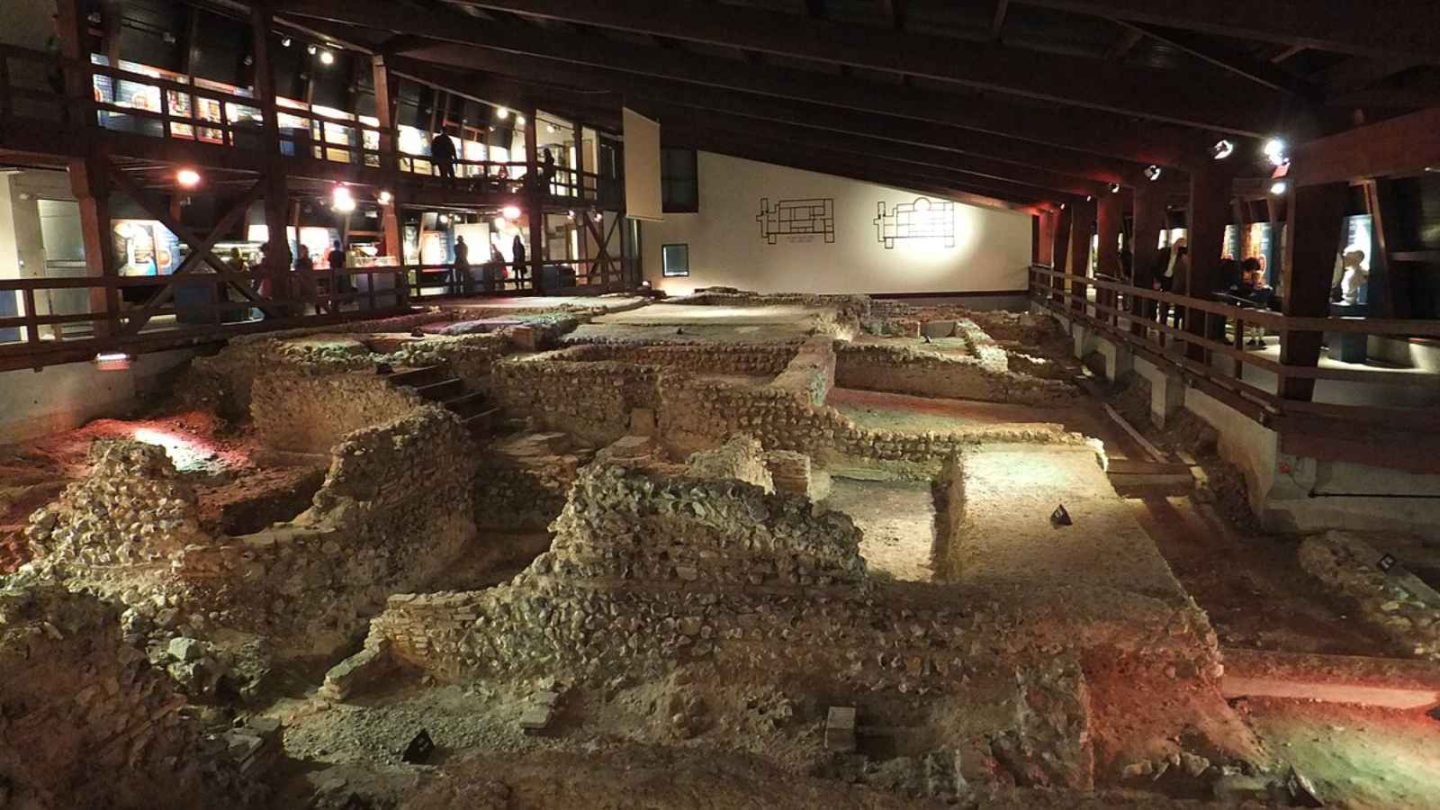
Lullingstone Roman Villa provides a fascinating glimpse into Roman spirituality. It blends Christian and pagan artifacts in a remarkable display of religious transition. Located in the Darent Valley, the villa is believed to have been owned by a wealthy Roman family, possibly with links to the imperial administration.
The site features a beautifully preserved mosaic depicting Bellerophon and the Chimera and a rare Christian Chi-Rho symbol, which indicates the owners’ conversion to Christianity. A shrine dedicated to local deities and the remains of a heated bathhouse underscores the villa’s cultural and historical significance.
Villa of Poppaea, Oplontis, Italy
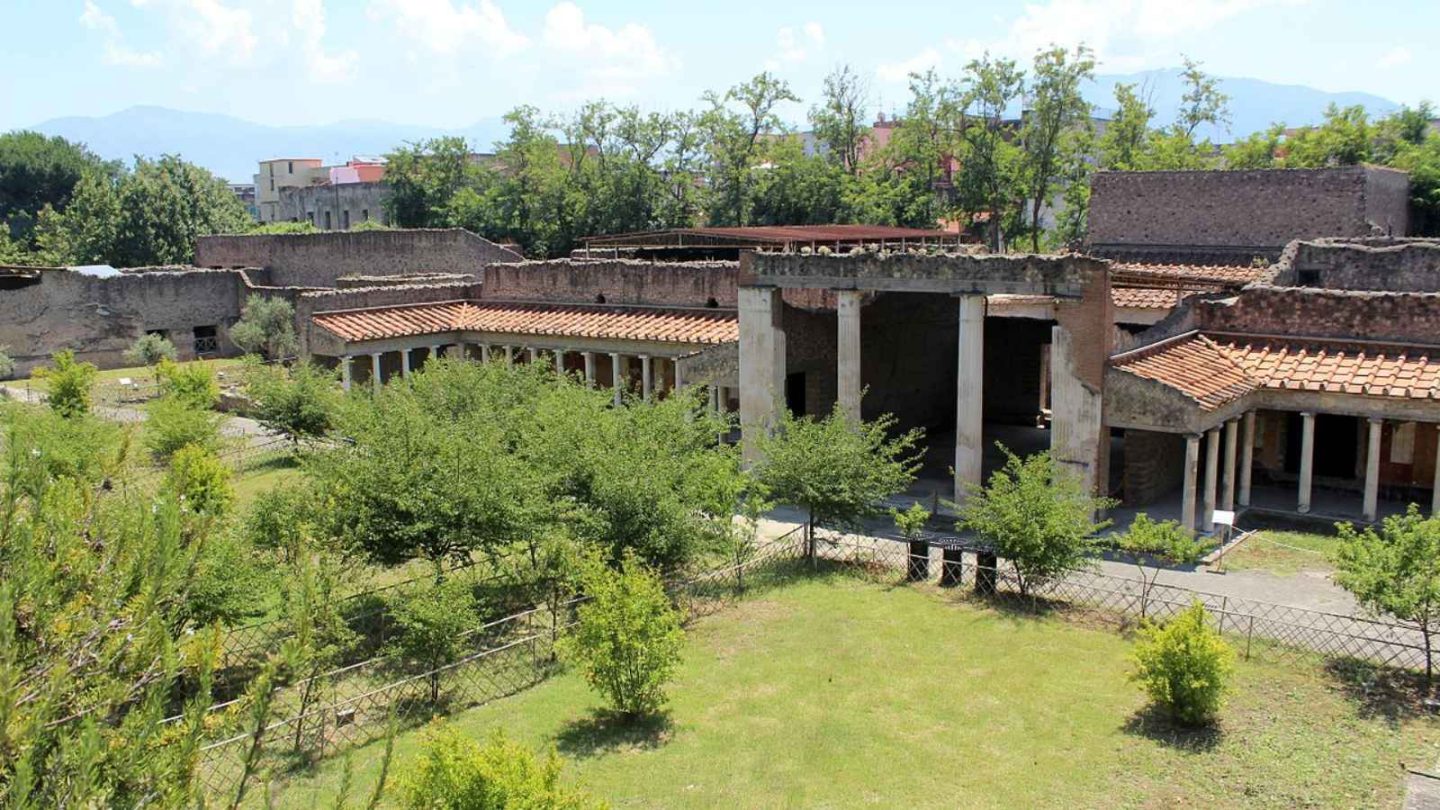
The Villa of Poppaea, associated with Emperor Nero’s wife, Poppaea Sabina, exudes luxury and opulence characteristic of the Roman elite. This grand villa is located near Pompeii and features stunning marble floors, intricate frescoes, expansive gardens, and a large swimming pool.
Excavations have revealed artifacts and decorations dating back to the first century, aligning the villa with the height of the Roman Empire. The villa’s frescoes, depicting mythological and natural scenes, are considered some of the finest examples of Roman wall painting. They serve as a vivid reminder of the lavish lifestyle Rome’s upper class enjoys.
Villa of the Papyri, Herculaneum, Italy
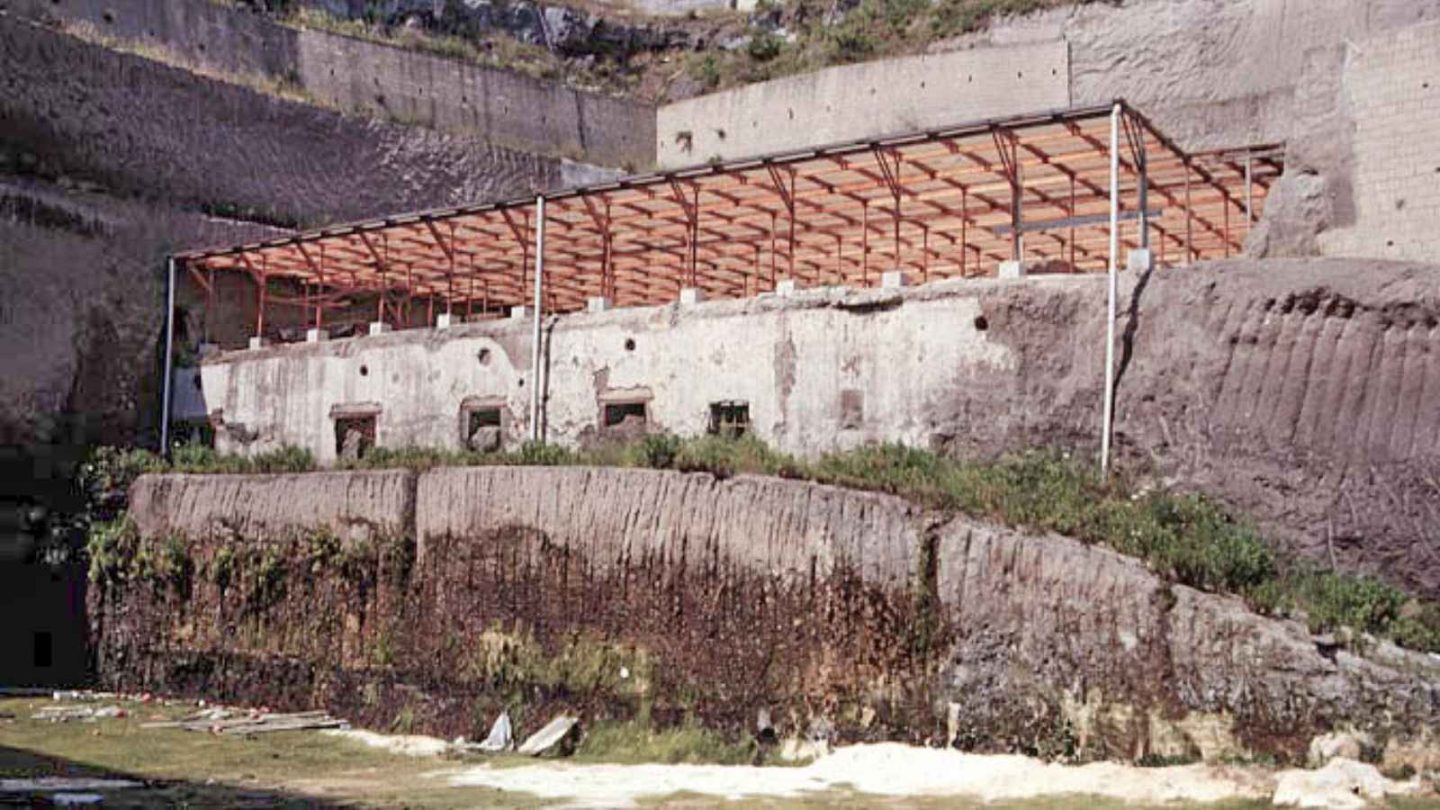
This extraordinary villa, buried under volcanic ash from the eruption of Mount Vesuvius in 79 AD, is home to over 1,800 carbonized scrolls, offering historians a rare glimpse into ancient Roman libraries. Believed to have belonged to Julius Caesar’s father-in-law, Lucius Calpurnius Piso Caesoninus, the Villa of the Papyri is a masterpiece of Roman architecture, with its elegant peristyle gardens, luxurious baths, and breathtaking sea views.
The recovered scrolls, now being painstakingly studied with modern technology, have provided invaluable insights into Roman philosophy and literature, making this site one of history’s most significant archaeological discoveries.
Villa Jovis, Capri, Italy
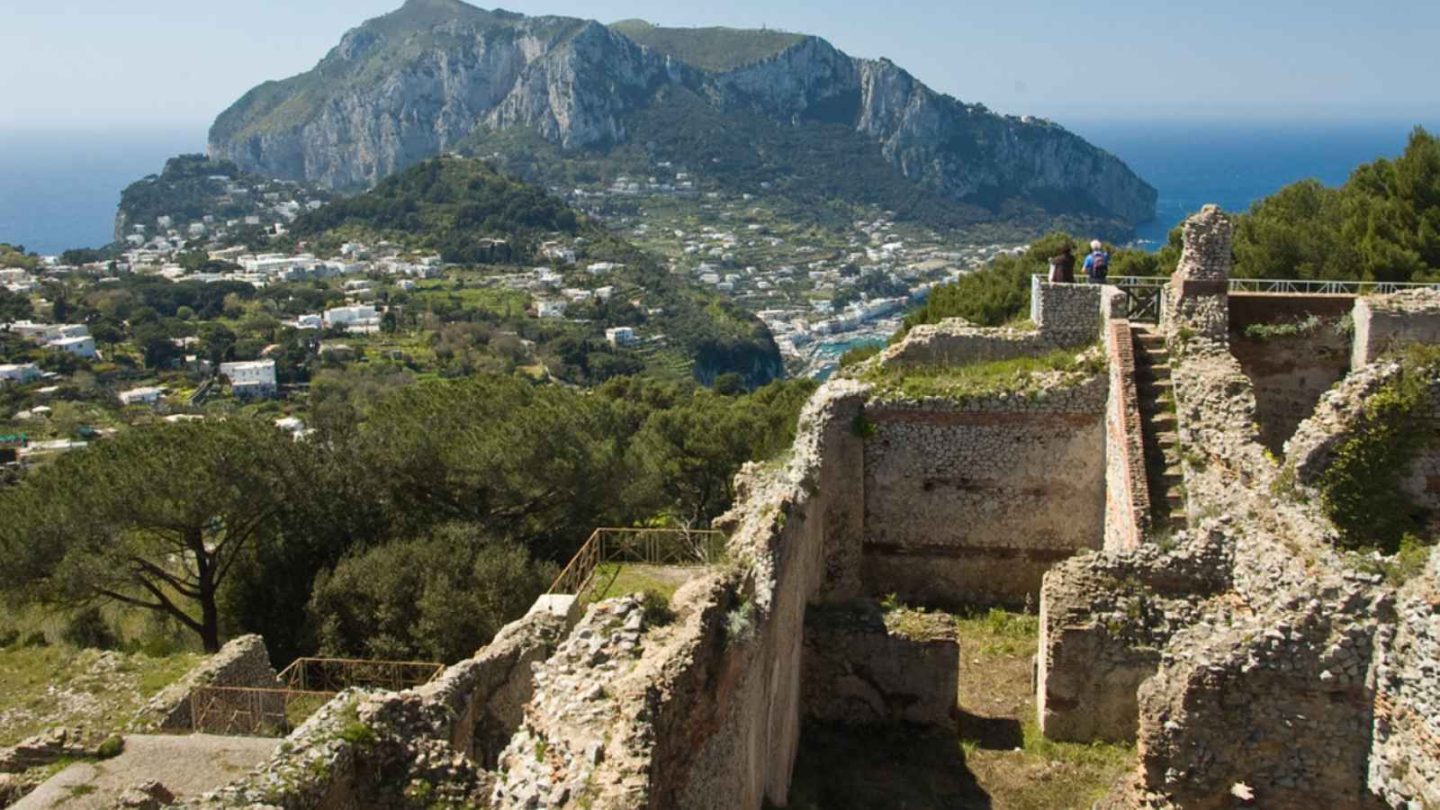
Perched atop Mount Tiberio on the island of Capri, Villa Jovis served as Emperor Tiberius’s retreat and one of Rome’s most luxurious imperial residences. Offering stunning views of the Bay of Naples, It spanned over 75,000 square feet (7,000 square meters) and comprised a maze of sections, rooms, passageways, and corridors. Its advanced aqueduct system showcased the brilliance of Roman engineering.
The villa also included thermal baths, cisterns, and grand halls, suggesting its importance as both a private retreat and a place for official gatherings. Villa Jovis remains a popular destination for visitors seeking to experience the grandeur of ancient Roman architecture combined with the natural beauty of Capri.
Maison Carrée, Nîmes, France
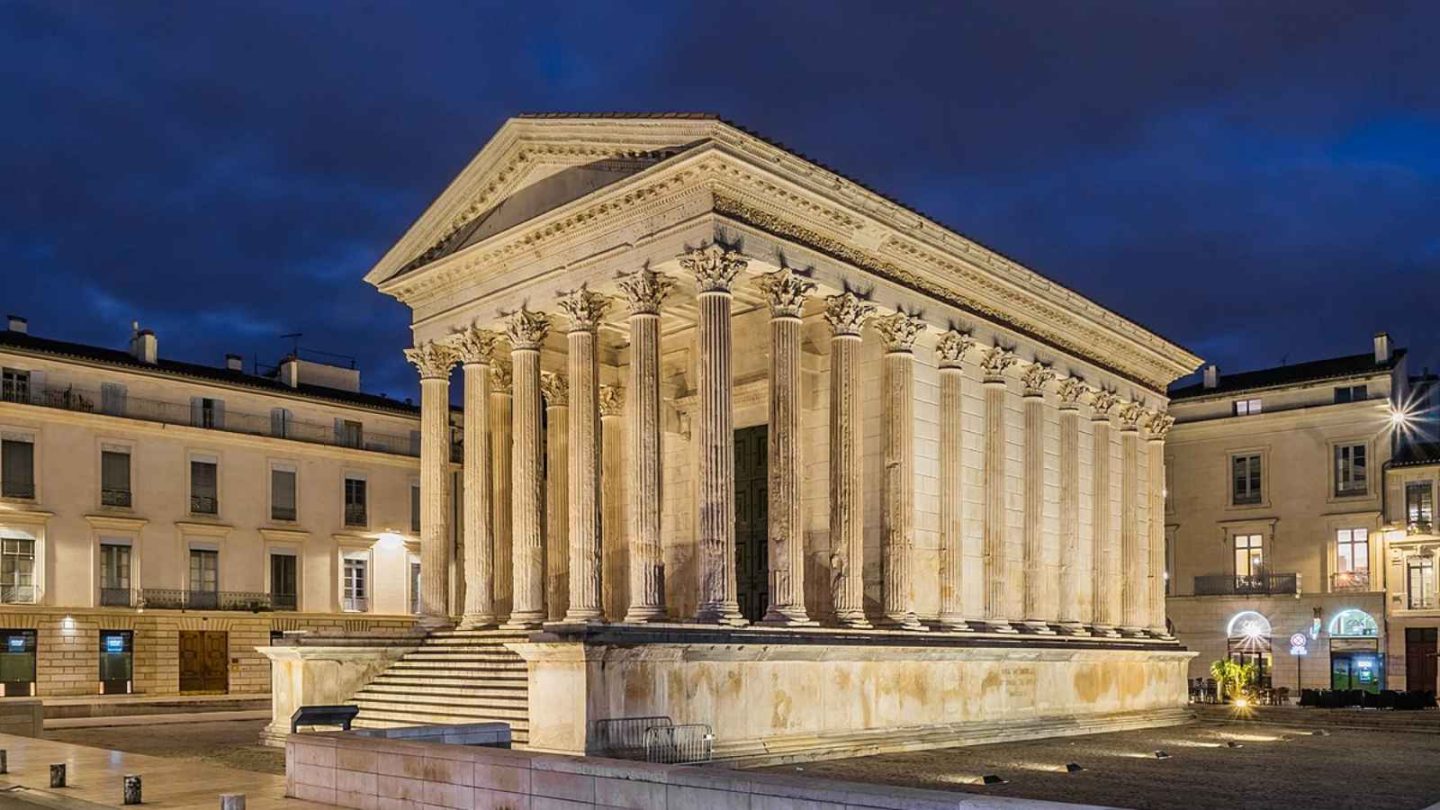
Although primarily a temple, the Maison Carrée was part of a larger Roman complex that connected it to villa-style architectural design. Built in the early first century AD and dedicated to Emperor Augustus’s grandsons, Gaius and Lucius, this remarkably preserved structure is one of the most intact Roman temples in the world.
It uniquely blends Roman and Greek architectural elements, with its columns and ornamentation inspired by classical Greek design. Situated in the heart of Nîmes, the Maison Carrée is a striking reminder of the Roman influence in France and continues to inspire architects and historians alike.
Diocletian’s Palace, Split, Croatia
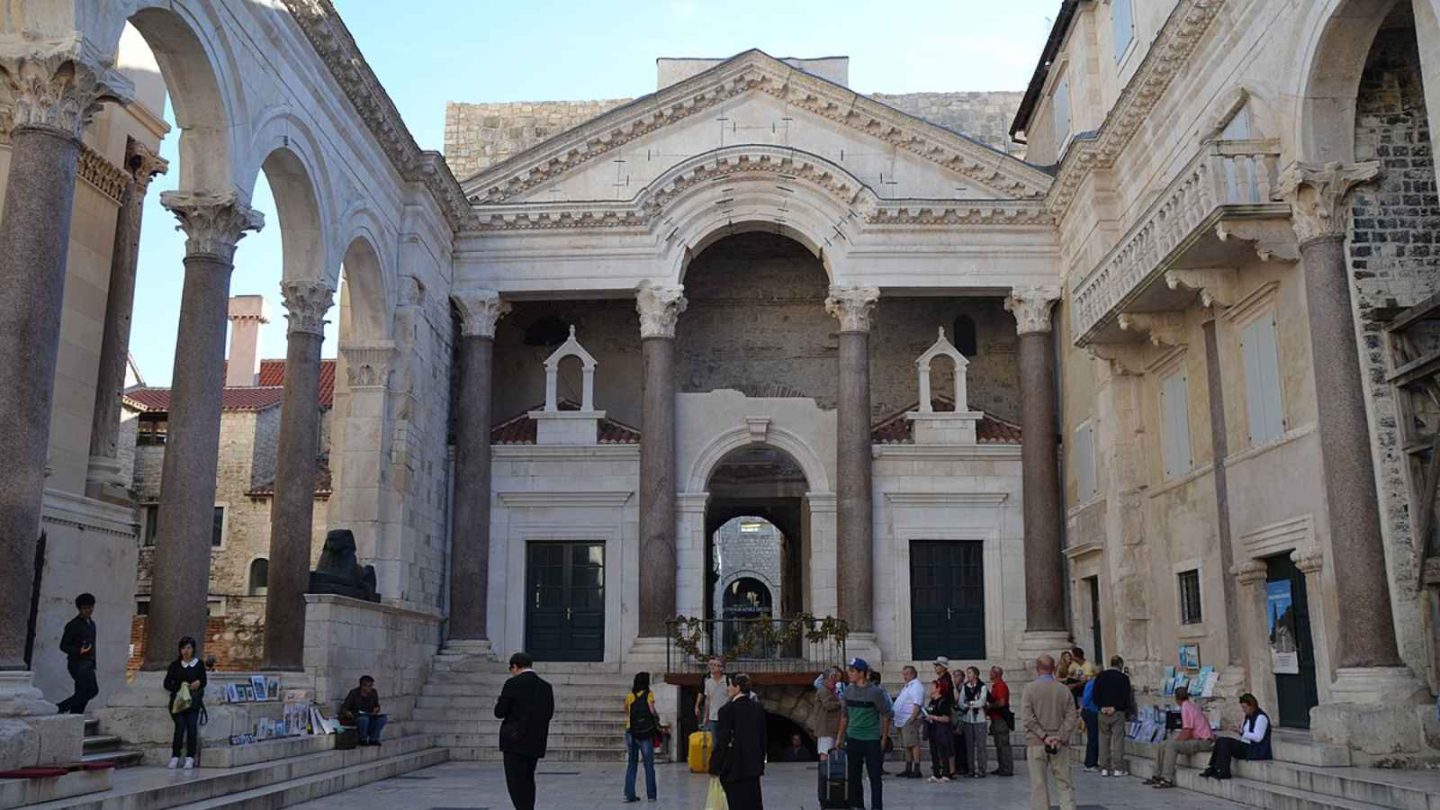
Constructed as Emperor Diocletian’s retirement residence, this sprawling palace is now the heart of Split’s historic old town. Built in the late third and early fourth centuries AD, the palace was designed as a fortified complex, blending Roman luxury with military practicality.
Recognized as a UNESCO World Heritage Site, its preserved structures include the Peristyle courtyard, the Temple of Jupiter, and Diocletian’s Mausoleum. Today, the palace makes up nearly half of Split’s historic city center, with its ancient walls and columns seamlessly integrated into modern shops, homes, and cafes, showcasing its enduring legacy and continued relevance in daily life.
Disclaimer – This list is solely the author’s opinion based on research and publicly available information. It is not intended to be professional advice.
Disclosure: For transparency, this content was partly developed with AI assistance and carefully curated by an experienced editor to be informative and ensure accuracy.
Read More:

- 10 Extreme Measures People Took To Travel on the Cheap
- Do You Need A Passport To Go on A Cruise
- 15 Best Countrıes to Vısıt in Afrıca