15 WWII Survival Foods Most People Wouldn’t Touch Today
Ever stared into your pantry, overwhelmed by choice, and then spared a thought for a time when your grandparents might have been ‘thrilled‘ to get a slice of bread bulked out with sawdust? Or when ‘dinner‘ for a soldier was a can of something so mysterious it became the butt of endless jokes? It sounds like a dystopian novel, but this was the reality of eating during World War II. The global conflict didn’t just redraw maps; it completely rewrote the menu for millions.
The strain on global food supplies was immense. Britain, for example, was a powerhouse that still imported a whopping 70% of its cheese and sugar, and nearly 80% of its fruit before the war. When Nazi U-boats and disrupted shipping choked these vital supply lines, the home front felt the pinch, and hard. Across the Atlantic, the situation was also telling; even before the U.S. fully committed to widespread rationing, a shocking one in four of its military draftees were found to be malnourished. This wasn’t just an inconvenience; it was a strategic crisis. President Franklin D. Roosevelt himself declared, “food is the life line of the forces that fight for freedom.” Indeed, food, or the lack of it, became a weapon in itself.
This dire situation didn’t mean people just gave up. Far from it! It sparked an incredible wave of ingenuity, a “make do and mend” spirit that found its most creative expression in the kitchen. As food historian Lizzie Collingham aptly puts it in The Taste of War, food, and its absence, were utterly “central to the experience of World War II.” But this resilience came at a cost. Civilians and soldiers alike faced monotonous, often downright unappetizing diets that took a serious psychological toll. The Minnesota Starvation Experiment, conducted shortly after the war to understand the devastating effects of famine for future relief efforts, painted a stark picture: prolonged hunger doesn’t just shrink stomachs; it can lead to depression, irritability, and an all-consuming obsession with food.
An examination of these 15 wartime staples reveals how people demonstrated resilience and the extreme measures they took to maintain their lives during hardships.
K-Ration Pork Loaf & Its Unsavory Friends

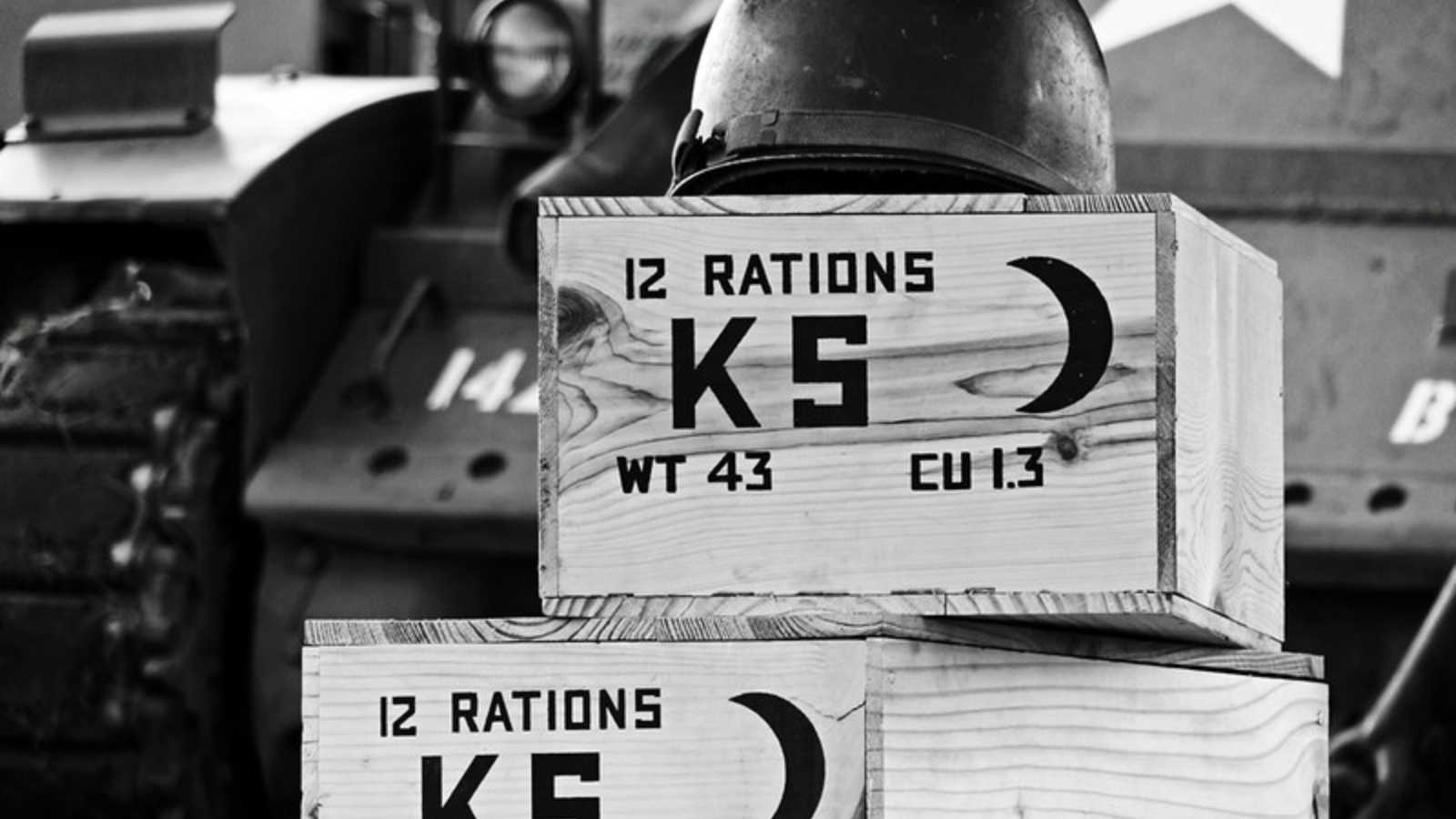
We’ll begin with a detailed discussion about the meals eaten by our G.I. Joes. The U.S. K-Ration provided soldiers with three meals in one package, while the “Supper” unit typically included canned meat products. The G.I. Joe’s ration menu included cervelat sausage as an early option, then progressed to “pork luncheon meat with carrot or apple” before introducing an exciting “beef and pork loaf.” The “Breakfast” unit was similarly unappealing since it sometimes contained canned veal and “chopped ham and eggs.” This meat product did not compare to your neighborhood deli’s top offerings because it consisted of dense and excessively fatty meat pieces that all felt the same.
The creation of these rations didn’t aim to achieve culinary excellence. The U.S. War Department assigned Dr. Ancel Keys research responsibilities in 1941, before he became renowned in the field of dietary research. His mission? Develop a ready-to-eat non-perishable meal suitable for soldiers to carry in their pockets. The ration was specially developed for paratroopers and tank crews who required immediate energy for their short missions.
Why would we say “No Thanks!” today? Honestly, where to begin? The idea of subsisting for weeks on end on a pre-packaged, bland, fatty, and nutritionally incomplete meal that leaves you perpetually hungry and slowly makes you sick? We’re utterly spoiled for choice, with fresh ingredients and food that tastes great.
Sawdust Bread
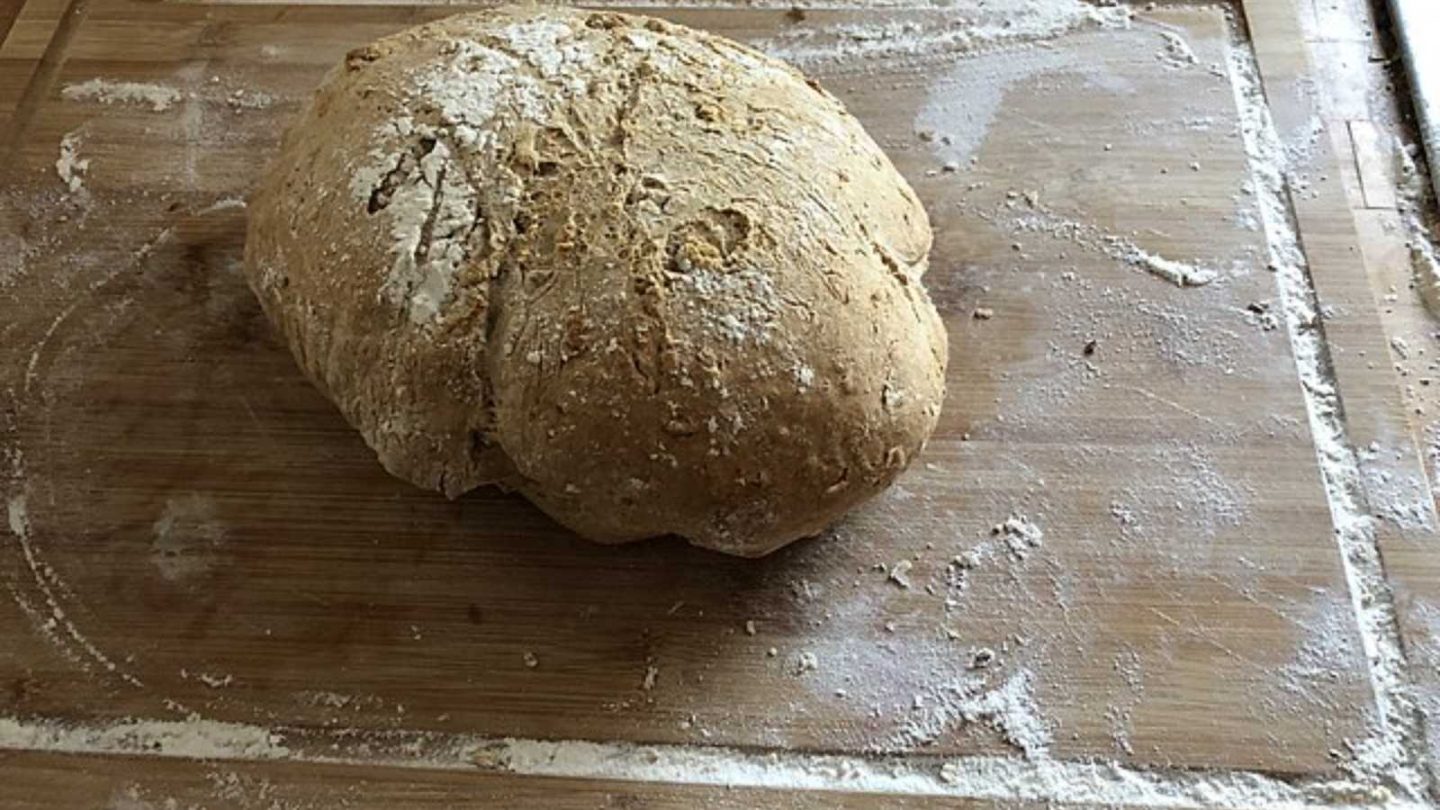
The Allied blockade of Nazi Germany forced civilians to bake bread from silage which was customarily used as animal feed. Bakers had historically stretched flour with sawdust, plaster dust, and other lightweight substances during periods of scarcity, a practice that reemerged.
These additives produced an edible loaf but failed to deliver substantial nutritional benefits, which resulted in persistent malnutrition. There is no way to exaggerate the desperation people felt when making these food choices. Working individuals in Western societies relied on bread for approximately half of their daily caloric intake throughout much of history, which established its status as an essential food source. People preferred adulterated bread to losing their essential staple when wheat supplies dwindled.
Potato-Based Flour Substitutes

Potatoes emerged as a flexible cooking component to replace flour when wheat became scarce. Baking with potatoes instead of wheat flour resulted in dense baked goods, producing heavy loaves that no longer matched traditional bread characteristics.
Potato bread offered better nutritional value compared to sawdust but faced significant difficulties regarding taste and preservation. Today’s buyers, who expect refined wheat flour to produce light bread, might find the dense, starchy substitute both unappetizing and difficult to digest.
Mock Duck

One of the most inventive wartime recipes was Mock Duck, a meat alternative designed to mimic the taste and texture of real duck. The dish featured bread and suet as its main components, which were mixed with onions and flavored with a variety of herbs and spices to simulate the taste of roasted chicken. Despite following classic duck roasting techniques during preparation, Mock Duck ended up lacking both the authentic taste and the nutritional properties of real meat.
Mock Duck functioned as the main dish for Sunday meals and celebrations because families demonstrated their emotional commitment to food traditions despite missing the original ingredients. Mock Duck recipes vary by incorporating dried fruit, nuts, lentils, and beans to improve both texture and protein levels. The pairing of bread and suet may seem unappealing to today’s diners when compared to actual meat or modern plant-based options, as it served as a satisfactory meal during wartime shortages.
Protein-Extended Dishes

Adult meat consumption restrictions to around one pound per week led cooks to invent methods for extending the protein content. The meat extender methods created an appearance of substantial protein by blending small amounts of meat with large quantities of vegetables, grains, and fillers. The final culinary creations presented non-traditional textures and flavors because they were made from combined ingredients that did not include real meat.
Woolton Pie

Woolton Pie received its name from Lord Woolton, Britain’s Minister of Food, and represented wartime resourcefulness and creative thinking. Root vegetables such as potatoes, carrots, and turnips formed the basis of this dish, which was cooked in simple broth and accompanied by a crust made from oats or whole wheat flour rather than the traditional white flour.
Regional resources and seasonal availability led to notable changes in the recipe, resulting in unpredictable taste and texture, but allowing for adaptability. Woolton Pie delivered vital nutrition through resource-efficient ingredients but bore no resemblance to the delicious traditional pies people enjoyed before the war. The dish represented the “Dig for Victory” campaign, which promoted seasonal and local eating; however, its basic preparation and minimal seasoning would likely be unappealing to today’s diners. Families commonly incorporated available leftovers into the dish, which prevented waste but also ruined its texture and taste.
Burnt Rice Coffee
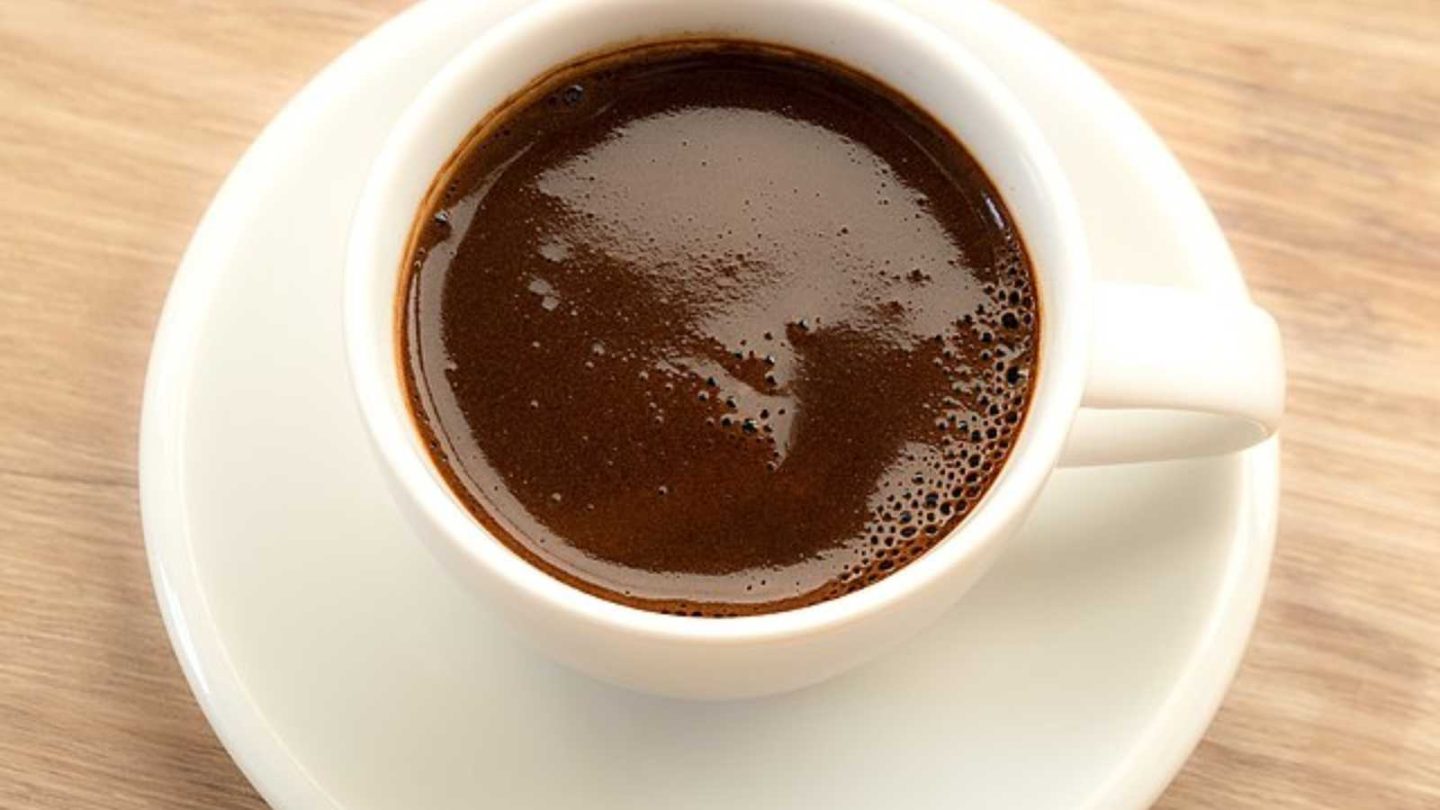
During the Pacific Theater campaigns, troops devised several coffee substitutes due to the lack of real coffee beans. The most unusual substitute involved steeping charred rice grains in hot water to produce a dark, bitter liquid. The ersatz beverage served as a psychological substitute for coffee through its warmth and ritual but failed to deliver both the necessary caffeine and the traditional taste soldiers desired.
Burning rice to achieve the right consistency required careful labor that posed potential fire risks. People frequently found the drink bitter and unpleasant to consume since its flavor had almost no connection to real coffee, except for its dark appearance. People who drink modern coffee, made with premium beans and using advanced brewing techniques, find burnt rice coffee intolerable.
Acorn and Barley Coffee

The desperate search for a coffee alternative led to the creation of a coffee-like beverage when people roasted acorns together with barley. Soldiers and civilians harvested acorns and meticulously cleaned them of their shells. They then roasted them until they turned dark, grinding the roasted acorns into brewing powder.
The flavor profile was enhanced by combining roasted grains with molasses, chicory, and dried fruits in different methods. Acorns possess tannins, which create a bitter taste like coffee, but people typically describe the overall flavor as harsh and drying. Processing acorns required extensive labor to remove bitter elements, which made this substitute very time-consuming. The earthy and bitter flavor profile of acorn coffee seems strange and unpleasant to modern consumers when compared to authentic coffee flavors and current herbal tea options.
Chicory Root Coffee

During wartime periods, chicory root stood out as a favored coffee alternative because its local cultivation allowed for a similar taste to coffee. Chicory roots were dried and roasted until they could be ground into a substitute for coffee. Although chicory coffee proved more acceptable compared to many wartime alternatives, its unique flavor profile featured bitter notes complemented by slight sweetness, which numerous people found unpleasant.
The mass adoption of chicory as a coffee alternative led to a generation developing a negative association between its unique taste and periods of deprivation and hardship. People reused tea multiple times whenever they could access it to extend its use until it became a weak and tasteless drink. The modern coffee industry’s focus on single-origin beans and meticulous brewing practices makes chicory coffee appear antiquated and coarse.
Beet Juice as Food Coloring

Home cooks resorted to using beet juice as a natural ingredient to color cakes and desserts when food coloring and other baking essentials became inaccessible. Beetroot provides a bright red color along with its earthy flavor profile, which makes baked goods taste unusual and unacceptable to many people.
Beet juice-infused cakes are moist yet produce dense and heavy textures, unlike those of regular light sponge cakes. Bakers today, who are accustomed to using flavorless colorings to achieve visual effects, would probably not enjoy cakes flavored with beetroot. The strong, earthy, and metallic flavors of beetroot make wartime sweet treats difficult for today’s taste preferences to enjoy.
Mouldy Cheese & Green Bread (Channel Islands Anguish)
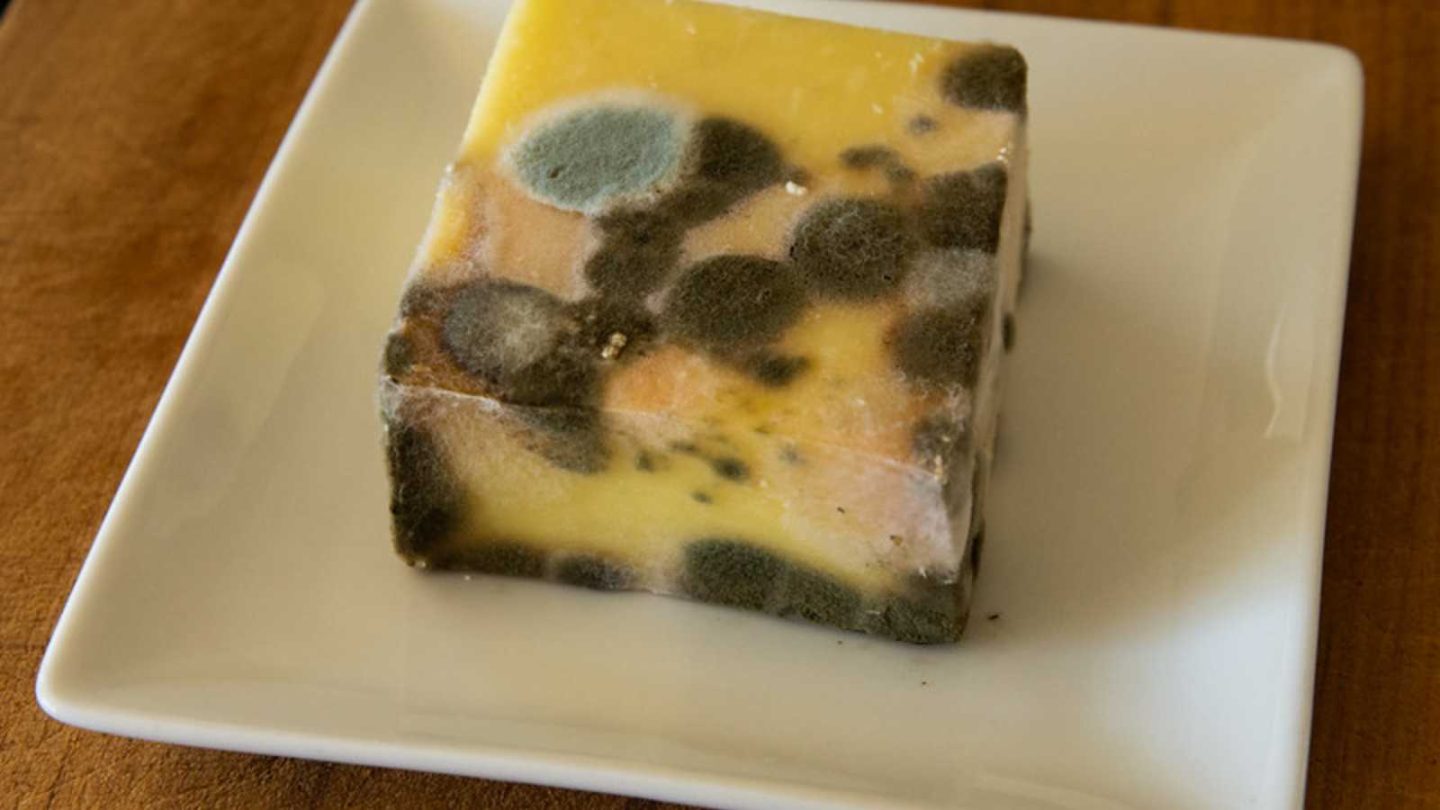
The “why” is stark: there was often little else. As food supplies became nearly nonexistent during the war, people ate anything they could find, regardless of its condition. This was not a matter of imaginative ingredient replacement but rather a desperate measure to avoid starvation. Most meals were made from any vegetables available through farming or wild harvesting. Usual standards for food safety and quality collapse when people experience extreme hunger.
Why would we say “No Thanks!” today? “Maggots? Visibly green, mouldy bread?” This food situation surpasses all levels of distaste because modern food safety standards declare it an absolute horror. In our modern times, we are taught to discard food at the mere sight of mold, and even more so when we find insect larvae or decomposed material. Present-day standards render the health risks associated with consuming these items wholly unacceptable, as they would be entirely inappropriate for us to do so.
Vinegar Pie (and other Vinegar Surprises)
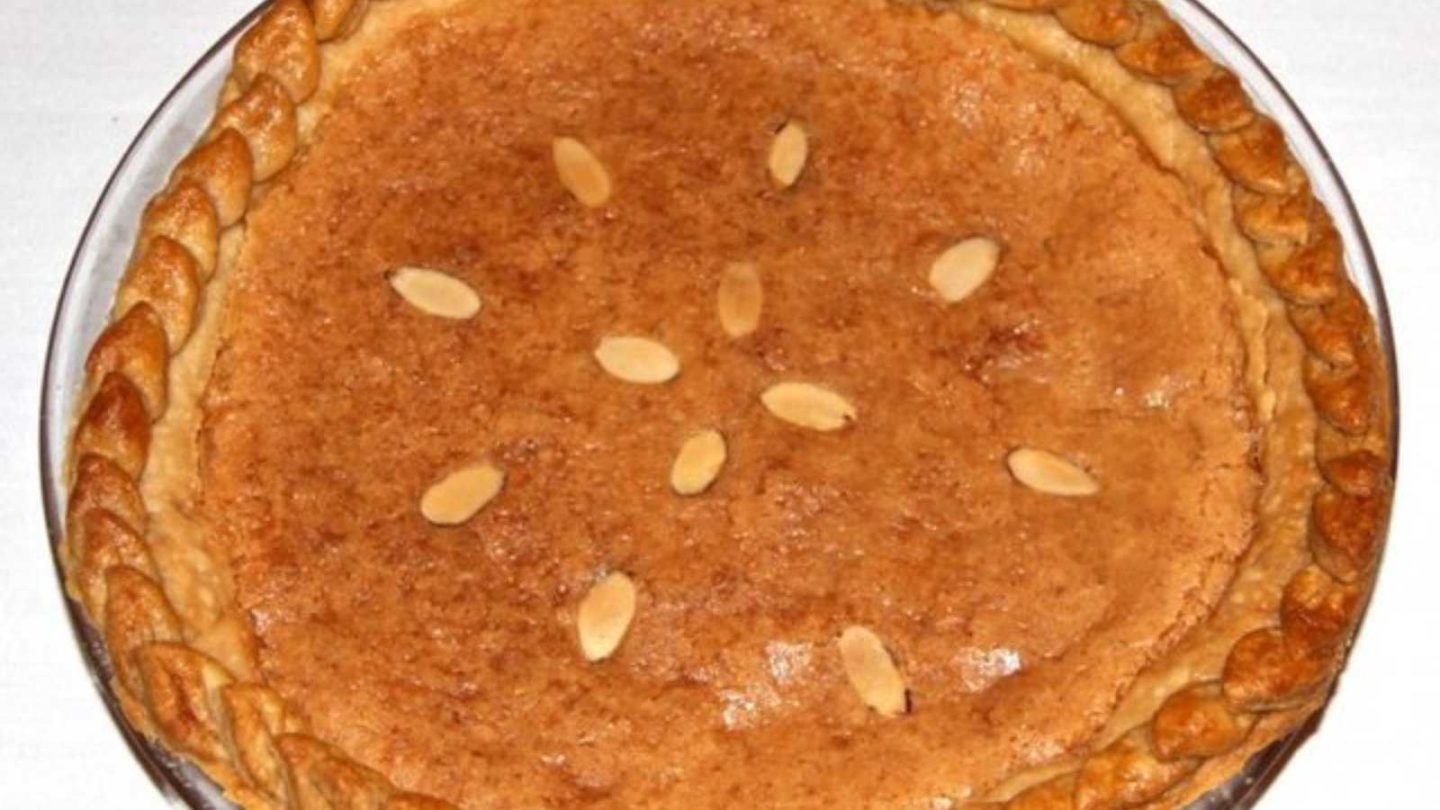
When life gives you lemons, make lemonade. What happens when wartime rationing prevents life from providing you with any lemons? You make vinegar pie! The wartime dessert became popular because plain old vinegar, especially cider vinegar, replaced expensive or unavailable lemons as the source of tartness. The finished pie resembled a lemon meringue pie, but tasted completely different according to people who sampled it.
Why vinegar? Citrus fruits became a distant dream during wartime in Britain and the US’s inland regions due to shipping shortages and import limitations. Vinegar provided the necessary acidity for baking because it was both inexpensive and widely accessible. It wasn’t just pies, either. The combination of vinegar with baking soda made it an essential leavening agent for eggless cakes, known as “Wacky Cakes” or “Vinegar Cakes,” when eggs became scarce during World War II. This illustrated kitchen chemistry at its most useful application. The flavor experience varied from person to person. Several people discovered that vinegar pie was excessively sour and left a strong vinegar aftertaste, while its texture sometimes turned out too liquid. After baking a wartime vinegar cake recipe, one home baker described it as “very crumbly” yet praised its taste as “WONDERFUL” when paired with custard. The primary aim was not culinary excellence but to prepare meals that were affordable and served as a warm, comforting snack.
Using vinegar as a replacement ingredient demonstrates a basic understanding of flavor balance through acidity and core baking science principles, utilizing minimal components. Every day, kitchens demonstrate the experimental nature of food science through a process of trial and error. Many savory dishes benefit from vinegar’s brightening effect, but using vinegar as the main flavor in a pie would be too strong and taste unbalanced compared to the softness of lemons, which aligns with most modern taste preferences. A powerful vinegar aftertaste represents an absolute reason to reject this dish.
DIY Yellow Margarine
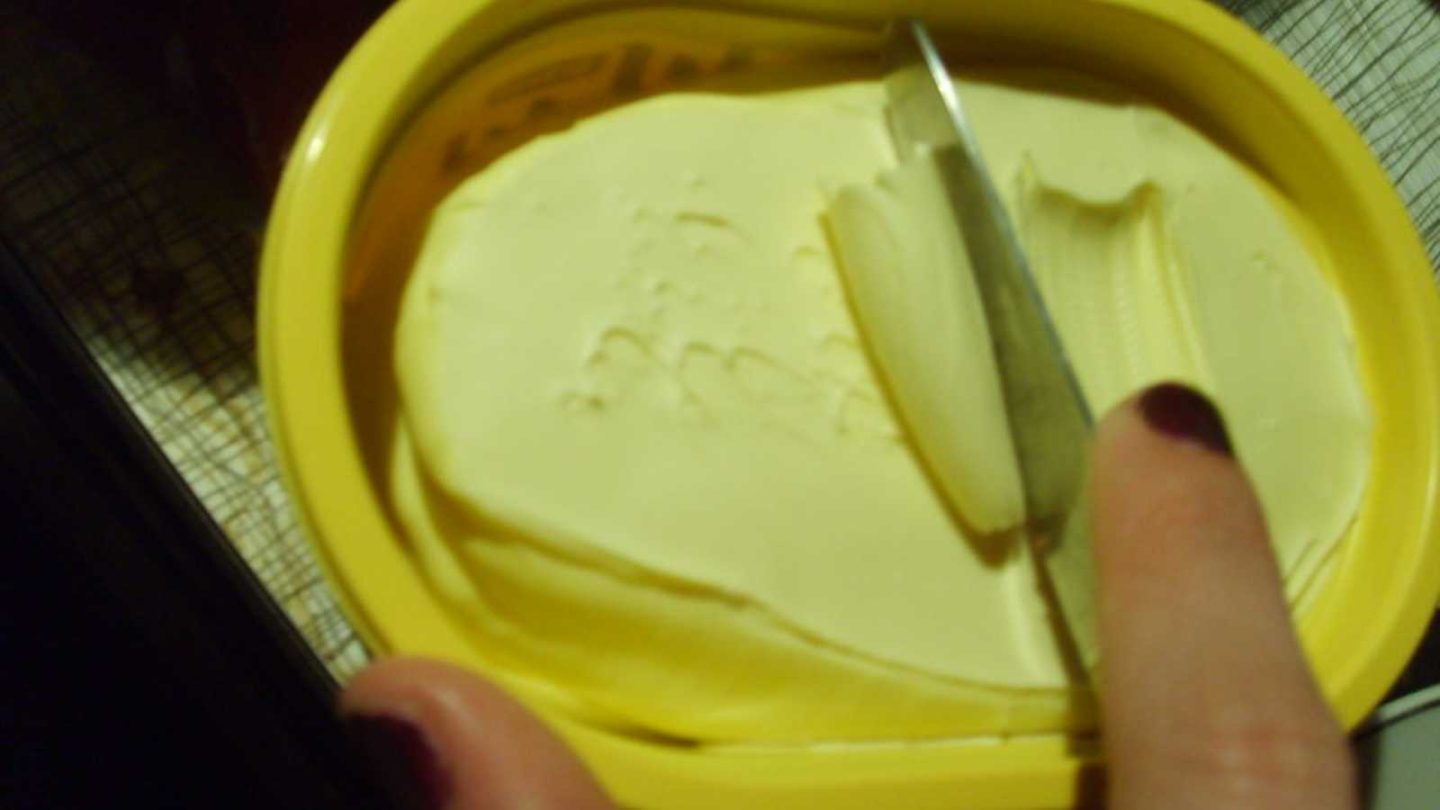
The golden spread we use on toast was a rationed luxury during World War II. The less expensive alternative, known as margarine (or “oleo“), filled the gap left by the rationed butter. However, there was a catch, and it was a peculiar one: American margarine initially appeared as a ghostly white block resembling lard, until consumers added yellow food coloring capsules to transform it into a butter-like product. Consumers, typically children, had to take on the messy job of mixing the yellow dye into the white fat to make margarine resemble butter.
Sales of margarine reached new heights during wartime because butter was expensive and difficult to find, despite its poor taste and inconvenience. The attempt to replicate butter visually in margarine reveals our strong emotional link to the familiar appearance of foods.
The idea of spending time coloring basic white fat to mimic butter, yet having no guarantee that it will taste good, sounds absurd. With the availability of convenience foods and numerous spreads, ranging from artisanal butters to vegan options, the idea of performing such an unrewarding and tedious task seems completely nonsensical today.
Offal Overload (Brains, Hearts, Livers, and Chitterlings)

People used offal because prime meat cuts were allocated to the war effort or were unavailable due to rationing. The internal organs of butchered animals comprise livers, hearts, kidneys, brains, and pig intestines known as chitterlings. These products were marketed in the United States under the more acceptable name “variety meats.“
The explanation behind the sudden increase in organ consumption presented itself as clear and logical. While high-quality meat cuts, such as steaks and roasts, faced severe rationing and high costs, consumers could obtain offal without tight restrictions and at much lower prices. Manufacturers added offal to sausages, which helped extend the amount of meat available. Looking back at their wartime diet, people said they thought offal was acceptable then, but today they wouldn’t choose to eat it. Chitterlings received unexpected praise as “lovely” from multiple voices across wartime Britain.
Familiarity has influenced reactions; people who had eaten these foods before the war were likely to find them less shocking. Many people have likely experienced culinary monotony due to the repeated presence of organ meats as their sole meaty food option. The historical shift towards consuming less popular animal parts, known as “nose-to-tail” consumption, was driven by necessity and is now promoted by today’s sustainable food initiatives to minimize food waste.
Horse Meat
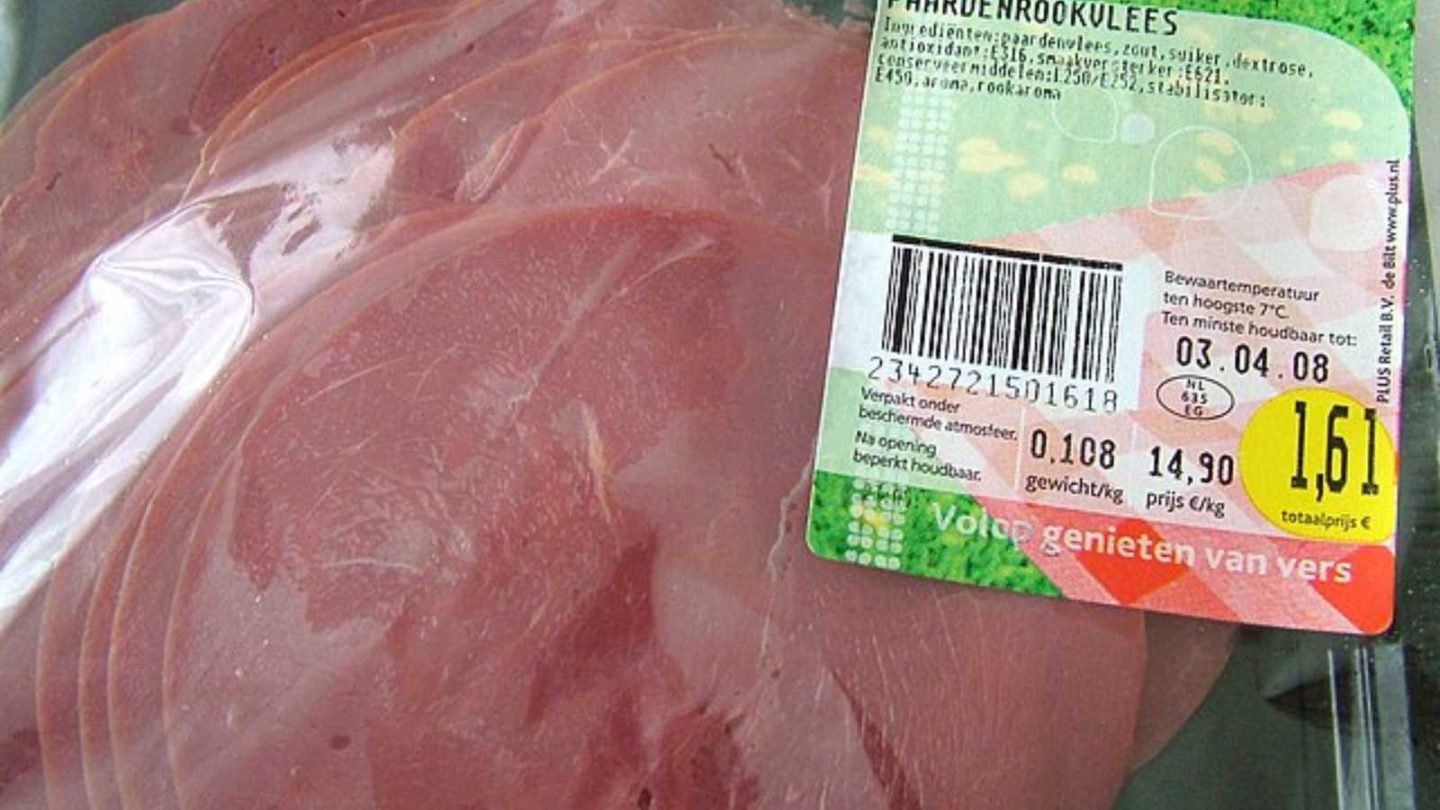
Horse meat consumption during WWII remained limited among Allied nations, yet showed up on menus in unexpected locations because of urgent needs. Due to strict rationing of beef, lamb, and pork in Britain during the war period, new horse meat shops started operating to provide additional meat options. During wartime, horse meat became a recognized yet reluctantly accepted element of the food supply for certain people. During World War II, on the harsh Eastern Front, German troops and civilians faced such severe starvation that they turned to horse meat as their final source of sustenance. The prolonged conflict and failing supply chains forced starving soldiers to slaughter tens of thousands of horses for sustenance.
The experience of eating horse meat varied. The presence of horse meat in specialty shops across the UK indicates that it occupies a niche market with some level of regulation. Eastern Front soldiers and civilians treated horse meat as a harsh necessity; they ate without ceremony or concern for taste because survival was the primary goal. Existing records fail to describe it as a gastronomic pleasure, which demonstrates that people endured its consumption rather than relishing it. The consumption of this food item within cultures unfamiliar with it highlights the extreme degree of scarcity people faced. When survival became crucial, people had to break away from their cultural taboos that were usually very powerful.
The consumption of horse meat remains highly taboo in Western cultures such as the UK and the United States. People generally see horses as domestic companions or athletes rather than meat-producing creatures. The mere thought of consuming horse meat causes strong adverse reactions in many people, irrespective of its preparation or flavor. Although horse meat is consumed in select regions worldwide, the average person in the UK or the US would not actively choose to eat horse steak.
Key Takeaway

So, what’s the big picture after journeying through this rather unsettling menu of World War II survival foods? It’s a story far bigger than just “weird things people ate.” The Second World War didn’t just reshape borders and ideologies; it fundamentally redefined the very meaning of “food” for millions worldwide. Unprecedented global conflict, crippled supply chains, and iron-fisted rationing forced civilians and soldiers alike to confront hunger in ways most of us can barely imagine.
We’ve seen the grim reality of military rations, such as the K-Ration pork loaf, a product of logistical necessity that often fell disastrously short of soldiers’ nutritional and psychological needs. The spectre of sawdust bread, a filler devoid of nutrition and actively harmful, haunts the darkest corners of wartime desperation, particularly in POW camps and blockaded territories. Then there were the bland but essential staples, like Woolton Pie, symbols of austerity that filled bellies but rarely spirits; their unpopularity was a testament to the human craving for enjoyable food.
Yet, what truly shines through the accounts of these grim culinary times is the extraordinary resilience and boundless ingenuity of ordinary people. This wasn’t just passive suffering; it was active adaptation. Today, we navigate a food landscape of almost unimaginable abundance and choice. We debate organic versus conventional, track food miles, and tailor diets to intricate personal preferences. The idea of our weekly meat ration being a few ounces, or a “treat” coffee being brewed from roasted acorns, is almost beyond comprehension. This stark contrast highlights the incredible luxury of our modern food system. These aren’t just recipes for disaster; they are recipes that narrate a story of survival, a story that makes our well-stocked refrigerators and overflowing pantries feel like nothing short of an everyday miracle.
Disclaimer – This list is solely the author’s opinion based on research and publicly available information. It is not intended to be professional advice.
Read More:

- 10 Extreme Measures People Took To Travel on the Cheap
- Do You Need A Passport To Go on A Cruise
- 15 Best Countrıes to Vısıt in Afrıca