15 Kitchen Errors That Might Lead to Dangerous Food Poisoning
In 2024, foodborne illnesses in the U.S. increased by 25%. Hospitalizations and deaths from contaminated food increased by more than 100% compared to the previous year. The CDC estimates that one in six Americans gets sick from foodborne illness each year. This leads to over 128,000 hospitalizations and 3,000 deaths. Most of these cases start in the kitchen, where small mistakes can have significant consequences.
While it feels good to have total creative control behind the cutting board, the reality is that a few overlooked habits can turn your culinary masterpiece into a dangerous health hazard. Here are 15 common kitchen missteps that everyone should learn to avoid.
Ignoring Food Labels
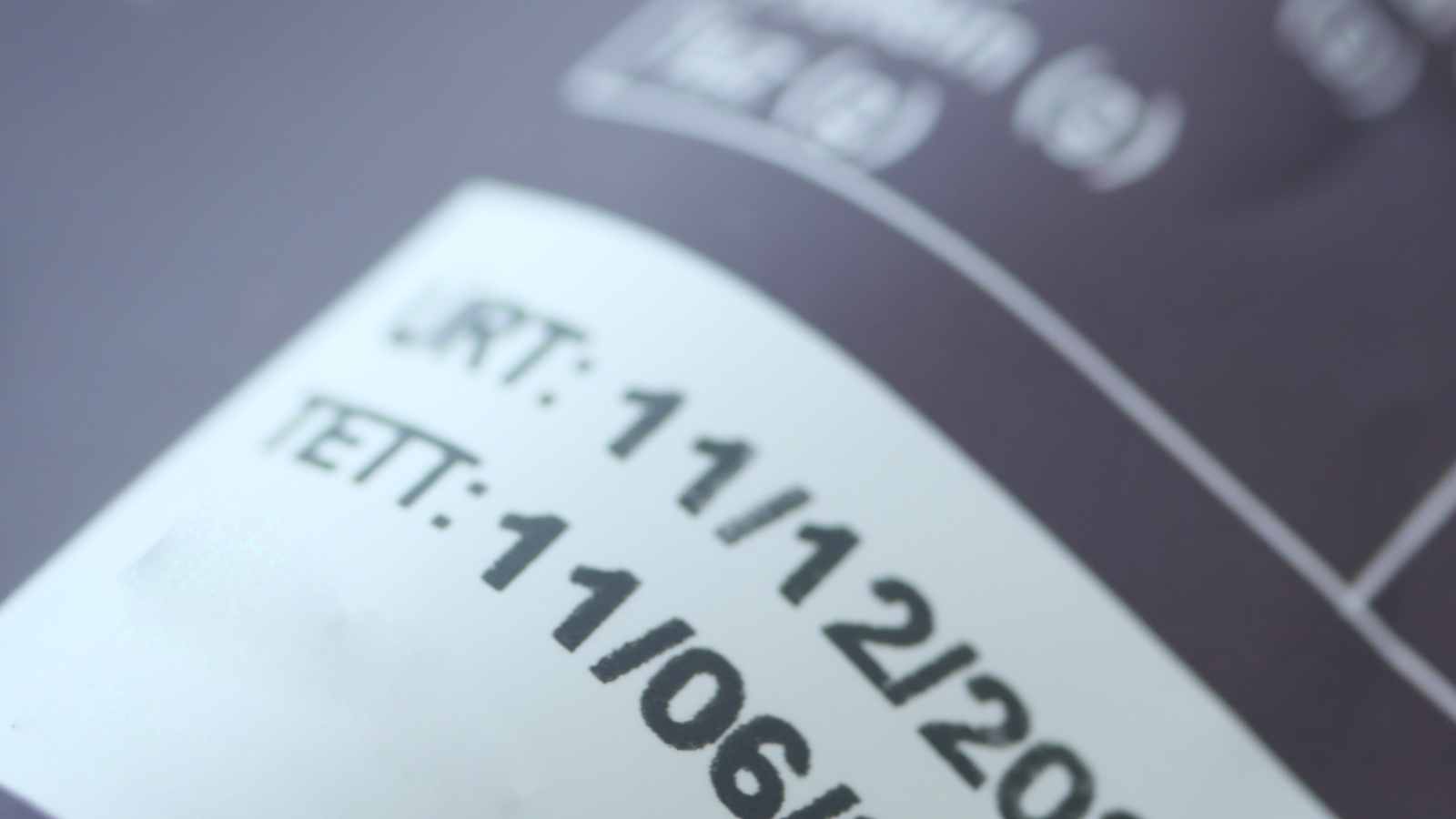
Eating food that is past its use-by date increases the risk of exposure to spoilage and pathogenic bacteria. The CDC notes that many foodborne illnesses stem from consuming expired dairy, deli meats, and other perishables.
Even if food looks and smells fine, bacteria like Listeria can grow undetected. Following label dates and discarding questionable items is a key safety step.
Tip: Keep an inventory of your fridge and pantry to track expiration dates.
Leaving Food in the “Danger Zone”

Bacteria multiply rapidly between 40°F and 140°F (4–60°C). Leaving perishable foods, such as cooked rice, dairy, or meats, at room temperature for over two hours allows harmful bacteria to grow. The FDA estimates that poor temperature control is responsible for nearly half of all foodborne outbreaks.
For example, leaving a casserole out during a party for hours creates a breeding ground for Clostridium perfringens, a common cause of food poisoning. Refrigerating leftovers promptly within two hours (or 60 minutes when the temperature is over 90°F/32°C) is essential to slow bacterial growth.
Tip: Use shallow containers to cool leftovers faster and place them in the fridge within two hours.
Rinsing Raw Poultry in the Sink
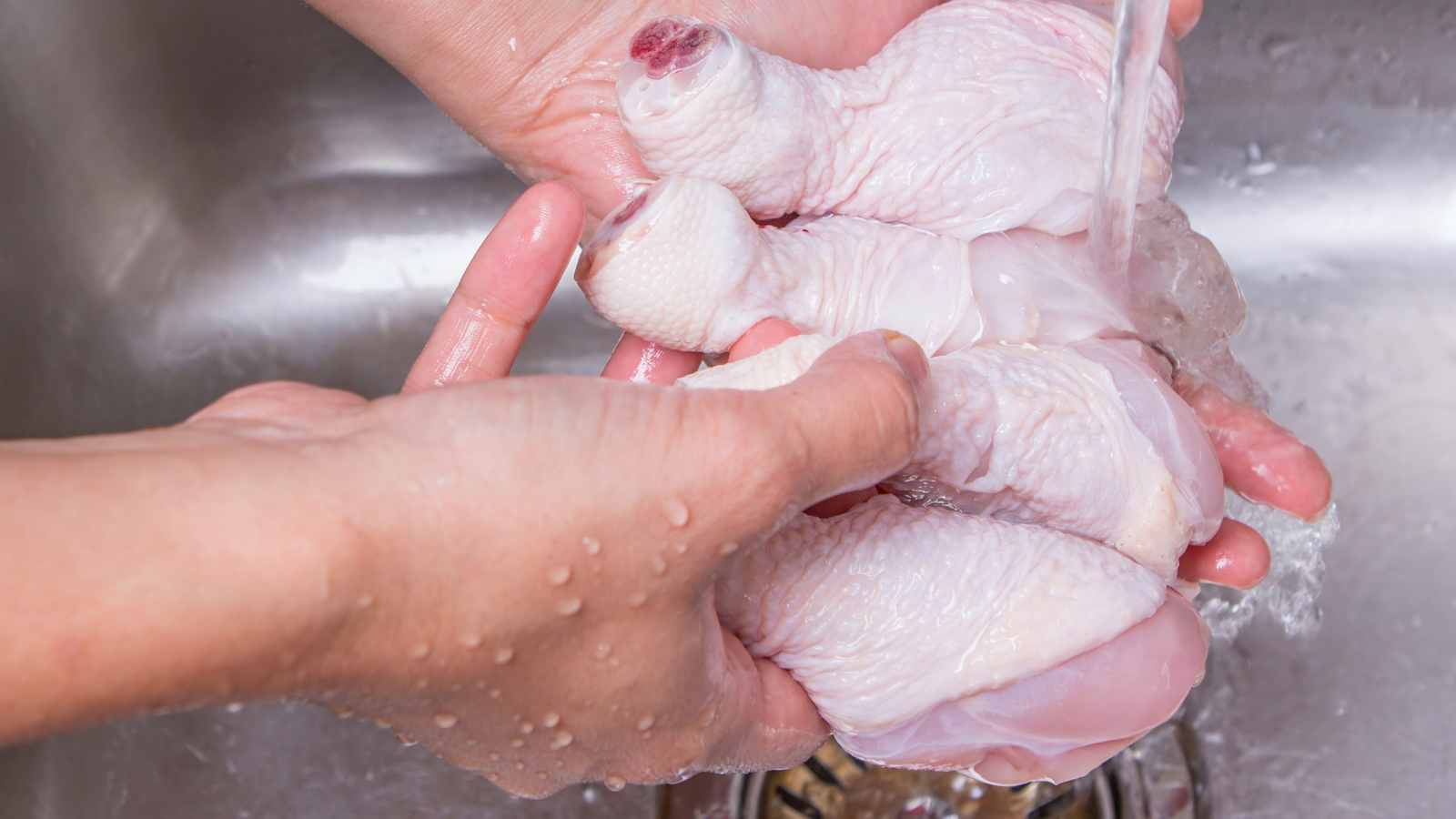
Contrary to popular belief, rinsing raw chicken or turkey spreads bacteria rather than removes them. The FDA and CDC warn that washing poultry splashes Campylobacter and Salmonella onto sinks, countertops, and utensils, contaminating areas that come into contact with other foods. Cooking poultry to the recommended internal temperature of 165°F (74°C) is the only way to ensure safety.
A 2024 CDC advisory highlighted outbreaks linked to the improper handling of raw poultry, reinforcing that rinsing increases the risk of contamination. Instead, transfer poultry directly from its packaging to the cooking surface, minimizing contact and splash.
Tip: Use disposable paper towels to clean any areas that may have come into contact with raw poultry juices, thereby preventing the spread of bacteria.
Cross-Contamination with Cutting Boards and Utensils
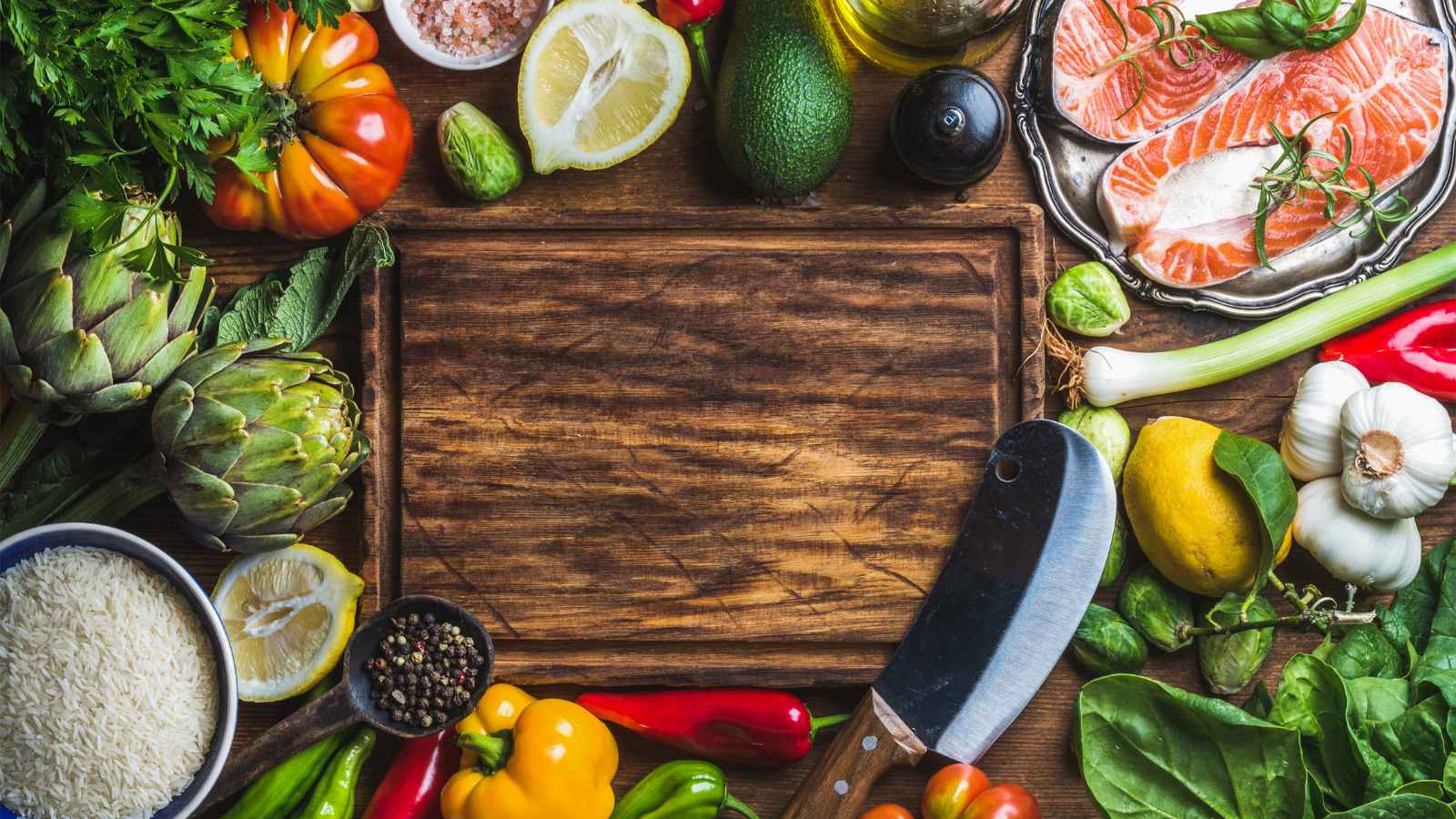
Using the same cutting board for raw meat and ready-to-eat foods spreads pathogens. The CDC reports that cross-contamination is a leading cause of foodborne illness outbreaks, particularly when eating out in restaurant settings, as well as at home.
Imagine slicing raw chicken on a board and then chopping vegetables on it without first washing it. That’s a direct path for bacteria to contaminate your salad or sandwich. Using separate boards and washing utensils thoroughly after each use can prevent this.
Tip: Color-code your cutting boards—one for raw meats, one for veggies, and one for cooked foods.
Overloading the Fridge

An overcrowded refrigerator struggles to maintain a consistent temperature, allowing bacteria to grow. The FDA recommends keeping refrigerators at or below 40°F (4°C) and leaving space for cold air circulation.
A study by the USDA found that tightly packed refrigerators often experience temperature fluctuations, which increase the risk of bacterial growth on perishable foods. Organizing your fridge with airflow in mind helps keep food safe longer.
Tip: Avoid stacking items too tightly; use clear bins to organize and maintain steady airflow.
Undercooking Meat, Poultry, or Eggs

Eating undercooked animal products is a leading cause of foodborne illness. Pathogens like Salmonella, E. coli, and Listeria survive in meat and eggs that don’t reach safe internal temperatures. The USDA recommends cooking poultry to 165°F, ground meats to 160°F, and eggs until yolks and whites are firm.
Using a food thermometer is essential. Many people depend on color or texture, which can mislead them. A study published by the FDA found that using thermometers significantly reduces undercooking mistakes. This helps prevent thousands of illnesses each year.
Tip: Invest in a reliable digital food thermometer and keep it handy in your kitchen—it’s the best way to know your food is safe.
Thawing Food at Room Temperature

Thawing frozen foods on the counter allows the outer layers to reach unsafe temperatures while the inside remains frozen. This uneven thawing encourages bacterial growth. The USDA advises thawing food in the refrigerator, under cold running water, or in the microwave to maintain safety.
A 2023 FoodNet report linked improper thawing to several outbreaks, underscoring the importance of safe thawing methods. Planning to thaw in the fridge is the safest option, but cold water or microwave thawing can be used when time is short.
Tip: If using cold water thawing, keep the food in a leak-proof bag and change the water every 30 minutes.
Skipping Hand Washing

Hand hygiene is the frontline defense against foodborne illness. The CDC emphasizes that improper handwashing is a significant contributor to the spread of pathogens, such as Salmonella and E. coli, during food preparation. A 2023 USDA study found that 97% of people failed to wash their hands properly when handling food, thereby increasing the risk of contamination. According to CDC, germs on unwashed hands can easily transfer to raw and ready-to-eat foods, utensils, and kitchen surfaces, setting the stage for outbreaks.
Imagine preparing a family dinner, touching your phone, then handling raw chicken and salad without washing your hands. That’s a recipe for cross-contamination, which the CDC links to many foodborne outbreaks. Simple, thorough handwashing with soap and warm water for 20 seconds, both before and after handling food, can drastically reduce this risk.
Tip: Keep a kitchen timer while washing your hands to ensure you reach the 20-second mark.
Using Dirty Sponges, Towels, or Cloths

Kitchen sponges and towels harbor bacteria that can spread contamination. Research shows that sponges can contain millions of bacteria, including E. coli and Salmonella, if not sanitized regularly. Replacing sponges frequently and washing towels in hot water can help reduce this risk.
Tip: Microwave damp sponges for one minute or run them through the dishwasher to sanitize.
Handling Food When Sick

Food handlers with gastrointestinal illnesses can contaminate food with viruses, such as norovirus. The CDC identifies sick food workers as a common source of outbreaks. If you’re vomiting or have diarrhea, it’s best to avoid preparing food for others until fully recovered.
Tip: Communicate openly with household members about illnesses to prevent the spread of germs.
Storing Raw Meat Above Ready-to-Eat Foods

Storing raw meats above ready-to-eat foods risks drip contamination. The USDA advises placing raw meats on the bottom shelf in air-tight containers to prevent juices from contaminating other foods.
This simple storage rule is often overlooked but critical. A 2025 outbreak investigation by the FDA traced Listeria contamination in deli meats to improper storage practices in food facilities, highlighting the risk at home as well.
Tip: Always store raw meats in sealed containers or on trays to catch any drips that may occur.
Improper Canning or Preserving

Home-canned foods that aren’t processed correctly can harbor Clostridium botulinum, causing botulism—a potentially fatal illness. The National Centre for Home Food Preservation provides strict guidelines to ensure safe canning. Never consume canned foods with bulging lids, leaks, or off smells, as these indicate dangerous contamination.
Tip: Use pressure canners for low-acid foods and follow tested recipes exactly.
Not Reheating Leftovers Properly

Leftovers not heated to 165°F (74°C) can harbor surviving bacteria. The FDA warns that foods like rice and potatoes are hazardous if not reheated thoroughly, as Bacillus cereus spores can survive cooking and multiply during cooling.
Using a thermometer to check the food temperature of leftovers before serving is a smart habit. Reheating until steaming hot kills most bacteria, reducing the risk of illness.
Tip: Stir leftovers during reheating to ensure even heat distribution.
Tasting Food to Check Freshness

You can’t detect harmful bacteria by taste, smell, or appearance. The CDC warns that tasting food to check freshness can lead to severe illness, especially with toxins like botulinum. Following trusted storage guidelines and avoiding suspicious food protects you from hidden dangers.
Tip: When in doubt, throw it out—your health is worth more than a taste test.
Not Washing Fruits and Vegetables

Fresh produce can carry pathogens from soil, water, or handling. The FDA recommends washing all fruits and vegetables under running water before consuming or preparing them for cooking. A 2023 outbreak linked to contaminated leafy greens highlights the importance of thoroughly washing produce to reduce the bacterial load.
Tip: Use a clean brush to scrub firm produce like melons and cucumbers.
Disclaimer – This list is solely the author’s opinion based on research and publicly available information. It is not intended to be professional advice.
Read More: