15 Foods That Seem Healthy but Aren’t
It’s easy to feel like you’re making the right choice at the grocery store. A label says “low-fat,” “natural,” or “organic,” and suddenly, it feels like a green light to toss it in the cart, but healthy-looking food doesn’t always tell the whole truth. Sometimes, the “healthy” option is just a sugary, salty snack wearing a yoga outfit.
Many people have been tricked into thinking they’re eating clean, only to find out later that their so-called superfoods are loaded with hidden calories, additives, or way too much sugar. If you’re trying to eat smarter without needing a degree in nutrition, this list will help you spot the sneaky offenders.
Veggie Chips

Veggies, right? Not so fast. These chips are typically made from potatoes with a sprinkle of spinach powder. They’re still deep-fried or baked with oil and packed with salt. Real veggies don’t crunch like that out of the ground.
Granola

It looks like breakfast from a yoga retreat, but granola is often a sugar bomb. Many brands pack in sweeteners, oils, and dried fruit that turn this into more of a dessert than a health food. One cup can have as many calories as a donut.
Flavored Yogurt
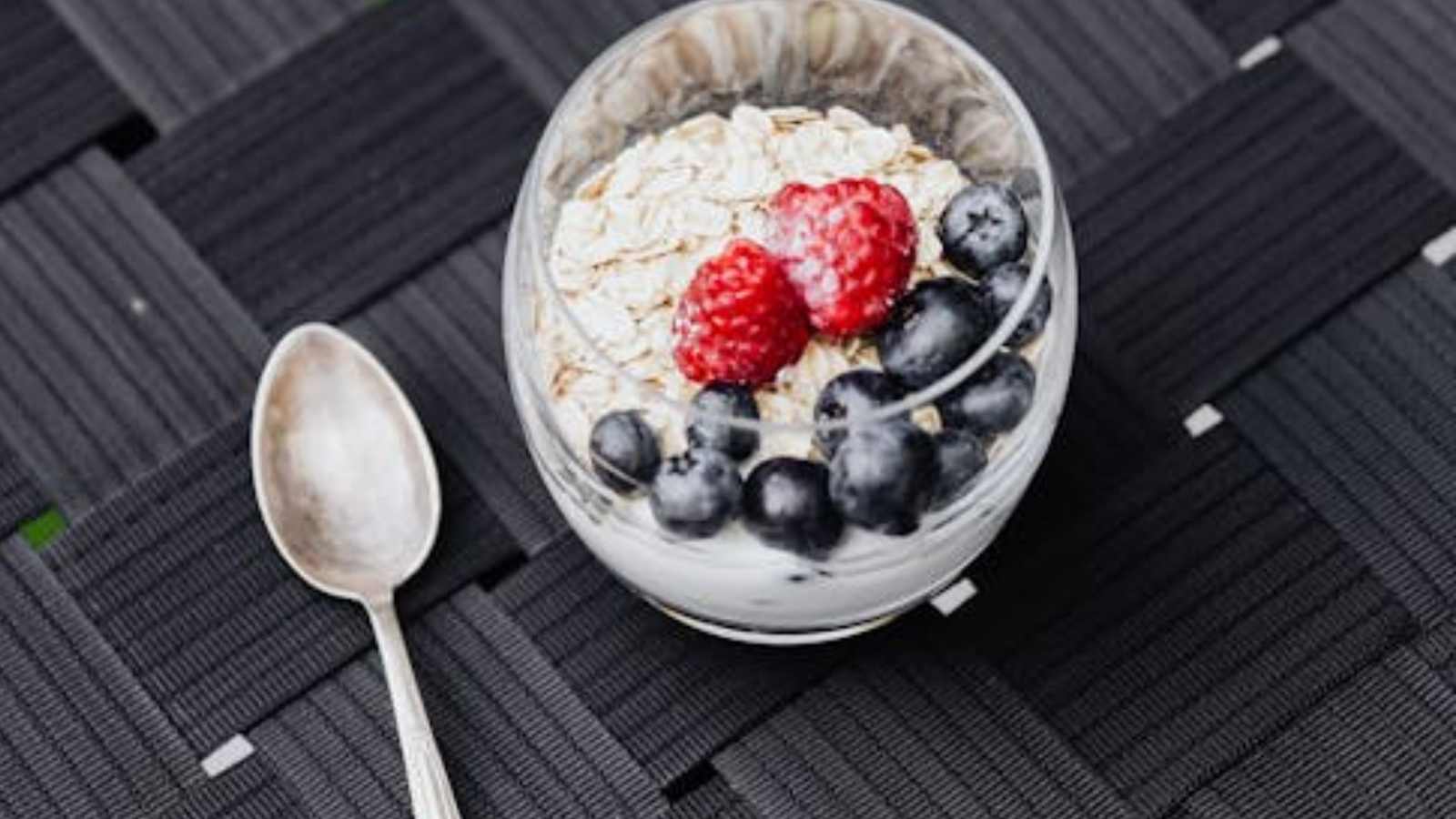
Flavored yogurt may sound healthy, especially when paired with fruit and probiotics. But flip the cup over and check the sugar. Some flavored yogurts have more sugar than a candy bar. Go for plain Greek yogurt and add real fruit.
Protein Bars

A lot of protein bars are just candy bars in disguise. Many are loaded with added sugars, artificial sweeteners, and unpronounceable ingredients. If the wrapper has more marketing than nutrition, be suspicious.
Low-Fat Peanut Butter

Removing fat might sound smart, but low-fat peanut butter often replaces fat with sugar and fillers. Natural peanut butter, with just peanuts and salt, is usually a better bet.
Trail Mix

Nuts and dried fruit can be healthy, but many trail mixes add chocolate candies, sugar-coated fruits, and salted nuts. You’d get more nutrients and fewer empty calories by mixing your own at home.
Pre-Made Salads

You might grab a ready-made salad for lunch and feel virtuous, but check the label. Dressings, croutons, candied nuts, and cheese can turn that salad into a calorie overload. Sometimes, the dressing alone adds more than 300 calories.
Frozen Yogurt

It feels like the lighter cousin of ice cream, but most frozen yogurt is packed with sugar. And the endless topping choices? That’s where things spiral. You’re often better off with a small scoop of real ice cream.
Bottled Green Juices

Green doesn’t always mean clean. Many bottled juices add apple or pear juice to sweeten things up. That “kale cleanse” might have more sugar than a soda. If you’re not chewing it, double-check what’s inside.
Rice Cakes

They look like diet food, but rice cakes are high on the glycemic index, which means they spike your blood sugar. They’re also pretty low in actual nutrition. You’ll feel hungry again 10 minutes later.

Gluten-Free Snacks

Unless you have celiac disease or a gluten intolerance, there’s no need to grab the gluten-free version of everything. Many gluten-free snacks are made with refined starches and contain less fiber and protein than their original counterparts.
Store-Bought Smoothies

That smoothie might feel like a liquid salad, but most store-bought ones have fruit juices, syrups, or frozen yogurt. A single bottle can carry over 50 grams of sugar. Make your smoothie at home with whole fruit and no extras.
Iced Teas

Iced Ttas look refreshing and natural, but some, especially those that are bottled, are loaded with sugar. Some have as much as a can of soda. If you want the health benefits of tea, brew it yourself and use a moderate amount of sweetener.
Coconut Water

It’s trendy and sounds like it came straight from the beach, but coconut water can contain up to 8 grams of sugar per serving. It’s fine after a challenging workout, but not something to sip all day like plain water.
Multigrain Bread

It sounds heartier than white bread, but “multigrain” means more than one type of grain. It doesn’t mean whole grain. Always check the ingredients. If the first ingredient isn’t whole wheat or another whole grain, you’re just eating colored white bread.
Disclaimer: This list is solely the author’s opinion based on research and publicly available information.
Read More:

- Ultimate Guide To Picking The Best Travel Credit Card
- The 5 Best Budget Airlines in the United States
- 15 Best Countrıes to Vısıt in Afrıca


