15 Foods That Could Disappear Under RFK Jr.’s Health Policies
Your favorite microwave popcorn, frozen pizza, or energy bar might no longer be the same. Under Robert F. Kennedy Jr.’s proposed health policies, foods with artificial additives, excessive sugar, or harmful preservatives could be reformulated or removed entirely.
With 60% of Americans’ daily calories coming from ultra-processed foods (The BMJ), Kennedy’s focus on stricter regulations targets the ingredients linked to chronic health issues. The likes of high sodium levels in canned soups and trans fats in frozen pizza. These changes aim to create a healthier food landscape but might drastically alter what’s on your plate. Here’s a closer look at 15 popular foods that could vanish—or be radically altered—under his proposed health policies.
Artificially Colored Cereals
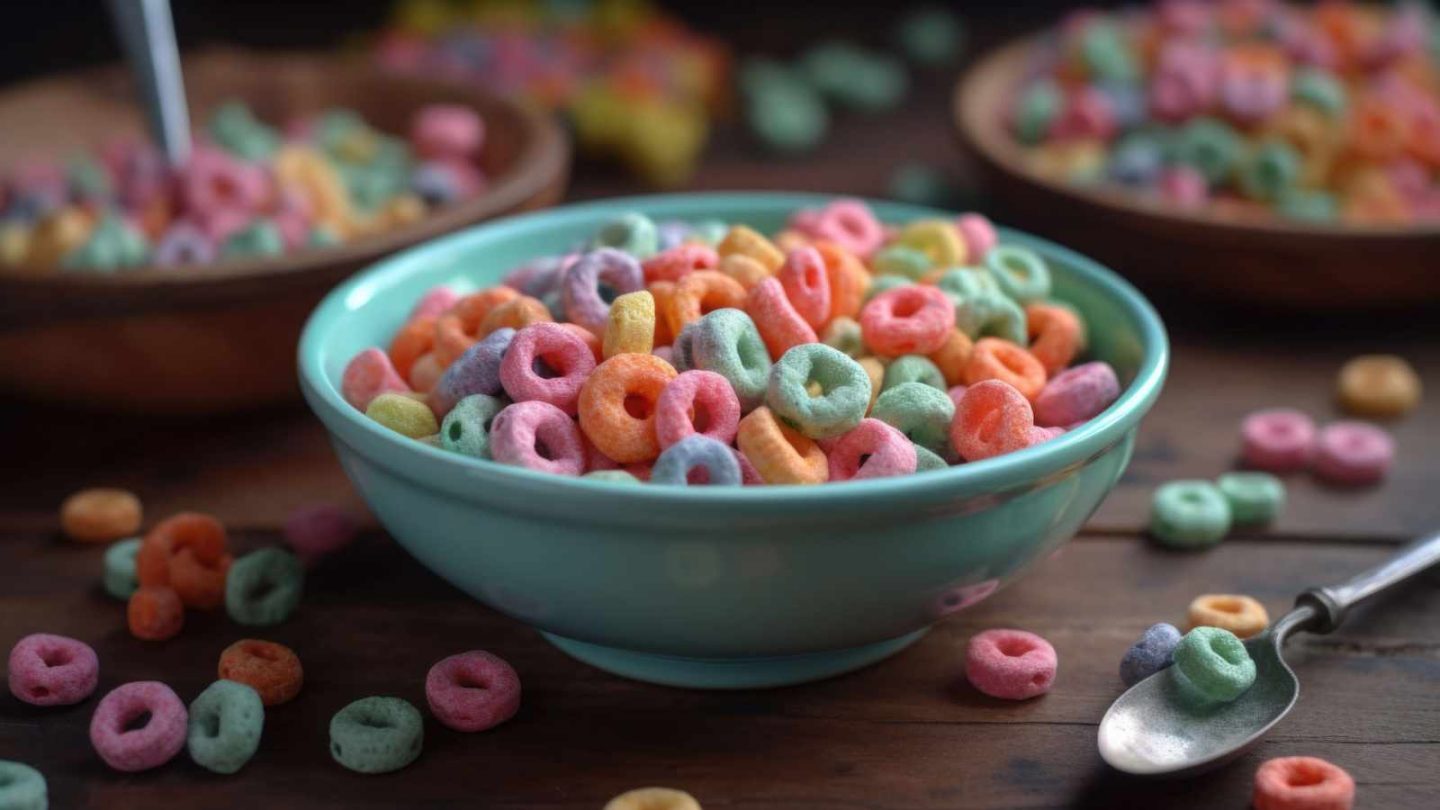
Brightly colored cereals like Froot Loops and Trix could be among the first casualties of Kennedy’s proposed crackdown on synthetic food dyes. These cereals often contain Red 40, Yellow 5, and Blue 1, which have been linked to hyperactivity in children and are banned or restricted in parts of Europe.
If Kennedy’s policies target these additives, manufacturers would need to reformulate their recipes with natural alternatives or face removal from shelves.
Microwave Popcorn
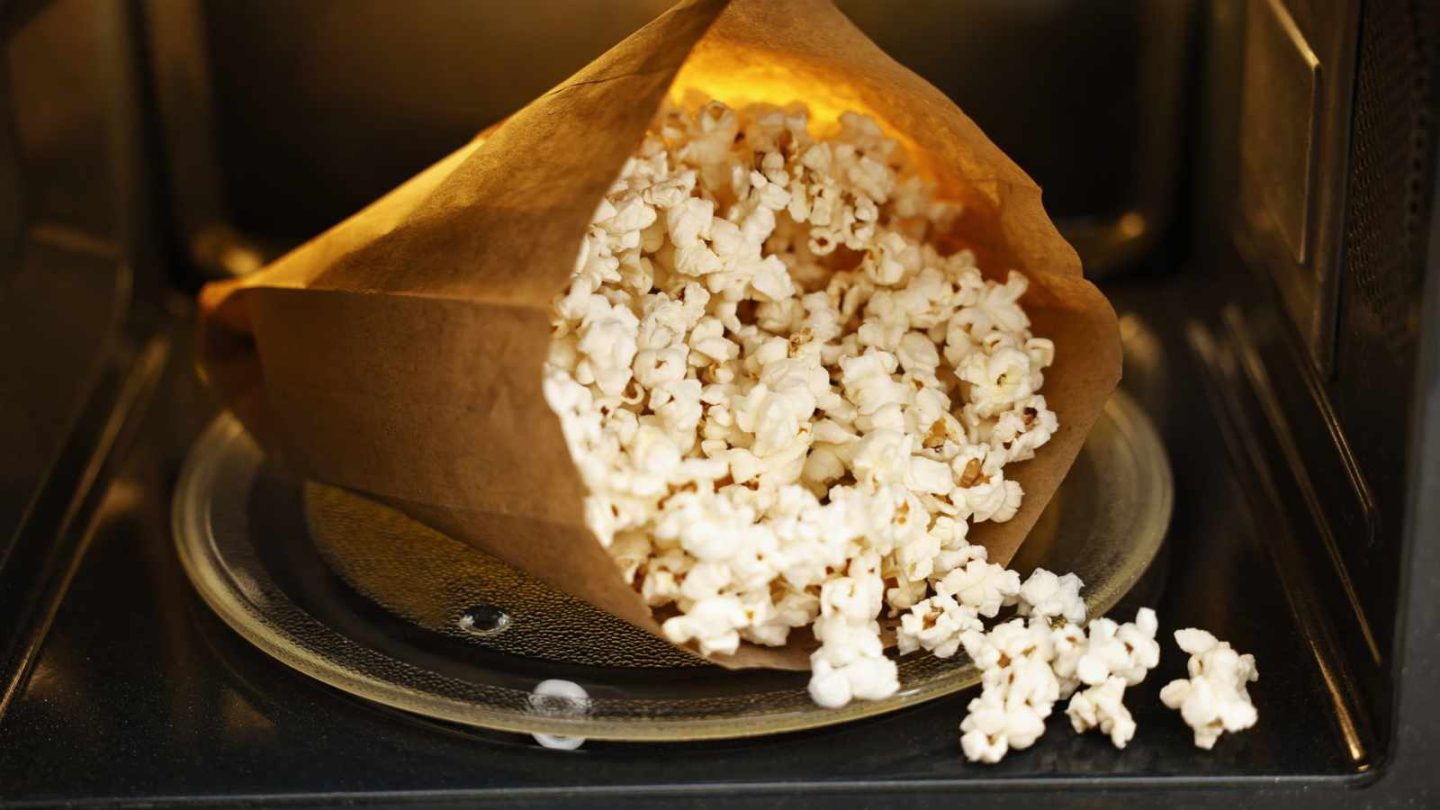
Microwave popcorn has long been a favorite for its convenience, but its safety is frequently questioned. The bags are often treated with PFOA, a chemical associated with cancer risks, and the artificial butter flavoring often contains diacetyl, which has been linked to severe respiratory problems.
Kennedy’s policies could encourage changes to packaging materials and the removal of harmful flavoring agents, leading to safer alternatives for this popular snack.
Breakfast Toaster Pastries

These colorful pastries are a breakfast staple for many, but they’re also loaded with Red Dye 40 and high-fructose corn syrup, both of which are tied to health concerns like hyperactivity and obesity. Additionally, their high sugar content makes them a poor nutritional choice.
Suppose Kennedy’s push for healthier food ingredients gains traction. In that case, these pastries might be reformulated with natural sweeteners and dyes or disappear altogether.
Energy Bars

Energy bars, often marketed as nutritious, contain artificial flavorings, synthetic vitamins, and high amounts of sugar. These additives enhance taste and shelf life but raise concerns about their potential long-term health impacts.
Kennedy’s focus on cleaner labels could encourage companies to overhaul their recipes, replacing synthetic elements with whole and natural ingredients.
Farmed Salmon

Farmed salmon, often artificially colored and raised in conditions requiring antibiotics, is already controversial. Contaminants like PCBs, commonly found in farmed fish, have been linked to potential health risks.
Kennedy’s health policies could advocate for stricter farming practices, potentially reducing the availability of farmed salmon in favor of more sustainable seafood options.
Processed Cheese

Processed cheese, praised for its convenience, often contains emulsifiers, artificial colorings, and sodium phosphate to maintain its smooth texture and bright appearance. However, these additives are associated with health risks, including kidney problems.
Tighter food regulations could prompt manufacturers to use cleaner ingredients or reduce the number of processed cheese options available on the market.
Pasta Sauces

Many jarred pasta sauces rely on added sugars, artificial preservatives, and flavorings to improve taste and extend shelf life. These additives often overshadow the natural ingredients typically found in traditional pasta sauces. A typical jar can contain up to 12 grams of sugar per serving, contributing to unhealthy diets despite being marketed as a savory product.
Under Kennedy’s stricter food policies, manufacturers might be compelled to reformulate their products, emphasizing natural ingredients like tomatoes and herbs and minimizing the use of unnecessary additives.
Canned Soups

Quick and easy to prepare, canned soups are known for their high sodium content and use of preservatives. Many cans also include BPA in their linings, a chemical linked to hormonal disruptions.
Kennedy’s proposed health reforms might require the industry to use BPA-free linings and significantly lower sodium content, making soups safer and healthier for consumers.
Sweetened Condensed Milk

Sweetened condensed milk, commonly used in desserts and drinks, is under scrutiny for its high sugar content and reliance on stabilizers and preservatives. These ingredients help prolong shelf life but add little nutritional value.
Kennedy’s policies could drive a shift toward reduced-sugar versions with more straightforward, cleaner labels, appealing to health-conscious consumers.
Instant Noodles

Instant noodles, loved for their quick preparation, often contain high levels of sodium, exceeding 1,700 milligrams per serving, and preservatives like TBHQ, which has been linked to immune system damage.
Additionally, many brands use MSG to enhance flavor, which some consumers find problematic. Kennedy’s health reforms could lead to reduced sodium content and the removal of harmful preservatives from these products.
Pre-Packaged Salads

Pre-packaged salads are marketed as a healthy convenience option, but their processing often involves the use of preservatives, such as chlorine, to maintain freshness. These treatments have raised questions about potential health effects.
Under stricter food safety guidelines, manufacturers might be required to adopt less processed preservation methods, resulting in changes to how these salads are prepared.
Frozen Pizza
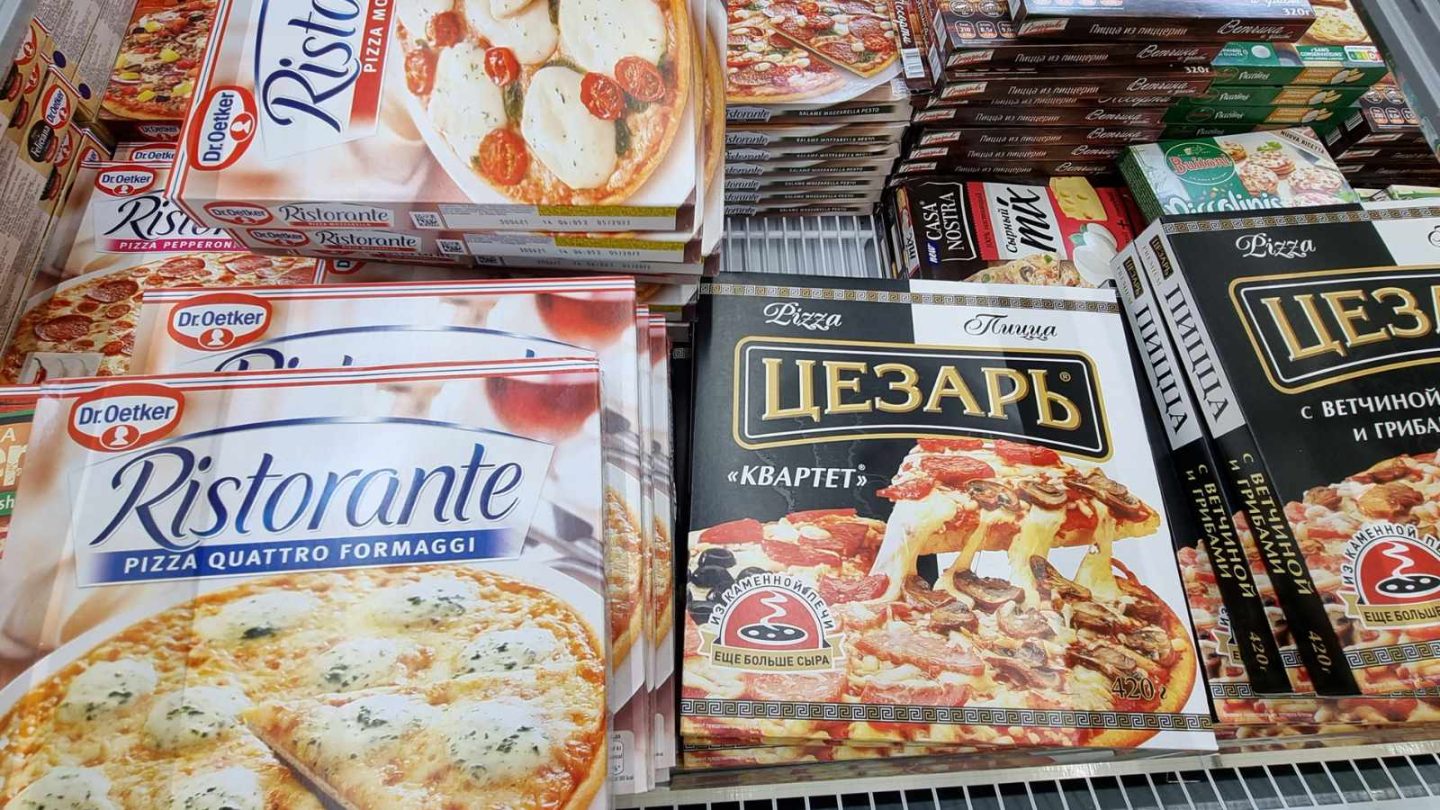
Frozen pizza is a household favorite, but its ingredients often include trans fats, processed meats with nitrates, and preservatives like sodium nitrite. These additives have been linked to health concerns, including cancer risks and heart disease.
If stricter regulations are enacted, manufacturers may need to reformulate frozen pizzas with healthier, more natural ingredient profiles.
Artificial Sweeteners
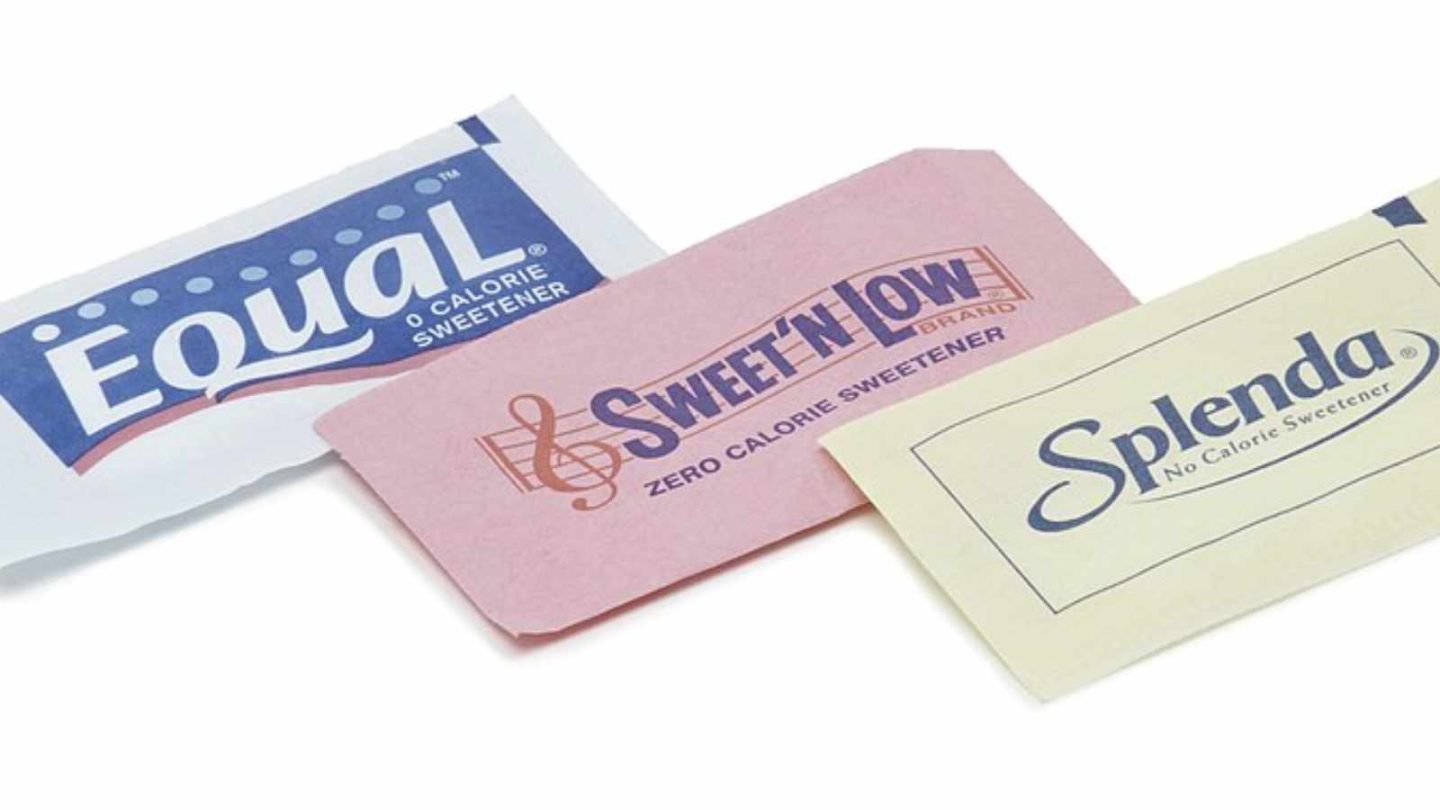
Products containing artificial sweeteners such as aspartame or saccharin often promise low-calorie alternatives to sugar but face criticism for their potential health effects. These additives are scrutinized for their long-term impacts, including concerns related to metabolic and gut health.
Kennedy’s policies may prioritize stricter oversight, pushing manufacturers to explore safer alternatives or even phase out some artificial sweeteners.
Sports Drinks

Sports drinks, widely consumed for hydration, frequently contain artificial dyes and sweeteners, which are tied to potential metabolic and behavioral concerns. They are also high in added sugars, contradicting their reputation as a health-focused product.
A typical 12-ounce bottle contains around 21 grams of sugar. Kennedy’s policies could drive the reformulation of these beverages, focusing on removing synthetic additives while maintaining their functionality.
Beef Jerky
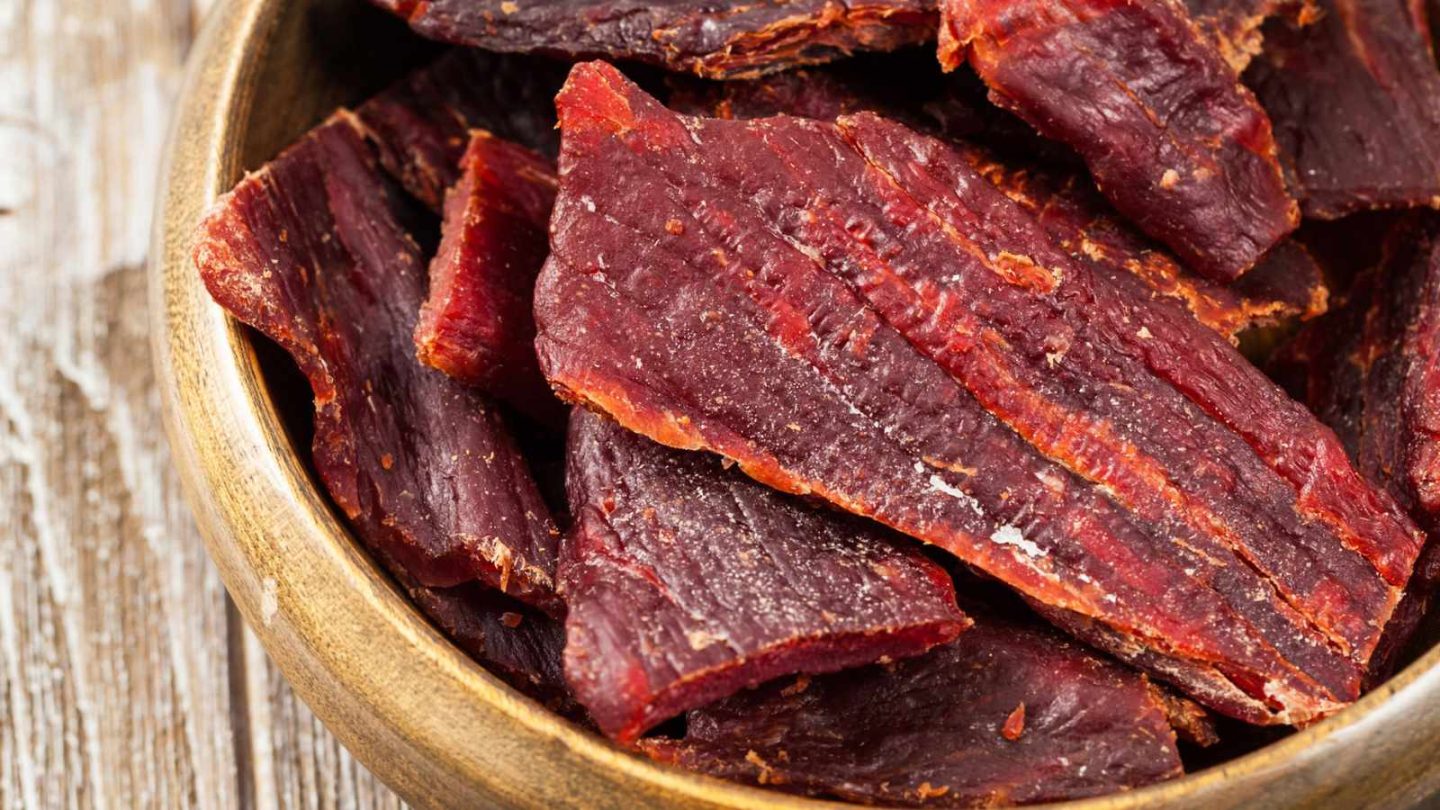
Beef jerky, valued for its portability and protein content, often relies on nitrates and nitrites for preservation, which have been associated with cancer risks. Its high sodium content also poses cardiovascular concerns. Under tighter regulations, manufacturers may be compelled to reduce the use of harmful preservatives and sodium levels, resulting in a cleaner, more health-conscious product.
Disclaimer – This list is solely the author’s opinion based on research and publicly available information.
Read More:

- 10 Extreme Measures People Took To Travel on the Cheap
- Do You Need A Passport To Go on A Cruise
- 15 Best Countrıes to Vısıt in Afrıca