14 Day Trips from Naples That Are Worth the Journey
Naples puts you in reach of some of southern Italy’s most fascinating destinations, many within just a couple of hours. These are places where history, nature, and culture sit side by side, ready for exploration.
Each trip on this list offers different experiences, from seeing ancient ruins to coastal towns to volcanic peaks. You won’t need to rush; just pick a direction and let the day unfold.
Baiae
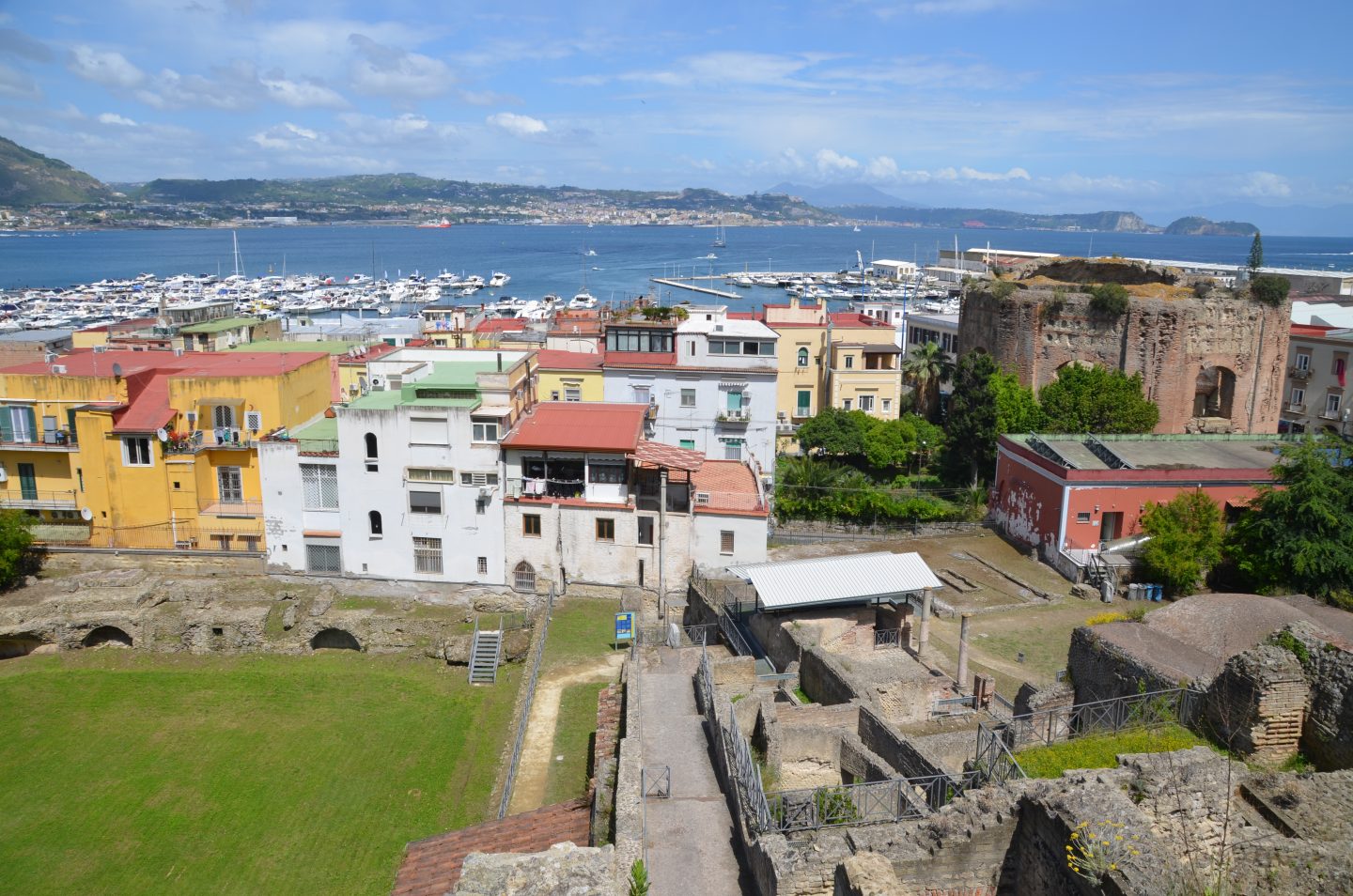
Baiae isn’t just ruins; it’s submerged history. Dive tours reveal mosaics and walkways under the water, preserved in what was once an extravagant Roman resort. Above ground, sulfuric steam rises from the soil in places like the Temple of Mercury. It’s a strange, forgotten pocket of history that is still very much alive.
Pompeii

Few places make history feel so immediate as Pompeii. Walking its stone streets, you see remnants of daily Roman life frozen in place: frescoes, bakeries, and bathhouses. It’s a stark reminder of how Vesuvius reshaped everything in hours. The sprawling but well-organized site has clear paths and signage, making exploration intuitive.
Capri
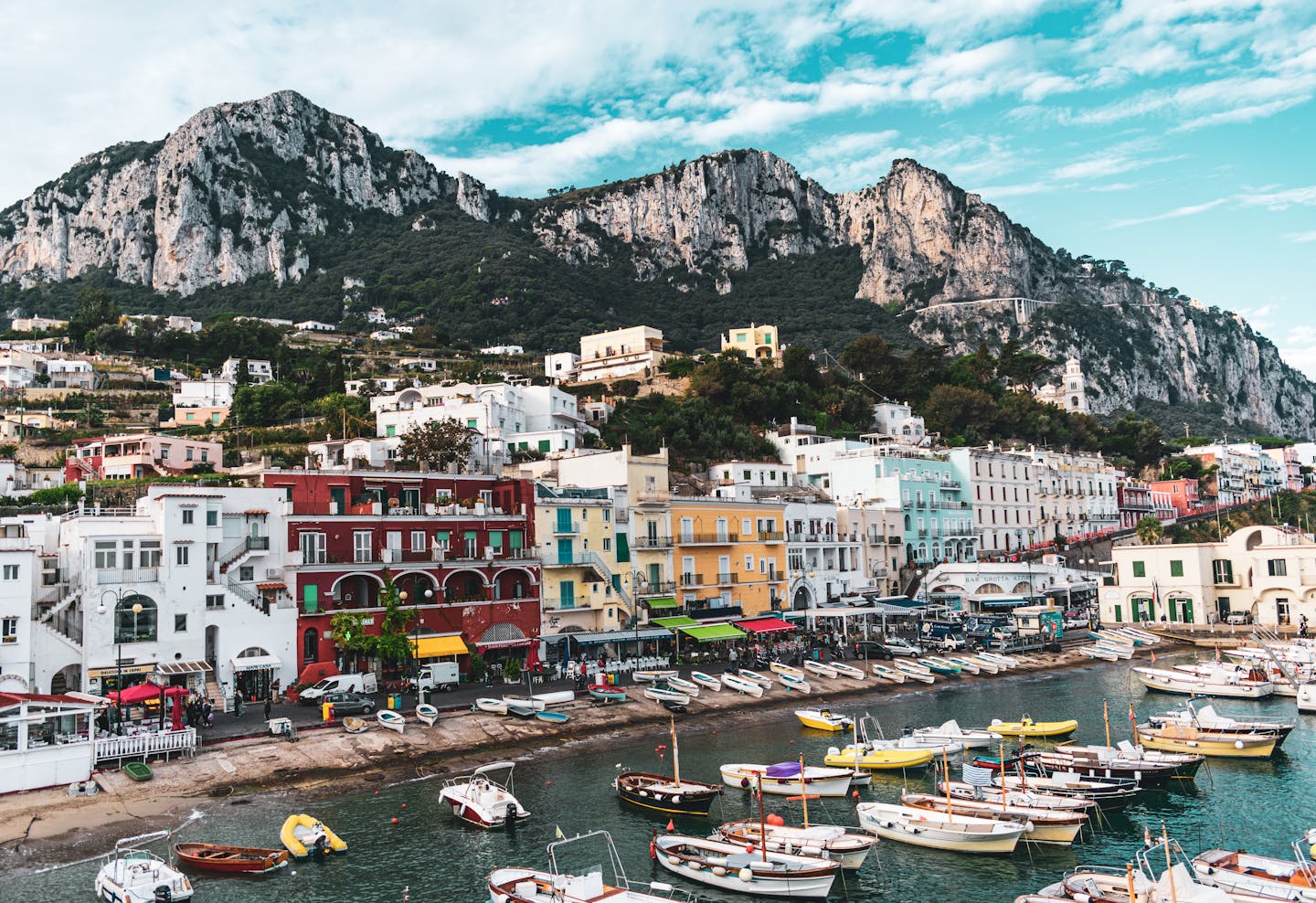
Capri mixes natural wonder with refined flair. A boat tour around the island introduces you to sea caves, towering cliffs, and secluded beaches. On land, a funicular brings you into town, where narrow lanes lead to panoramic viewpoints and designer shops. Even with crowds, the island keeps its charm intact.
Sorrento
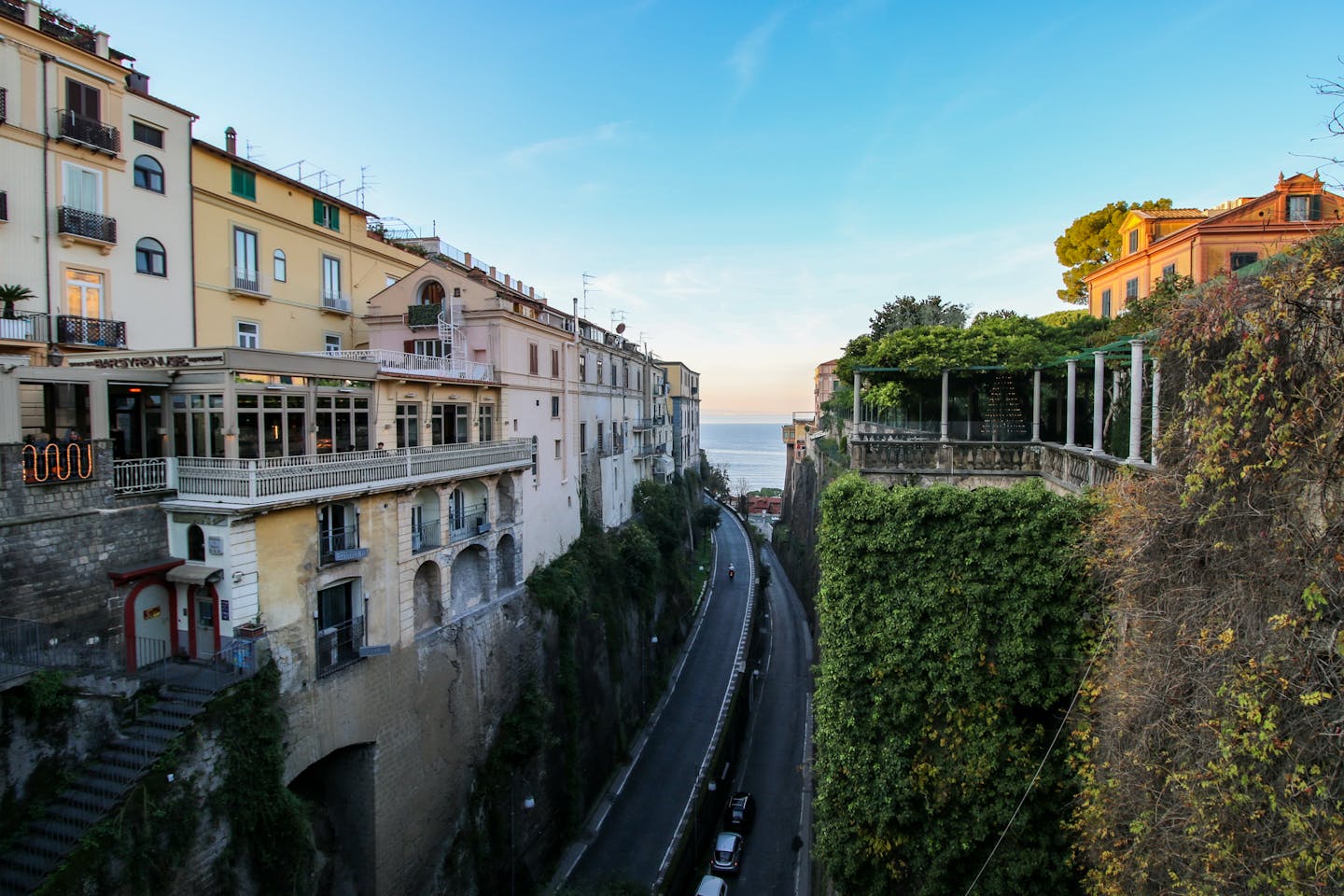
Sorrento offers a gentler pace without sacrificing beauty. Its historic center is filled with craft stores, citrus stands, and family-run cafés. The cliffside views stretch across the water to Mount Vesuvius, offering a different perspective. It’s a great place to unwind with a cold limoncello and the sound of church bells in the air.
Procida
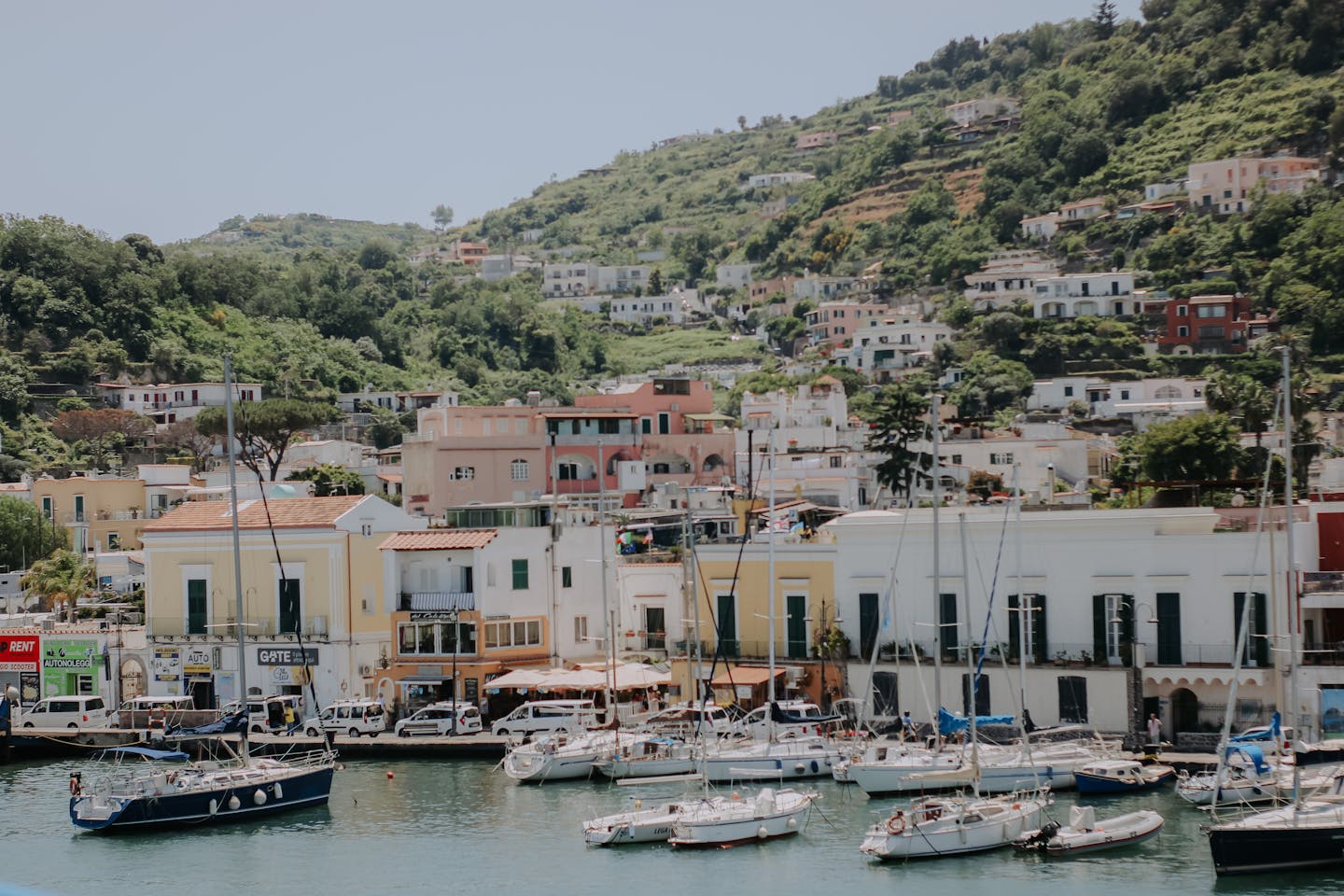
Smaller and more understated, Procida trades glamour for authenticity. The port of Marina Corricella is postcard-perfect, with cascading rows of pastel buildings. Local fishermen mend nets along the dock while kids race through quiet backstreets. It’s the kind of place where time feels irrelevant.
Herculaneum

Compared to Pompeii, Herculaneum feels compact and personal. The details here are astonishing, like intact beams, mosaics, and ancient food counters. Because it was buried under volcanic mud instead of ash, preservation levels are higher. It’s quieter, too, making it easier to linger and absorb what you see.
Mount Vesuvius
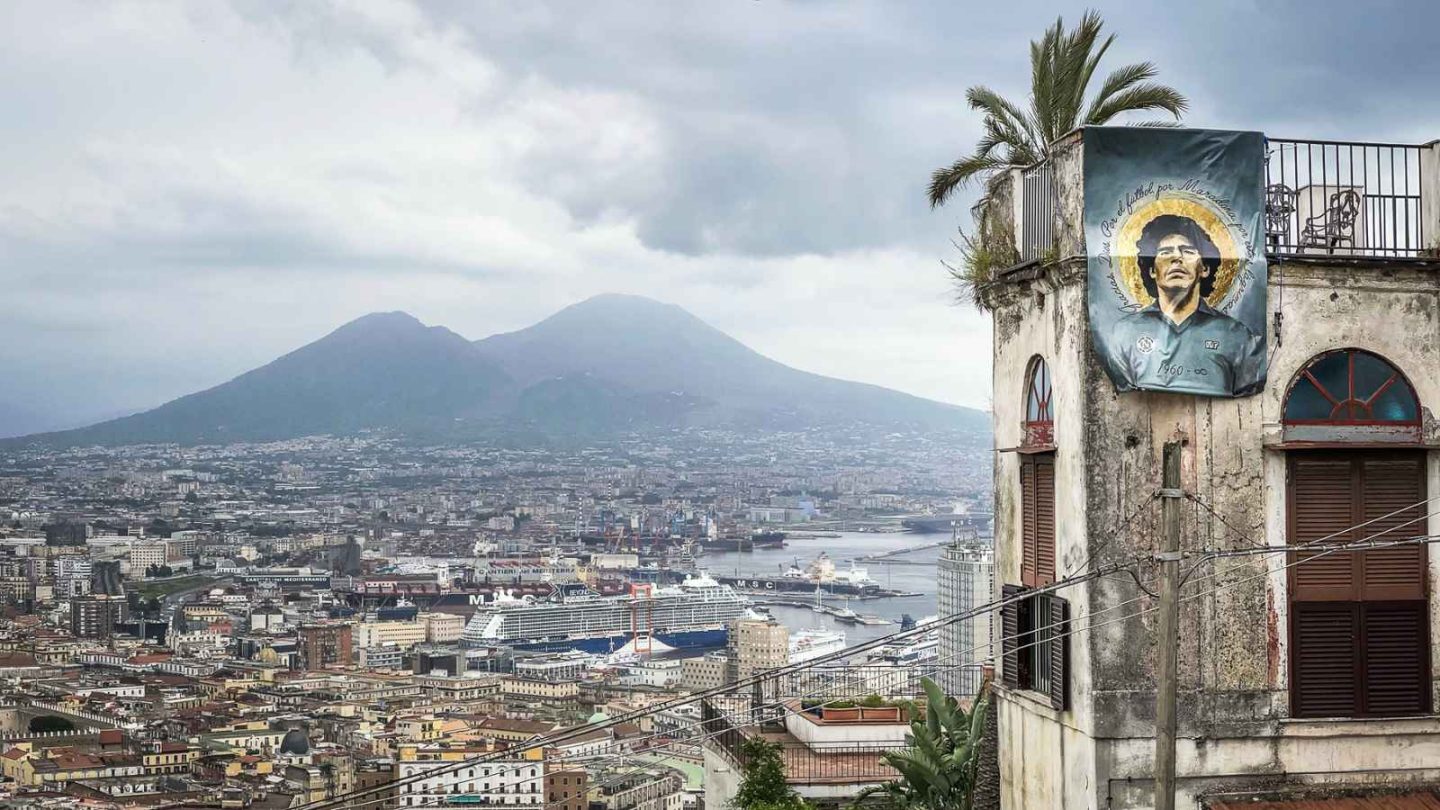
A hike up Vesuvius places you face to face with the volcano that changed history. The path winds through scrub and ash before reaching the summit, where the crater reveals itself in quiet grandeur. On a clear day, the view sweeps across Naples and the bay. It’s a reminder that nature doesn’t just shape the land; it leaves stories behind.
Amalfi
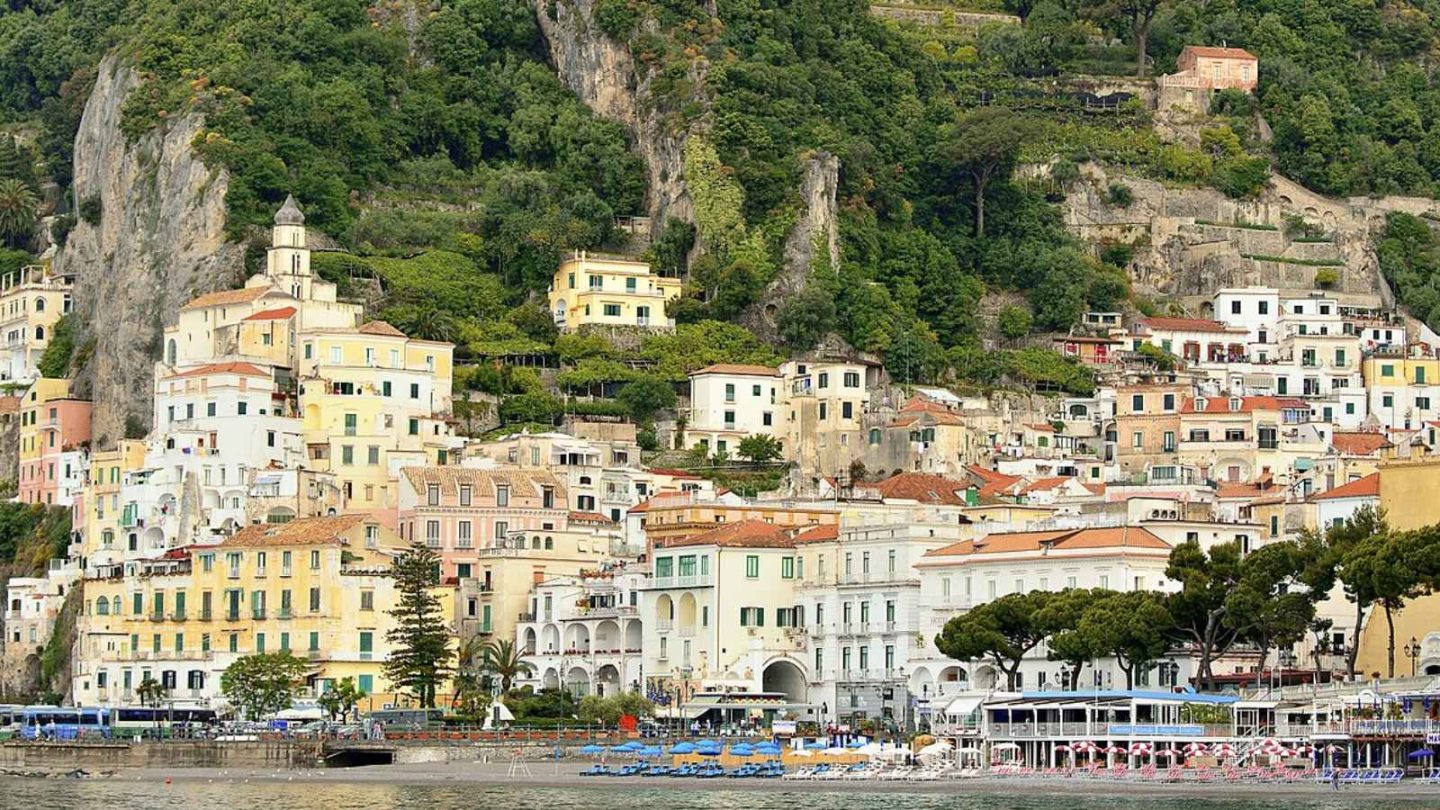
Amalfi’s layered charm is best appreciated slowly. The Duomo di Amalfi, with its striking staircase and bronze doors, anchors the lively main square. Limoncello shops and ceramic studios line the alleys, each offering local flair. Ferries offer a scenic ride, gliding past rugged coastlines and tucked-away villages.
Ravello

Set above Amalfi, Ravello is a hilltop retreat known for its music and serenity. The gardens at Villa Cimbrone and Villa Rufolo frame sweeping views over the sea. You can sit quietly among statues and blooms while listening to a string quartet warming up nearby. It’s a space that invites stillness more than sightseeing.
Ischia
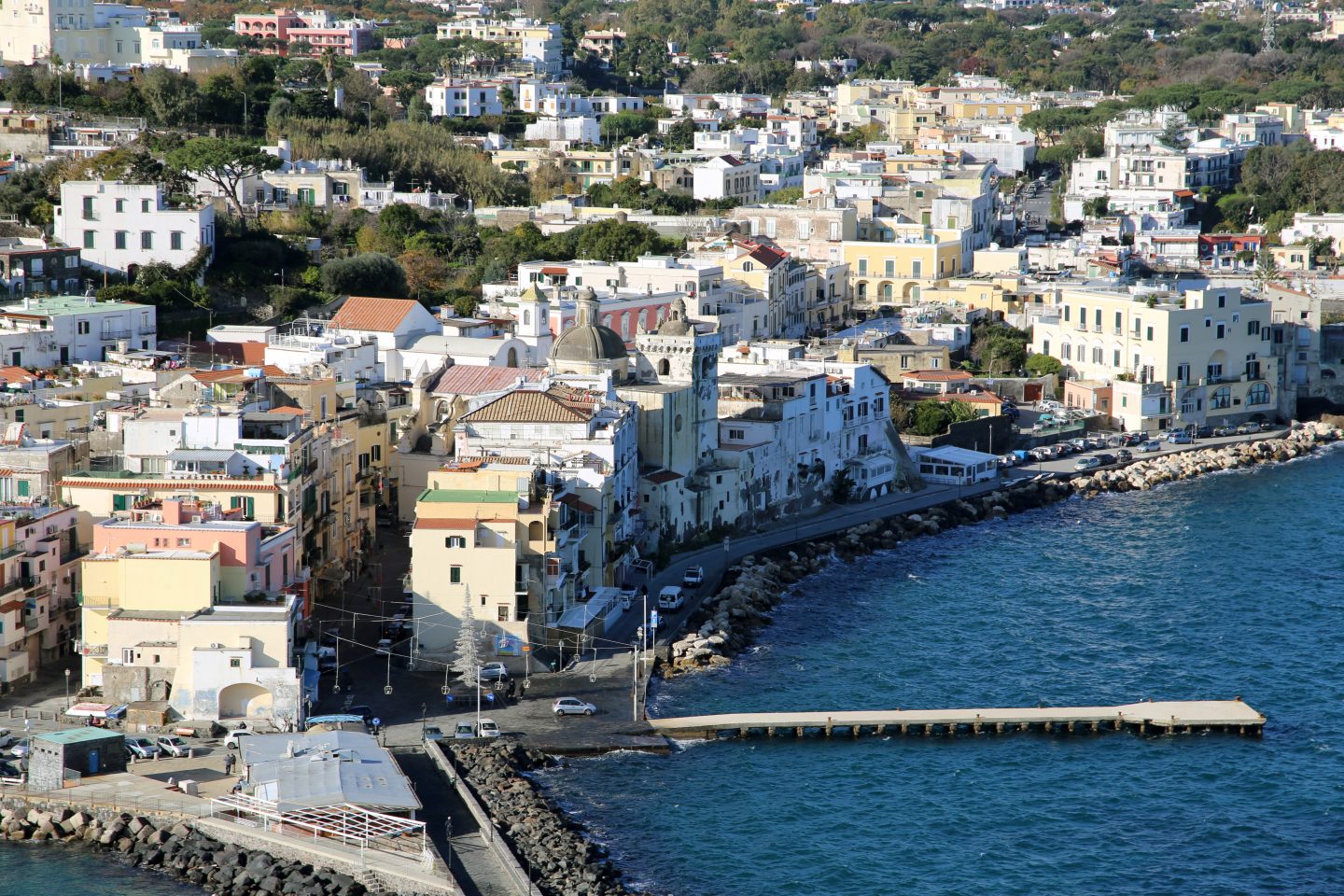
Ischia offers a more expansive island experience than Capri. Thermal parks, mountain hikes, and quiet beaches all share space on this green, volcanic island. Aragonese Castle provides a historic anchor, perched dramatically above the sea. There’s a sense of generosity here: in the land, the food, and the pace.
Caserta
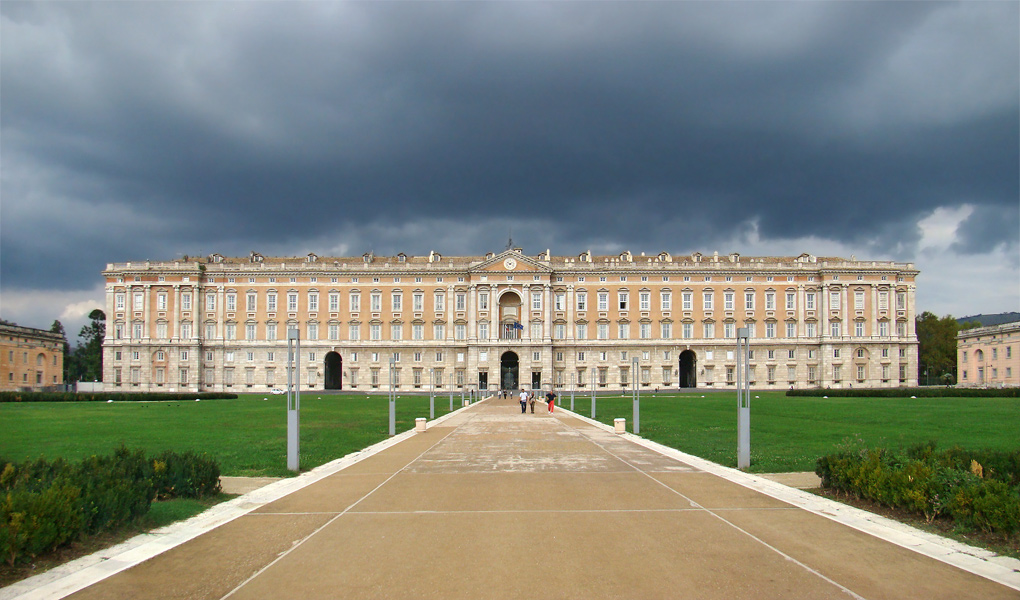
The Royal Palace of Caserta is grand in every sense. Inside, sweeping staircases lead to chandelier-lit halls and ceiling frescoes that rival anything in Europe. Outside, fountains and sculptures guide you through a park that seems to stretch forever. A short train ride brings you into a world of Bourbon opulence.
Pozzuoli
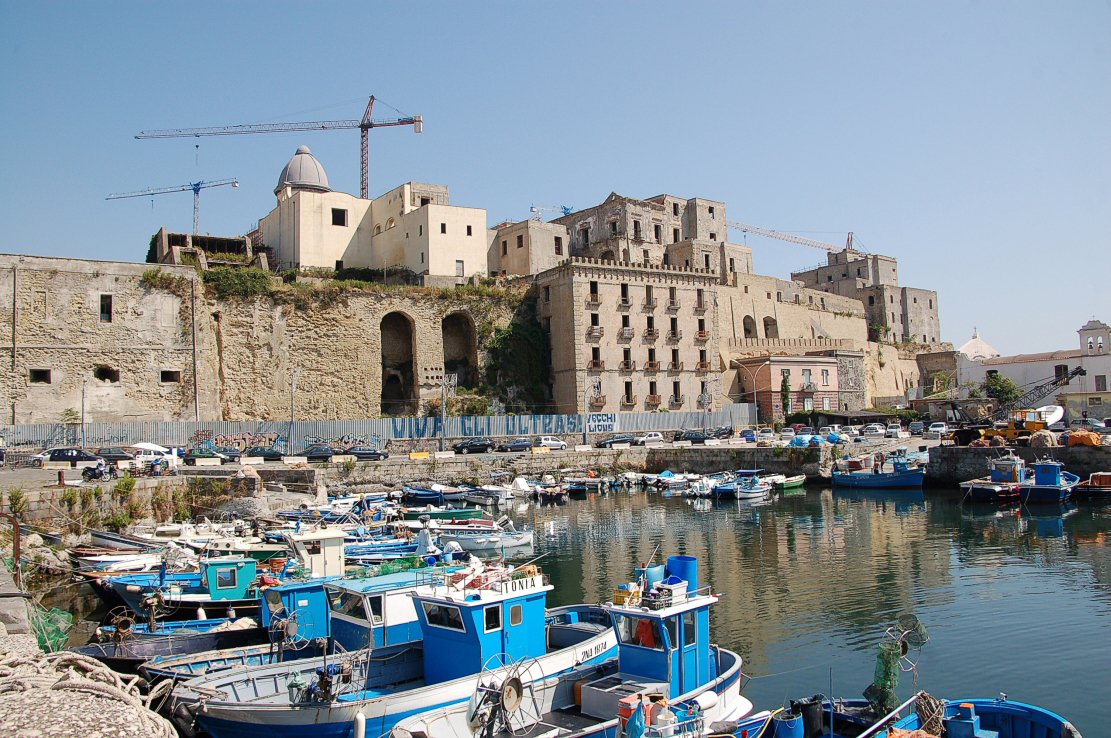
Pozzuoli brings together history and geothermal drama. The Flavian Amphitheater is well-preserved and lets you wander beneath the arena floor. Nearby, the still-active Solfatara crater bubbles and hisses, giving you a glimpse into the earth’s restless energy. It’s an ideal blend of science and story.
Cumae
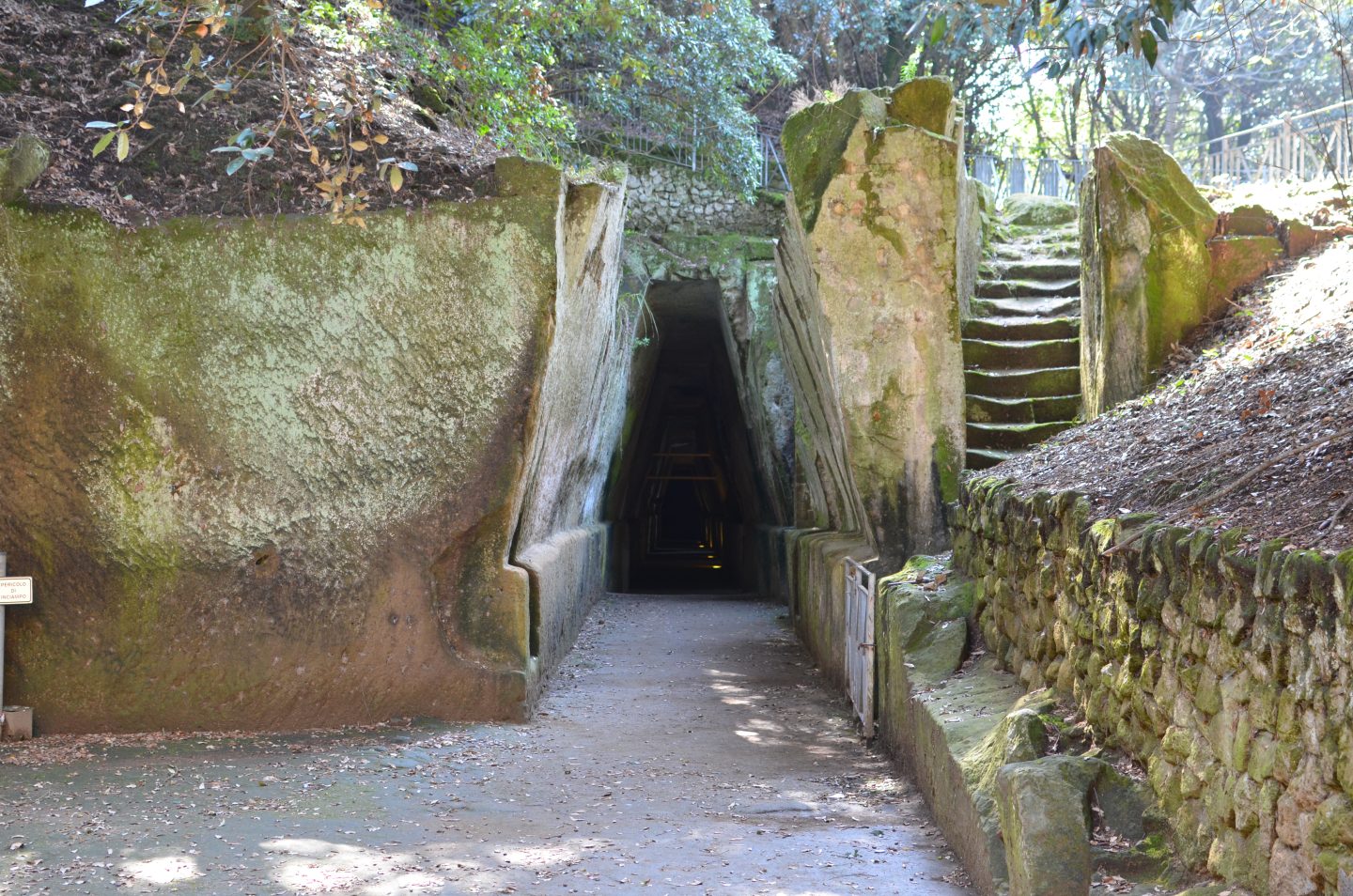
Cumae carries whispers of myth and migration. The ancient Greeks landed here, and it’s where the Sibyl was said to speak in riddles. The archaeological park leads you into arched corridors and open-air sanctuaries. It’s not as polished as other sites, but it’s steeped in something older and deeper.
Paestum
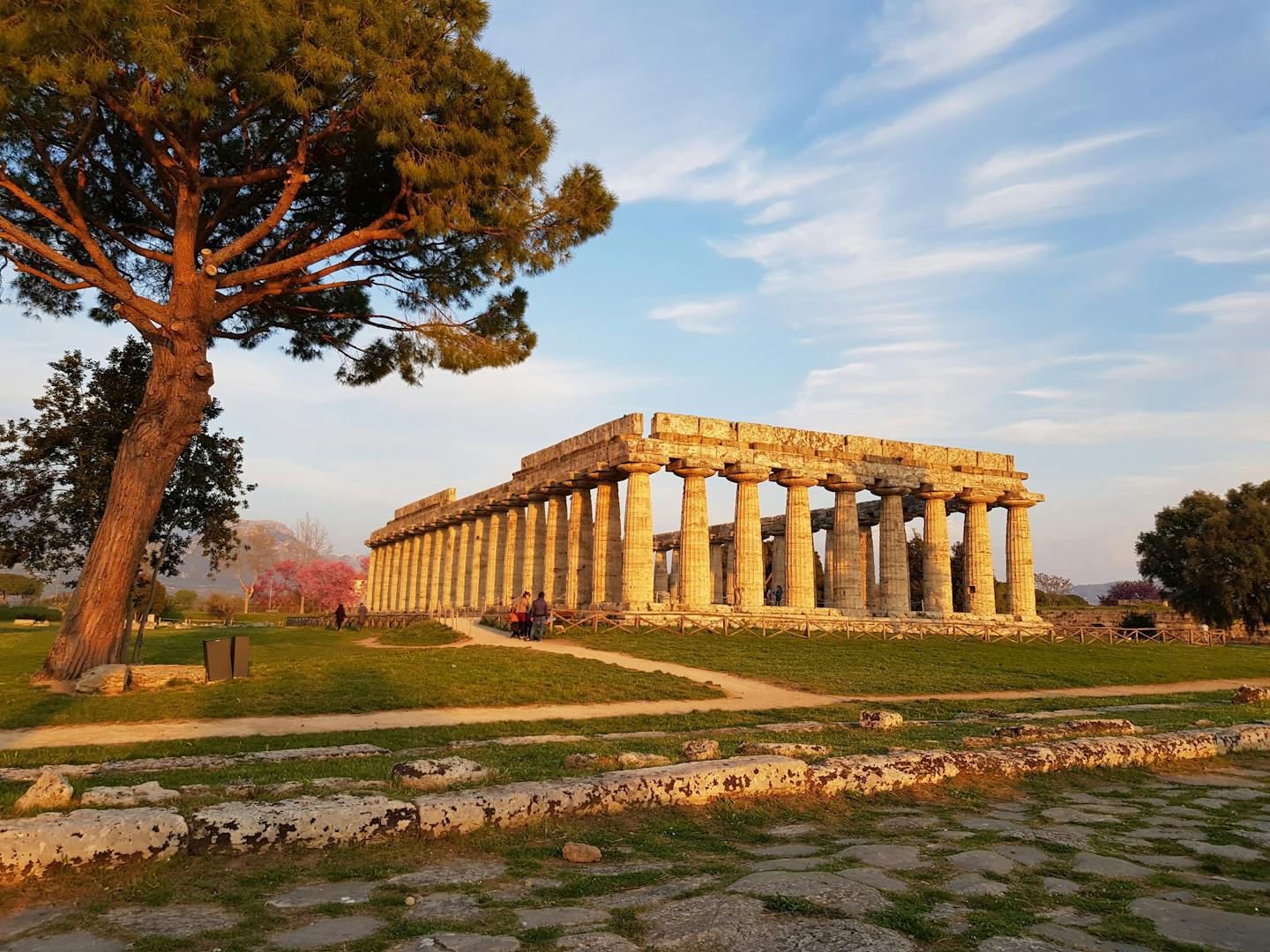
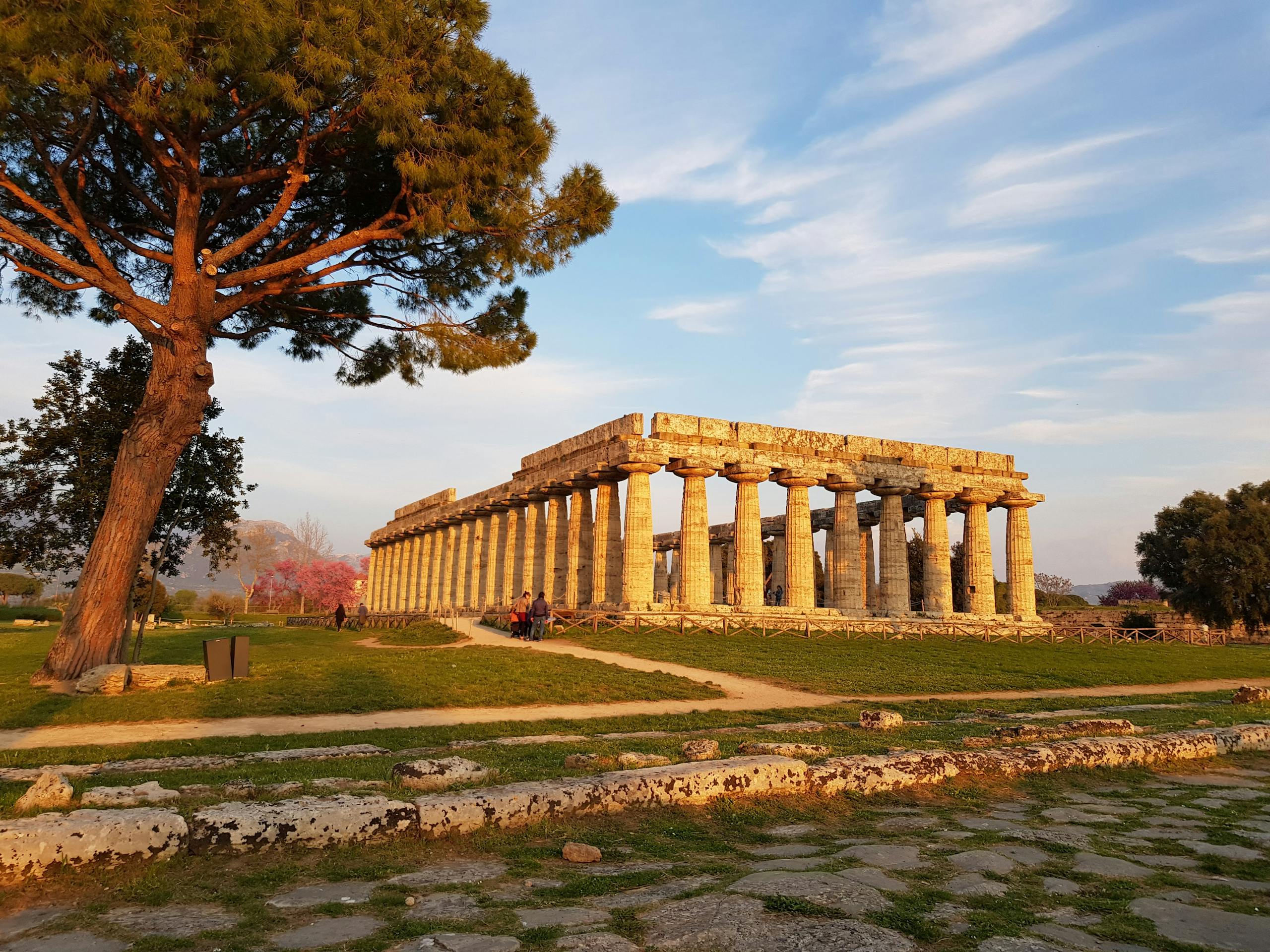
The temples of Paestum rise suddenly from flat terrain; their columns are massive and symmetrical. Unlike other ruins, these belong to the Greeks, not the Romans, offering a shift in cultural tone. The nearby museum houses painted tombs and artifacts that deepen your understanding of the site. It’s less crowded and feels more contemplative.
Disclaimer: This list is solely the author’s opinion based on research and publicly available information.
Read More:

- Ultimate Guide To Picking The Best Travel Credit Card
- The 5 Best Budget Airlines in the United States
- 15 Best Countrıes to Vısıt in Afrıca