13 Reasons Why Americans Will Need More Than a Passport to Visit Europe in 2026
Americans traveling to Europe have long enjoyed relatively easy entry with just a passport. That era is about to change. Starting in 2026, new rules will add extra steps before you can stroll through the streets of Paris or grab a coffee in Rome.
These new requirements aren’t just bureaucratic red tape. They’re part of a bigger shift in how Europe handles border control, security, and digital verification.
Electronic Travel Authorization Is Now Mandatory

The EU is rolling out ETIAS, which stands for European Travel Information and Authorization System. It’s similar to the U.S. ESTA program. You must apply online before your trip, pay a small fee, and wait for approval. It’s not a visa but an extra step no one had to worry about before.
Short Trips Still Require Approval

Even if you’re only staying for a weekend getaway, ETIAS still applies. This isn’t just for people planning extended trips. Whether it’s a three-day conference in Berlin or a wine tour in Portugal, you’ll need that authorization.
Not All Countries Are in the Same Boat

Even though ETIAS covers most of Europe, not every country is part of the EU or the Schengen Zone. That means rules may vary depending on where you’re going. A trip that crosses multiple borders might have different rules in each place. It’s best to check before you book your flights.
Biometric Data Will Be Collected

Prepare to provide more than your passport details. The new Entry/Exit System (EES) will require fingerprint scans and facial recognition at the border. This tech tracks travelers’ stays and helps catch people who overstay their welcome. The process might slow things down, especially early on.
Faster Processing Isn’t Guaranteed

ETIAS approval usually comes through in minutes, but that’s not always true. Some applications might get flagged for extra review, especially if your answers raise questions. Waiting until the last minute could delay your plans.
You’ll Need To Pay A Fee

The ETIAS application isn’t free. It’ll cost around €7 (roughly $8), and while that’s not much, it’s still something travelers didn’t have to budget for before. For families or frequent travelers, that cost adds up.
Entry Doesn’t Guarantee Exit

The new systems will track your entry and exit in real time. Overstaying, even by a day, could lead to fines or travel bans. You’ll need to be extra careful with how long you stay, especially if your plans shift unexpectedly.
More Scrutiny On Your Background

ETIAS will screen your criminal history and travel behavior. You might not get approved if you’ve been denied entry elsewhere or have a concerning record. Even minor infractions could raise red flags.
Travel Insurance Might Be Required
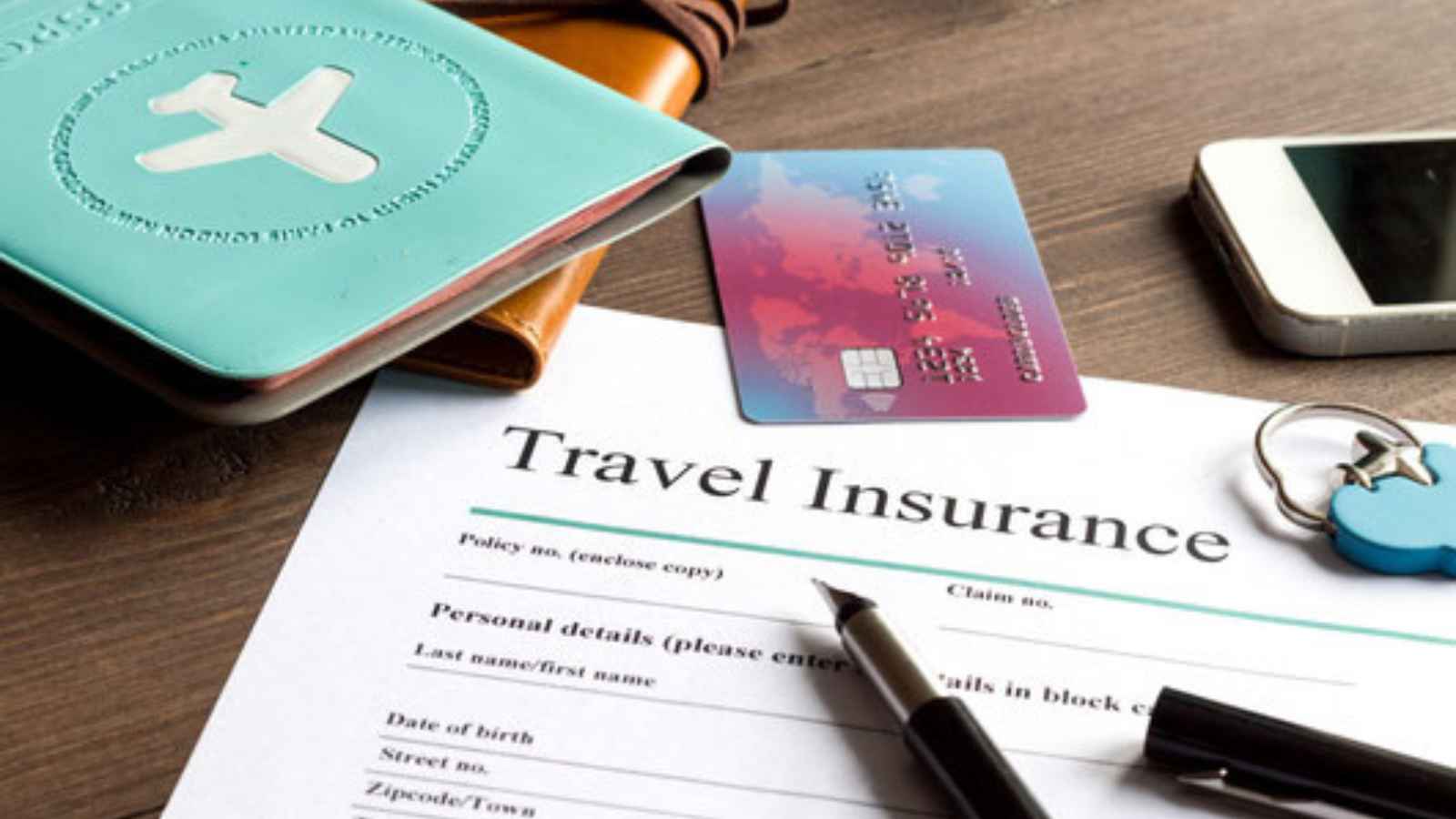
Some Schengen countries are considering requiring proof of travel insurance with medical coverage. If that becomes standard, you’ll need paperwork to back it up, especially if you need care while abroad.
Airlines Might Enforce Pre-Checks

Airlines will be required to check your ETIAS approval before letting you board. You could be denied boarding at the gate if your authorization is missing or expired. That means one missed email could cost you your trip.
More Documents May Be Requested

Border agents can still ask for proof of accommodation, return flights or financial means. ETIAS approval won’t shield you from those requests. If anything, it might make agents even more strict about double-checking.
Kids Aren’t Exempt

Children also need their own ETIAS authorization. The fee will be waived for minors and adults over 70, but the application process is still required. Steps cannot be skipped just because someone is under 18.
Renewals And Expiration Dates Matter
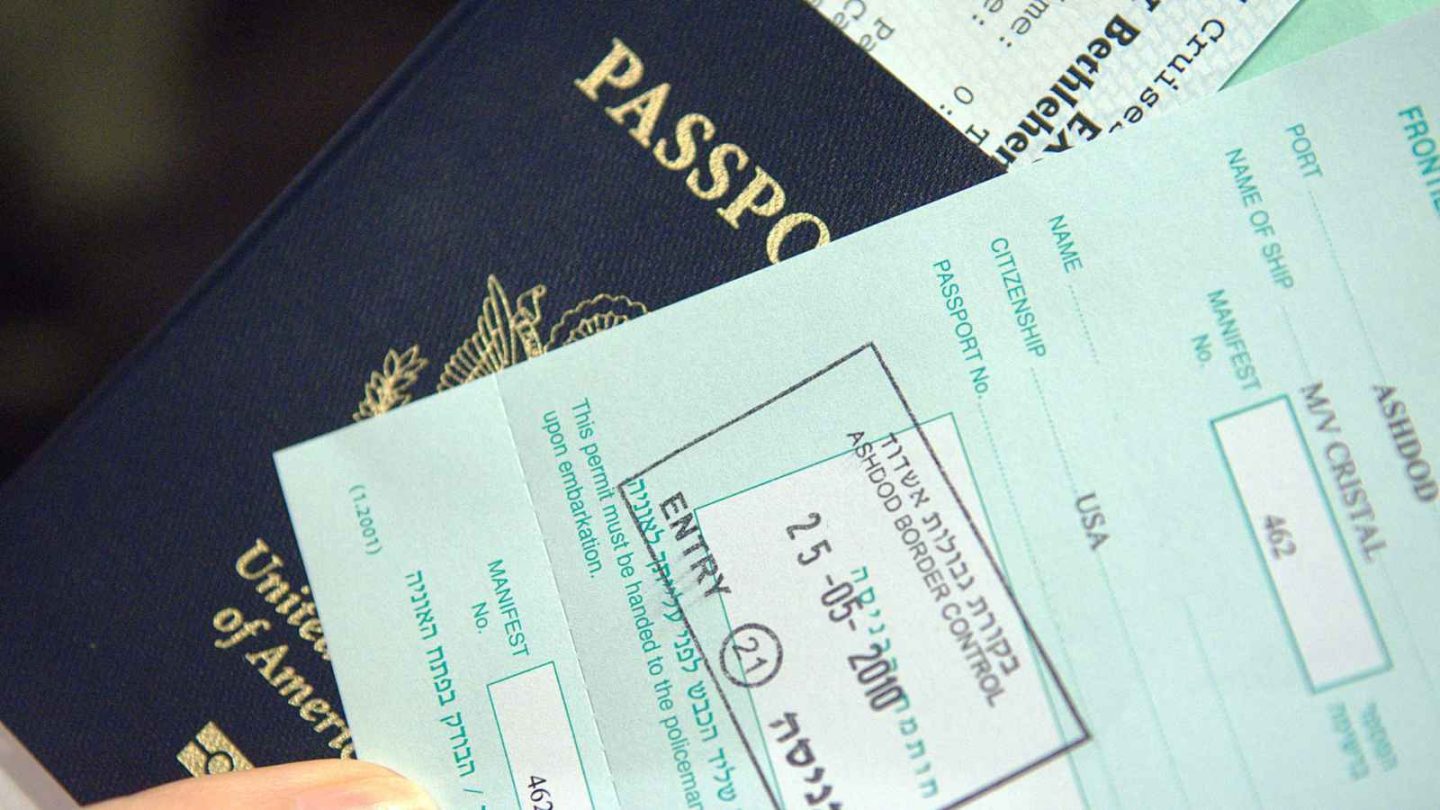
ETIAS authorization is valid for three years or until your passport expires, whichever comes first. If you renew your passport, you’ll need to reapply. That’s one more thing to track, especially for people who travel often.
Disclaimer: This list is solely the author’s opinion based on research and publicly available information.
You Might Also Like:

How To Stick To Your Holiday Budget and Avoid Debt: With the holiday season in full swing, many find themselves facing high expenses. The anticipation of gift-giving, coupled with the desire to create unforgettable moments, often leads to the common tradition of seasonal spending, with the average holiday budget reaching a considerable sum.