13 Oldest Structures in Europe Still Open to Tourists
Europe’s oldest structures tell stories carved in stone. These buildings have stood the test of time, enduring centuries of change, wars, and peace. Walking through their halls feels like stepping back in time, where each corner whispers secrets from the past.
Tourists flock to these ancient sites not just for their age but for the unique experience they offer. Exploring them offers a chance to connect with history on a personal level. The buildings show how people lived, loved, and built civilizations long ago.
Stonehenge
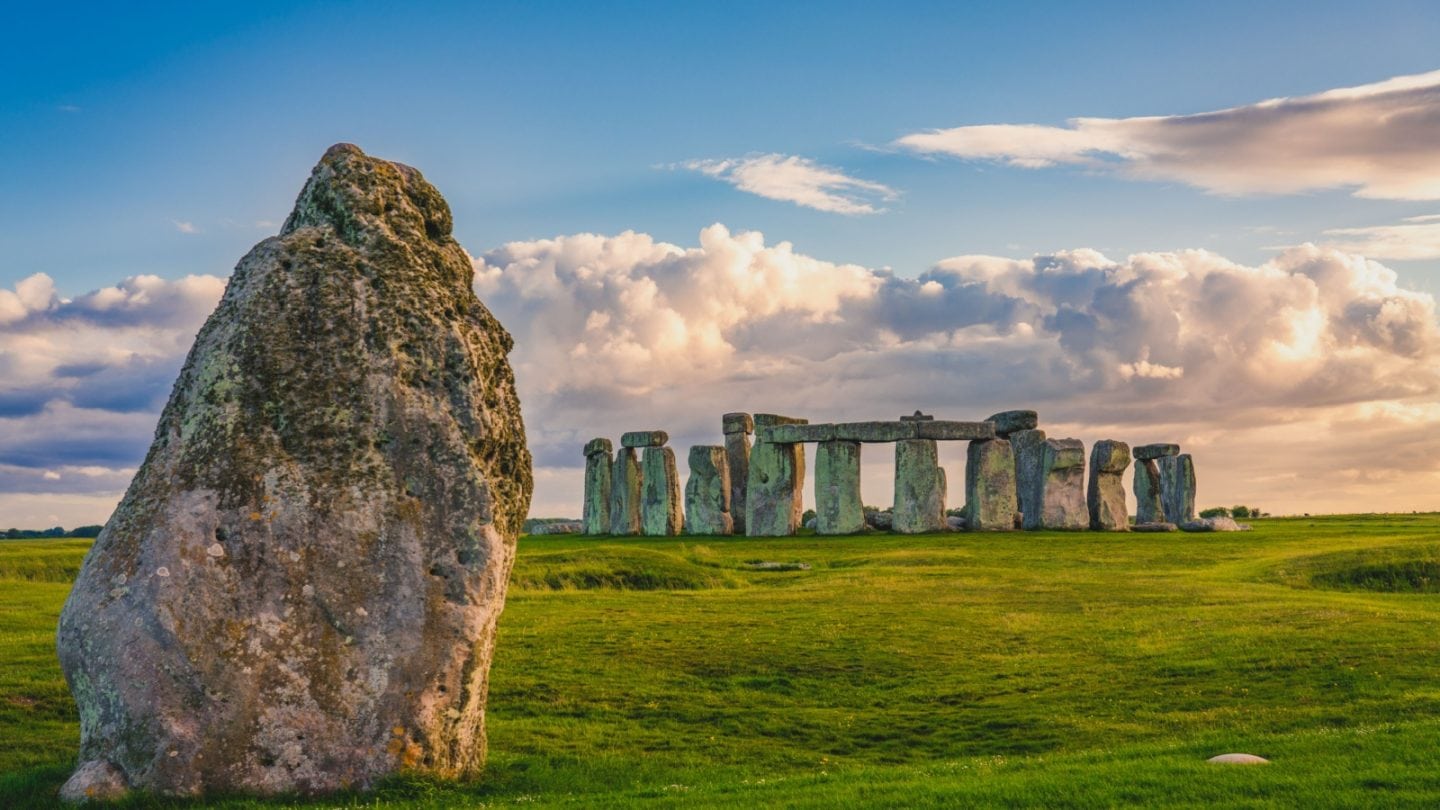
Stonehenge draws visitors with its mysterious arrangement of massive stones. Its origins stretch back over 4,500 years. People still wonder how those giant stones were moved and placed with such precision. Standing inside the circle, you can feel the weight of thousands of years pressing down. The site is a powerful reminder of human ingenuity and ancient rituals.
The Colosseum
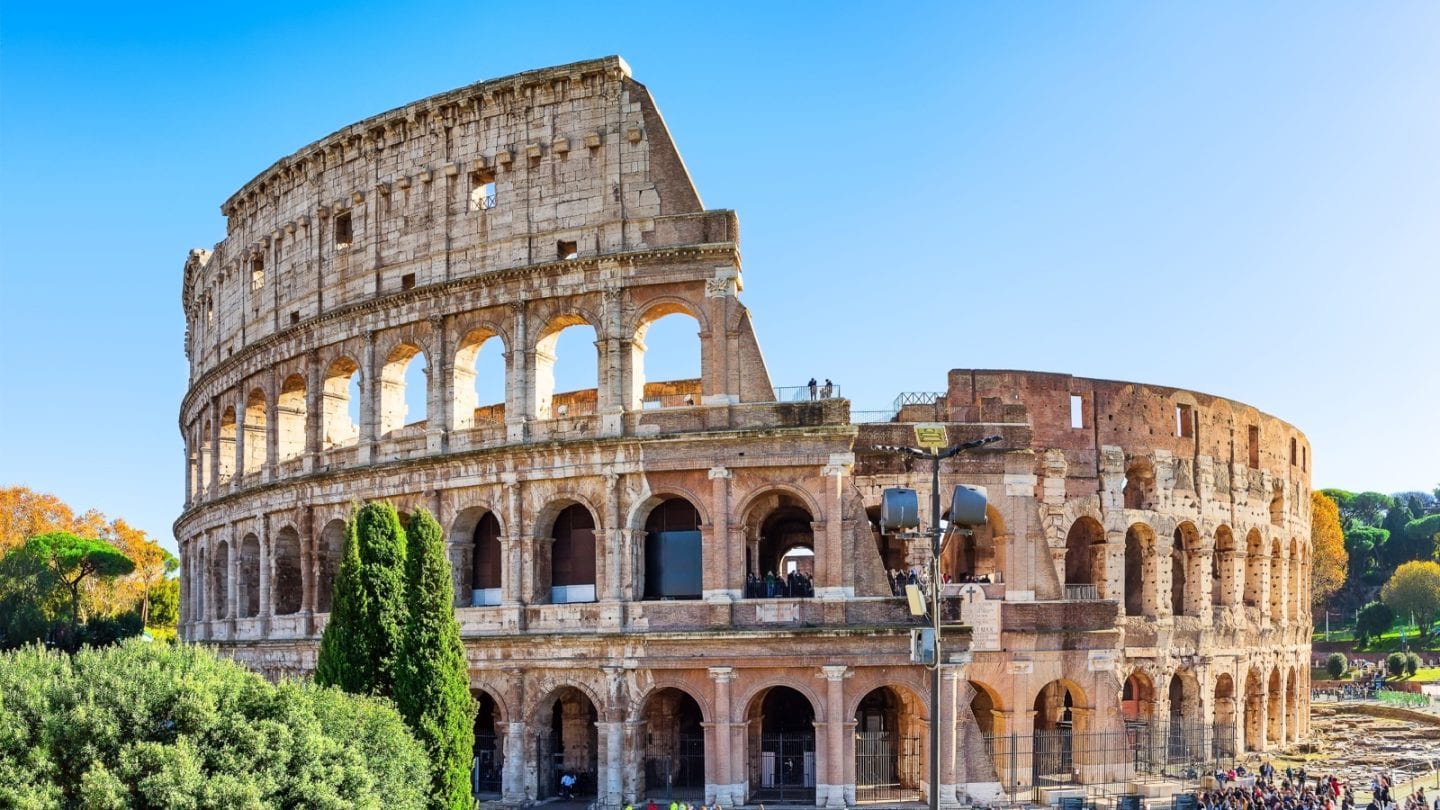
The Colosseum in Rome opens a window to the Roman Empire’s grand spectacles. Built nearly 2,000 years ago, it hosted gladiator battles and public events. Walking its corridors, you imagine crowds cheering in the hot sun. Despite damage from earthquakes and the passage of time, it remains one of the world’s most famous landmarks, symbolizing both glory and brutality.
The Parthenon
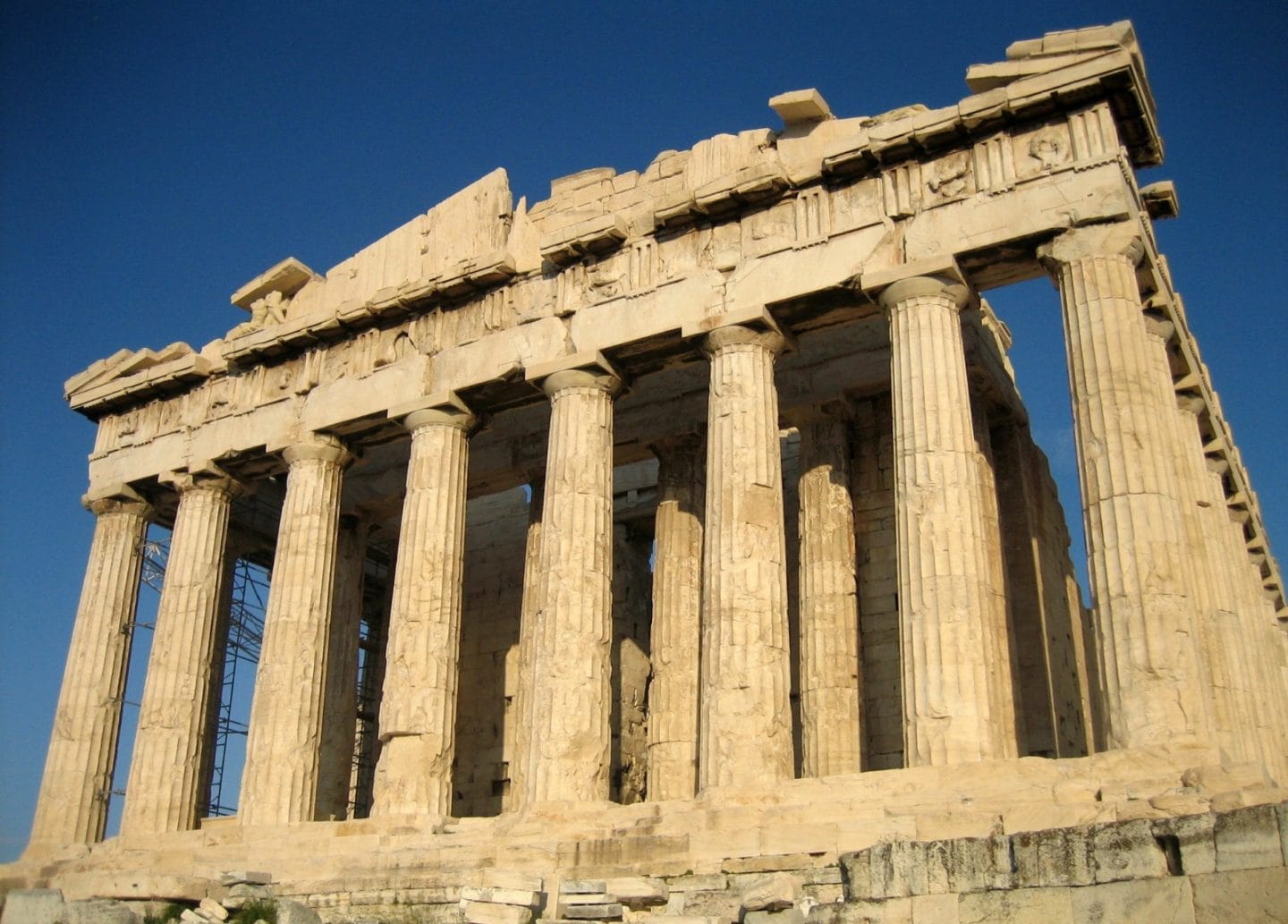
The Parthenon crowns Athens with its imposing columns and elegant design. Constructed in the 5th century BCE, it honors the goddess Athena. The building’s classical beauty has inspired architects for centuries. Visiting the Parthenon offers a glimpse of ancient Greek culture and the ideals they cherished.
Carnac Stones
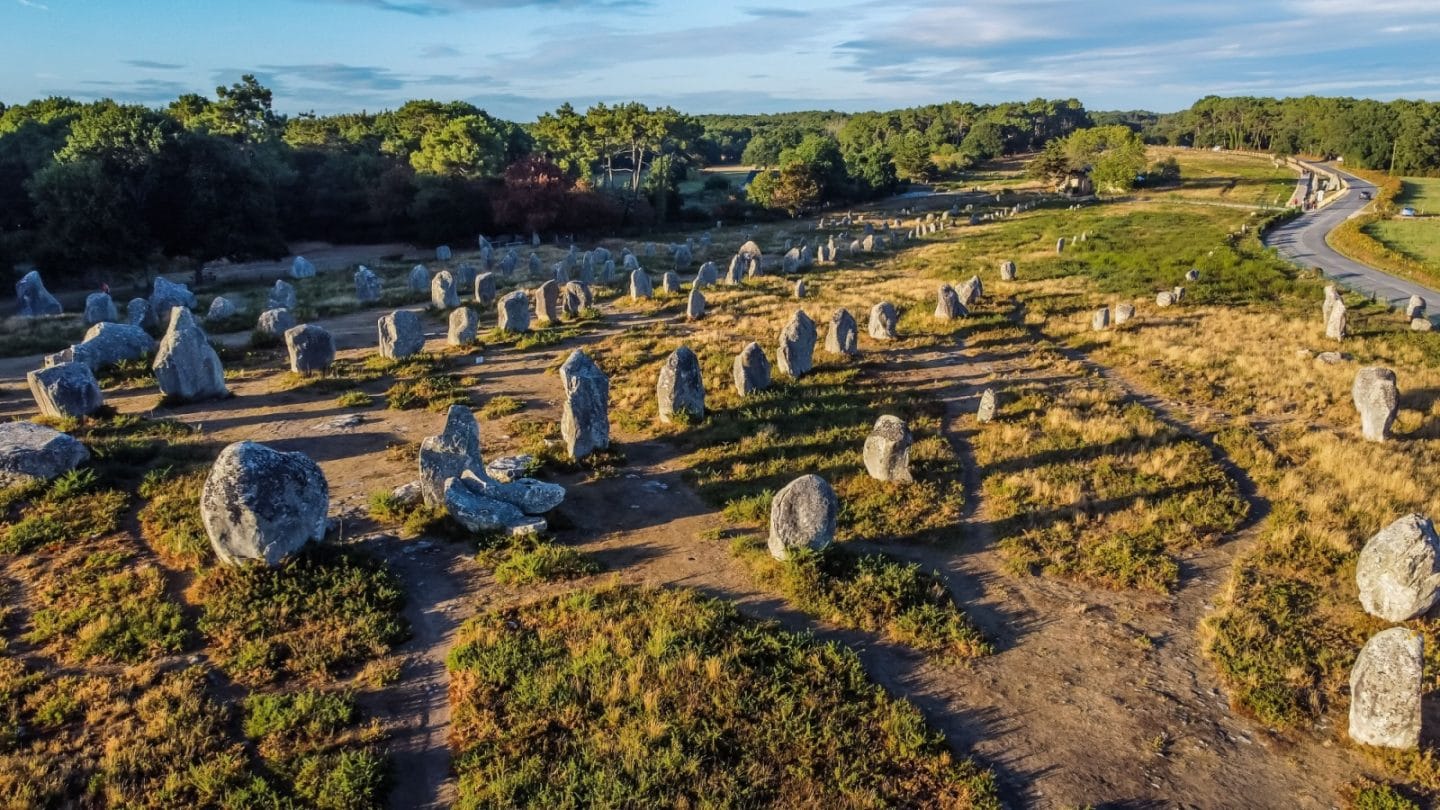
The Carnac Stones in France rank among Europe’s biggest prehistoric sites. Thousands of standing stones spread across fields in neat rows. Their true purpose remains a mystery to both historians and visitors. Walking through them feels like entering an ancient puzzle, one that encourages you to picture the ceremonies held long ago.
Basilica of San Vitale
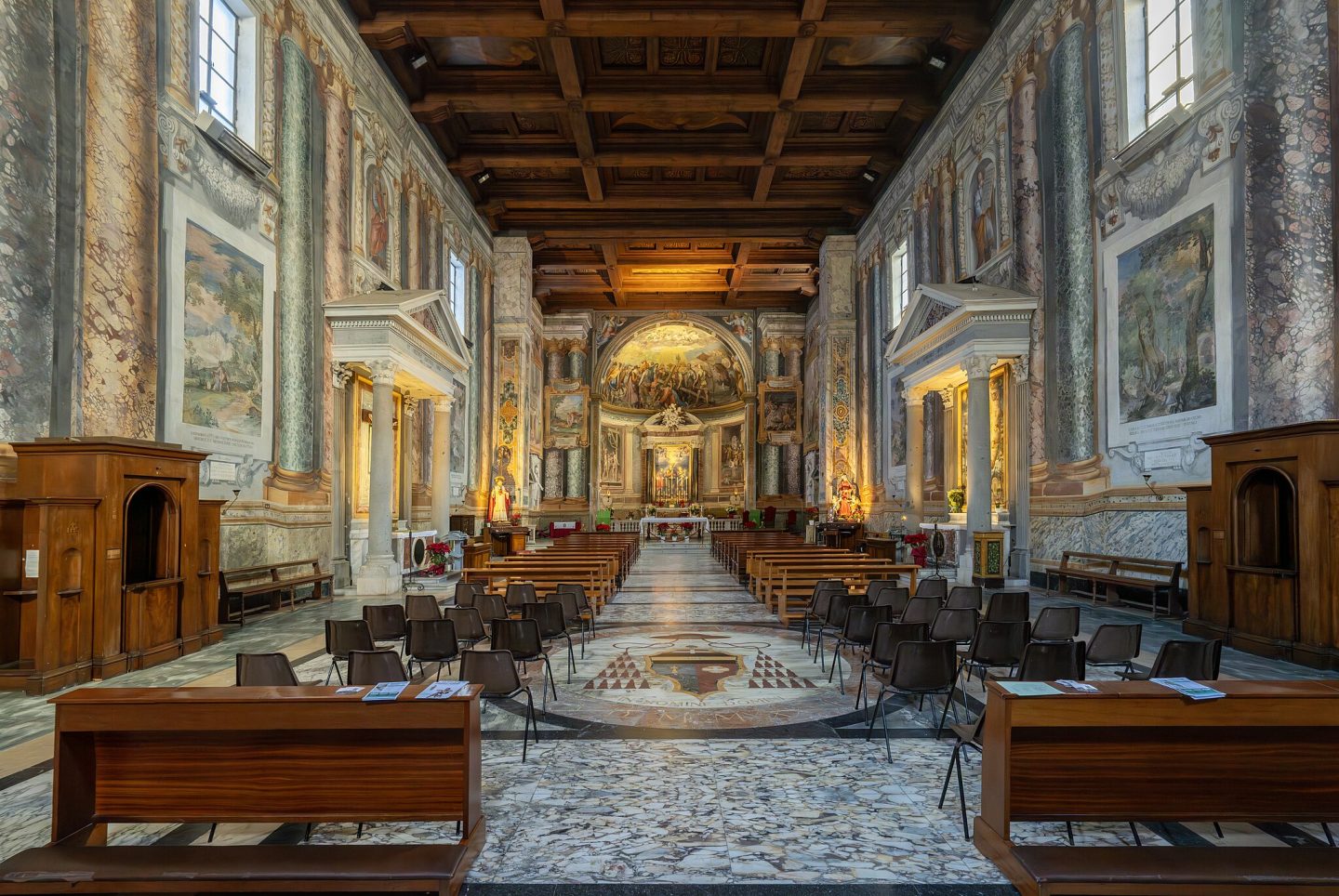
In Ravenna, Italy, the Basilica of San Vitale is awe-inspiring, boasting stunning mosaics that date back to the 6th century. The colorful designs depict biblical scenes with incredible detail. The building reflects the fusion of Roman and Byzantine art, showing a world where cultures mixed and thrived.
Neolithic Village of Skara Brae
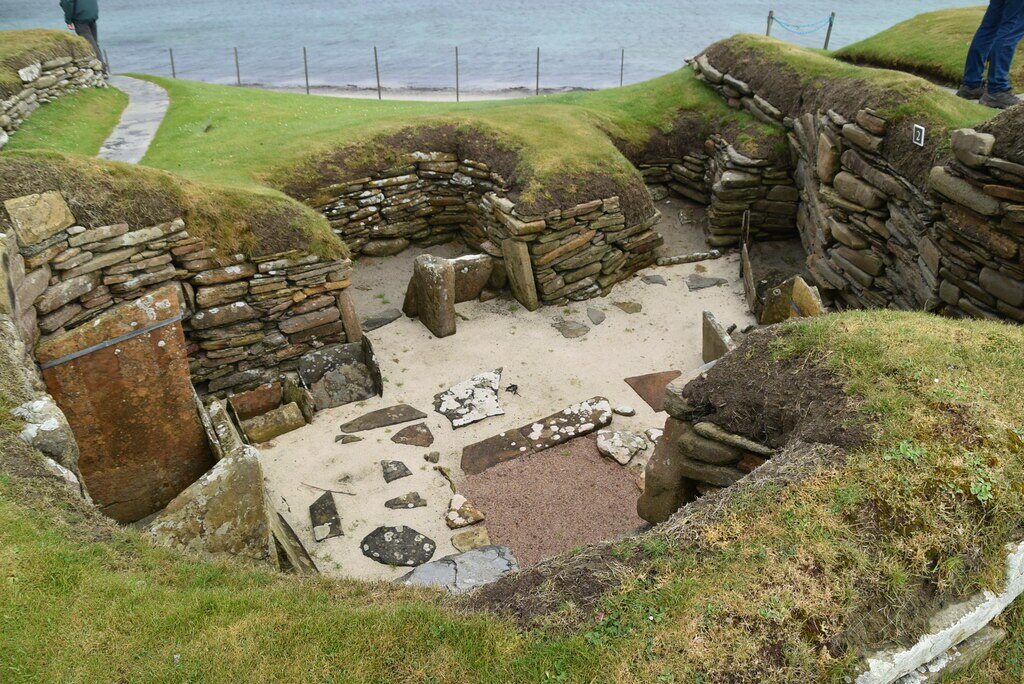
The Neolithic Village of Skara Brae in Scotland offers an intimate look at early life. Over 5,000 years old, the village’s stone homes reveal how people organized their daily lives. It feels like uncovering a forgotten neighborhood frozen in time, complete with furniture carved from stone.
The Alhambra
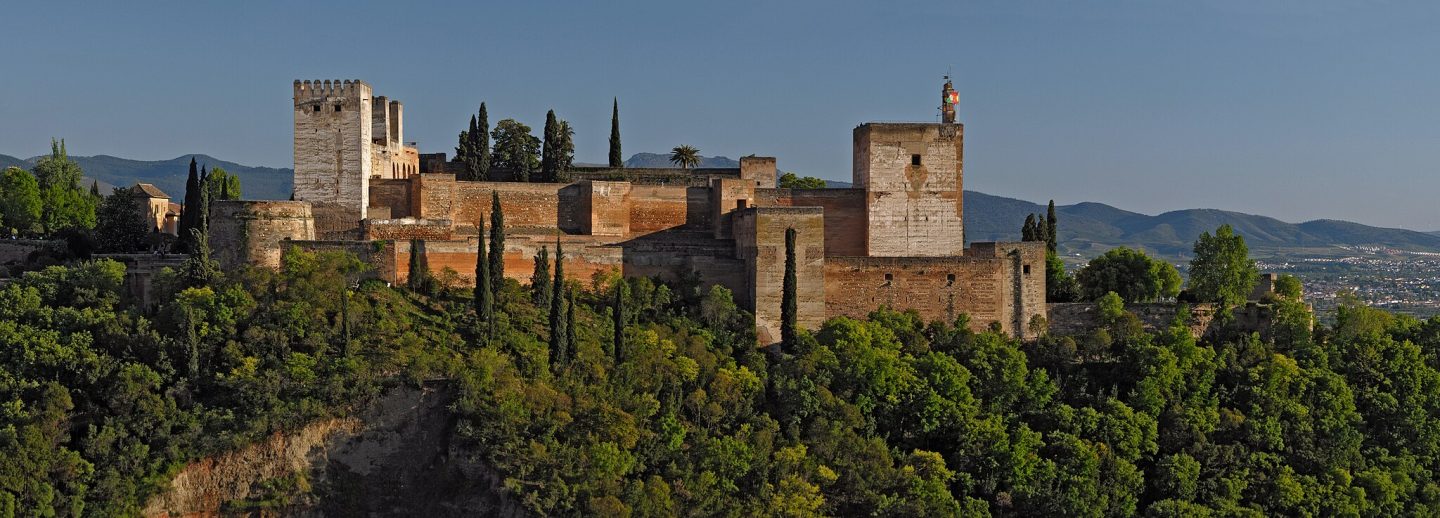
The Alhambra in Spain enchants visitors with its intricate Moorish architecture. Built in the 13th century, the palace mixes beauty with defense. Walking its gardens and halls, you sense the delicate balance between power and artistry. The Alhambra’s intricate tilework and serene courtyards invite reflection and admiration.
The Tower of London
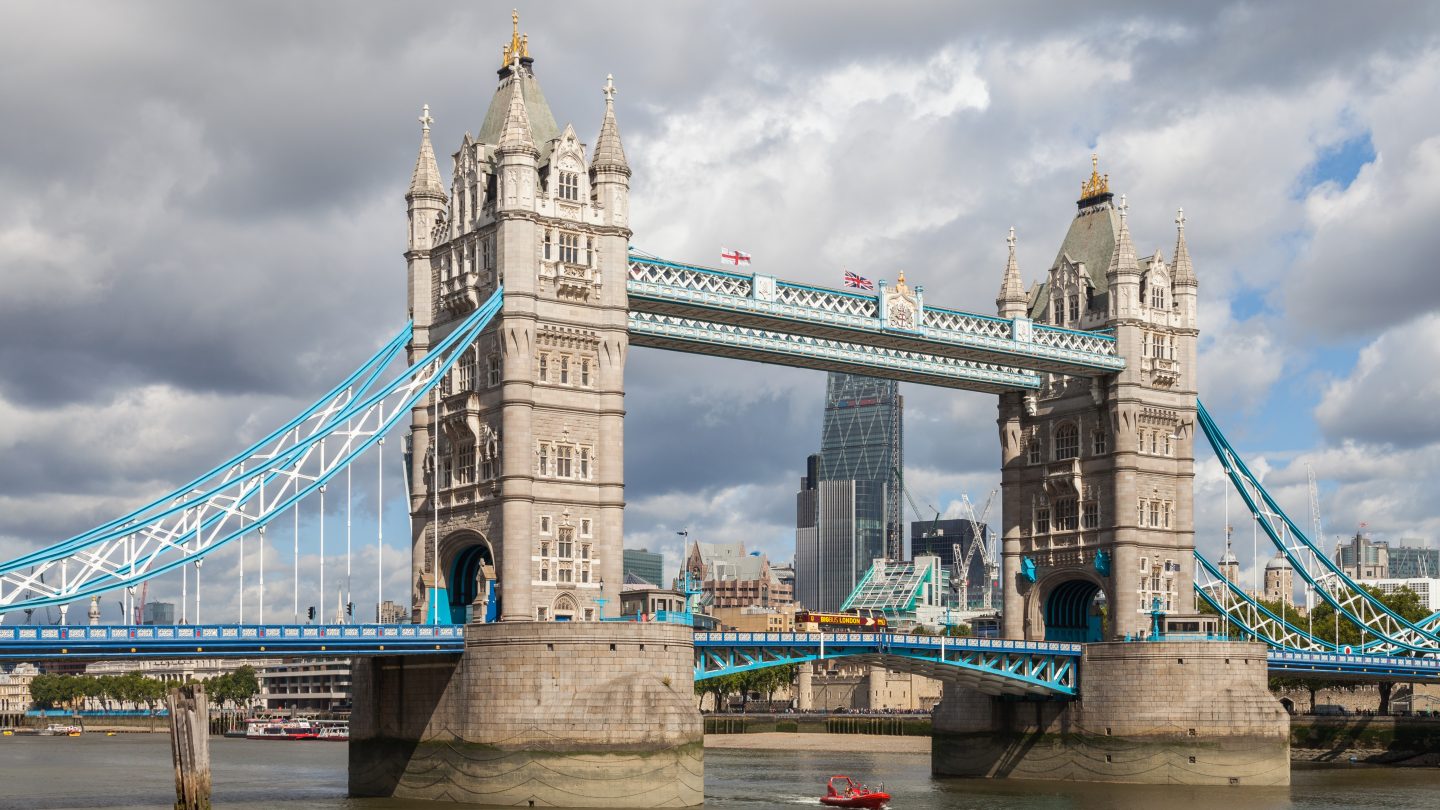
The Tower of London stands as a fortress with a dark past. Built nearly 1,000 years ago, it has been a royal palace, prison, and treasury. Exploring its walls reveals stories of intrigue, power struggles, and the confinement of famous prisoners. It’s a place where history feels alive and sometimes a little spooky.
Windsor Castle
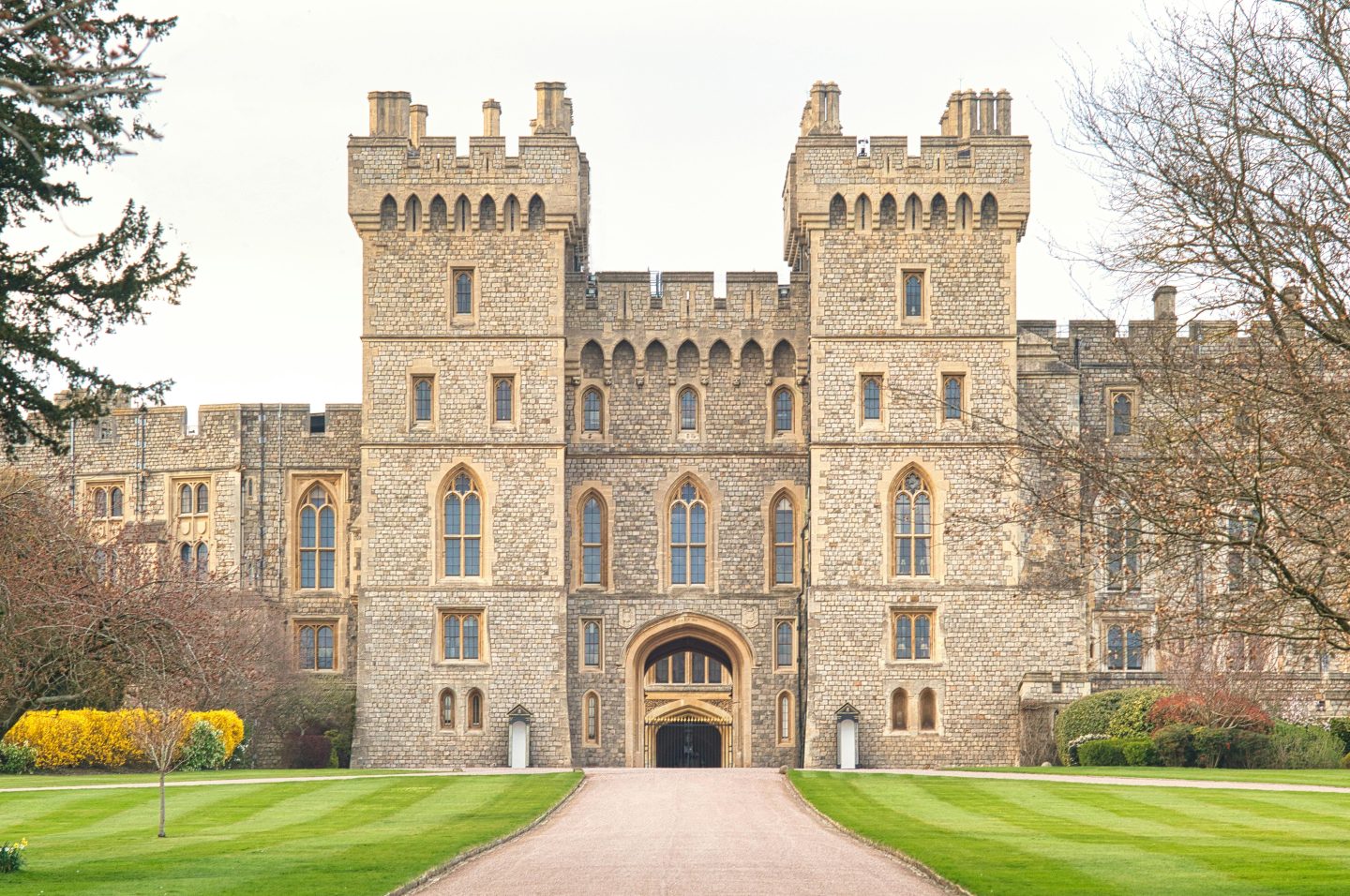
Windsor Castle remains a royal residence that has welcomed monarchs for over 900 years. Its vast grounds and grand halls showcase the British monarchy’s long history. Exploring the castle provides insight into royal life and traditions that continue to this day.
Chartres Cathedral
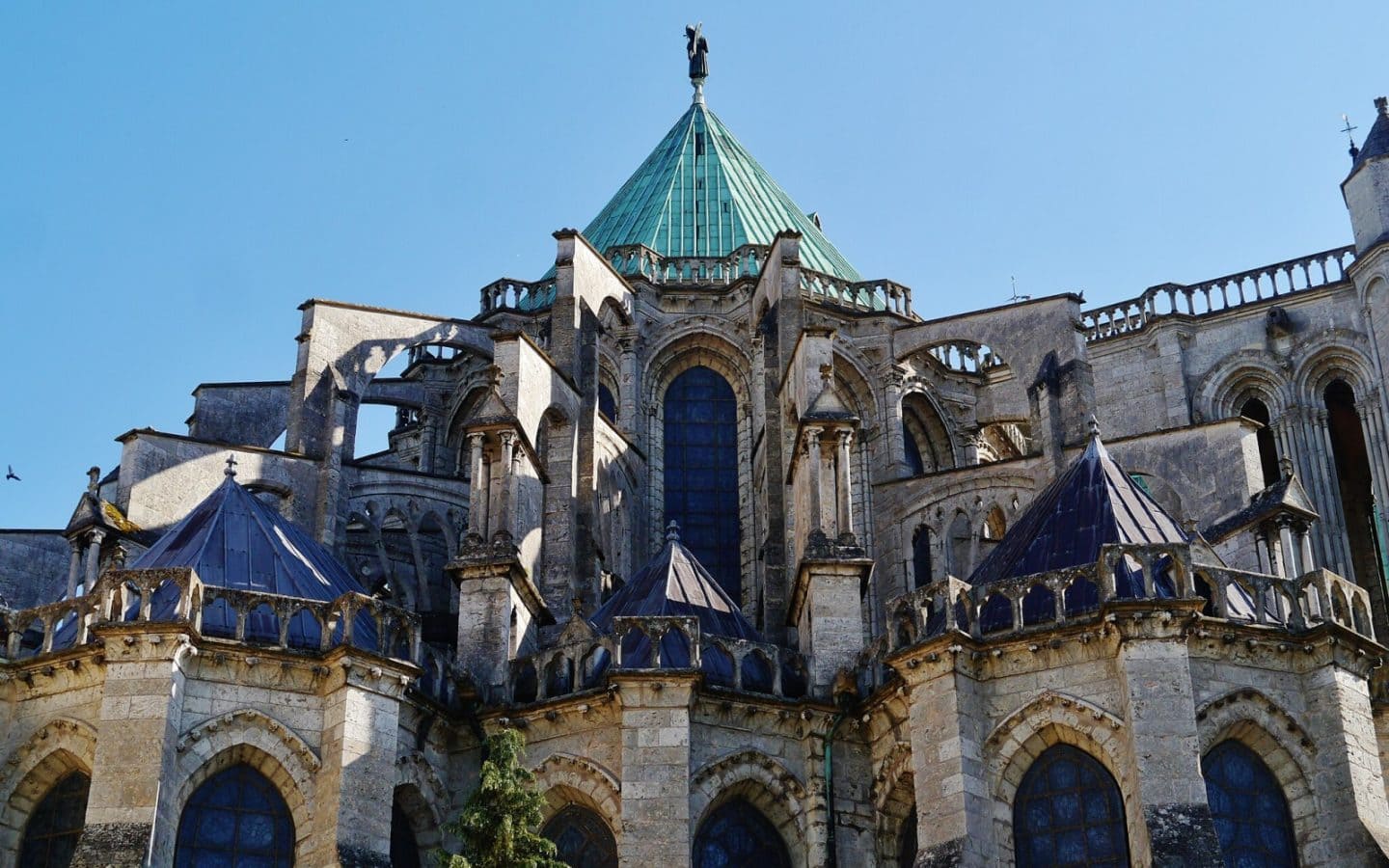
Chartres Cathedral in France impresses with its soaring spires and stunning stained glass windows. Completed in the 13th century, it has welcomed pilgrims for centuries. The cathedral’s artwork tells biblical stories in vivid color, creating an uplifting experience for visitors.
Brú na Bóinne
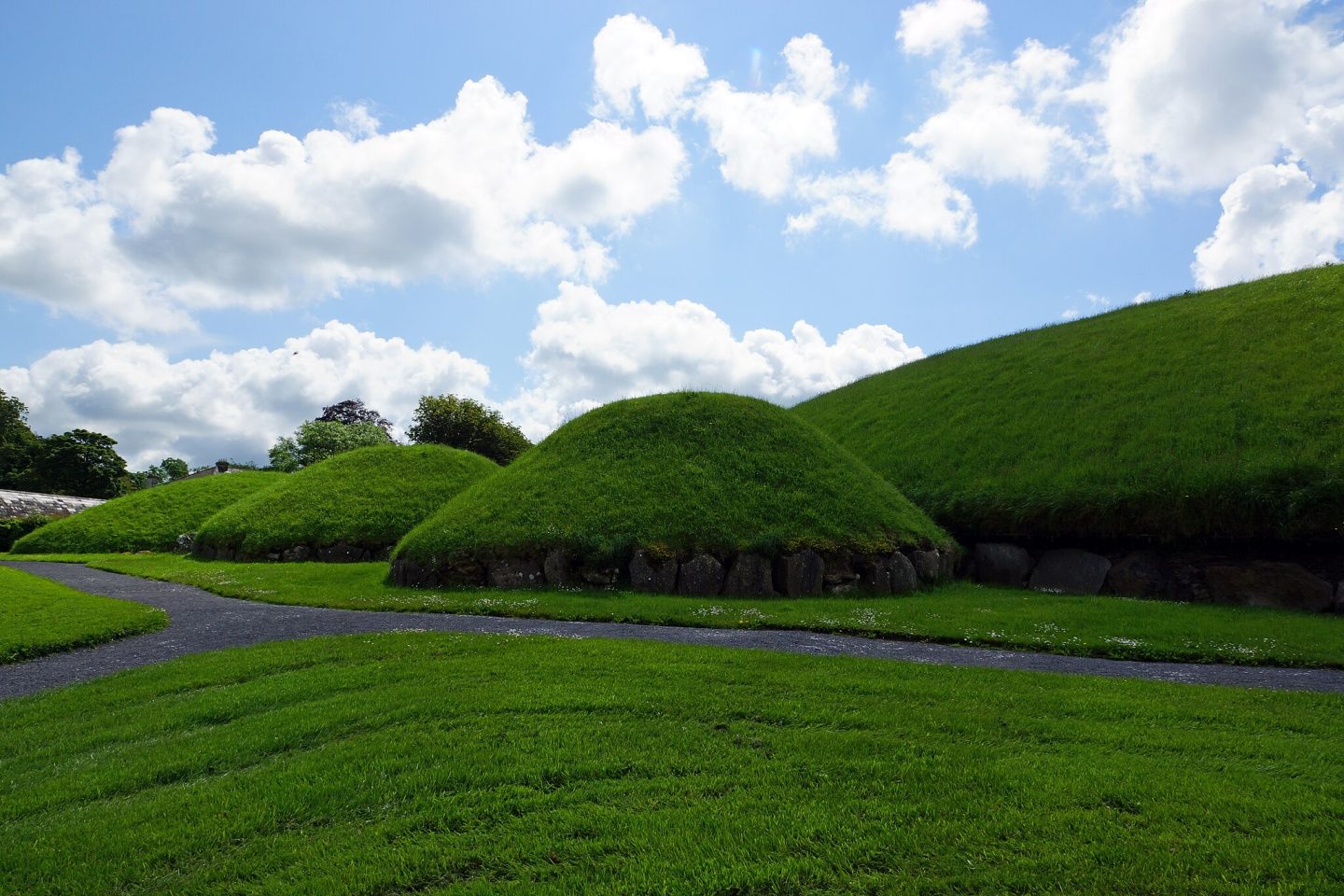
The Brú na Bóinne complex in Ireland features ancient passage tombs, such as Newgrange. These structures date back over 5,000 years. Their construction aligns perfectly with the winter solstice sunrise, a testament to early people’s astronomical skills. Visiting Brú na Bóinne feels like stepping into a sacred place shaped by the cosmos.
Pont du Gard
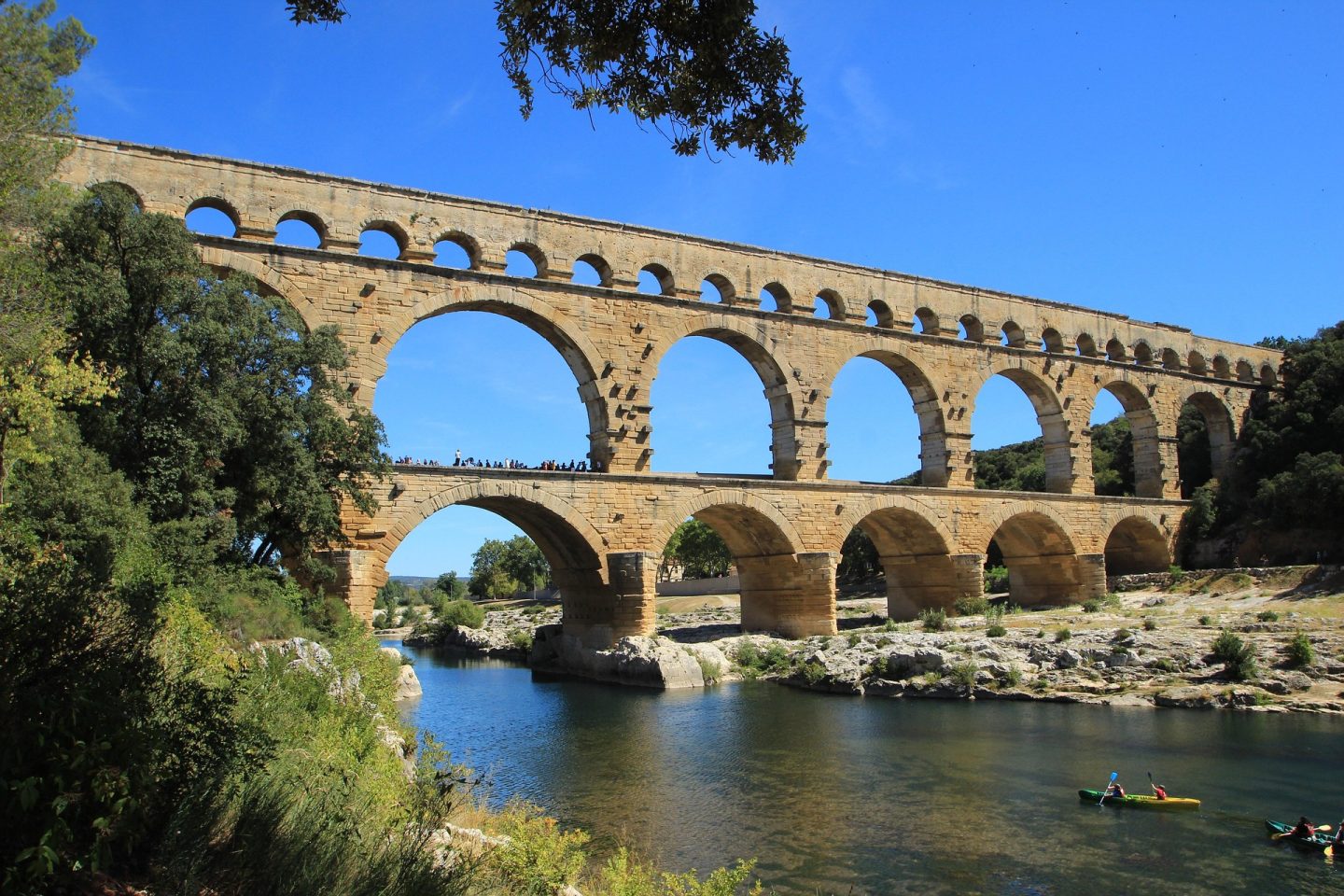
The Pont du Gard in southern France is an ancient Roman aqueduct bridge that still stands tall after two millennia. Its massive arches once carried water across the Gardon River to Nîmes. Seeing the engineering feat firsthand offers appreciation for Roman practical skills and vision.
Mont Saint-Michel
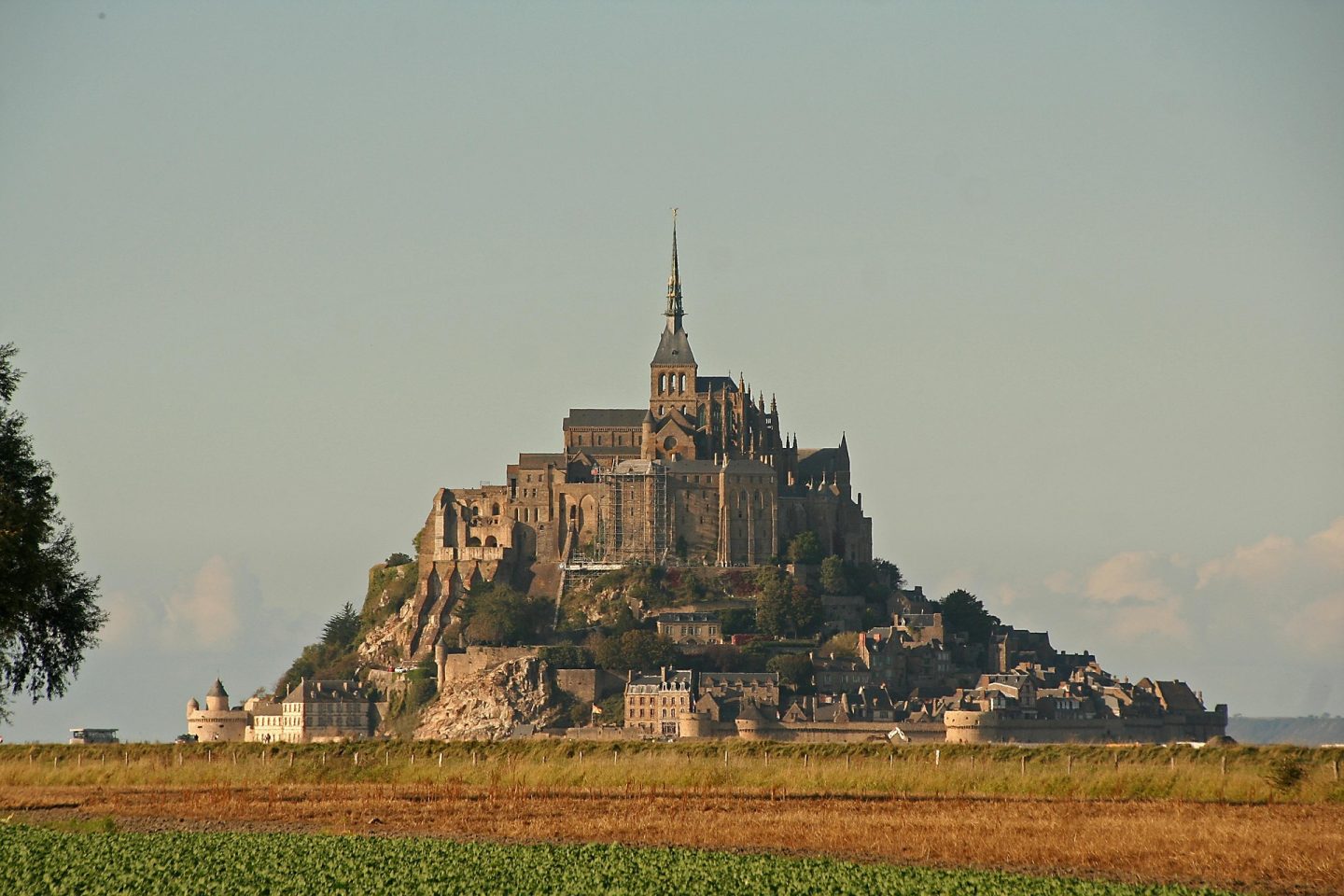
Mont Saint-Michel rises dramatically from the sea in Normandy, France. The medieval abbey and village perch on a rocky island, attracting pilgrims and tourists alike. Tides surround the mount, creating a shifting barrier that adds to its magical atmosphere. Climbing its narrow streets feels like a journey through history.
Disclaimer: This list is solely the author’s opinion based on research and publicly available information.
Read More:

- Ultimate Guide To Picking The Best Travel Credit Card
- The 5 Best Budget Airlines in the United States
- 15 Best Countrıes to Vısıt in Afrıca
Disclaimer: This list is solely the author’s opinion based on research and publicly available information.