The 13 Most Spectacular Ancient Ruins to Explore Beyond Machu Picchu
When most people think of ancient ruins, Machu Picchu is the go-to image. Though it’s an impressive site, it’s far from the only one worth visiting.
Across the globe, dozens of lesser-known but equally important ancient cities and archaeological sites offer a clear window into the past, without the crowds or commercial feel. This list highlights 13 remarkable ruins that often fly under the radar but are worth your time.
Tikal, Guatemala
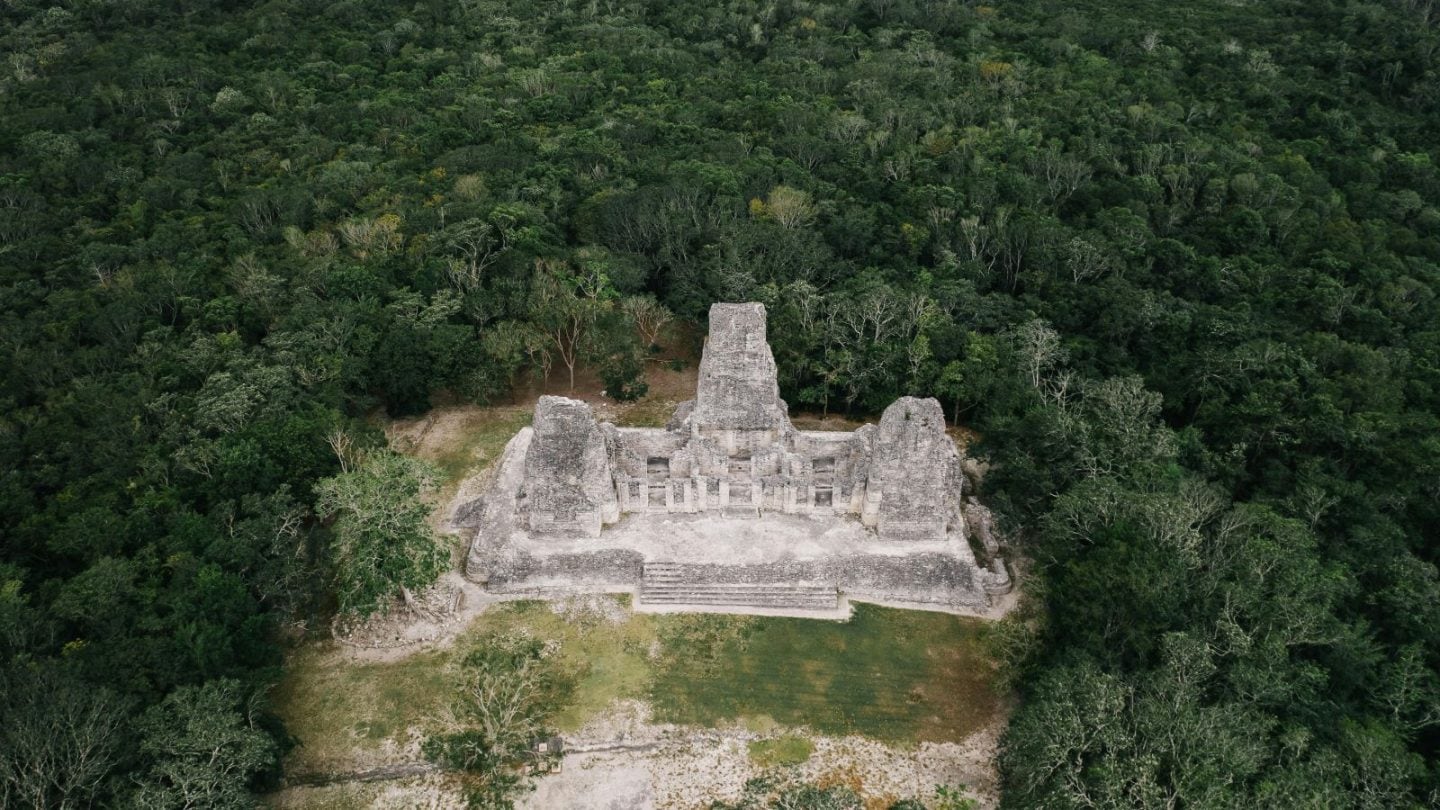
Tikal was a powerful city of the ancient Maya. Located in what is now Guatemala, the site includes massive temples, plazas, and palaces surrounded by dense jungle. Some of its pyramids reach over 200 feet, and their steep staircases were likely used for religious rituals. The city’s layout aligns with celestial events, indicating that astronomy played a major role in its development.
Petra, Jordan

Petra was once a major trading hub and the capital of the Nabataean Kingdom. What makes it stand out is how its buildings were carved directly into sandstone cliffs. The most famous structure, Al-Khazneh (The Treasury), is just the beginning; there’s also a massive theater, tombs, and a complex water system built to manage flash floods in the desert.
Nan Madol, Micronesia

Built on a lagoon near the island of Pohnpei, Nan Madol consists of nearly 100 small artificial islets connected by canals. It served as the ceremonial and political seat of the Saudeleur dynasty. The construction involved stacking thousands of basalt blocks in a log-cabin style to form walls, buildings, and walkways. Unlike many inland ruins, this site provides a unique glimpse into ancient engineering in a marine environment.
Göbekli Tepe, Turkey
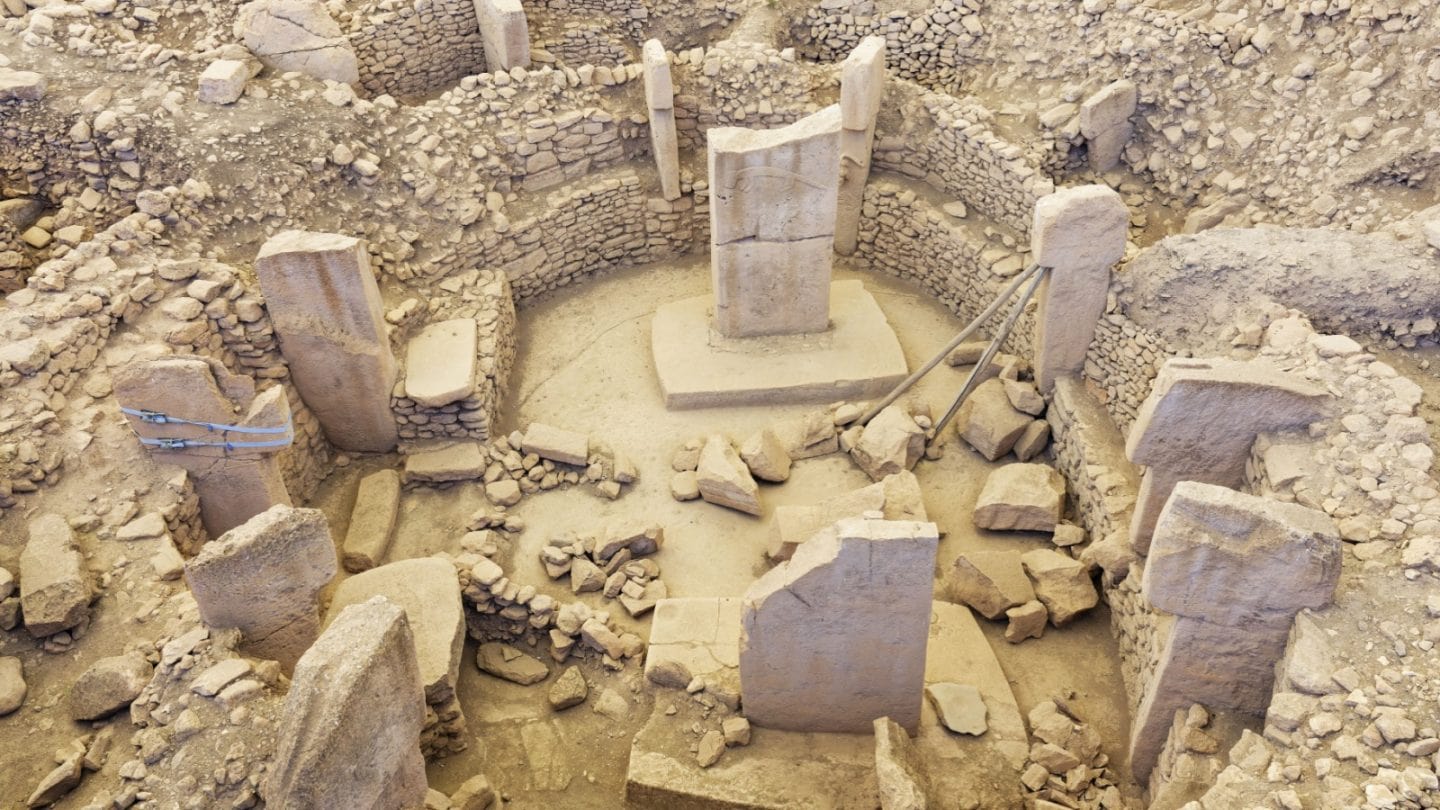
Göbekli Tepe dates back to around 9600 BC, making it the oldest large-scale religious structure. The complex includes circular enclosures with massive stone pillars, many of which are decorated with animal carvings and abstract symbols. Surprisingly, the people who built Göbekli Tepe were hunter-gatherers without farming or metal tools.
Ellora Caves, India
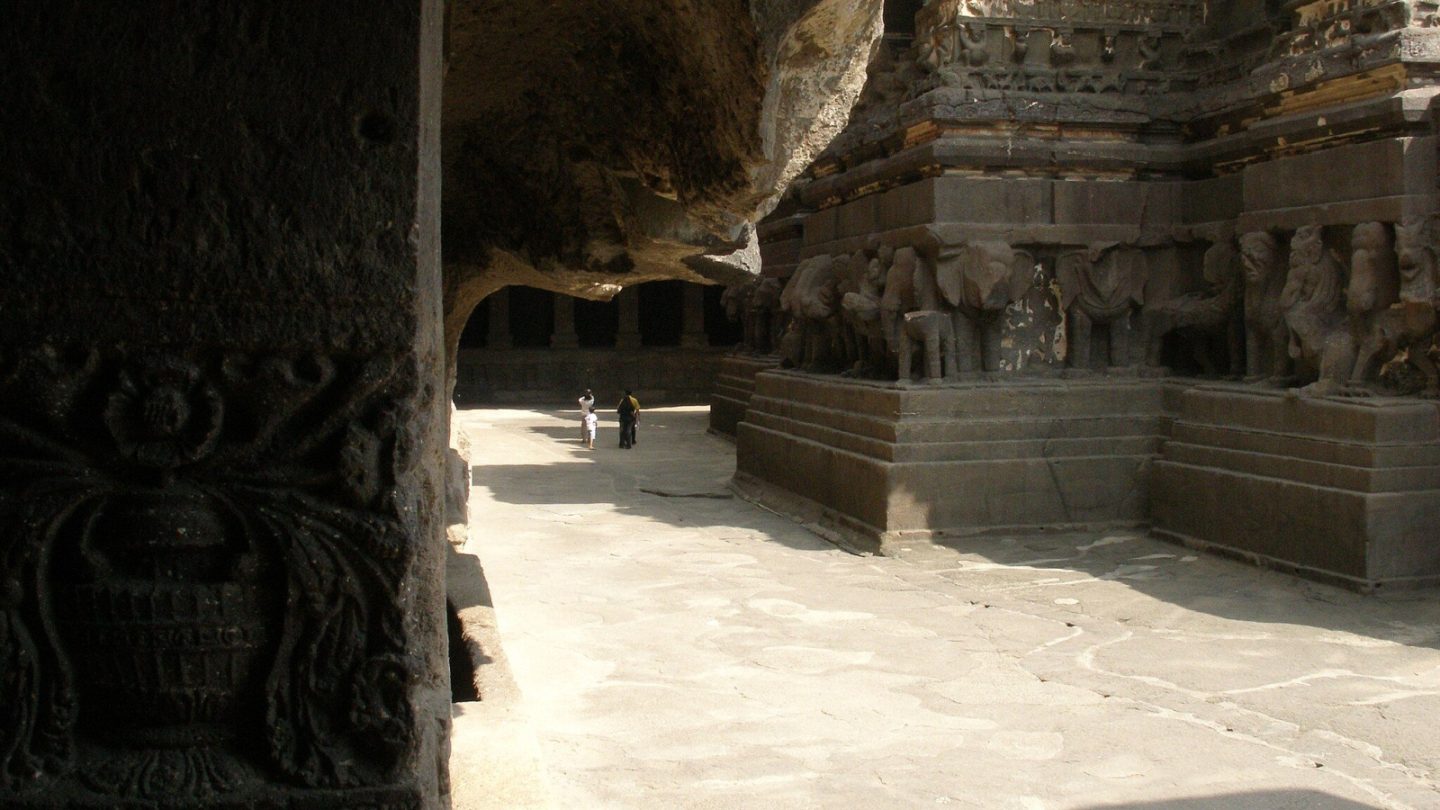
The Ellora Caves in Maharashtra, India, are a group of rock-cut temples representing three religions: Buddhism, Hinduism, and Jainism. The Kailasa temple is the most impressive feature of the site. It was carved from a single rock and includes elaborate sculptures and architectural details.
Tiwanaku, Bolivia

Tiwanaku is a pre-Columbian archaeological site near Lake Titicaca in Bolivia. It was the capital of a civilization that existed between 500 and 1000 AD, and it’s known for its precise stonework and unusual monuments. One of its most famous structures is the Gateway of the Sun, a large monolithic arch engraved with mysterious symbols.
Leptis Magna, Libya
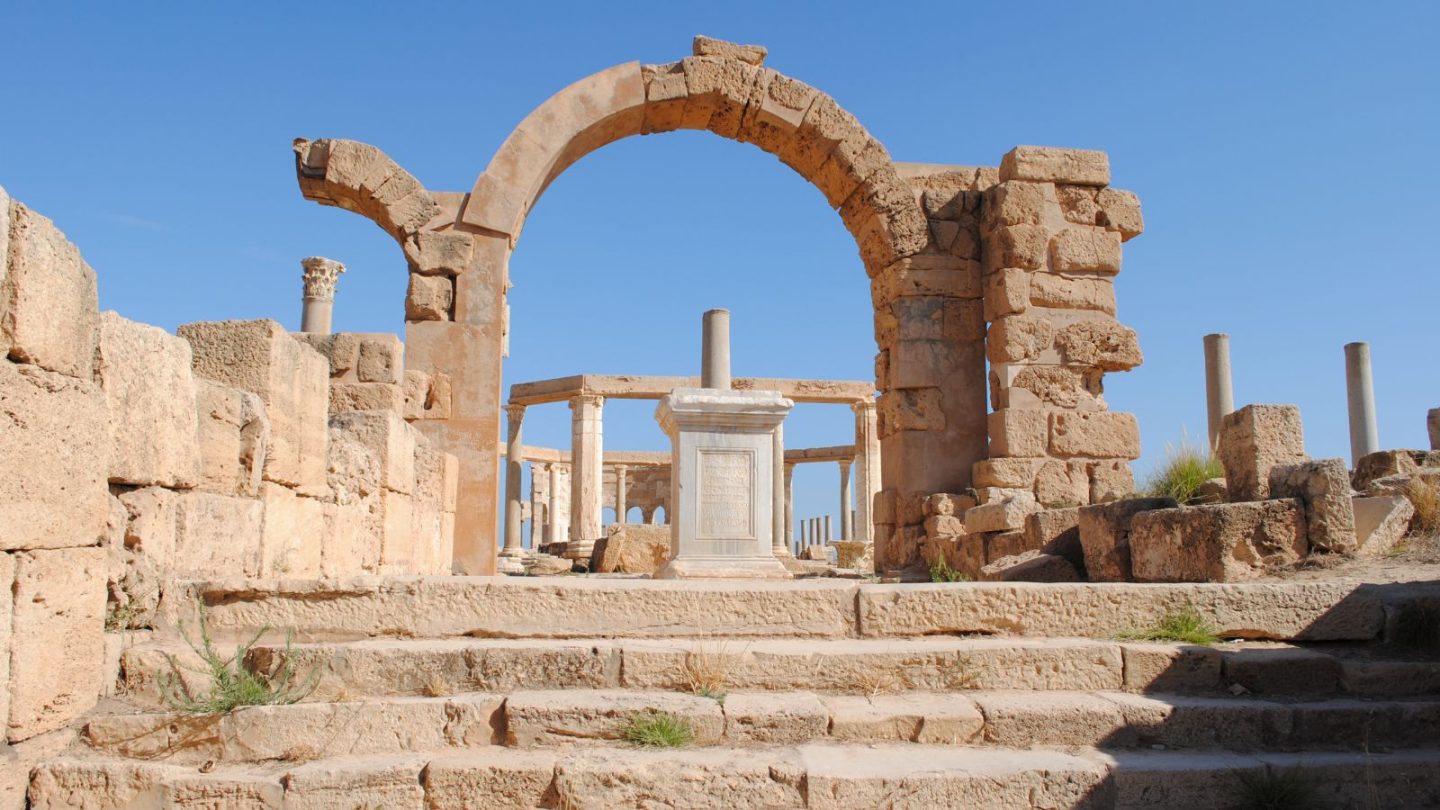
Located on the Mediterranean coast, this site is well-preserved. You can still walk through the marketplace, theater, and bath complexes. The city’s harbor and street layout show an advanced understanding of urban planning and trade logistics. Much of the site was buried under sand for centuries, which helped protect it from erosion and looting.
Takht-e Soleyman, Iran

This site in northwest Iran was a major religious center during the Sassanid Empire. It includes a Zoroastrian fire temple, a royal palace, and a lake likely used in religious rituals. Excavations have uncovered inscriptions and building techniques suggesting that Takht-e Soleyman served as a spiritual sanctuary and strategic political center.
Choquequirao, Peru

Often called the “sister city” of Machu Picchu, Choquequirao is another Incan site that remains relatively untouched due to its remote location. Getting there requires a multi-day hike, but visitors are rewarded with large agricultural terraces, ceremonial centers, and plazas. Its design closely mirrors that of Machu Picchu, suggesting it served a similar function, possibly as a royal estate or ceremonial hub during the final years of the Inca Empire.
Hattusa, Turkey

Hattusa was the capital of the Hittite Empire in the late Bronze Age. Located in central Turkey, the city featured massive walls, gates decorated with lions and sphinxes, and one of the earliest known libraries, containing thousands of cuneiform tablets. The Hittites were among the first societies to sign written treaties, and one of those documents, the Treaty of Kadesh with Egypt, still survives. It’s a key site for understanding early diplomacy, law, and warfare.
Baalbek, Lebanon
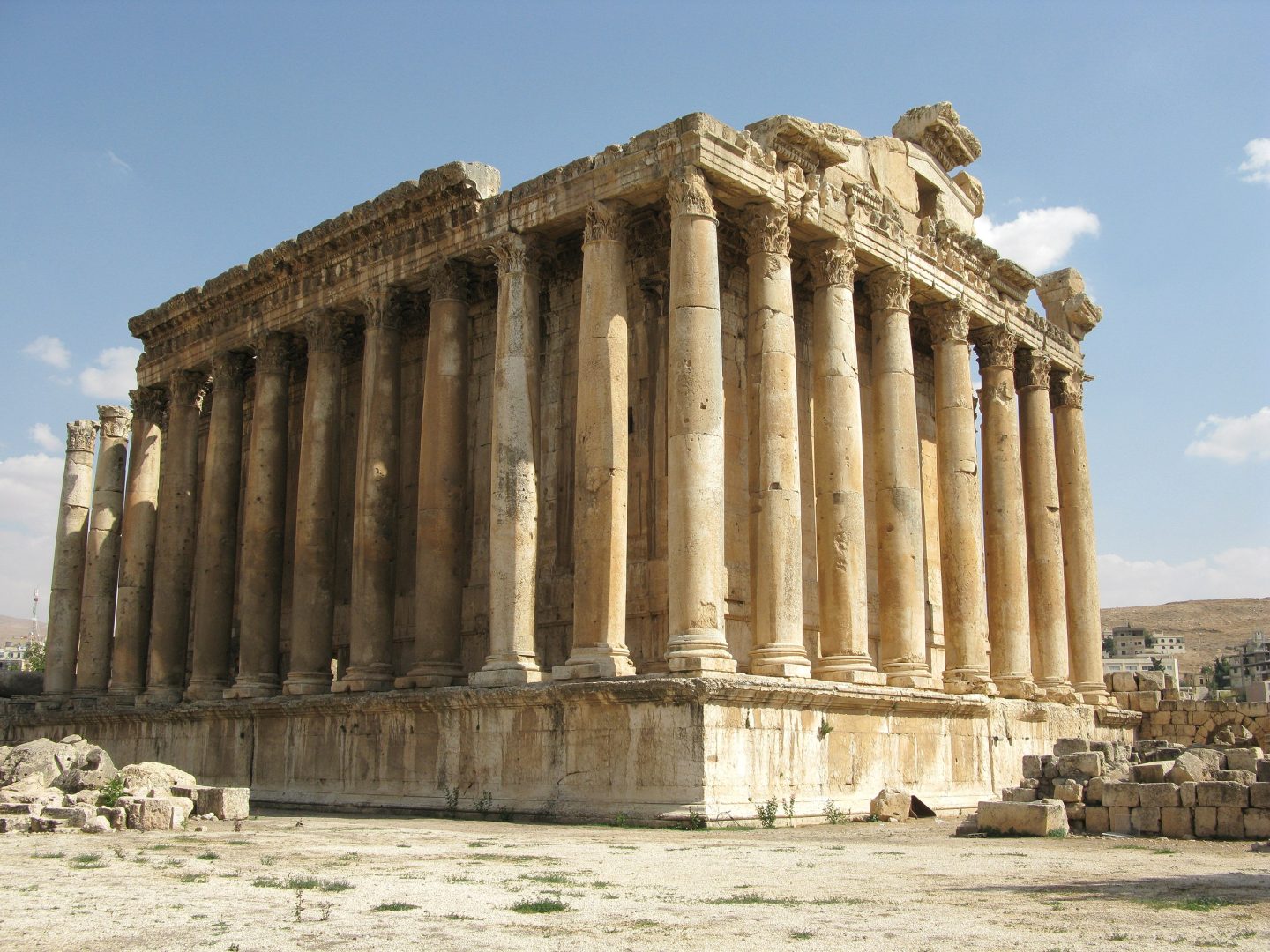
Baalbek features the largest Roman temple, the Temple of Jupiter, whose columns are nearly 70 feet tall. Some foundation stones weigh over 800 tons, and their exact transportation methods remain unclear. The city was originally a Phoenician settlement and later became an important Roman religious center.
Palenque, Mexico
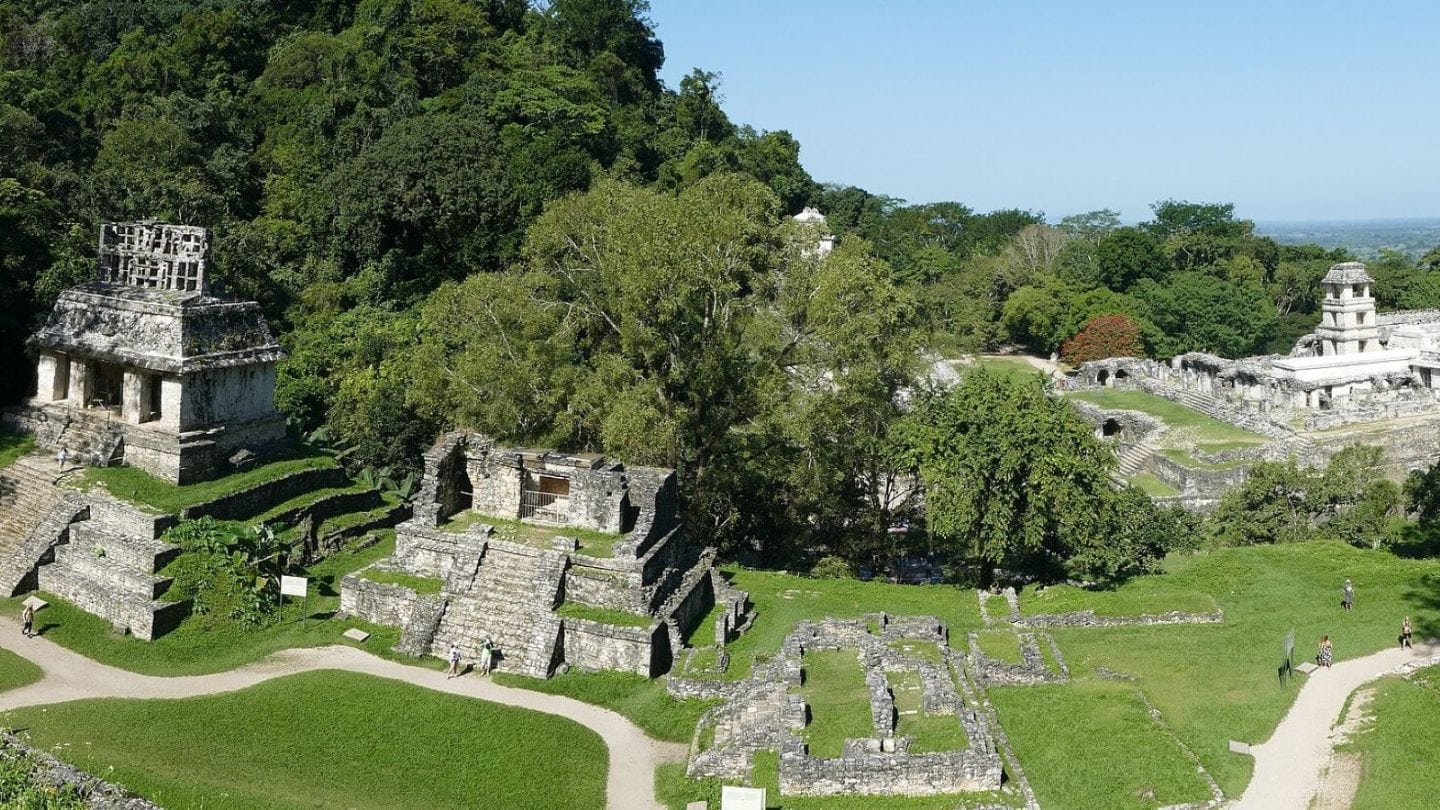
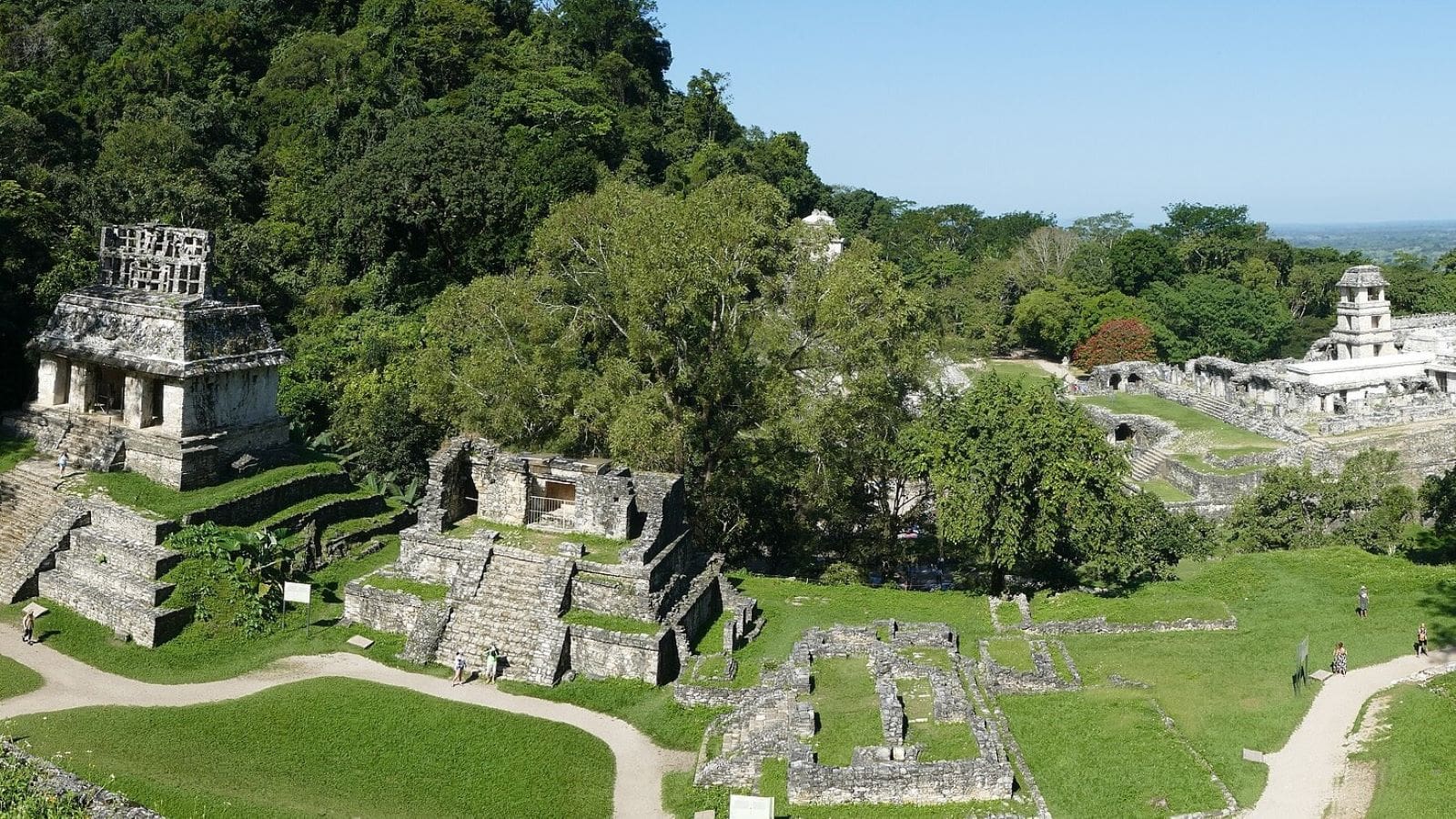
Palenque is known for its elegant architecture, fine sculptures, and hieroglyphic inscriptions that have helped researchers decode the Maya language. The tomb of King Pakal, discovered in the Temple of the Inscriptions, was a major archaeological find. It provided insight into Maya burial practices and religious beliefs. Unlike the massive Tikal, Palenque focuses more on artistic detail than sheer size, giving it a different appeal.
Great Zimbabwe, Zimbabwe

This spot includes a massive stone wall enclosing the Great Enclosure, with no mortar holding it together, just expertly placed granite blocks. European explorers denied that Africans could have built Great Zimbabwe, but extensive research has confirmed its local origins. The city was a hub for trade in gold, ivory, and other goods with regions as far as China and the Middle East.
Disclaimer: This list is solely the author’s opinion based on research and publicly available information.
Read More:

- Ultimate Guide To Picking The Best Travel Credit Card
- The 5 Best Budget Airlines in the United States
- 15 Best Countrıes to Vısıt in Afrıca