The 10 riskiest countries for US tourists
Traveling abroad can be thrilling. New languages, new faces, and a break from routine sound tempting. Some places, though, can quickly turn from adventure to anxiety.
Safety for US tourists isn’t guaranteed everywhere. Political chaos, high crime, and anti-foreigner attitudes are real in certain parts of the world. Picking a destination without checking current risks is like packing your bag without checking the weather.
Mexico
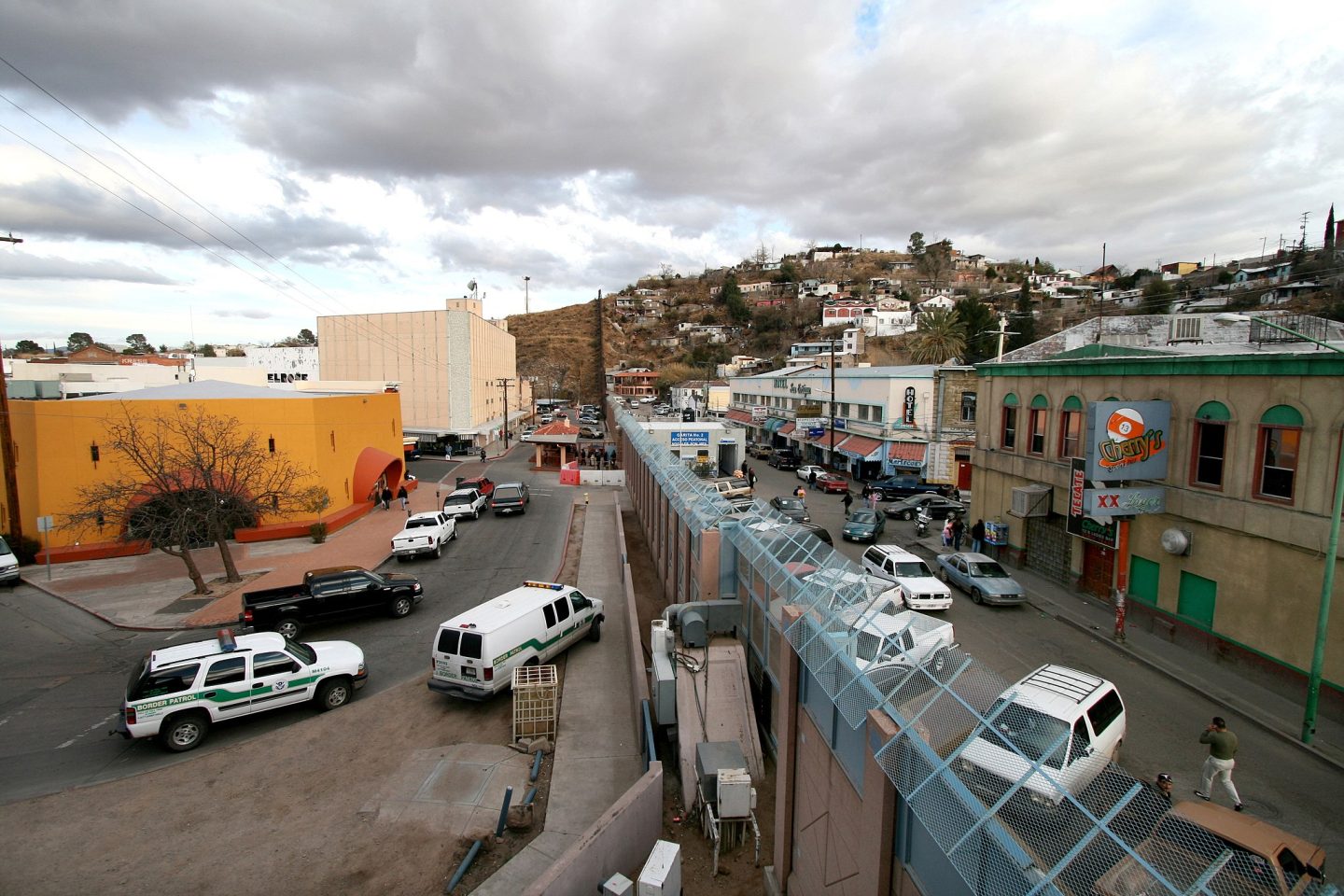
Many Americans visit Mexico for beaches and quick getaways. Cartel activity, armed robbery, and kidnappings affect both locals and tourists. Tourist areas such as Cancún and Playa del Carmen have experienced a rise in crime in recent years. Staying in crowded, secure areas helps reduce risk, but trouble can still find you.
Haiti

Haiti faces severe gang violence and government instability. Roads are blocked, power cuts are common, and the police struggle to maintain control. Tourists are often targets for ransom kidnappings. The risk is high, even for brief visits or business trips.
Venezuela

Crime in Venezuela is a serious problem. Tourists face threats like robbery, carjacking, and assault. Medical care and public services are in short supply. Currency problems and inflation make basic tasks difficult, even for locals.
Syria
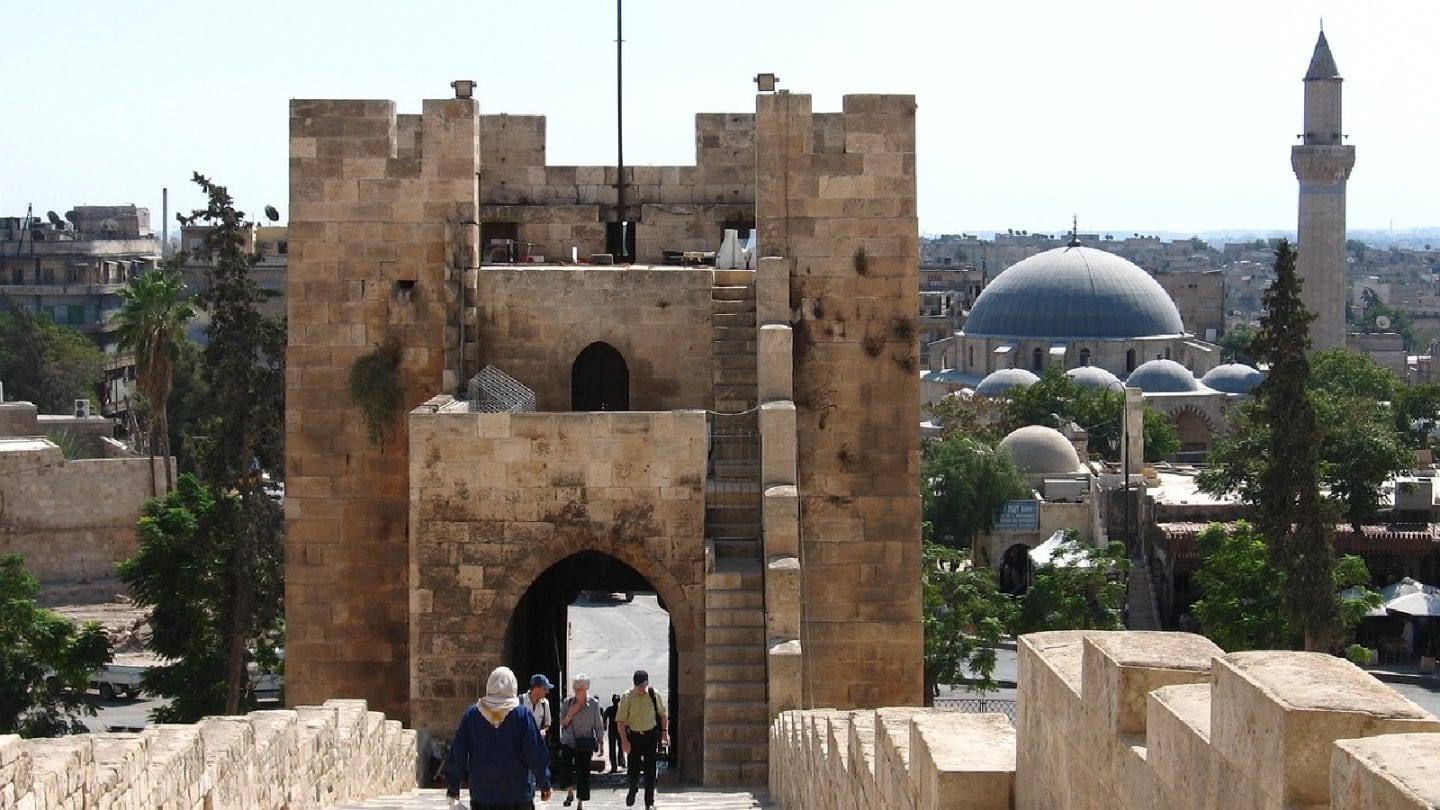
Syria remains a conflict zone. Armed groups operate in multiple areas. Bombings, checkpoints, and random violence make movement dangerous in nearly every spot. Foreigners are at risk of being detained or targeted for political reasons.
Iraq
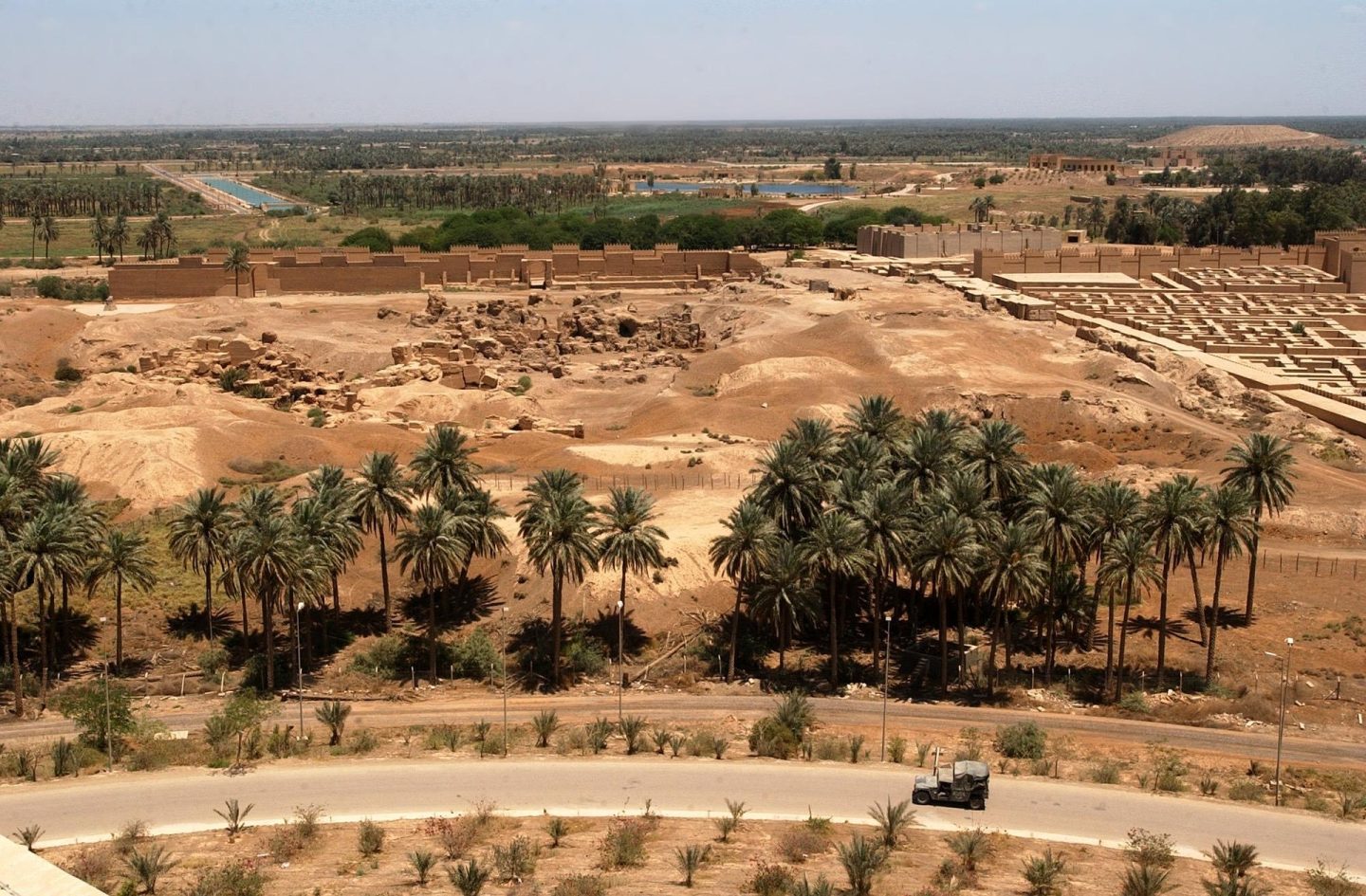
Despite improvements in some parts of Iraq, security remains a serious concern. Armed militias operate in several areas, and incidents involving explosive attacks and kidnappings still happen. American visitors often draw unwanted attention, and even major cities cannot be considered consistently safe.
North Korea

North Korea only permits guided tours with tight supervision. Even small actions seen as disrespectful can lead to arrest. Tourists have been detained for leaving reading materials behind or taking photos where it’s not allowed.
Afghanistan

Foreign travel to Afghanistan remains highly unsafe. Attacks on civilians often happen without warning, and tourists may be seen as suspects or political targets. Travelers have limited protection, with poor access to medical care and few evacuation options.
Russia

Traveling to Russia has grown riskier for US citizens. Several Americans have been detained on unclear charges. Authorities often treat tourists with suspicion. Legal protections for foreigners remain weak and unpredictable. Tensions between the two countries have made diplomatic help slower and less certain.
Nigeria

Nigeria struggles with terrorism, violent crime, and fraud. Kidnapping for ransom is a major concern in several regions. Urban centers report high rates of robbery and assault. Foreign visitors are often seen as easy targets, even locals often avoid travel after dark due to safety fears.
Pakistan
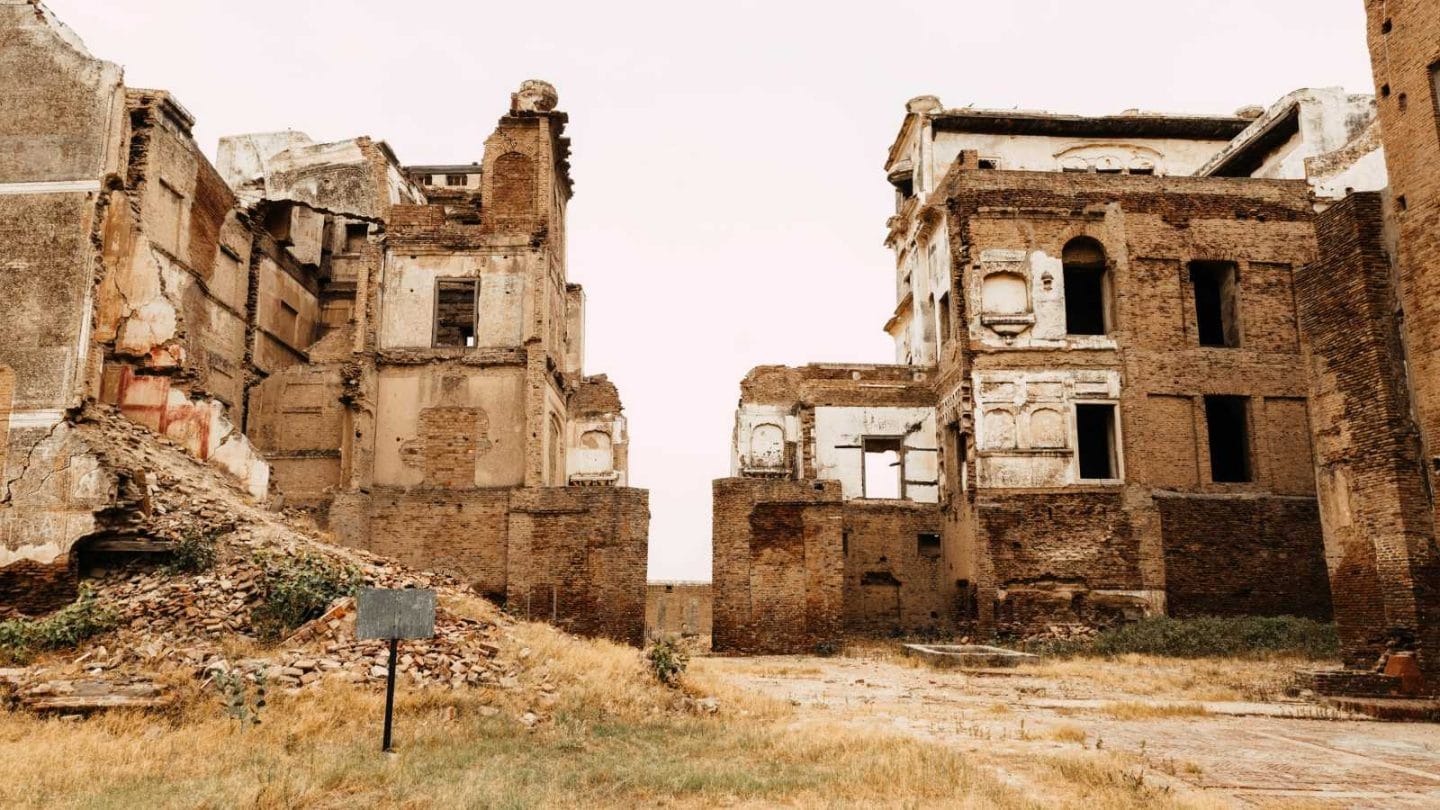
Security challenges in Pakistan vary by region. Areas near the Afghan border face ongoing militant activity. Public demonstrations and political unrest also raise the risk. Foreigners often require additional permits and are closely monitored during their travels.
Disclaimer: This list is solely the author’s opinion based on research and publicly available information.
Read More:

- Ultimate Guide To Picking The Best Travel Credit Card
- The 5 Best Budget Airlines in the United States
- 15 Best Countrıes to Vısıt in Afrıca
Disclaimer: This list is solely the author’s opinion based on research and publicly available information.