Sugar Overload: These 12 Countries Eat the Most Worldwide
Did you know the average person on Earth eats about 53 pounds of sugar every year? Some countries go way beyond that, clocking in at almost double or triple the global average. According to international health data, a handful of nations are topping the charts—where sugar isn’t just an ingredient, it’s part of daily life. From sodas and pastries to hidden sugars in packaged foods, the numbers might surprise you.
Sugar cravings tie us together no matter where we live, but the story behind who eats the most tells us a lot about culture, tradition, and changing lifestyles. Let’s dig into the real stats, surprising habits, and standout sweets that put these 12 countries at the top of the sugar-eating leaderboard.
United States

No surprises here. The U.S. sits at the top of our sugar-enjoying list. Think about it. From donuts glazed to perfection to sweetened sodas that make up an alarming percentage of beverage sales, sugar is deeply entrenched in American culture.
The average American consumes over 126 grams of sugar a day—that’s about three cans of soda! A lot of this comes from processed sugars lurking in packaged foods you wouldn’t suspect, like bread and sauces.
Denmark
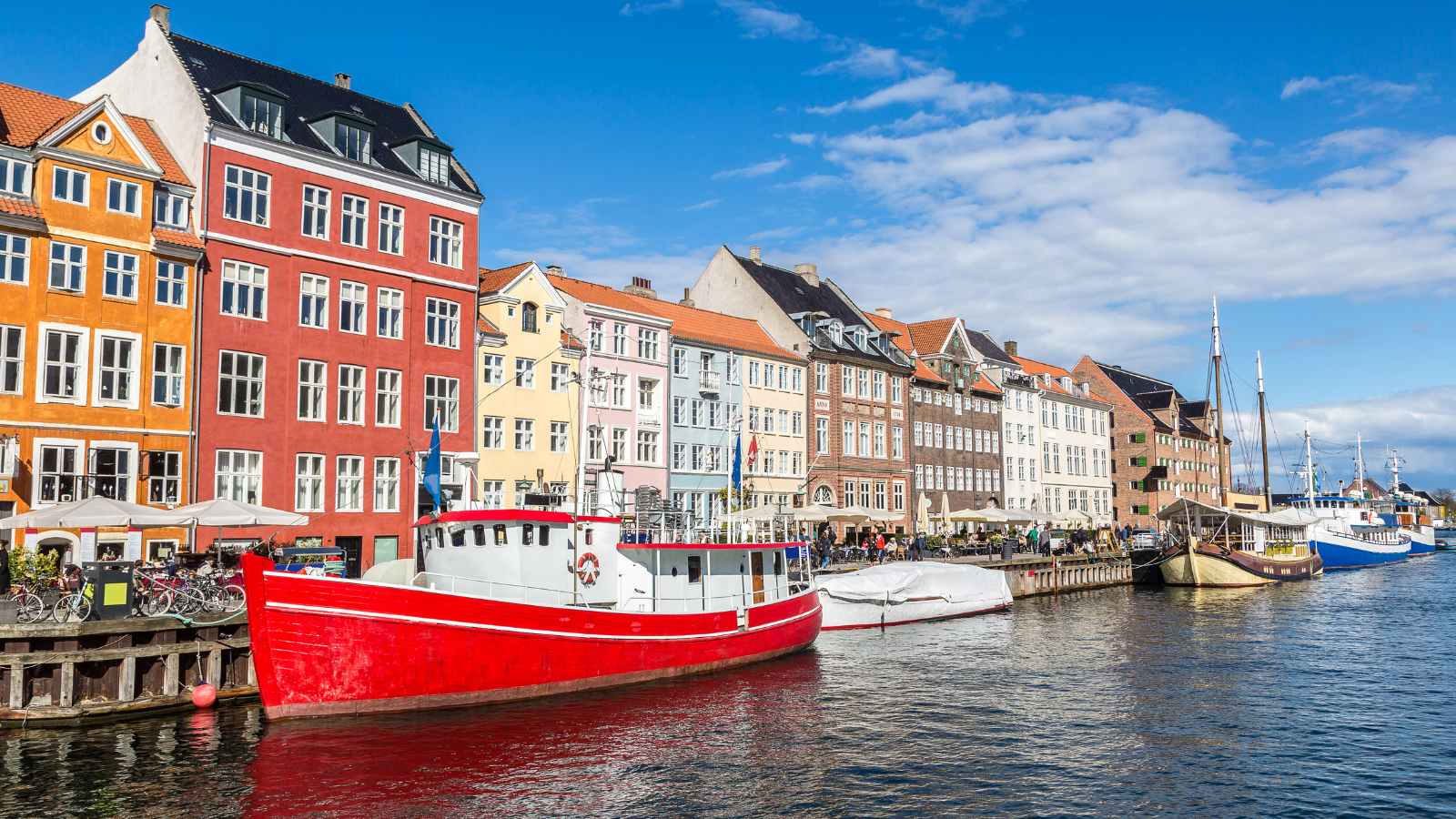
Danes average 87 grams of sugar daily, fueled by their love for pastries and confections. Copenhagen might be famous for its design and clean energy, but when it comes to food, Danes gravitate toward sugary flavors. And don’t ignore the sugary element of their holiday treats, either.
Finland

The average Finn consumes about 91 grams of sugar per day, often in the form of candy and sweetened drinks. Candy culture in Finland isn’t just for kids; adults have their fair share too, especially their love for “Salmiakki,” a type of salty licorice that contains sugar in its recipe.
Norway

When you picture Norway, sugar may not pop into your mind alongside fjords and winters. Yet, Norwegians consume about 89 grams of sugar per day on average. Traditional desserts, such as marzipan-filled cakes and chocolates, combined with energy drinks popular among young people, increase sugar intake here.
Australia

G’day, sugar lovers! Australians consume an average of 85 grams of sugar daily. Much of this comes from sugary beverages, which are particularly popular on sizzling summer days. Pair that with a wide range of confectionery sold at every corner store, and it’s clear why Australians have a sweet tooth.
France

France may be synonymous with wine and cheese, but their pastries take center stage when it comes to sugar. Croissants, éclairs, and macarons are just the tip of the iceberg. The average French sugar consumption stands at about 84 grams daily. Despite their love for sweets, French portions are usually smaller, which might help curb potential health risks.
Germany

Germany’s sugar consumption is surprisingly high, with an average of around 103 grams per person daily. Why? Well, have you tried German desserts like Black Forest cake or those delightful marzipan treats? Add the country’s love for sodas, energy drinks, and sweet pastries, and you’ve nailed their sugar game.
Netherlands

When someone says “Dutch,” we tend to imagine bicycles and tulips, but sugar could easily be added to that list. The Netherlands averages about 102 grams of sugar a day per person. Traditional Dutch treats like stroopwafels (thin waffle cookies with caramel inside) and licorice play a massive role here. Some families even eat certain candies as part of their daily routines.
Belgium

Chocolate. Need I say more? Belgium, home of some of the world’s finest chocolatiers, sees an average daily sugar consumption of around 95 grams per person. But it’s not just chocolate driving this; Belgians love sugar in their waffles and a variety of baked goods, making it a sugar-heavy food culture.

United Kingdom

Tea time might just be the subtle culprit here. With an average of 93 grams of sugar consumed daily, Brits indulge in afternoon tea served with sugary biscuits, cakes, and jams. Add to that the heavy presence of sweetened cereals and fizzy drinks among kids and teens, and you get sugar figures the Queen would probably frown upon.
Canada

Ah, Canada, the land of maple syrup. Canadians consume roughly 85 grams of sugar daily. While maple syrup itself is natural, processed foods and sugary snacks marketed toward kids and teens contribute heavily to this number. Enjoying a Tim Hortons donut now and then? Yep, that adds up too.
Mexico

When thinking of Mexico, sugar-filled jars of Coca-Cola might come to mind, and rightfully so. Mexicans consume about 81 grams of sugar daily, primarily fueled by sodas and sweetened beverages. Additionally, sweets like pan dulce (sweet bread) and churros are commonly enjoyed, making sugar a staple in the Mexican diet.
Disclaimer – This list is solely the author’s opinion based on research and publicly available information. It is not intended to be professional advice.
You Might Also Like:

How To Stick To Your Holiday Budget and Avoid Debt: With the holiday season in full swing, many face high expenses. The anticipation of gift-giving, coupled with the desire to create unforgettable moments, often leads to the common tradition of seasonal spending, with the average holiday budget reaching a considerable sum.