Beyond the Colosseum: 21 Must-See Spots in Rome You Can’t Miss
Rome offers much more than its famous amphitheater and crowded public squares. The Colosseum attracts more than 7 million tourists annually, but Rome’s genuine magic resides in its hidden corners. ISTAT reports that Rome receives over 25 million visitors yearly, yet only a few venture past the popular Instagram locations.
This guide serves you if you seek cobblestoned secrets and local haunts that don’t require selfie spot wars. Rome’s hidden gems are popular topics for Lonely Planet and National Geographic audiences, as well as regional guides, making exploring off-the-beaten-path Roman locations more fashionable. Your experience will feature fresh pasta meals while you explore less crowded areas and encounter unique stories.
Explore 21 concealed gems throughout Rome that defy standard tourist practices to deliver your authentic Roman experience.
Pantheon – Architectural Perfection That Still Stuns

After standing for 2,000 years, the Pantheon retains its title as the world’s largest unsupported dome. Its oculus and precise architectural proportions attract over 7 million visitors annually who enter to marvel at its grandeur. How did the Romans do it? Modern architects are still asking!
A quick tip: Early morning visits to the Pantheon promise fewer people and beautiful Roman sunlight pouring through its oculus.
Trevi Fountain
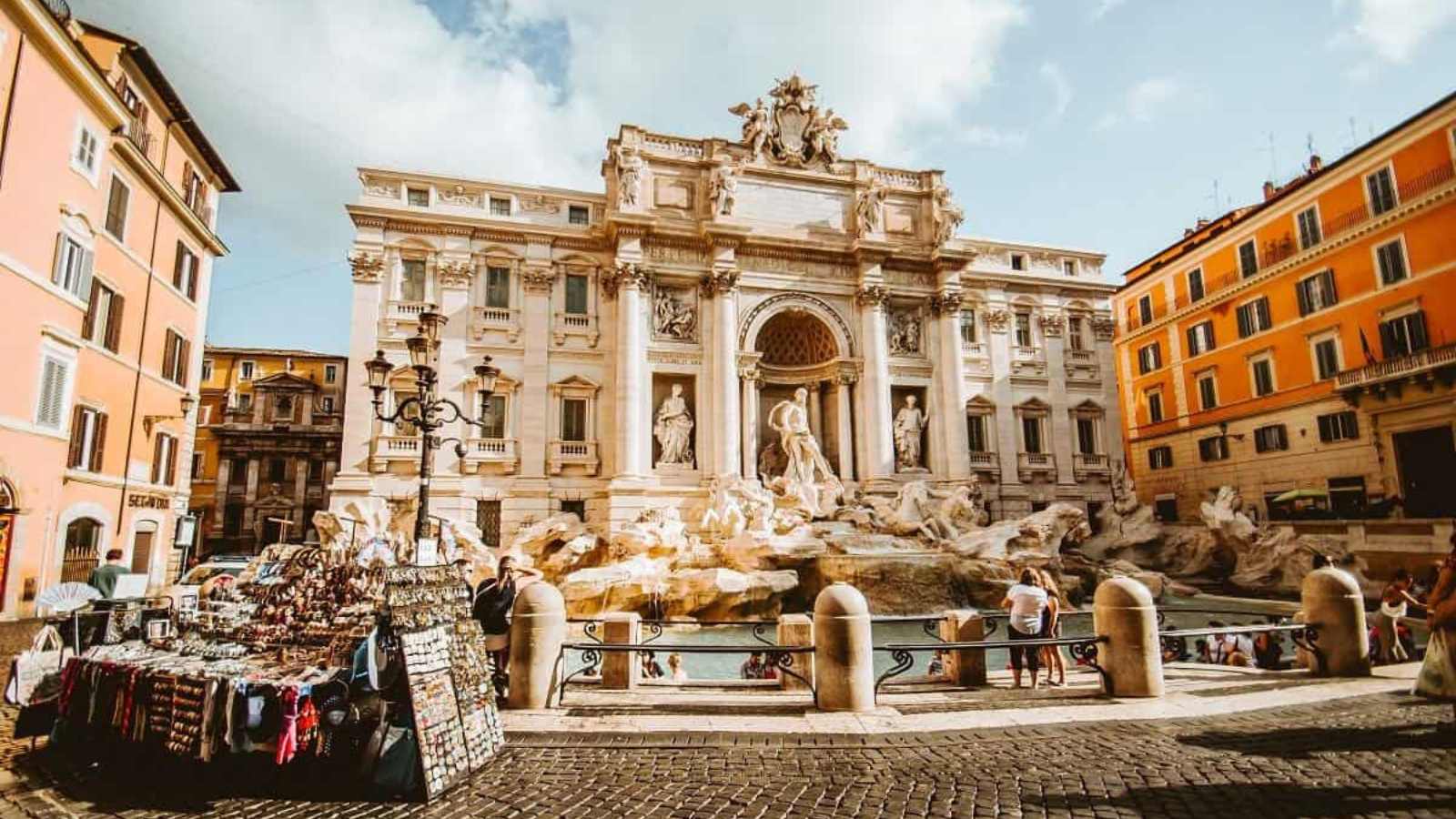
Toss a coin above your shoulder to become part of the millions who supposedly secure their return to Rome and possibly discover a Roman love life with a second coin. The Trevi Fountain generates approximately €1.5 million annually from coin tossers, which the city then distributes to charitable organizations.
Capture stunning photos while avoiding crowds by visiting at sunrise or after midnight. The coins you throw into the Trevi Fountain will benefit philanthropic causes.
Roman Forum – Wander the Real Ancient Rome
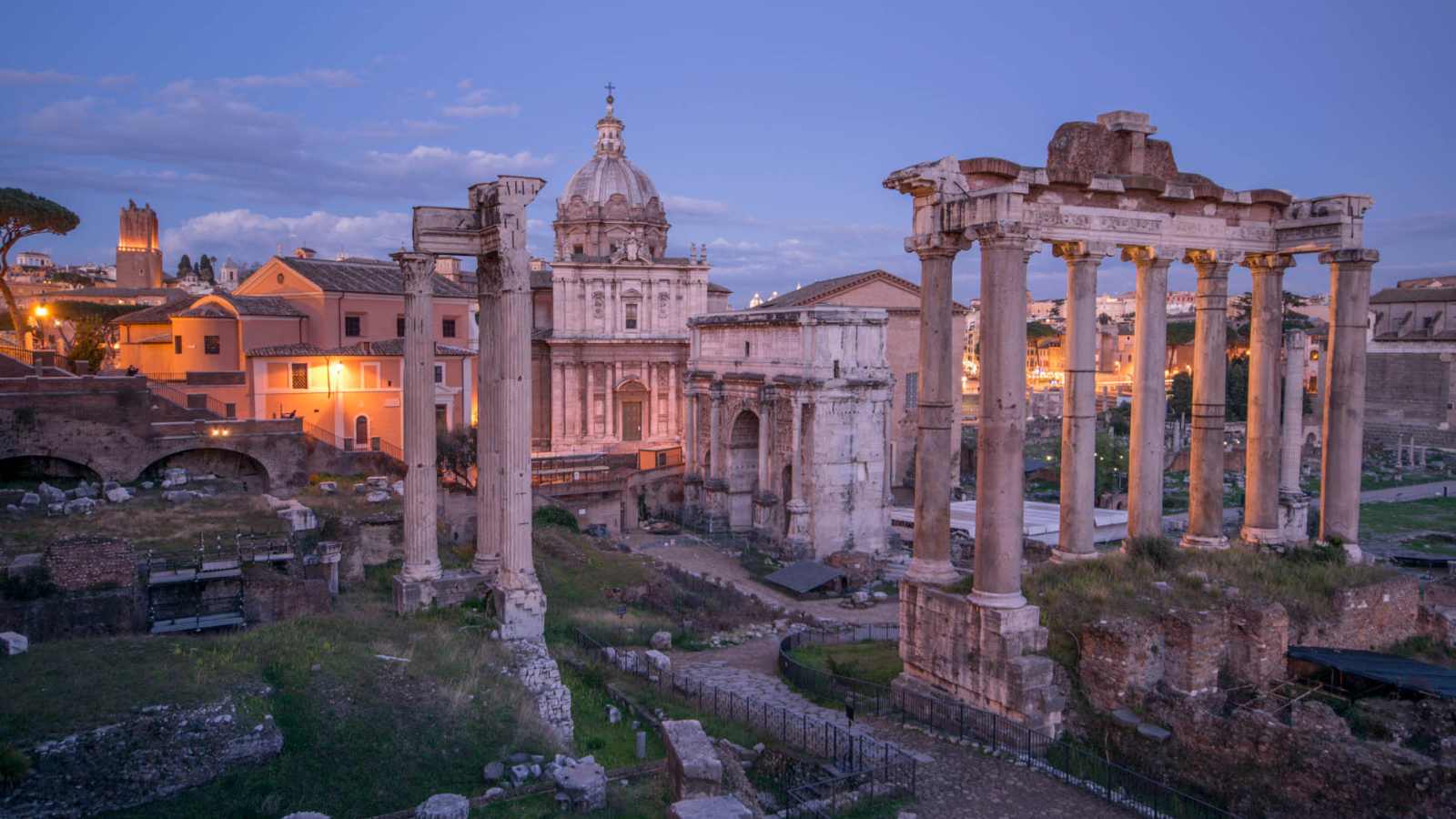
Amid the ruins, you can travel back 2,000 years to the marketplace where Caesar addressed the people and Romans went about their daily shopping activities. The Roman Forum is an expansive archaeological site that stays relatively quiet during early mornings and late afternoons.
Book a guided tour to experience the shattered marble columns and temples come alive through tales of political intrigue and ancient drama.
Palatine Hill – Birthplace of Rome
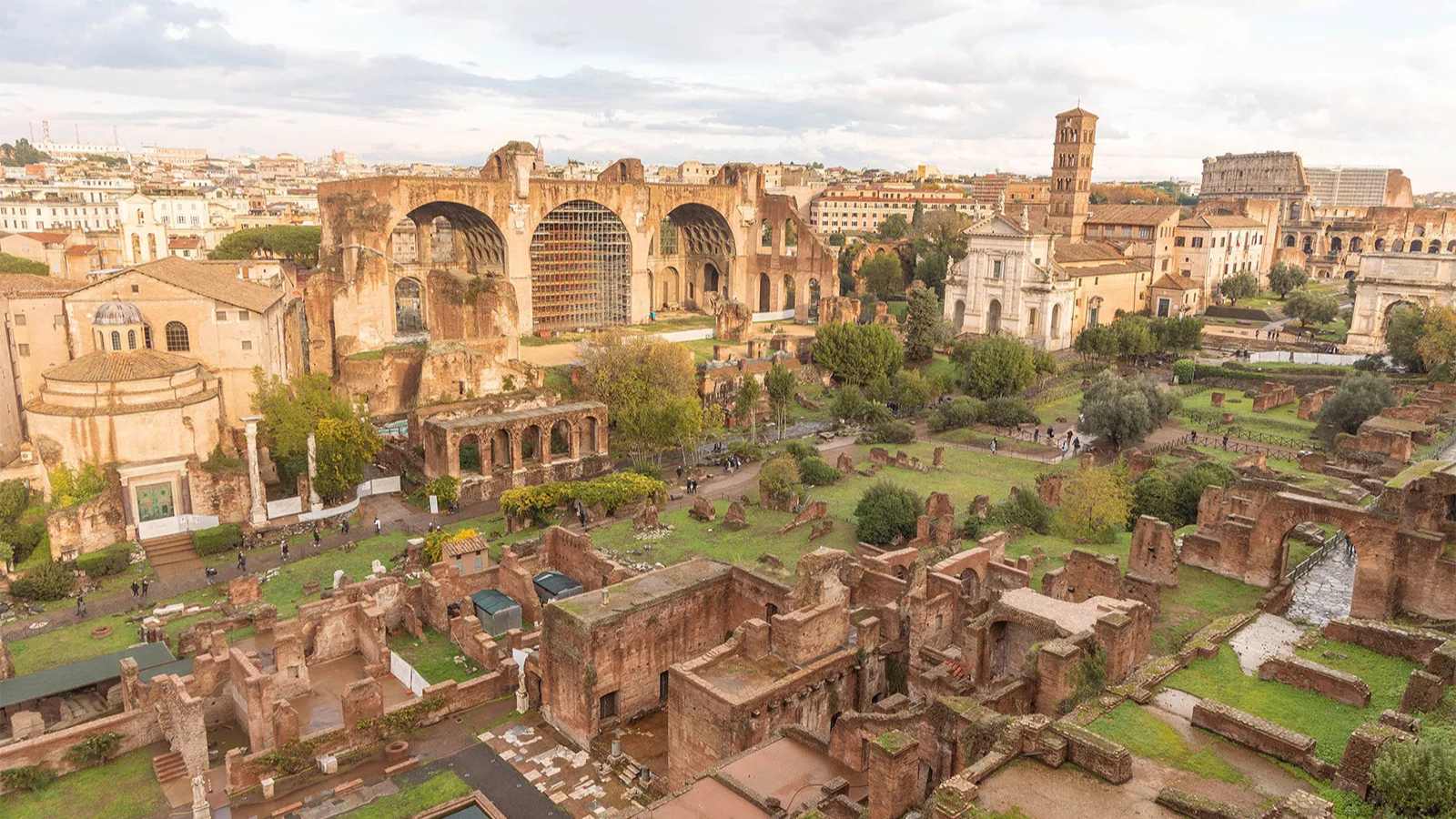
Palatine Hill is a legendary place where Romulus and Remus became the founders of Rome after being raised by a wolf. The sweeping vistas across the Forum and Circus Maximus offer unmatched beauty, and walking among the pine-filled ancient remains provides both tranquility and stunning photo opportunities. Experience a Roman picnic under a divine sunset.
Vatican Museums & Sistine Chapel – Michelangelo Overload
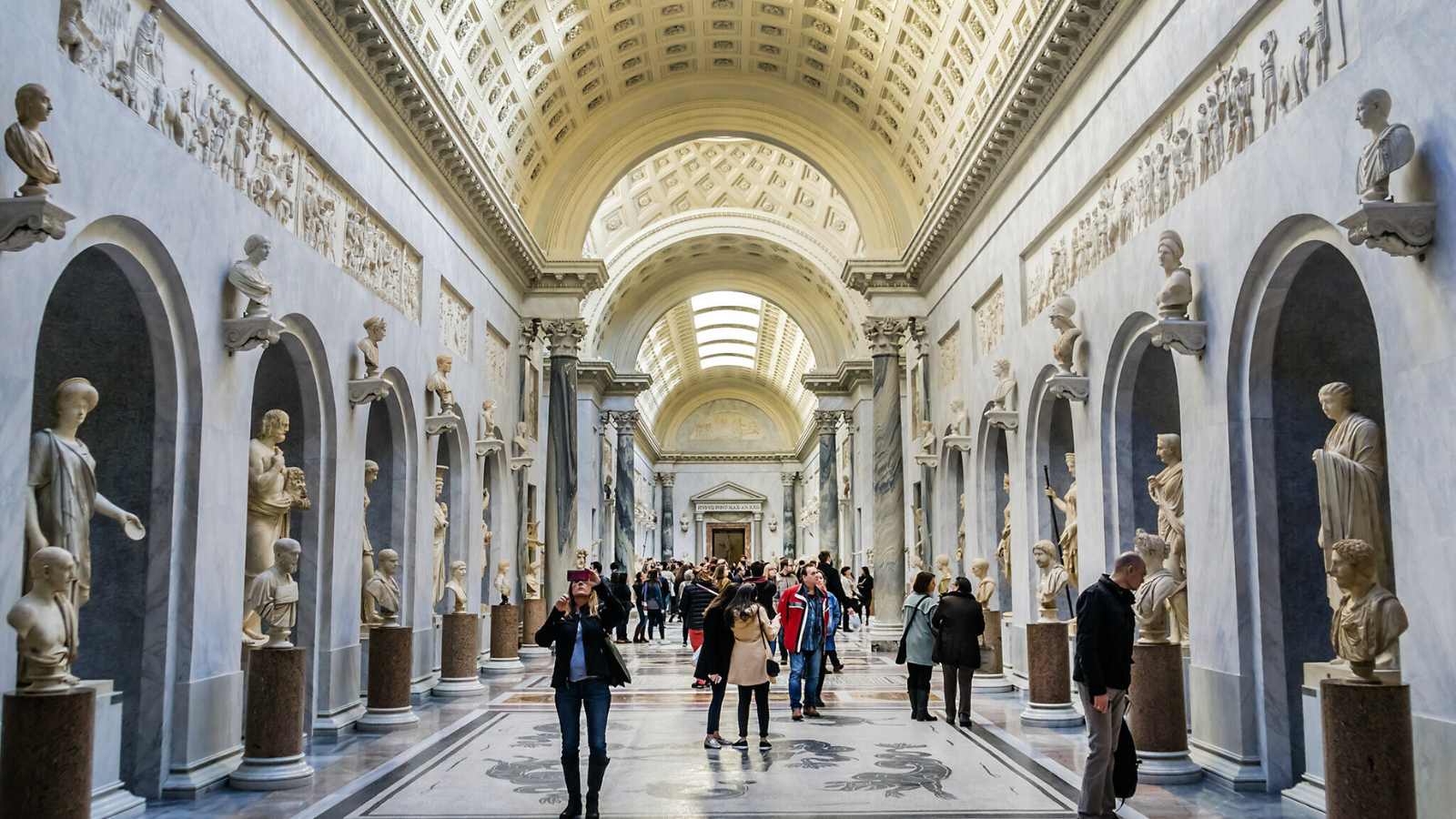
The Vatican Museums hold an impossible amount of art to view in a lifetime. Don’t try. Plot your route to reach Michelangelo’s showstopping masterpiece at the Sistine Chapel.
Fact alert: With over six million people visiting yearly, early ticket reservations become critical so visitors won’t have to wait in long lines instead of enjoying the art.
Spanish Steps

The Spanish Steps are composed of 135 steps that link Piazza di Spagna with Trinità dei Monti and attract many people for people-watching. However, sitting or picnicking on them is prohibited. To enjoy peace, visit early in the morning or experience local music performances during evening hours.
Aventine Hill Keyhole – The Quintessential Hidden View
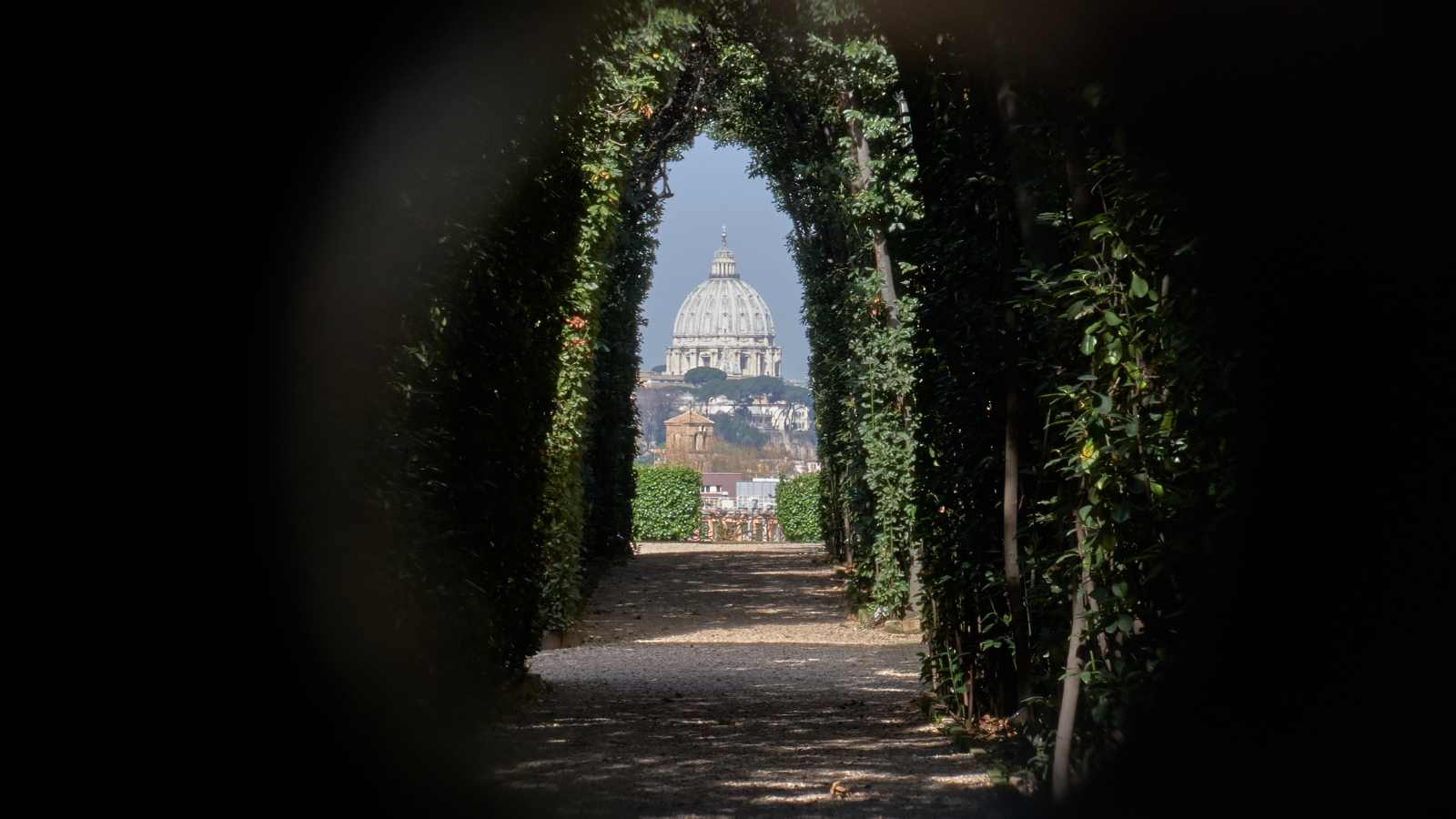
The reason for this keyhole’s Insta-fame lies in its unique appeal. Through this hidden viewfinder, you will discover the perfect secret sight of St. Peter’s Basilica, framed with an idyllic garden. People usually wait in line, but the view delivers an authentic “wow” experience.
Pro tip: The Orange Garden (Giardino degli Aranci) next door provides a beautiful sunset experience with enchanting views and orange blossoms.
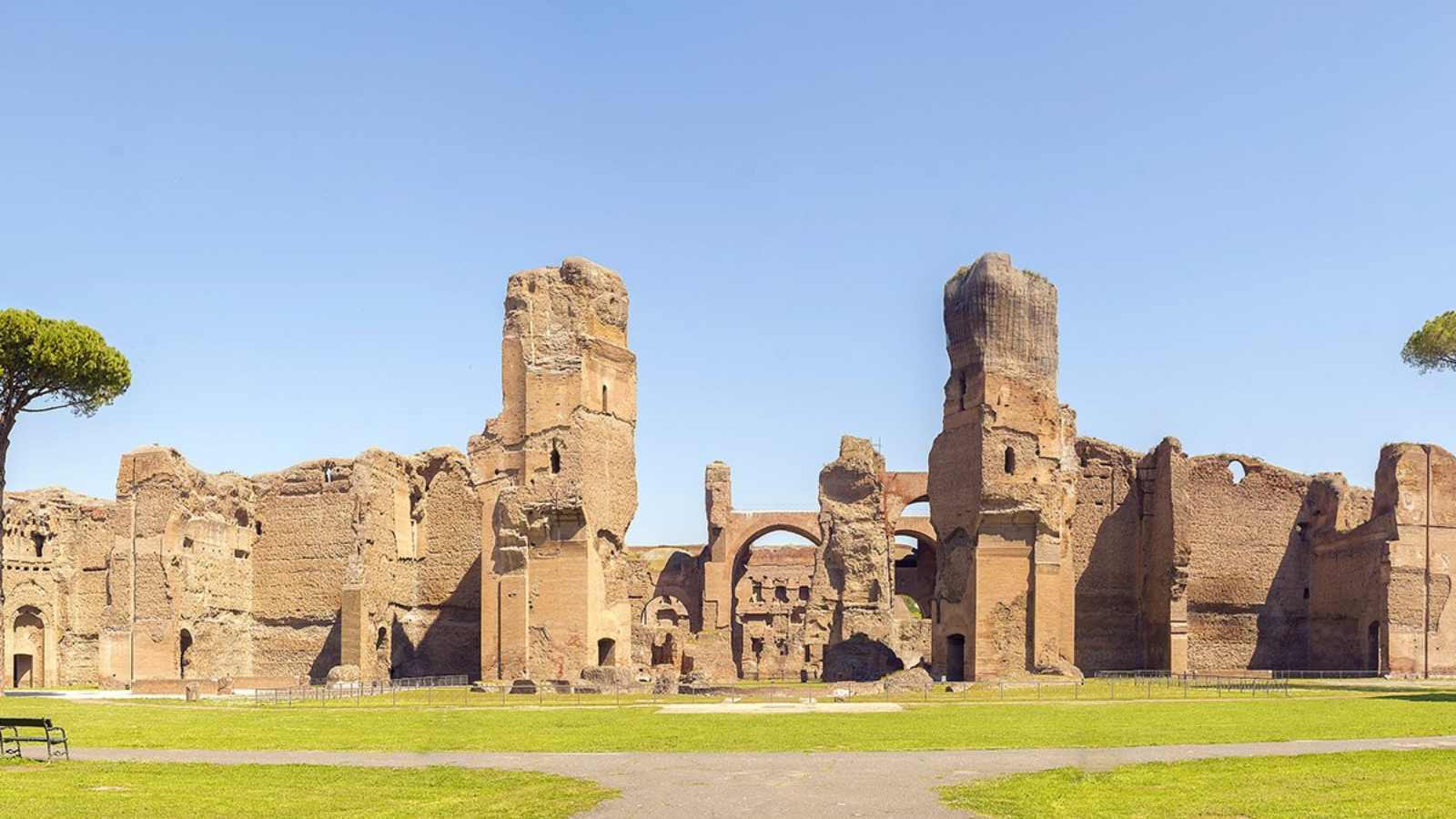
Baths of Caracalla
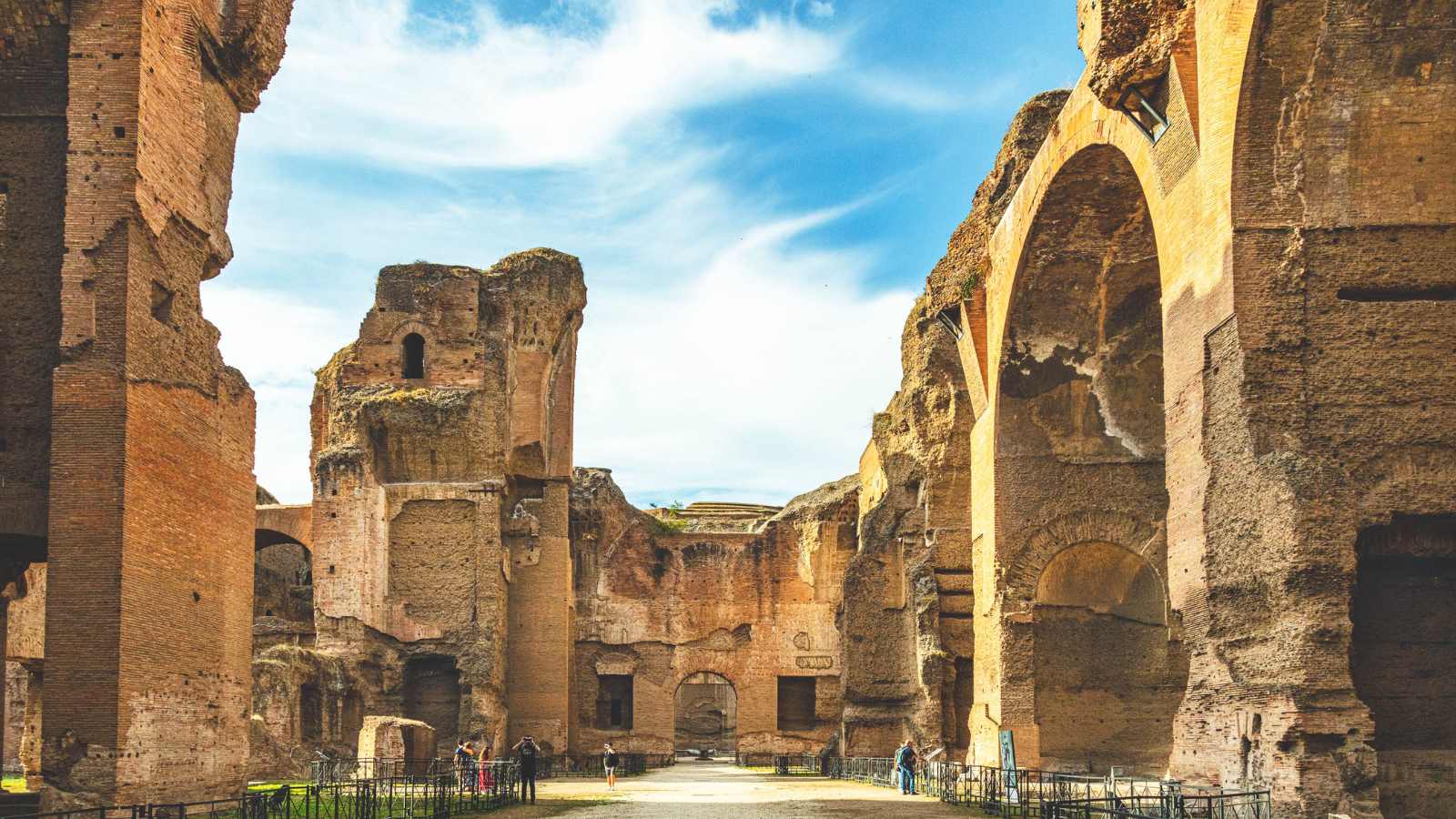
Roman citizens flocked to the Terme di Caracalla during the Roman Empire, with over 6,000 visitors arriving each day. Visitors today can experience ancient luxury through these magnificent ruins while enjoying minimal crowds.
The audio guide with virtual reconstructions provides essential insights into experiencing the bathhouse in its full Roman splendor. Sometimes, summer opera performances take place under the starry sky.
Non-Catholic Cemetery – Poets, Cats, and Pyramid Views
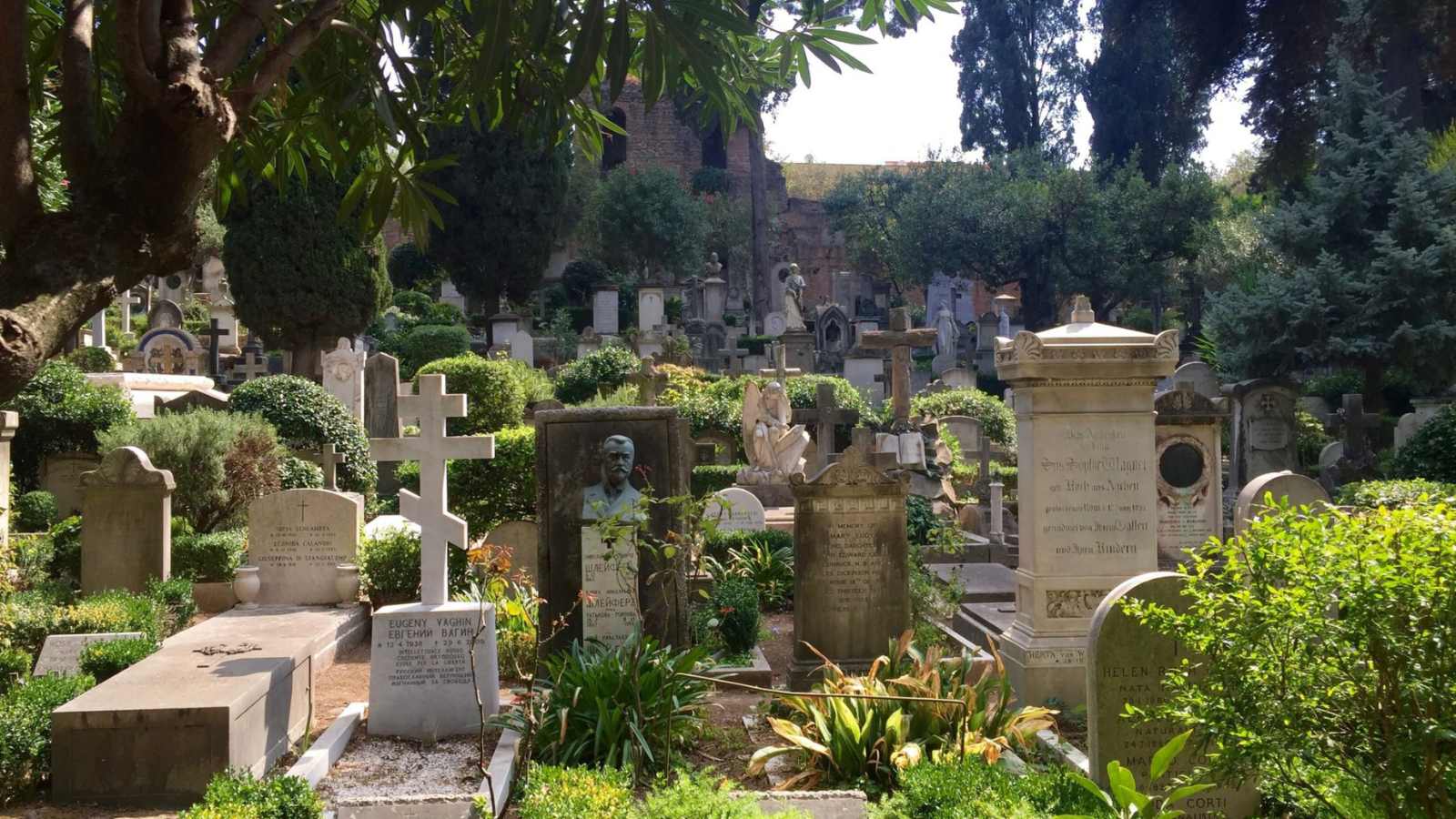
This cemetery is one of Rome’s quietest places. Poets Shelley and Keats rest alongside a small colony of cats while offering spectacular views of Rome’s pyramid. The cemetery provides a serene setting for reflection or watching cats, while remaining largely undiscovered by busy tourists.
The non-Catholic cemetery, also known as the Protestant Cemetery and the English Cemetery, serves as a hidden treasure within Rome’s vibrant urban landscape. Many well-known poets and writers worldwide have found their final resting place in this location. Percy Bysshe Shelley and John Keats stand out as the cemetery’s most renowned figures since they were buried here after dying young.
Borghese Gallery-Baroque Art in a Park Setting

The green Villa Borghese Park gallery houses exceptional works by Bernini, Caravaggio, and Canova. The gallery maintains strict visitor limits; therefore, tickets must be booked in advance.
The gallery showcases masterpieces of Baroque art, including Bernini’s “Apollo and Daphne” sculpture and Caravaggio’s intense painting “David with the Head of Goliath. “Bonus tip for foodies and families: Explore the park with a picnic or spend the afternoon biking.
Trastevere Neighborhood – Boho Streets, Buzzing Bistros

Cross the Tiber for Rome’s bohemian heart. The Trastevere district contains winding ivy-covered streets alongside artisan shops and favored trattorias throughout Rome. Taste authentic Roman life through cacio e pepe at hidden eateries or enjoy live music at neighborhood bars while exploring nighttime street food tours.
Campo de’ Fiori – Roma’s Market Beat

Campo de’ Fiori operates as a vibrant marketplace during the day, where visitors can purchase fresh artichokes, a variety of cheeses, and flowers. After dark, the square transforms into a gathering place for locals and tourists.
Finish your market haggling and return after sunset to indulge in the bustling aperitivo hour. Enjoy a glass of wine while observing the people around you, or talk to a friendly local person.
Isola Tiberina – A Riverside Island Retreat

The city of Rome includes an island that everyone should experience! Isola Tiberina is ideal for a riverside walk and hosts summer film festivals, as well as outdoor drinks. This location features numerous food stands and is home to a 10th-century basilica.
Despite its compact size, Isola Tiberina holds numerous undiscovered treasures for visitors to explore. A stroll along the riverbanks lets you enjoy Rome’s bridges and historic architecture from a leisurely perspective. The adventurous can experience the island’s history by joining one of the boat tours available around Isola Tiberina. This place remains small yet powerful enough to become a treasured hidden spot among locals.
Palazzo Massimo alle Terme

The unsung museum showcases Roman mosaics alongside ancient jewelry and preserved faces, offering discovery without the crowds typically found at the Colosseum. The wall frescoes discovered in the villa of Augustus’s wife are a memorable highlight.
Visitors will find additional attractions beyond ancient treasures. The museum is located within a Renaissance palace, where visitors can experience ancient and contemporary Roman architectural styles. Since this museum is less popular, you can explore at your own pace without being hurried by many tourists.
Park Caffarella

Local joggers and family groups regard this place as their preferred retreat. Park Caffarella’s peaceful natural setting includes Roman ruins, an ancient spring, and grazing sheep. Put on your walking shoes to experience Rome as the locals do.
Located on the southern edge of Rome, the park covers more than 1800 acres, making it among Europe’s biggest urban green spaces. Agriculture and animal grazing have been practiced in this location since ancient times. The park offers visitors a serene sanctuary from the constant activity of urban life.
Teatro Marcello – The Colosseum’s Quieter Cousin

The Teatro Marcello predates the Colosseum yet fails to attract most tourists. The site now hosts classical concerts during summer, and its elegant arches create ideal photo opportunities without crowds.
The open-air theatre, Teatro Marcello, situated near the Tiber River, dates back to the first century BC. Emperor Augustus finished Teatro Marcello, which Julius Caesar had initially commissioned. The Colosseum overshadows Teatro Marcello’s fame, but this ancient theatre still has a distinct enchantment.
Parco degli Aquedotti – Ancient Waterworks, Modern Peace

Take a leisurely walk or picnic in the shade of the world’s most ancient aqueducts. The park features the monumental arches of Aqua Claudia, while its distance from urban noise creates a countryside atmosphere. Locals love it at sunset.
The Park of the Aqueducts is a hidden treasure in Rome, offering a tranquil escape from the city’s bustling urban center. The park safeguards ancient Roman aqueducts that, as indicated by its name, delivered water to the town more than two millennia ago.
Basilica San Clemente – Three Churches, One Spot

Descend through centuries here! The extraordinary church provides access to a 12th-century basilica above ground, a 4th-century basilica below, hidden Roman ruins, and a pagan temple underneath.
History enthusiasts and architecture fans should visit the Basilica San Clemente. The church’s distinctive design offers fascinating insights into Rome’s historical developments.
Villa Doria Pamphilj – Picnic Like a Roman
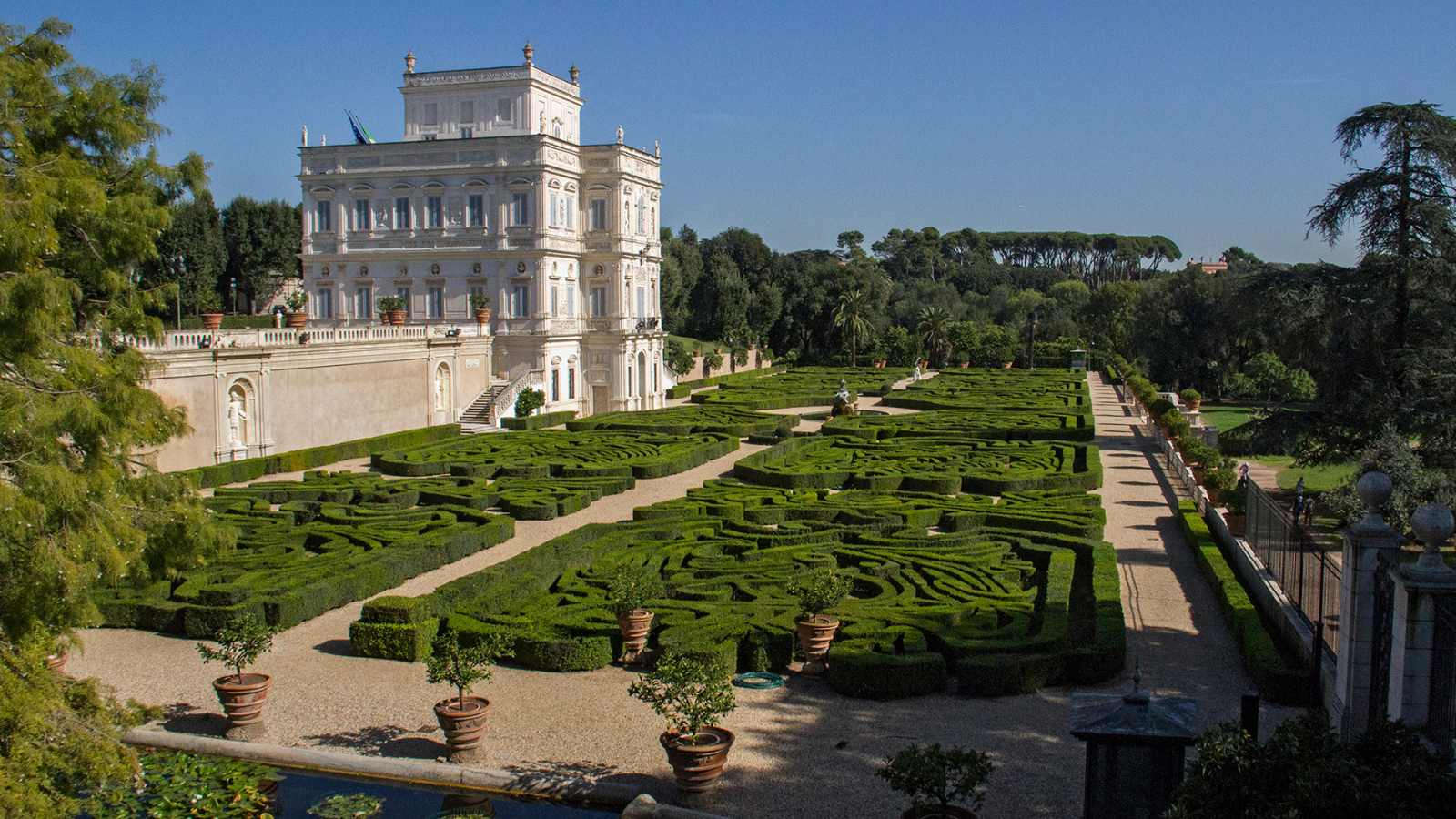
Villa Doria Pamphilj, Rome’s biggest park, attracts fewer tourists than Villa Borghese and offers perfect conditions for jogging, cycling, or leisurely afternoons. The park features stunning fountains and wildflowers alongside expansive lawns, which make for the ideal spot to enjoy some gelato. Park visitors who want to discover the area by bicycle can rent bikes at this location.
Residents of Rome often enjoy Villa Doria Pamphilj by organizing picnics within its grounds. Choose a designated picnic spot within the park to lay out your blanket and enjoy tasty market snacks. Bring wine or prosecco to your picnic for an additional touch of elegance. Take in the tranquil atmosphere while observing families play games together and couples snuggle down in the grass as friends share their latest gossip.
Galleria Doria Pamphilj

This private palace and gallery overflow with baroque ceilings and vast, art-filled halls that will captivate art and architecture enthusiasts.
Visitors learn about family disputes and scandals from the Renaissance era during guided tours. Explore the breathtaking Carracci and Raphael frescoes along with the majestic Throne Room. The gallery sets a visitor limit, meaning you can enjoy the view without battling crowds.
Via Appia Antica and Baths of Diocletian
Explore Rome’s first “superhighway” by renting a bike or walking on the ancient stones of the Appian Way.
But why stop there? Many ancient roads and relics dot the city of Rome, including the Via Appia Antica and the Baths of Diocletian. Walking these historic paths, you can trace the same routes emperors and ordinary citizens once took alongside soldiers.
Disclaimer – This list is solely the author’s opinion based on research and publicly available information. It is not intended to be professional advice.
You Might Also Like:

How To Stick To Your Holiday Budget and Avoid Debt: With the holiday season in full swing, many find themselves facing high expenses. The anticipation of gift-giving, coupled with the desire to create unforgettable moments, often leads to the common tradition of seasonal spending, with the average holiday budget reaching a considerable sum.