
17 Ways Apple Cider Vinegar Could Be Harming Your Health
What if one of the trendiest health shots could be harming your body in ways you never expected? Nearly one in five Americans has tried apple cider vinegar (ACV) for its supposed benefits—from weight loss to clearer skin—fueling a global market projected to hit $2.5 billion by 2032. Social media is packed with stories touting ACV as a cure-all, but for every viral testimonial, there’s a lack of solid evidence supporting its miraculous claims.
Behind its devoted following, apple cider vinegar packs a potent punch: its acidity falls between pH 2.4 and 3.4, making it far more acidic than most soft drinks. While some small studies suggest ACV might provide minor metabolic perks, medical literature warns that improper or frequent use can pose serious health risks—from eroding tooth enamel to impacting blood sugar control. Understanding the real science behind apple cider vinegar is critical before adding it to your daily routine. Here are 17 ways ACV might be more trouble than it’s worth, along with science-backed tips to keep in mind.
Lowering Potassium Levels

Excessive ACV consumption can disrupt electrolyte balance in the body, with potassium (K+) taking the most brutal hit. Documented laboratory analyses show that chronic use of large ACV quantities reduces blood potassium concentrations, heightening the risk for hypokalemia. This condition can trigger muscle cramping, weakness, fatigue, and dangerous heart rhythm problems. In a case outlined in a clinical review, a woman who ingested over 250 mL of ACV daily developed hypokalemia so severe that it required hospitalization. Healthy adults need approximately 2,500 to 3,000 mg of potassium per day, and ongoing potassium loss can lead to ongoing complications.
Tip: Limit ACV intake to 1–2 tablespoons per day, diluted in eight ounces or more of water. Anyone on blood pressure medication, diuretics, or with known heart issues should speak with a healthcare professional before starting ACV.
Causing Skin Burns

Despite claims that ACV does wonders for acne or warts, misuse topically comes with significant risks. Clinical toxicology reports and safety guidelines highlight that undiluted vinegar causes chemical burns, blisters, and skin injuries, including second- and third-degree burns requiring wound care. The natural acidity disrupts skin protein structures and the protective acid mantle, leaving skin open to infection and slow healing.
Tip: Only use diluted ACV in a small, inconspicuous area and discontinue immediately if burning, redness, or itching start—never apply directly to broken or sensitive skin.
Damaging Your Tooth Enamel

Apple cider vinegar’s extreme acidity can wreak havoc on dental health. Tooth enamel—the hard, protective coating on your teeth—starts to break down at a pH below 5.5, and according to the National Institutes of Health, ACV usually measures between 2.4 and 3.4. According to the National Institutes of Health, a Laboratory analysis found that soaking teeth in vinegar for several hours strips away both calcium and phosphate minerals, weakening the entire tooth structure and leaving teeth highly sensitive and more likely to develop decay. In addition, dental erosion caused by acidic beverages is linked to higher cavity rates in adult populations, demonstrating long-term oral damage.
Tip: If you choose to use ACV, always dilute it heavily in water and try drinking through a straw to help bypass your teeth. Follow up with a water rinse—brushing immediately after exposure can make enamel wear worse, so give it half an hour.
Triggering Acid Reflux

Some ACV enthusiasts turn to vinegar for acid reflux relief, not realizing it may aggravate their symptoms. Acidic solutions exacerbate inflammation of the throat and esophagus, often leading to persistent heartburn and regurgitation. The Harvard Medical School recommends excluding acidic foods and drinks, including vinegar, from the diets of those with chronic gastroesophageal reflux disease. Between 20% and 30% of Americans experience chronic heartburn, making this a widespread concern.
Pro Tip: Those with acid reflux or frequent heartburn should skip ACV entirely in favor of physician-recommended treatments and dietary adjustments.
Creating Nutrient Imbalances

By lowering potassium levels and potentially disrupting other nutrients, ACV can create an imbalance in your body’s overall nutritional profile. This leaves your body struggling to function optimally over time. Focus on a balanced, nutrient-rich diet instead of relying on ACV as a “magic fix.”
Pro Tip: Rotate or cycle your ACV use rather than taking it daily.
Slowing Healing of Wounds

Some DIYers use ACV to disinfect wounds due to its antibacterial properties. However, its firm acidity can harm tissues, slowing down the healing process. Liquid bandages or antiseptics are much more effective and safer alternatives.
Pro Tip: Always consult a healthcare professional before using any natural remedies for wounds.
Upsetting Your Stomach

Drinking ACV regularly can easily upset the stomach due to its high acetic acid content. Studies from the National Institutes of Health on gastric emptying show that even modest doses of vinegar delay the movement of food from the stomach to the intestines by up to 50%. While this might make some feel fuller, it also puts pressure on people who already deal with slow digestion or gastroparesis. This condition affects at least 10 in every 100,000 individuals in the U.S., according to the National Institute of Diabetes and Digestive and Kidney Diseases. Symptoms include nausea, bloating, and sometimes severe abdominal pain. Over time, repeated irritation from daily ACV use may contribute to gastritis or worsening of existing digestive issues.
Pro Tip: If you’re determined to keep ACV in your diet, use it strictly with meals instead of on an empty stomach—the food serves as a buffer against stomach acid spikes and can help ease discomfort.
Interfering With Medications

Because ACV has a mild effect on glycemic control and potassium absorption, it can interfere with several common medications. Acetic acid may amplify the effects of insulin and oral hypoglycemic drugs, risking dangerously low blood sugar levels (hypoglycemia). Additionally, combining ACV with certain diuretics intensifies potassium loss, making side effects of both the medication and the vinegar more likely. Reports according to the CDC show that over 34 million people in the U.S. rely on at least one prescription medication each day, so this interaction is hardly rare.
Tip: Always discuss ACV use with your doctor or pharmacist if you’re on prescription blood sugar or blood pressure medications—these interactions aren’t always predictable.
Impacting Voice Quality

Drinking undiluted ACV can irritate your vocal cords and diminish the quality of your voice over time. This is especially concerning for singers or those who use their voice professionally. Dilution and moderation are key to avoiding this problem.
Pro Tip: Keep room-temperature water handy when using acidic foods or drinks.
Leading to Nausea

One of the most common side effects reported with apple cider vinegar is nausea. Even when diluted, the pungent smell and sharp taste of ACV can trigger queasiness or discomfort in sensitive individuals. Research and consumer surveys have found that adding ACV to drinks or consuming it before a meal can lead to a feeling of sickness, especially when taken on an empty stomach. Continuous use may increase this uneasy sensation and, in some cases, result in vomiting if your stomach cannot tolerate the acidity.
Tip: If you notice a queasy feeling or repeated nausea with ACV, consider lowering the dose, switching to food-based uses, or discontinuing altogether.
Weakening Your Bones

Repeatedly ingesting highly acidic solutions contributes to broader changes in body mineral retention over time. Scientific evidence shows that consistent acetic acid intake lowers blood calcium through both urinary excretion and reduced intestinal absorption. Over time, reduced dietary calcium and increased acid intake can lead to thinner, less dense bones, particularly in older adults who already experience natural bone density decline. The Centers for Disease Control and Prevention estimates that 10 million Americans above age 50 have osteoporosis or its precursor, low bone mass.
Pro Tip: Focus on getting enough calcium and vitamin D through food or supplements, and avoid large, daily doses of ACV—especially if you’re at risk for bone loss.
Worsening Digestion for Some

Apple cider vinegar is known for slowing down stomach emptying—one clinical study, according to the National Institutes of Health, found that adding vinegar to a starchy meal delayed absorption. While that might reduce blood sugar spikes for some, it creates discomfort for others. Symptoms like nausea, indigestion, and a feeling of “fullness” after eating are common adverse effects. People with pre-existing digestion concerns—such as those with functional dyspepsia, which affects about 20% of adults —are particularly vulnerable.
Tip: Start with minimal, diluted amounts (if at all), only with meals, and stop usage immediately if you notice bloating or stomach pain.
Irritating Your Throat

ACV has been cited in several poison and toxicology databases for causing esophageal burns and eye injuries on direct contact. The esophagus, unlike the stomach, lacks a protective mucosal lining, making it much more vulnerable to acid burns even from one or two sips of undiluted vinegar. Symptoms range from a sore throat and difficulty swallowing to permanent tissue scarring that requires medical intervention.
Tip: Never consume ACV straight—dilute it in plenty of liquid, and avoid drinking it altogether if you’ve ever had swallowing problems or throat sensitivity.
Causing Low Blood Sugar
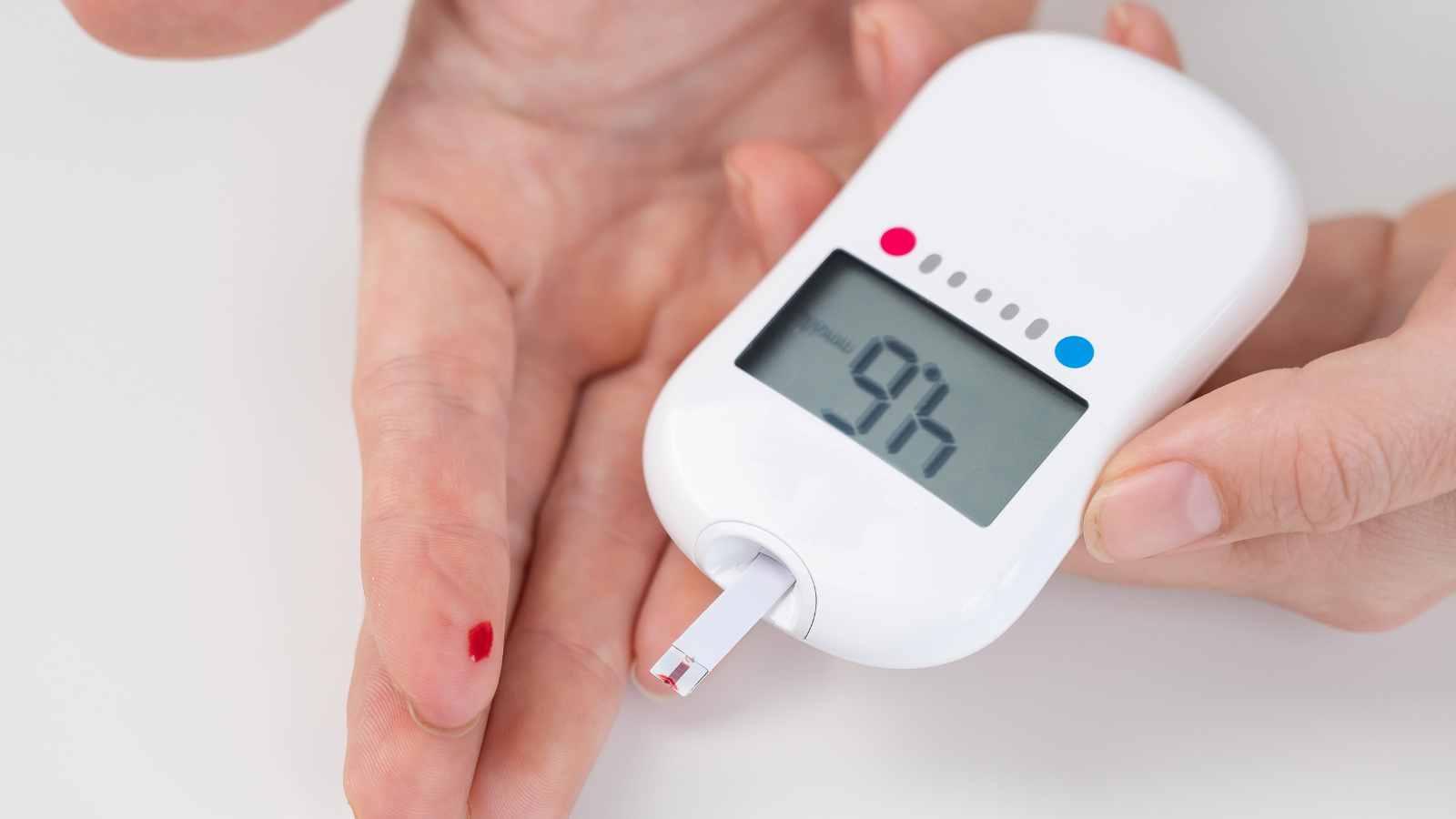
Small, controlled studies indicate that ACV does have a measurable impact on lowering blood sugar post-meals—by as much as 20% in specific individuals. However, for people managing diabetes, this can be a double-edged sword. Introducing ACV without medical oversight risks hypoglycemia, especially for those taking insulin or other blood sugar medications. Twenty percent of U.S. adults over 65 are diabetic, meaning this risk applies to millions.
Pro Tip: Always note blood glucose responses in a log or app, and talk over any supplement changes with your endocrinologist if you have diabetes or prediabetes.
Contributing to Bloat

Drinking ACV regularly can easily upset the stomach due to its high acetic acid content. Studies on gastric emptying show that even modest doses of vinegar delay the movement of food from the stomach to the intestines by up to 50%. While this might make some feel fuller, it also puts pressure on people who already deal with slow digestion or gastroparesis, a condition that affects at least 10 in every 100,000 individuals in the U.S.. Symptoms include nausea, bloating, and sometimes severe abdominal pain. Over time, repeated irritation from daily ACV use may contribute to gastritis or worsening of existing digestive issues.
Pro Tip: If you’re determined to keep ACV in your diet, use it strictly with meals instead of on an empty stomach—the food serves as a buffer against stomach acid spikes and can help ease discomfort.
Not Actually Helping Weight Loss

There’s no solid evidence for dramatic, permanent weight loss from ACV use alone. The most promising research shows that, over 12 weeks, ACV can reduce body weight by less than 2 pounds on average, so expectations of rapid or significant results are misplaced. Relying on ACV without also addressing calorie intake and physical activity encourages unhealthy habits or “yo-yo” dieting.
Pro Tip: Sustainable weight loss comes from a balanced diet and consistent physical activity—consider ACV an occasional kitchen ingredient rather than a fix.
Becoming Too Trend-Obsessed

Over-consumption of ACV is often fueled by health fads, not by genuine nutritional needs. Jumping on trends without doing research can hurt more than help. Think critically about whether ACV is necessary or if it’s a band-aid for deeper health issues.
Pro Tip: When in doubt, consult a certified nutritionist for personalized advice.
Disclaimer – This list is solely the author’s opinion based on research and publicly available information. It is not intended to be professional advice.
You Might Also Like:

How To Stick To Your Holiday Budget and Avoid Debt: With the holiday season in full swing, many find themselves facing high expenses. The anticipation of gift-giving, coupled with the desire to create unforgettable moments, often leads to the common tradition of seasonal spending, with the average holiday budget reaching a considerable sum.