16 Historic Restaurants That Deserve a Spot on Your Bucket List
What if your next meal came with a side of history—served where legends once dined and traditions were born? These aren’t just meals—they’re moments frozen in time. Historic restaurants are more than just eateries; they are cultural institutions that offer a glimpse into the past through their food, architecture, and stories.
If you’re a foodie, a history lover, or both, these restaurants deserve a spot on your bucket list. From centuries-old establishments to iconic landmarks, here are 20 historic restaurants you won’t want to miss.
Antica Pesa, Rome, Italy

Dating back to 1922, Antica Pesa has been serving exquisite Italian cuisine for over a century. This family-run restaurant is beloved by locals, tourists, and celebrities alike. Known for its authentic Roman dishes, such as cacio e pepe and seasonal specialties, Antica Pesa offers an elegant glimpse into Italy’s culinary tradition.
Union Oyster House, Boston, USA
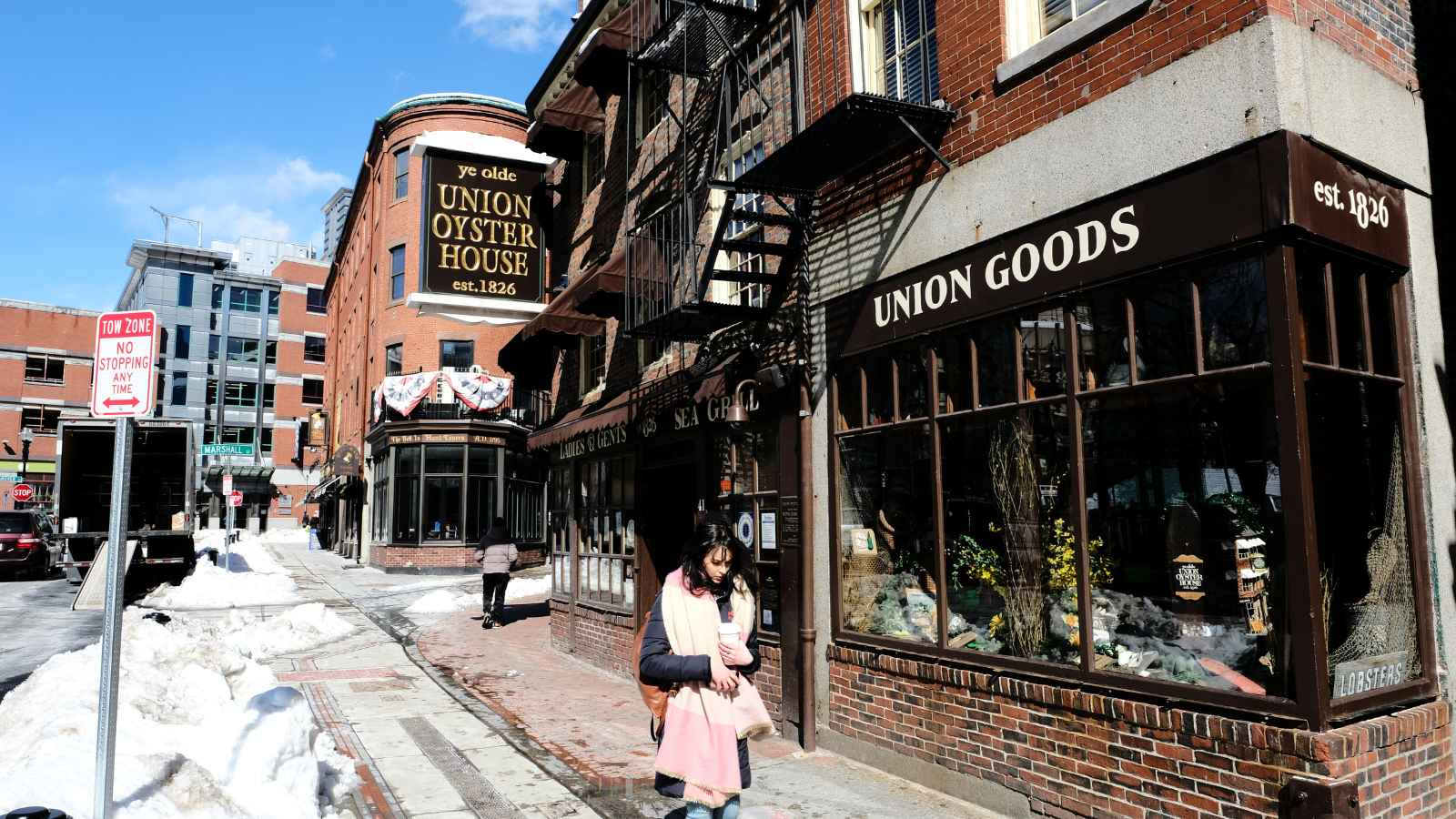
The Union Oyster House holds the title of America’s oldest continuously operating restaurant, established in 1826. Frequently visited by historical figures such as Daniel Webster and John F. Kennedy, the restaurant is renowned for its clam chowder and extensive selection of fresh seafood.
Tavares Rico, Lisbon, Portugal
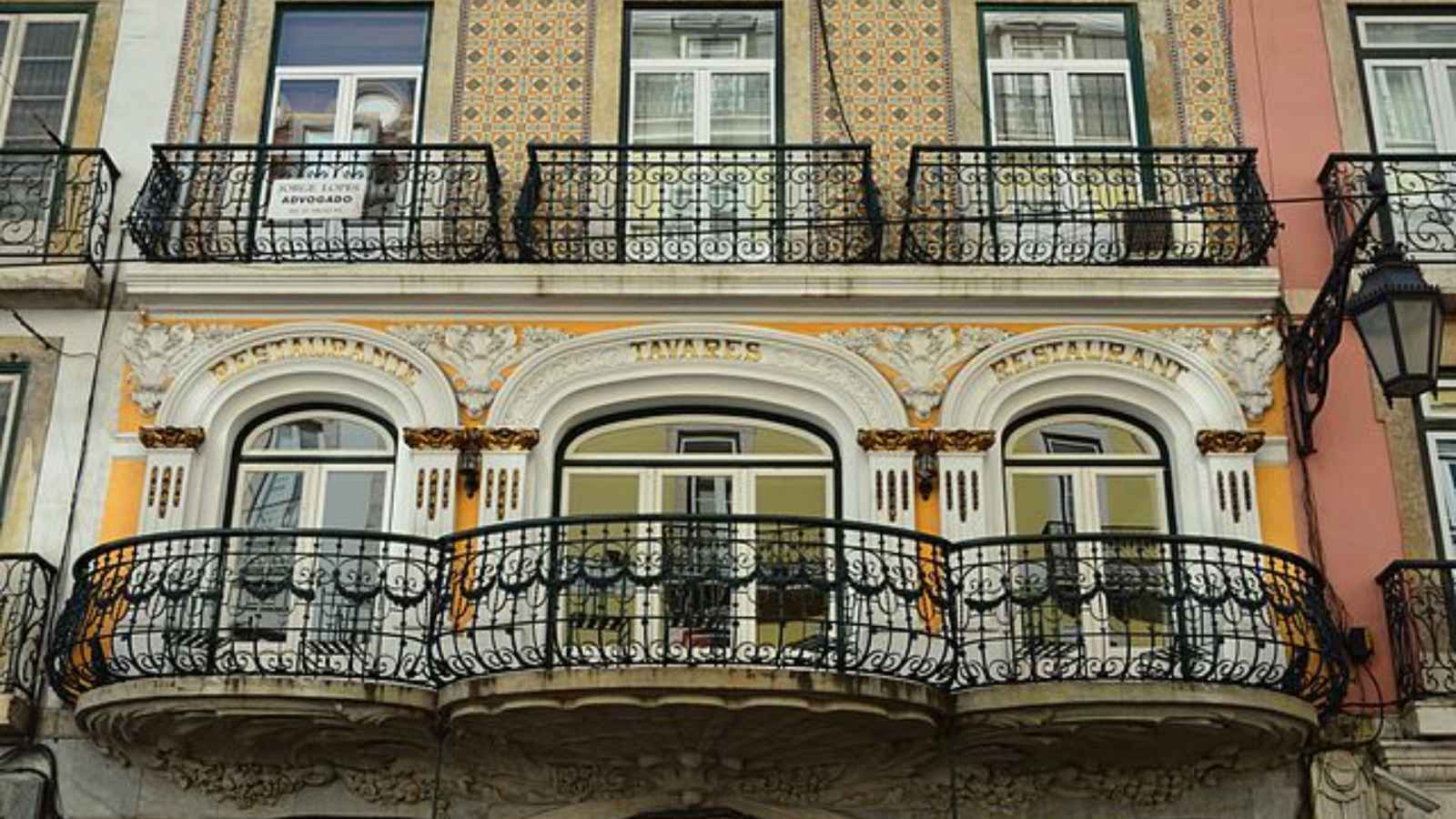
Opened in 1784, Tavares Rico is considered Lisbon’s oldest restaurant. Dripping in Belle Époque opulence, the restaurant is a visual masterpiece. Golden mirrors, handcrafted chandeliers, ornate gilded ceilings, and original 19th-century artwork transport guests to an era of aristocracy and romance. Writers, politicians, and poets—most notably Portugal’s literary giant Eça de Queirós—have all dined here, and it even appears in his famous novel Os Maias.
Rules, London, UK
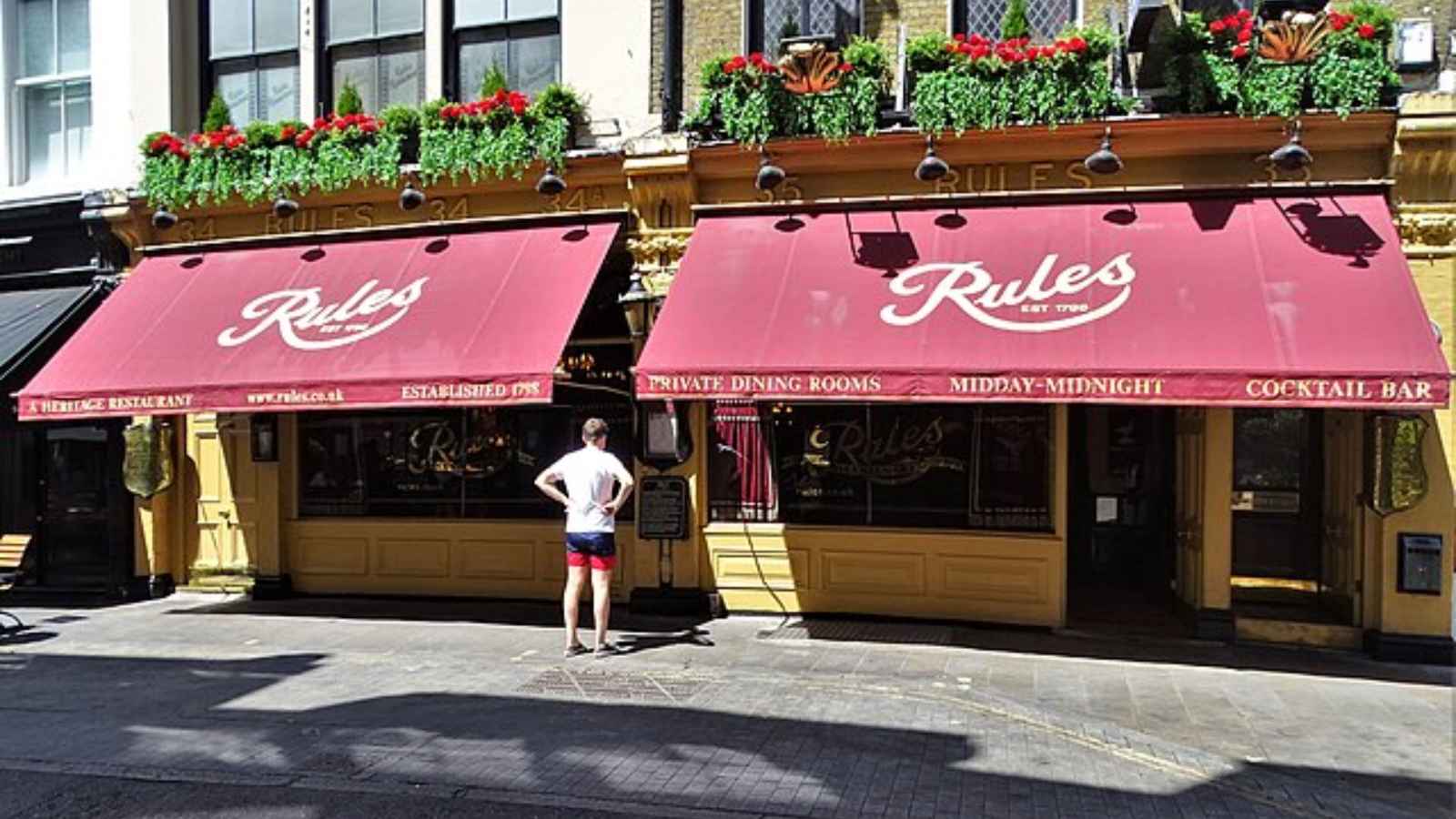
Established in 1798, Rules is London’s oldest restaurant. This iconic spot boasts quintessentially British dishes and has made appearances in films like “Spectre” and “Downton Abbey.” Originally opened by Thomas Rule as an oyster bar, Rules quickly evolved into the capital’s go-to destination for classic British cuisine. Today, it remains fiercely loyal to its roots, serving up hearty dishes like steak and kidney pie, roast grouse, jugged hare, and traditional puddings, all crafted using seasonal game sourced from its very own estate in the High Pennines.
Sobrino de Botín, Madrid, Spain
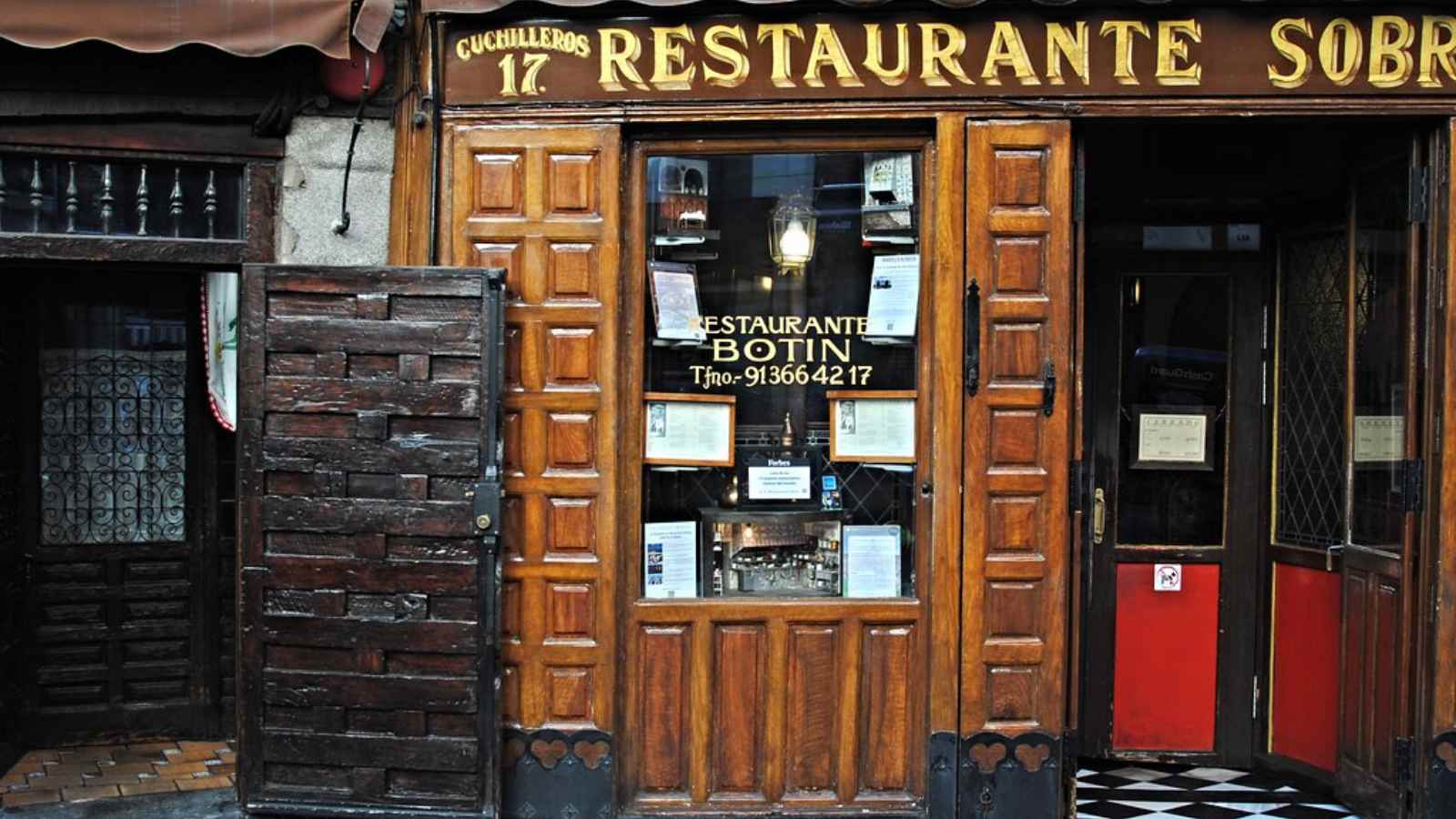
Recognized by the Guinness Book of World Records as the world’s oldest restaurant, Sobrino de Botín has been serving customers since 1725. It was founded by French cook Jean Botín and his Spanish wife, and the restaurant has been in the exact location ever since.
The ambiance is timeless—arched brick cellars, rustic wooden beams, and candle-lit rooms echo centuries of conversation from 18th-century nobles to modern-day tourists. Their specialty, roast suckling pig, is cooked in an oven that has been in use for nearly 300 years.
Hasselbacken, Stockholm, Sweden
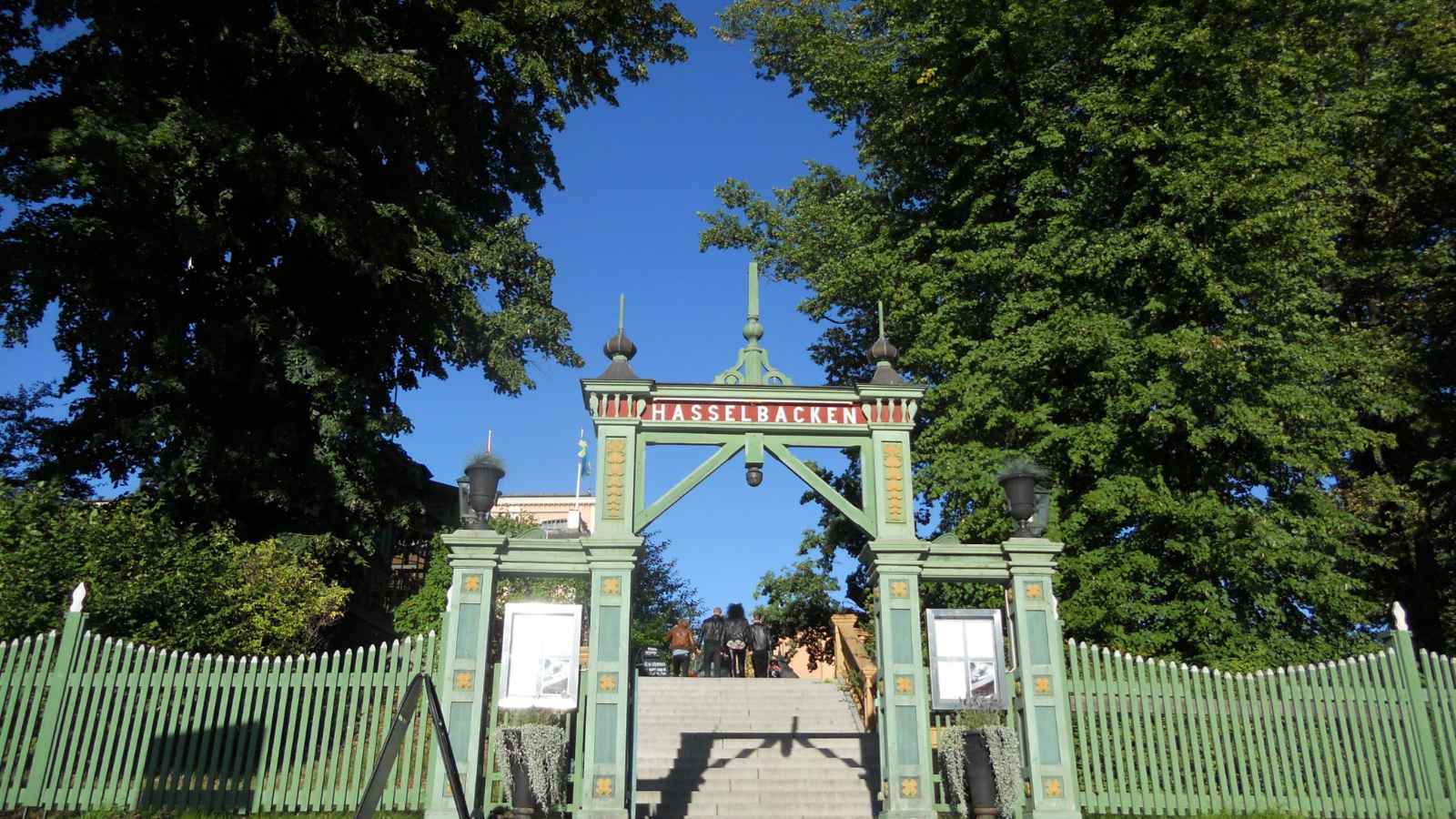
Hasselbacken, which opened in 1765, is not only one of Stockholm’s oldest restaurants but also the birthplace of the famous Hasselback potatoes invented by a chef-in-training right in the restaurant’s kitchen in the 1950s. Their Scandinavian menu combines centuries-old techniques with contemporary flair. With elegant interiors, seasonal outdoor dining, and a reputation spanning centuries, Hasselbacken is a must-visit for foodies, culture lovers, and culinary history enthusiasts alike.
Katz’s Delicatessen, New York City, USA
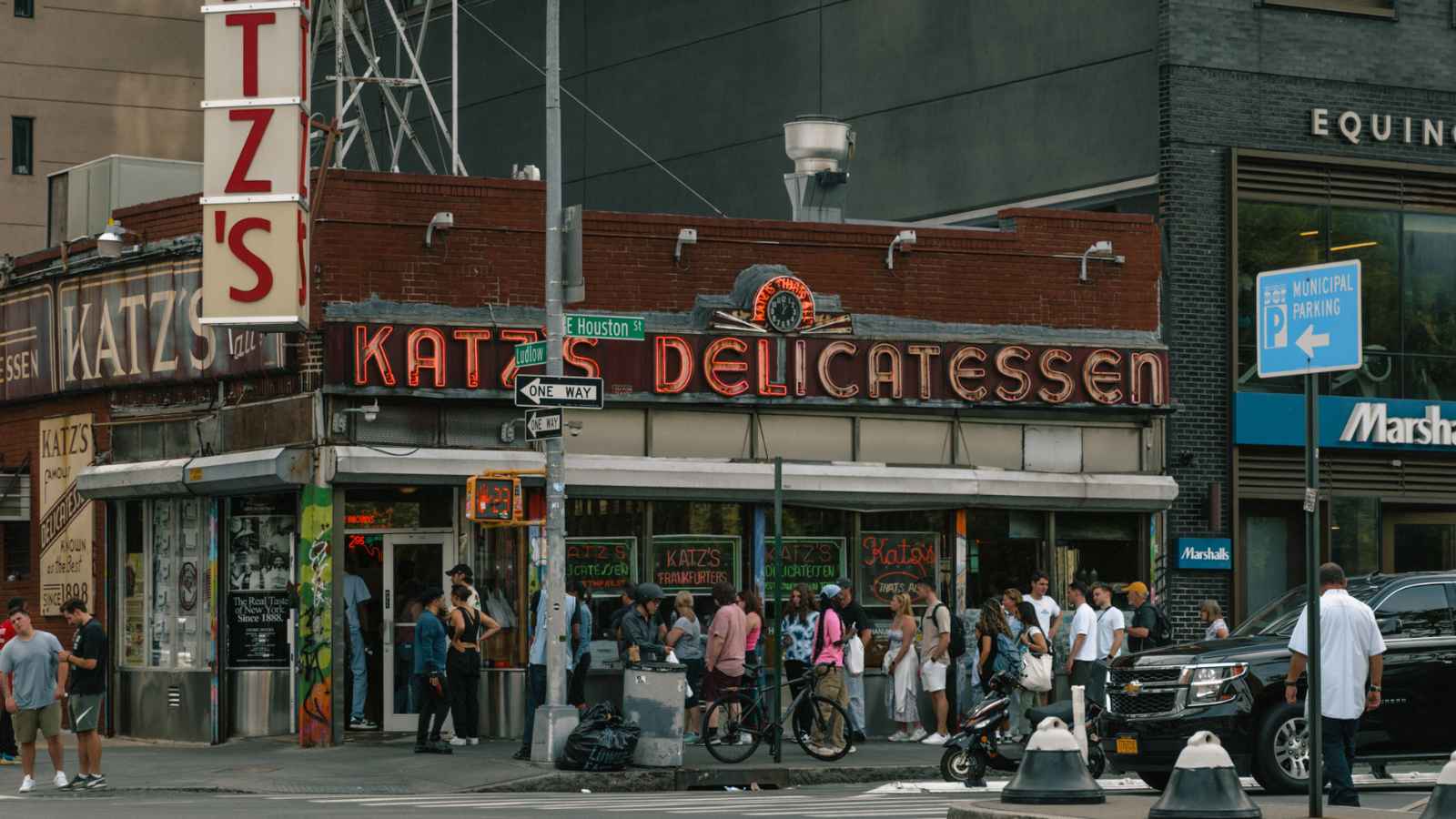
Since 1888, this legendary Lower East Side deli has been a pillar of New York City’s food culture, drawing crowds from around the globe for one thing. Katz cemented its pop culture status with the famous “I’ll have what she’s having“ scene from When Harry Met Sally—filmed right at table #31. Today, the spot is marked for fans making their foodie pilgrimage.
What makes Katz’s a must-visit? Start with their towering pastrami sandwich, hand-carved to perfection and piled so high it’s barely legal. The meat is cured for 30 days, smoked on-site, and sliced right in front of you by deli masters who treat their craft with the reverence of an art form. It’s not just a sandwich—it’s a New York rite of passage.
Zum Franziskaner, Stockholm, Sweden
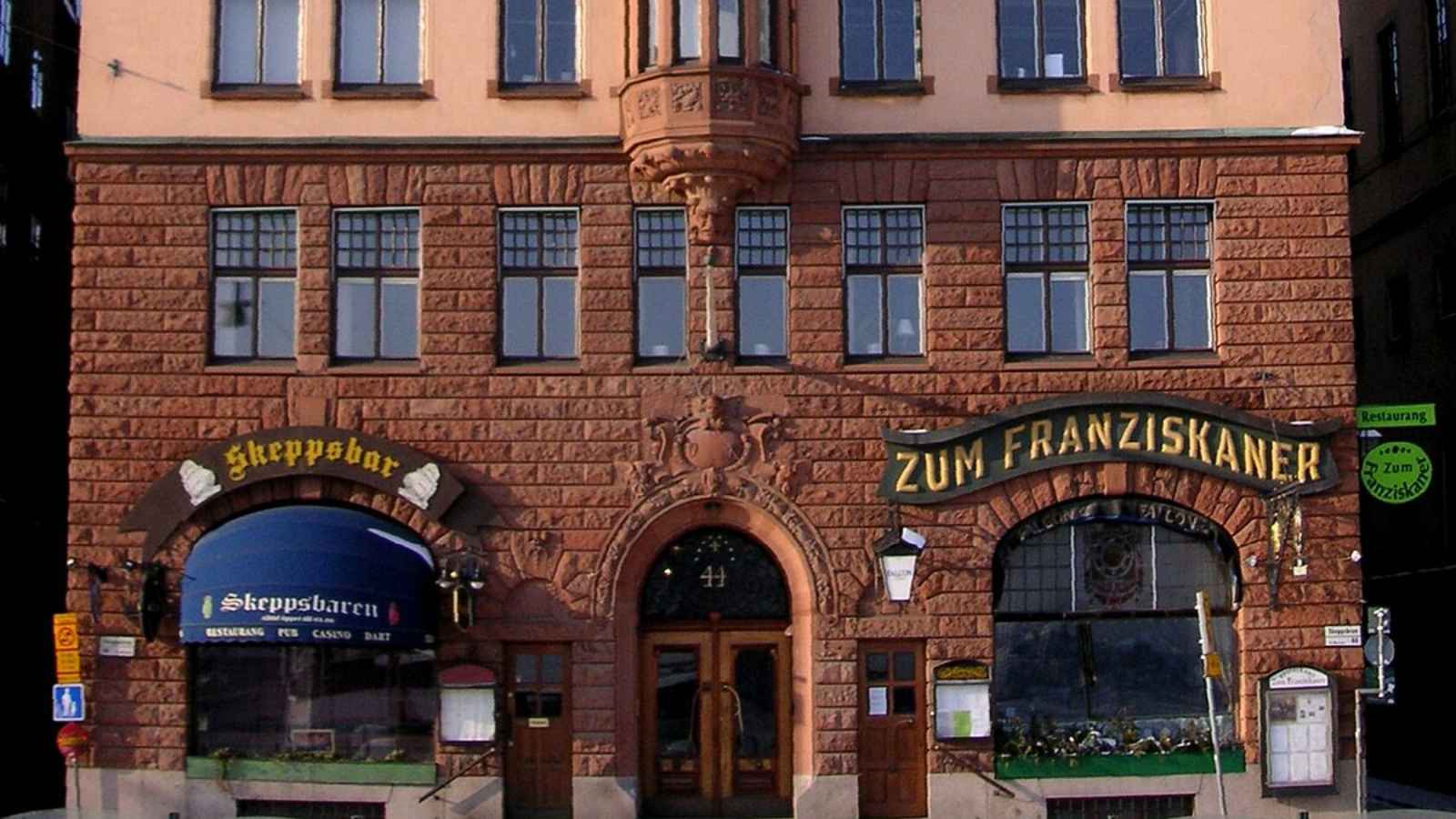
Founded in 1889, Zum Franziskaner is famous for its Bavarian-style comfort food and craft beer. This historic gem marries hearty food with Swedish hospitality. Step inside, and you’re instantly transported to a time when beer was served in steins, servers wore waistcoats, and the aroma of sizzling schnitzel filled the air.
Known for its crispy veal schnitzel, juicy bratwurst, and rich potato gratin, the food is hearty, honest, and soul-satisfying. But this isn’t just a place to eat—it’s a place to drink and linger. Their rotating selection of craft beers, rare lagers, and Swedish microbrews makes it a magnet for beer enthusiasts from around the world.
El Rinconcillo, Seville, Spain

Seville’s oldest tapas bar, established in 1670, serves up traditional Andalusian flavors. Known for its timeless charm, try their cured ham and sherry for an authentic taste of Seville. Their jamón ibérico (cured ham) is sliced by hand to buttery perfection, the espinacas con garbanzos (spinach with chickpeas) is pure comfort food, and the house sherries offer a crisp, nutty sip of southern Spain.
With its aged mahogany bar, mosaic-tiled walls, and chalk-scribbled menus, El Rinconcillo radiates old-world charm. Servers in crisp white jackets balance plates of tapas with practiced ease, gliding past barrels of sherry and shelves lined with dusty wine bottles. It’s the kind of place where locals rub shoulders with travelers and where every visit feels like a scene from a Hemingway novel.
White Horse Tavern, Newport, USA
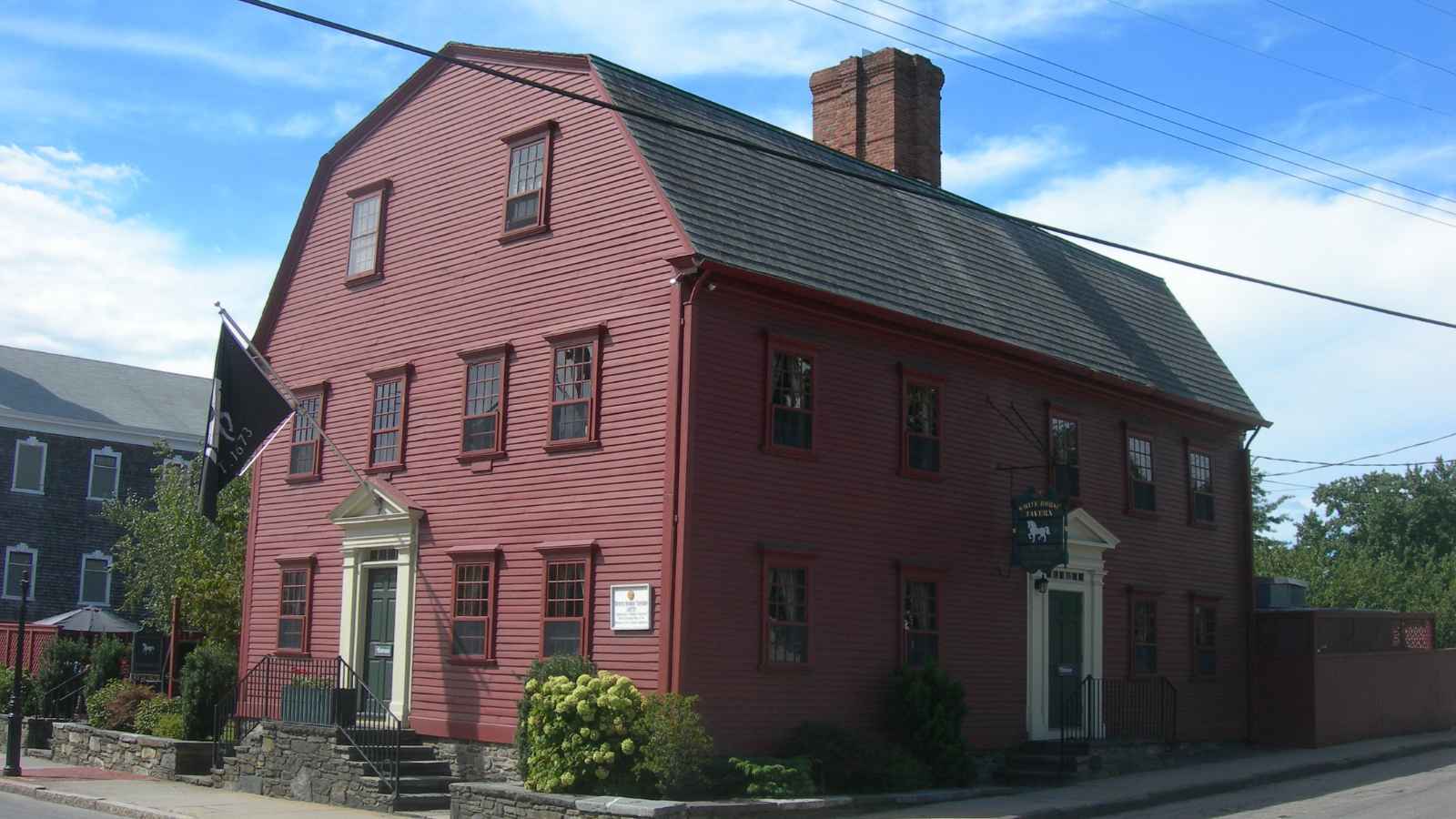
Before the United States was even a country, the White Horse Tavern was established in 1673. It holds the title of the oldest continually operating tavern in the United States. Located in the historic seaport town of Newport, Rhode Island, this landmark isn’t just a restaurant—it’s a living monument to American history and hospitality.
While its roots are deep in the 17th century, The White Horse Tavern’s kitchen is refreshingly modern. Specializing in elevated New England fare, the menu features dishes such as Rhode Island oysters, pan-roasted scallops, braised short ribs, and locally caught seafood, all prepared with farm-to-table precision. Seasonal ingredients are sourced from nearby farms and fisheries, ensuring a fresh and sustainable menu.
Quanjude, Beijing, China

Founded in 1864, Quanjude is renowned for its culinary expertise in Peking duck. Each serving comes with rich flavors and a storied history, making this spot a must-visit in Beijing. Dining at Quanjude is more than just a meal—it’s a gastronomic performance. Chefs in traditional attire carve the duck table-side with precision and flair, a visual nod to the centuries-old tradition that continues to dazzle diners from around the world.
Le Procope, Paris, France

Open since 1686, Le Procope is not just a restaurant but a cultural hub where Voltaire, Rousseau, and Napoleon dined. Their rich French menu pays homage to their illustrious reputation.
Inside, the décor is pure 18th-century opulence: crystal chandeliers, red velvet banquettes, antique mirrors, and handwritten notes from famous guests still decorate the walls. Napoleon’s hat? It’s on display by the entrance—a symbol of the café’s deep entwinement with France’s revolutionary past.
Auerbachs Keller, Leipzig, Germany
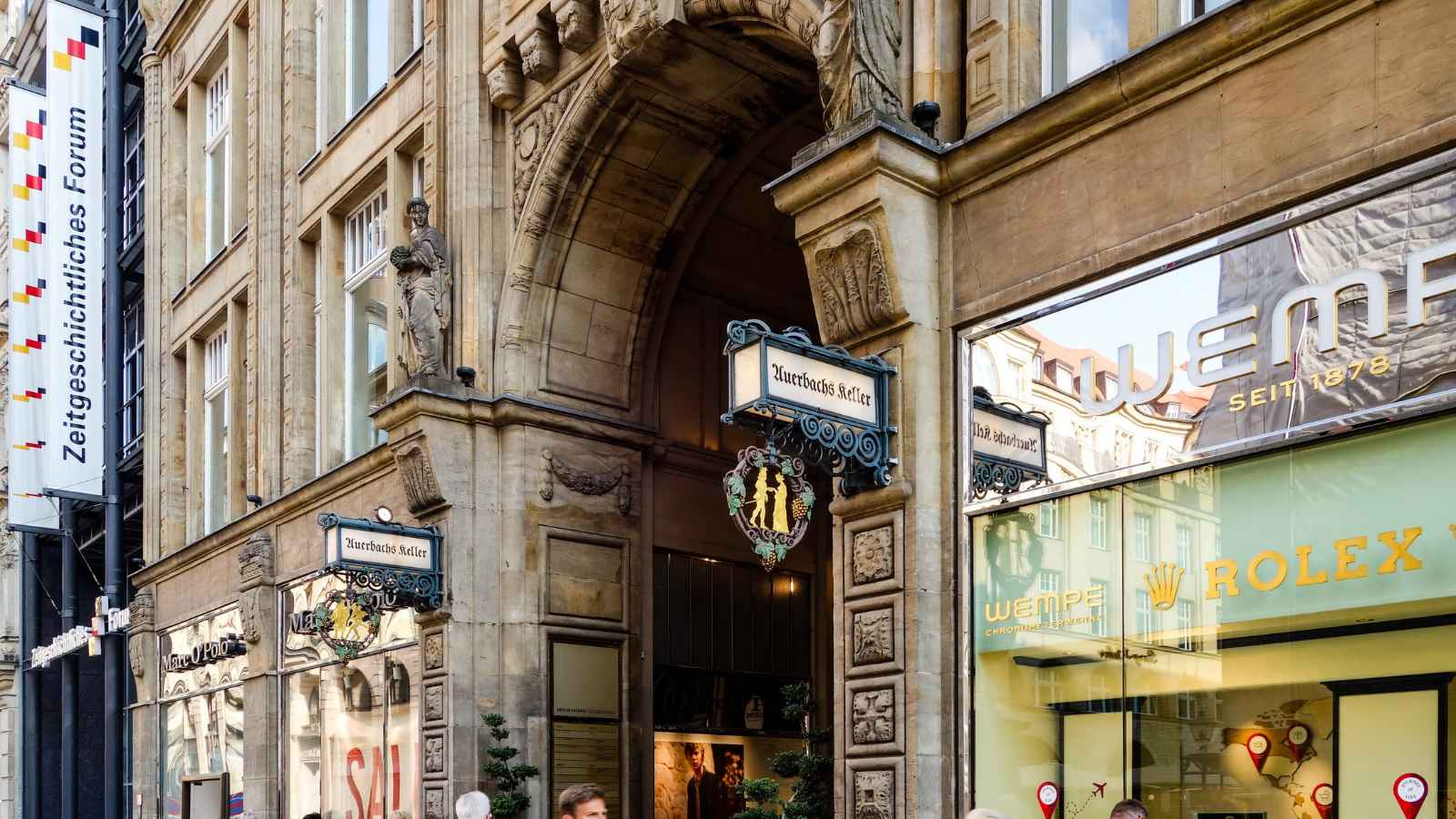
Deep in the heart of Leipzig’s Old Town lies Auerbachs Keller, one of Europe’s oldest and most storied restaurants. Operating since the early 1400s, Auerbach’s Keller is more than just a restaurant—it’s a literary legend, a cultural icon, and a culinary time machine all in one.
Immortalized by Johann Wolfgang von Goethe in his iconic play Faust, Auerbach’s Keller isn’t just a setting in the story—it inspired it. As a university student, Goethe frequented the tavern, and its mysterious atmosphere later shaped one of German literature’s most dramatic and supernatural scenes. Today, statues of Faust and Mephistopheles stand at the entrance, welcoming visitors into a place where myth, art, and history collide.
Peters Brauhaus, Cologne, Germany
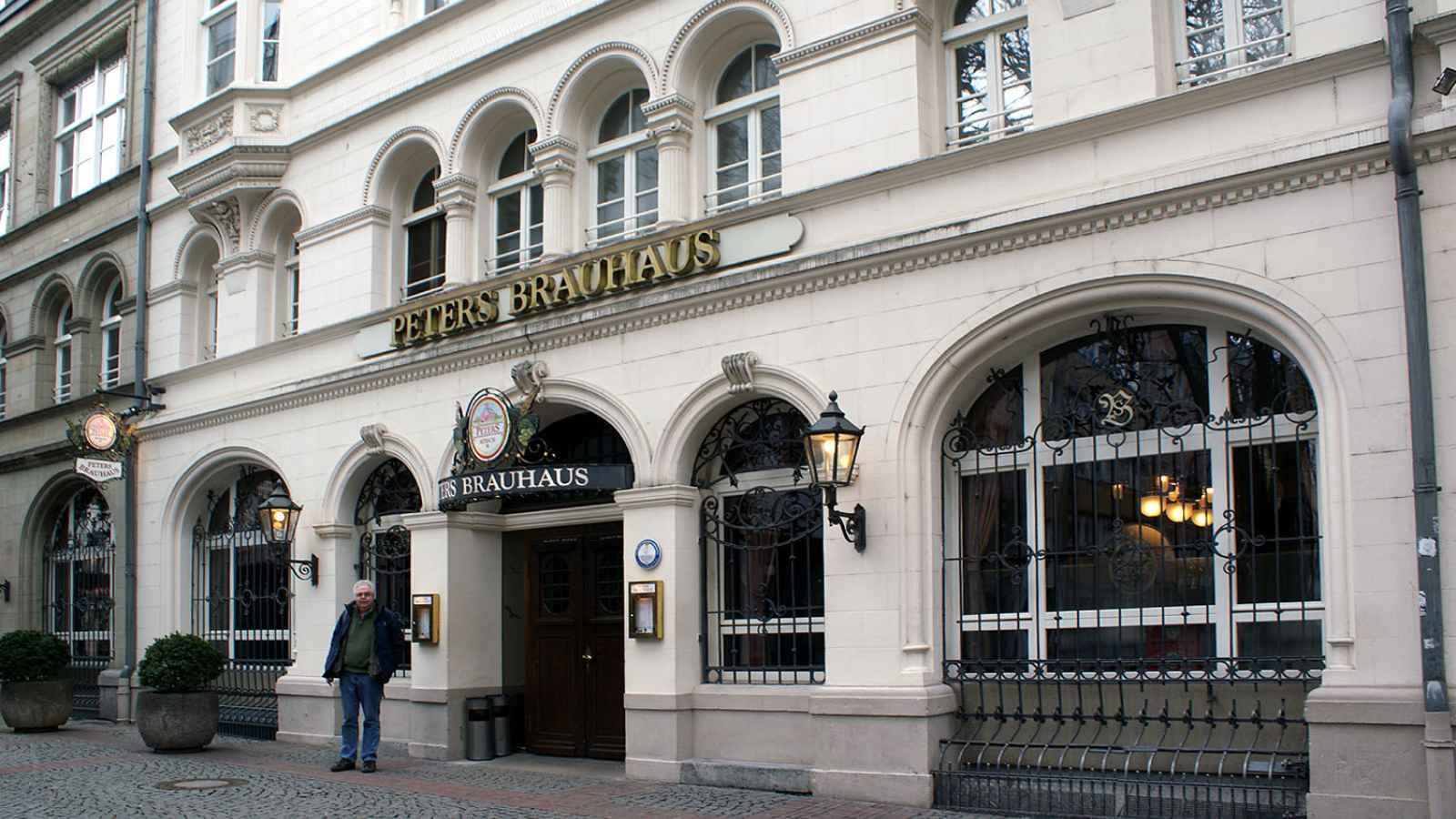
For traditional German dishes in a historic space that dates back to 1544, Peters Brauhaus is an unmissable dining spot in Cologne. Their Rhenish specialties are complemented by freshly brewed Kölsch beer.
The real attraction here is the food. Peters Brauhaus is a temple to Rhenish cuisine, serving hearty regional dishes like Himmel un Ääd (heaven and earth—mashed potatoes and apples with black pudding), Sauerbraten (marinated roast beef), and crispy pork knuckle with sauerkraut. Every dish pairs perfectly with the fresh, golden Kölsch, served the traditional way—in slim 0.2L glasses that keep the beer cold and constantly flowing as servers roam the hall.
Cabaret Voltaire, Zurich, Switzerland
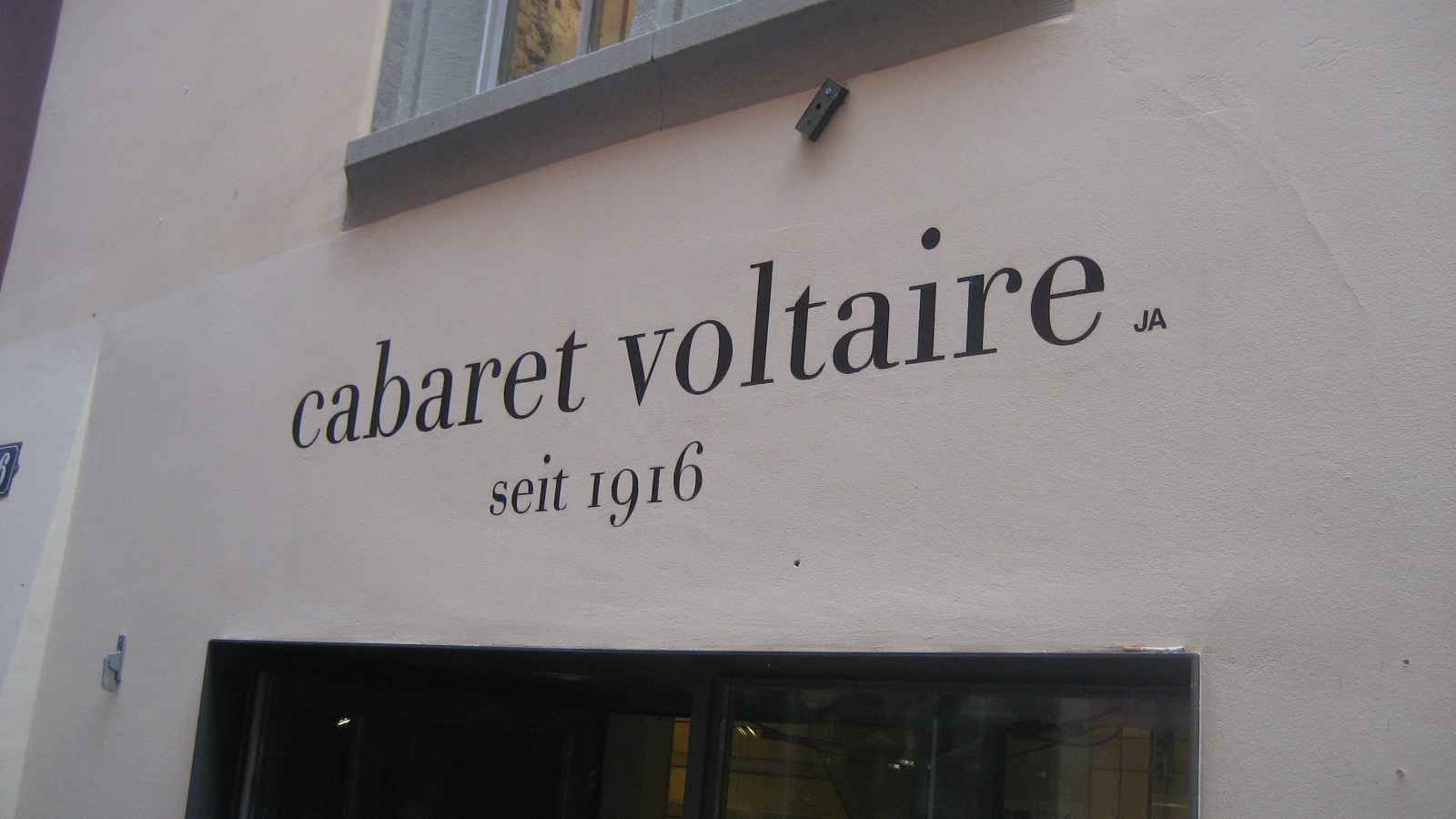
The birthplace of the Dada art movement, Cabaret Voltaire, which opened in 1916, is a historic yet vibrant space where customers can enjoy Swiss cuisine alongside avant-garde performances. The food and drink menu is a thoughtful reflection of its roots. Swiss classics with modern, edgy twists—perfectly paired with live experimental performances, poetry slams, and provocative art installations.
Step inside today, and you’ll find that the spirit of Dada is still very much alive—equal parts café, gallery, performance venue, and museum. Cabaret Voltaire invites guests to sip Swiss coffee or local wine beneath walls that once echoed with the voices of avant-garde pioneers like Tristan Tzara, Hugo Ball, Emmy Hennings, and Marcel Janco.
Honke Owariya, Kyoto, Japan
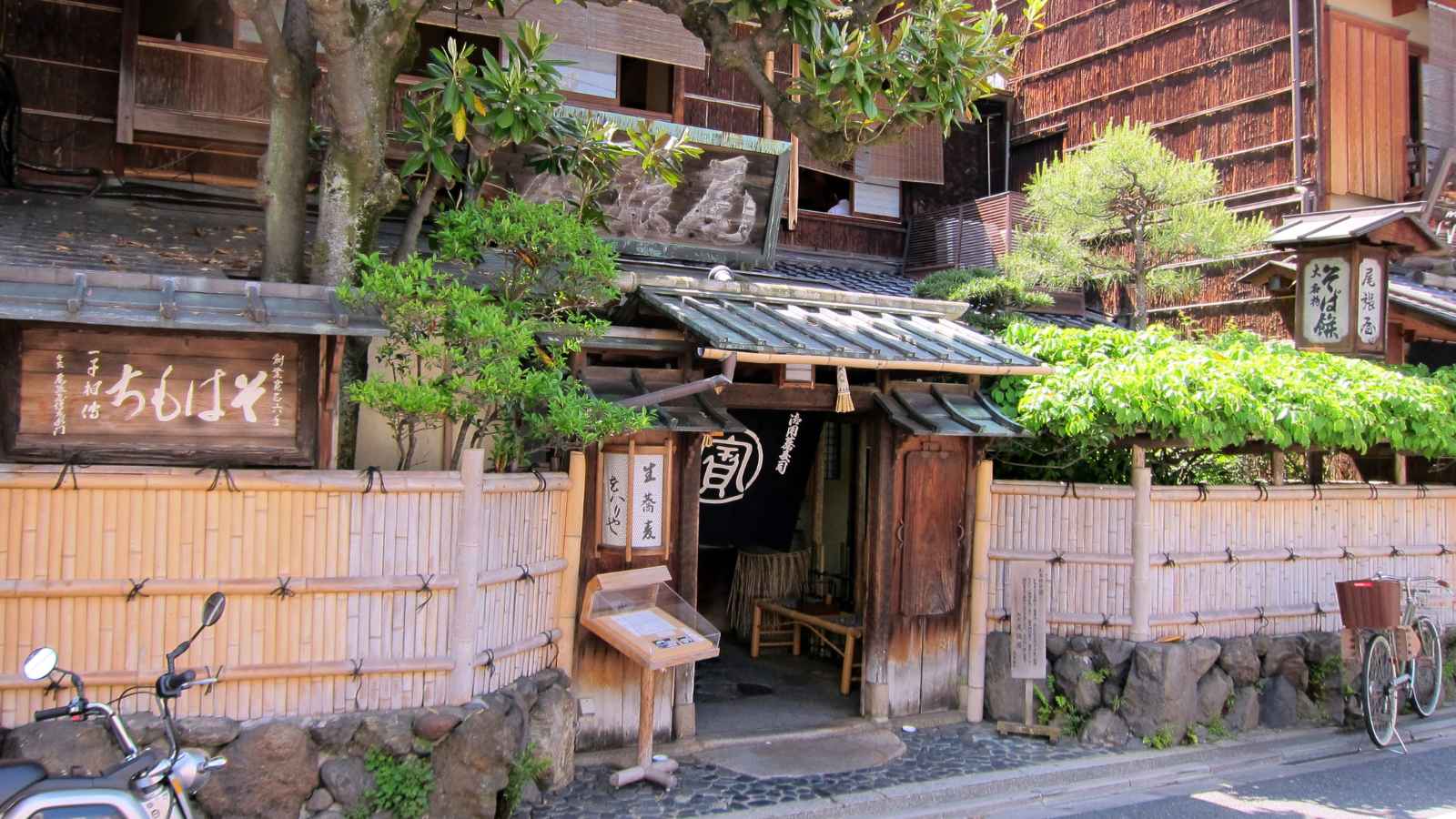
Established in 1465, Honke Owariya is a soba noodle shop that has been serving its handmade delicacies to locals and even Japanese emperors for centuries. Situated near the Kyoto Imperial Palace, Honke Owariya blends Zen-like simplicity with centuries-old craftsmanship.
Inside, you’ll find tatami mat seating, soft lighting, and a serenity that reflects the city’s deep cultural roots. The star of the show is the handmade soba noodles—crafted daily from a secret blend of buckwheat and mountain spring water, giving them a flavor and texture that locals say can’t be replicated.
Disclaimer – This list is solely the author’s opinion based on research and publicly available information. It is not intended to be professional advice.
You Might Also Like:

10 Greatest Travel Apps To Help You Save Money: Travel apps are essential for travelers who want to maximize their experiences while saving money. These innovative travel applications have revolutionized how we plan, book, and experience travel. Here are ten such travel apps.
- 10 Extreme Measures People Took To Travel on the Cheap
- Ultimate Guide To Picking The Best Travel Credit Card