15 Colorado National Parks and Why They Deserve More Hype
Colorado’s national parks are often overshadowed by more famous destinations, but they quietly offer some of the most diverse and unforgettable experiences in the country. You’re about to uncover a mix of volcanic cliffs, alpine peaks, ancient ruins, and surreal desert scenes that feel like they belong in another world.
This article walks you through 15 parks across Colorado that deserve your attention and might just change how you think about outdoor travel.
Florissant Fossil Beds National Monument
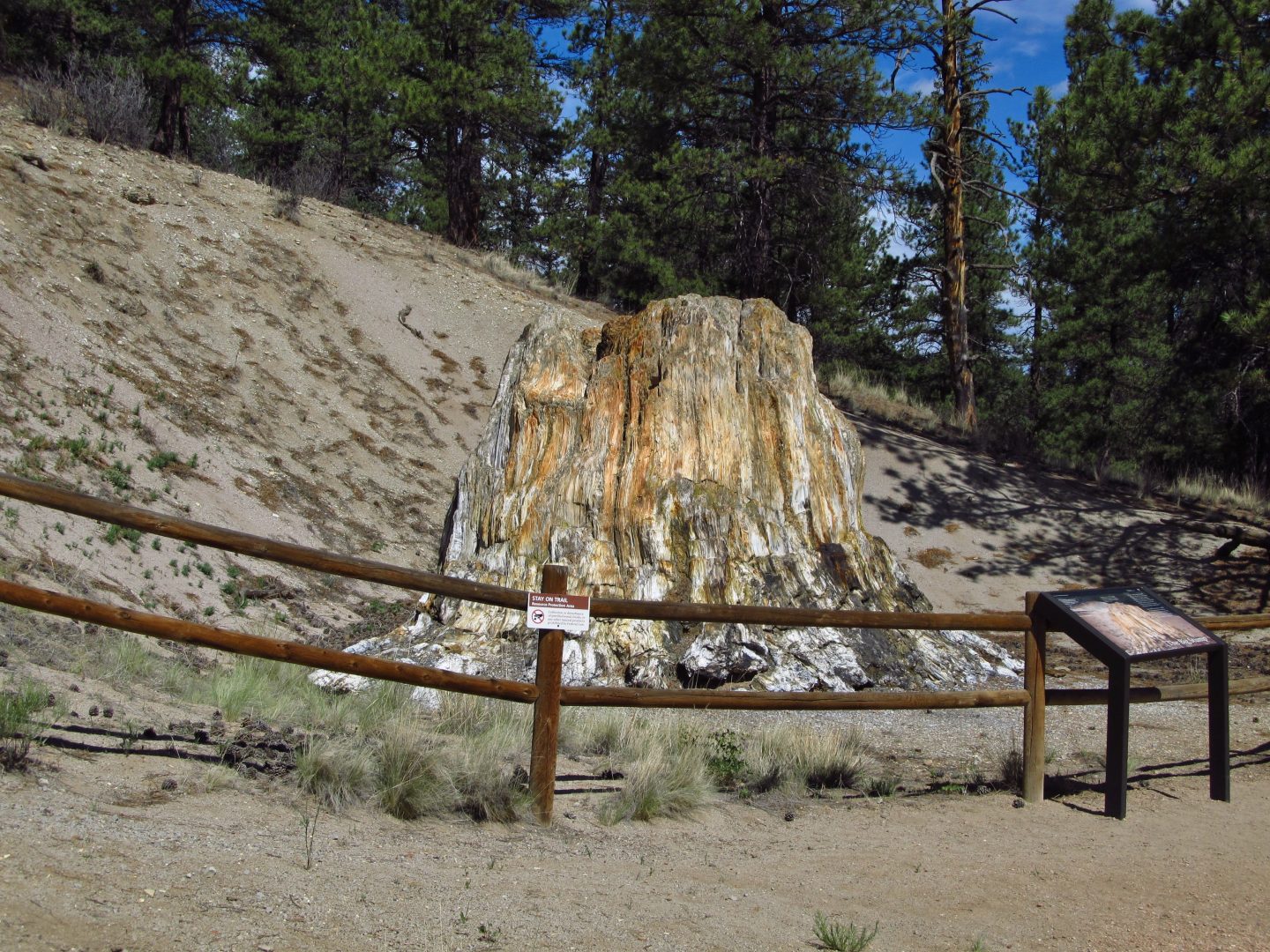
Beneath the quiet pine forests lie ancient secrets. Florissant holds one of the richest fossil deposits on the continent, with petrified redwood stumps and delicate imprints of insects, fish, and leaves. It’s a snapshot of life 34 million years ago, preserved in layers of volcanic ash. You walk trails lined with prehistoric time capsules.
Dinosaur National Monument

This park straddles the border with Utah, but Colorado holds some of its most dramatic canyon country. The Quarry Exhibit Hall lets you see real dinosaur fossils still embedded in rock, a paleontological marvel. Then there’s Echo Park, where the Yampa and Green rivers meet in sweeping sandstone curves. It’s as much about silence and stars as it is about bones.
Rocky Mountain National Park
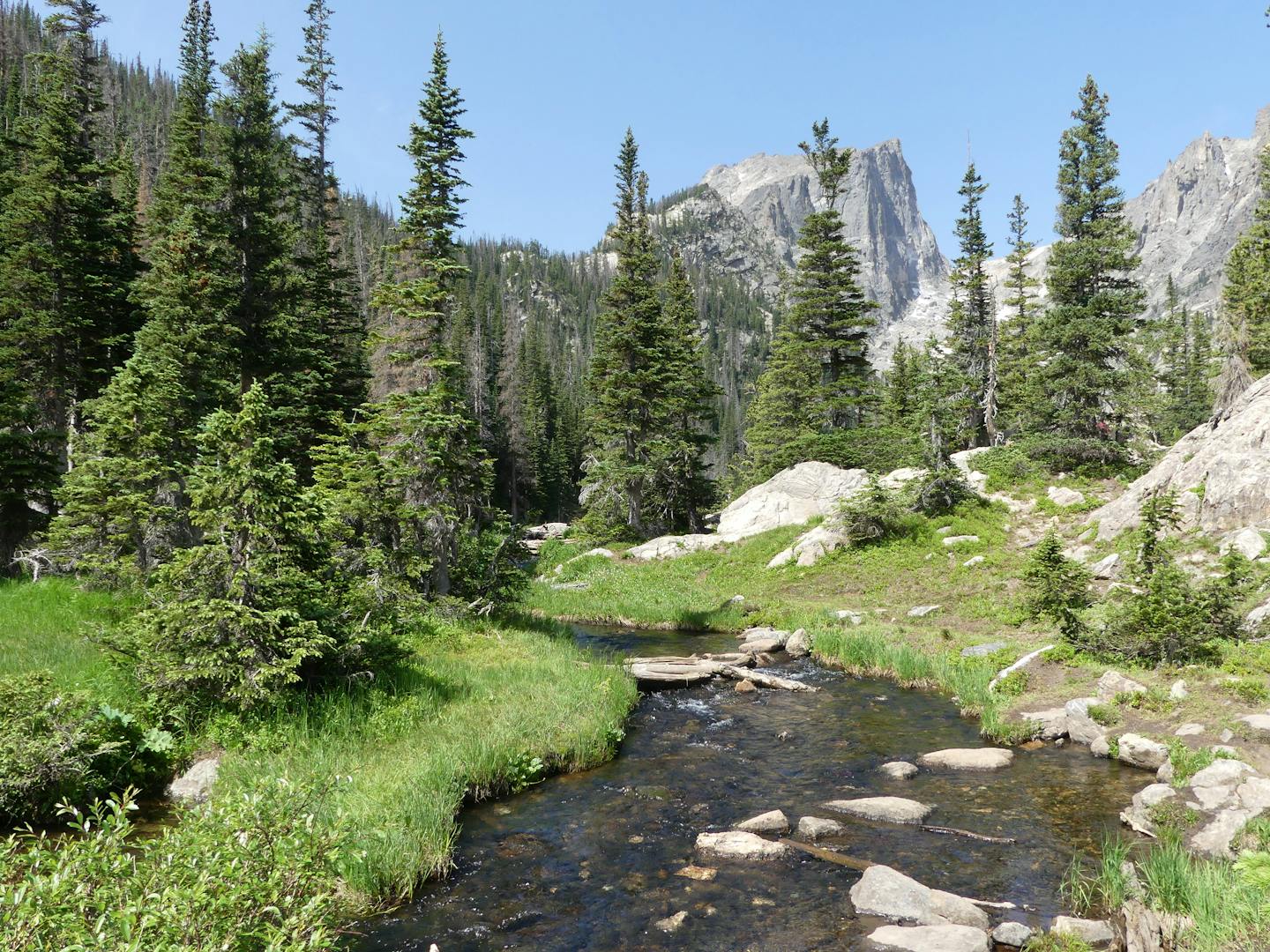
This park doesn’t just offer views, it immerses you in high-altitude wonder. Trail Ridge Road climbs to 12,183 feet, giving you access to windswept tundra and distant snow-capped peaks. Elk roam freely through meadows during the fall rut, and alpine lakes like Dream Lake mirror the sky with eerie perfection. You can spend a day hiking or just sit quietly and let the altitude sharpen your senses.
Great Sand Dunes National Park
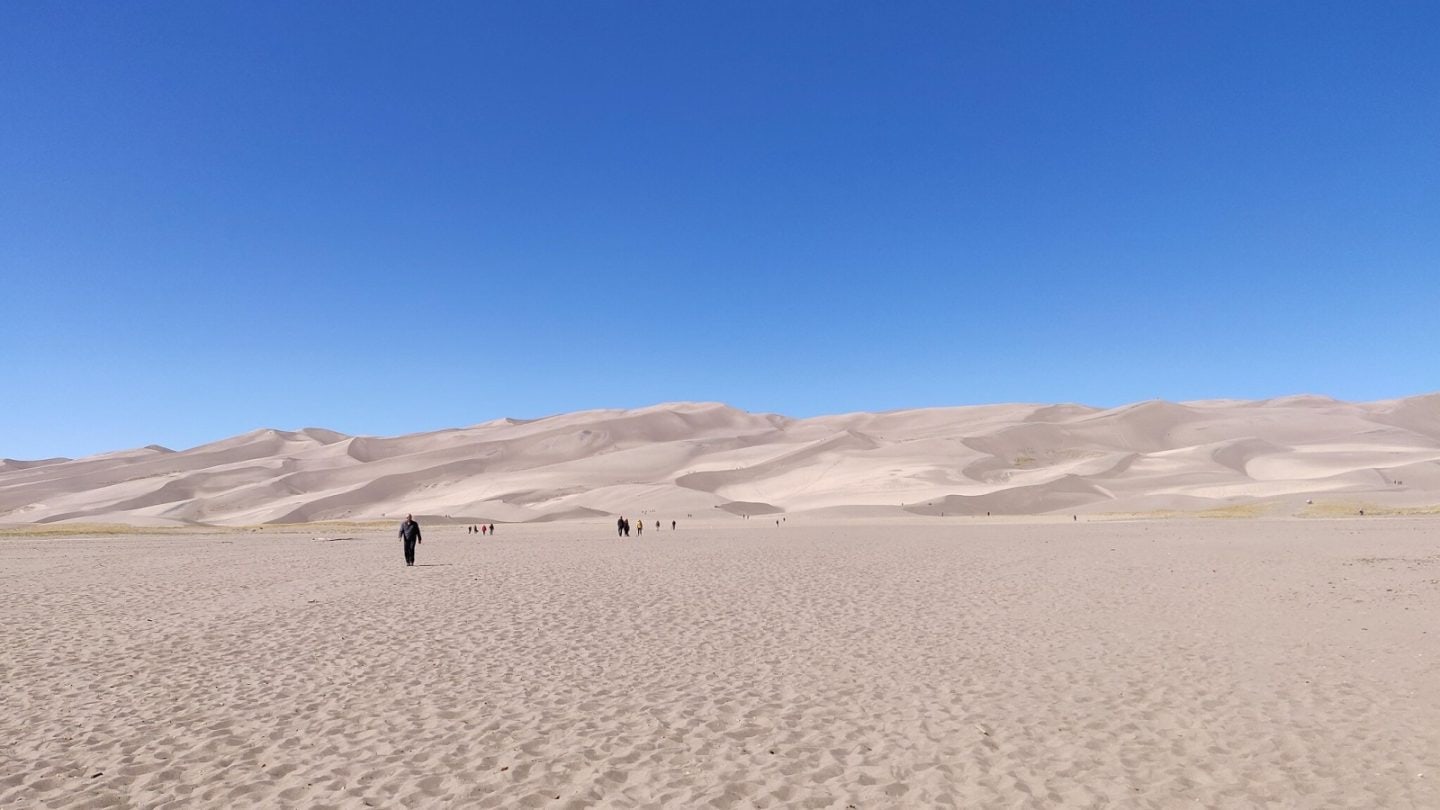
Imagine a desert pressed against 14,000-foot mountains, and you’ve got Great Sand Dunes. These are the tallest dunes in North America, rising over 750 feet, shifting and singing in the wind. Starry nights turn the dunes into a surreal lunar playground, while Medano Creek brings a seasonal splash at their base. It’s the kind of contrast that makes this park unforgettable.
Mesa Verde National Park

Mesa Verde tells a story written in stone and silence. Home to some of the most well-preserved cliff dwellings in North America, this park lets you walk the same paths as the Ancestral Puebloans. The ancient structures cling to canyon walls, inviting questions about community, survival, and connection.
Black Canyon of the Gunnison National Park

This canyon doesn’t stretch wide, it drops hard and fast. The Gunnison River has carved a chasm so steep and narrow that w, parts of it barely see sunlight. The walls are etched with jagged patterns that look almost deliberate, like nature’s attempt at sculpture. It’s a place that demands stillness and awe, perfect for hikers and solitude-seekers alike.
Browns Canyon National Monument

If you crave whitewater and wilderness, Browns Canyon delivers. The Arkansas River roars through granite walls while bighorn sheep scale steep ledges above. This is a place where rafting, hiking, and fishing intersect in a wild, unscripted rhythm. Unlike busier parks, the quiet here is natural, not curated.
Chimney Rock National Monument

Standing at Chimney Rock feels like standing inside a celestial calendar. This site was once a sacred astronomical observatory for the Ancestral Puebloans. During lunar standstill events, moonrises align perfectly with the twin rock spires, a spectacle that only happens every 18.6 years. Even on an ordinary day, the views are vast and unfiltered.
Curecanti National Recreation Area
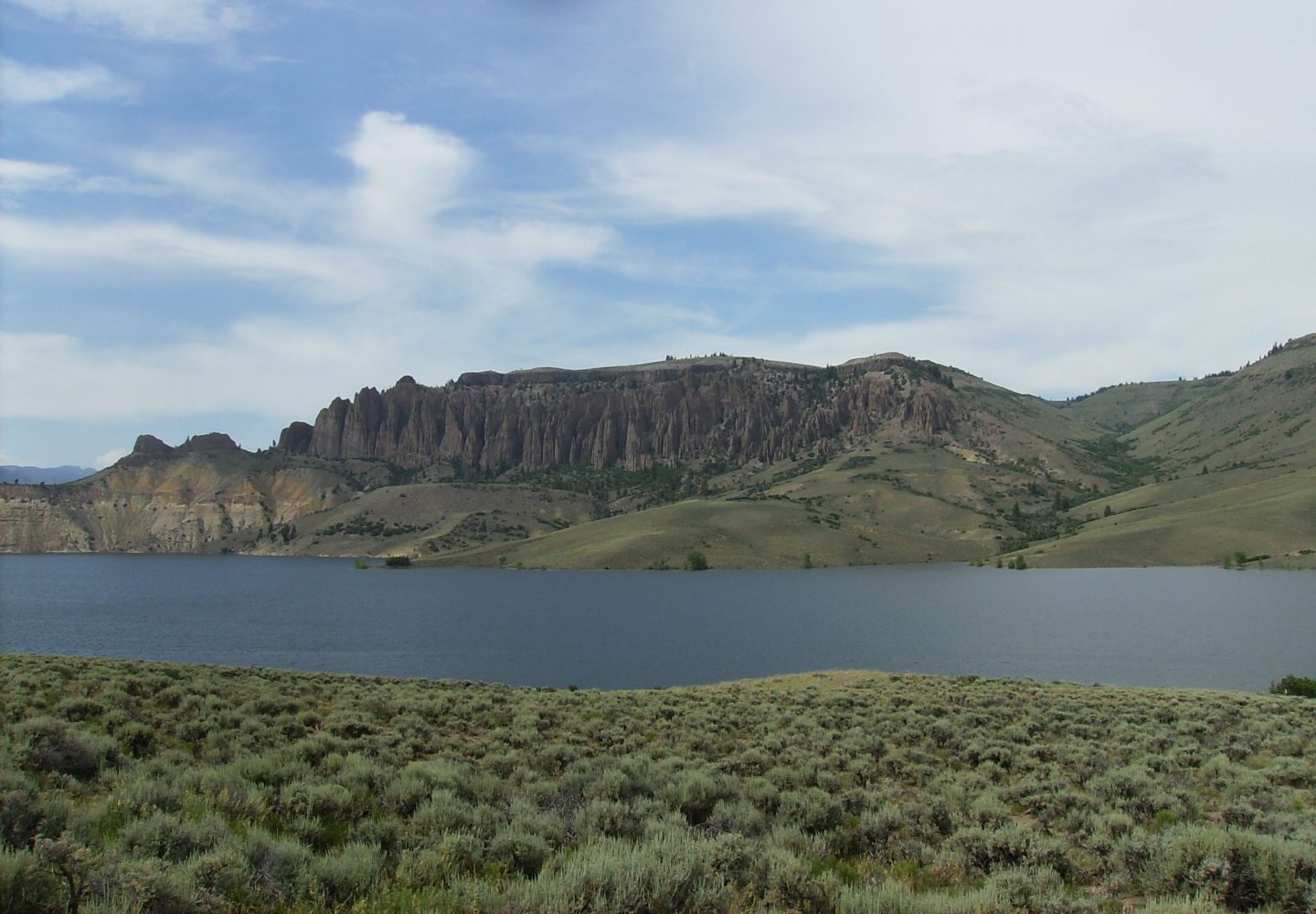
Tucked into western Colorado, Curecanti is where three reservoirs cut through the canyon country. It’s a paradise for boaters and anglers, but also hides deep slots like the famous Morrow Point Canyon. The Dillon Pinnacles, volcanic spires above Blue Mesa Reservoir, rise like pillars against the sky. You don’t just visit Curecanti, you immerse yourself in it.
Hovenweep National Monument

Here you find stone towers built on canyon rims, some still standing after 700 years. Hovenweep is smaller and less known, which makes the solitude more poignant. The structures seem deliberately placed for a line of sight across the horizon, hinting at ancient communication systems. When dusk falls, the ruins glow red, and the stars arrive without invitation.
Bent’s Old Fort National Historic Site

Before Colorado was a state, Bent’s adobe fort stood as a multicultural trading post along the Santa Fe Trail. Traders, trappers, Native tribes, and military officials all passed through these gates. Today, costumed interpreters and reconstructed rooms bring its 1840s heyday to life. It’s not a natural park, but it’s one of the most humane.
Sand Creek Massacre National Historic Site

This is not a place of recreation but of remembrance. In 1864, U.S. troops attacked a peaceful village of Cheyenne and Arapaho, killing over 230 people. The site is preserved to honor their memory and to educate future generations. Walking these grounds invites reflection and a deeper understanding of what should never be forgotten.
Yucca House National Monument

Unexcavated and unassuming, Yucca House is a mystery still waiting for answers. It was once a large Ancestral Puebloan community, but without trails or signs, it remains largely untouched. Visiting it feels like stumbling across a whisper of history not yet revealed. Few people go here, which makes the experience intimate and raw.
Colorado National Monument

Rising just outside Grand Junction, this park showcases sheer red rock cliffs and hidden canyons. The Rim Rock Drive offers panoramas that feel like an art gallery of geologic time. Bighorn sheep, eagles, and twisted junipers complete the scene. Unlike the name suggests, it’s no small monument; it’s a full-fledged wonder.
Comanche National Grassland
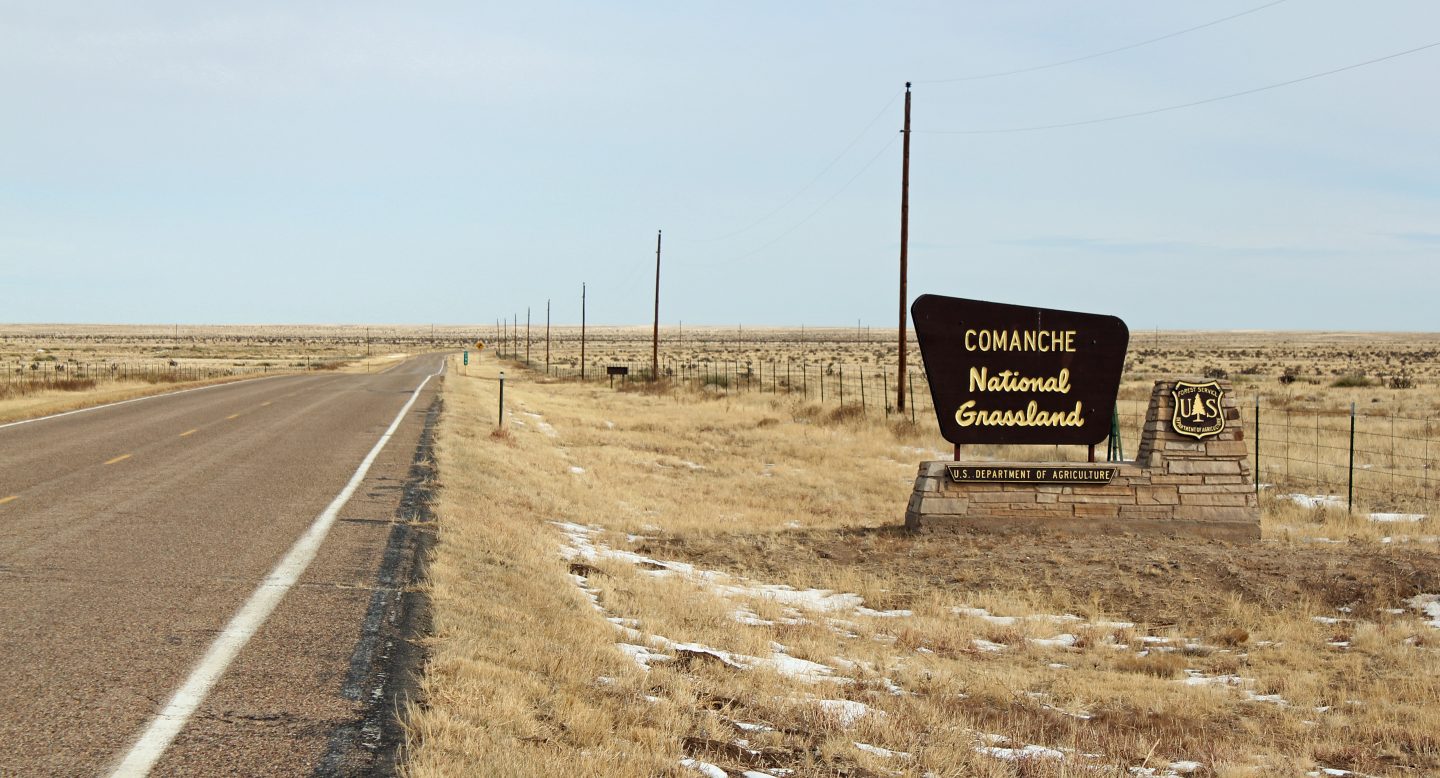
Often overlooked, Comanche National Grassland holds ancient dinosaur tracks, mysterious rock art, and a quiet that stretches for miles. Picketwire Canyonlands features the largest known set of dino footprints in North America. You hike down into a sun-soaked canyon and walk among literal steps of prehistory.
Disclaimer: This list is solely the author’s opinion based on research and publicly available information.
Read More:

- Ultimate Guide To Picking The Best Travel Credit Card
- The 5 Best Budget Airlines in the United States
- 15 Best Countrıes to Vısıt in Afrıca